The moods of man should unfold and alternate as gradually and placidly as those of nature. The sun shines for aye!
The sudden revolutions of these times and this generation have acquired a very exaggerated importance. They do not interest me much, for they are not in harmony with the longer periods of nature.
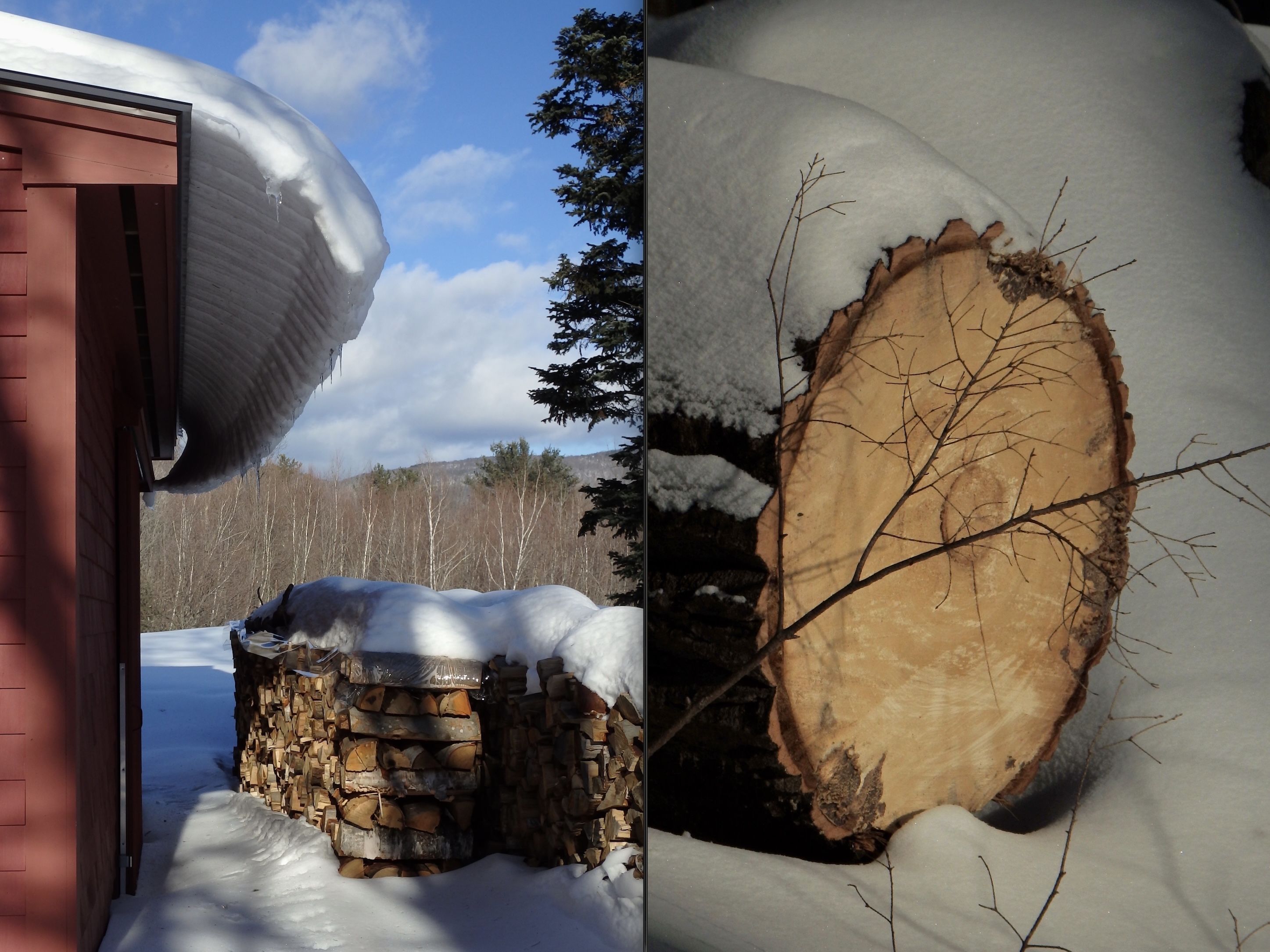
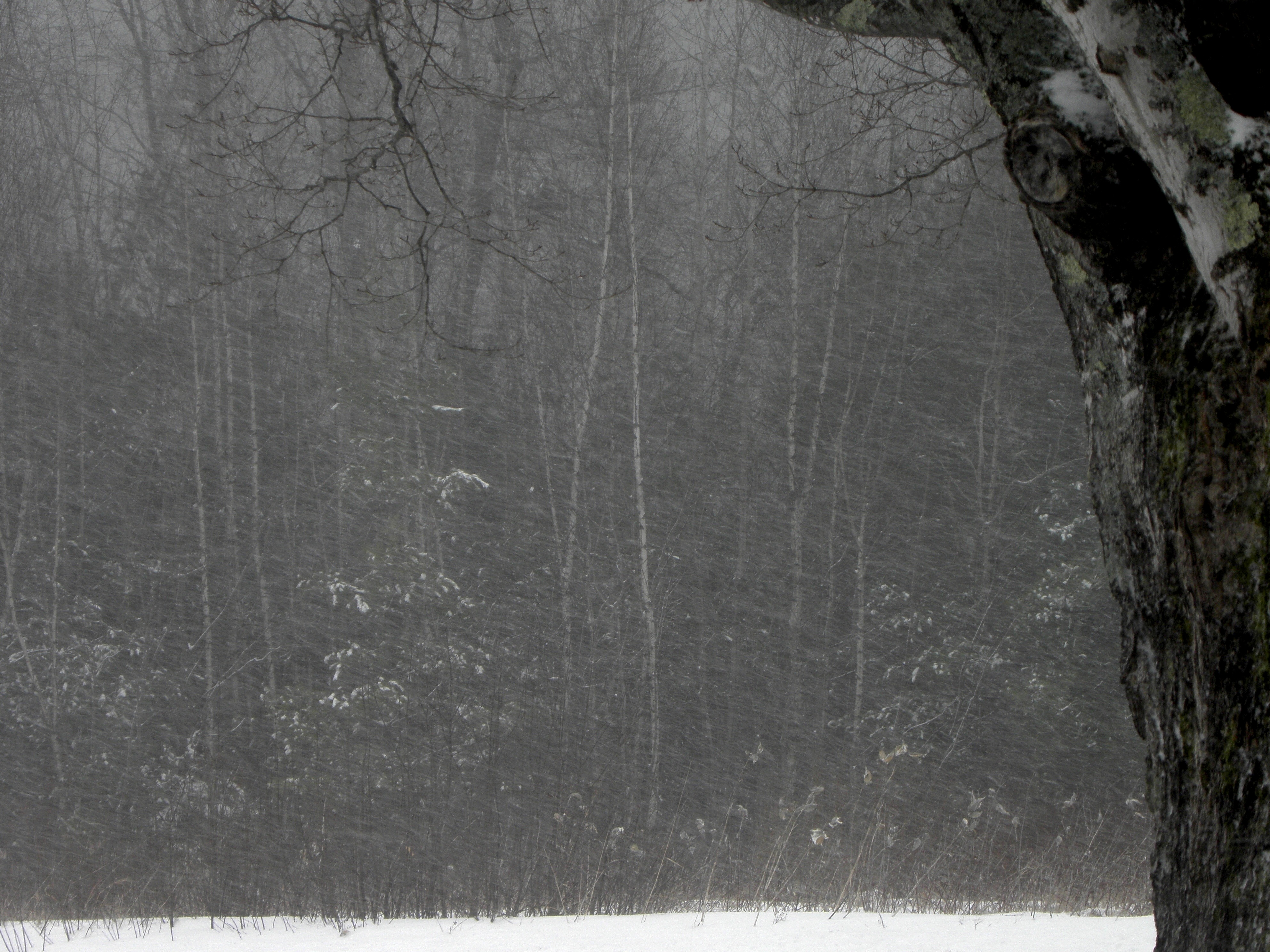
High wind and howling and driving snow- storm all night, now much drifted. There is a great drift in the front entry and at the crack of every door and on the window-sills. Great drifts on the south of walls….
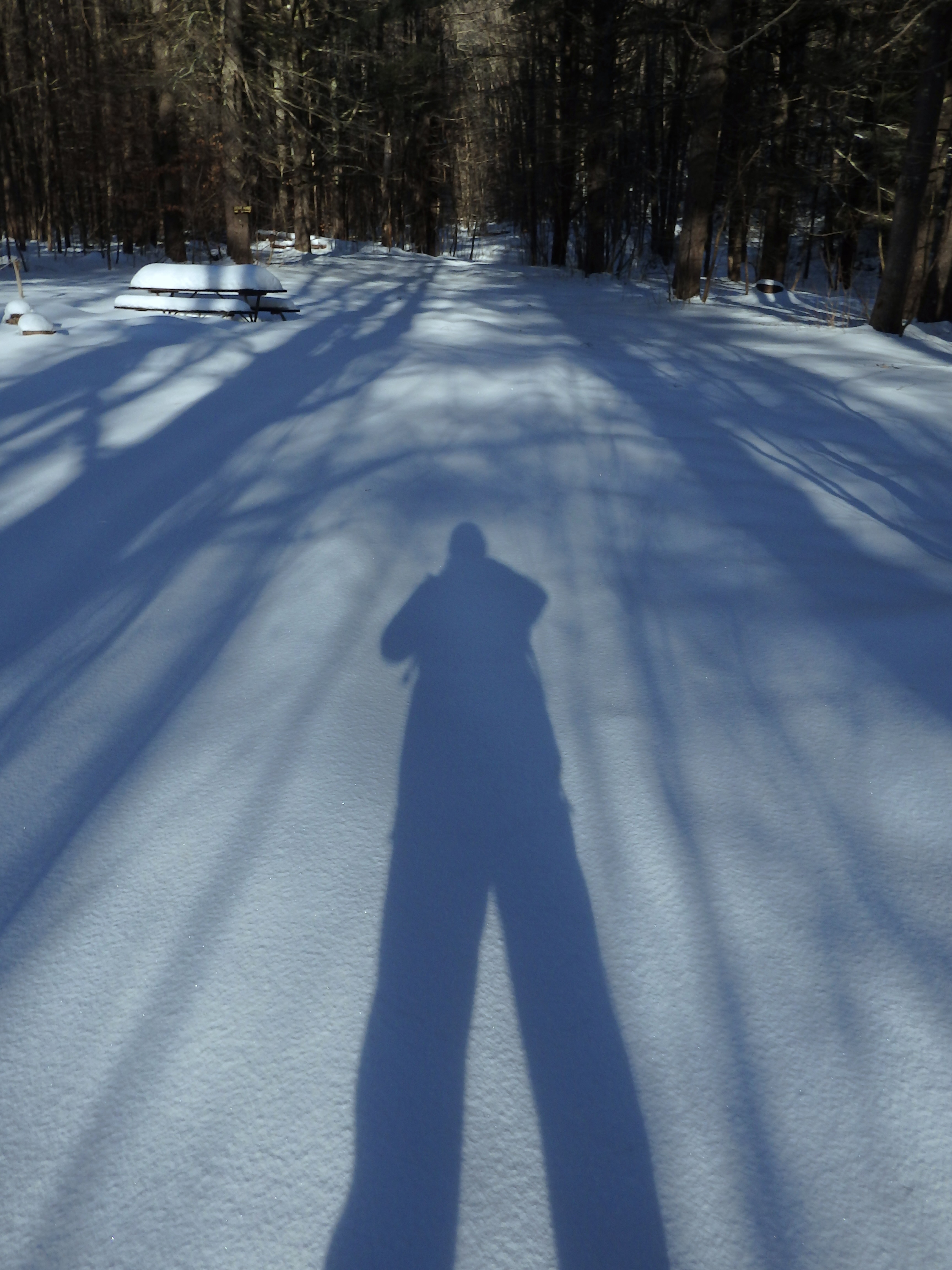
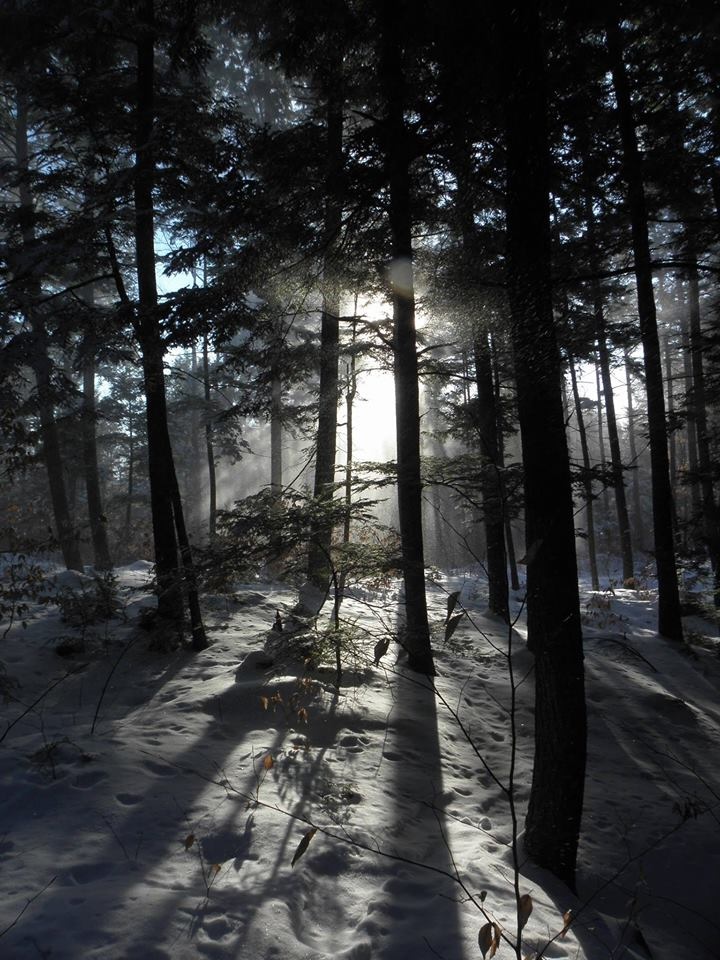
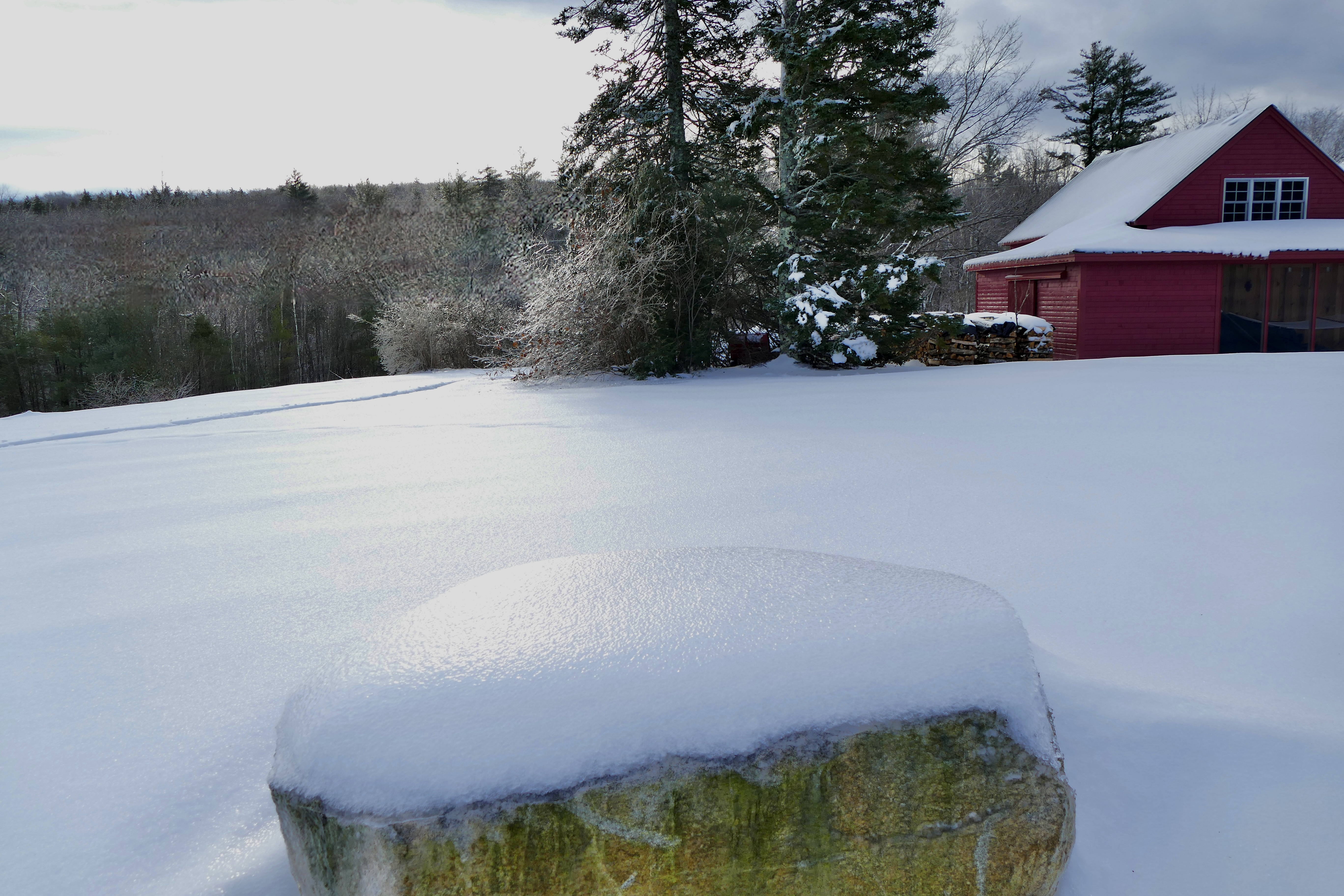
Now, at 4.15, the blue shadows are very distinct on the snow-banks…
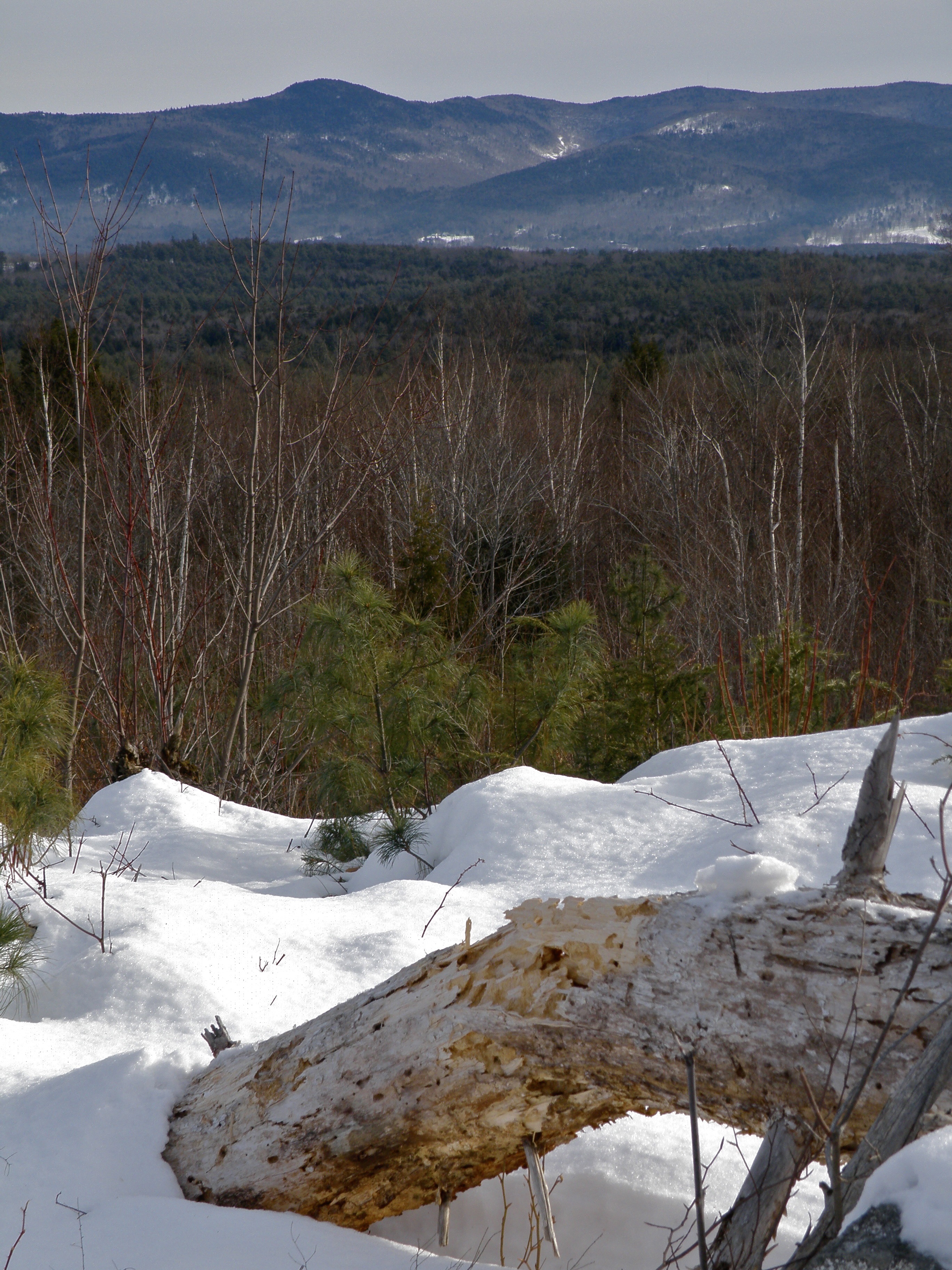
The exquisite purity of the snow & the gracefulness of its curves are remarkable…
Around some houses there is not a single track– Neither man woman nor child–dog nor cat nor fowl has stirred out today.– There has been no meeting. Yet this afternoon since the storm it has not been very bad travelling.
I find that whatever hindrances may occur I write just about the same amount of truth in my Journal; for the record is more concentrated, and usually it is some very real and earnest life, after all, that interrupts. All flourishes are omitted. If I saw wood from morning to night, though I grieve that I could not observe the train of my thoughts during that time, yet, in the evening, the few scrannel lines which describe my day’s occupations will make the creaking of the saw more musical than my freest fancies could have been. I find incessant labor with the hands, which engrosses the attention also, the best method to remove palaver out of one’s style. One will not dance at his work who has wood to cut and cord before the night falls in the short days of winter; but every stroke will be husbanded, and ring soberly through the wood; and so will his lines ring and tell on the ear, when at evening he settles the accounts of the day. I have often been astonished at the force and precision of style to which busy laboring men, unpracticed in writing, easily attain when they are required to make the effort. It seems as if their sincerity and plainness were the main thing to be taught in schools — and yet not in the schools, but in the fields, in actual service, I should say….
I want to see a sentence run clear through to the end, as deep and fertile as a well-drawn furrow which shows that the plow was pressed down to the beam. If our scholars would lead more earnest lives, we should not witness those lame conclusions to their ill-sown discourses, but their sentences would pass over the ground like loaded rollers, and not mere hollow and wooden ones, to press in the seed and make it germinate.
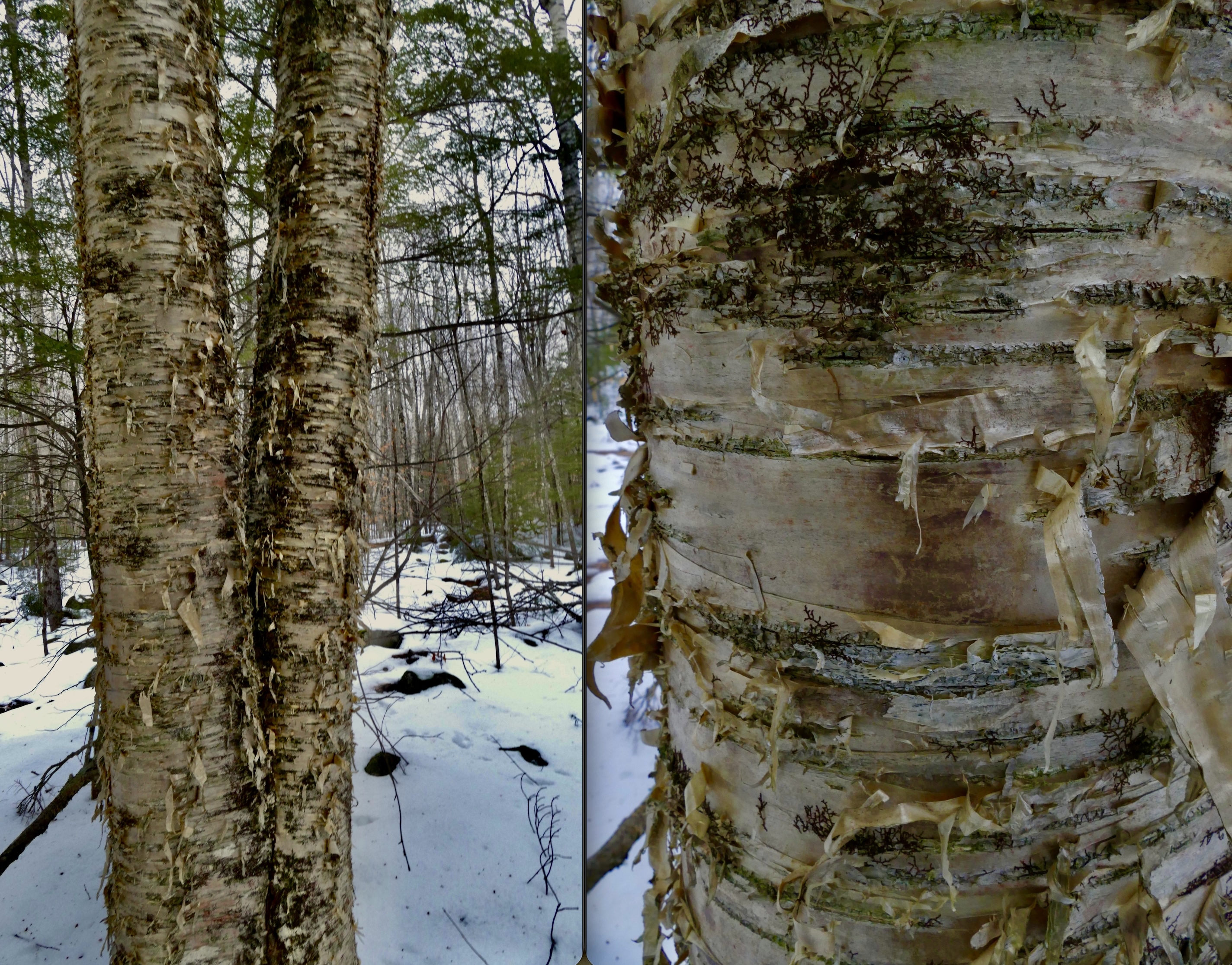
….I went through the swamp, and the yellow birches sent forth a yellow gleam which each time made my heart beat faster.
Occasionally you come to a dead and leaning white birch, beset with large fungi like ears or little shelves, with rounded edge above. I walked with the yellow birch.
We have passed the line, have put the autumn behind us, have forgotten what these withered herbs that rise above the snow here and there are, what flowers they ever bore.
When the snow is falling thick and fast, the flakes nearest you seem to be driving straight to the ground, while the more distant seem to float in the air in a quivering bank, like feathers, or like birds at play, and not as if sent on any errand.
So, at a little distance, all the works of nature proceed with sport and frolic. They are more in the eye, and less in the deed.
The thoughts and associations of summer and autumn are now as completely departed from our minds as the leaves are blown from the trees. Some withered deciduous ones are left to rustle, and our cold immortal evergreens.
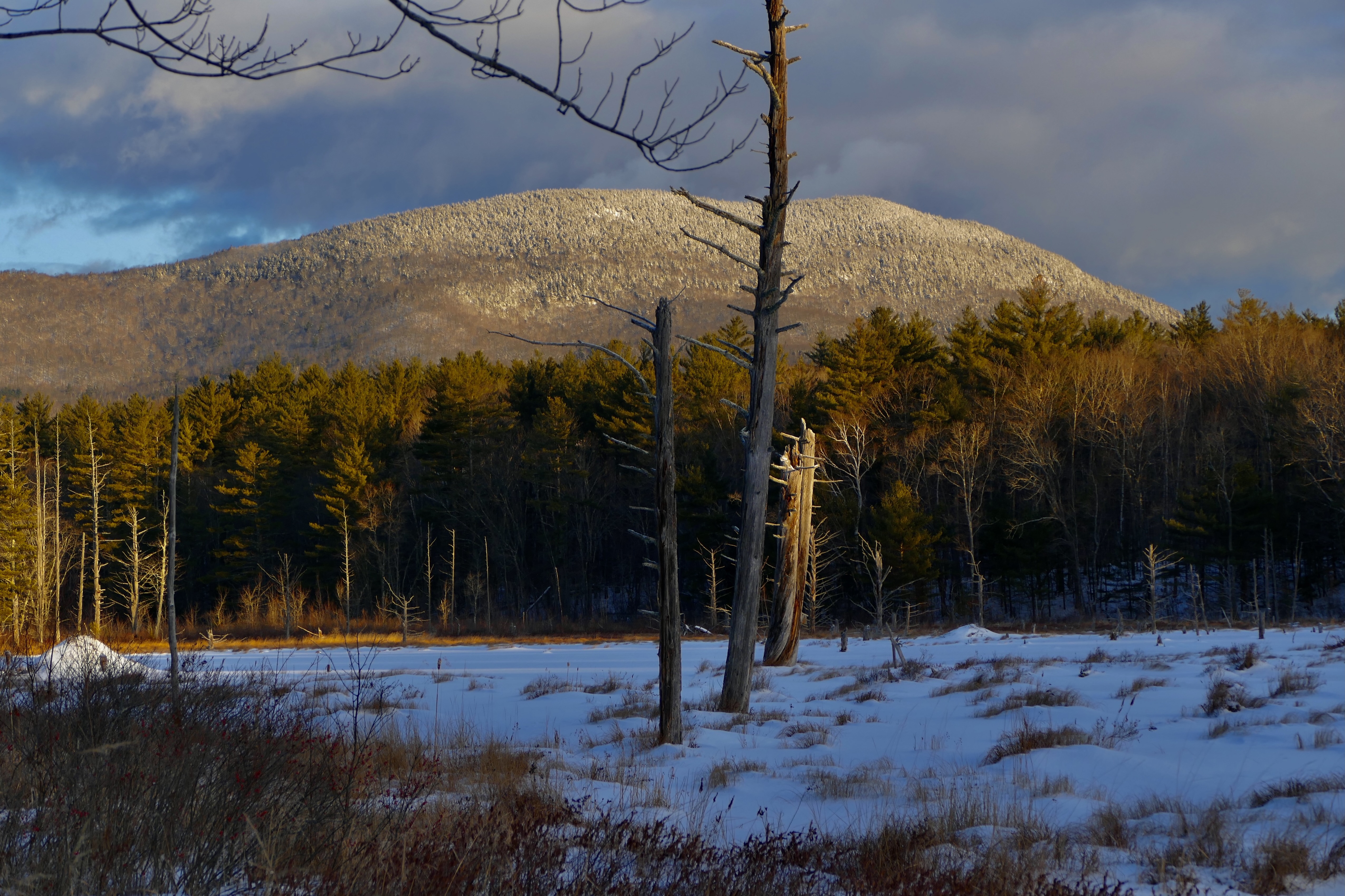
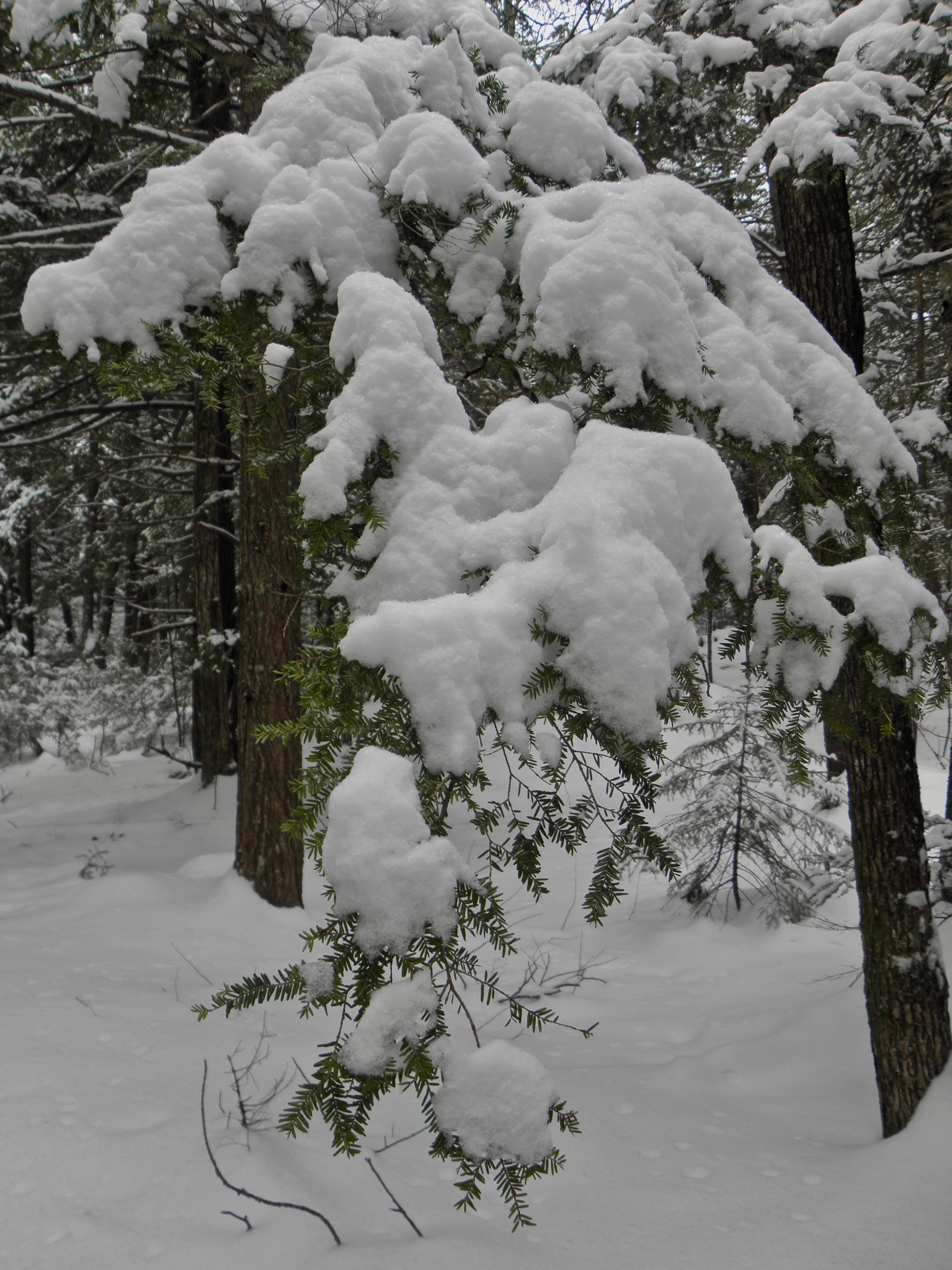
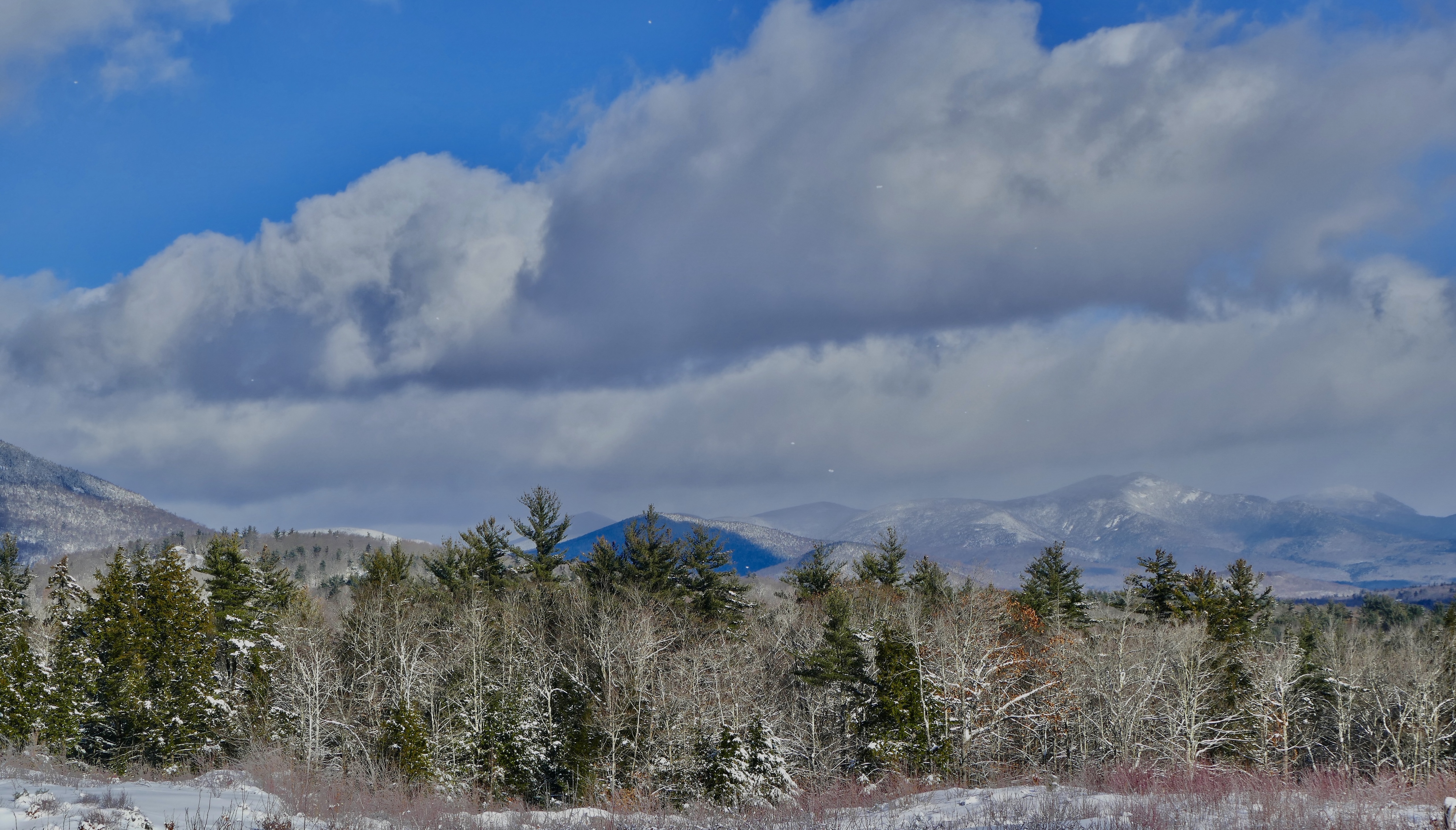
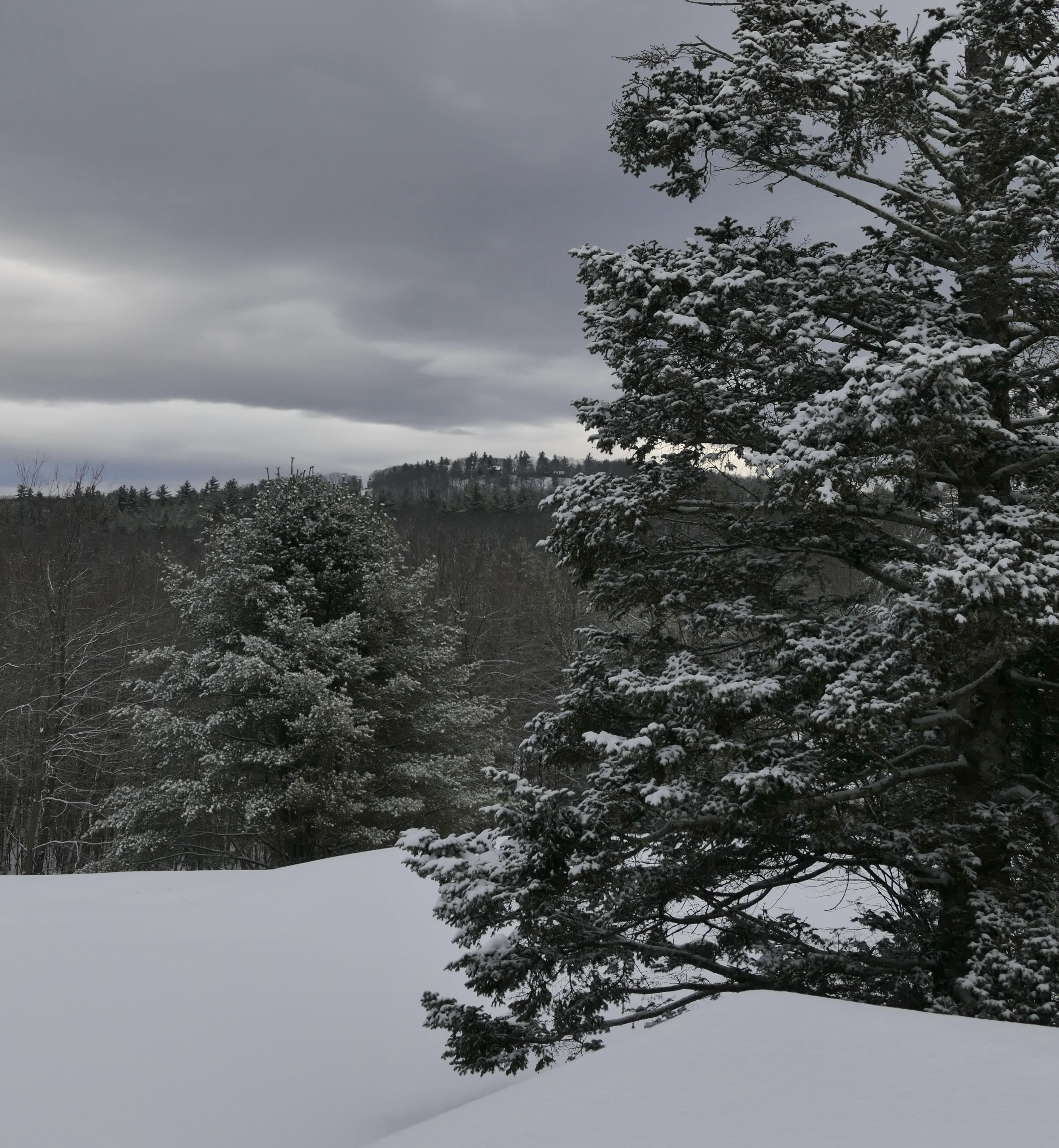
The snow hangs on the trees as the fruit of the season. In those twigs which the wind has preserved naked, there is a warmer green for the contrast. The whole tree exhibits a kind of interior and household comfort—a sheltered and covert aspect— It has the snug inviting look of a cottage on the Moors, buried in snows.
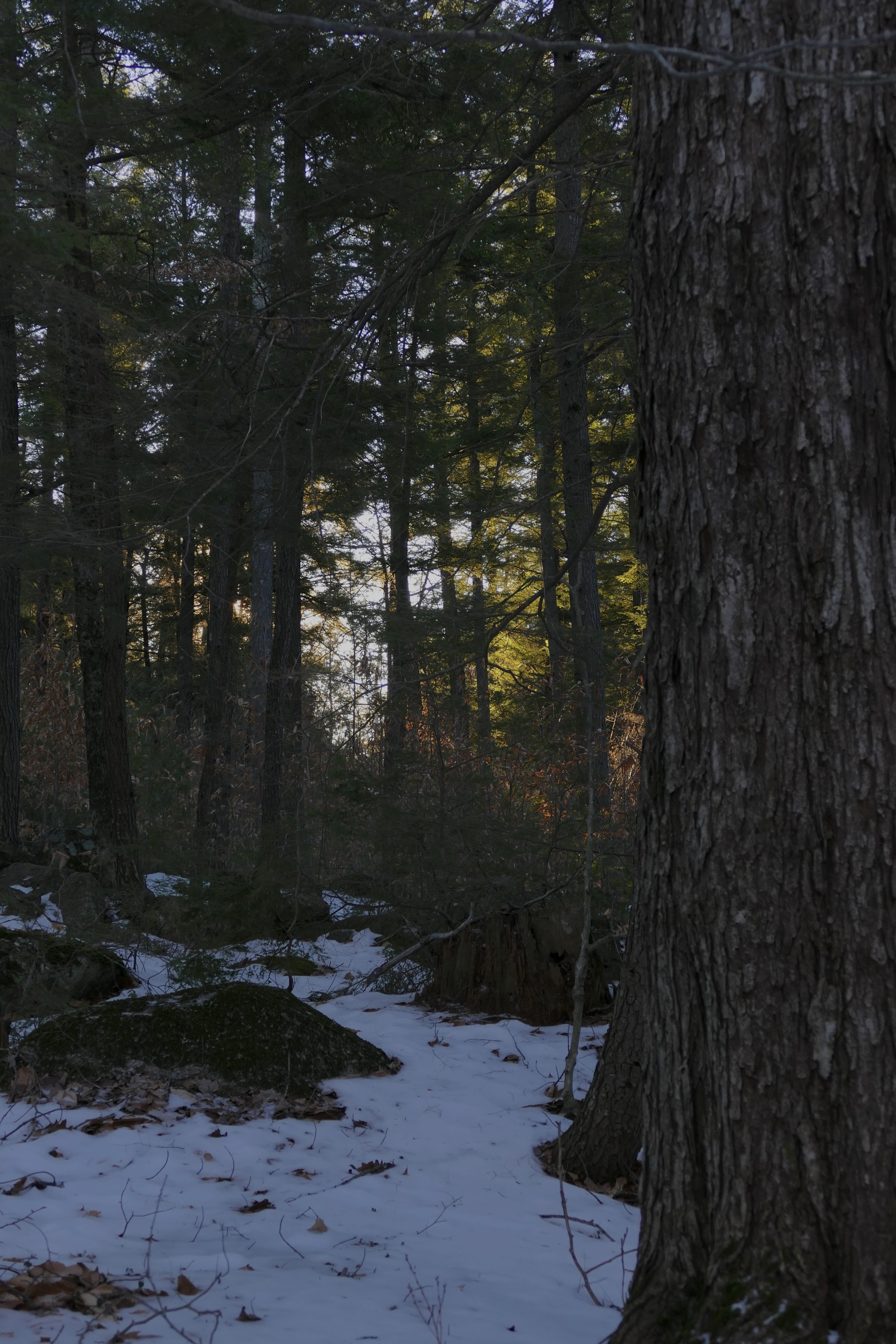
How like your house are the woods, your voice rings hollowly through them as through a chamber— The twigs crackle under feet with private and household echoes. All sound in the woods in private and domestic still, though never so loud.
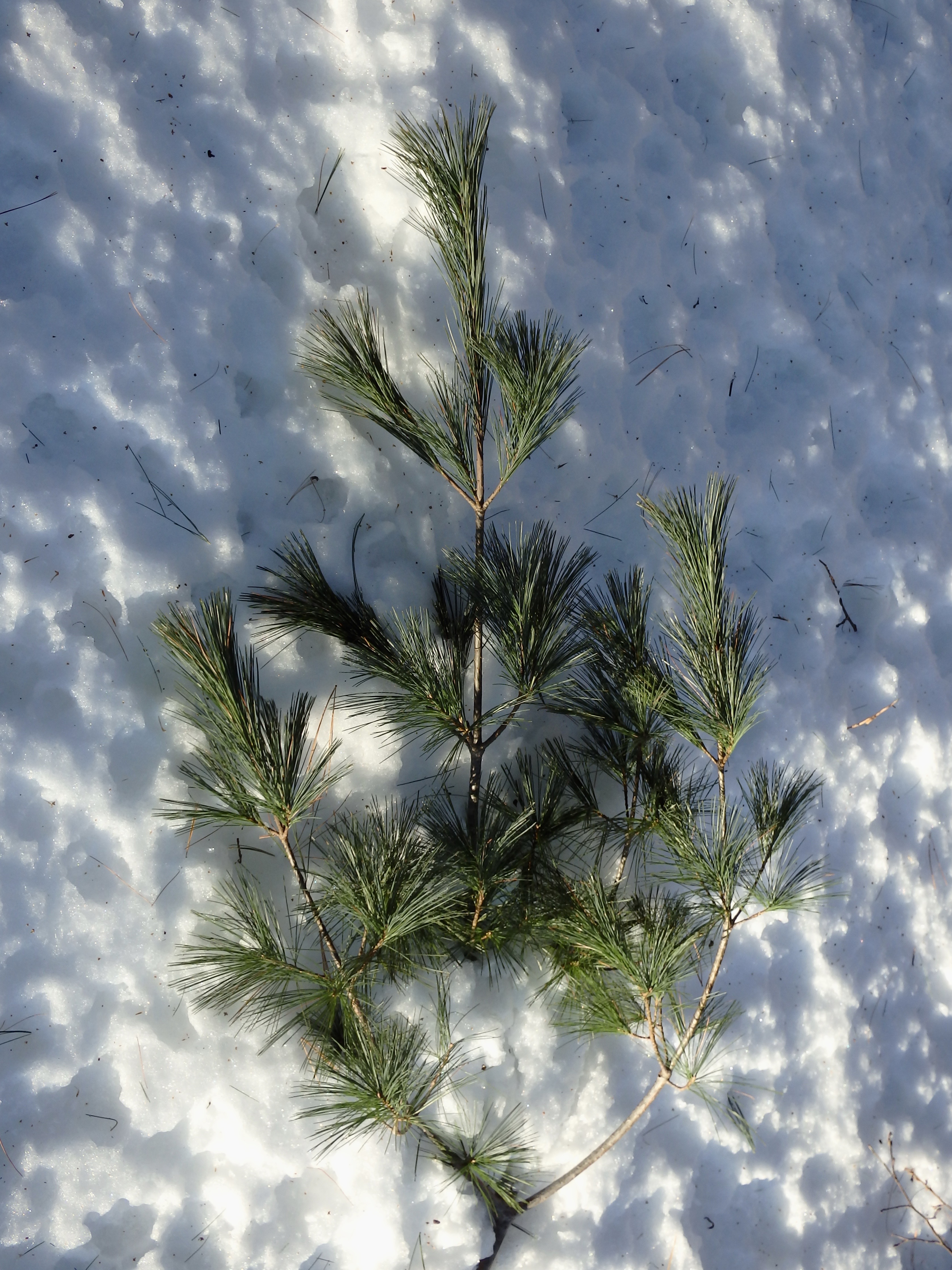
The pine woods seen from the hilltops now that the ground is covered with snow, are not green but a dark brown—greenish brown perhaps— You see dark patches of wood.
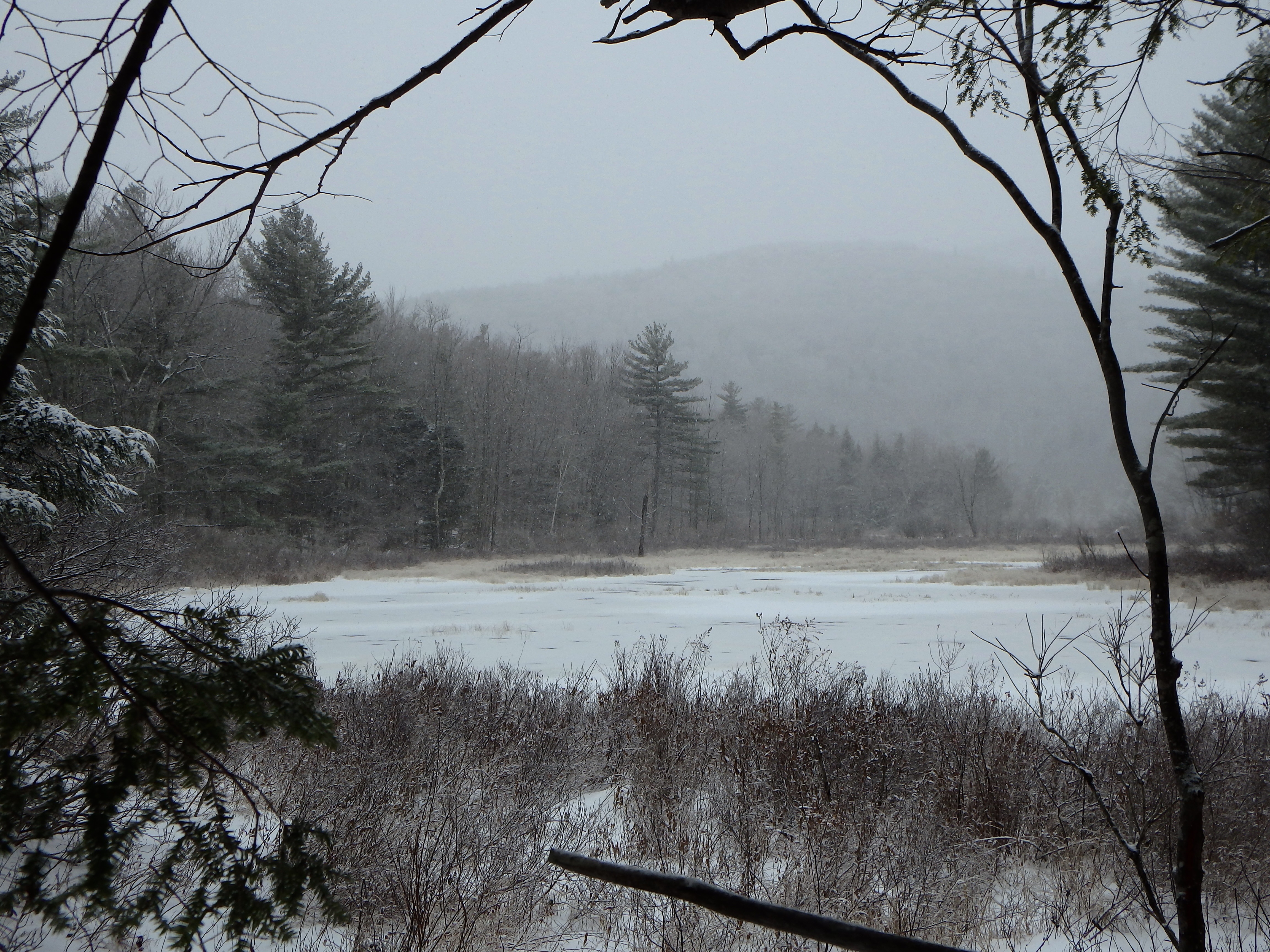
This morning, when I woke, I found it snowing, the snow fine and driving almost horizontally, as if it had set in for a long storm, but a little after noon it ceased snowing and began to clear up, and I set forth for a walk. The snow which we have had for the past week or 10 days has been remarkably light & dry. It is pleasant walking in the woods now when the sun is just coming out & shining on the woods freshly covered with snow—
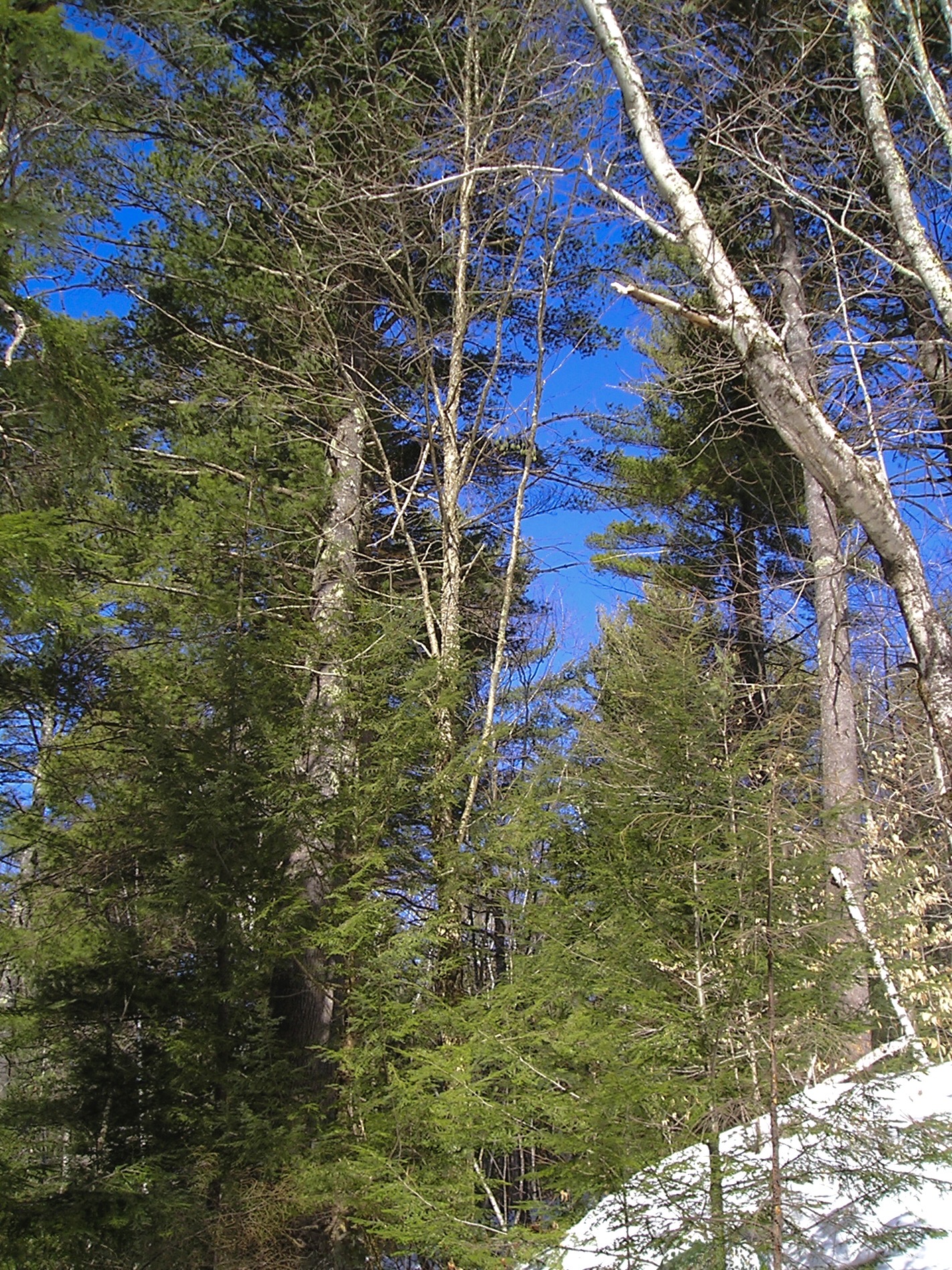
At a distance the oak woods look very venerable—a fine hale wintry aspect things wear and the pines all snowed up even suggest comfort. Where boughs cross each other much snow is caught—which now in all woods is gradually coming down.
Nature and human life are as various to our several experiences as our constitutions are various— Who shall say what prospect life offers to another? Could a greater miracle take place than if we should look through each other’s eyes for an instant. What I have read of Rhapodists—of the primitive poets—Argonautic expeditions—the life of demigods & heroes—Eleusinian mysteries—&c—suggests nothing so ineffably grand and informing as this would be.
We know not what it is to live in the open air—our lives are domestic in more senses than we had thought. From the hearth to the field is a great distance. A man should always speak as if there were no obstruction not even a mote or a shadow between him & the celestial bodies. The voices of men sound hoarse and cavernous—tinkling as from out of the recesses of caves—enough to frighten bats & toads—not like bells—not like the music of birds, not a natural melody.
Of all the Inhabitants of Concord I know not one that dwells in nature.— If one were to inhabit her forever he would never meet a man. This country is not settled nor discovered yet.






You must be logged in to post a comment.