September 16, 1853

in Thoreau’s Journal:

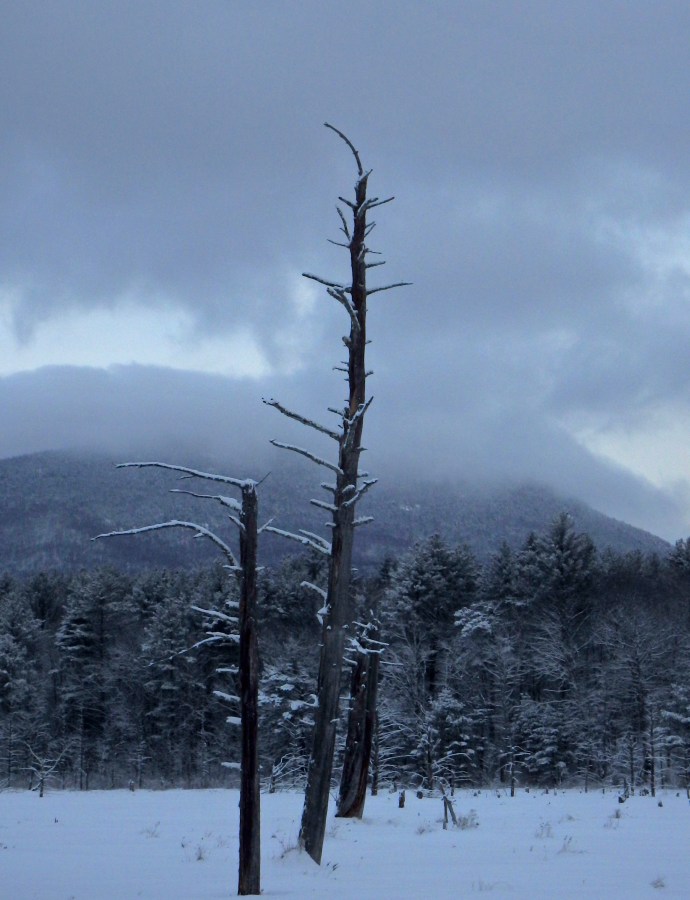
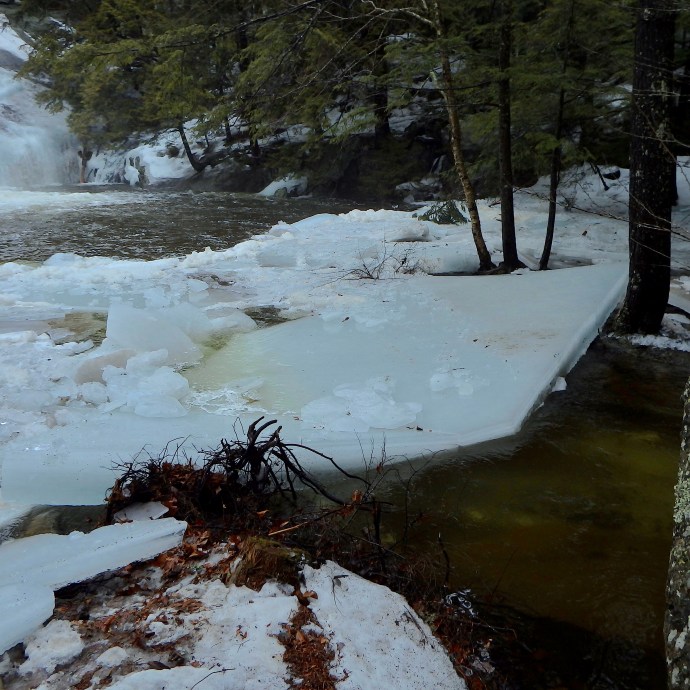
[in Maine] ….we heard faintly from far down the stream what sounded like 2 strokes of a woodchopper’s axe echoing faintly and dully through the grim solitude & silence— When we told Joe of this he exclaimed “By George, Ill bet that was moose They make a sound like that.”

P1010719.jpg

These sounds affected us strangely, and by their very resemblance to the stroke of an axe where they probably had so different an origin enchanted the impression of solitude & wildness.

Photo: September 8, 2016: Squam Mts, Sandwich, NH

September 13, 1852

 in Thoreau’s Journal:

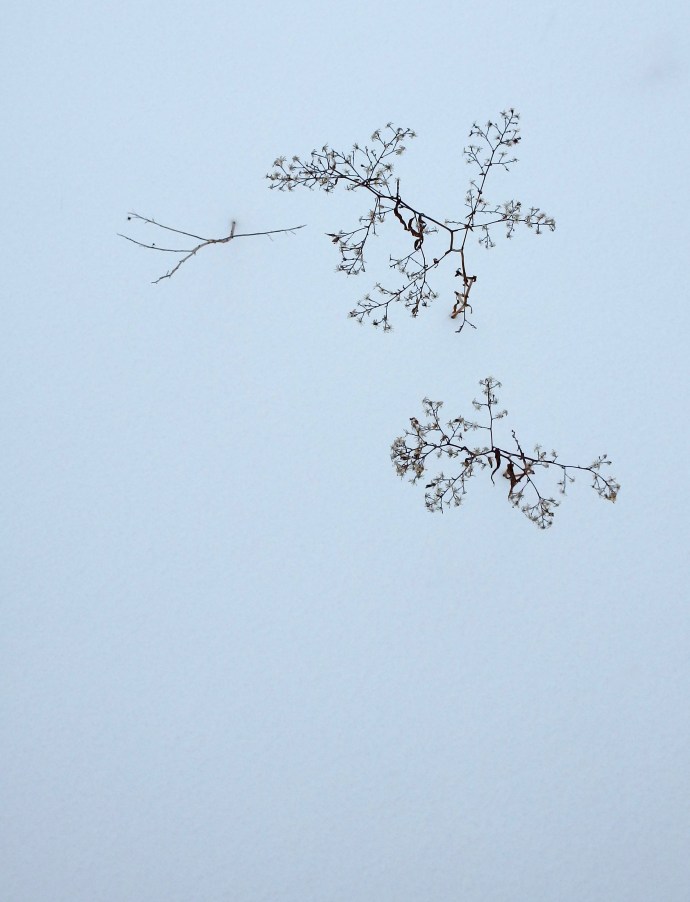
How earnestly and rapidly each creature, each flower, is fulfilling its part while its day lasts! Nature never lost a day, nor a moment.

P9090023.jpg

As the planet in its orbit and around its axis, so do the seasons, so does time, revolve, with a rapidity inconceivable.

September 11, 1852

in Thoreau’s Journal:

The purple gerardia and blue curls are interesting for their petals strewn about—beaten down by the rain— Many a brook I look into is strewn with the purple petals of the gerardia whose stalk is not obvious in the bank.

14238225_10210917771121676_6354923224096178035_n.jpg

September 8, 2016:   “blue-curls” ?

September 10, 1851

in Thoreau’s Journal:

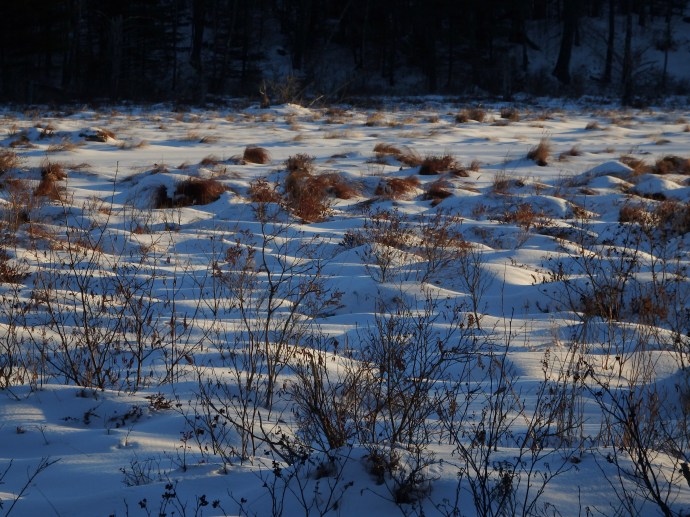
As I watch the groves on the meadow opposite our house—I see how differently they look at different hours of the day i.e. in dif. lights when the sun shines on them variously.

P1010542.jpg

In the morning perchance they seem one blended mass of light green In the afternoon distinct trees appear—separated by heavy shadows—& in some places I can see quite through the grove.

September 8, 1851

in Thoreau’s Journal:

While the grass is fresh the earth is in its vigor. The greenness of the grass is the best symptom or evidence of the earth’s youth or health. Perhaps it will be found that when the grass ceases to be fresh & green or after June—the birds have ceased to sing—& the fireflies too no longer in myriads sparkle in the meadows—

P9020044.jpg

Perhaps a history of the year would be a history of the grass—or of a leaf regarding the grass blades as leaves—for it is equally true that the leaves soon loose their freshness & soundness, & become the prey of insects & of drought.

September 7, 1851

in Thoreau’s Journal:

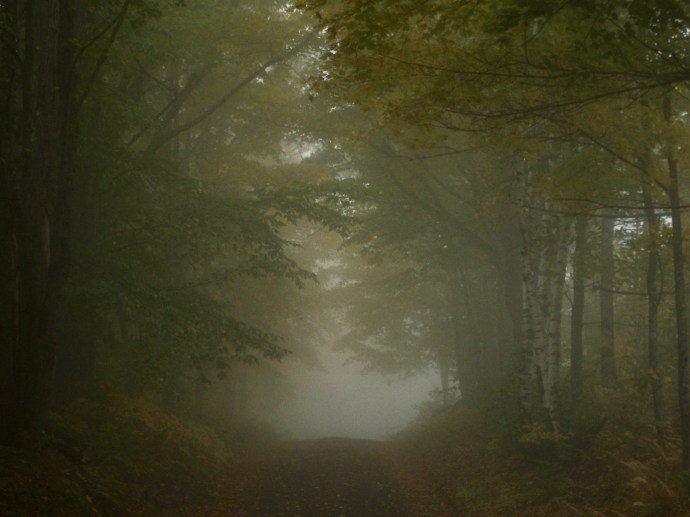
A certain refinement & civilization in nature which increases with the wildness. The civilization that consists with wildness. The light that is in night. A smile as in a dream on the face of the sleeping lake.

P6200051.jpg

There is light enough to show what we see—what night has to exhibit—any more would obscure these objects.

September 6, 1852

in Thoreau’s Journal:

In the woods near the top the Vib. lantanoides Hobble bush-Am. in fruit—mostly large & red but the ripe dark blue. or black like the V. nudum— what I have formerly falsely called Moose-berry.

P1010588.jpg

September 5, 2016: Photo

September 3, 1853

 in Thoreau’s Journal:

The Soapwort gentian out abundantly in Flints-Bridge Lane—ap. for a week—a surprisingly deep faintly purplish blue….it has the flowering of the sky.

P9010008.jpg

The sky has descended & kissed the earth….Why come these blue flowers thus late in the year.

September 1, 1852

in Thoreau’s Journal:

They cannot fatally injure Walden with an axe, for they have done their worst & failed. We see things in the reflection which we do not see in the substance.

P1010202.jpg

In the reflected woods of Pine Hill there is a vista through which I see the sky—but I am indebted to the water for this advantage—for from this point the actual wood affords no such vista.

August 28, 1851

 in Thoreau’s Journal:

An old poet comes at last to watch his moods as narrowly as a cat does a mouse….I omit the unusual—the hurricanes & earthquakes & describe the common. This has the greatest charm—and is the true theme of poetry. You may have the extraordinary, if you will let me have the ordinary.

P1010490.jpg