December 1, 1853

in Thoreau’s Journal:
We may infer that every withered culm of grass or sedge—or weed that still stands in the fields—answers some purpose by standing— Those trees & shrubs which retain their withered leaves through the winter—shrub oaks—& young white red & black oaks—the lower branches of larger trees of the last mentioned species—horn-beam &c & young hickories seem to form an intermediate class between deciduous & evergreen trees— They may almost be called the ever-reds. Their leaves which are falling all winter long serve as a shelter to rabbits & partridges & other winter quadrupeds & birds—even the little chickadees love to skulk amid them & peep out from behind them. I hear their faint silvery lisping notes‚ like tinkling glass—& occasionally a sprightly day-day-day—as they inquisitively hop nearer & nearer to me.

They are our most honest & innocent little bird—drawing yet nearer to us as the winter advances—& deserve best of any of the walker.

November 30, 1851

in Thoreau’s Journal:

A rather cold and windy afternoon with some snow not yet melted on the ground. Under the south side of the hill between Brown’s & Tarbel’s, in a warm nook—disturbed 3 large grey-squirrels & some partridges—who had all sought out this bare and warm place. While the squirrels hid themselves in the tree tops I sat on an oak stump by an old cellar hole and mused.

This squirrel is always an unexpected large animal to see frisking about. My eye wanders across the valley to the pine woods which fringe the opposite side, and in their aspect my eye finds something which addresses itself to my nature. Methinks that in my mood I was asking nature to give me a sign—  I do not know exactly what it was that attracted my eye—  I experienced a transient gladness at any rate at something which I saw. I am sure that my eye rested with pleasure on the white pines now reflecting a silvery light—the infinite stories of their boughs—tier above tier—a sort of basaltic structure—a crumbling precipice of pine horizontally stratified.

Each pine is like a great green feather stuck in the ground. A myriad white pine boughs extend themselves horizontally one above & behind another each bearing its burden of silvery sun-light—with darker seams between them—as if it were a great crumbling piny precipice thus stratified—  On this my eyes pastured while the squirrels were up the trees.  behind me  That at any rate it was that I got by my afternoon walk—a certain recognition from the pine.  some congratulation.  

November 29, 1856

in Thoreau’s Journal:

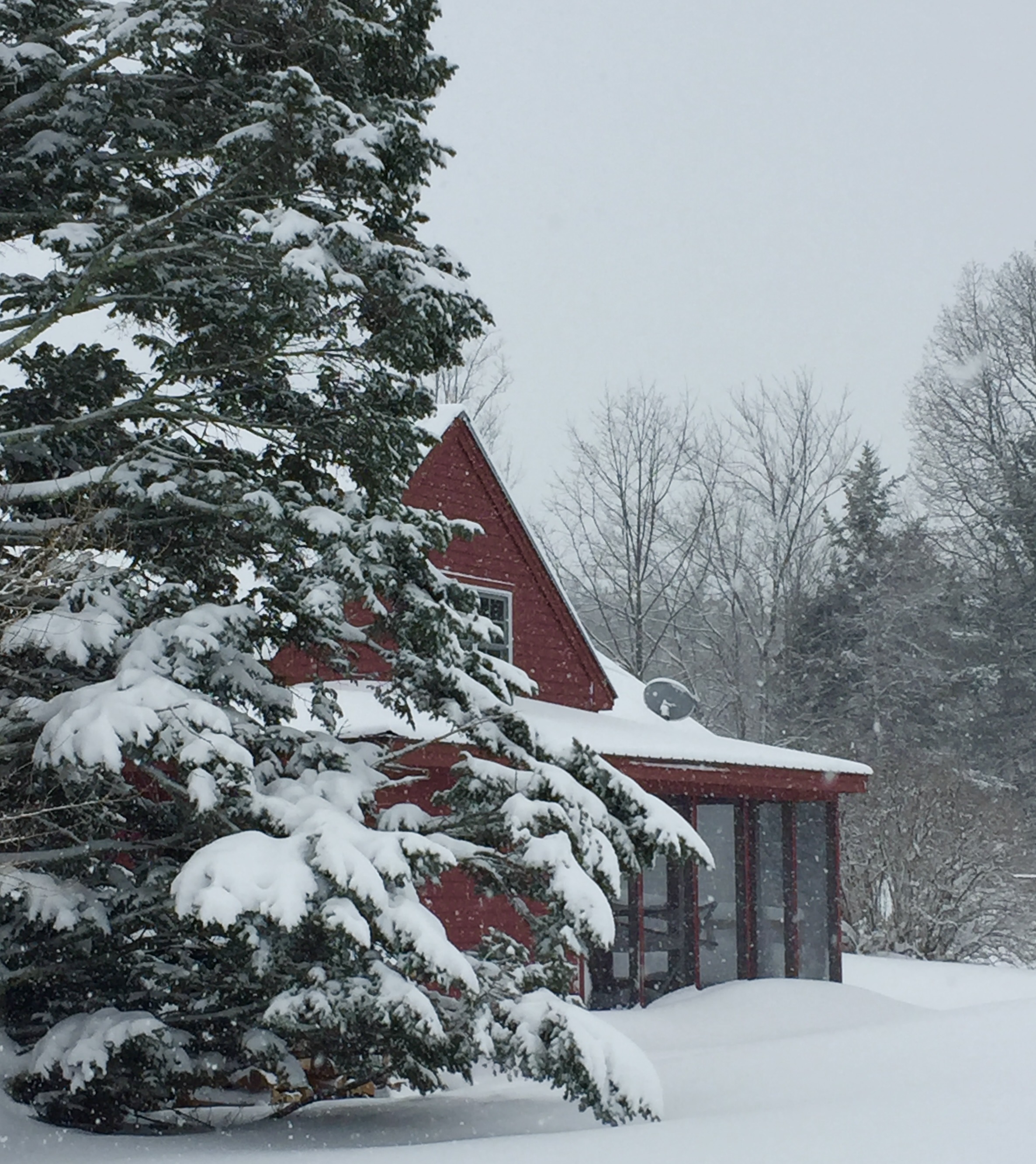
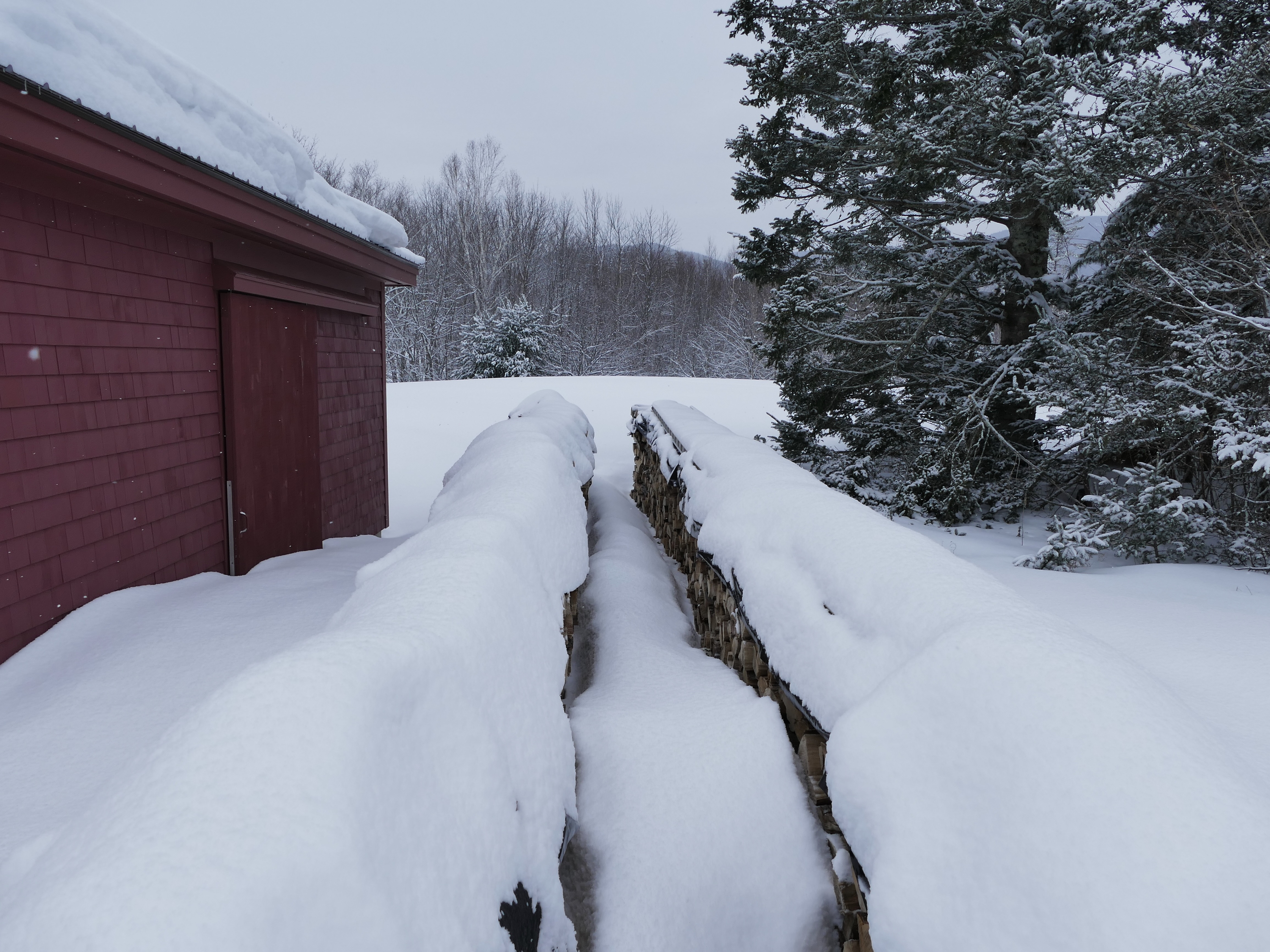
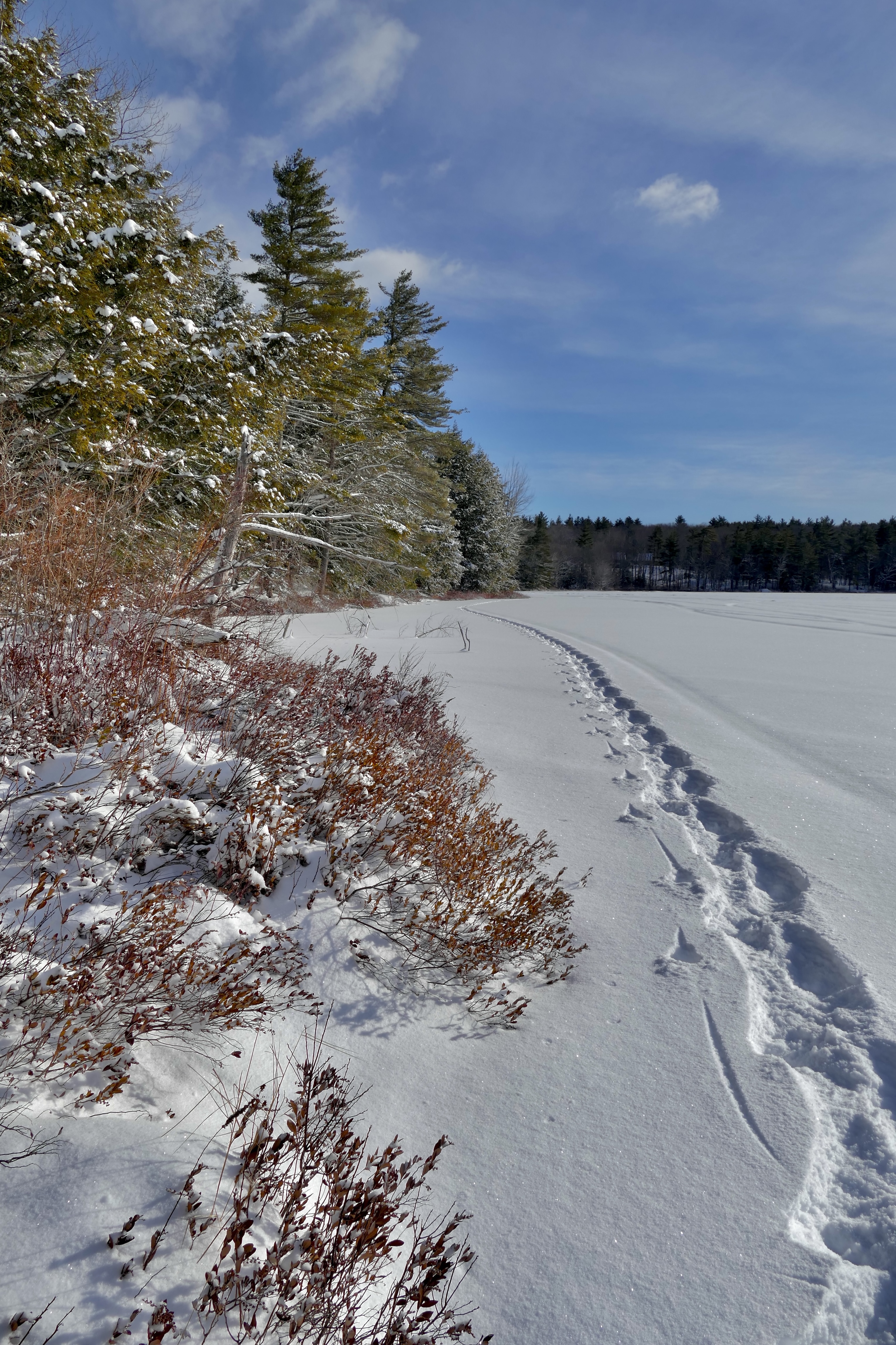
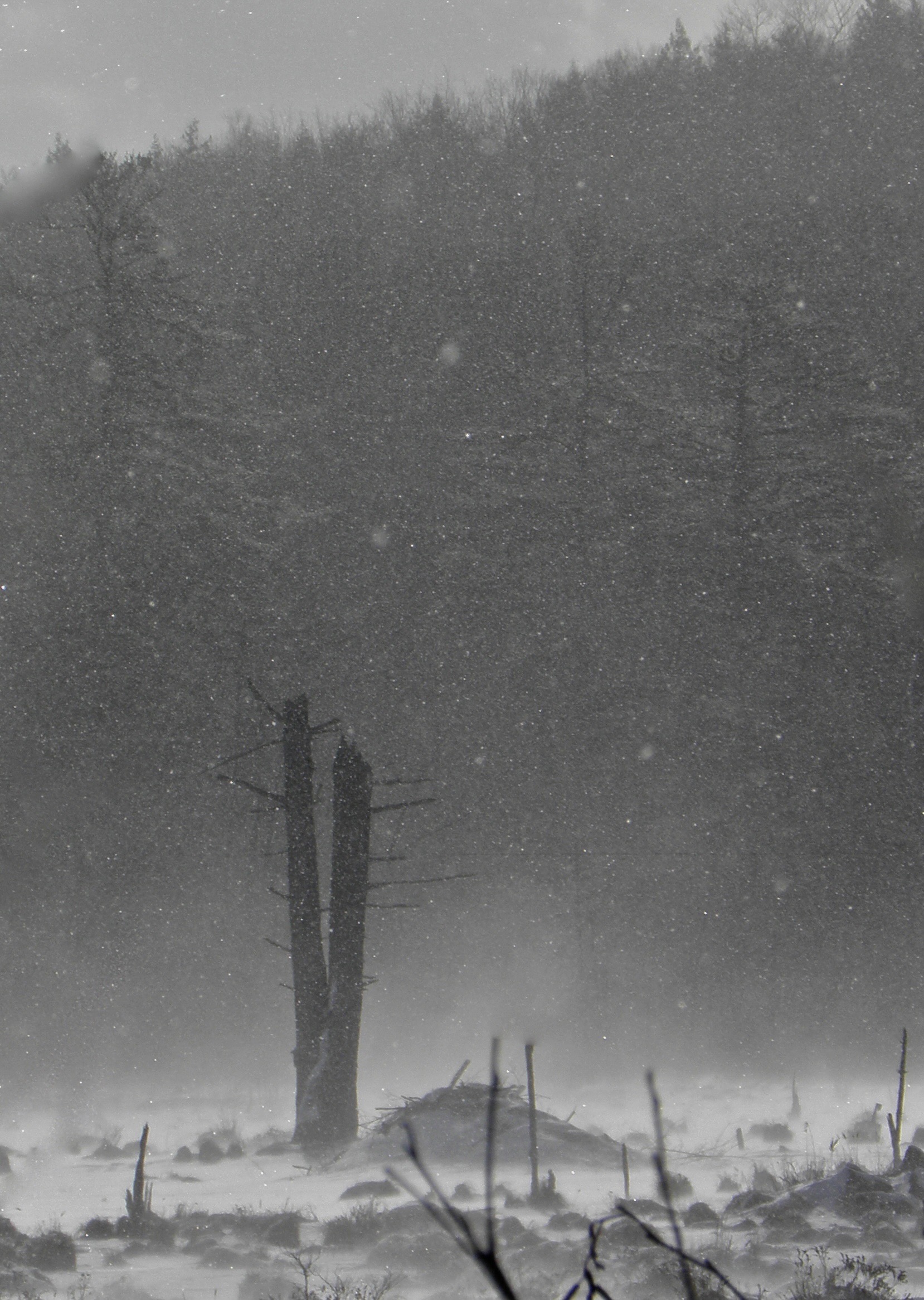
Begins to snow this morning and snows slowly and interruptedly with a little fine hail all day till it is several inches deep. This the first snow I have seen, but they say the ground was whitened for a short time some weeks ago.

It has been a remarkably pleasant November, warmer and pleasanter than last year.

November 28, 1837

in Thoreau’s Journal:

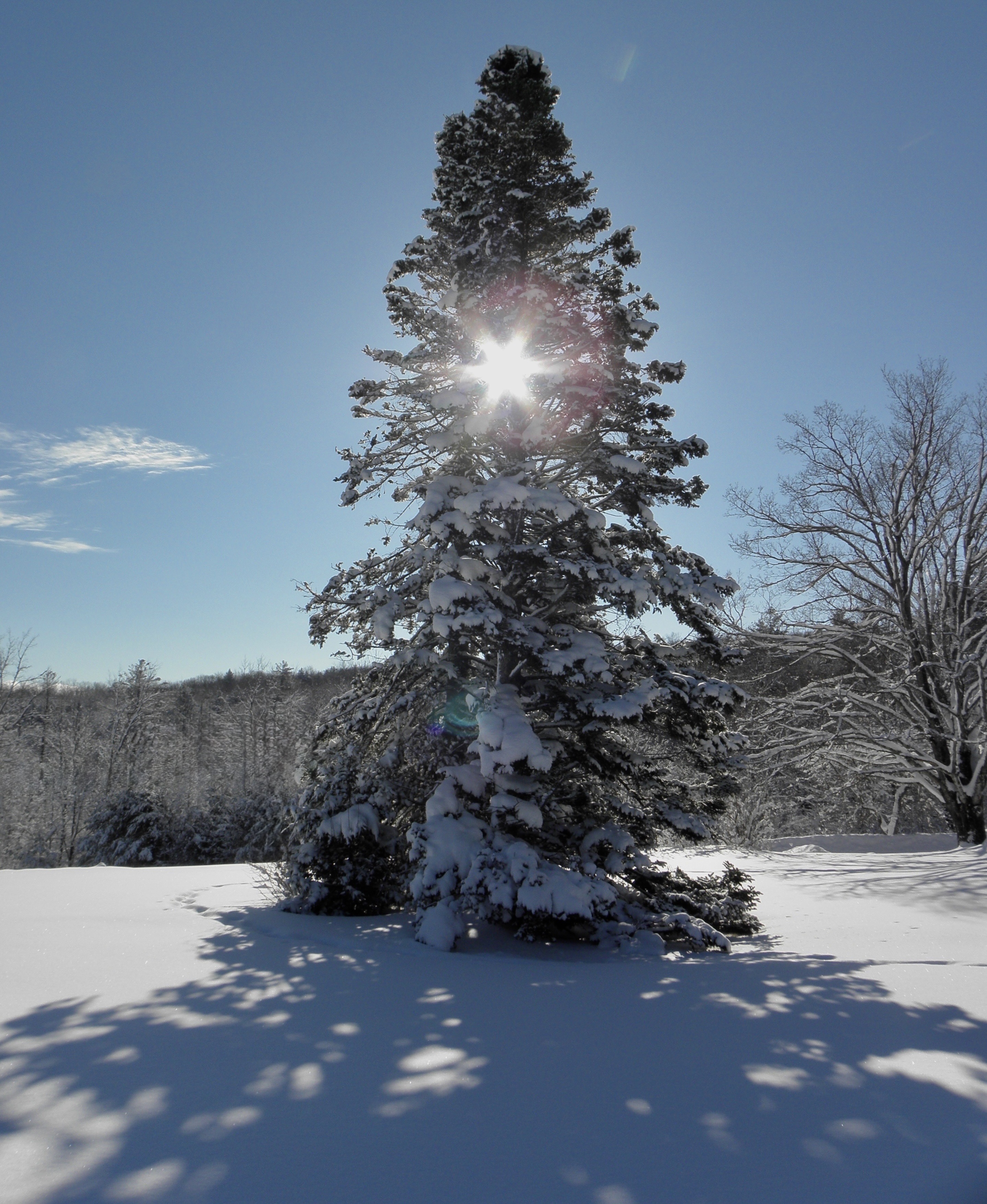
Every tree, fence, and spire of grass that could raise its head above the snow was this morning covered with a dense hoar frost. The trees looked like airy creatures of darkness caught napping…

The branches and taller grasses were covered with a wonderful ice-foliage, answering leaf for leaf to their summer dress. The centre, diverging, and even more minute fibres were perfectly distinct and the edges regularly indented.

November 25, 1850

in Thoreau’s Journal:

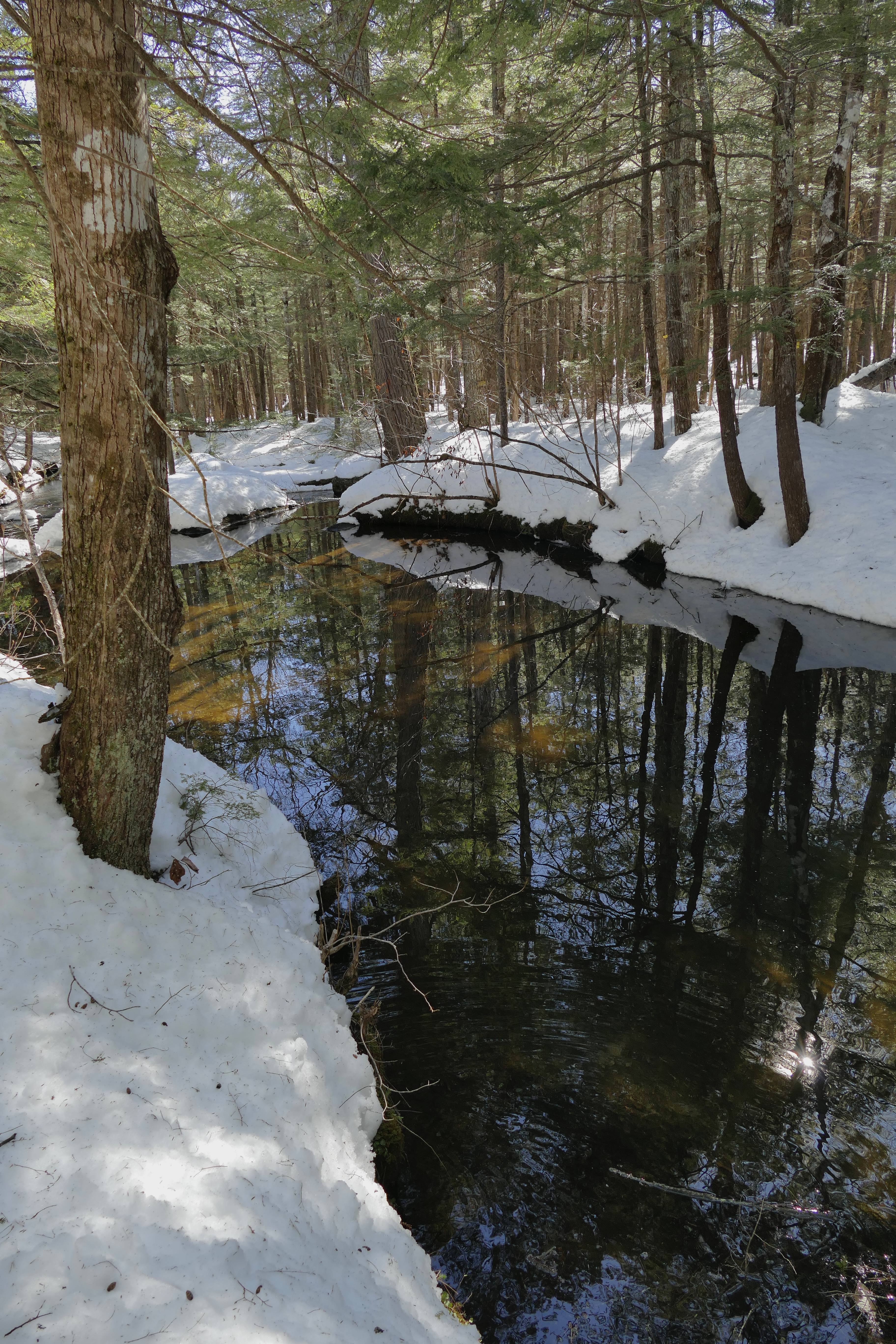
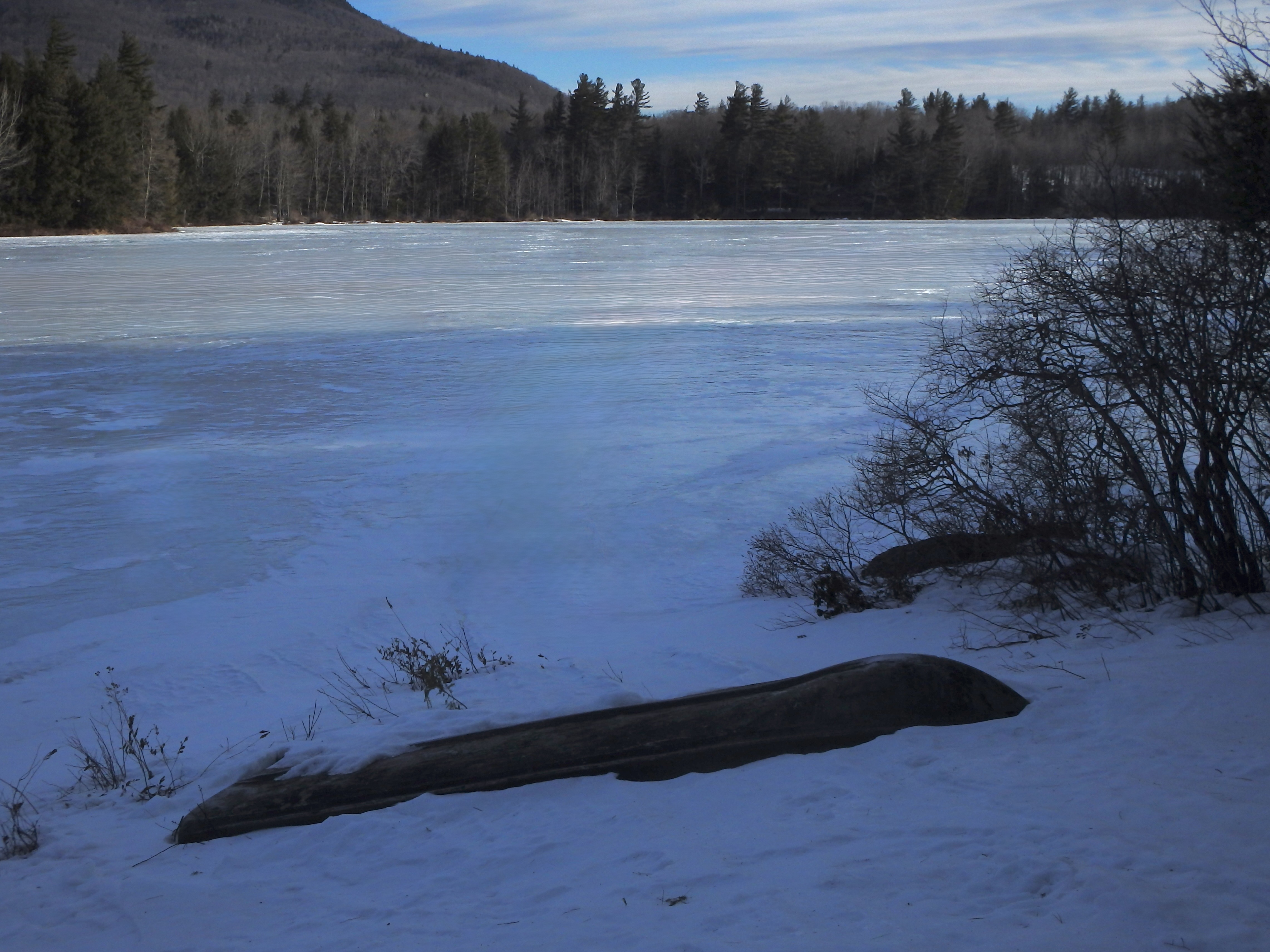
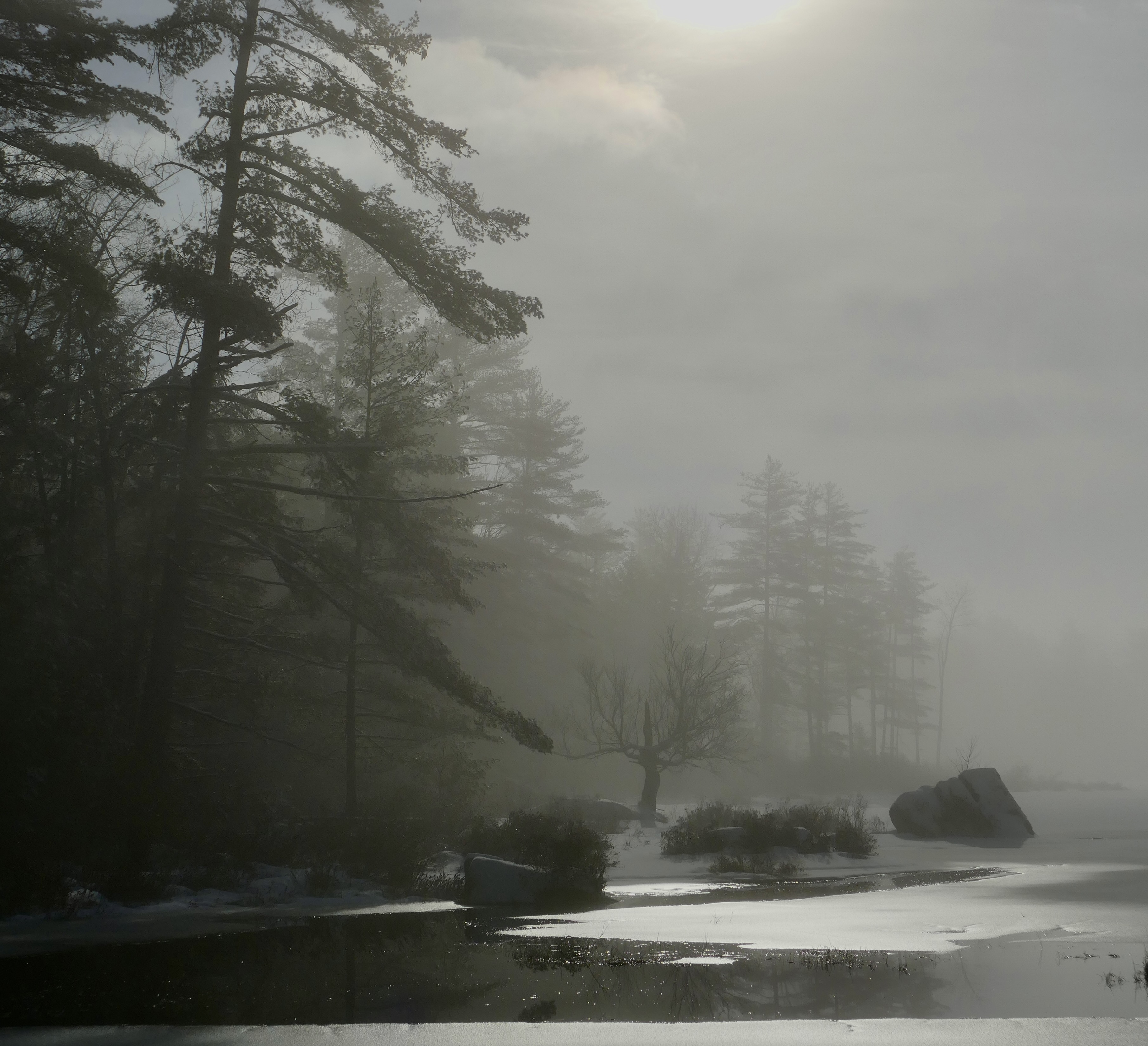
I found Fair Haven skimmed entirely over, though the stones which I threw down on it from the high bank on the east broke through— Yet the river was open. The landscape looked singularly clean & pure and dry—the air like a pure glass being laid over the picture—the trees so tidy stripped of their leaves the meadows & pastures clothed with clean dry grass looked as if they had been swept—ice on the water—& winter in the air—but yet not a particle of snow on the ground.

The woods divested in great part of their leaves are being ventilated. It is the season of perfect works—of hard tough-ripe twigs—not of tender buds & leaves— The leaves have made their wood—and a myriad new withes stand up all around pointing to the sky, able to survive the cold. It is only the perennial that you see—the iron age of the year.

November 24, 1858

in Thoreau’s Journal:

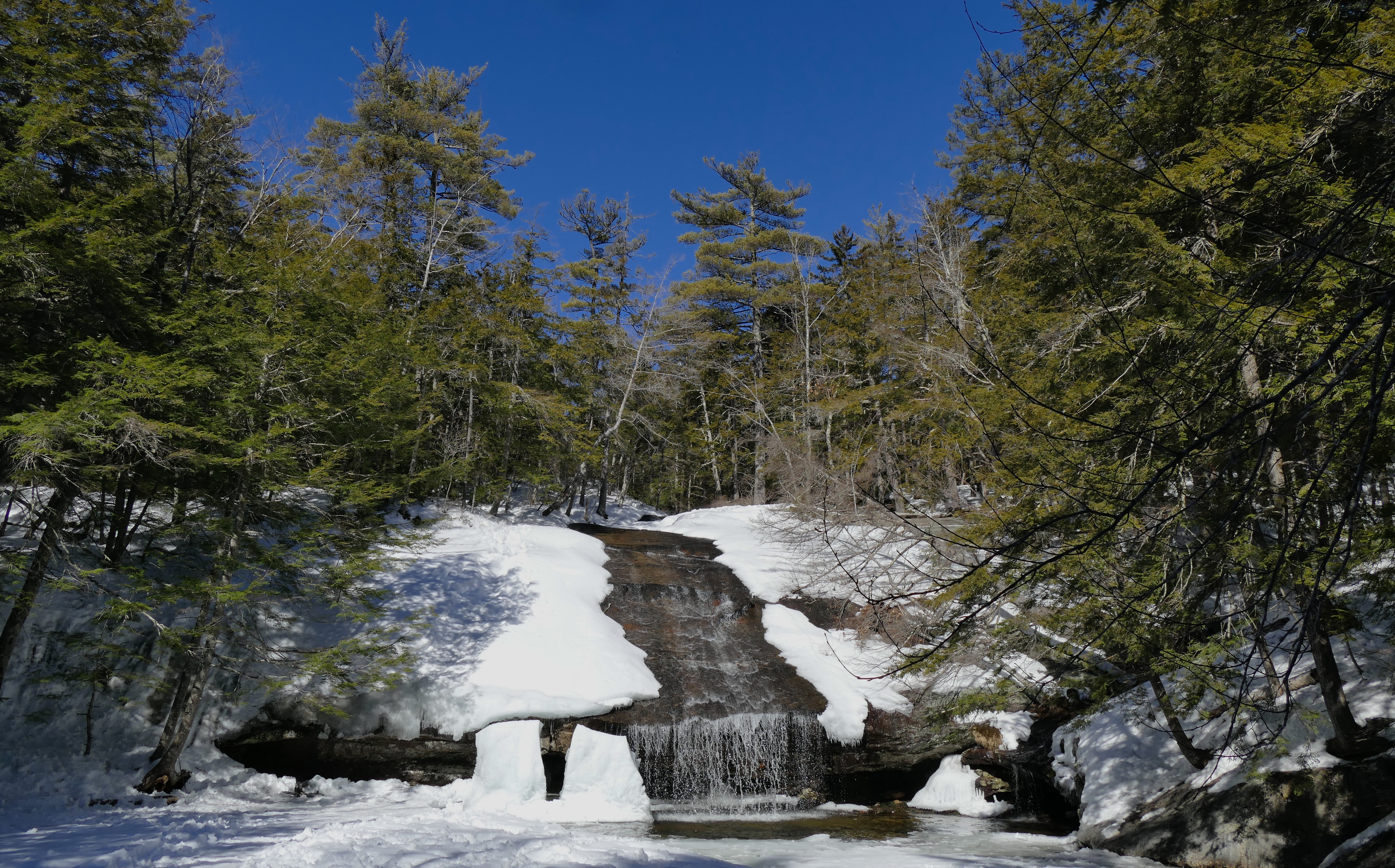
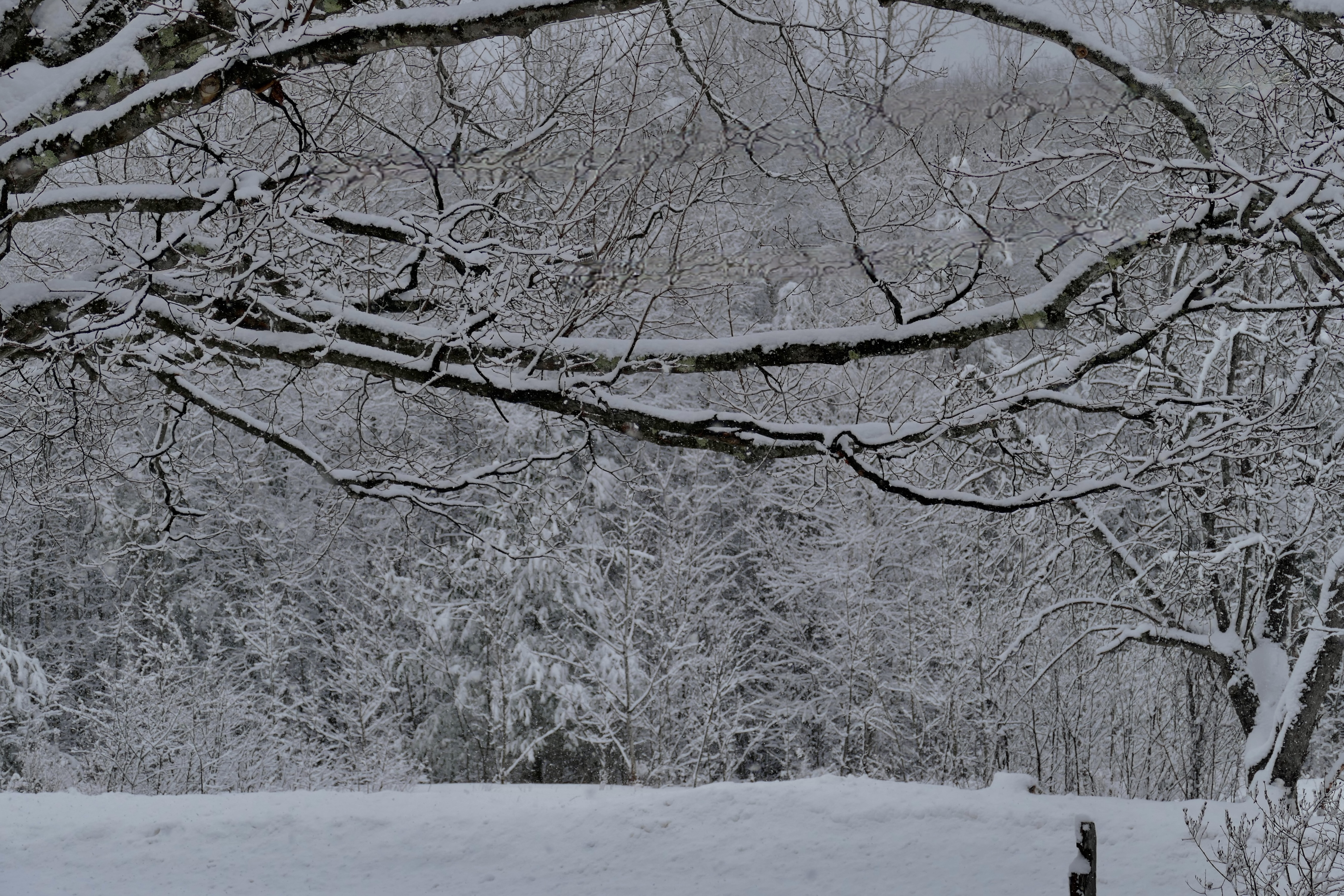
When I looked out this morning, the landscape presented a very pretty wintry sight, little now as there was.

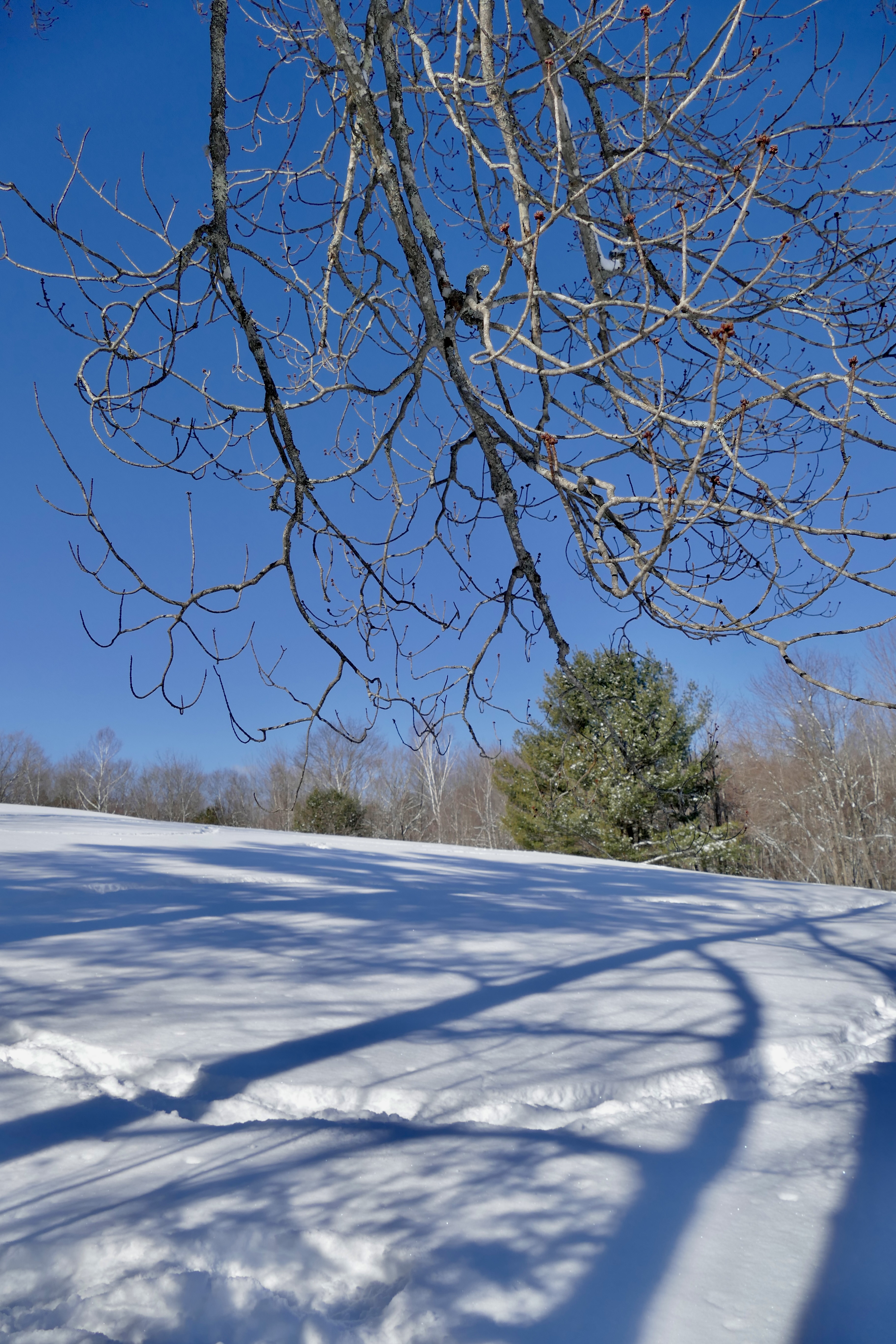
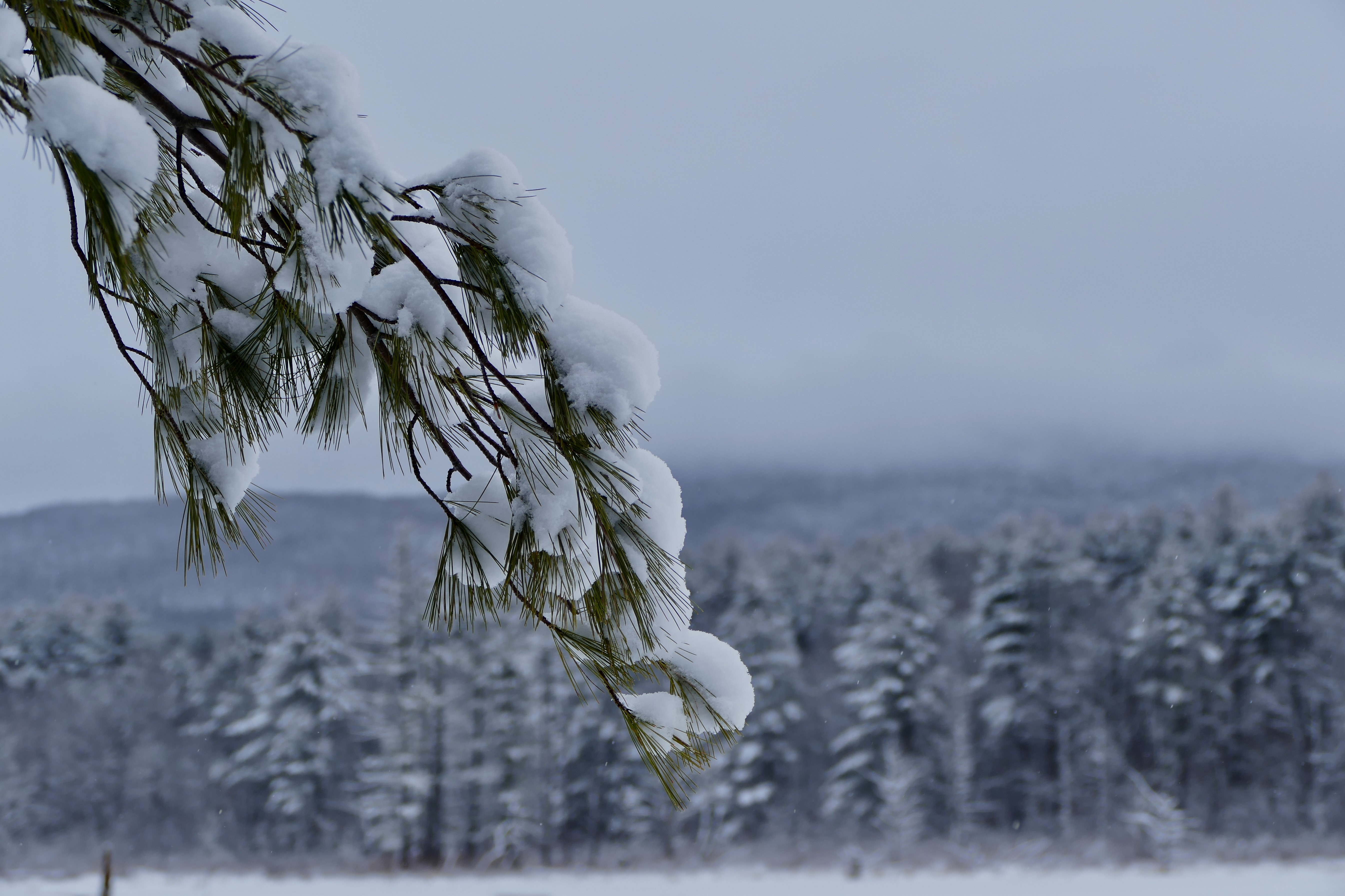
Being very moist, it had lodged on every twig, and every one had its counterpart in a light, downy, white one, twice or thrice its own depth, resting on it.

November 23, 1860

November 23, 1860 in Thoreau’s Journal: 

We cultivate imported shrubs in our front yards for the beauty of their berries,

when yet more beautiful berries grow unregarded by us in the surrounding fields.

November 22, 1860

in Thoreau’s Journal:

It is glorious to consider how independent man is of all enervating luxuries–& the poorer he is in respect to them the richer he is–

Summer is gone with all its infinite wealth–& still nature is genial to man—though he no longer bathes in the stream or reclines under the bank–or plucks berries on the hills–still he beholds the same inaccessible beauty around him….

November 21, 1850

in Thoreau’s Journal:

October must be the month of ripe & tinted leaves — Throughout November they are almost entirely withered & somber—the few that remain. In this month the sun is valued—when it shines warmer or brighter we are sure to observe it—

There are not so many colors to attract the eye. We begin to remember the summer. We walk fast to keep warm. For a month past I have sat by a fire.

November 20, 1853

in Thoreau’s Journal:

I was just thinking it would be fine to get a specimen leaf from each changing tree & shrub & plant in Autumn in sep- & oct- when it had got its brightest characteristic color the intermediate ripeness in its transition from the green to the russet or brown state —outline & copy its color exactly with paint in a book —

A book which should be a memorial of October—Be entitled October hues—or Autumnal tints—I remember especially the beautiful yellow of the P. Grandidentata & the tint of the scarlet maple. What a memento such a book would be—beginning with the earliest reddening of the leaves—woodbine & ivy—&c &c And the lake of red-leaves-down to the latest oaks.

November 19, 1850

in Thoreau’s Journal:

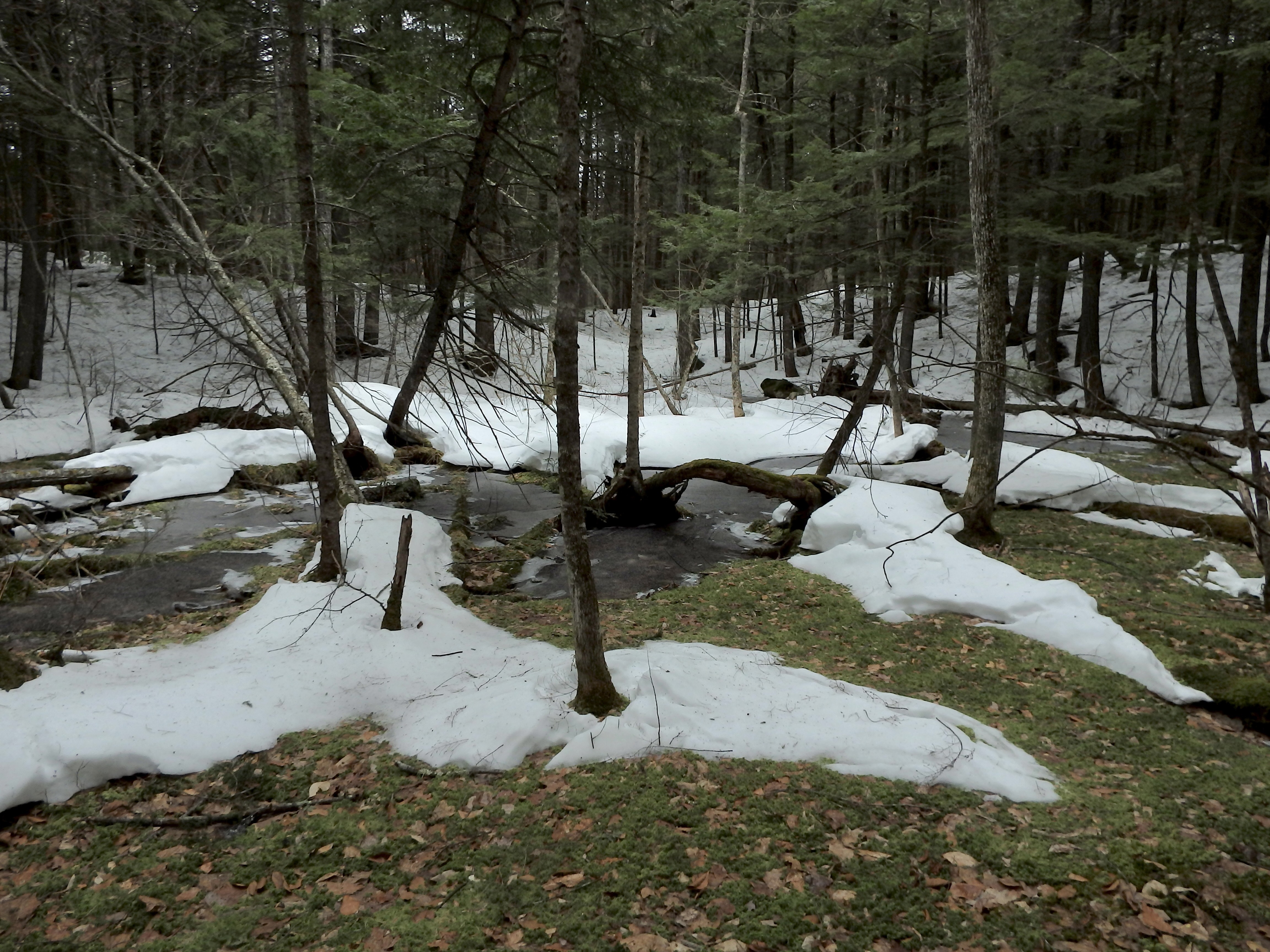
The first really cold day. I find, on breaking off a shrub oak leaf, a little life at the foot of the leafstalk, so that a part of the green comes off. It has not died quite down to the point of separation, as it will do, I suppose, before spring. Most of the oaks have lost their leaves except on the lower branches, as if they were less exposed and less mature there, and felt the changes of the seasons less. The leaves have either fallen or withered long since, yet I found this afternoon, cold as it is, – and there has been snow in the neighborhood,

– some sprouts which had come up this year from the stump of a young black-looking oak, covered still with handsome fresh red and green leaves, very large and unwithered and unwilted. It was on the south side of Fair Haven in a warm angle, where the wood was cut last winter and the exposed edge of the still standing wood running north and south met the cliff at right angles and served for a fence to keep off the wind. There were one or two stumps here whose sprouts had fresh leaves which transported me back to October. Yet the surrounding shrub oak leaves were as dry and dead as usual. There were also some minute birches only a year old, their leaves still freshly yellow, and some young wild apple trees apparently still growing, their leaves as green and tender as in summer. The goldenrods, one or more species of the white and some yellow ones, were many of them still quite fresh, though elsewhere they are all whitish and dry. I saw one whose top rose above the edge of a rock, and so much of it was turned white and dry; but the lower part of its raceme was still yellow. Some of the white species seemed to have started again as if for another spring. They had sprung up freshly a foot or more, and were budded to blossom, fresh and green. And sometimes on the same stem were old and dry and white downy flowers, and fresh green blossom-buds, not yet expanded. I saw there some pale blue asters still bright, and the mullein leaves still large and green, one green to its top. And I discovered that when I put my hand on the mullein leaves they felt decidedly warm, but the radical leaves of the goldenrods felt cold and clammy. 

November 18, 1857

in Thoreau’s Journal:

There are many ways of feeling one’s pulse. In a healthy state the constant experience is a pleasurable sensation or sentiment. For instance, in such a state I find myself in perfect connection with nature, and the perception, or remembrance even, of any natural phenomena is attended with a gentle pleasurable excitement. Prevailing sights and sounds make the impression of beauty and music on me. But in sickness all is deranged. I had yesterday a kink in my back and a general cold, and as usual it amounted to a cessation of life. I lost for the time my rapport or relation to nature. Sympathy with nature is an evidence of perfect health. You cannot perceive beauty but with a serene mind. The cheaper your amusements, the safer and saner.

They who think much of theatres, operas, and the like, are beside themselves. Each man’s necessary path, though as obscure and apparently uneventful as that of a beetle in the grass, is the way to the deepest joys he is susceptible of; though he converses only with moles and fungi and disgraces his relatives, it is no matter if he knows what is steel to his flint.

November 17, 1837

in Thoreau’s Journal:

If there is nothing new on earth, still there is some thing new in the heavens.

We have always a resource in the skies. They are constantly turning a new page to view. The wind sets the types in this blue ground, and the inquiring may always read a new truth.

November 16, 1850

in Thoreau’s Journal:

The era of wild apples will soon be over. I wander through old orchards of great extent, now all gone to decay, all of native fruit which for the most part went to the cider mill. But since the temperance reform and the general introduction of grafted fruit, no wild apples, such as I see everywhere in deserted pastures, and where the woods have grown up among them, are set out. I fear that he who walks over these hills a century hence will not know the pleasure of knocking off wild apples.

Ah, poor man! there are many pleasures which he will be debarred from! Notwithstanding the prevalence of the Baldwin and the Porter, I doubt if as extensive orchards are set out to-day in this town as there were a century ago, when these vast straggling cider-orchards were planted. Men stuck in a tree then by every wall-side and let it take its chance. I see nobody planting trees today in such out of the way places, along almost every road and lane and wall-side, and at the bottom of dells in the wood. Now that they have grafted trees and pay a price for them, they collect them into a plot by their houses and fence them in.

November 14, 1858

in Thoreau’s Journal:

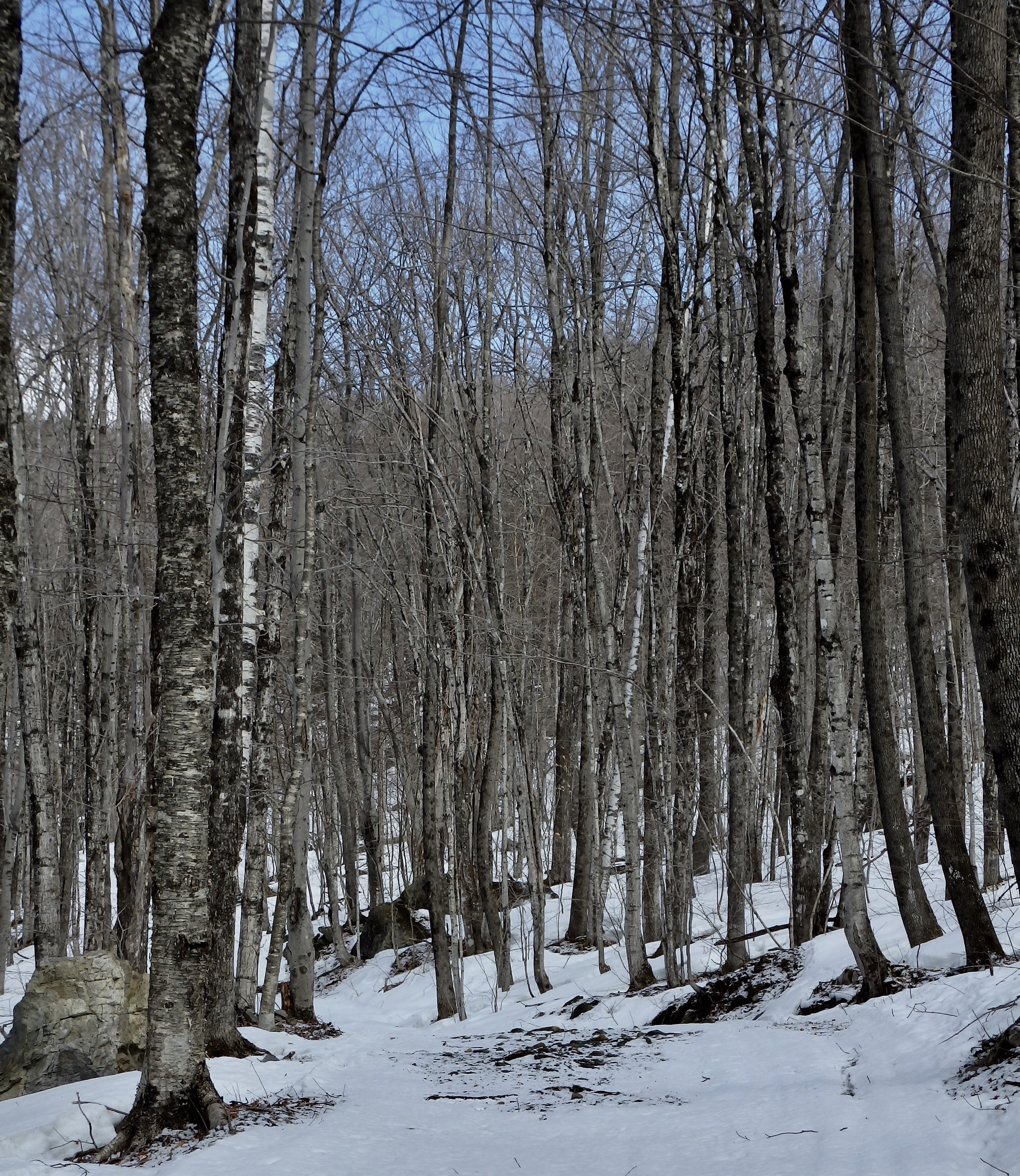
It is very cold and windy; thermometer 26.  I walk to Walden and Andromeda Ponds.  It is all at once perfect winter.  I walk on frozen ground two-thirds covered with a sugaring of dry snow, and this strong and cutting northwest wind makes the oak leaves rustle dryly enough to set your heart on edge.  A great many  have fallen ever since the snow last evening. 

Take a citizen into an oak sprout land out when there is a sugaring of dry snow—& a cold cutting N.W. wind rustles the leaves. A sympathetic shiver will seize him. He will know of no fire to warm his wits by. He has no pleasing pursuit to follow thro’ these difficulties—no trap to inspect—no chopping to do— Every resounding step on the frozen earth is a vain knocking at the door of what was lately genial Nature—his bountiful mother—now turned step mother— He is left out side to starve— The rustling leaves sound like the fierce breathing of an endless pack of wolves half famished from the north––impelled by hunger to seize him.

November 13, 1851

in Thoreau’s Journal:

Truly a hard day—hard Times these.  Not a mosquito left. Not an insect to hum. Crickets gone into winter quarters— Friends long since gone there—& you left to walk on frozen ground—with your hands in your pockets. 

Ah but is not this a glorious time for your deep inward fires?— & will not your green hickory & white oak burn clean—in this frosty air?  

November 12, 1858

in Thoreau’s Journal:

Now for a brisk and energetic walk, with a will and a purpose. Have done with sauntering, in the idle sense.

You must rush to the assault of winter. Make haste into the outskirts, climb the ramparts of the town, be on the alert and let nothing escape your observation.