in Thoreau’s Journal:
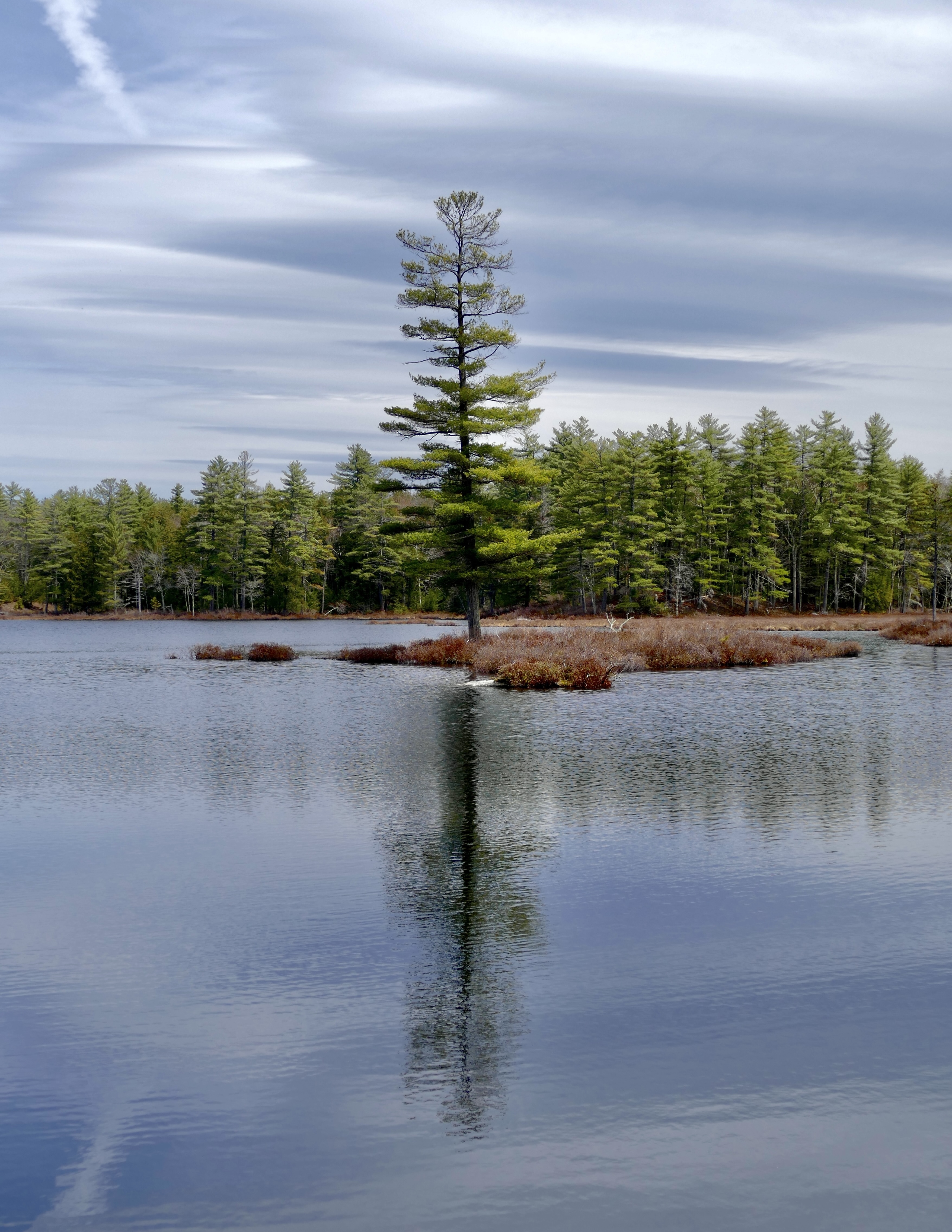
When the outline & texture of white pine is thus seen against the water or the sky it is an affecting sight.
in Thoreau’s Journal:
When the outline & texture of white pine is thus seen against the water or the sky it is an affecting sight.
in Thoreau’s Journal:

How we prize any redness on the ground….
in Thoreau’s Journal:
An early morning walk is a blessing for the whole day.
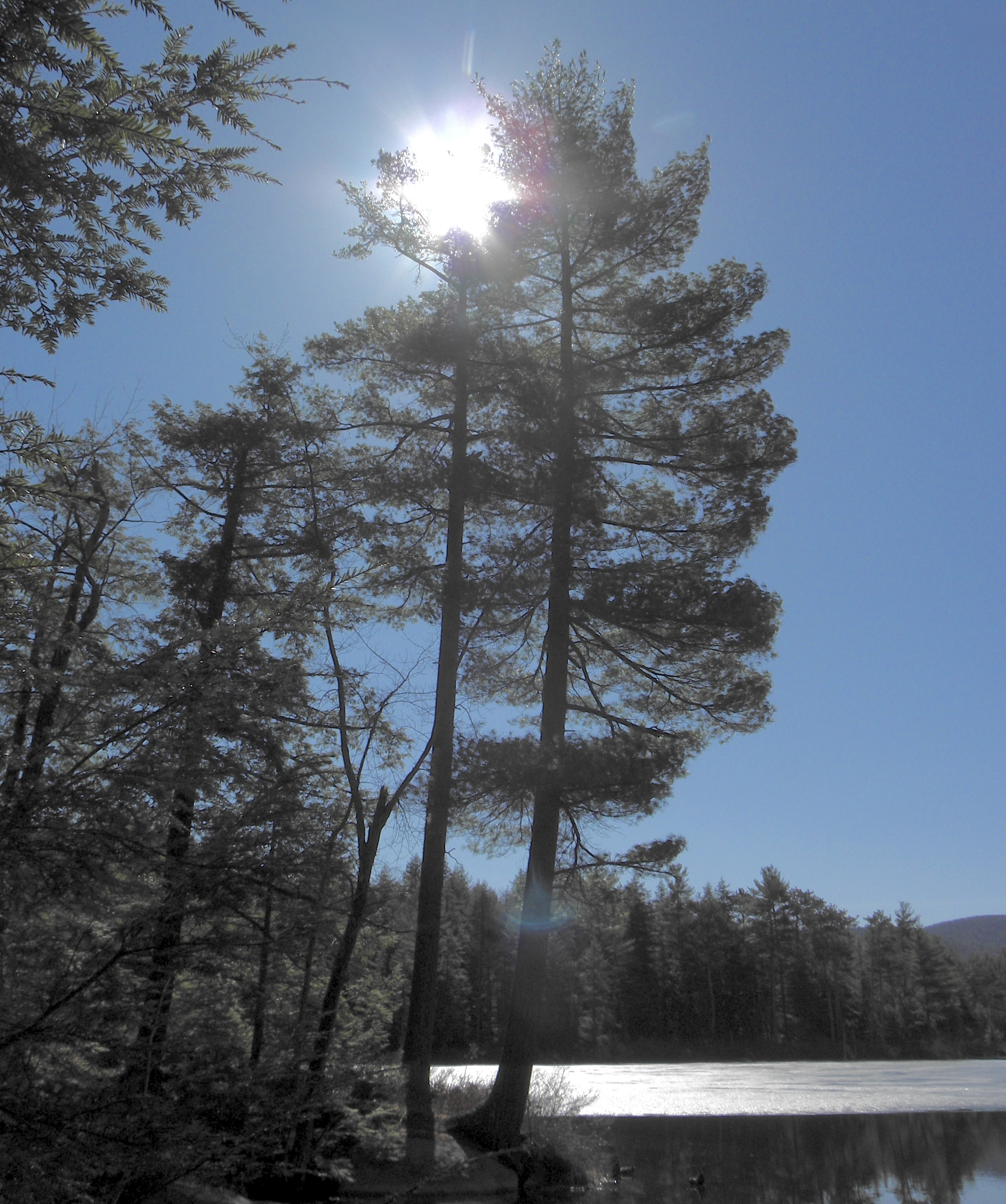
To my neighbors who have risen in mist and rain I tell of a clear sunrise and the singing of birds as some traditionary mythus. I look back to those fresh but now remote hours as to the old dawn of time, when a solid and blooming health reigned and every deed was simple and heroic.
in Thoreau’s Journal:
The infinite bustle of Nature of a summer’s noon, or her infinite silence of a summer’s night, gives utterance to no dogma. They do not say to us even with a seer’s assurance, that this or that law is immutable and so ever and only can the universe exist.
But they are the indifferent occasion for all things and the annulment of all laws.
in Thoreau’s Journal:
For the first time I perceive this spring that the year is a circle— I see distinctly the spring arc thus far. It is drawn with a firm line…

Why should just these sights & sounds accompany our life? Why should I hear the chattering of blackbirds—why smell the skunk each year? I would fain explore the mysterious relation between myself & these things. I would at least know what these things unavoidably are—make a chart of our life & when—know why just this circle of creatures completes the world. Can I not by expectation affect the revolutions of nature—make a day to bring forth something new?
in Thoreau’s Journal:
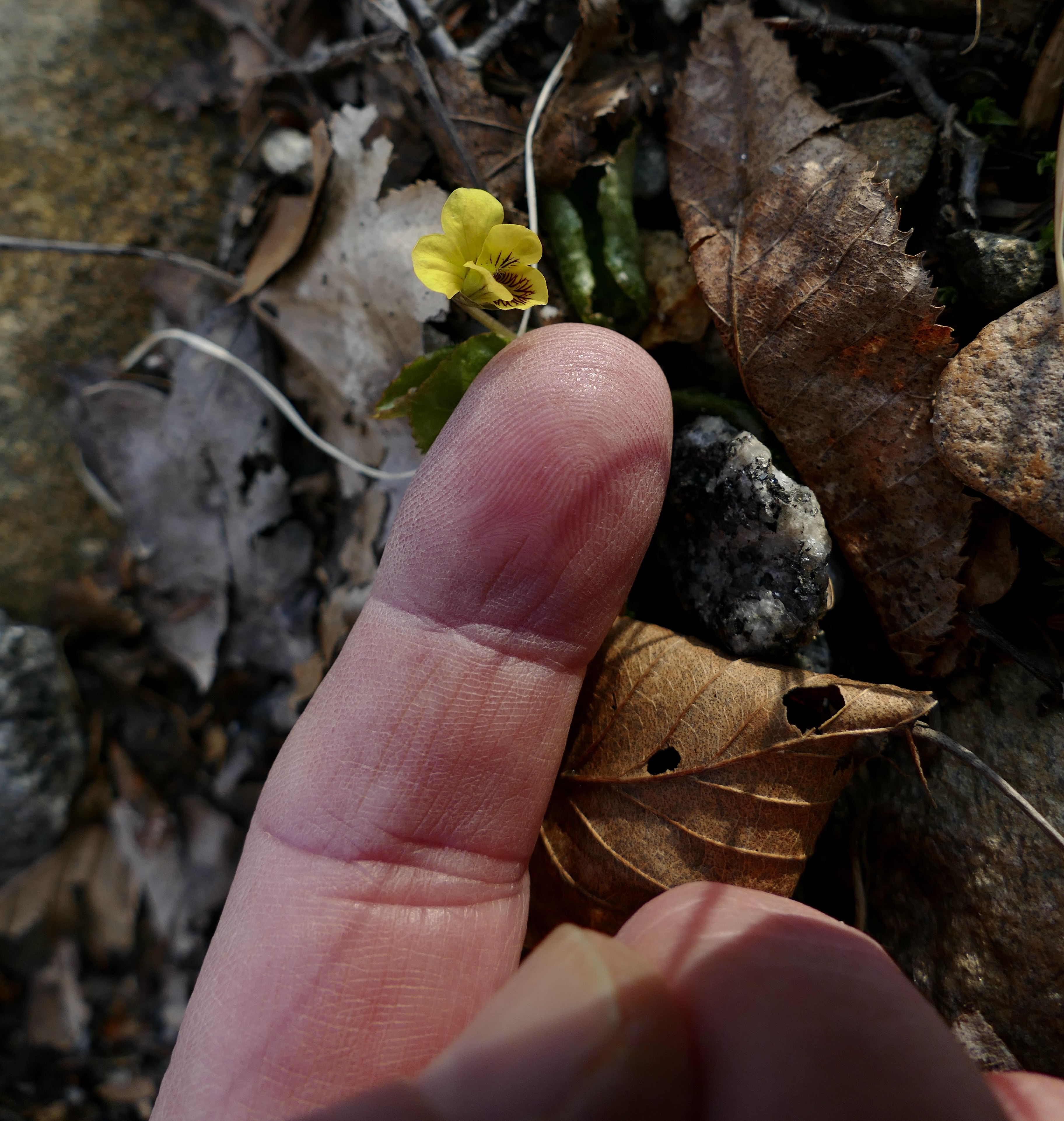
The scent of the earliest spring flowers! I smelt the willow catkins today. Tender––& innocent––after this rude winter––yet slightly sickening–– –– Yet full of vernal promise. The odor–– How unlike any thing that winter affords––or nature has afforded this 6 months! A mild sweet vernal scent–– Not highly spiced & intoxicating as some erelong––but attractive to bees––

That early yellow smell. The odor of spring––of life developing amid buds––of the earth’s epithalamium–– The first flowers are not the highest scented––as catkins––as the first birds are not the finest singers––as the black-birds & song sparrows &c. The beginnings of the year are humble. But though this fragrance is not rich––it contains & prophecies all others in it.
in Thoreau’s Journal:
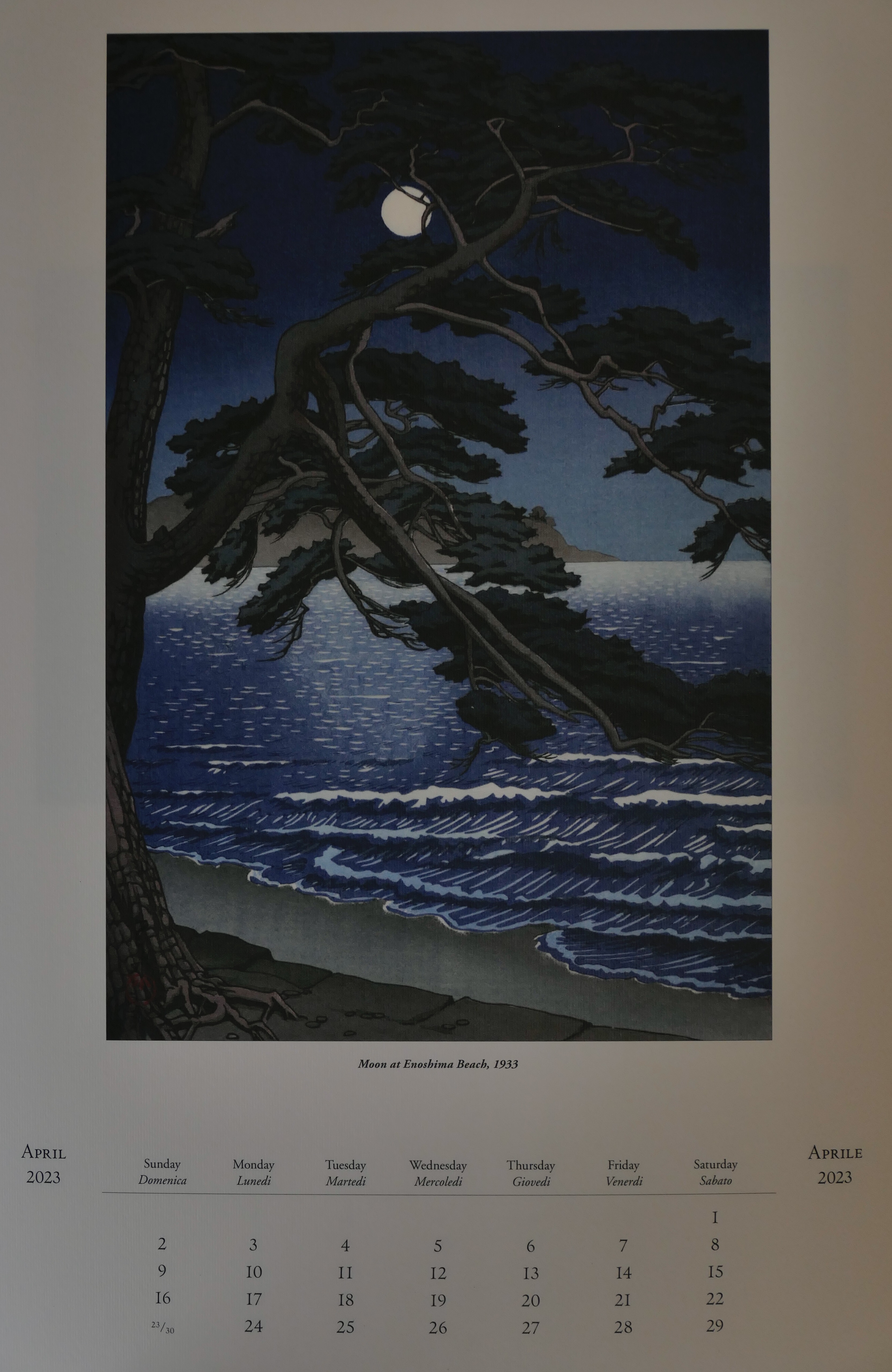
Might I not write on sunshine as well as moonshine ?
in Thoreau’s Journal:
To Hill. It is warmer and quite still; somewhat cloudy in the east. The water quite smooth, –April smooth waters. I hear very distinctly Barrett’s sawmill at my landing. The purple finch is singing on the elms about the house, together with the robins, whose strain its resembles, ending with a loud, shrill, ringing chilt chilt ehilt chilt. I push across the meadow and ascend the hill. The white-bellied swallows are circling about and twittering above the apple trees and walnuts on the hillside.
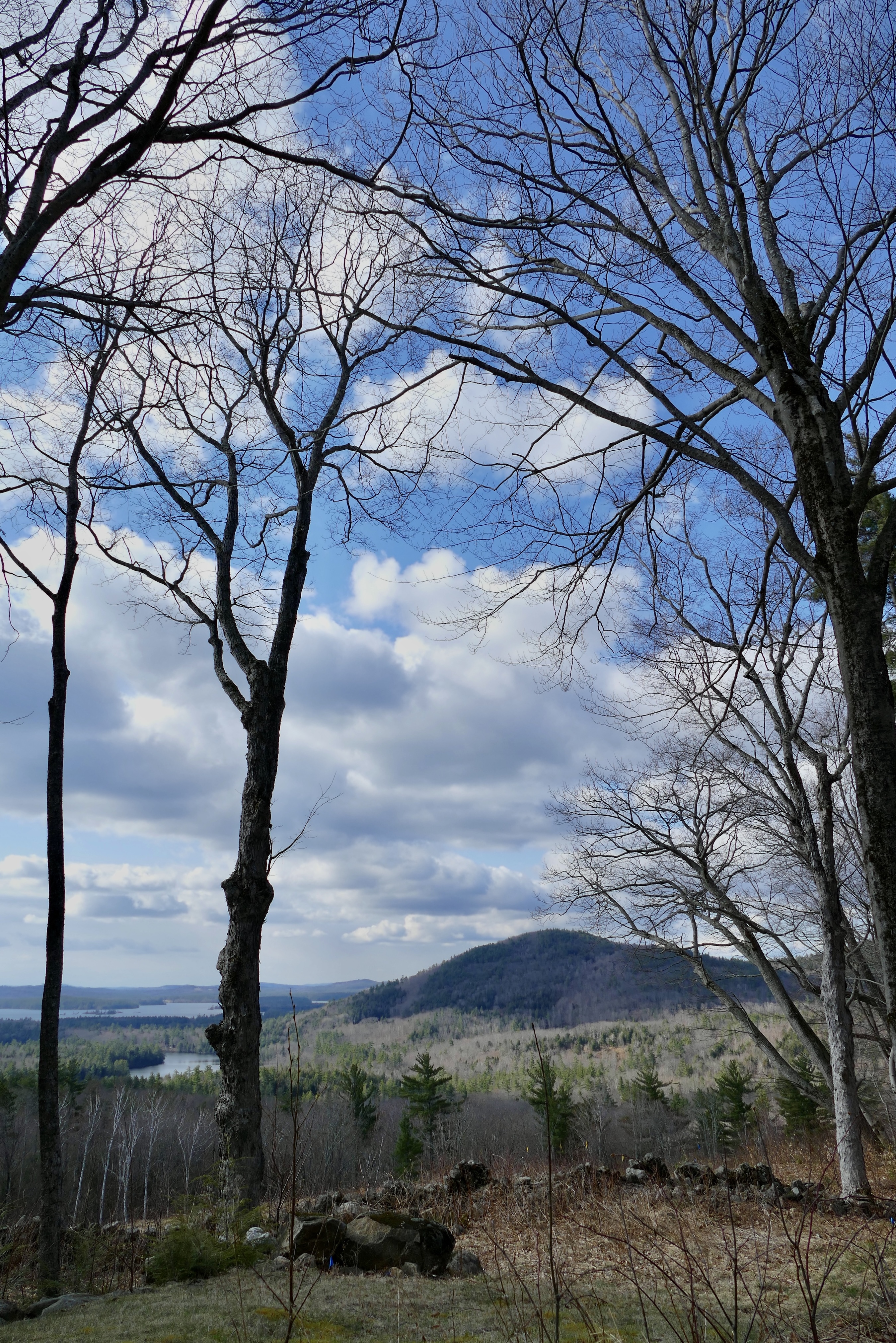
Not till I gain the hilltop do I hear the note of the Fringilia juncorum (huckleberry-bird) from the plains beyond. Returned again toward my boat, I hear the rich watery note of the martin, making haste over the edge of the flood. A warm morning, over smooth water, before the wind rises, is the time to hear it. Near the water are many recent skunk probings, as if a drove of pigs had passed along last night, death to many beetles and grubs. From amid the willows and alders along the wall there, I hear a bird sing, a-chitter chitter chitter chitter chitter chitter, che che che che, with increasing intensity and rapidity, and the yellow redpoll hops in sight. A grackle goes over (with two females), and I hear from him a sound like a watchman’s rattle, ––but little more musical.
in Thoreau’s Journal:
If it were not for the snow it would be a remarkably pleasant as well as warm day…. Can we believe when beholding this landscape––with only a few buds visibly swolen—on the trees & the ground covered 8 inches deep with snow––that the grain was waving in the fields & the apple trees were in blossom April 19, 1775… The snow goes off fast for I hear it melting & the eaves dripping all night as well as all day.

in Thoreau’s Journal:
A driving snow storm in the night & still raging––5 or 6 inches deep on a level at 7 Am. All birds are turned into snow birds. Trees and houses have put on the aspect of winter.
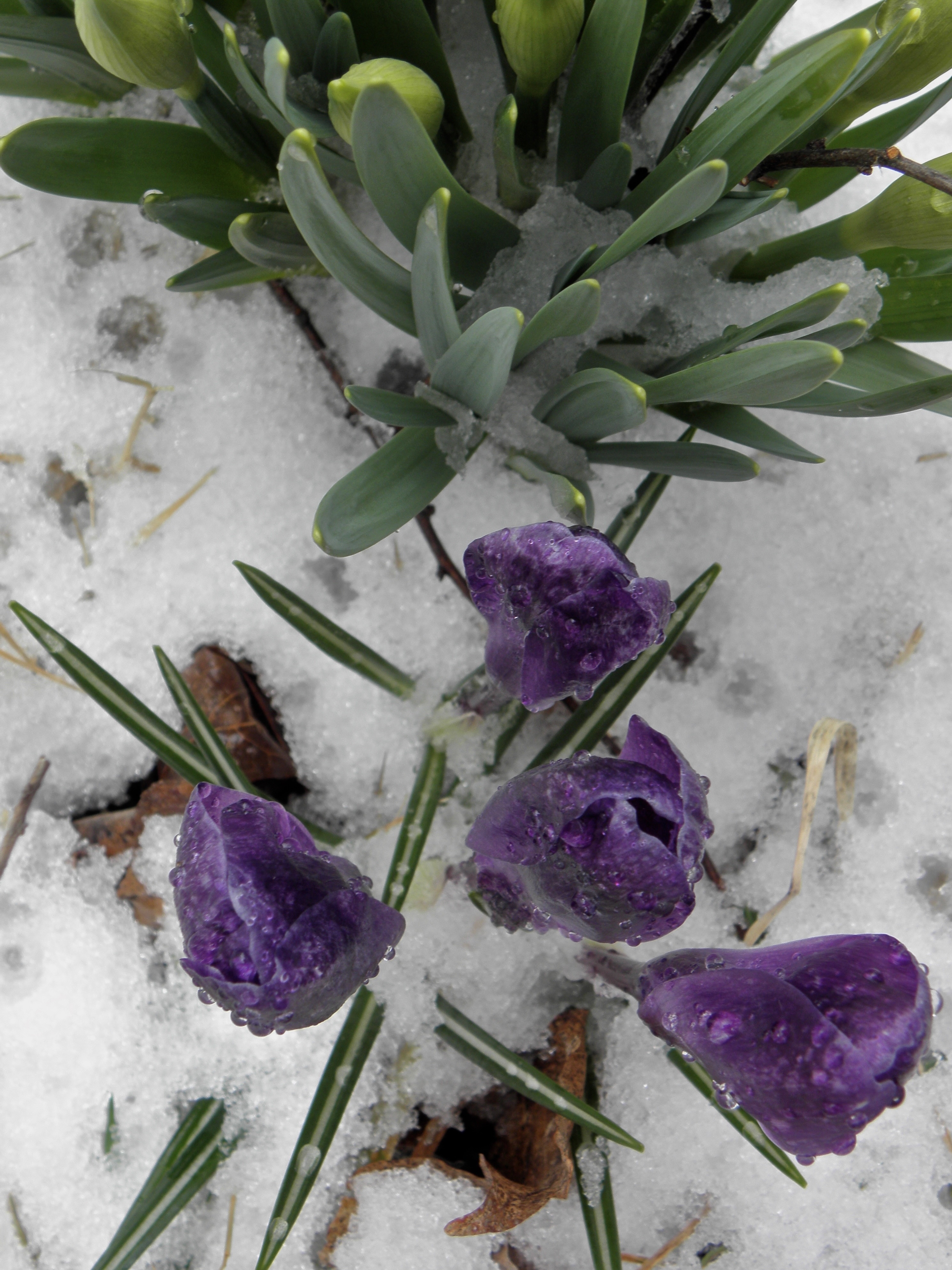
The travelers carriage wheels, the farmer’s wagon are converted into white disks of snow through which the spokes hardly appear. But it is good now to stay in the house & read & write. We do not now go wandering all abroad & dissipated––but the imprisoning storm condenses our thoughts–– My life is enriched– I love to hear the wind howl. I have a fancy for sitting with my book or paper––in some mean & apparently unfavorable place––in the kitchen for instance where the work is going on––rather a little cold than comfortable–– –– My thoughts are of more worth in such places than they would be in a well-furnished & warmed studio.
in Thoreau’s Journal:
In the New Forest in Hampshire they had a chief officer called the Lord Warden and under him two distinct officers, one to preserve the venison of the forest, another to preserve its vert, i. e. woods, lawns, etc. Does not our Walden need such? The Lord Warden was a person of distinction, as the Duke of Gloucester.
Walden Wood was my forest walk.
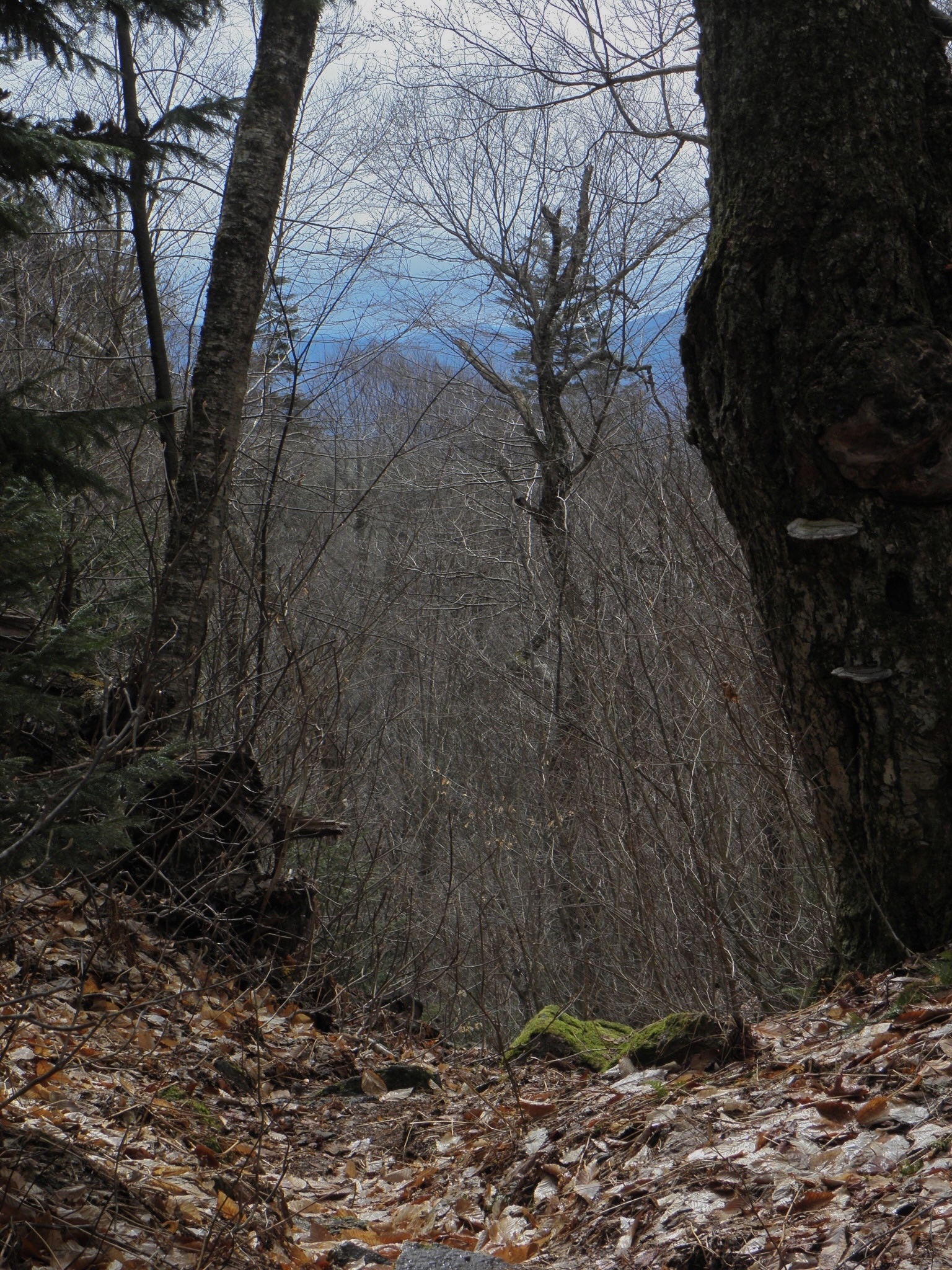
The English forests are divided into “walks,” with a keeper presiding over each. My “walk” is ten miles from my house every way. Gilpin says,”It is a forest adage of ancient date, Non est inquirendum unde venit venison” i. e. whether stolen or not.
in Thoreau’s Journal:
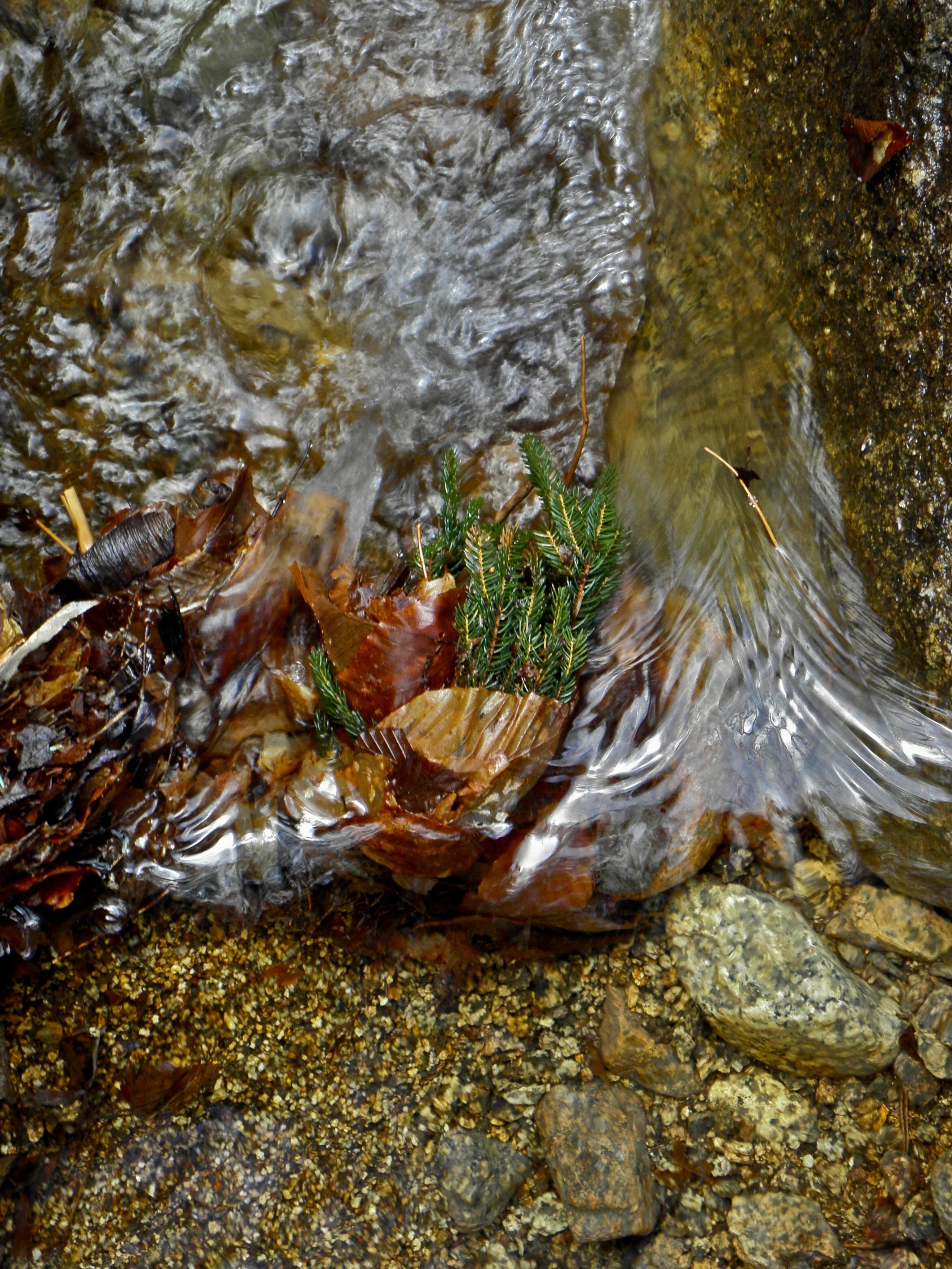
A pure brook is a very beautiful object to study minutely. It will bear the closest inspection, even to the fine air-bubbles, like minute globules of quicksilver, that lie on its bottom. The minute particles or spangles of golden mica in these sands, when the sun shines on them, remind one of the golden sands we read of. Everything is washed clean and bright, and the water is the best glass through which to see it….
in Thoreau’s Journal:
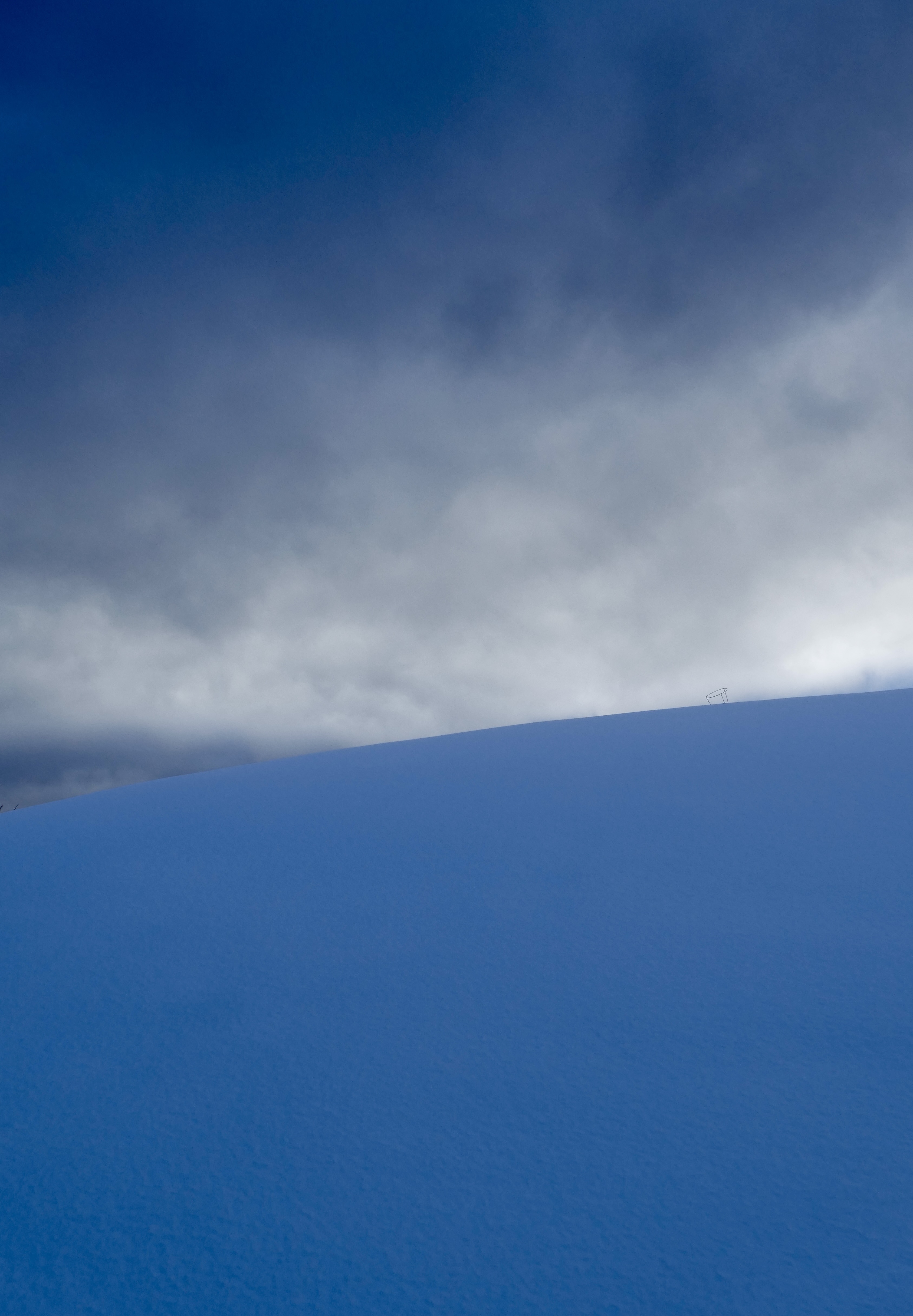
Speech never made man master of men, but the eloquently refraining from it.
in Thoreau’s Journal:
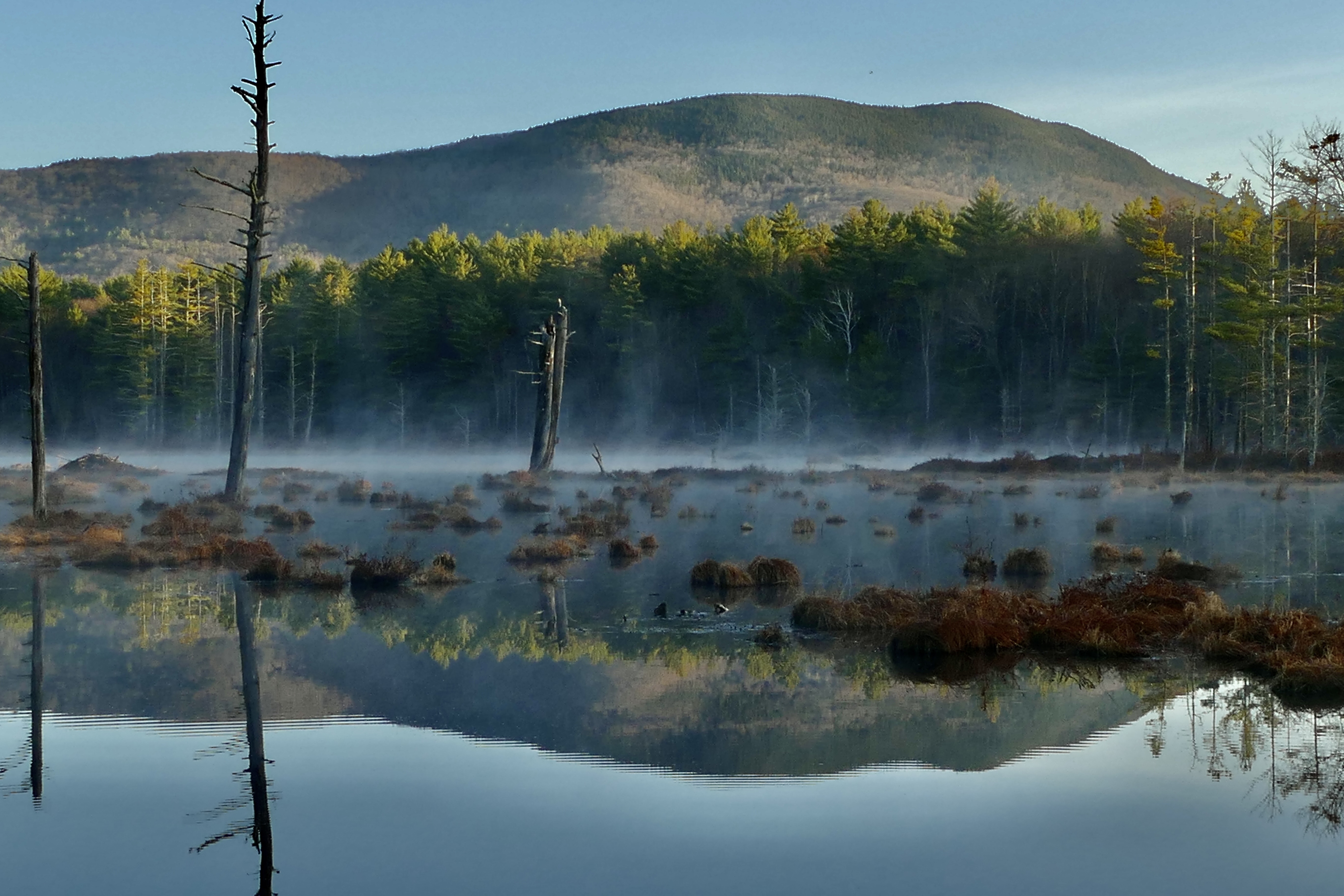
I am surprised to find Walden completely open. When did it open? According to all accounts, it must have been between the 6th and 9th. Fair Haven must have opened entirely the 5th or 6th, and Walden very nearly at the same time. This proves how steadily it has been melting, notwithstanding the severe cold of the last half of March; i. e., it is less affected by transient heat or cold than most ponds.
The flowers have blossomed very suddenly this year as soon as the long cold spell was over, and almost all together.
in Thoreau’s Journal:
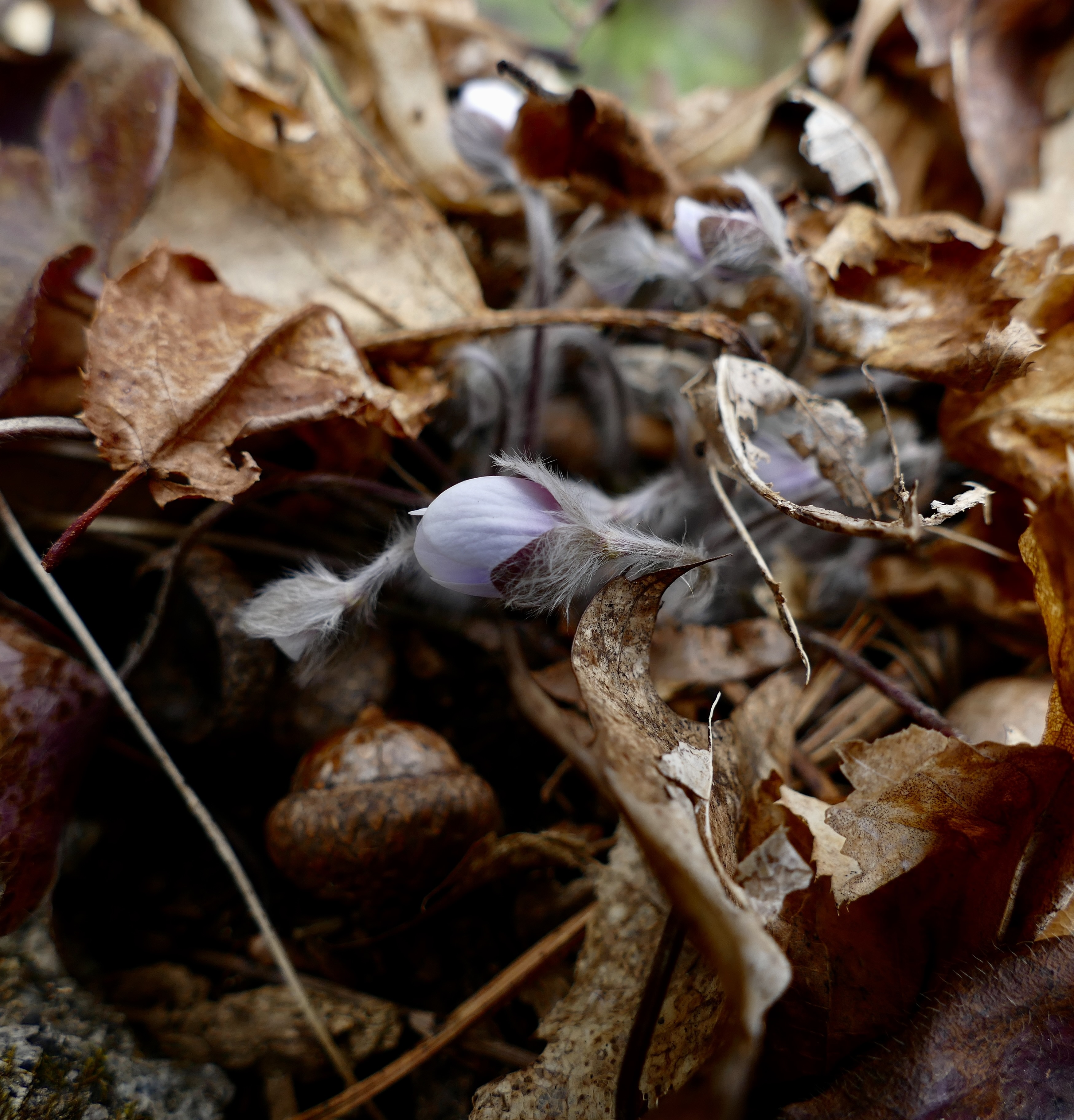
As to which are the earliest flowers, it depends on the character of the season, and ground bare or not, meadows wet or dry, etc., etc., also on the variety of soils and localities within your reach.
in Thoreau’s Journal:
Went to walk in the woods. When I had got half a mile or more away in the woods alone, and was sitting on a rock, was surprised to be joined by R.’s large Newfoundland dog Ranger, who had smelled me out and so tracked me.

in Thoreau’s Journal:
Last night a snow-storm, and this morning we find the ground covered again six or eight inches deep — and drifted pretty badly beside.

The conductor in the cars, which have been detained more than an hour, says it is a dry snow up-country. Here it is very damp.
in Thoreau’s Journal:
The long series of desultory mornings does not tarnish the brightness of the prospective days. Surely faith is not dead.

Wood, water, earth, air, are essentially what they were; only society has degenerated. The lament for a golden age is only a lament for golden men.
in Thoreau’s Journal:
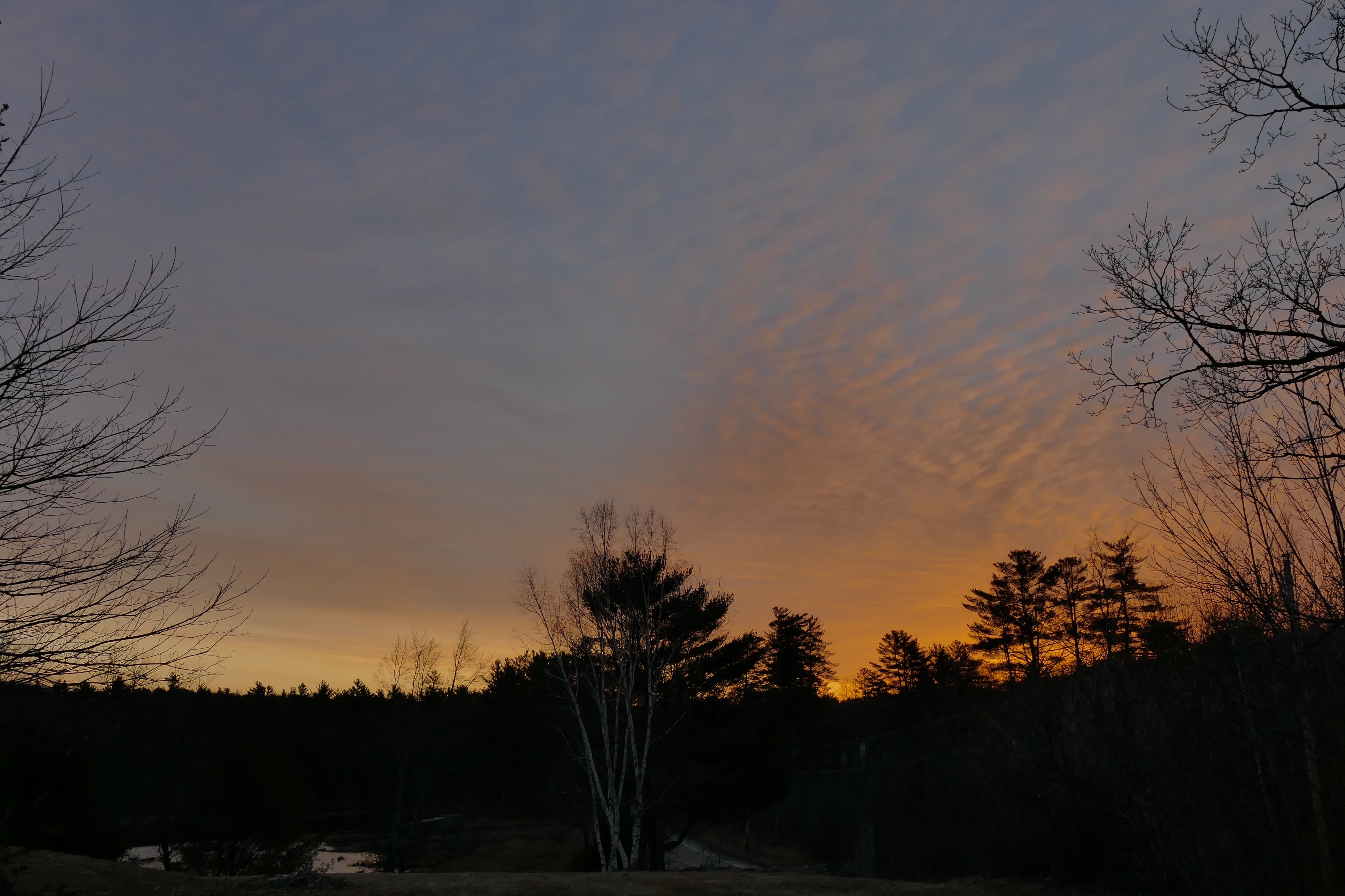
The atmosphere of morning gives a healthy hue to our prospects.
in Thoreau’s Journal:
The last two Tribunes I have not looked at- I have no time to read newspapers- If you chance to live & move and have your being in that thin stratum-in which the events which make the news transpire––thinner than the paper on which it is printed––then these things will fill the world for you–but if you soar above or dive below that plain—you cannot remember nor be reminded of them.


You must be logged in to post a comment.