May 10, 1853

in Thoreau’s Journal:

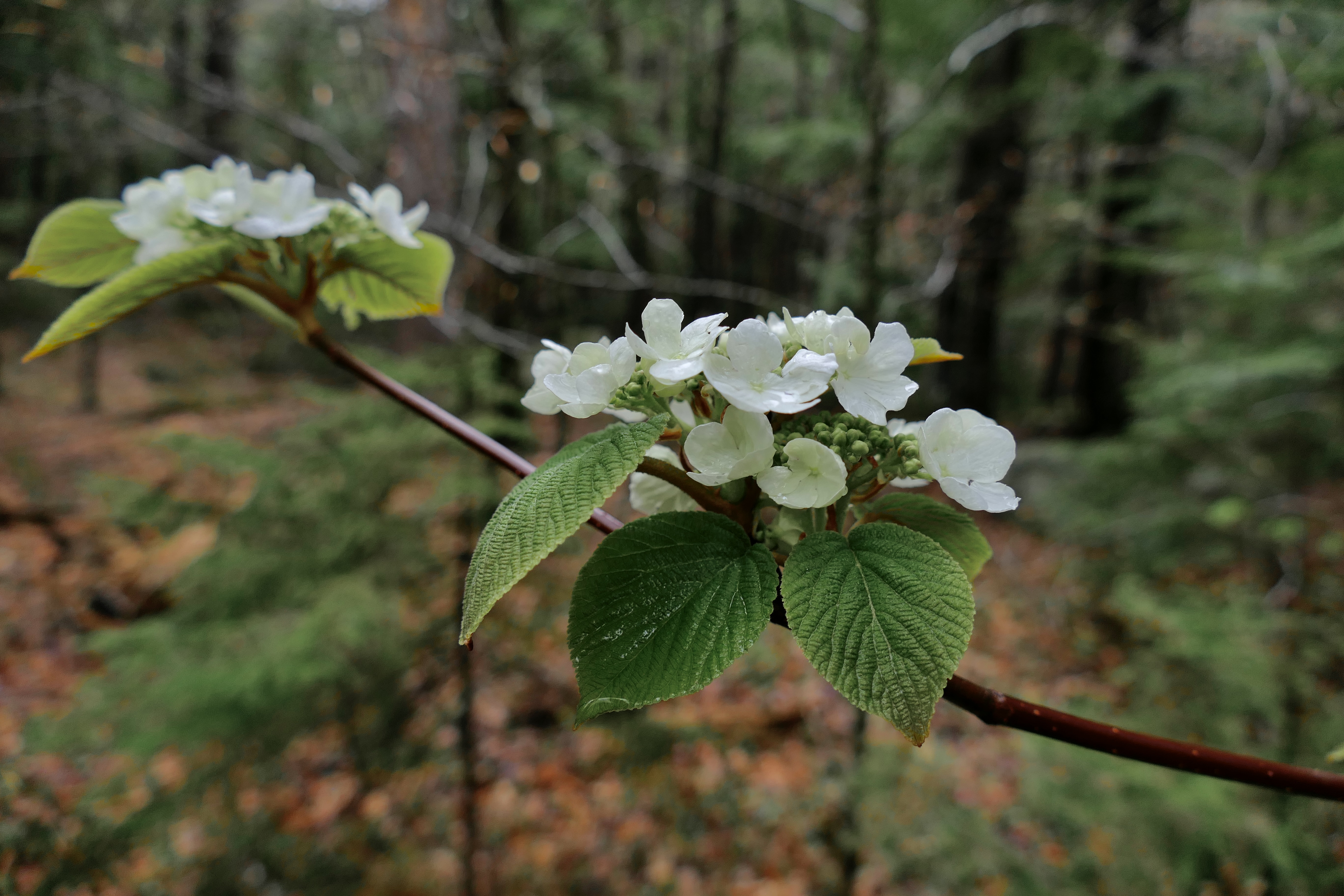
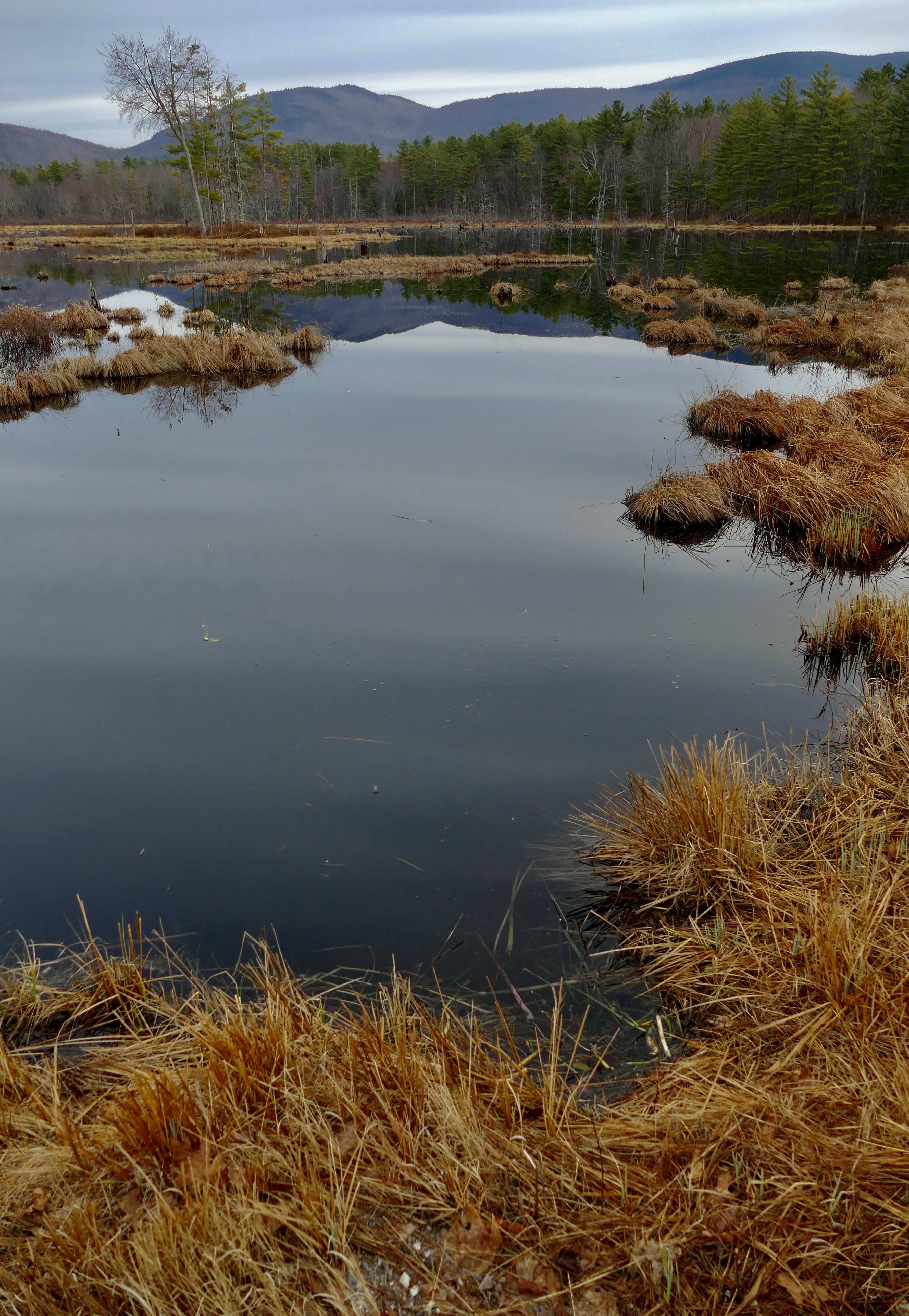
He is the richest who has most use for nature as raw material of tropes and symbols with which to describe his life. If these gates of golden willows affect me, they correspond to the beauty and promise of some experience on which I am entering. If I am overflowing with life, am rich in experience for which I lack expression, then nature will be my language full of poetry — all nature will fable, and every natural phenomenon be a myth. The man of science, who is not seeking for expression but for a fact to be expressed merely, studies nature as a dead language. I pray for such inward experience as will make nature significant.
May 8, 1852

in Thoreau’s Journal:

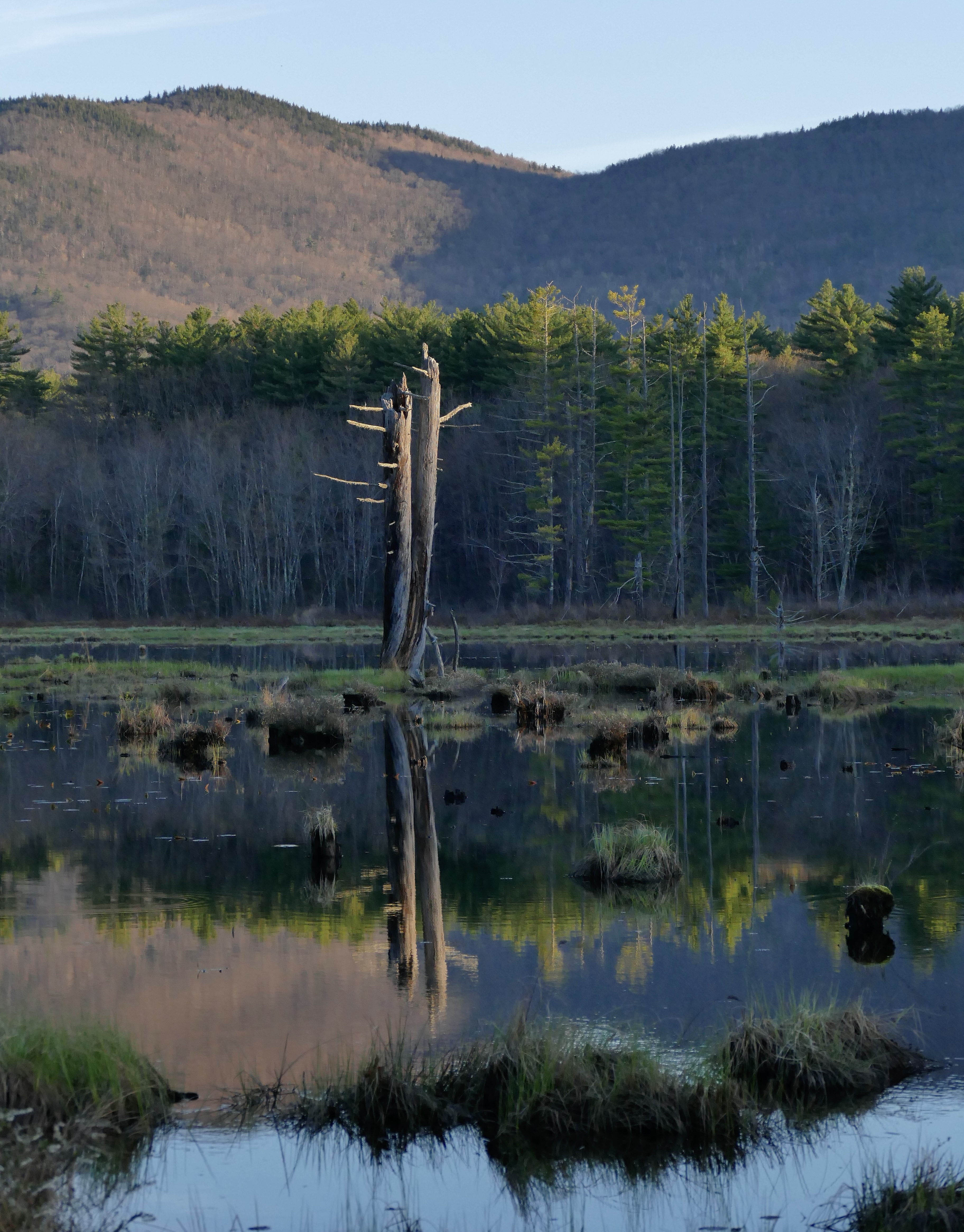
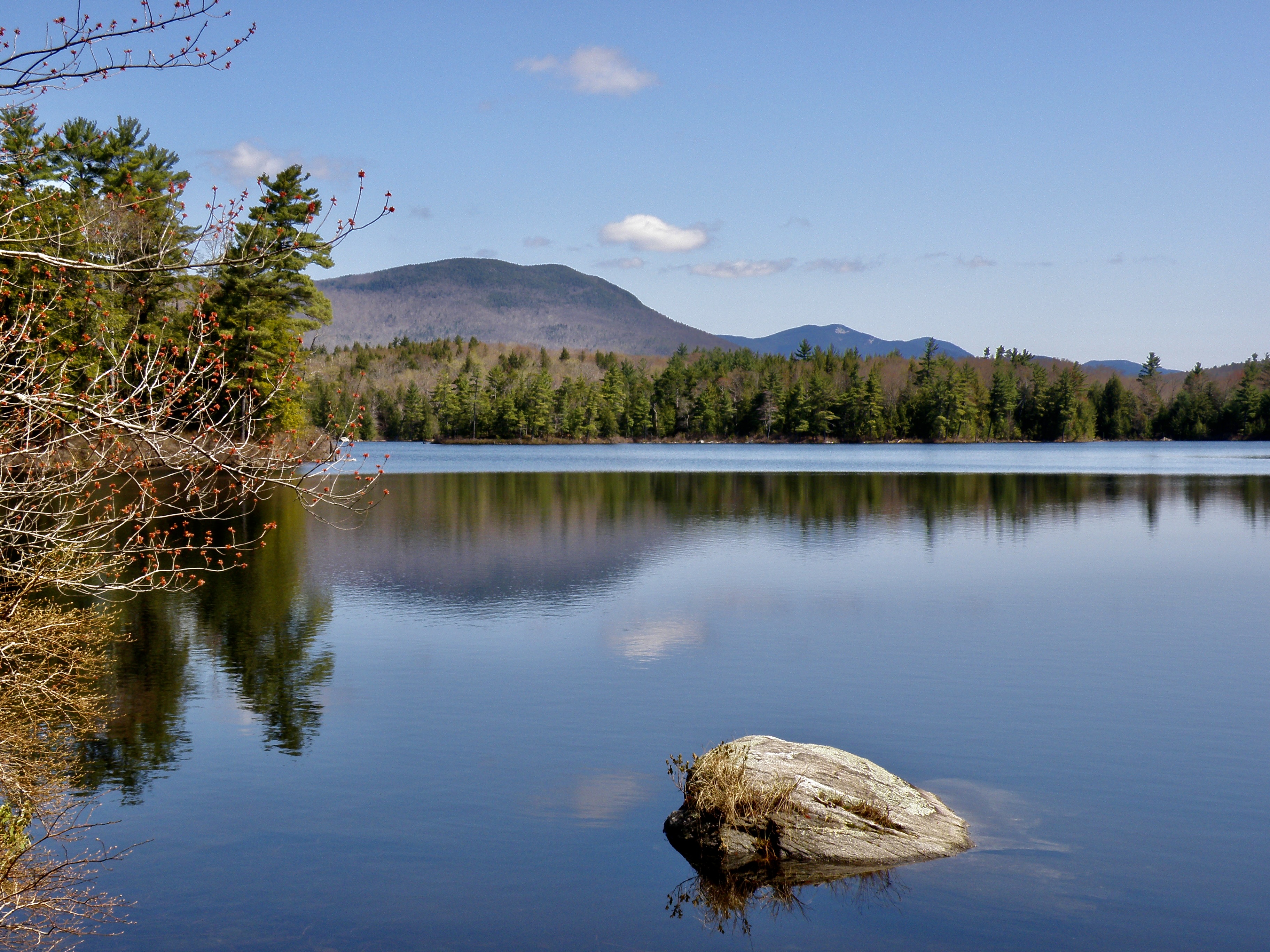
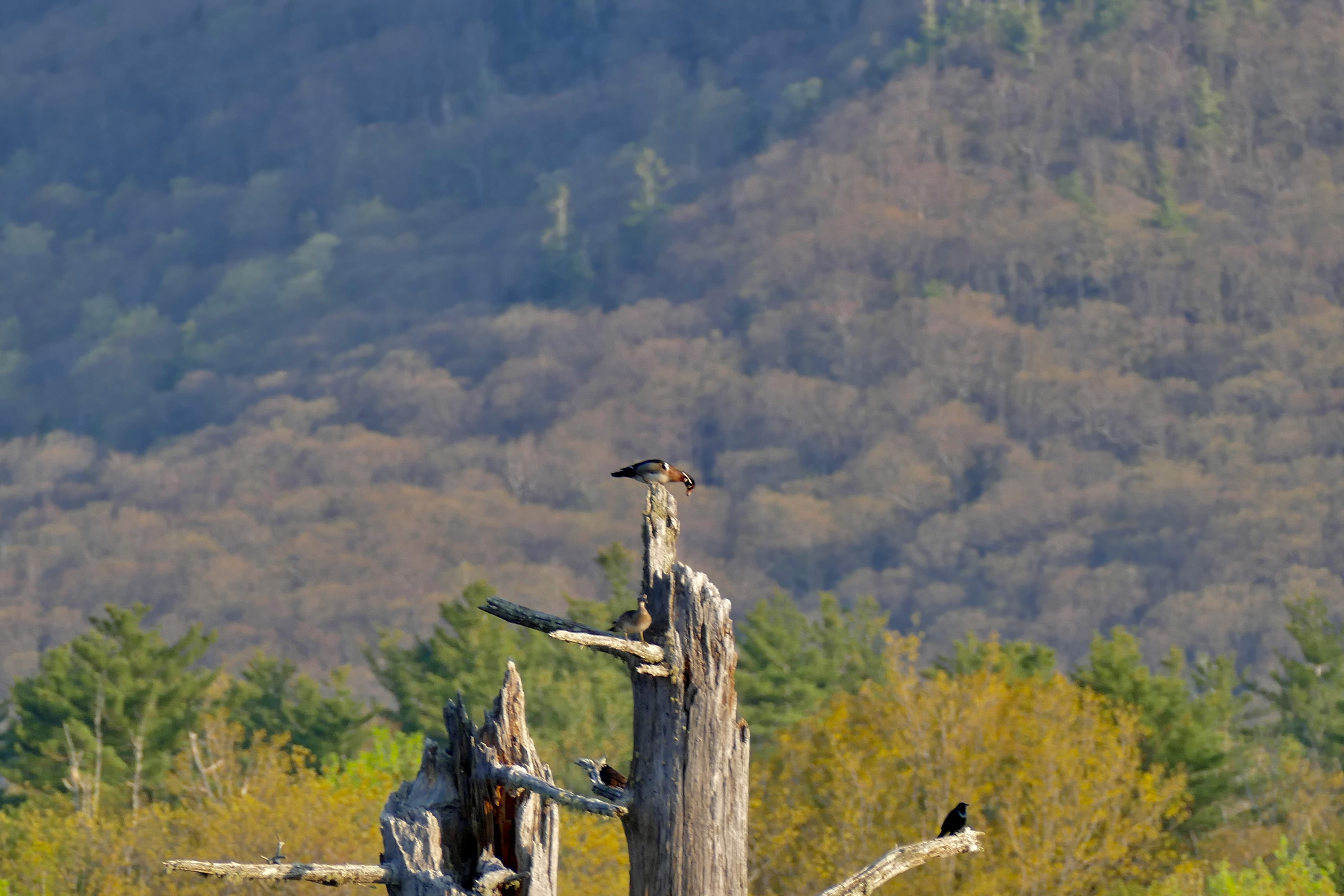
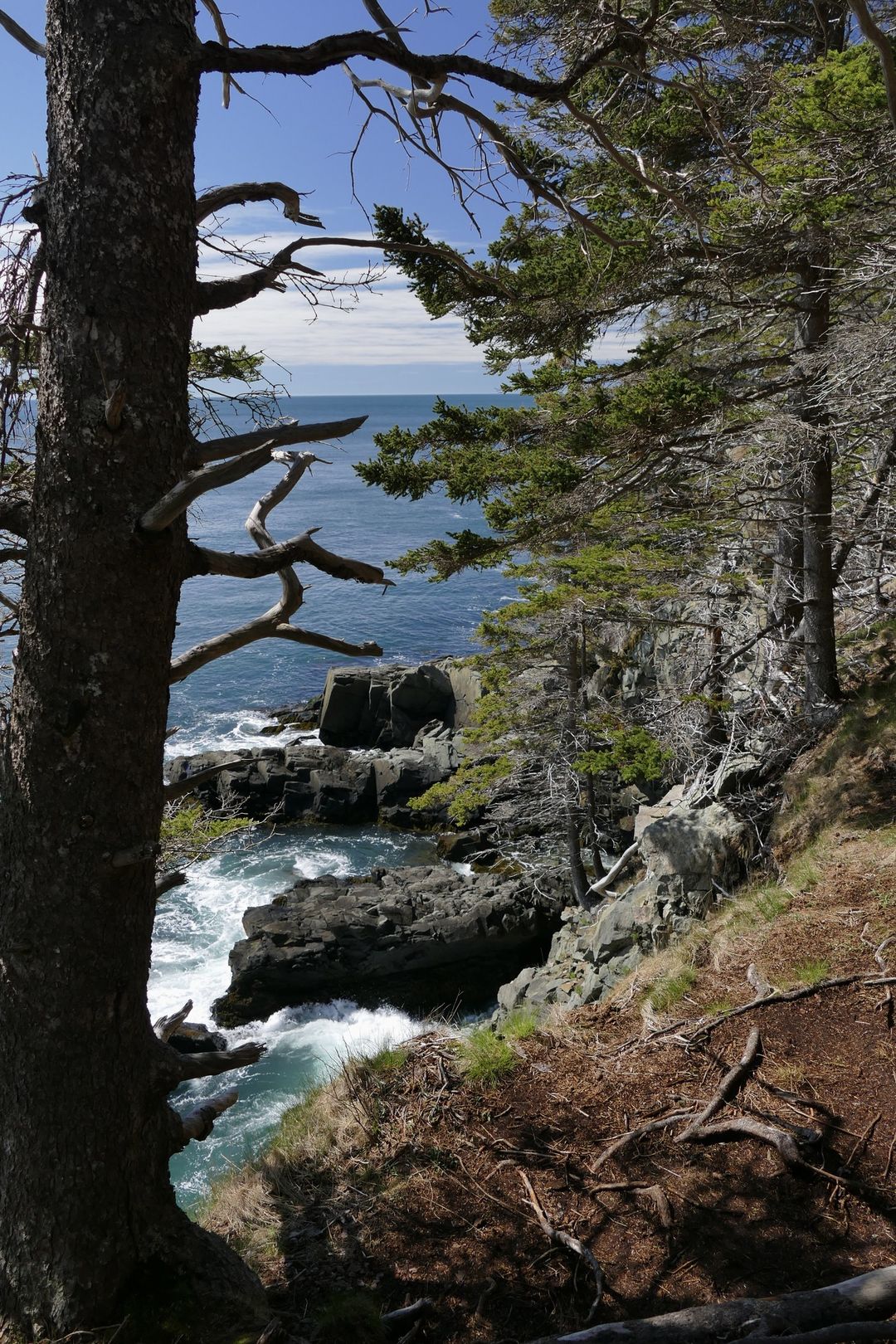
How dead would the globe seem—especially at this season if it were not for these water surfaces…We are slow to realize water—the beauty & magic of it.

It is interestingly strange forever….I look round with a thrill on this bright fluctuating surface on which no man can walk—whereon is—no trace of foot step—unstained as glass.

May 6, 1851

in Thoreau’s Journal:

How important is a constant intercourse with nature and the contemplation of natural phenomenon to the preservation of Moral & intellectual health.

The discipline of the schools or of business—can never impart such serenity to the mind.

May 5, 1852

in Thoreau’s Journal:

Every part of the world is beautiful today— — The bright shimmering water—fresh light-green grass springing up on the hills—tender firm moss-like before it waves. — the very faint blue sky without distinct clouds is least beautiful of all, having yielded its beauty to the earth—& the fine light smokes—sometimes blue against the woods.— and the tracts where the woods have been cut the past winter. The beautiful etherial not misty blue of the horizon—& its mts, as if painted.

Now all buds may swell methinks—now the summer may begin for all creatures. The wind appears to be a little N of W. The waters still high have a fine shimmering sparkle over a great part of their surface—not so large nor quite so bright as in the fall.

May 3, 1852

in Thoreau’s Journal:

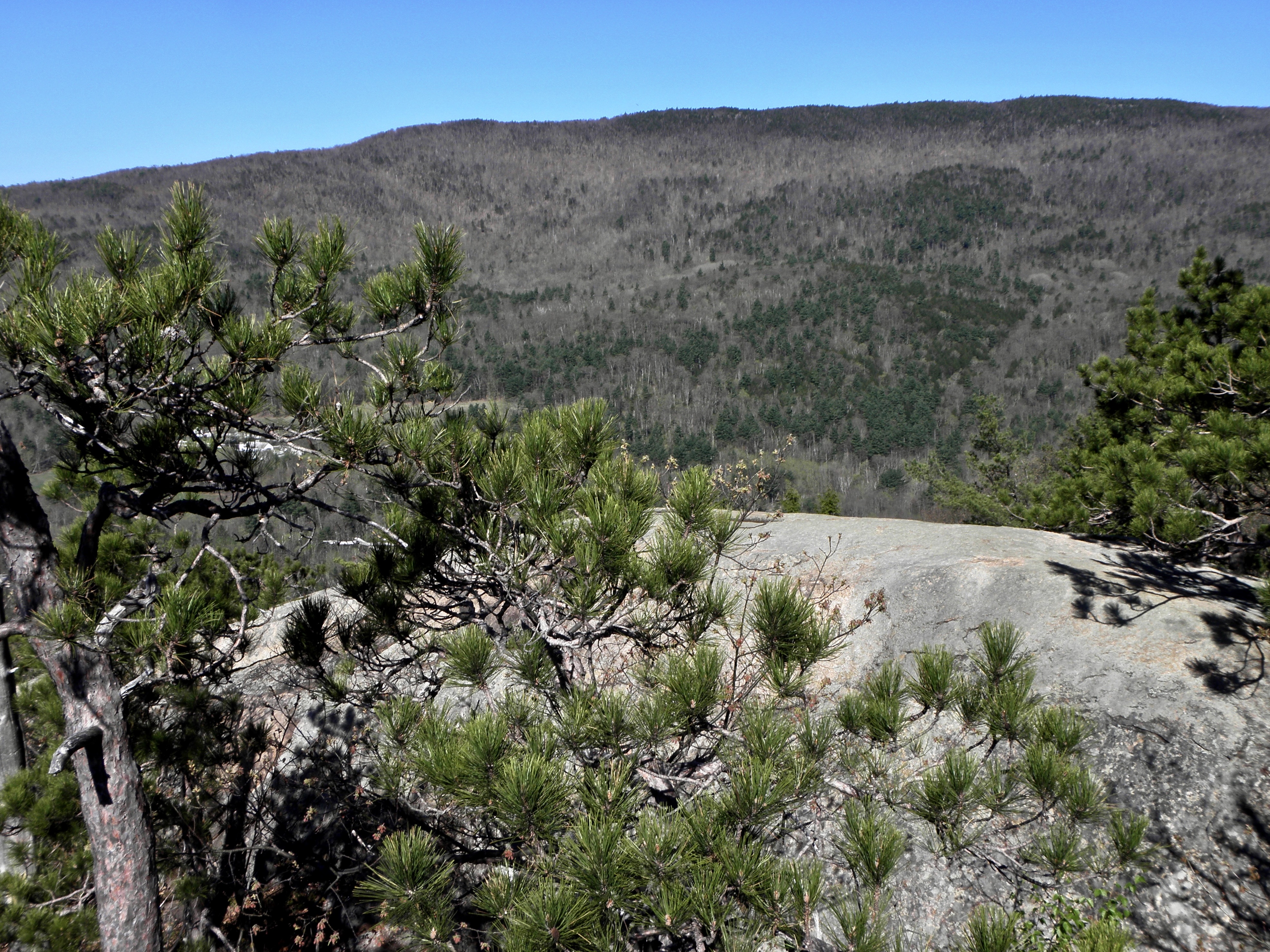
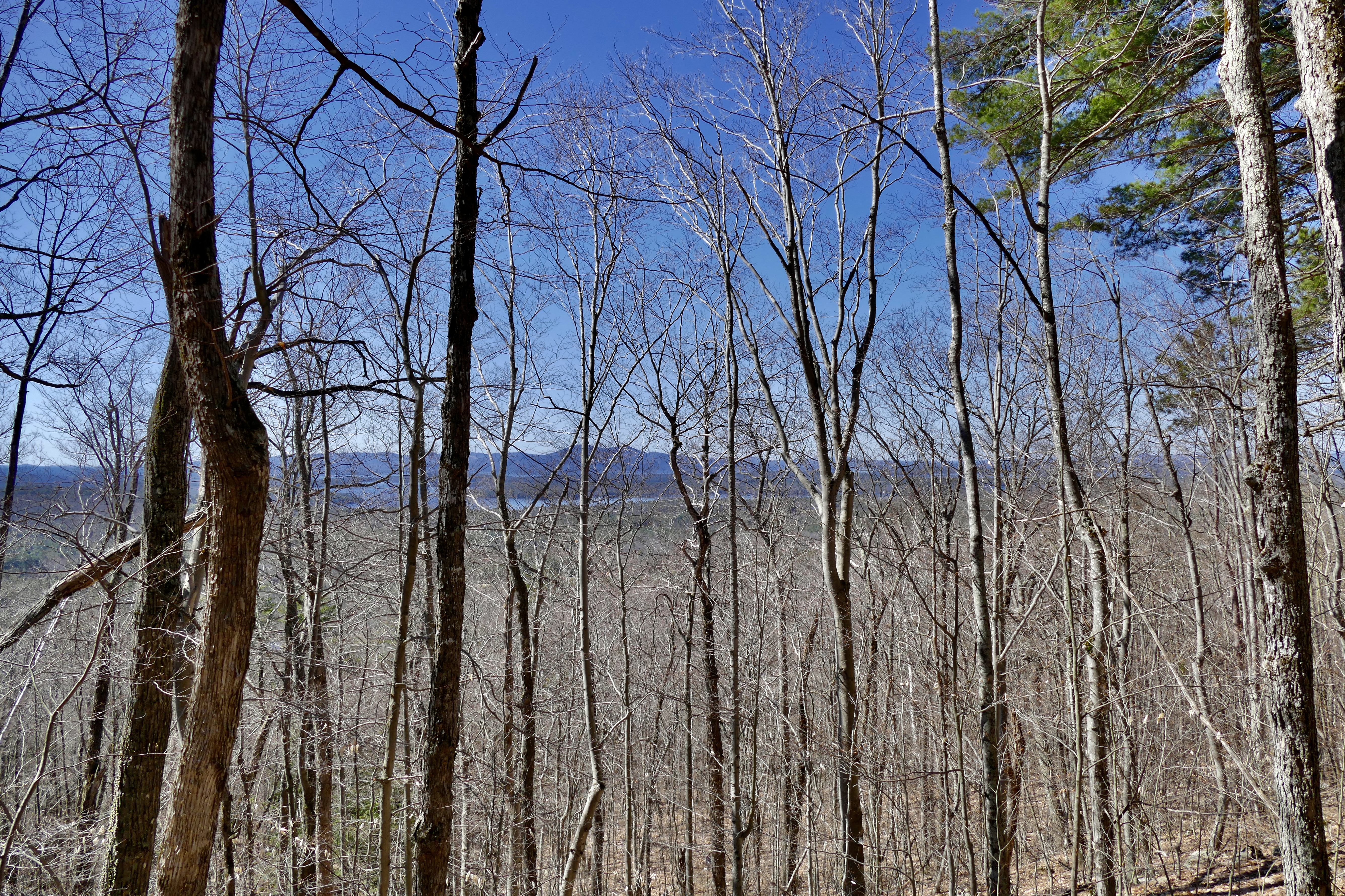
How cheering & glorious any landscape viewed from an eminence! 

For every one has its horizon & sky. It is so easy to take wide views.

May 1, 1852

in Thoreau’s Journal:

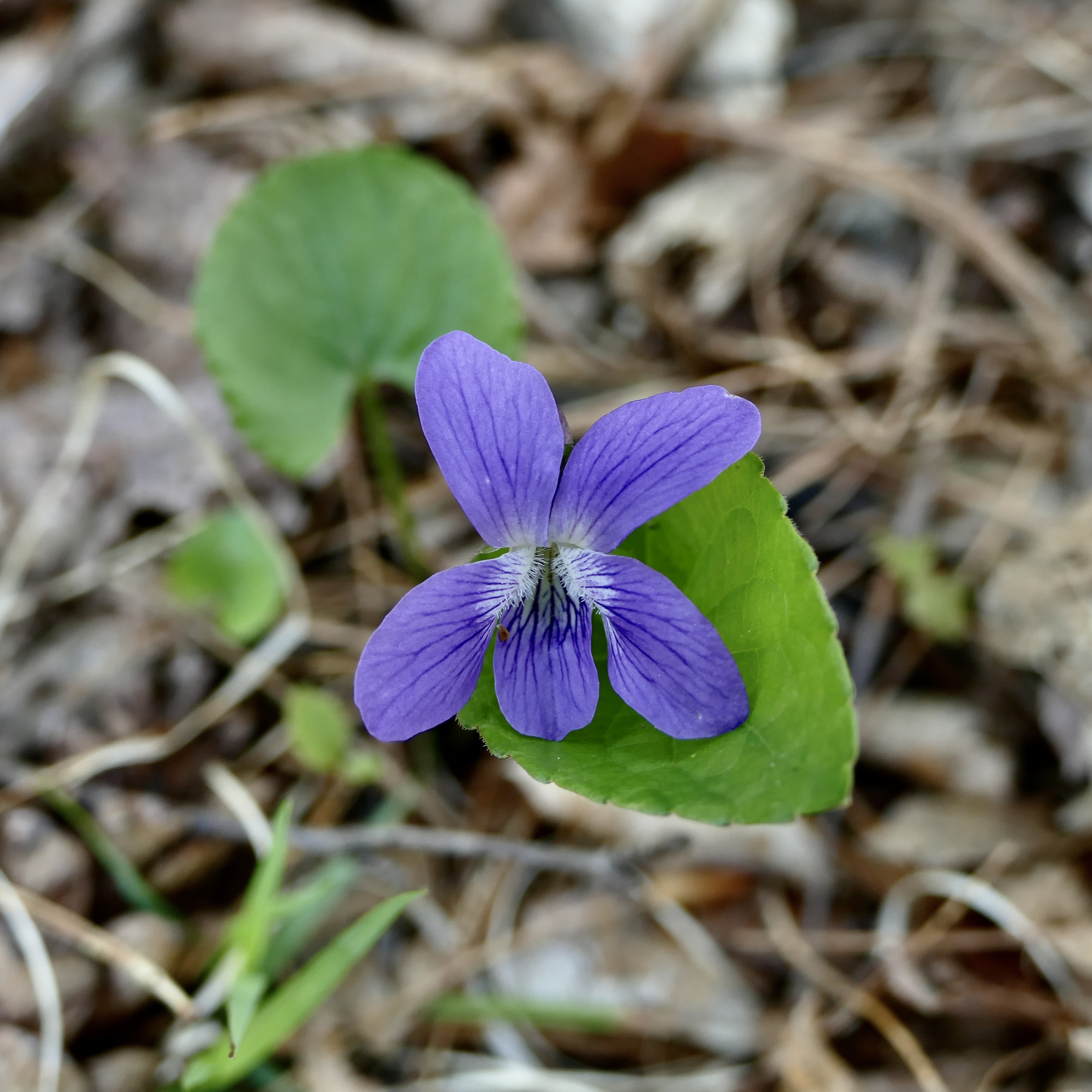
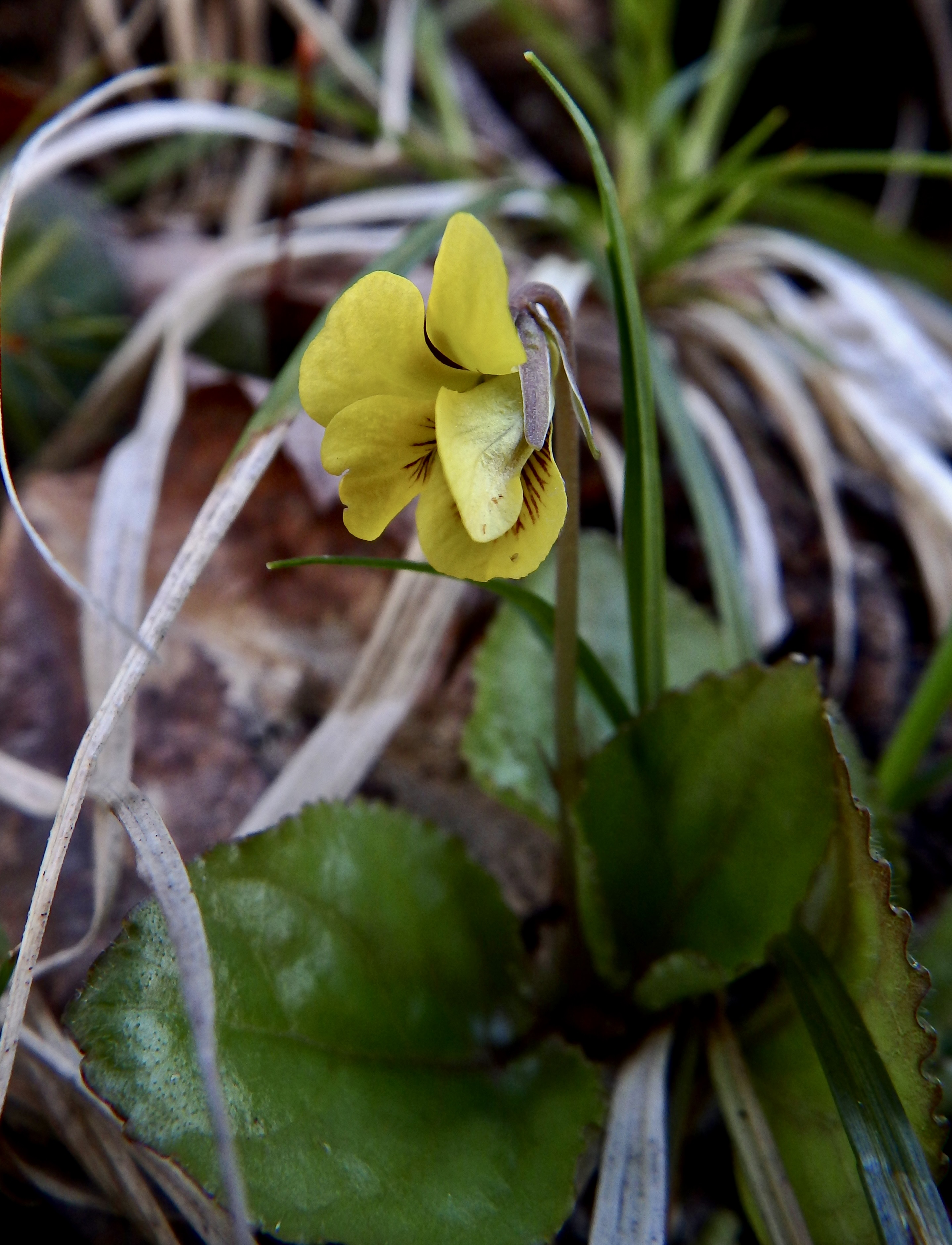
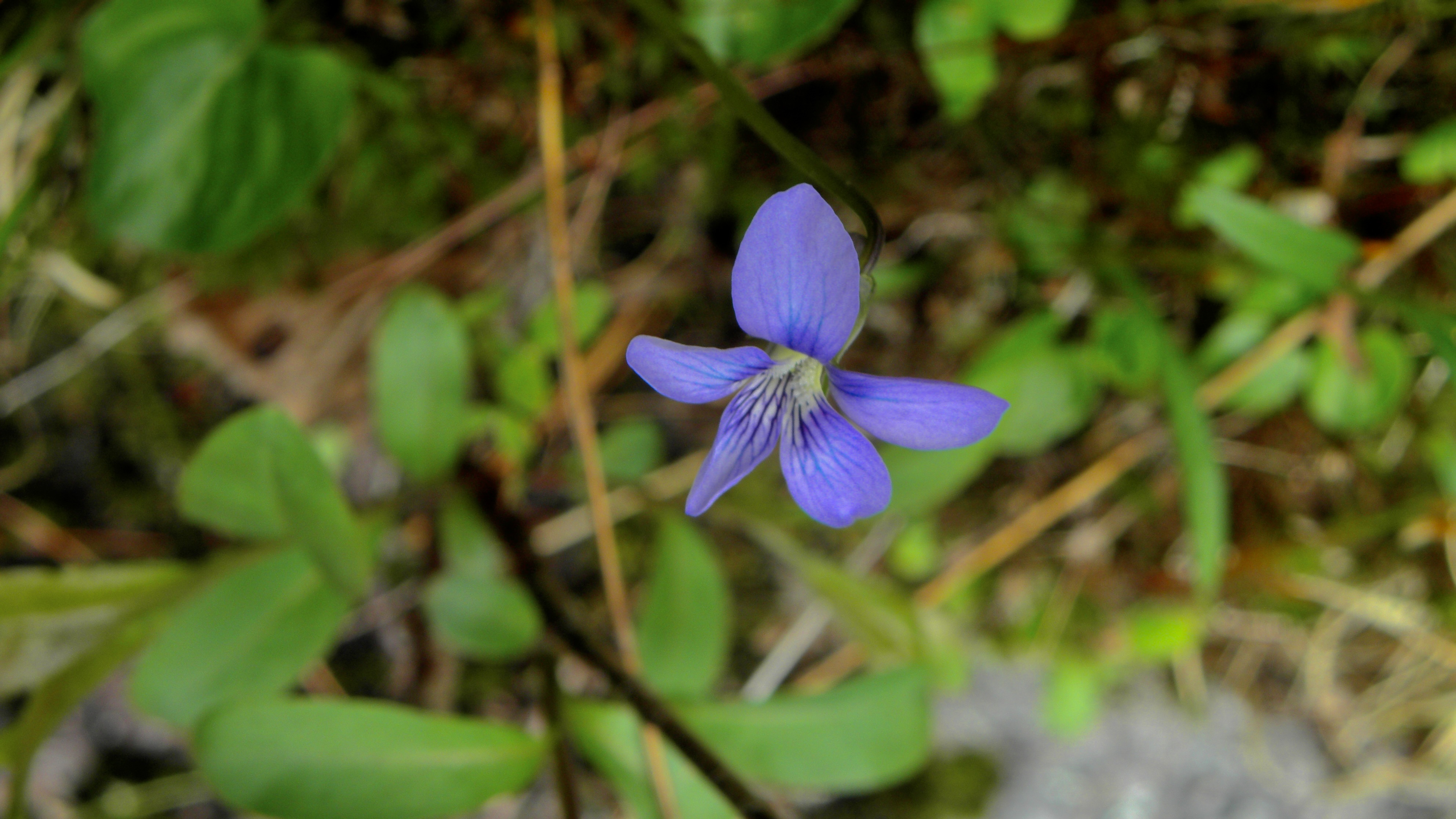
Found the first Violet….

The woods have a damp smell this morning — I hear a robin amid them….The grass ground—low ground at least wears a good green tinge now.

April 29, 1852

in Thoreau’s Journal:

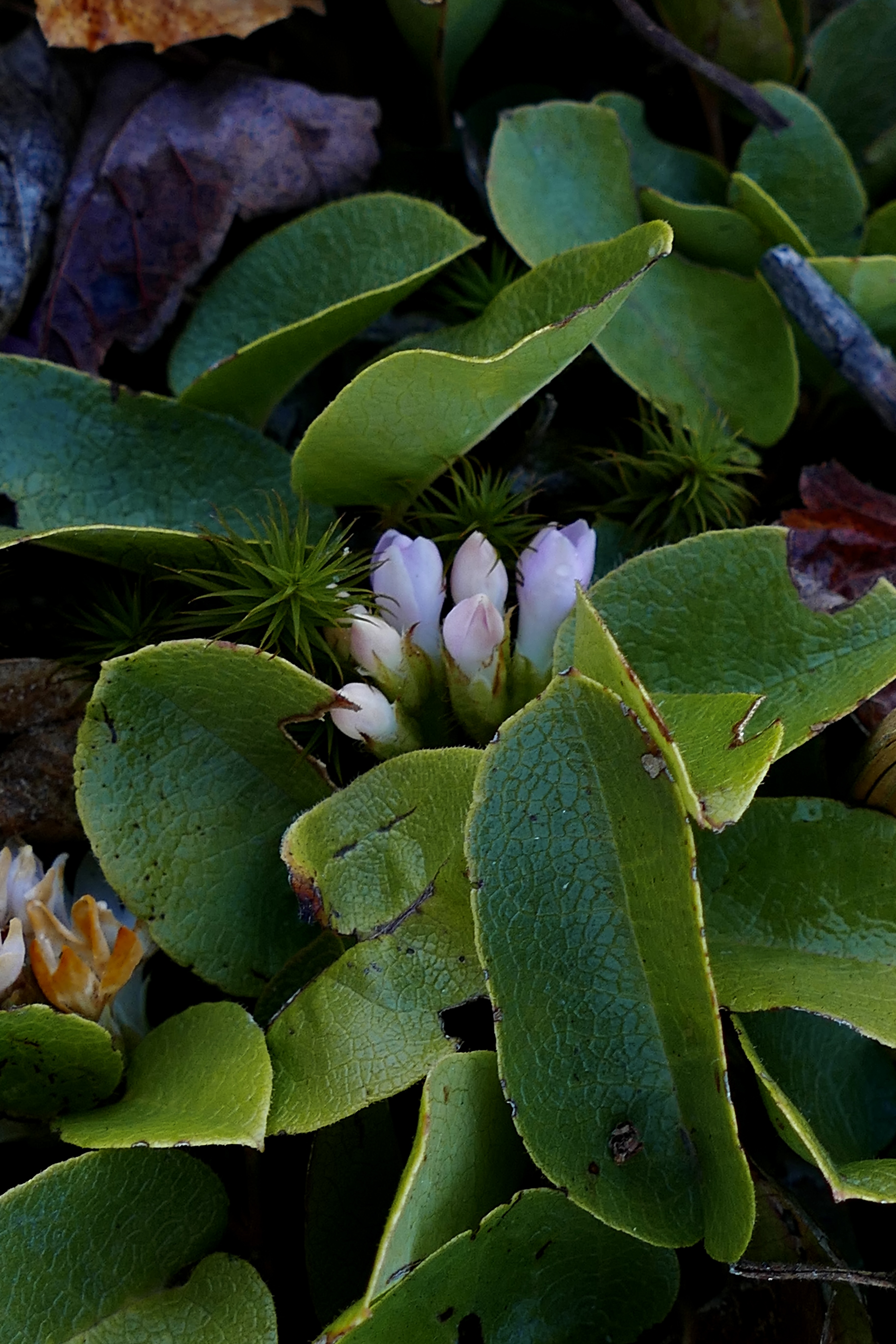
The may-flower on the point of blossoming— I think I may say that it will blossom to-morrow. The blossoms of this plant are remarkably concealed beneath the leaves—perhaps for protection— It is singularly unpretending—not seeking to exhibit or display its simply beauty. It is the most delicate flower both to eye & to scent as yet—

Its weather worn leaves do not adorn it. If it had fresh spring leaves it would be more famous & sought after.

April 27, 1852

in Thoreau’s Journal:

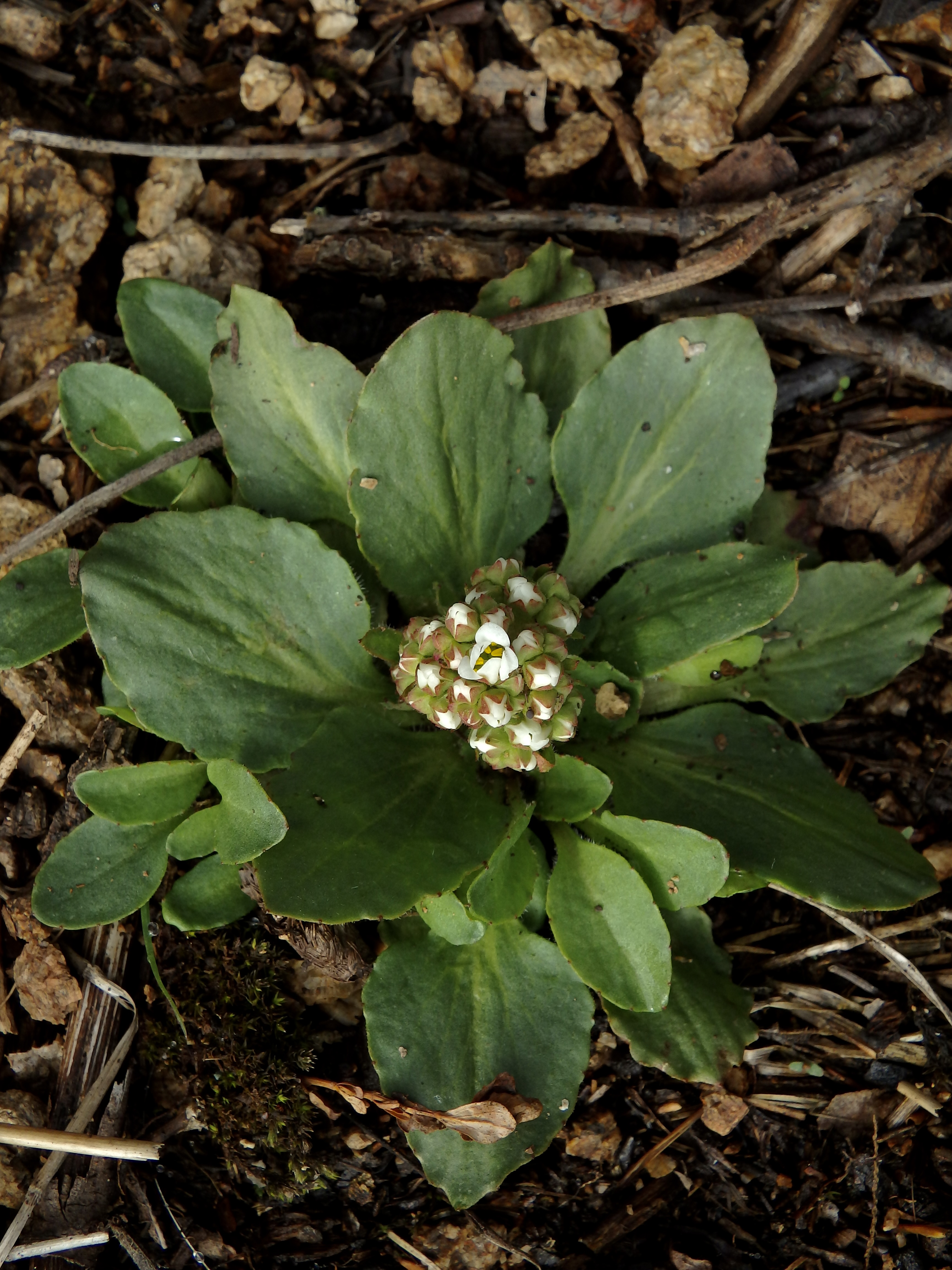
On Conantum Cliffs whose seams dip to the NW at an angle of 50º (?) and run NE and SW I find today for the first time the early saxifrage saxifrage vernalis in blossom—growing high and dry in the narrow seams where there is no soil for it but a little green moss.—following thus early after the bare rock—it is one of the first flowers not only in the spring of the year but in the spring of the world.—It can take advantage of a perpendicular cliff where the snow cannot lie & fronting the S….

This is the place to look for early blossoms of the saxifrage—columbine—& plantain leaved everlasting—the 1st 2 especially— The crevices of the rock (cliff) make natural hot houses for them—affording dryness warmth & shelter.  

April 25, 1859

in Thoreau’s Journal:

When the wind is still cool elsewhere, I glance up some warm southern slope, sunny and still, where the thinly scattered blades of green grass, lately sprung, already perchance begin to wave, and I am suddenly advertised that a new season has arrived.

This is the beginning of that season which, methinks, culminates with the buttercup and wild pink and Viola pedata.  It begins when the first toad is heard.

April 23, 1854

in Thoreau’s Journal:

I find but one red-maple fairly in blossom on a few twigs over the water today.

I think therefore the 22nd will do for the very earliest.

April 21, 1852

in Thoreau’s Journal:

As we stand by the Mt on the Battleground––I see a white pine dimly in the horizon just north of Lee’s Hill––at 5 1/2 Pm, its upright stem & straight horizontal feathered branches––while at the same time I hear a robin sing.  Each enhances the other. That tree seems the emblem of my life––it stands for the west––the wild. The sight of it is grateful to me as to a bird whose perch it is to be at the end of a weary flight. I am not sure whether the music I hear is most in the robins’ song or in its boughs. The pine tree that stands on the verge of the clearing––whose boughs point westward. Which the villager does not permit to grow on the common or by the road side.–– In whose boughs the crow and the hawk have their nests.