in Thoreau’s Journal:
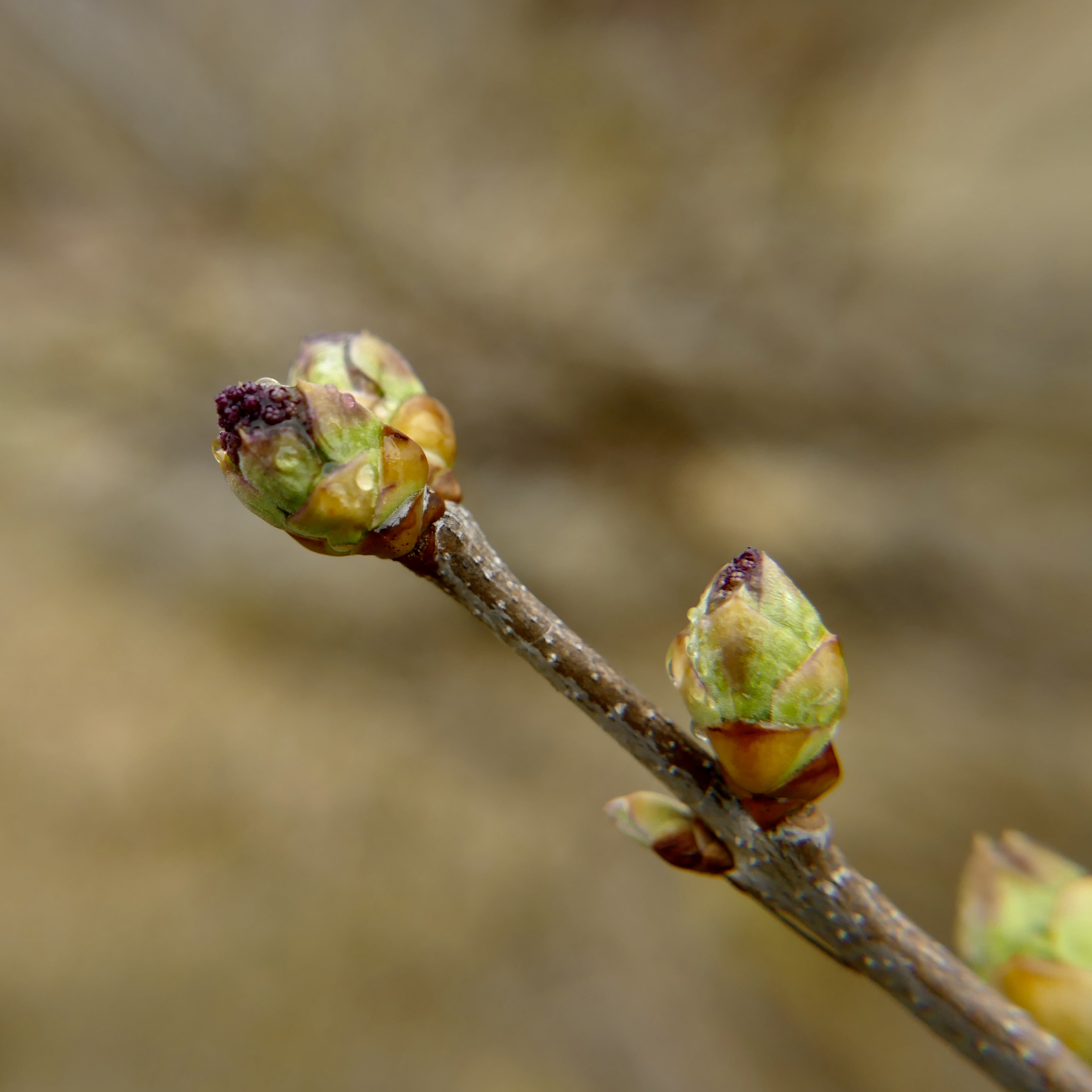
The universe will not wait to be explained.

in Thoreau’s Journal:
The universe will not wait to be explained.
in Thoreau’s Journal:
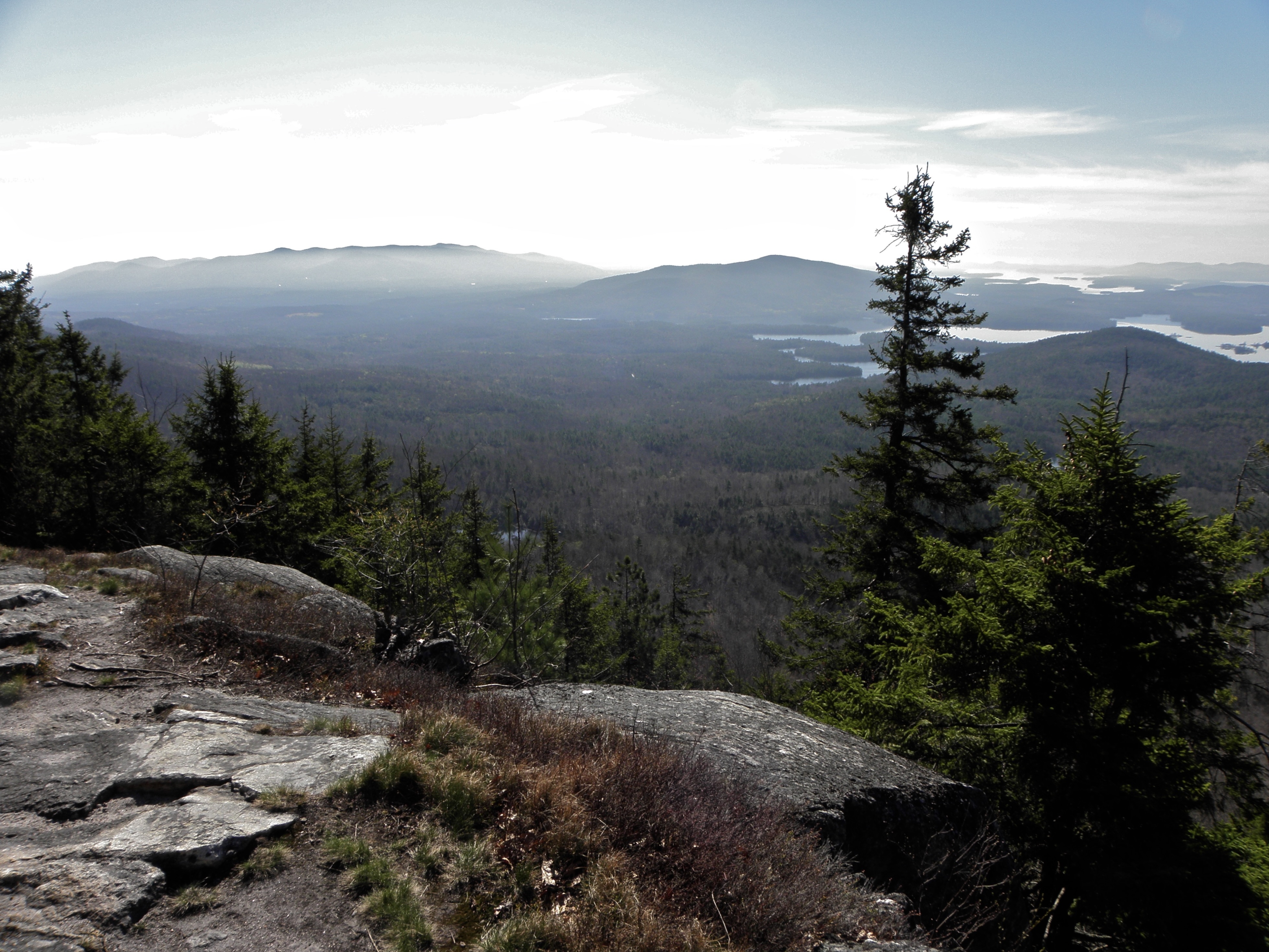
The calm bright hour after the sun came out was very pleasant.
in Thoreau’s Journal:
…As Cawley loved a garden, so I a forest.

Observe all kinds of coincidences—as what kinds of birds come with what flowers. An East Wind, I hear the clock strike plainly 10 or 11 PM.
in Thoreau’s Journal:
Sat on the smooth river bank under Fair Haven— The sun-light in the wood across the stream.

The scent of the earliest spring flowers! I smelt the willow catkins today. Tender––& innocent––after this rude winter––yet slightly sickening–– –– Yet full of vernal promise. The odor–– How unlike any thing that winter affords––or nature has afforded this 6 months! A mild sweet vernal scent–– Not highly spiced & intoxicating as some erelong––but attractive to bees–– That early yellow smell. The odor of spring––of life developing amid buds––of the earth’s epithalamium–– The first flowers are not the highest scented––as catkins––as the first birds are not the finest singers––as the black-birds & song sparrows &c. The beginnings of the year are humble. But though this fragrance is not rich––it contains & prophecies all others in it.

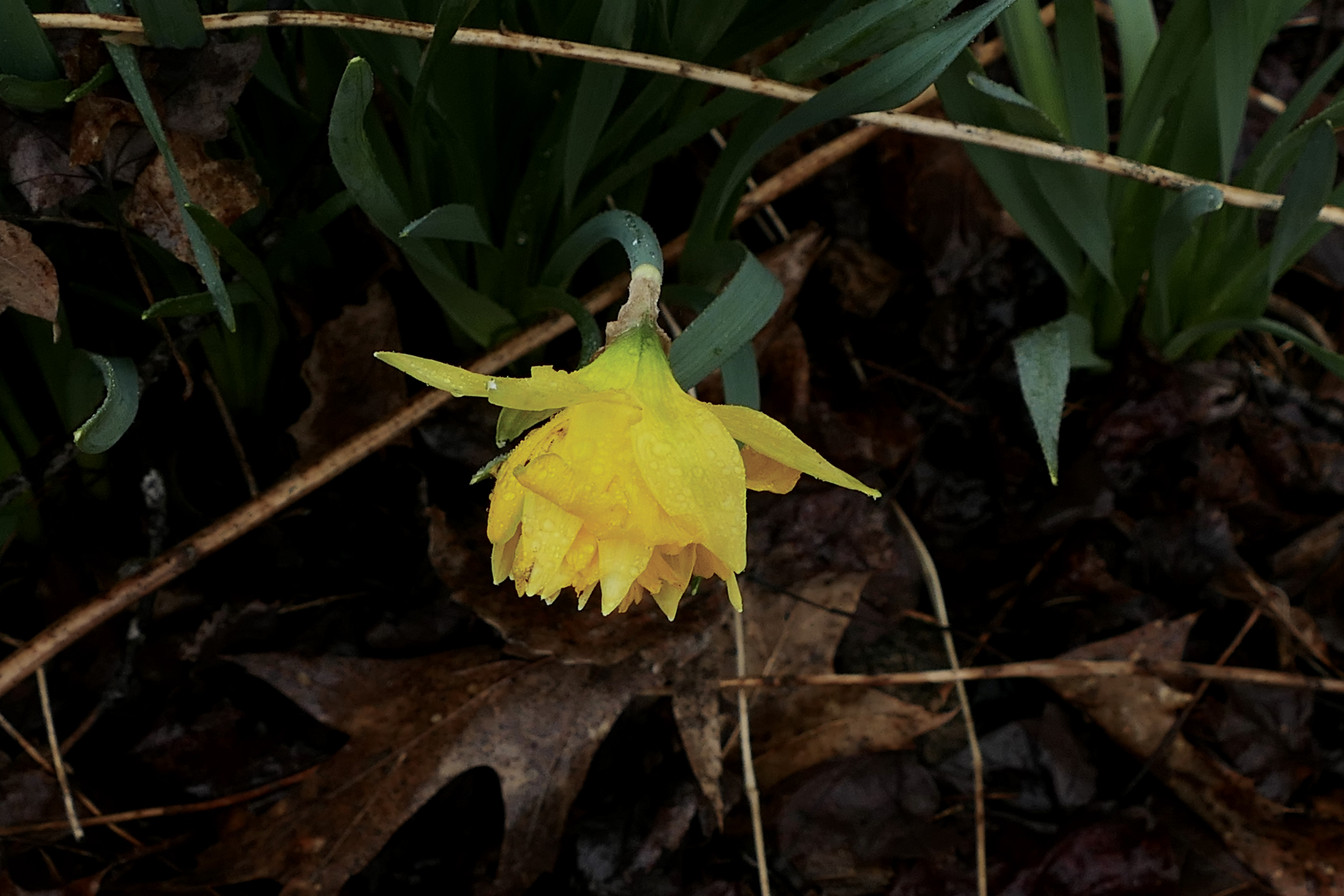

in Thoreau’s Journal:
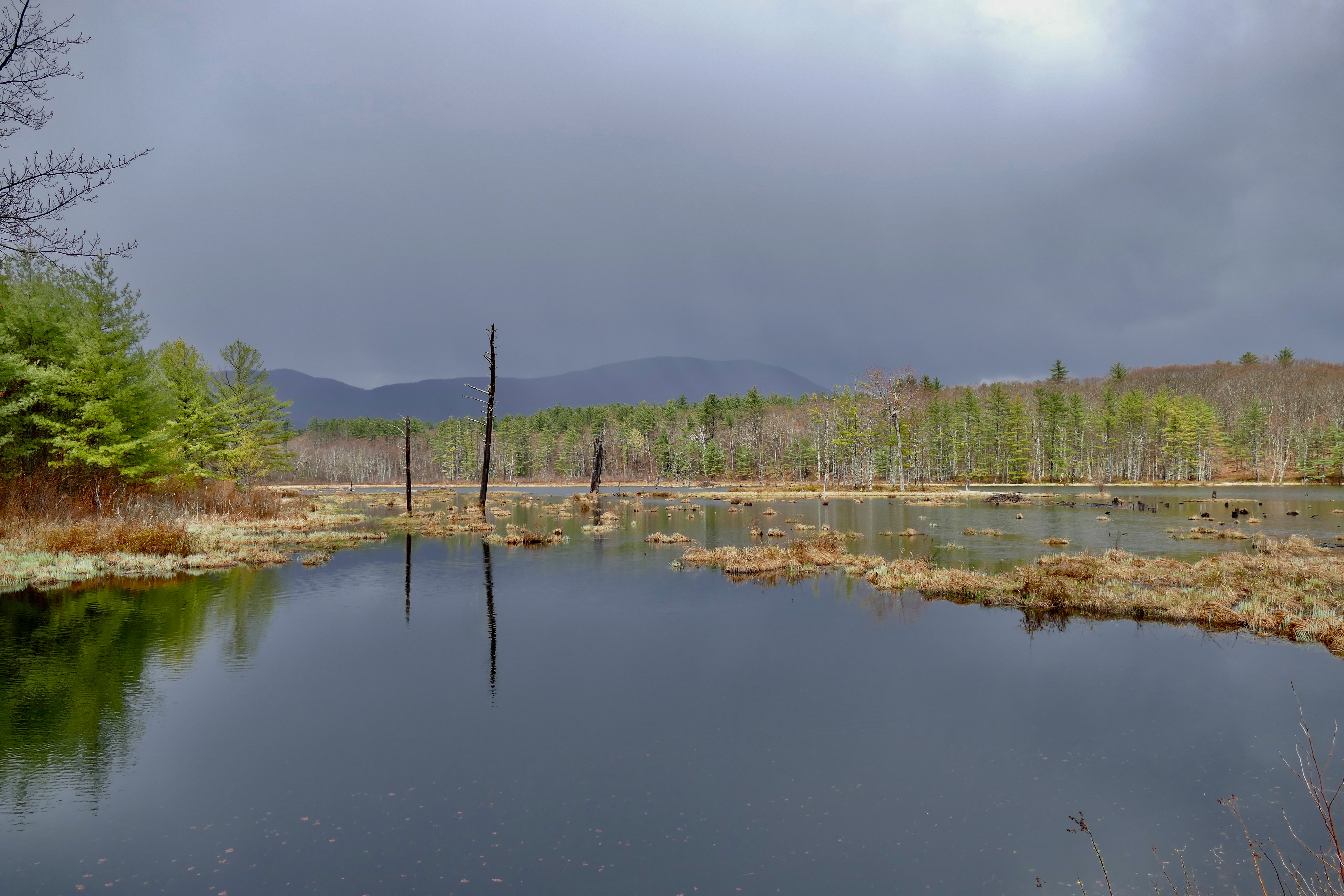
The water on the meadows is now quite high––on account of the melting snow & the rain….Would it not be worth the while to describe the different states of our meadows which cover so large a portion of the town. It is not as if we had a few acres only of water surface––From every side the milk-man rides over long causeways into the village —& carries the vision of much meadow’s surface with him into his dreams.–– They answer to moods of the Concord mind.–– There might be a chapter the Sudbury meadows––the humors of the town–– …I think our overflowing river––far handsomer & more abounding in soft and beautiful contrasts––than a merely broad river would be–– A succession of bays it is––a chain of lakes––an endlessly scalloped shore–– –– rounding wood & field––cultivated field & wood & pasture and house are brought into ever new & unexpected positions & relations to the water. There is just stream enough for a flow of thought––that is all. –– Many a foreigner who has come to this town has worked for years on its banks without discovering which way the river runs.
in Thoreau’s Journal:
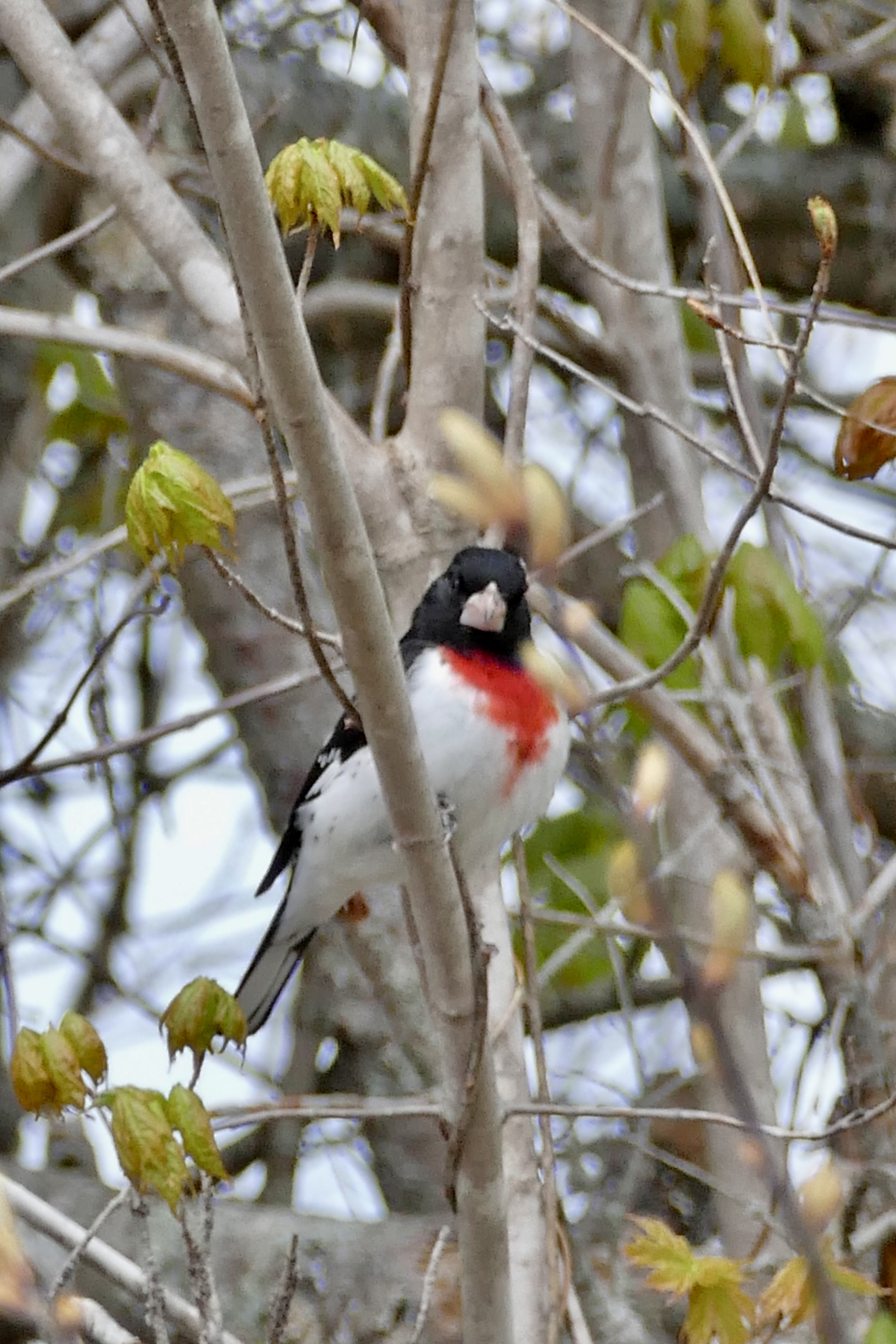
We are provided with singing birds and with ears to hear them. What an institution that!
in Thoreau’s Journal:
In whatever moment we awake to life, as now I this evening, after walking along the bank and hearing the same evening sounds that we heard of yore, it seems to have slumbered just below the surface, as in the spring the new verdure which covers the fields has never retreated far from the winter.
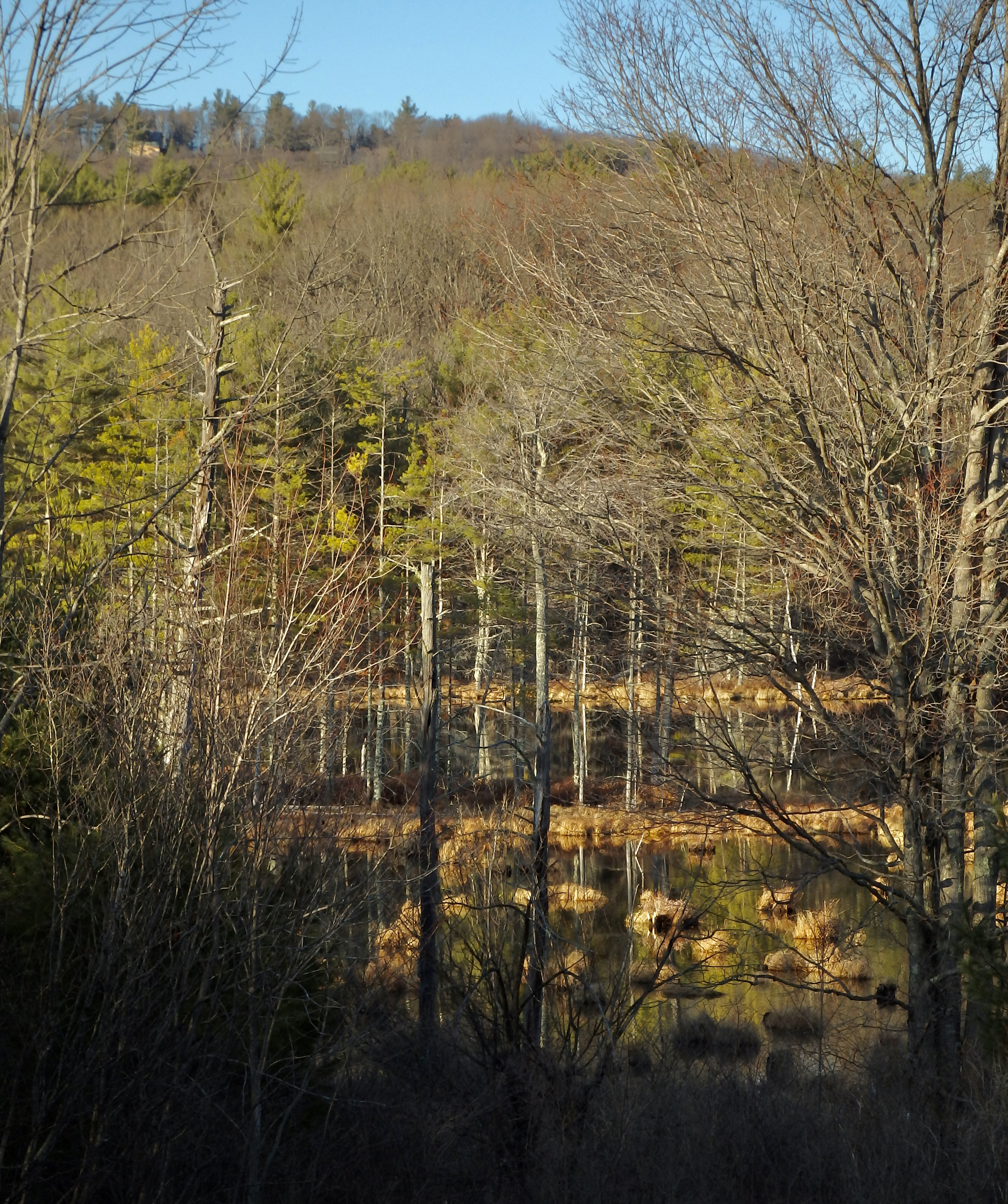
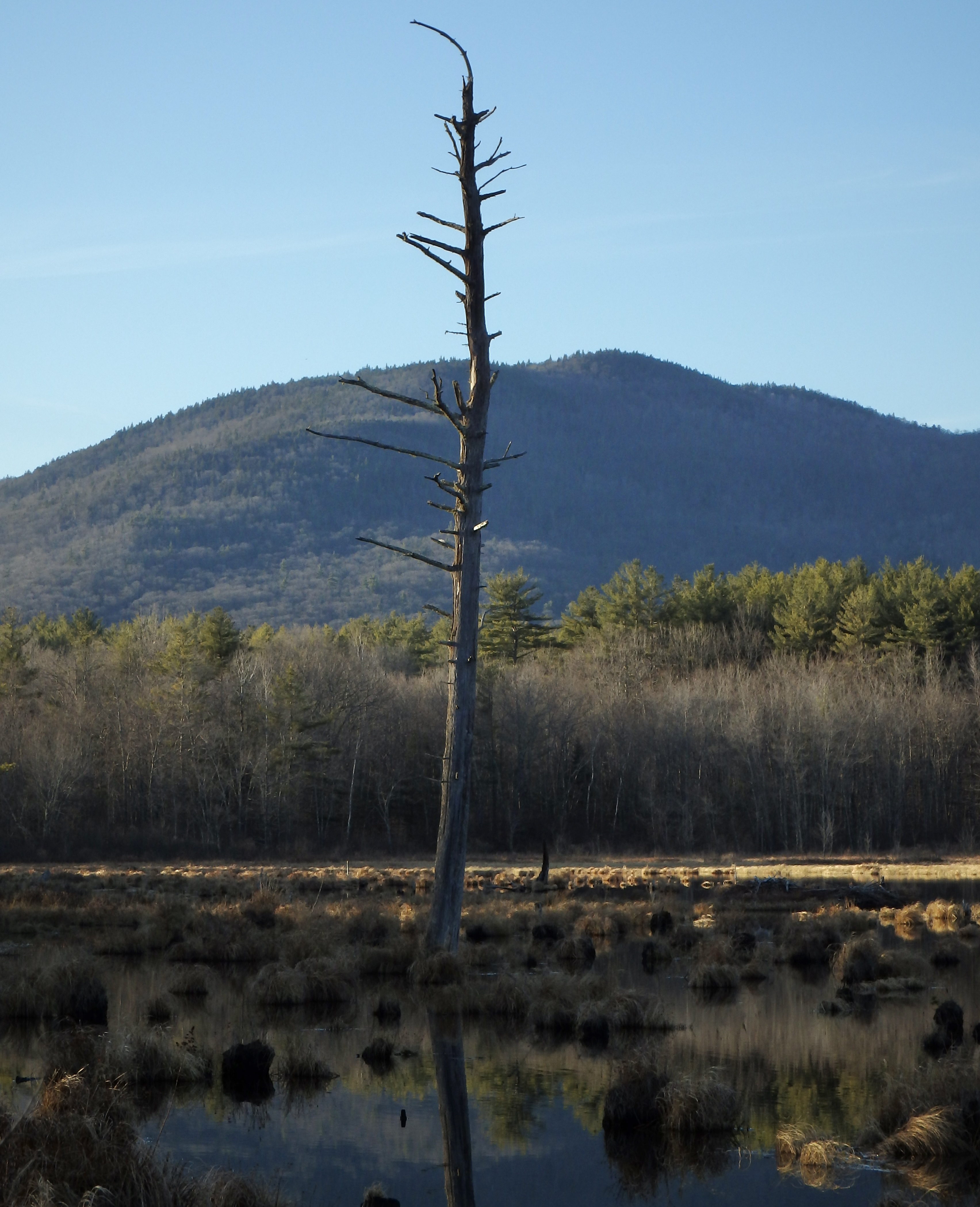
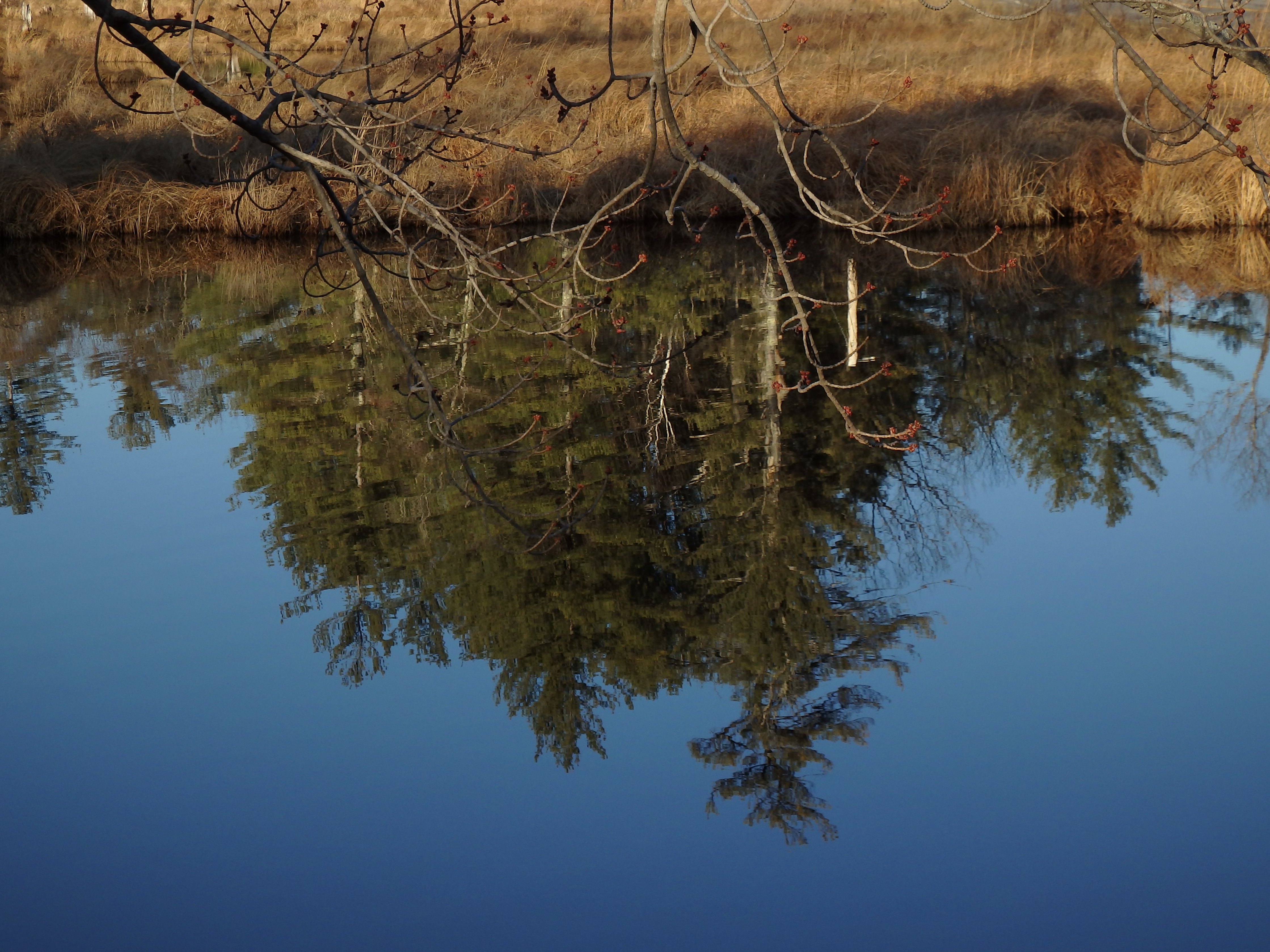

in Thoreau’s Journal:
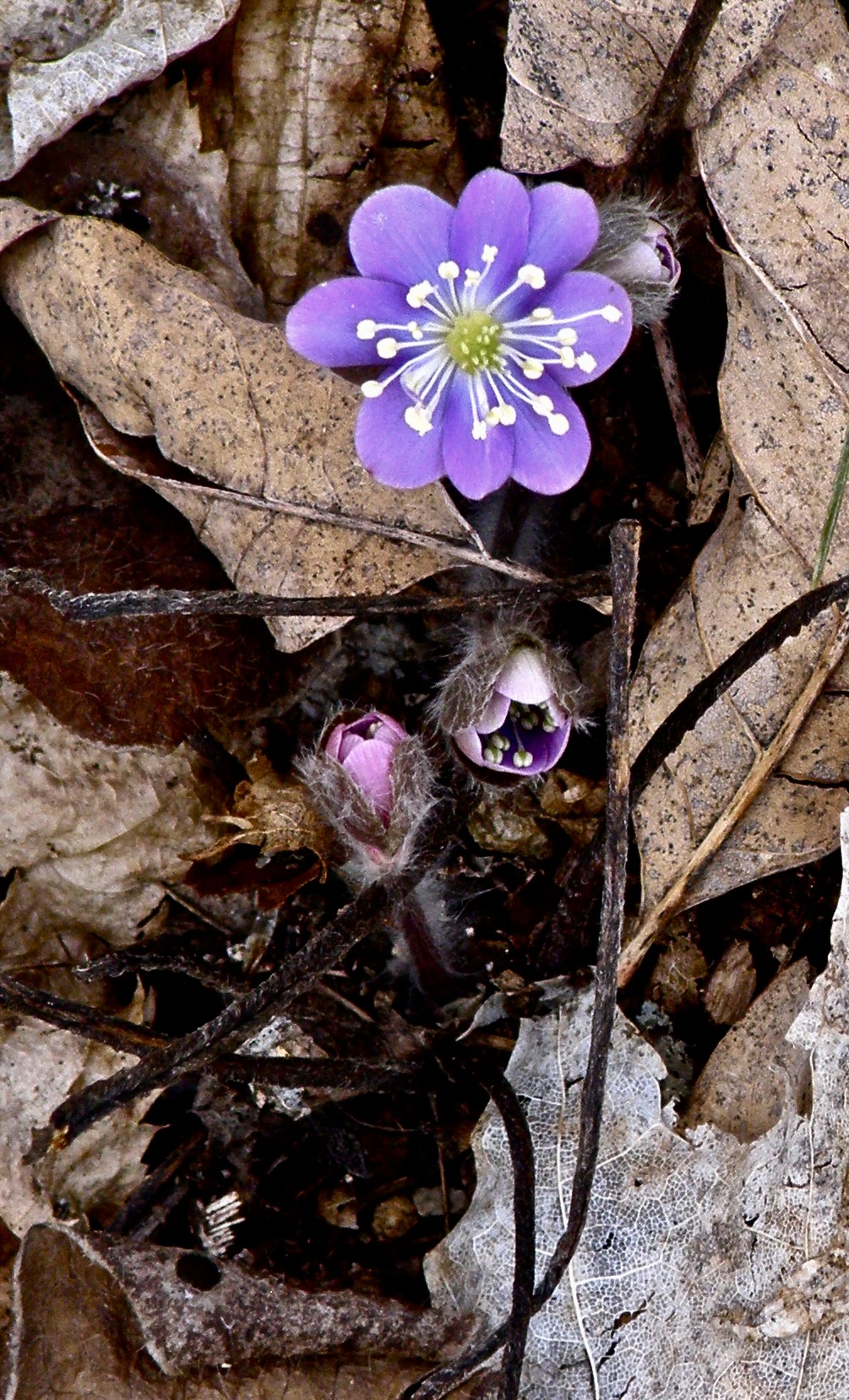
Viola ovata on bank above Lee’s Cliff. Edith Emerson found them there yesterday;

also columbines and the early potentilla April 13th ! !
in Thoreau’s Journal:
Saw the first blossoms (bright-yellow stamens or pistils) on the willow catkins to-day. The speckled alders and the maples are earlier then. The yellow blossom appears first on one side of the ament and is the most of bright and sunny color the spring has shown, the most decidedly flower-like that I have seen.

It flowers, then, I should say, without regard to the skunk-cabbage, q. v. First the speckled alder, then the maple without keys, then this earliest, perhaps swamp, willow with its bright-yellow blossoms on one side of the ament. It is fit that this almost earliest spring flower should be yellow, the color of the sun..
in Thoreau’s Journal:
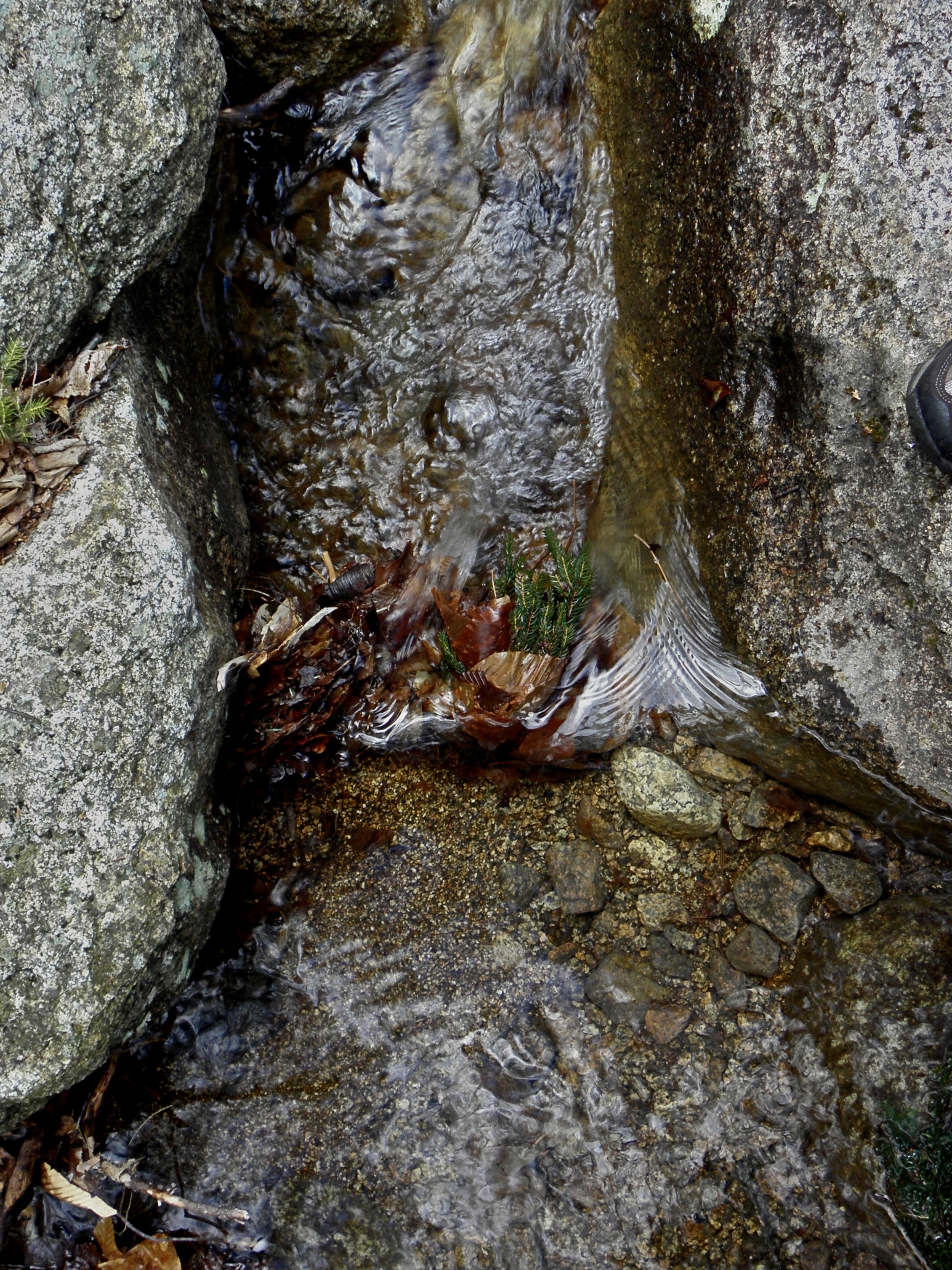
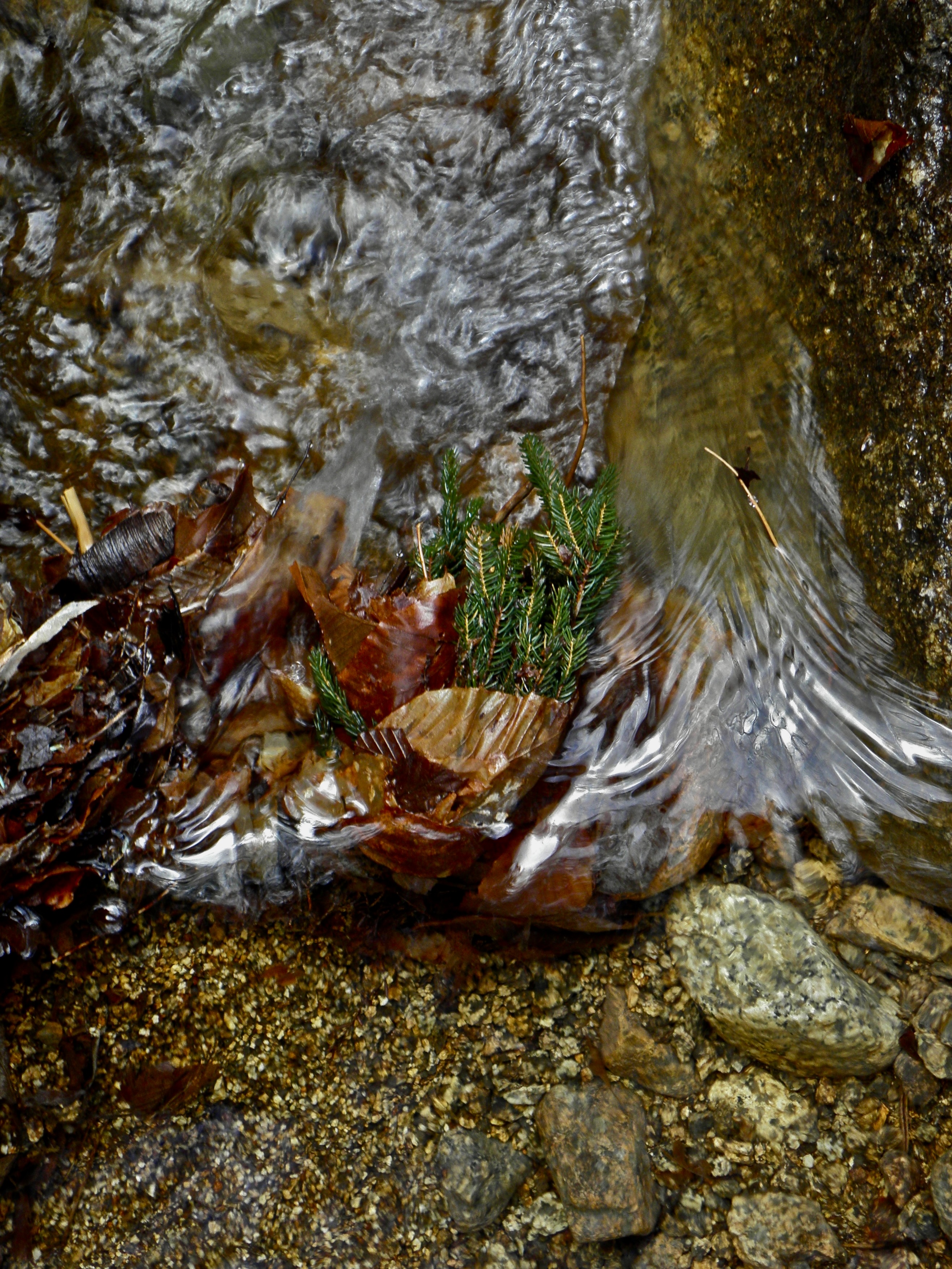
A pure brook is a very beautiful object to study minutely. It will bear the closest inspection, even to the fine air-bubbles, like minute globules of quicksilver, that lie on its bottom. The minute particles or spangles of golden mica in these sands, when the sun shines on them, remind one of the golden sands we read of. Everything is washed clean and bright, and the water is the best glass through which to see it….
in Thoreau’s Journal:
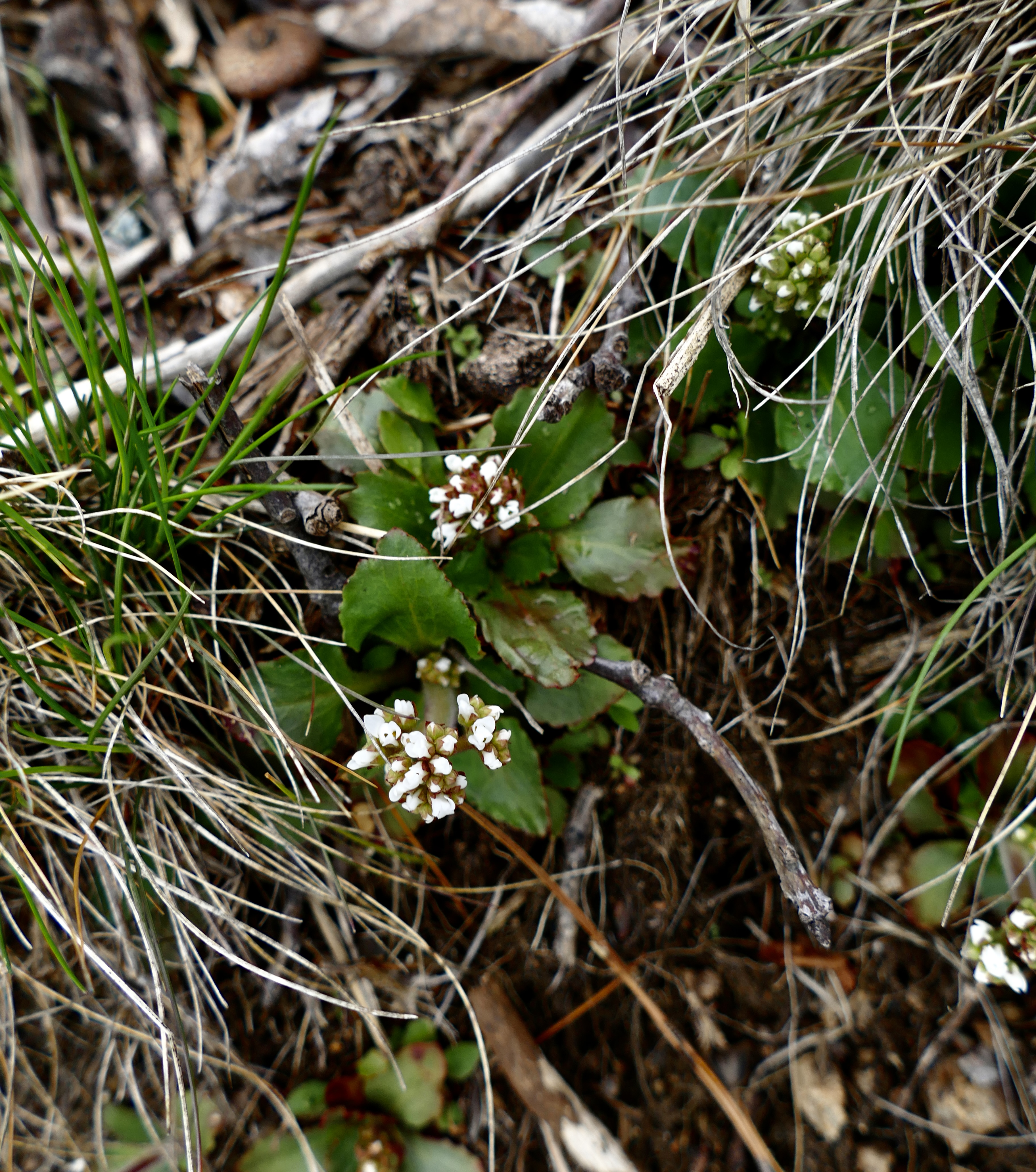
As for the saxifrage, when I had given it up for to-day, having, after a long search in the warmest clefts and recesses, found only three or four buds which showed some white, I at length, on a still warmer shelf, found one flower partly expanded, and its common peduncle had shot up an inch. These few earliest flowers in these situations have the same sort of interest with the arctic flora, for they are remote and unobserved and often surrounded with snow, and most have not begun to think of flowers yet.
in Thoreau’s Journal:
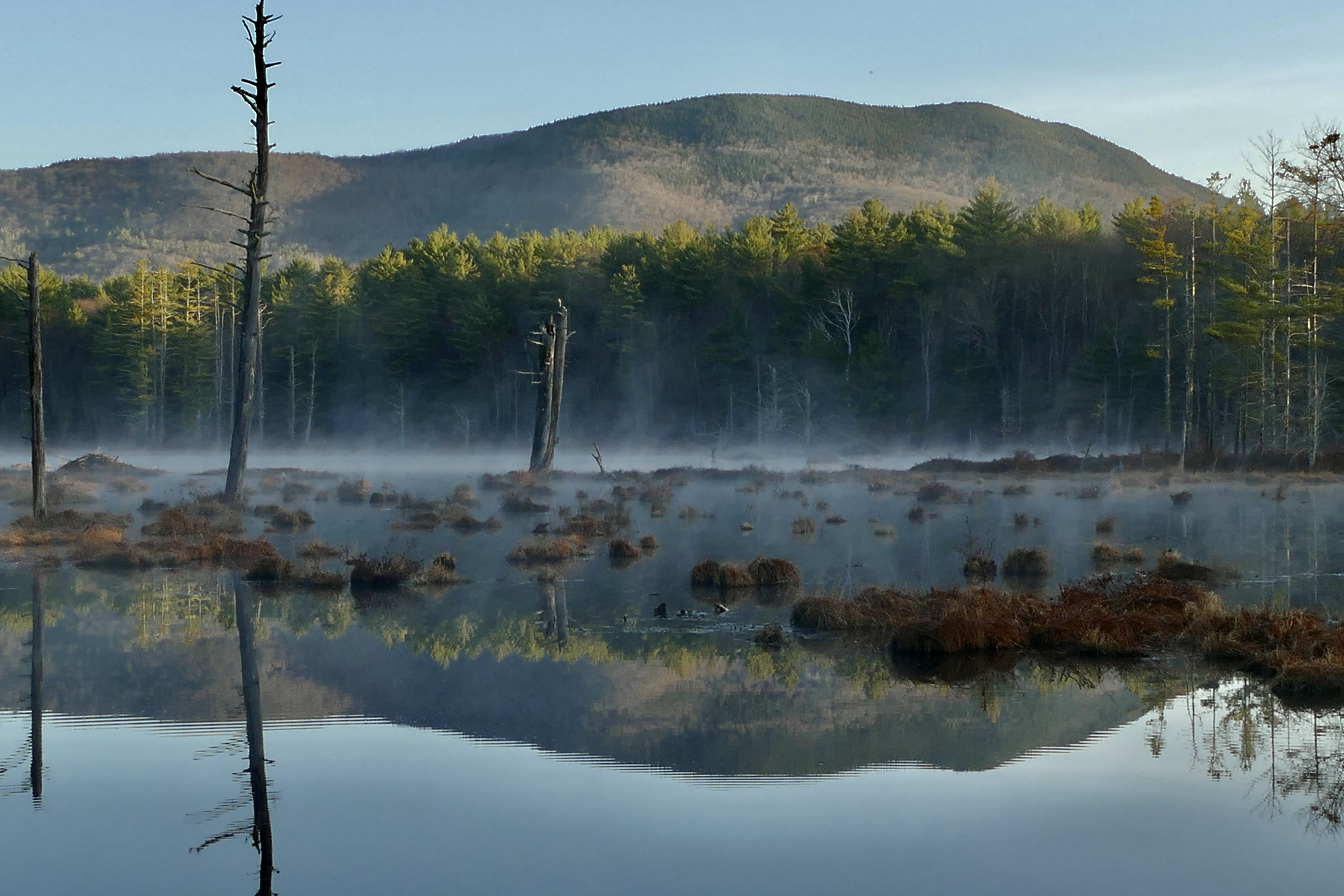
I am surprised to find Walden completely open. When did it open? According to all accounts, it must have been between the 6th and 9th. Fair Haven must have opened entirely the 5th or 6th, and Walden very nearly at the same time. This proves how steadily it has been melting, notwithstanding the severe cold of the last half of March; i. e., it is less affected by transient heat or cold than most ponds.
The flowers have blossomed very suddenly this year as soon as the long cold spell was over, and almost all together.
in Thoreau’s Journal:
As to which are the earliest flowers, it depends on the character of the season, and ground bare or not, meadows wet or dry, etc., etc., also on the variety of soils and localities within your reach.
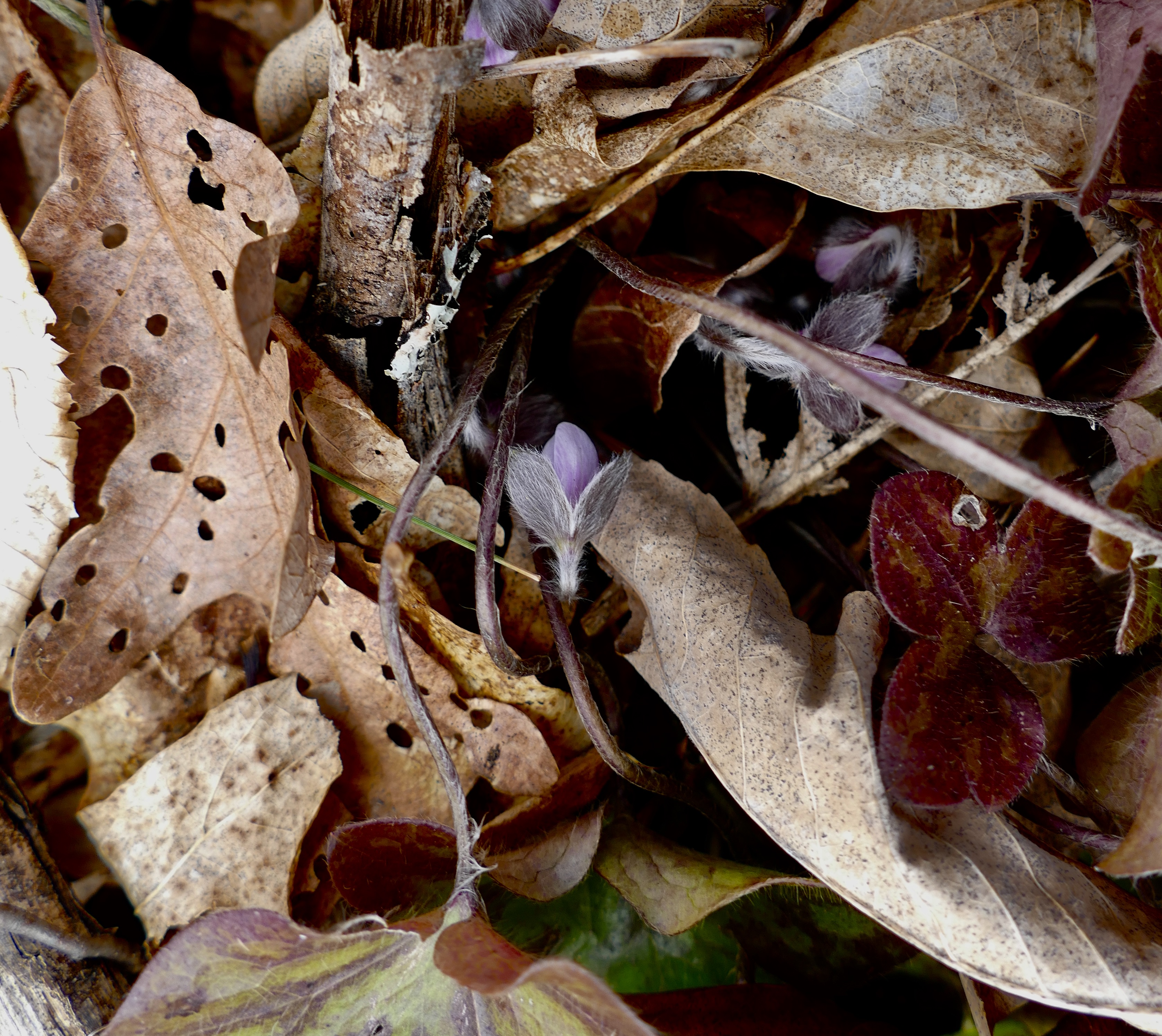
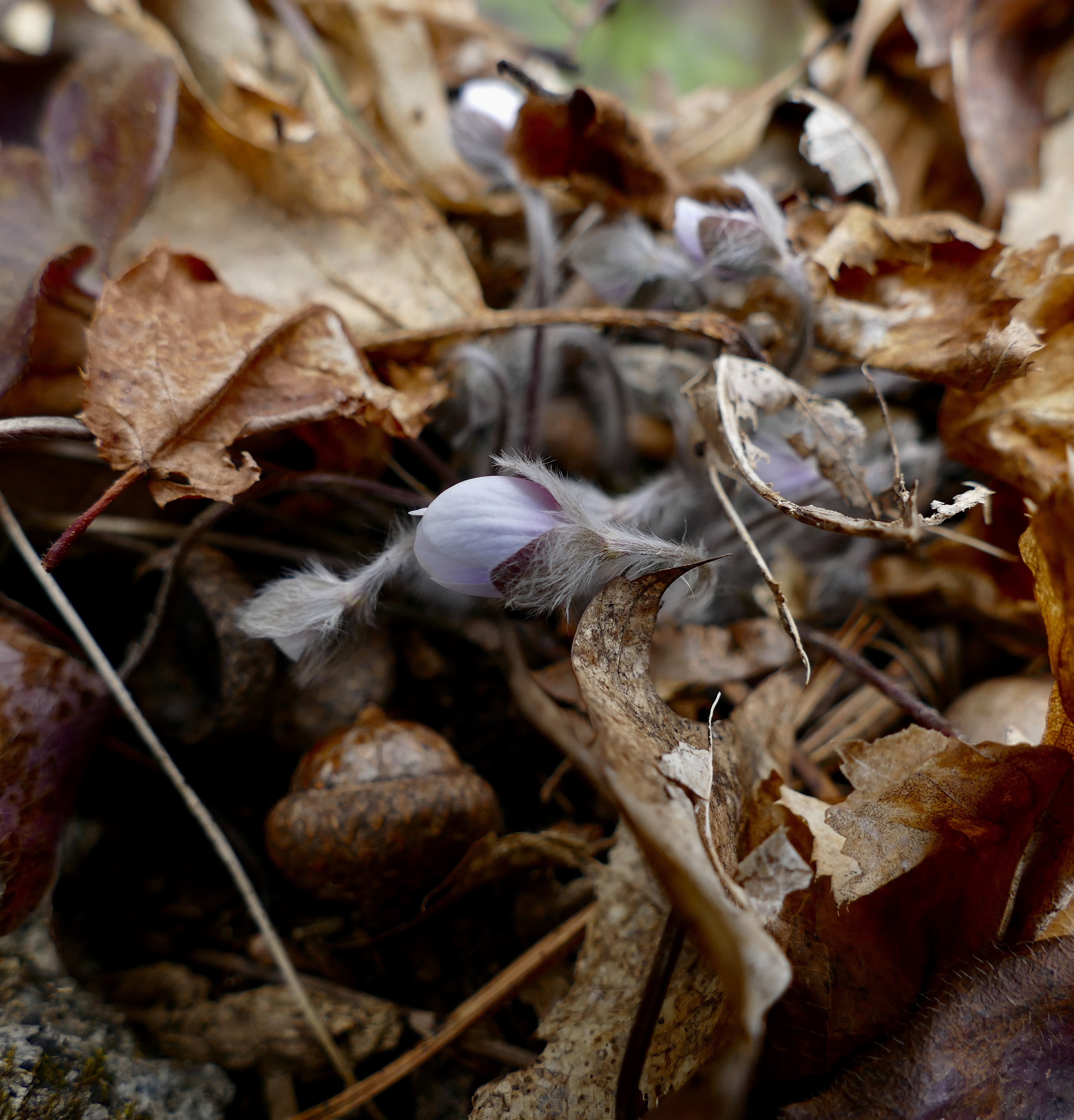
in Thoreau’s Journal:
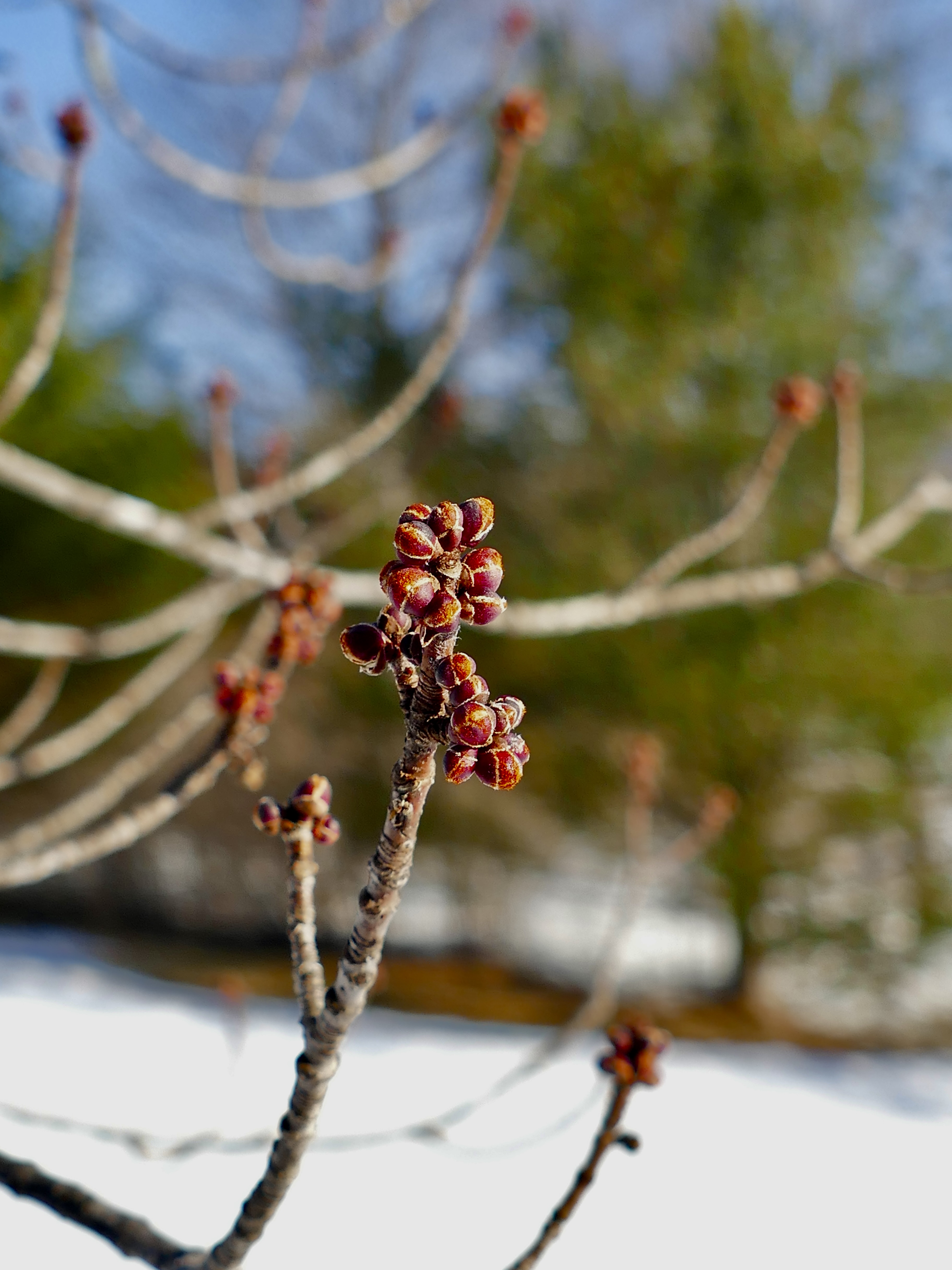
If you make the least correct observation of nature this year, you will have occasion to repeat it with illustrations the next, and the season and life itself is prolonged.
in Thoreau’s Journal:
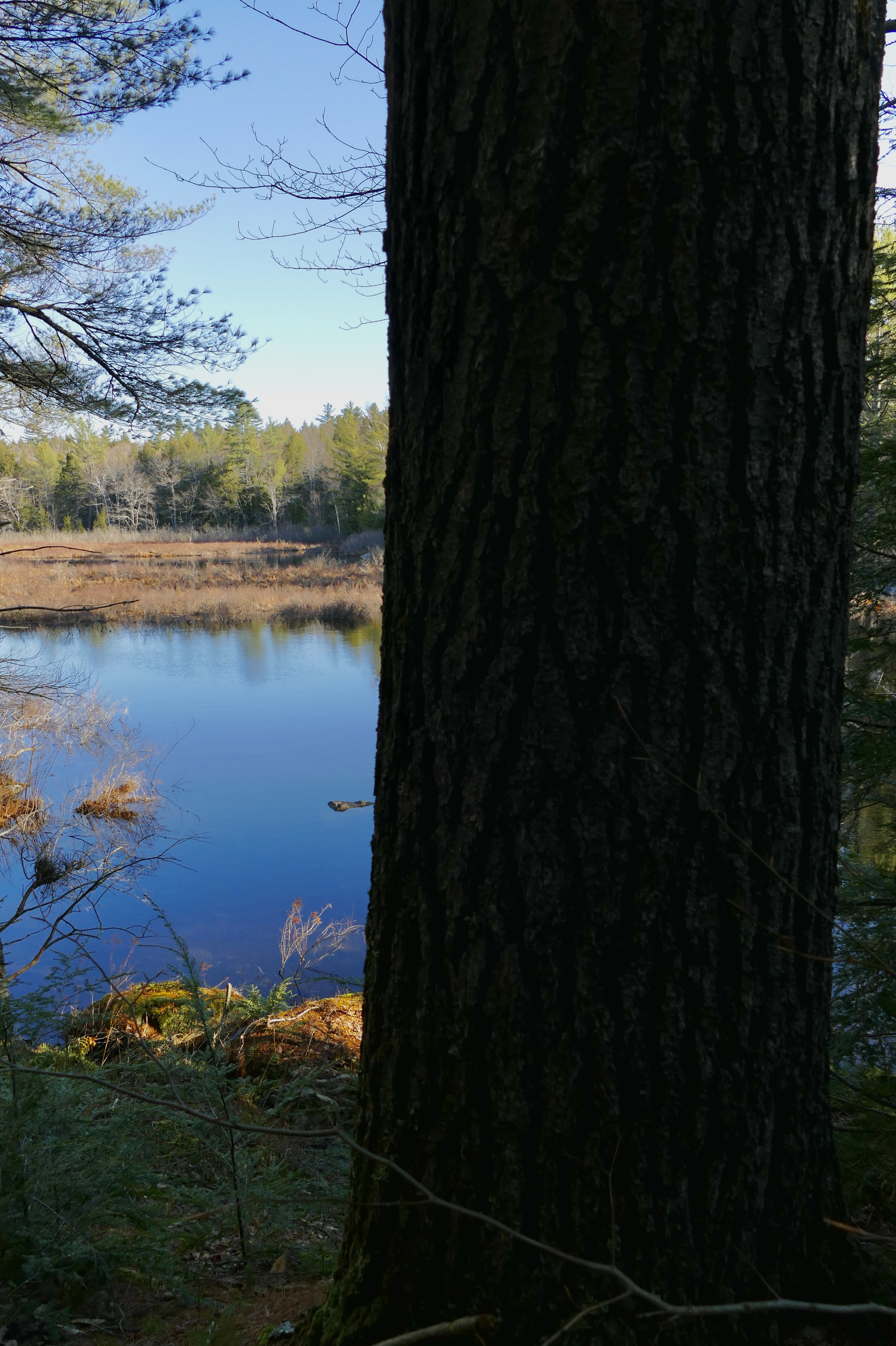
The aspect of April waters, smooth and commonly high, before many flowers (none yet) or any leafing while the landscape is still russet, and frogs are just awakening, is peculiar.
in Thoreau’s Journal:

Begin to look off the hills & see the landscape again through a slight haze, with warm wind on the cheek.
in Thoreau’s Journal:
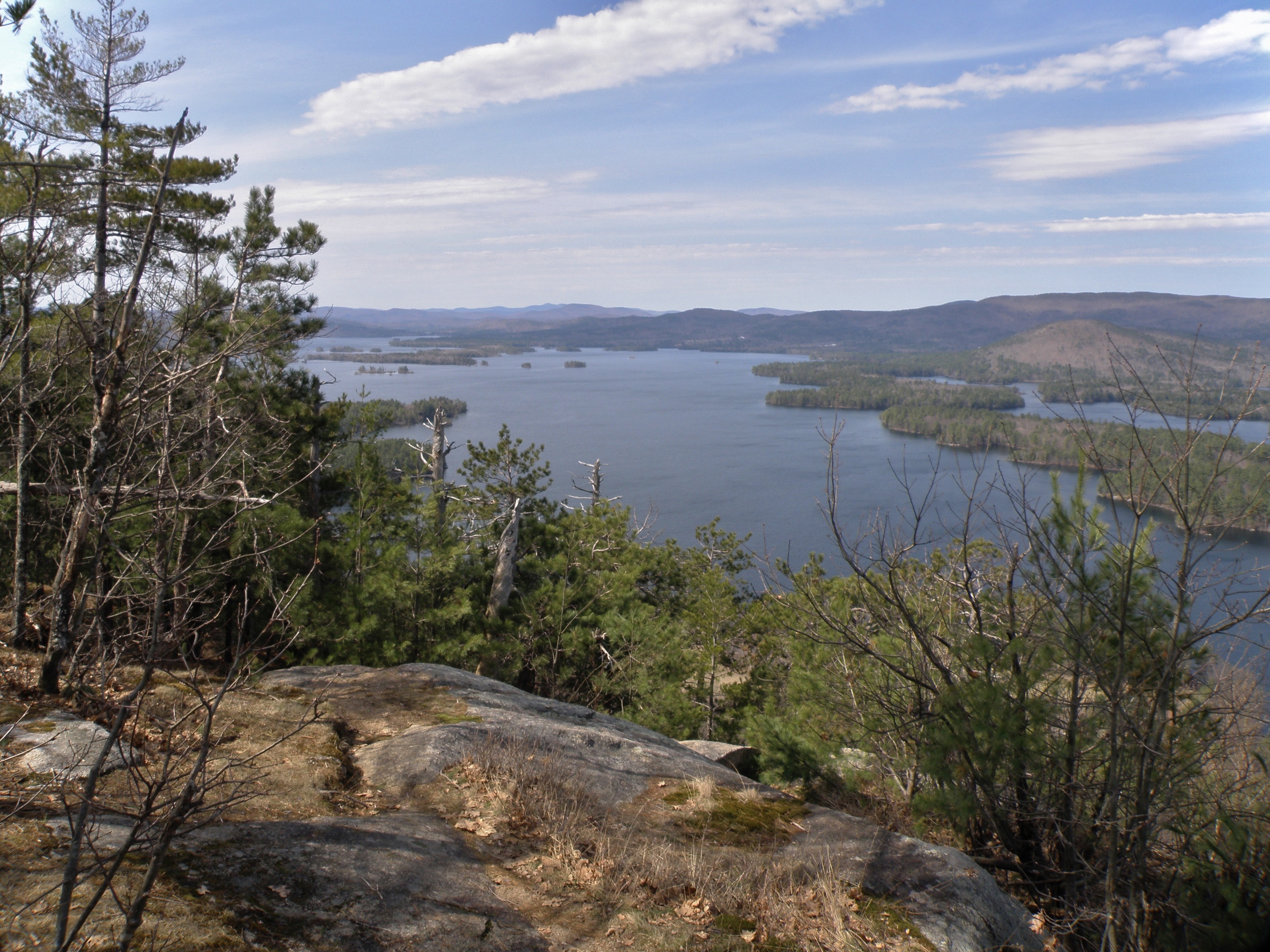
The atmosphere of morning gives a healthy hue to our prospects.
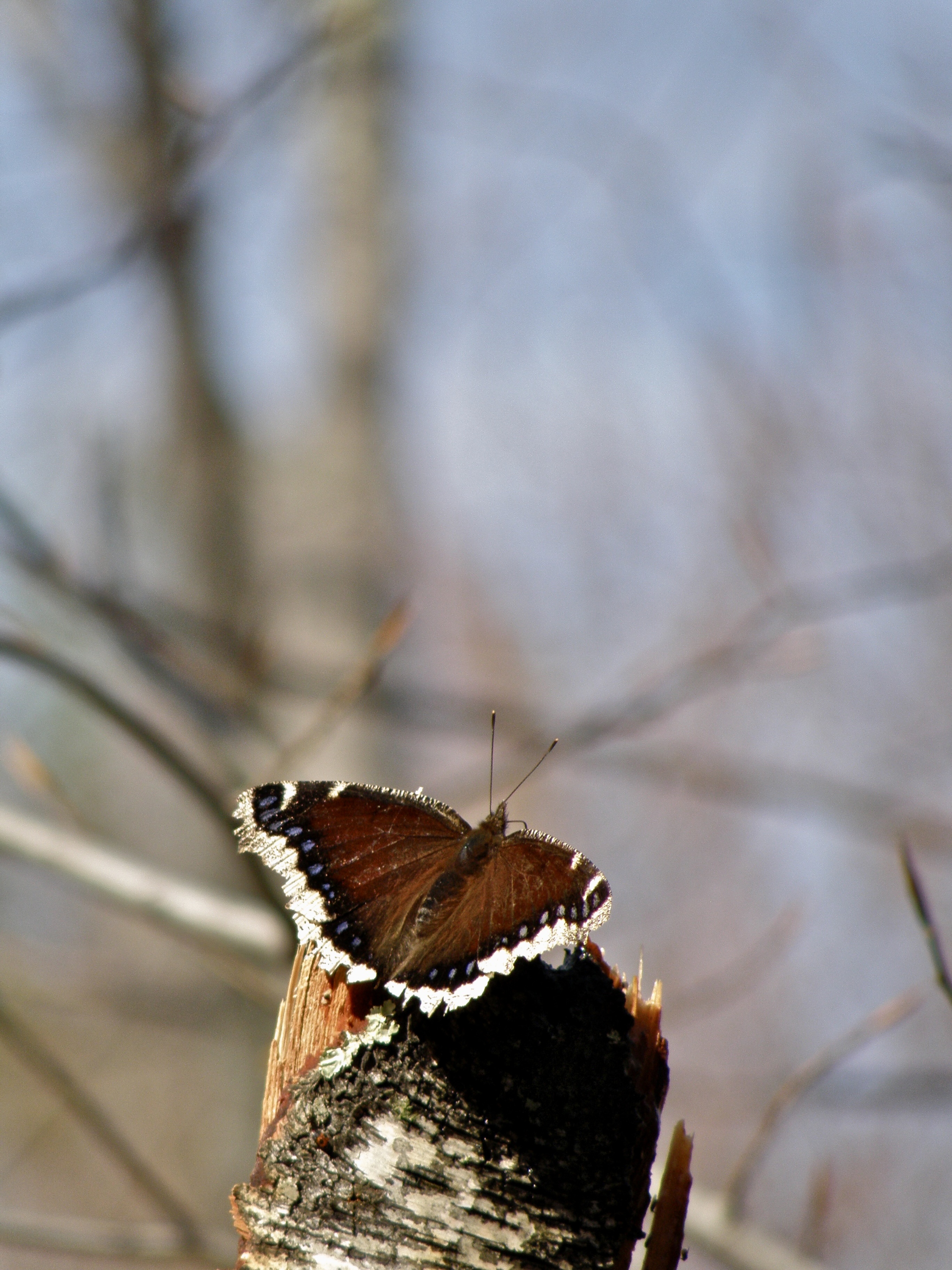
in Thoreau’s Journal:
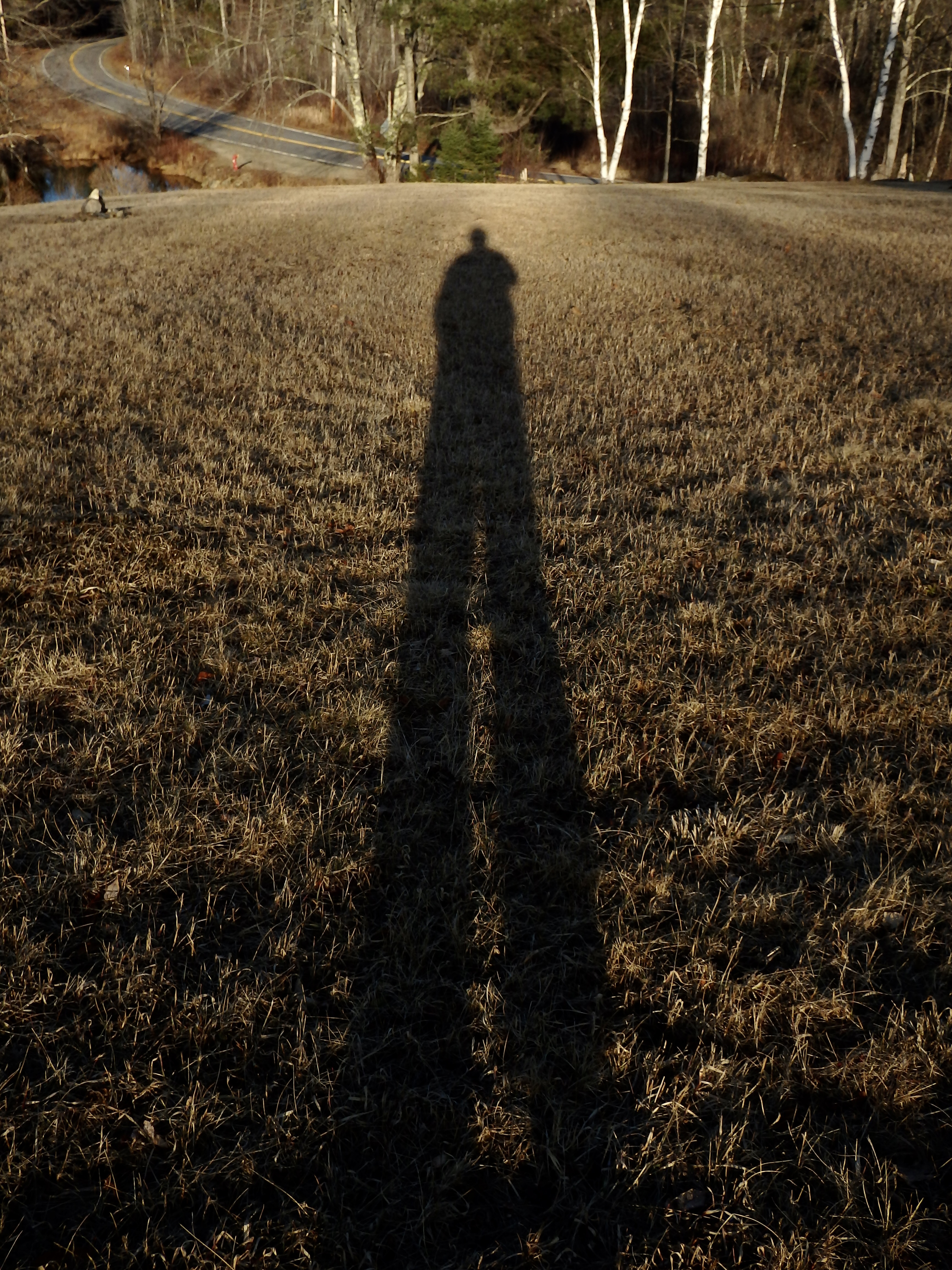
When the sun shines unobstructedly, the landscape is full of light, for it is reflected from the withered fawn coloured grass—as it cannot be from the green grass of summer.
in Thoreau’s Journal:
It is evident that it depends on the character of the season whether this flower or that is the most forward; whether there is more or less snow or cold or rain, etc…..

It will take you half a lifetime to find the earliest flower.
in Thoreau’s Journal:
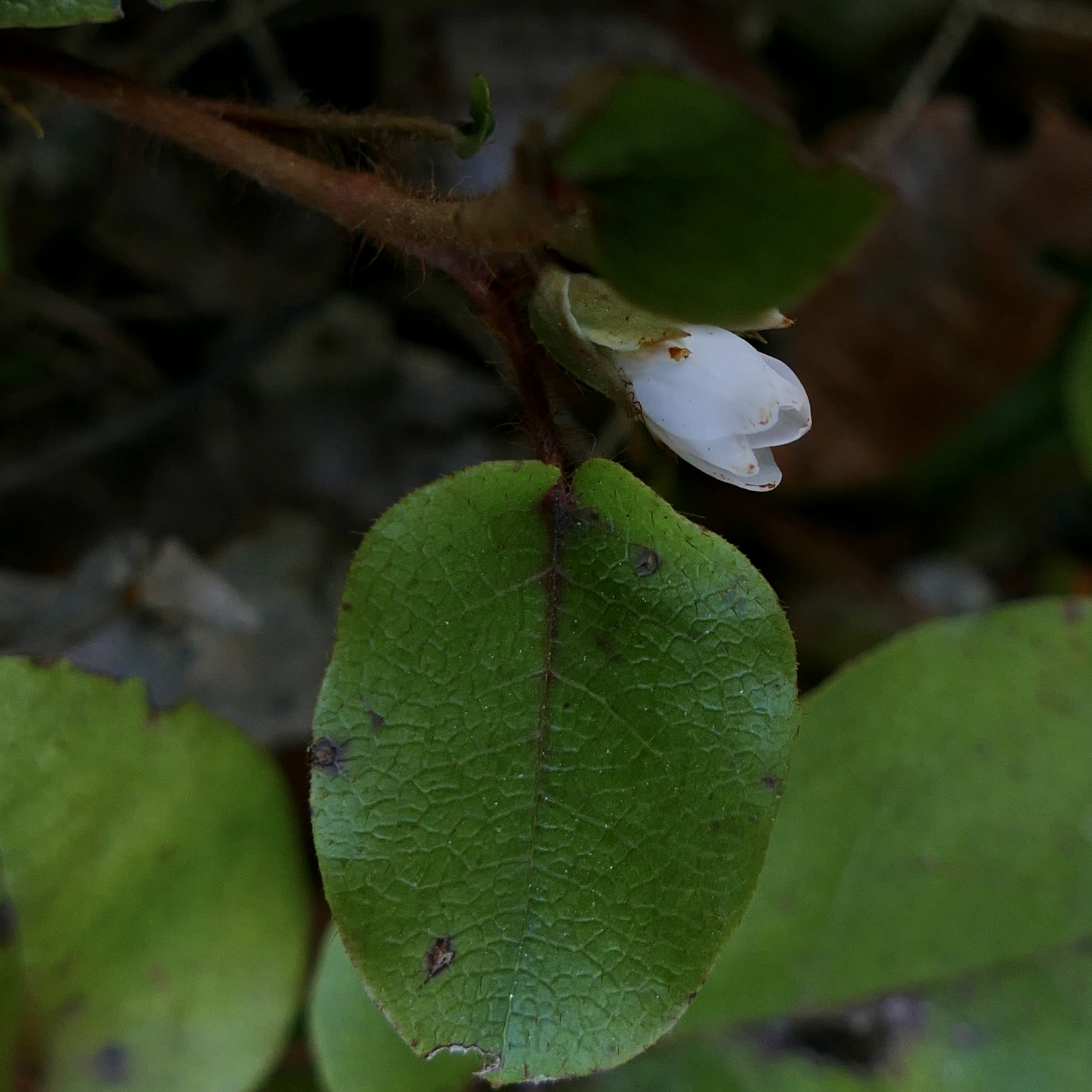
With this flower, so much more flowerlike or noticeable than any yet—begins a new era in the flower season.
 allandibiase.com
You must be logged in to post a comment.