in Thoreau’s Journal:
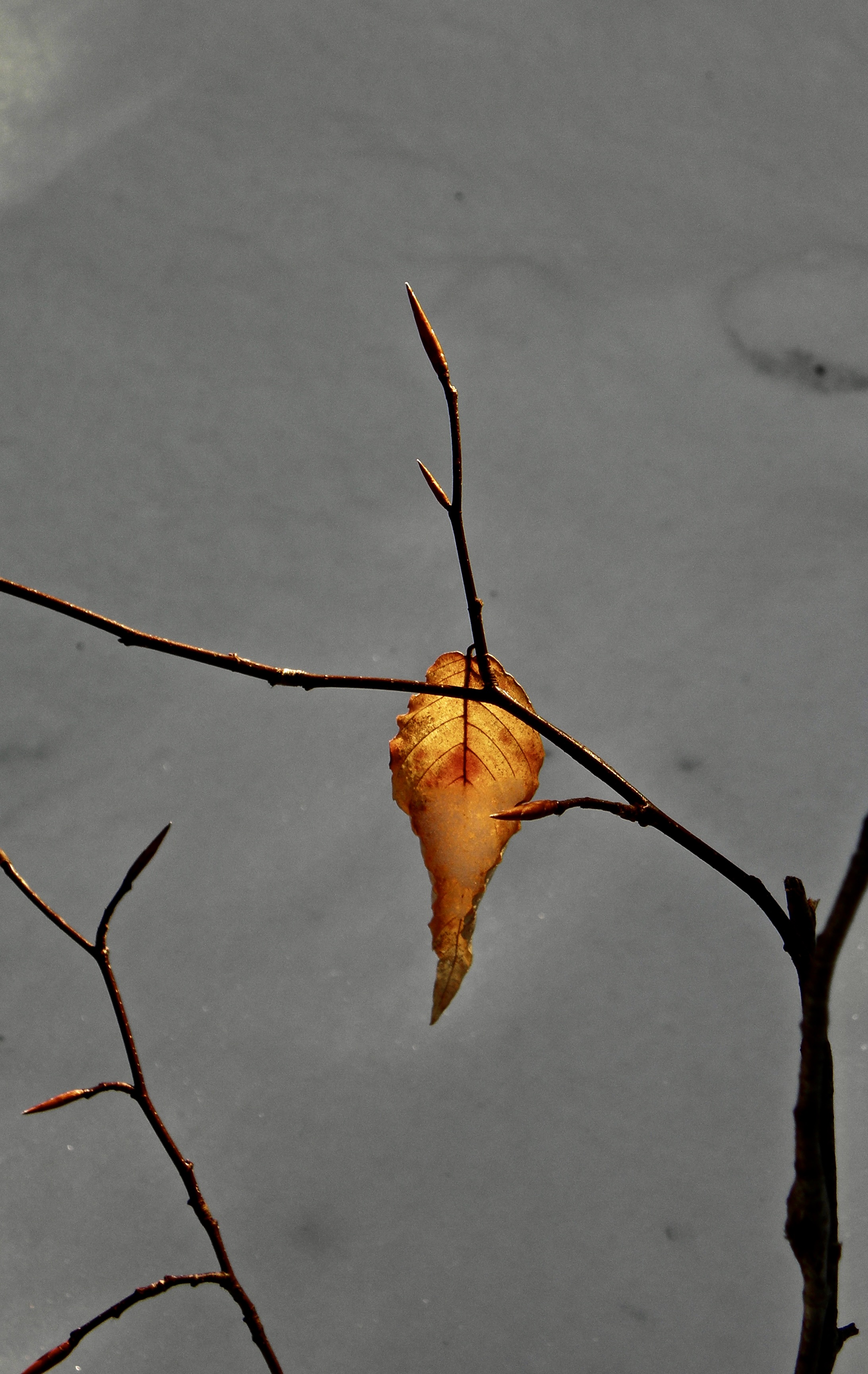
That man is the richest whose pleasures are the cheapest.

in Thoreau’s Journal:
That man is the richest whose pleasures are the cheapest.
in Thoreau’s Journal:
I suspect that in speaking of the springing of plants in previous years I have been inclined to make them start too early generally.
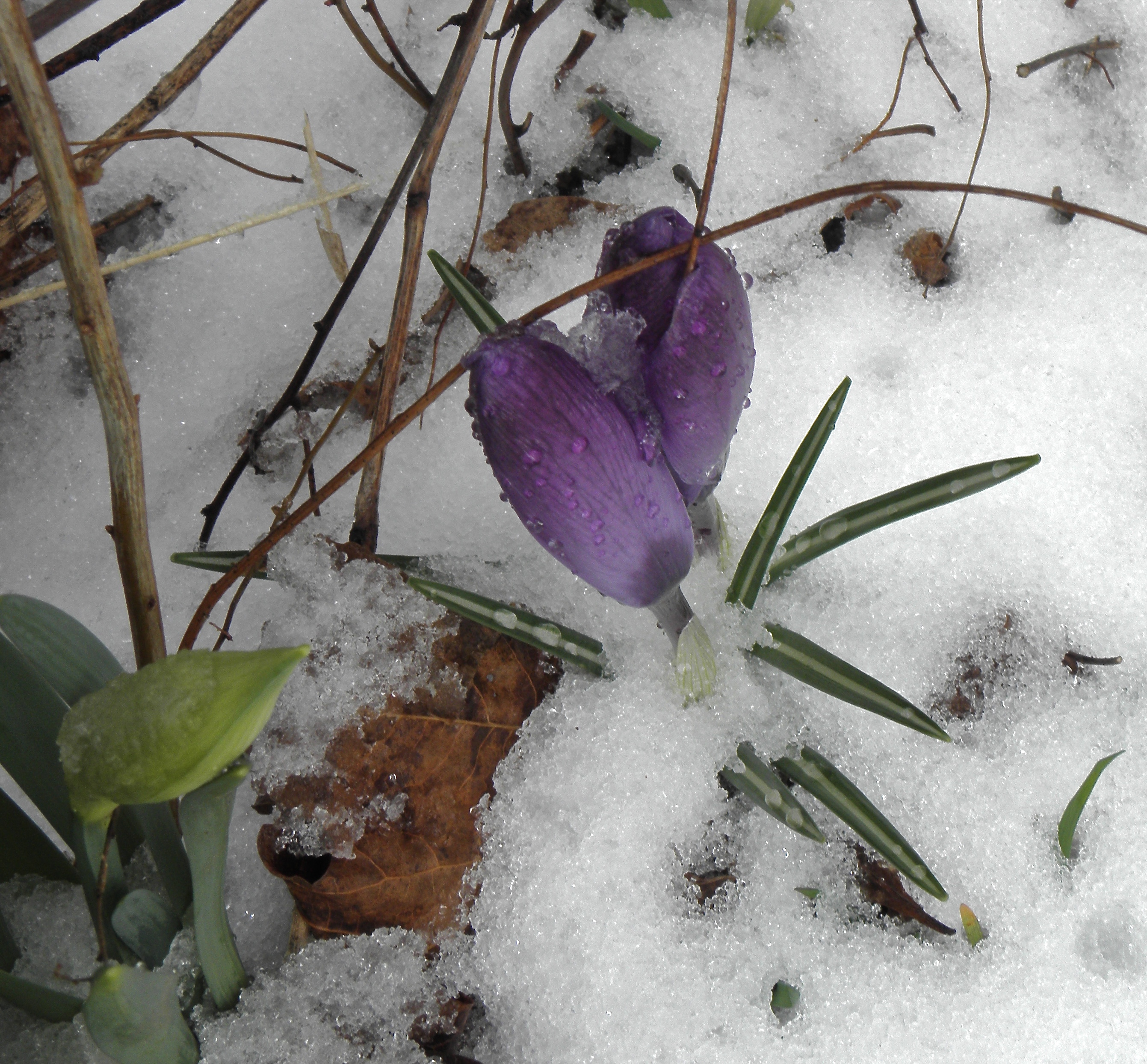
in Thoreau’s Journal:
You incline to walk now along the south side of hills which will shelter you from the blustering northwest and north winds. The sidewalks are wet in the morning from the frost coming out.

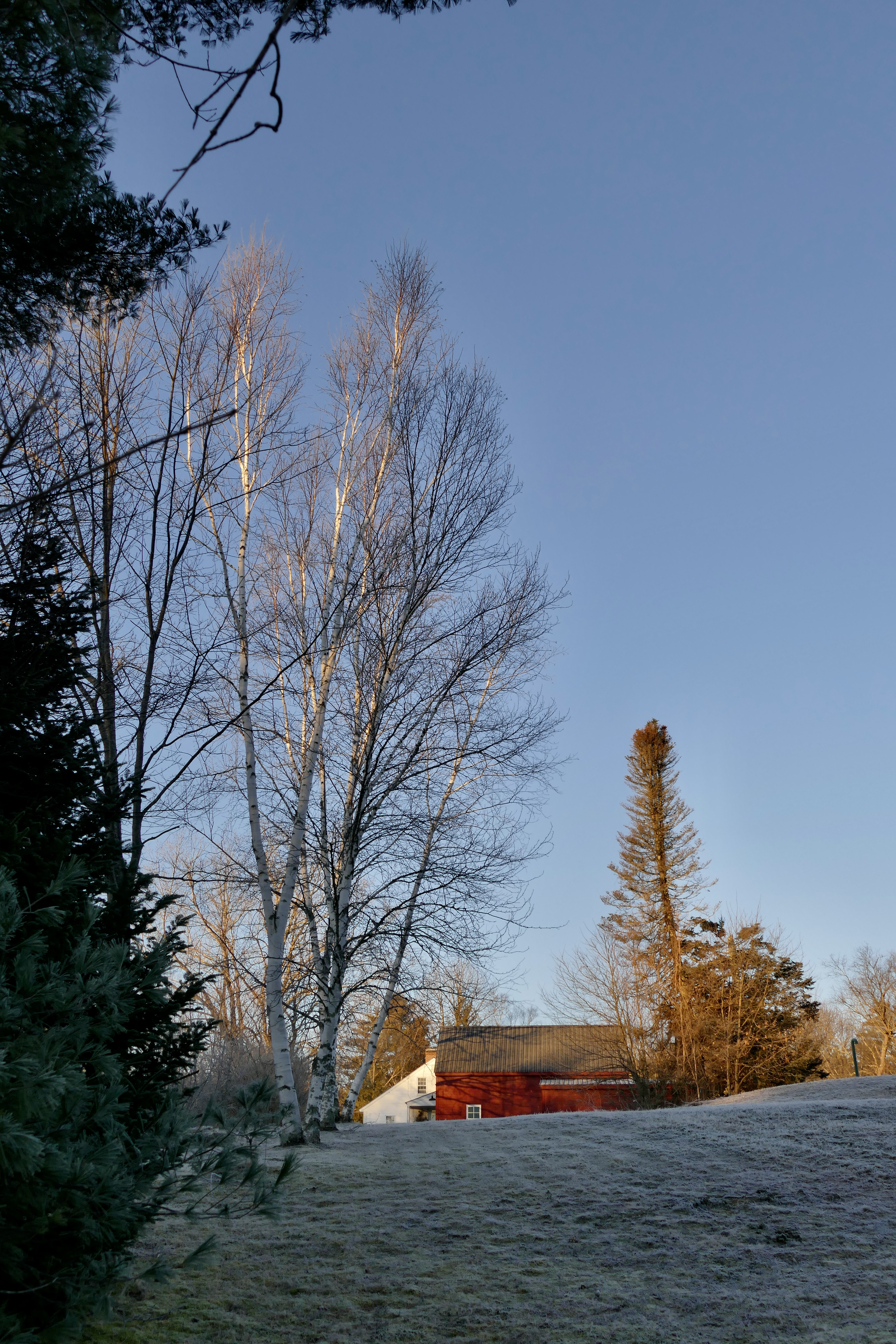
in Thoreau’s Journal:
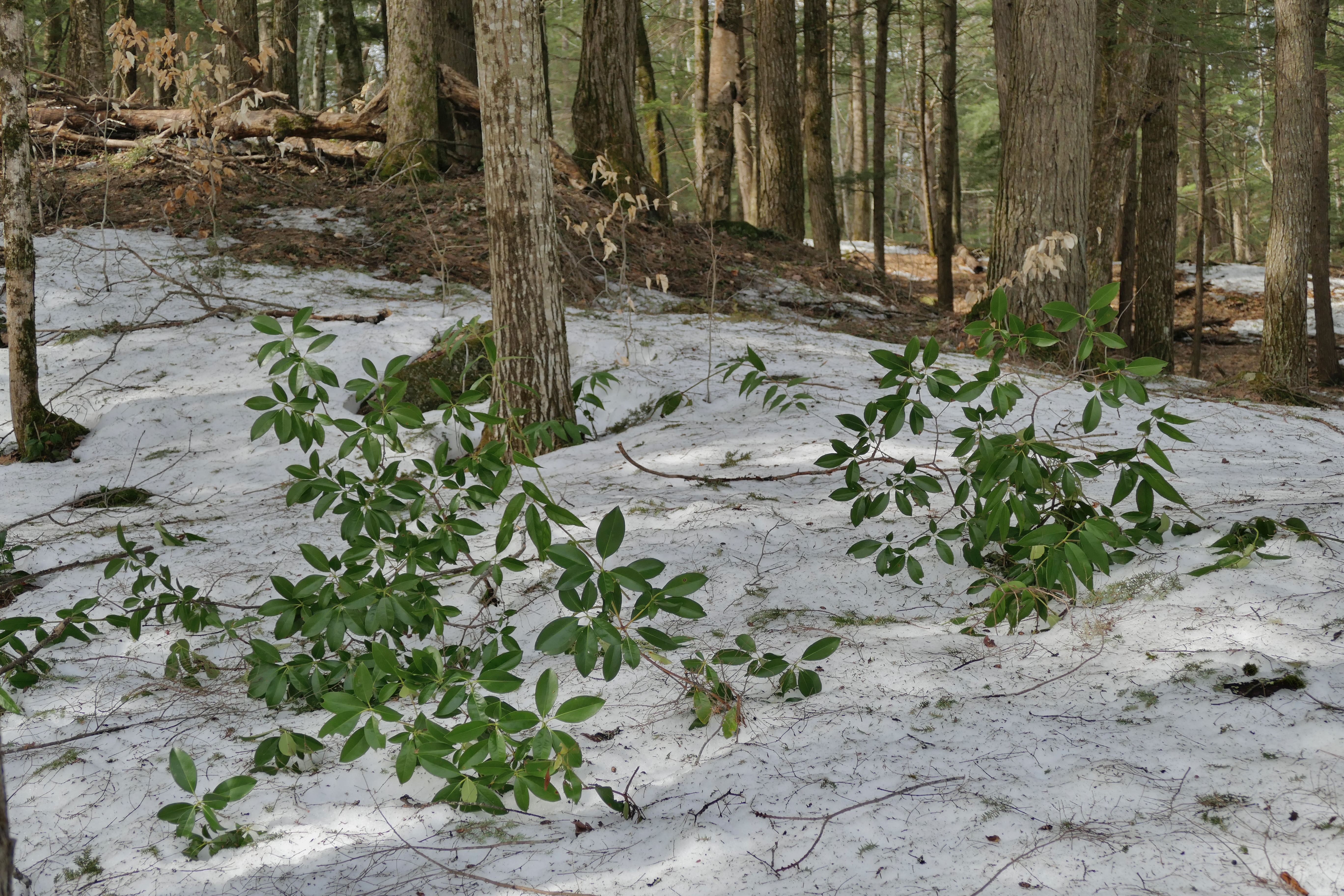
To us snow and cold seem a mere delaying of the spring. How far we are from understanding the value of these things in the economy of Nature.
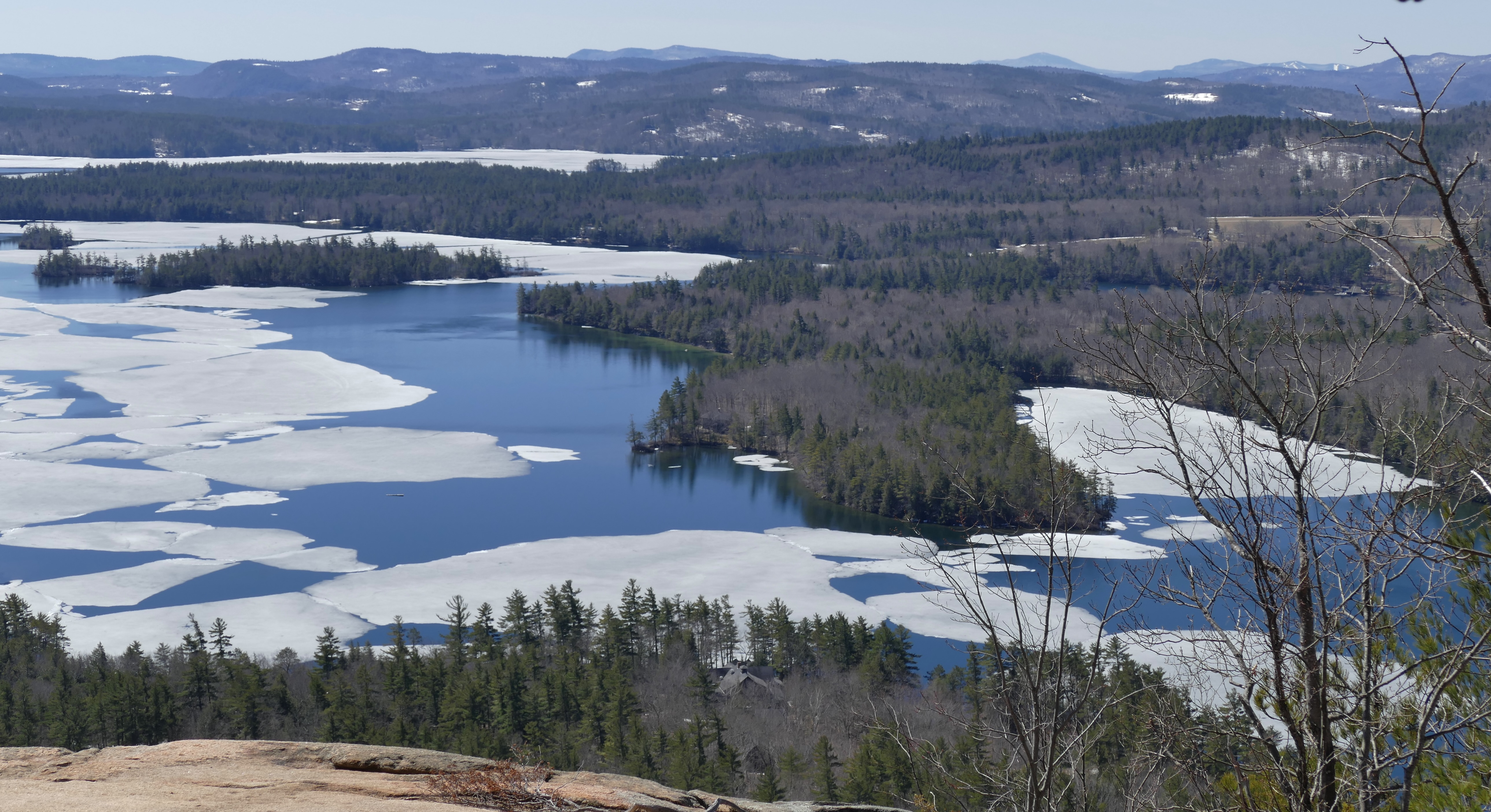


in Thoreau’s Journal:
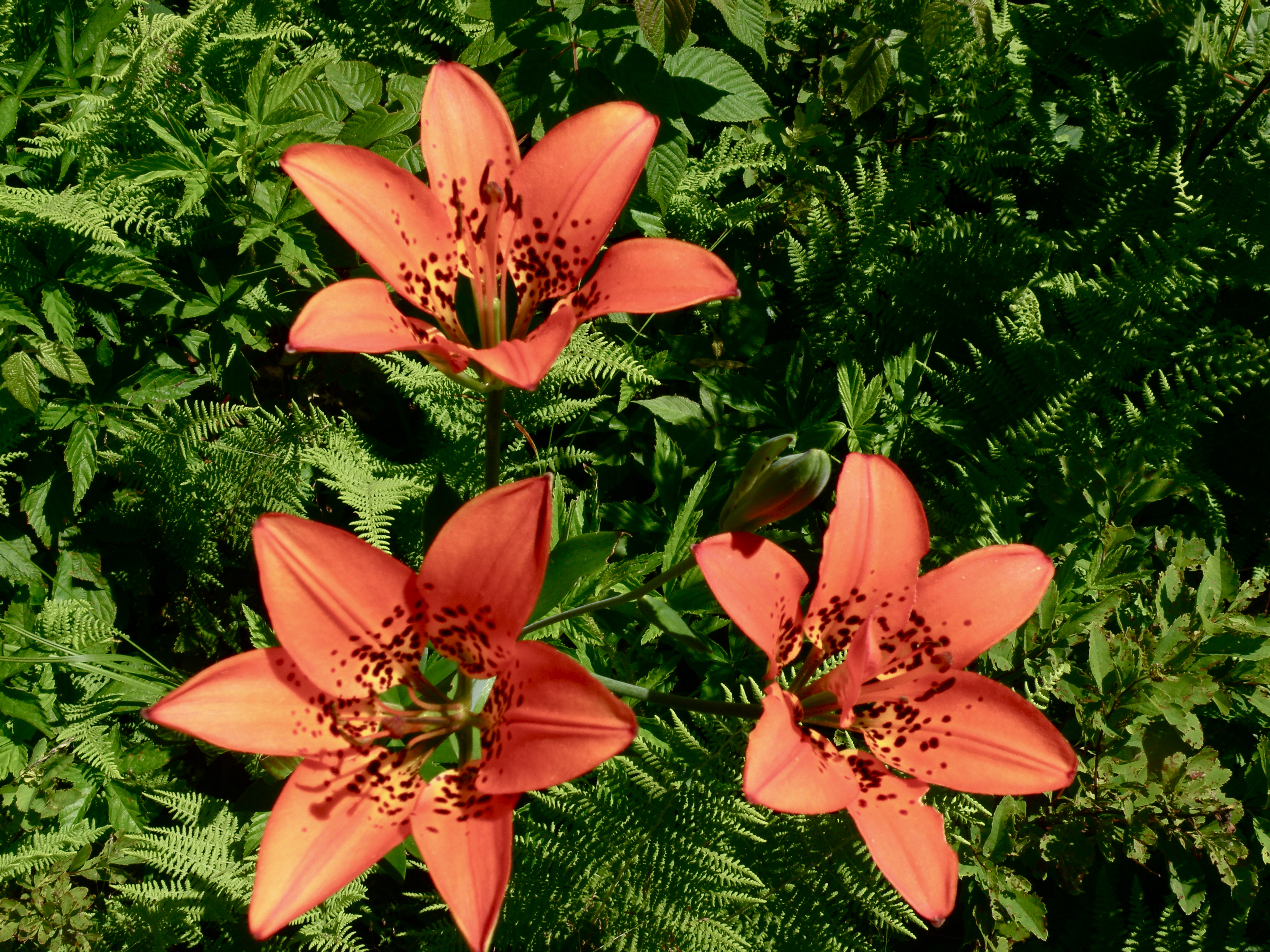

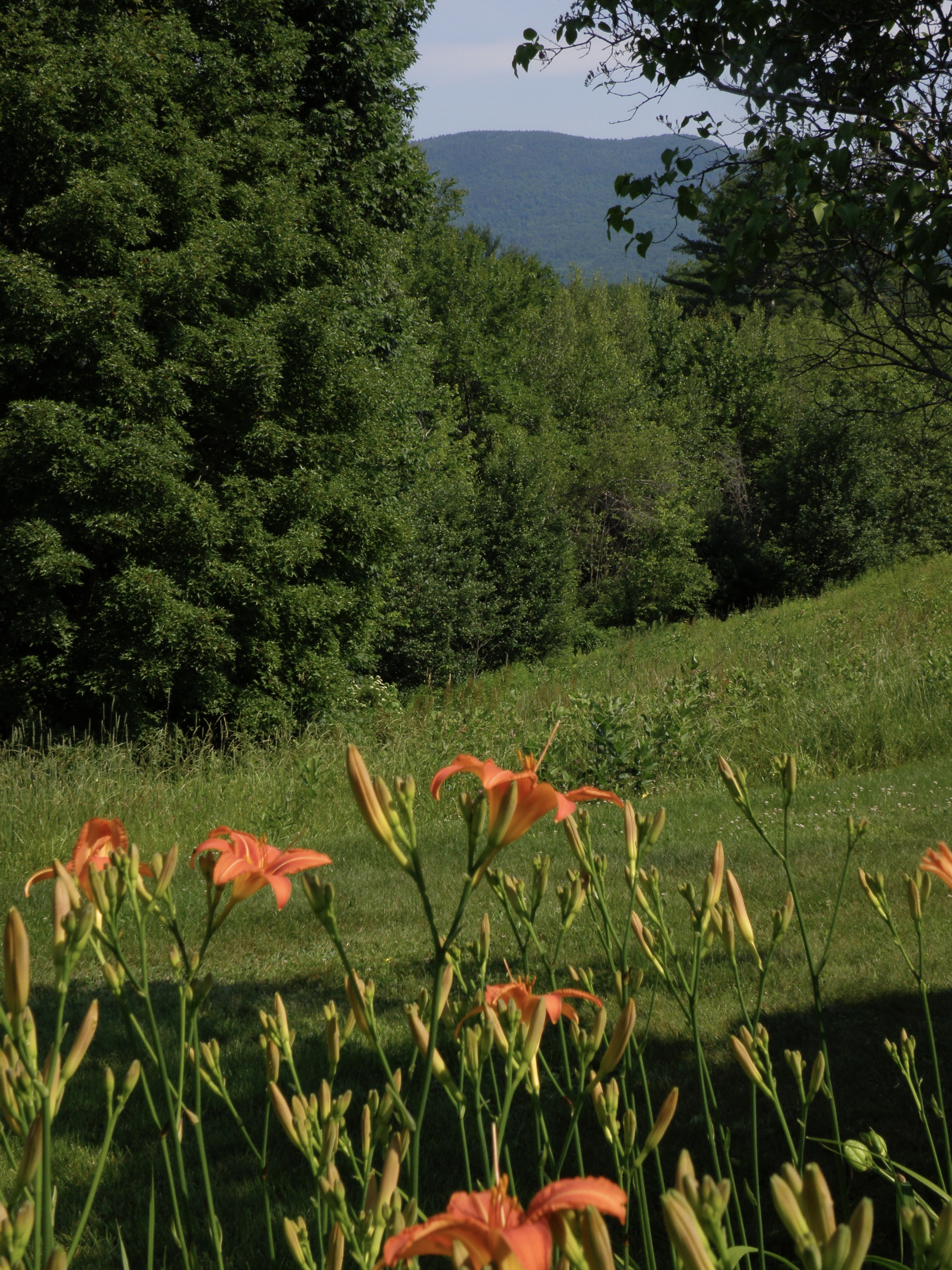
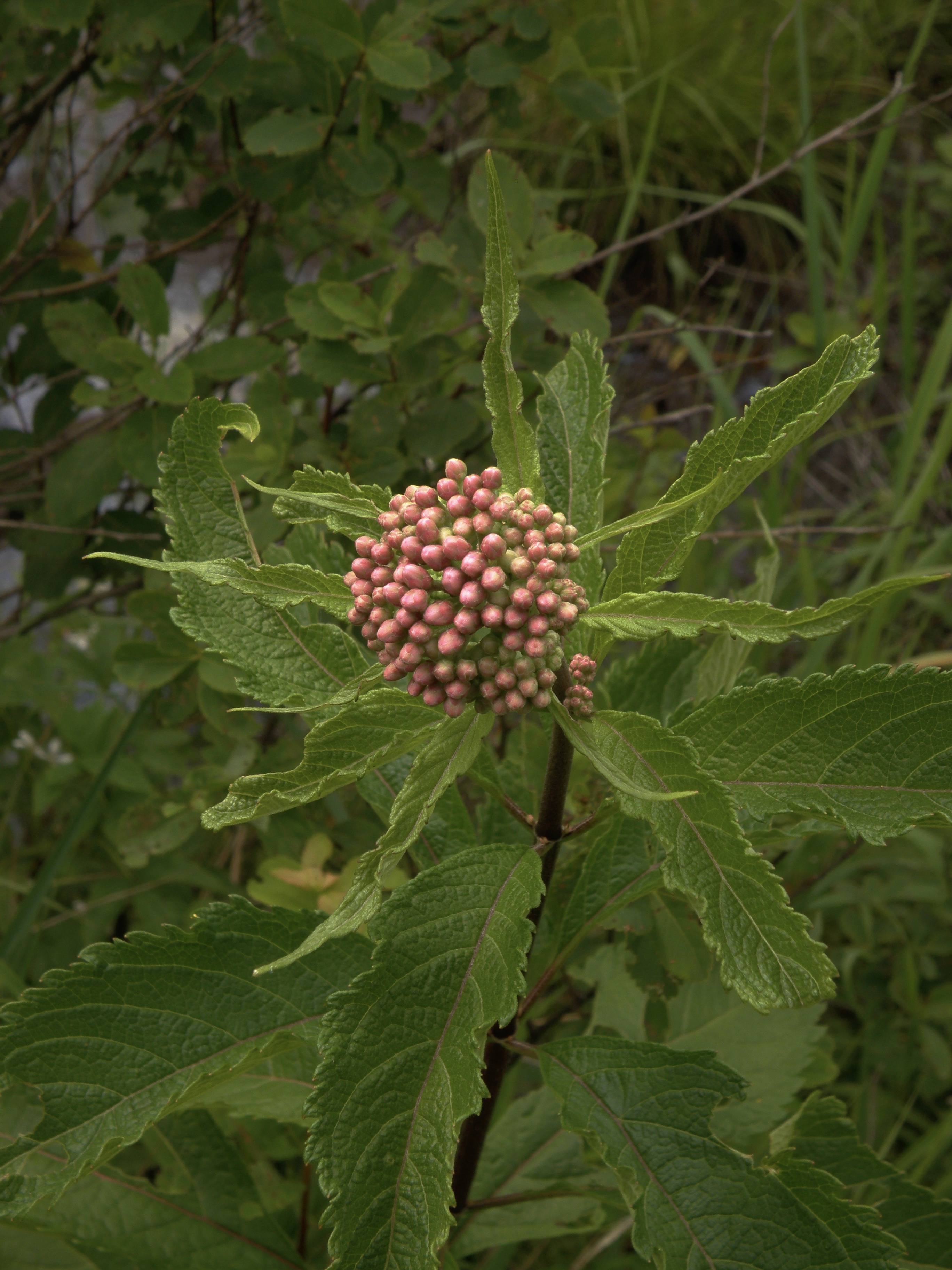
It is remarkable how true each flower is to its season.
in Thoreau’s Journal:
The river is frozen more solidly than during the past winter, and for the first time for a year I could cross it in most places.

I did not once cross it the past winter, though by choosing a safe place I might have done so without doubt once or twice. But I have had no river walks before.
in Thoreau’s Journal:
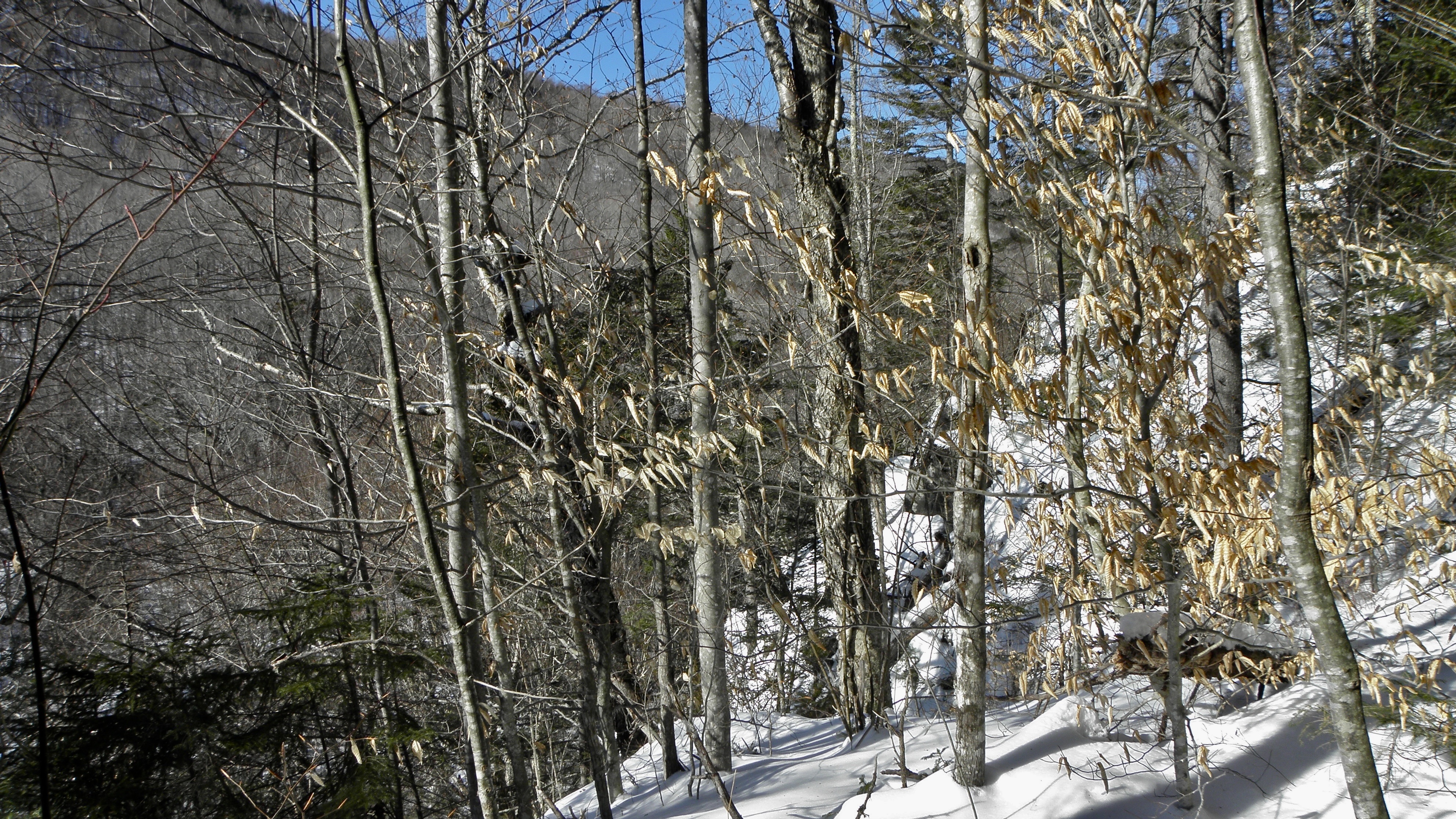
I must not forget the lichen-painted boles of the beeches….
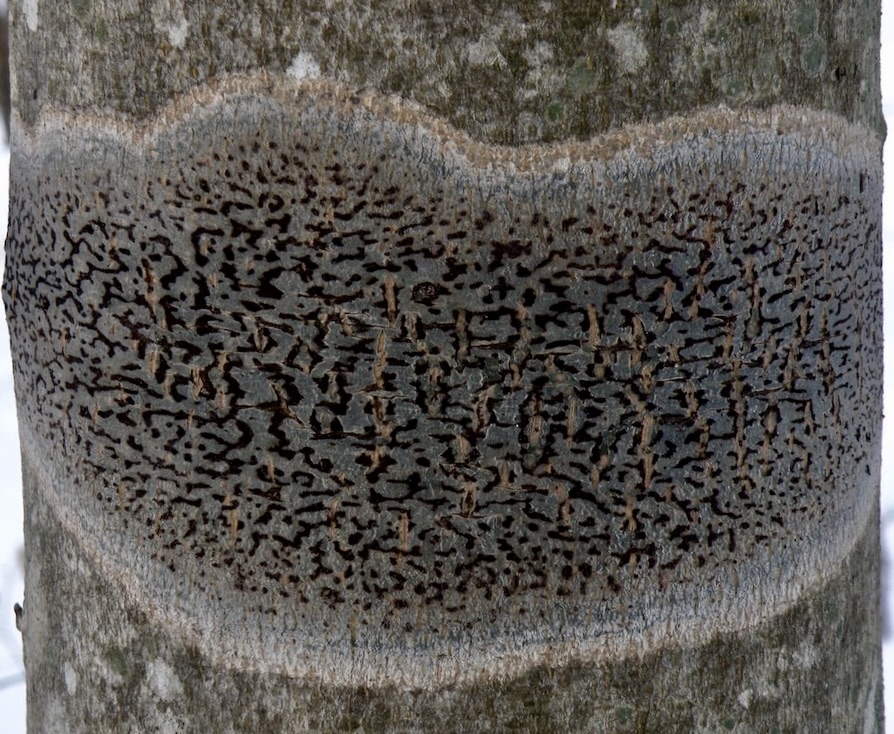
The habit of looking at things microscopically, as the lichens on the trees and rocks, really prevents my seeing aught else in a walk.
in Thoreau’s Journal:
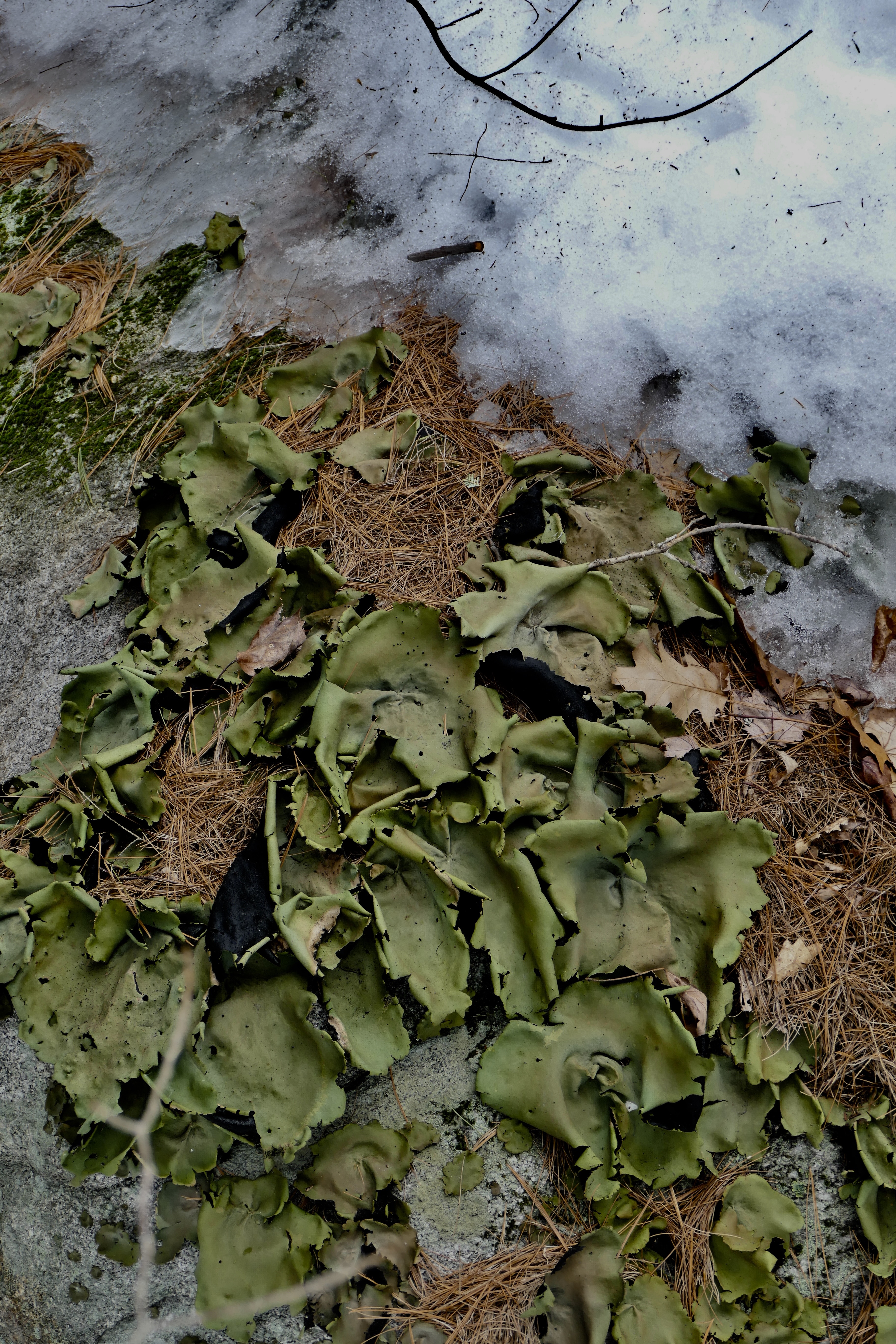
I go along below the north end of the Cliffs. The rocks in the usual place are buttressed with icy columns, for water in almost imperceptible quantity is trickling down the rocks. It is interesting to see how the dry black or ash-colored umbilicaria, which get a little moisture when the snow melts and trickles down along a seam or shallow channel of the rock, become relaxed and turn olive-green and enjoy their spring, while a few inches on each side of this gutter or depression in the face of the rock they are dry and crisp as ever. Perhaps the greater part of this puny rill is drunk up by the herbage on its brink.
in Thoreau’s Journal:
What produces the peculiar softness of the air yesterday & today—as if it were the air of the south suddenly pillowed amid our wintry hills— We have suddenly a different sky—a different atmosphere.

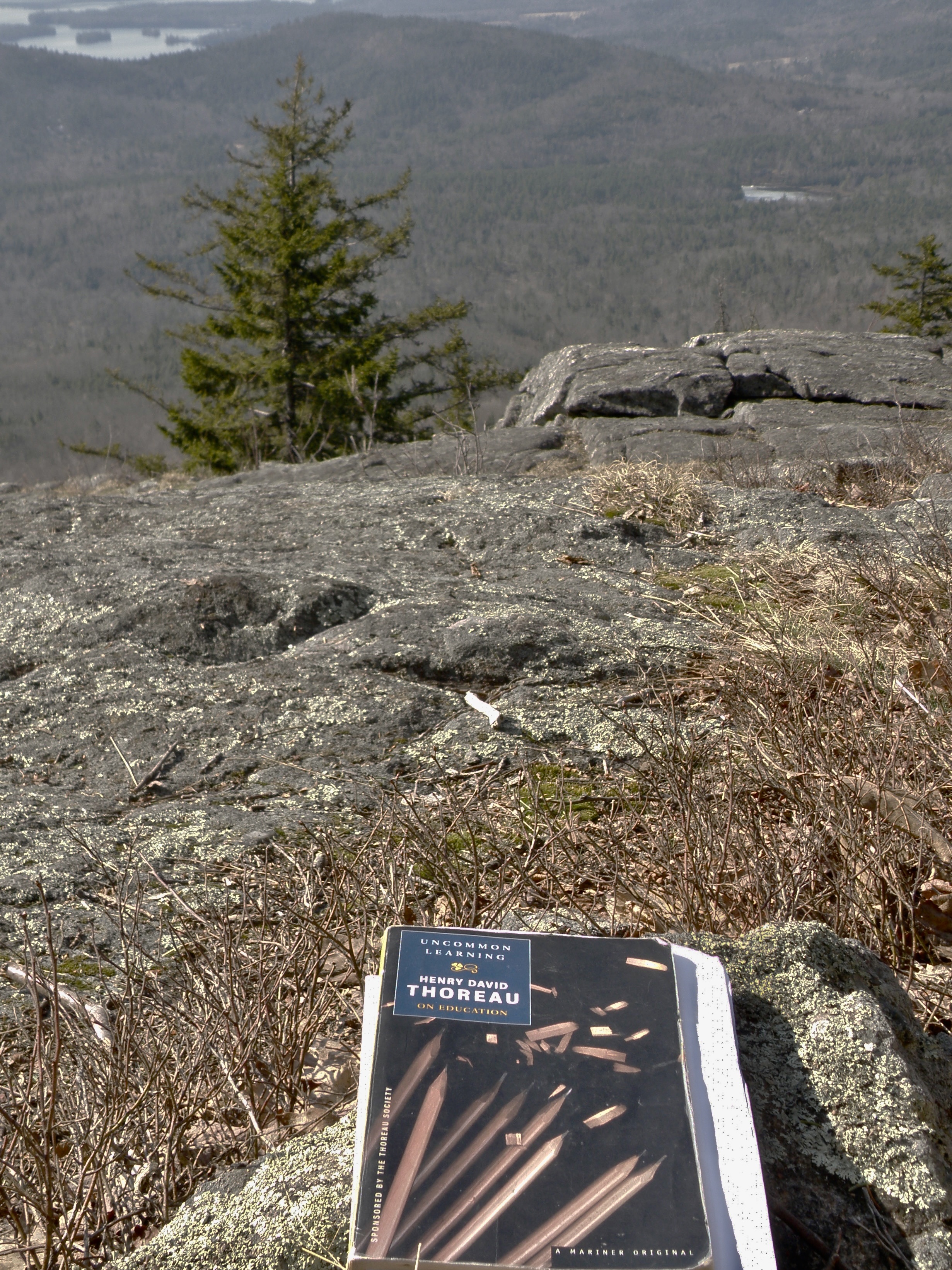
It is as if the subtlest possible soft vapour were diffused through the atmosphere. Warm Air has come to us from the S. But charged with moisture—which will yet distill in rain or congeal into snow & hail—
in Thoreau’s Journal:
P. M. —To Walden via R. W. E.’s.
I am surprised to see how bare Minott’s hillside is already. It is already spring there, and Minott is puttering outside in the sun. How wise in his grandfather to select such a site for a house, the summers he has lived have been so much longer!

How pleasant the calm season and the warmth —like a burning-glass on my back — and the sight and sound of melting snow running down the hill! I look in among the withered grass blades for some starting greenness. I listen to hear the first bluebird in the soft air. I hear the dry clucking of hens which have come abroad.
in Thoreau’s Journal:
P. M. — To Pine Hill across Walden.
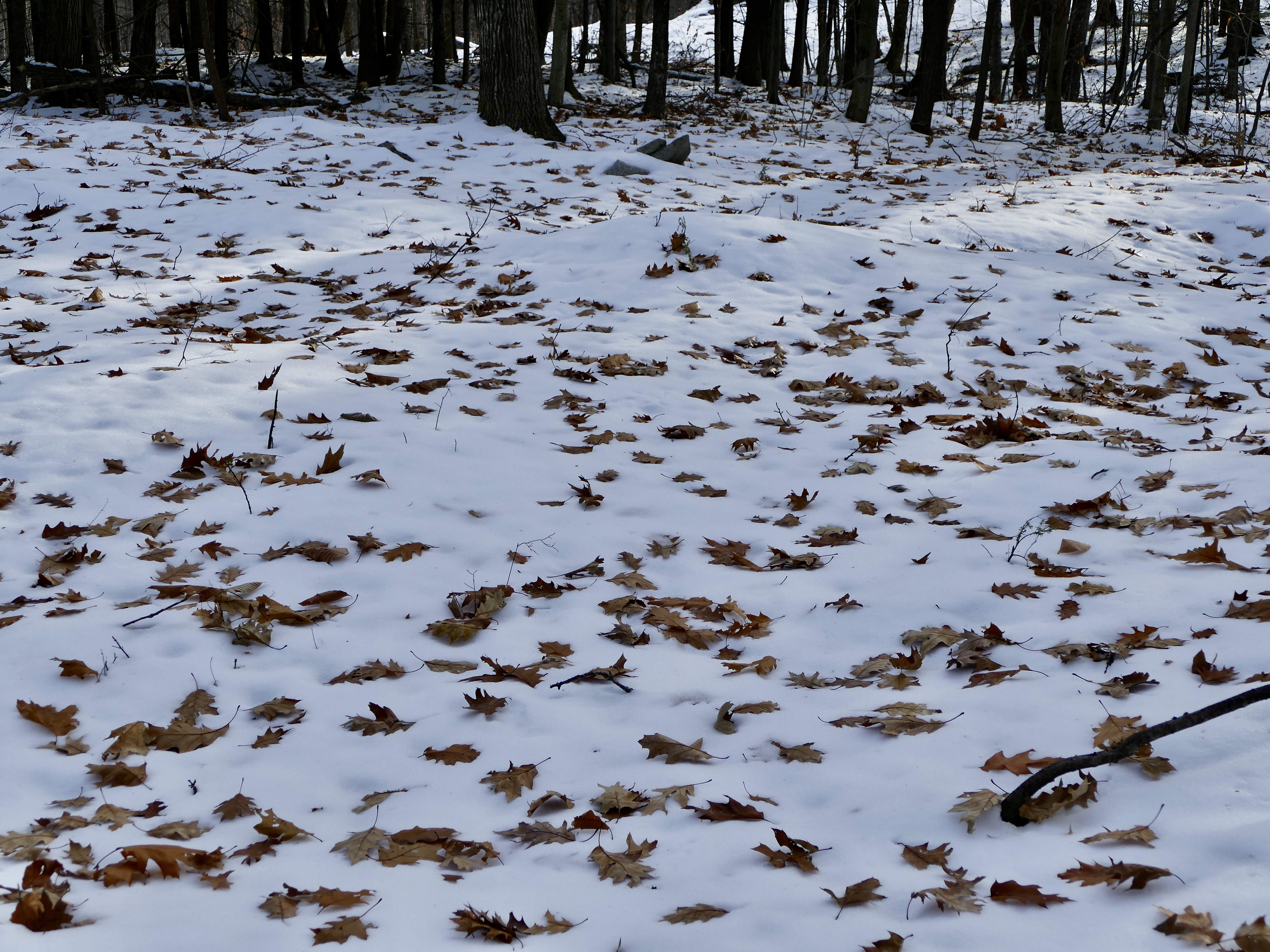
The high wind takes off the oak leaves. I see them scrambling up the slopes of the Deep Cut, hurry-scurry over the slippery snow-crust, like a flock of squirrels. The ice on Walden is of a dull white as I look directly down on it, but not half a dozen rods distant on every side it is a light-blue color.
in Thoreau’s Journal:
To-day it snows again, covering the ground. To get the value of the storm, we must be out a long time and travel far in it, so that it may fairly penetrate our skin, and we be, as it were, turned inside out to it, and there be no part in us but is wet or weather-beaten, so that we become storm men instead of fair-weather men.
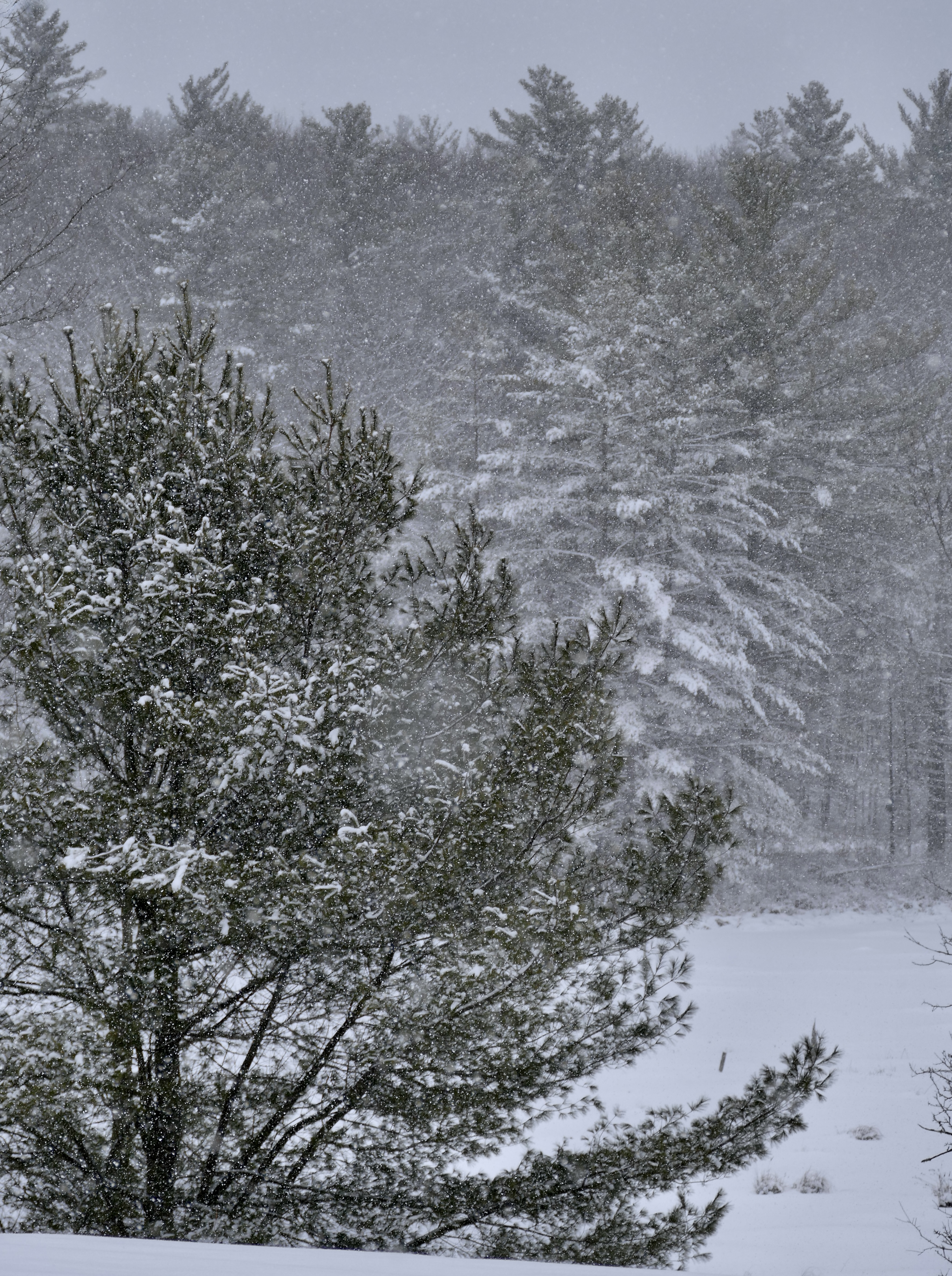
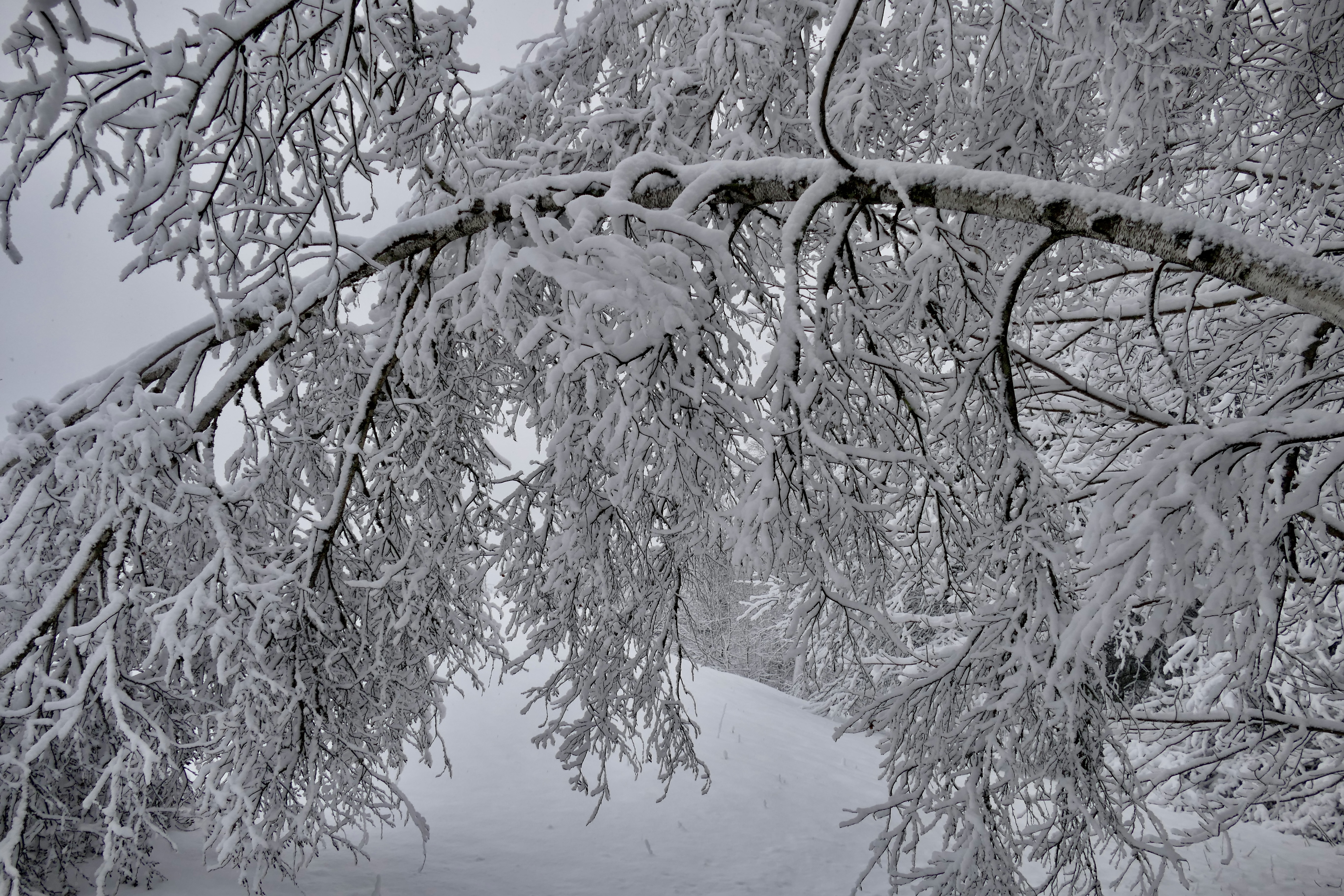
in Thoreau’s Journal:

The abundance of light, as reflected from clouds and the snow, etc., etc., is more springlike than anything else of late.
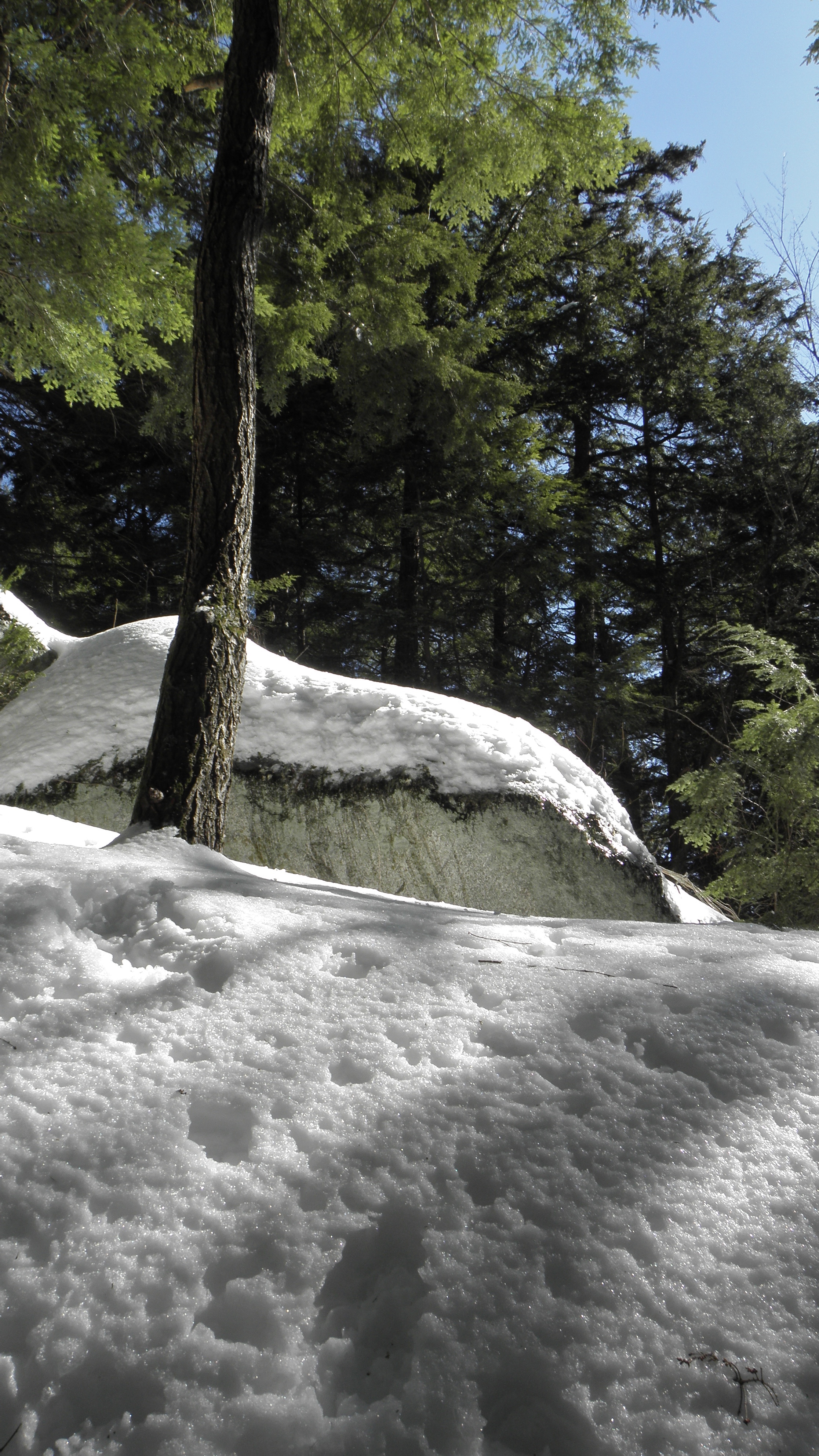
in Thoreau’s Journal:
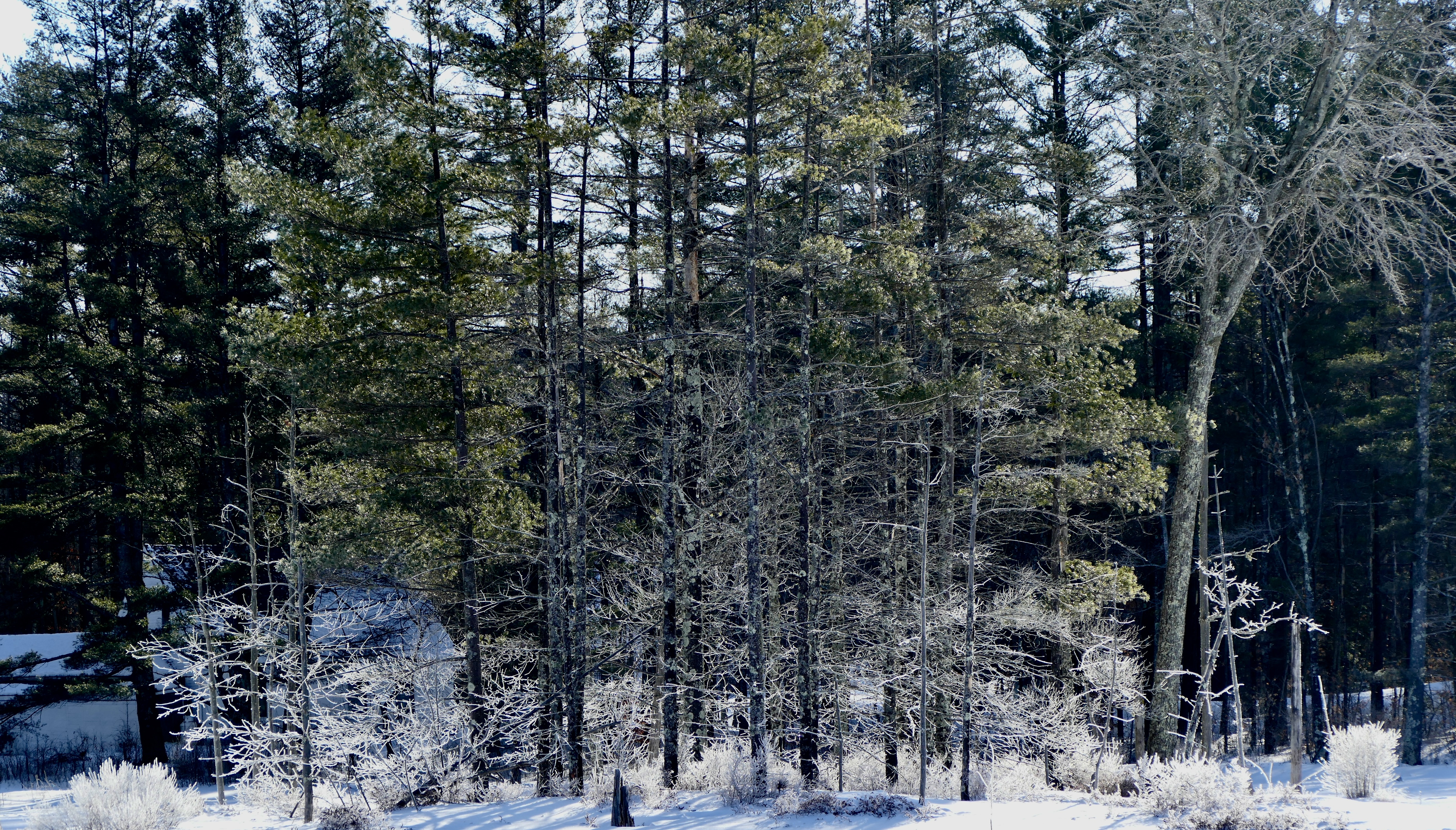
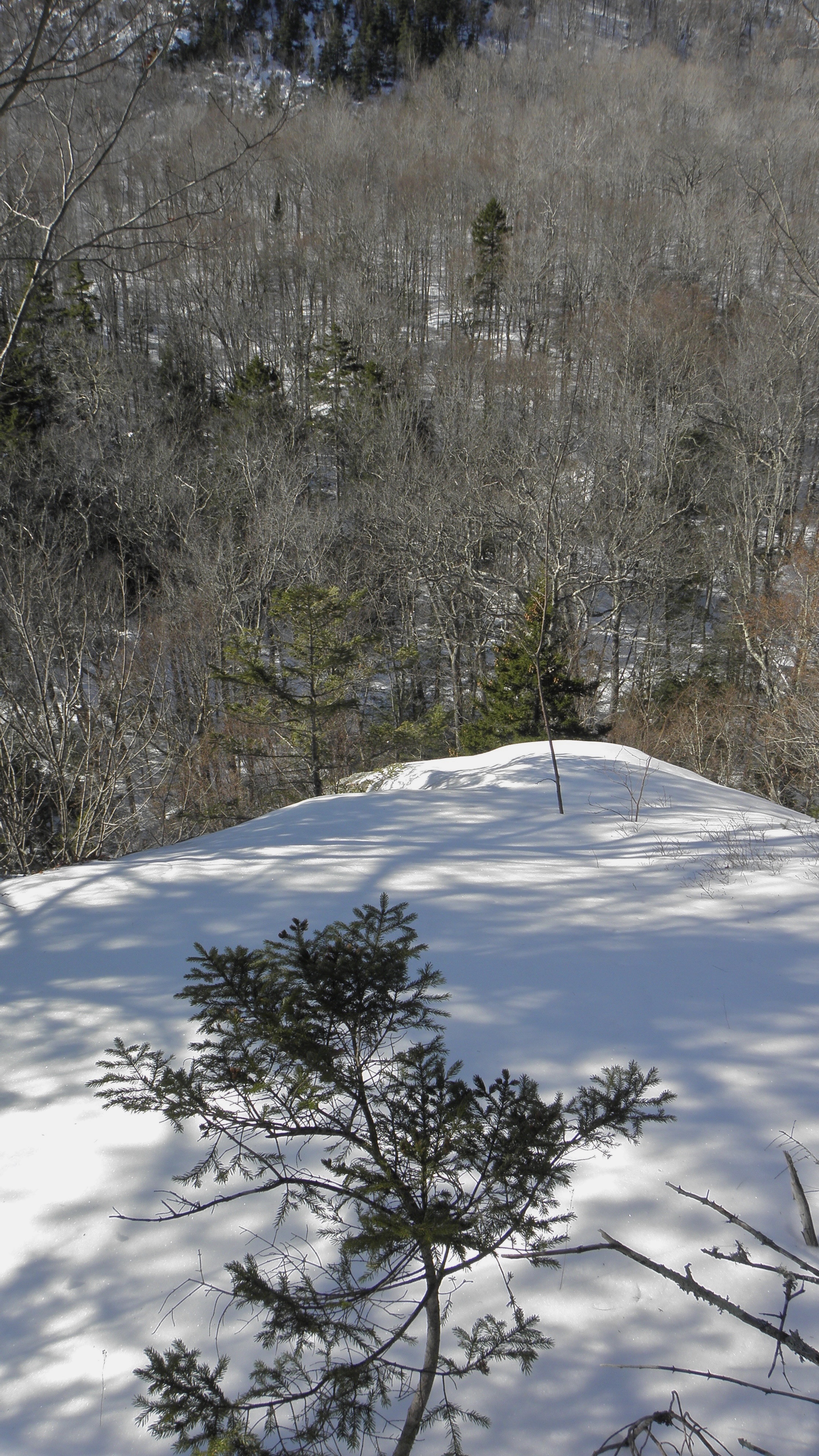
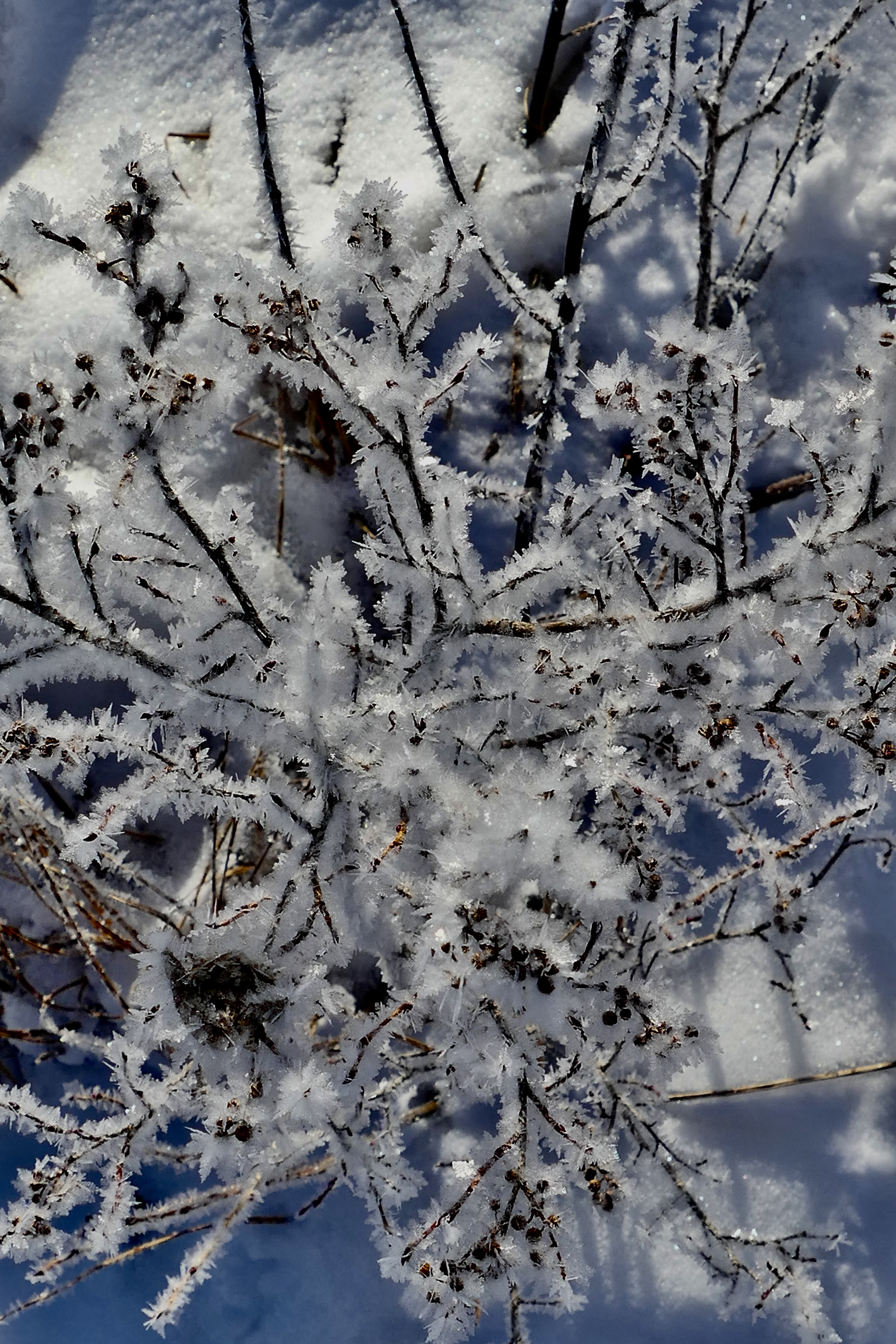
A sharp cutting air— This is a pretty good winter morning however— Not one of the rarer. There are from time to time mornings—both in summer & winter when especially the world seems to begin anew—beyond which memory need not go—for not behind them is yesterday and our past life—when as in the morning of a hoar frost there are visible the effects of a certain creative energy—the world has visibly been recreated in the night—mornings of creation I call them.
in Thoreau’s Journal:
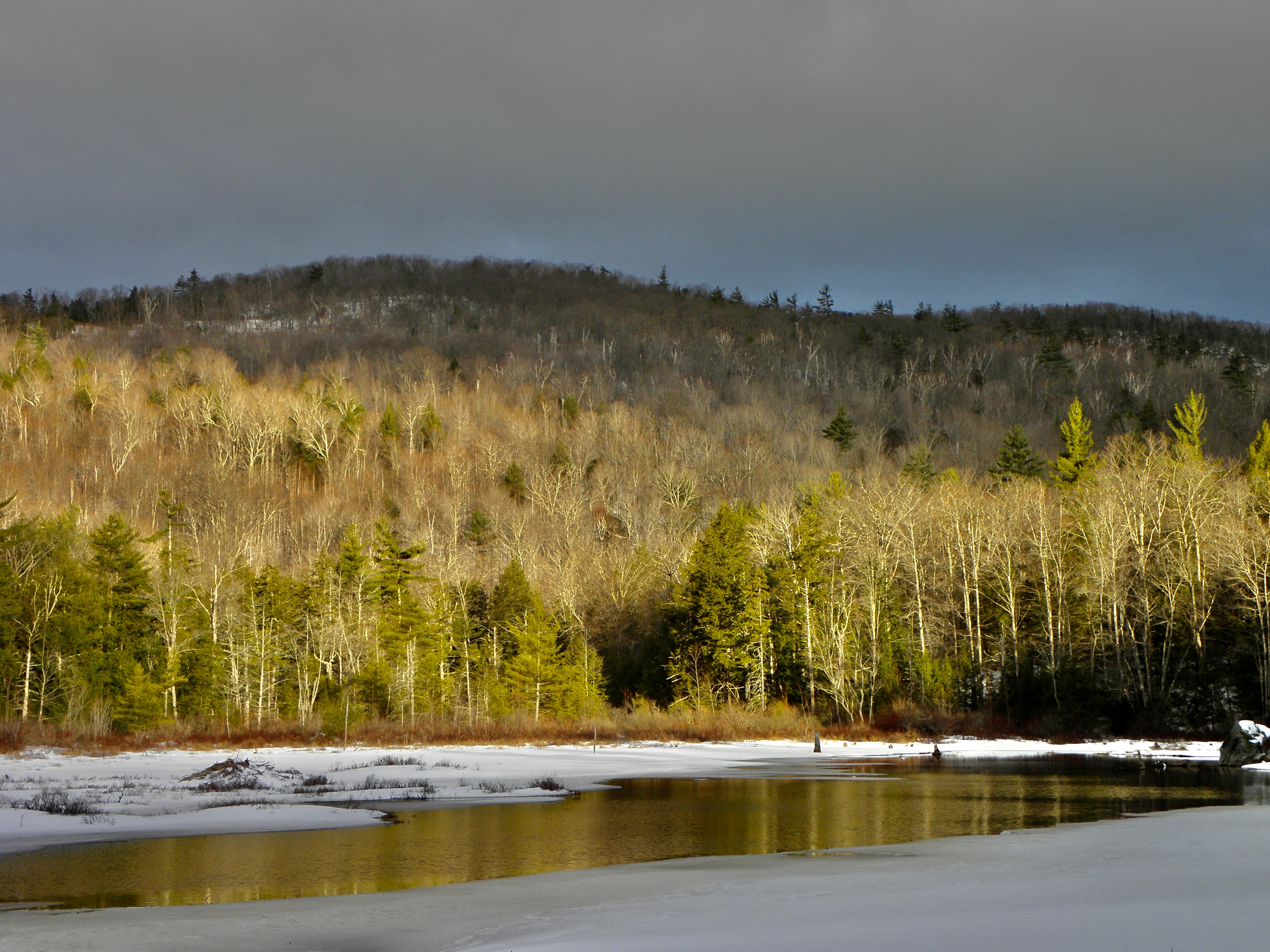
The fields of open water amid the thin ice of the meadows are the spectacle today.
in Thoreau’s Journal:
Clear, but very cold and windy for the season. Northerly wind; smokes blown southerly. Ground frozen harder still; but probably now and hereafter what ground freezes at night will in great part melt by middle of day.
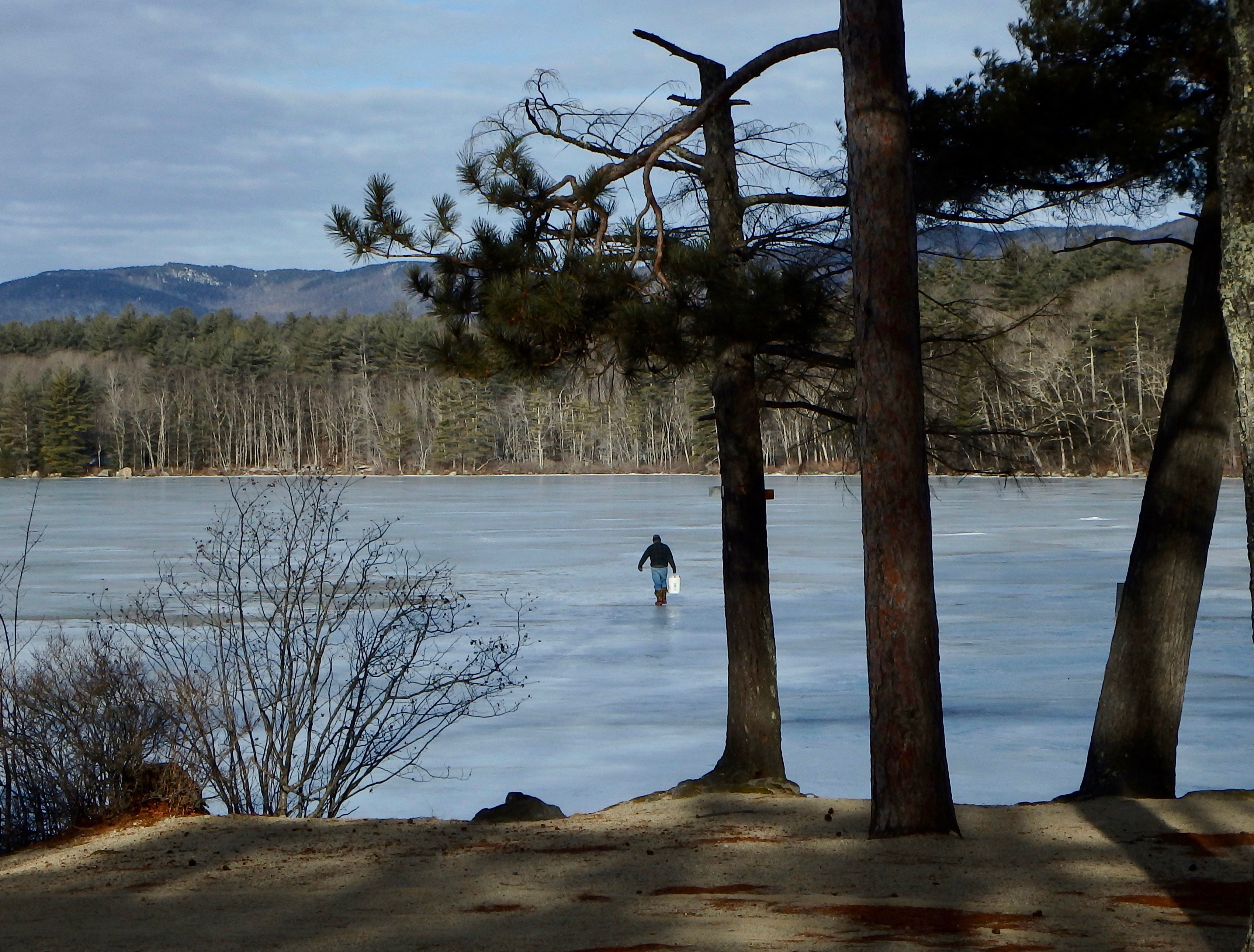
However, it is so cold this afternoon that there is no melting of the ground throughout the day.
in Thoreau’s Journal:
9 AM to F.H. Pond up river—
A still warmer day— The snow is so solid that it still bears me—though we have had several warm suns on it. It is melting gradually under the sun. In the morning I make but little impression in it. As it melts it acquires a rough but regularly waved surface. It is inspiriting to feel the increased heat of the sun reflected from the snow— There is a slight mist above the fields—through which the crowing of cocks sounds spring-like.

I sit by a maple on a maple— It wears a shaggy coat of lichens summer & winter.
in Thoreau’s Journal:
Why should we live with such hurry & bustle—let us spend one day as deliberately as nature— Let us rise early & fast or break fast gently and without noise—
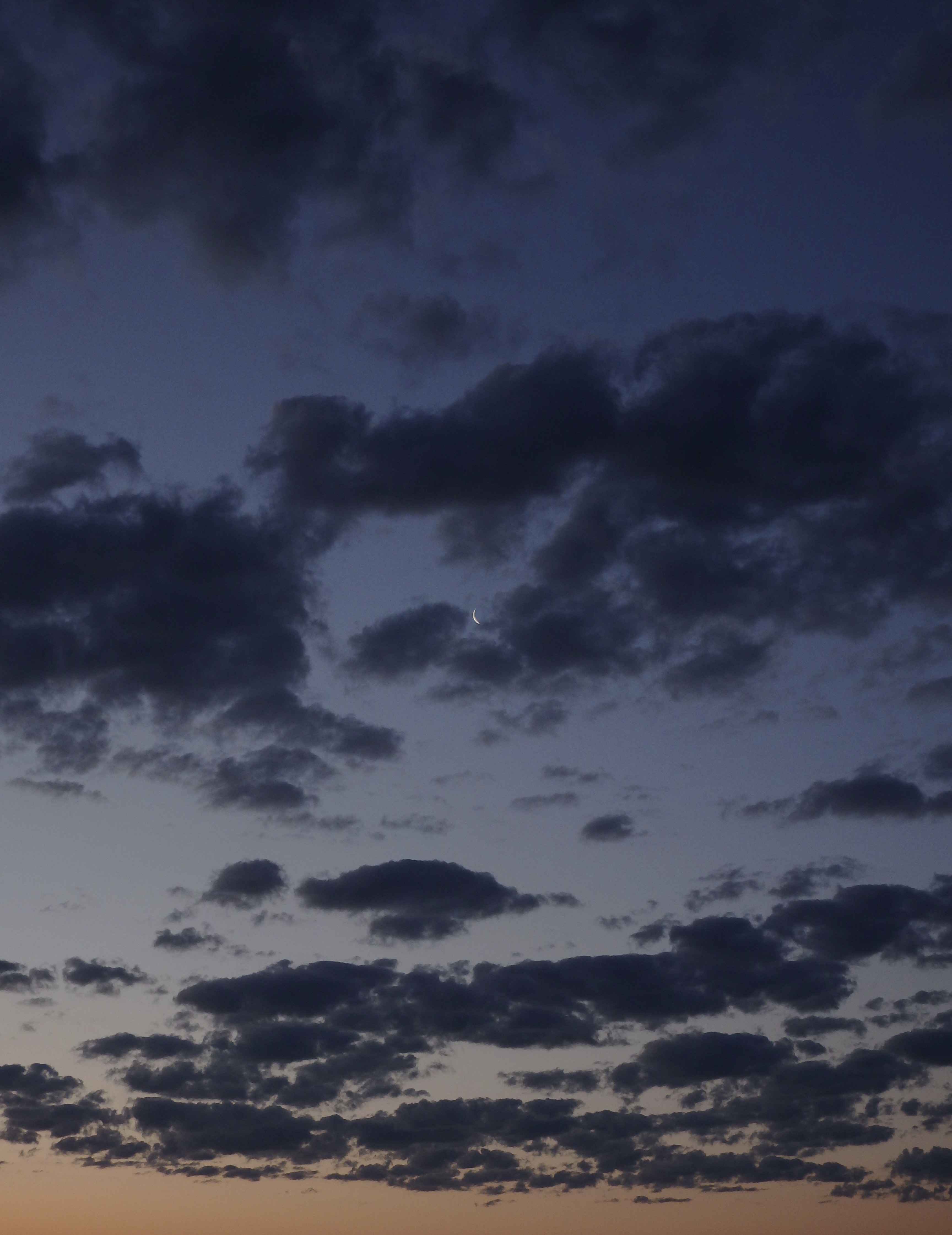
What if the milk-man does not come in season, white wash our coffee—let us murmur an inward prayer that we may be sustained under this trial & forget him. Let company come & let company go determined to make a day of it. Let the bells ring & the children cry, why should we knock under—& go with the stream.
in Thoreau’s Journal:
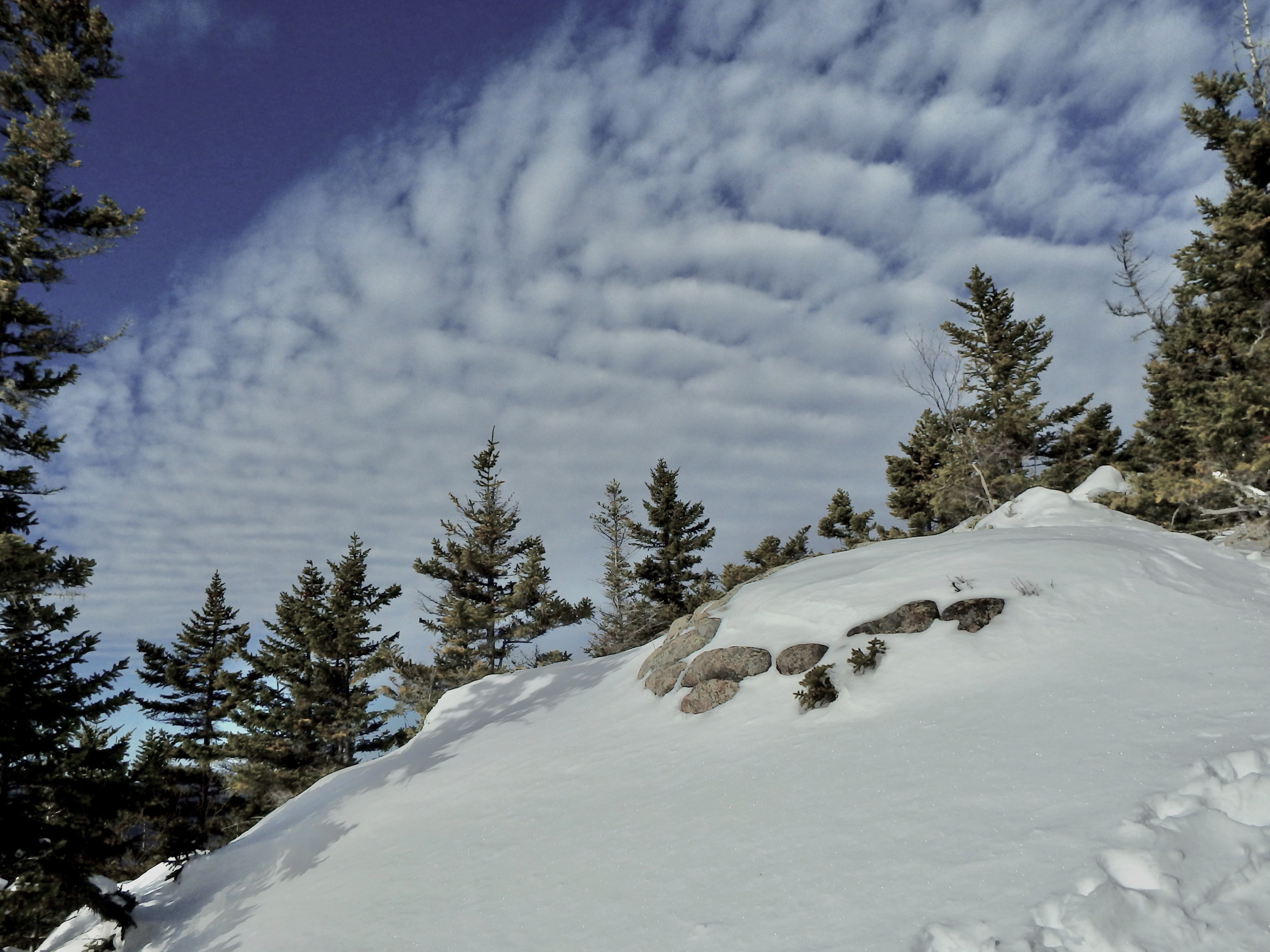
We now notice the snow on the mountains….I think there can be no more arctic scene than these mountains, on the edge of the horizon, completely crusted over with snow, the sun shining on them….the snow has a singular smooth and crusty appearance, and by contrast you see even single evergreens rising here and there above it….
in Thoreau’s Journal:
Pm Skating to Fair Haven Pond
Made a fire on the south side of the pond. Using—canoe birch bark & oak leaves for kindlings…

We skated home in the dark—with an odor of smoke in our clothes. It was pleasant to dash over the ice—feeling the inequalities which we could not see—now rising over considerable hillocks for it had settled on the meadows—now descending into corresponding hollows.
 allandibiase.com
You must be logged in to post a comment.