in Thoreau’s Journal:

To know nature and ourselves well, we must have acquired a certain hardness and habitual equanimity.
in Thoreau’s Journal:
To know nature and ourselves well, we must have acquired a certain hardness and habitual equanimity.
in Thoreau’s Journal:
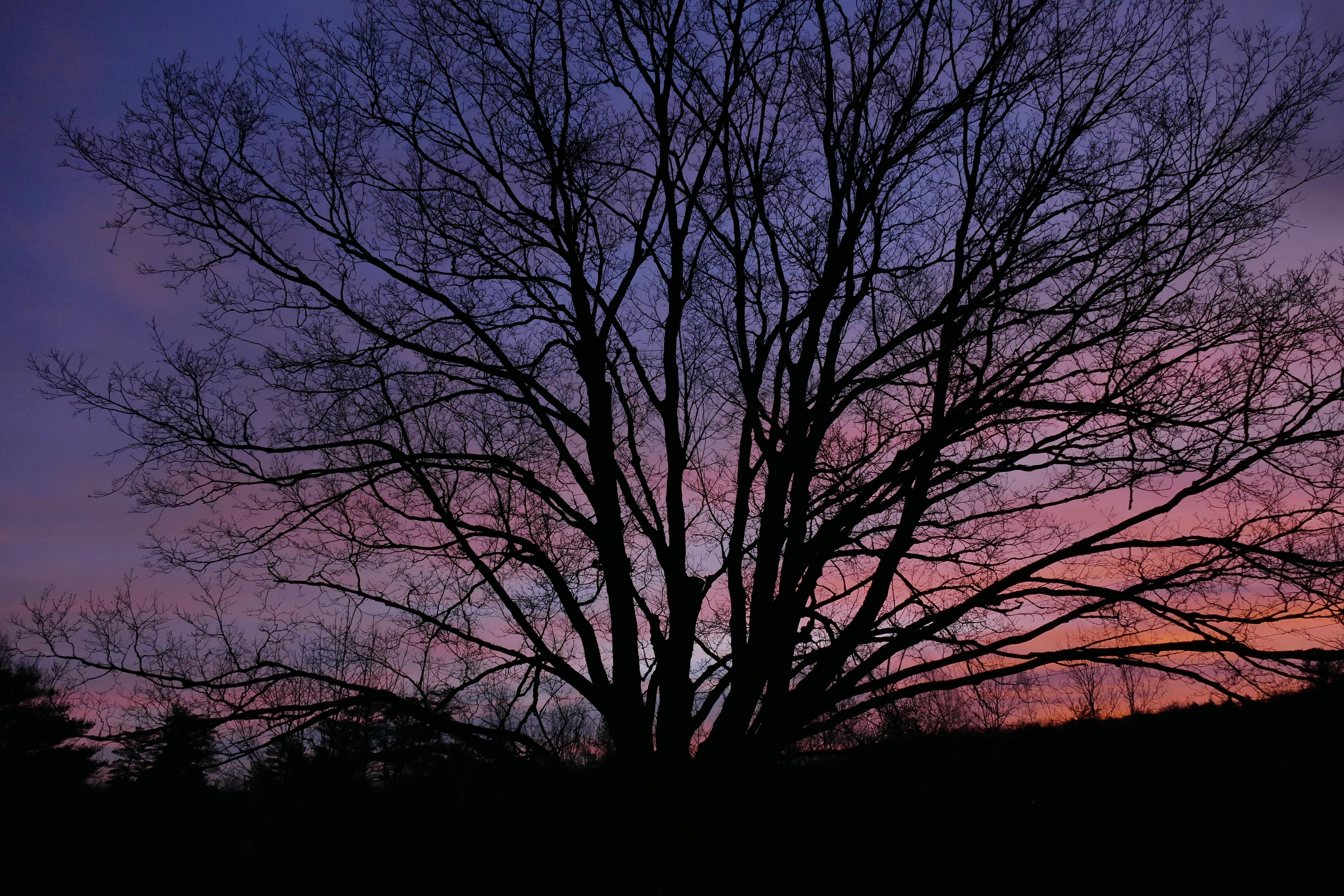
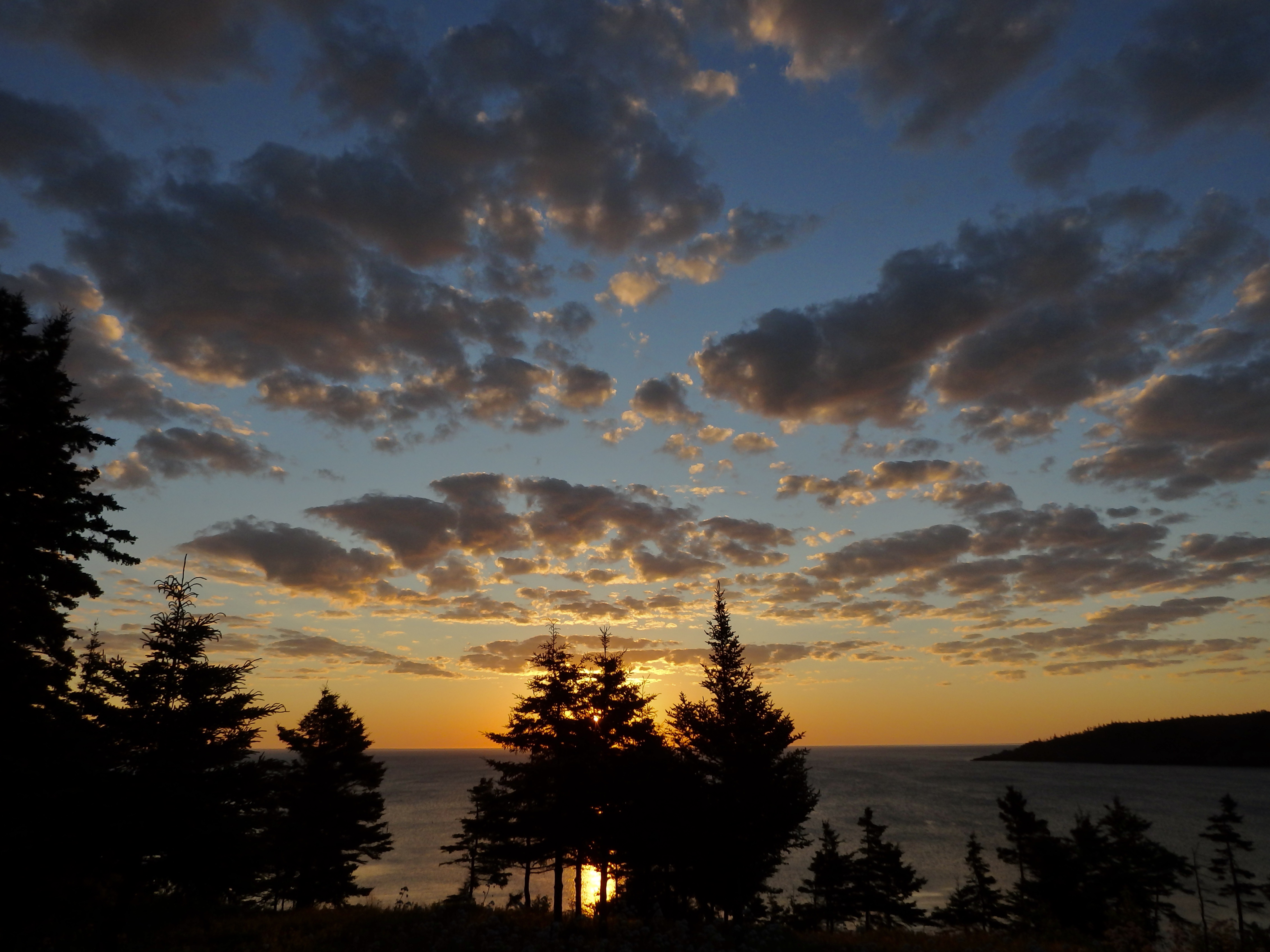
We love not so well the landscape represented as in broad noon, but in a morning or evening twilight, those seasons when the imagination is most active, the more hopeful or pensive seasons of the day.
in Thoreau’s Journal:
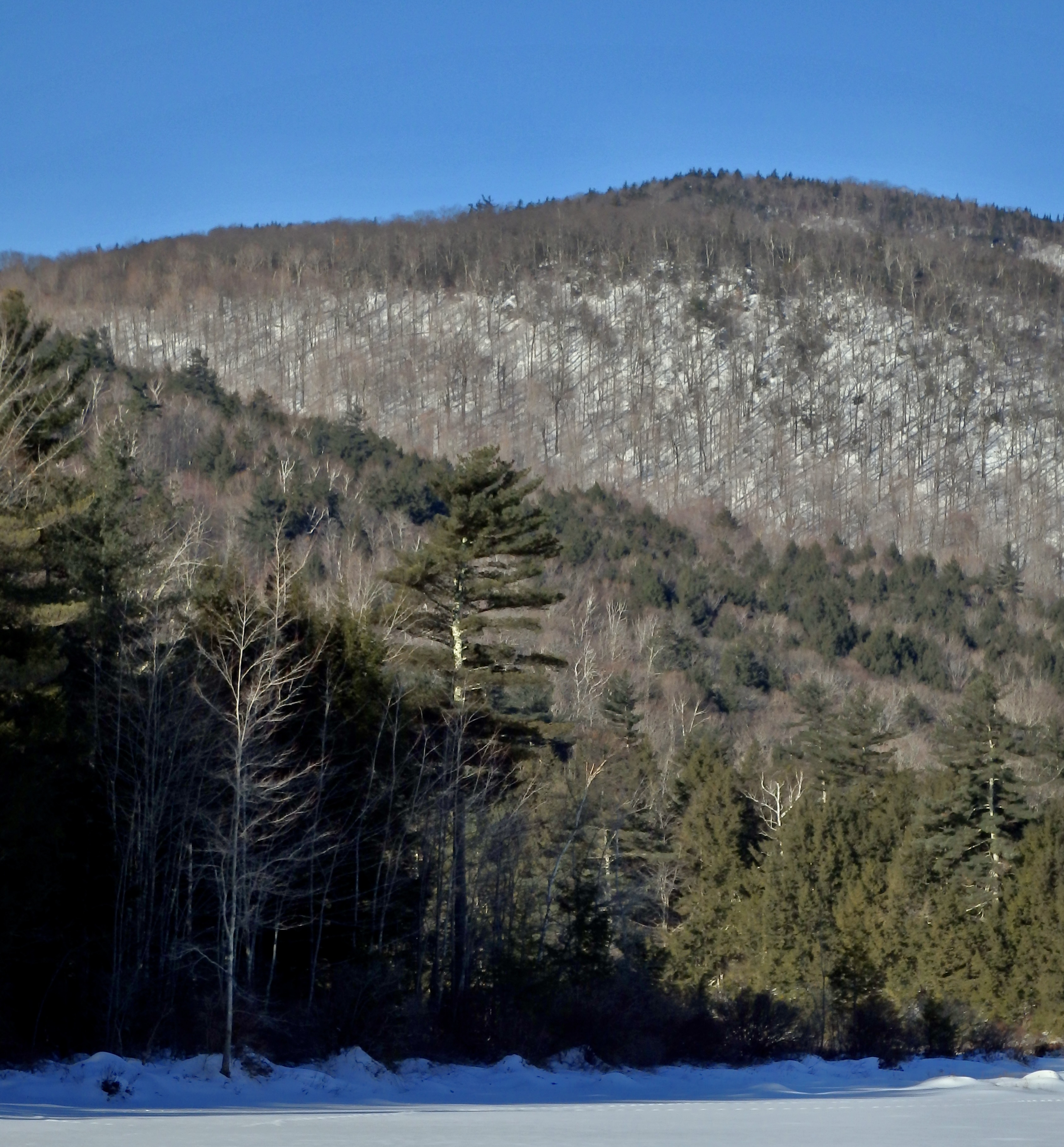
Standing in the middle of Walden I see with perfect distinctness the form & outlines of the low hills which surround it though they are wooded because they are quite white, being covered with snow– While the woods are for the most part bare or very thin leaved. I see thus the outline of the hills 8 or 10 rods back through the trees–This I can never do in the summer when the leaves are thick & the ground is nearly the same color with them. These white hills are now seen as through a veil of stems….The perfect winter days are cold but clear & bright.
in Thoreau’s Journal:
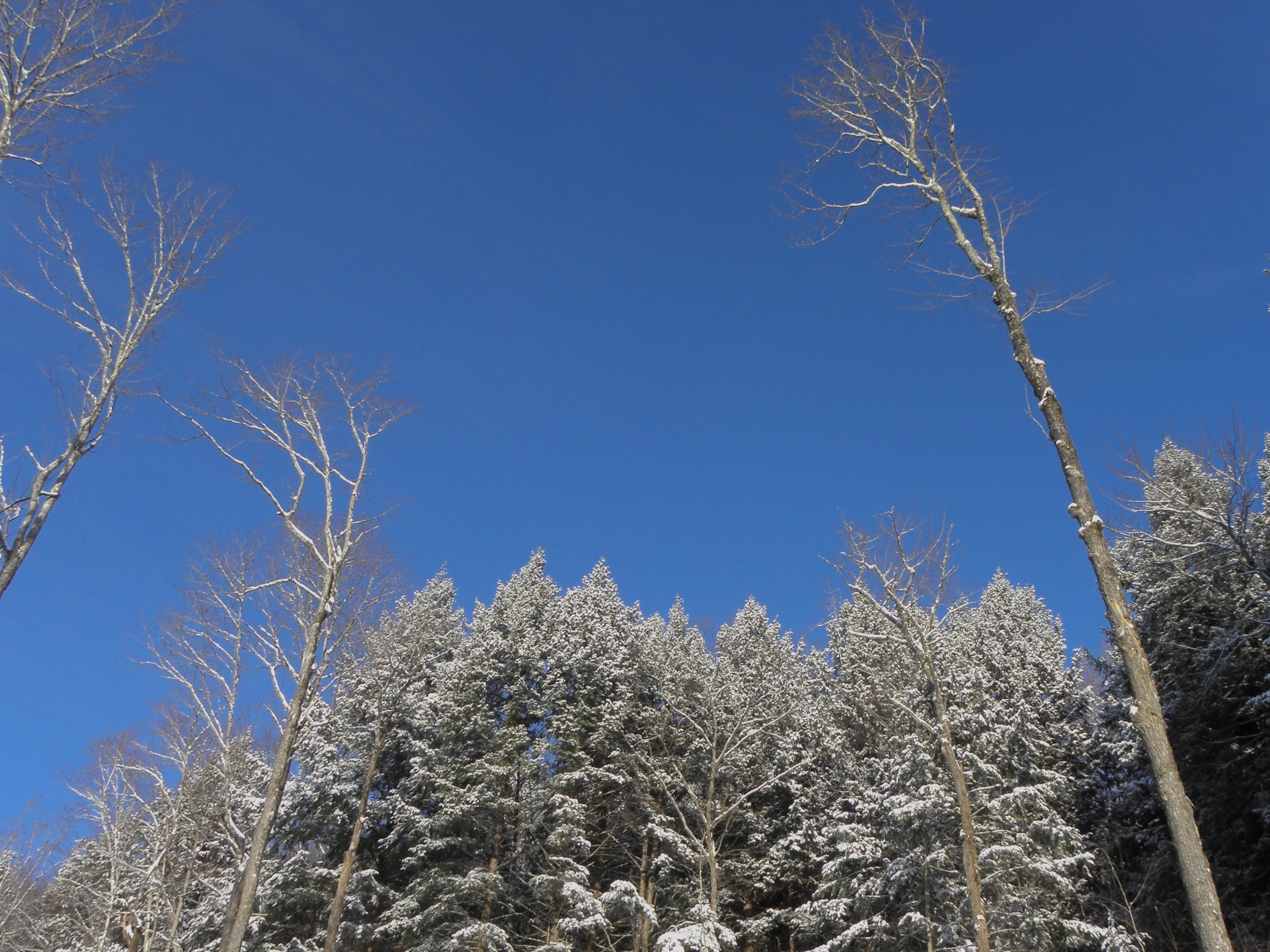
The life, the joy that is in blue sky after a storm. There is no account of the blue sky in history. Before I walked in the ruts of travel, now I adventured….
in Thoreau’s Journal:
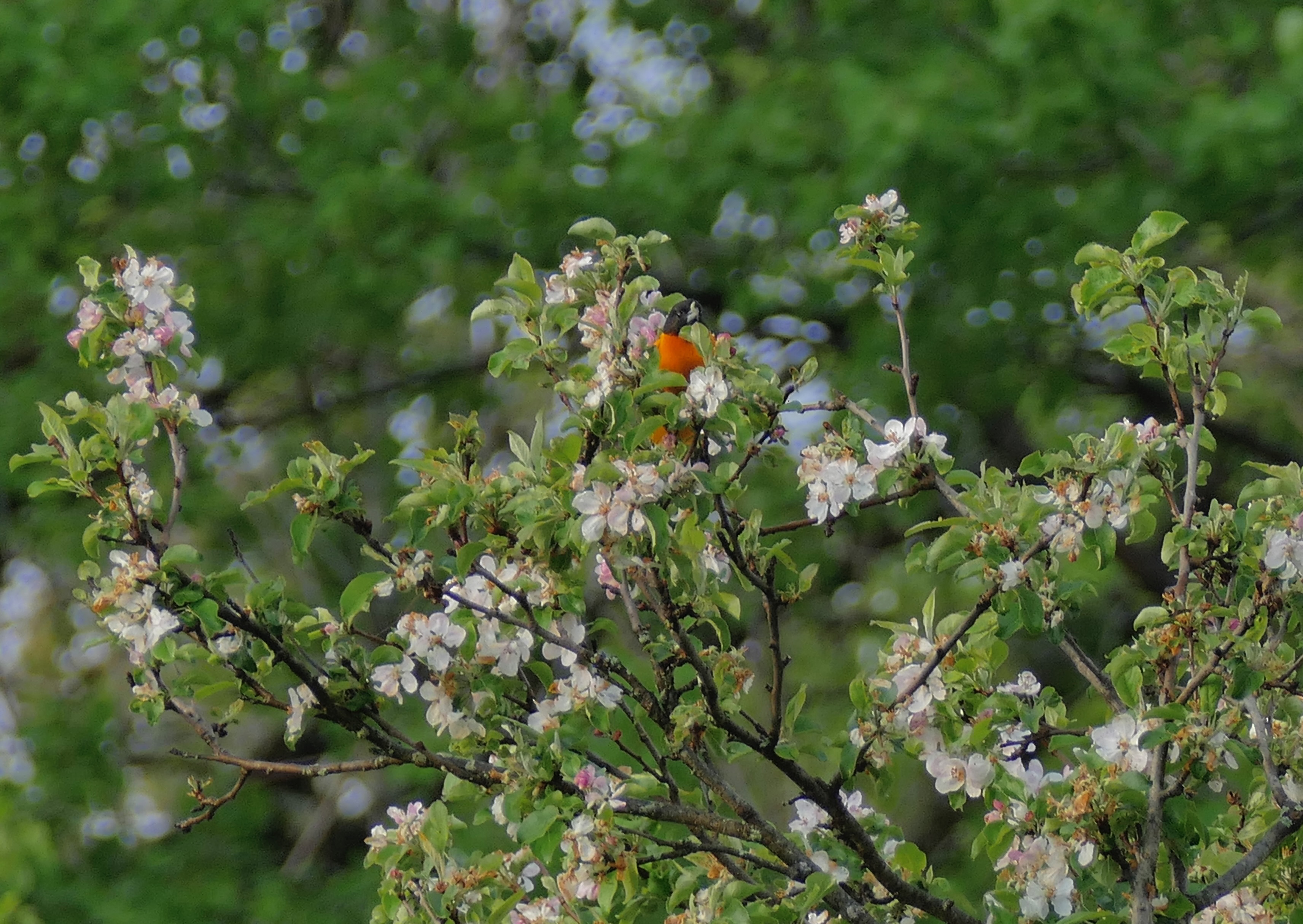
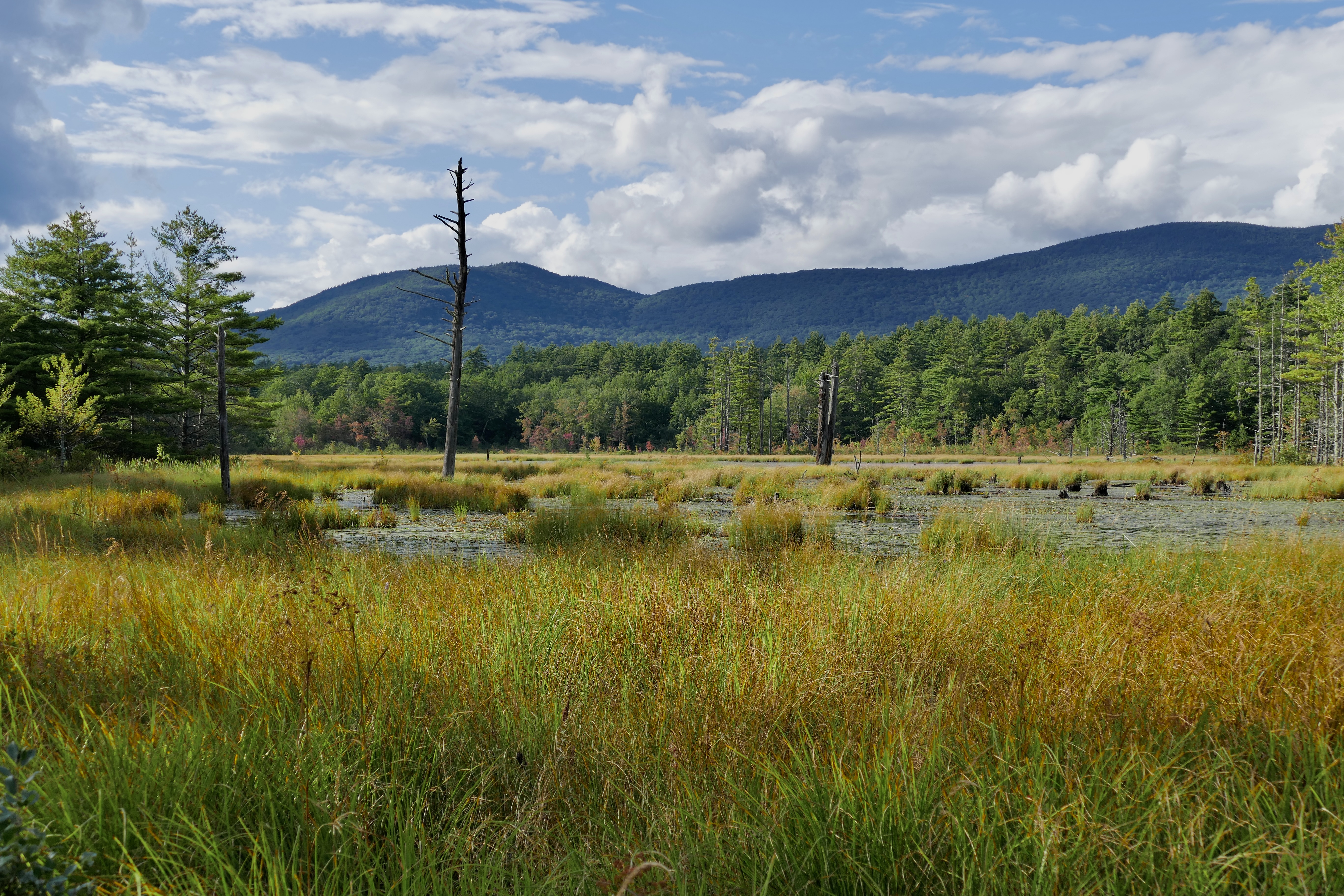
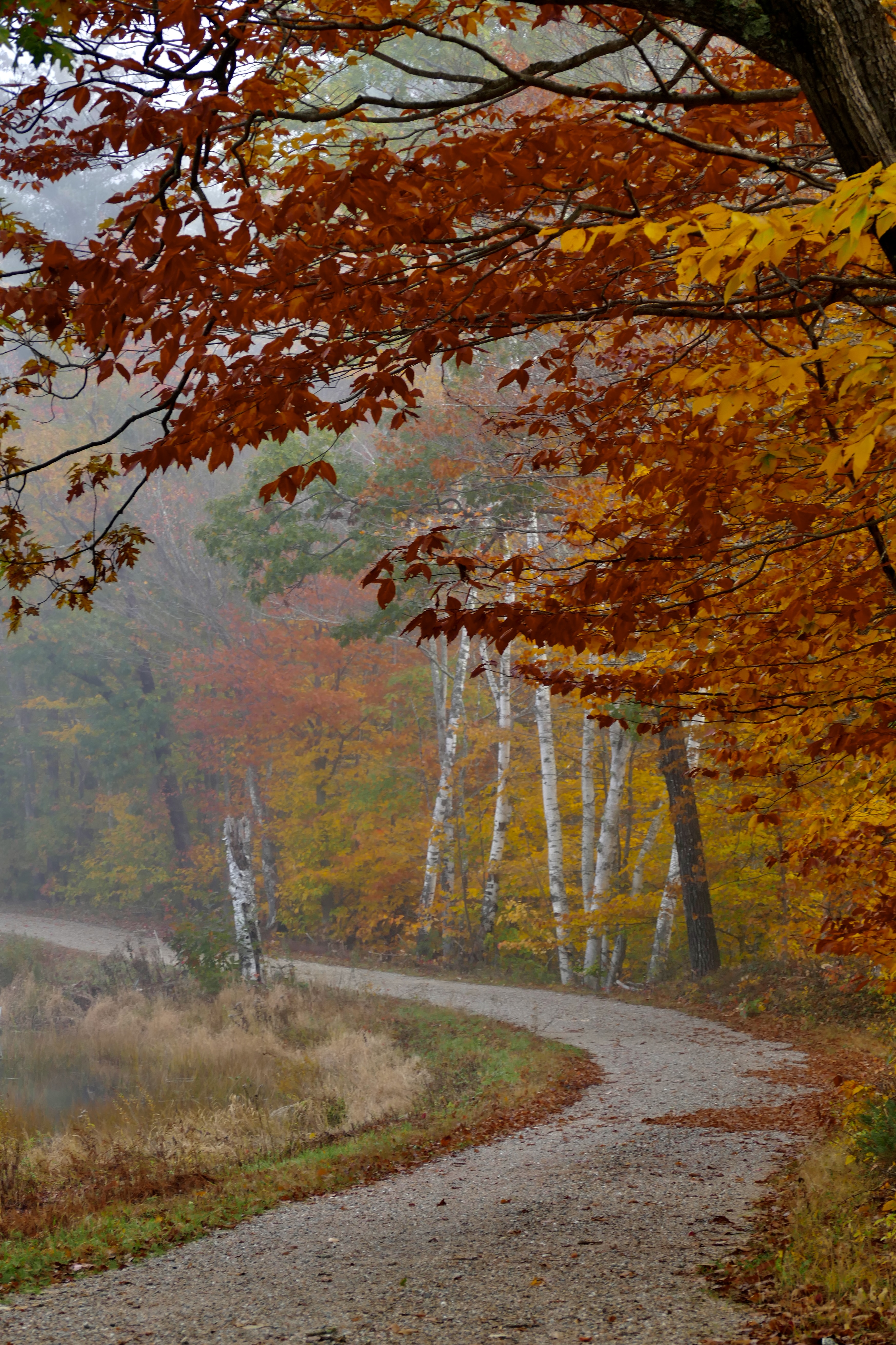
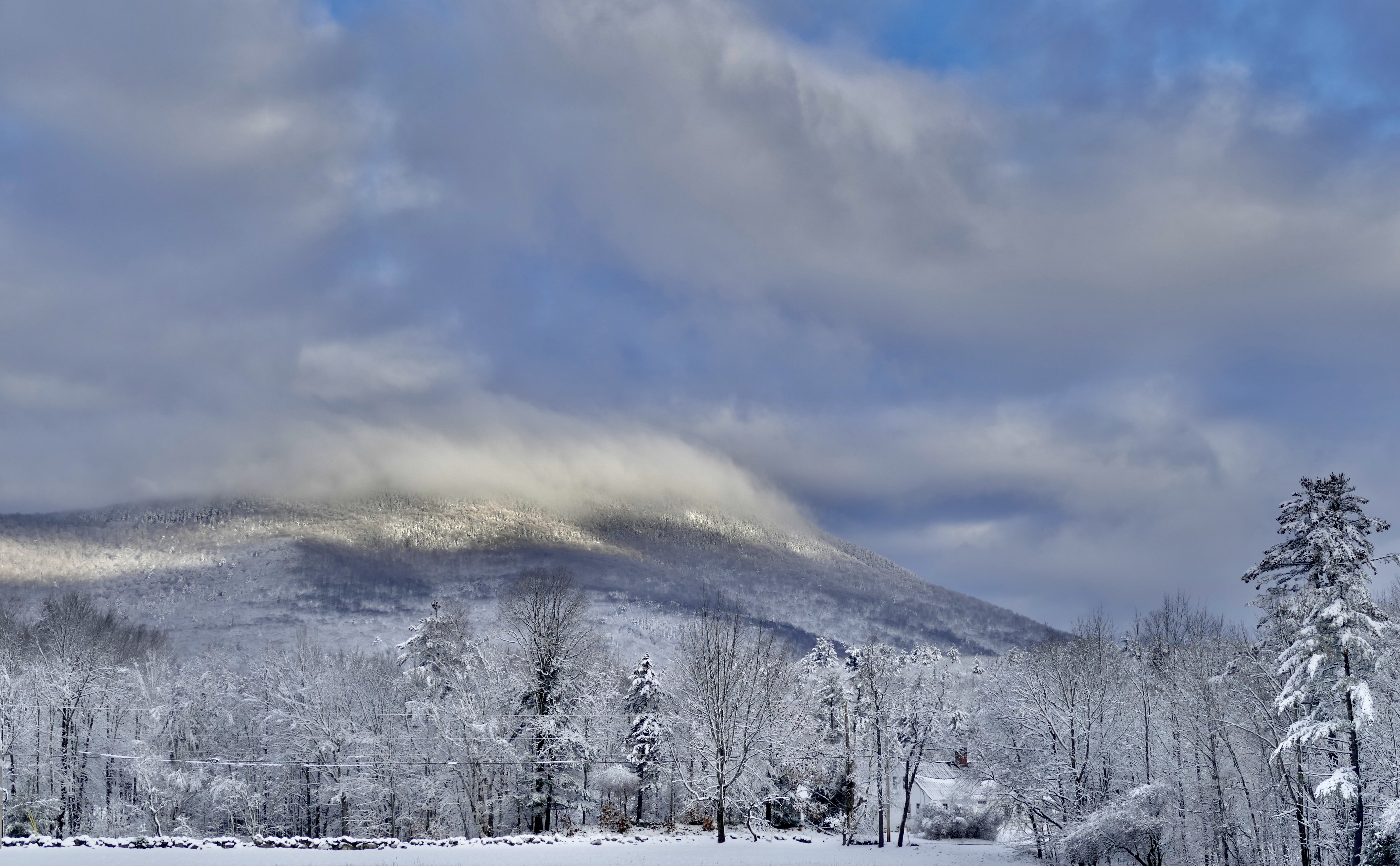
As a child looks forward to the coming of the summer, so could we contemplate with quiet joy the circle of the seasons returning without fail eternally. As the spring came round during so many years of the gods, we could go out to admire and adorn anew our Eden, and yet never tire.
in Thoreau’s Journal:
A man receives only what he is ready to receive—whether physically or intellectually or morally—as animals conceive at certain seasons their kind only.
in Thoreau’s Journal:
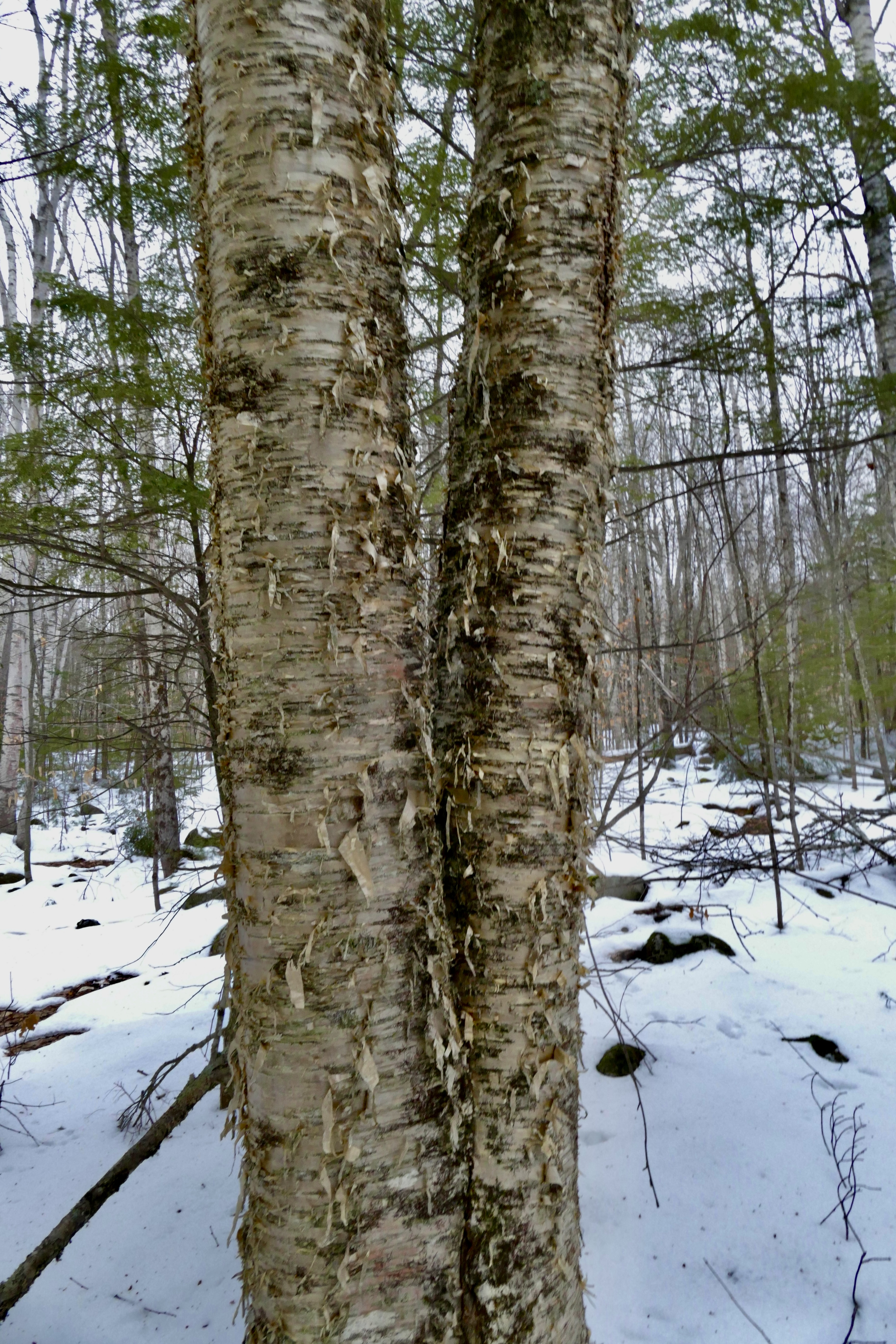
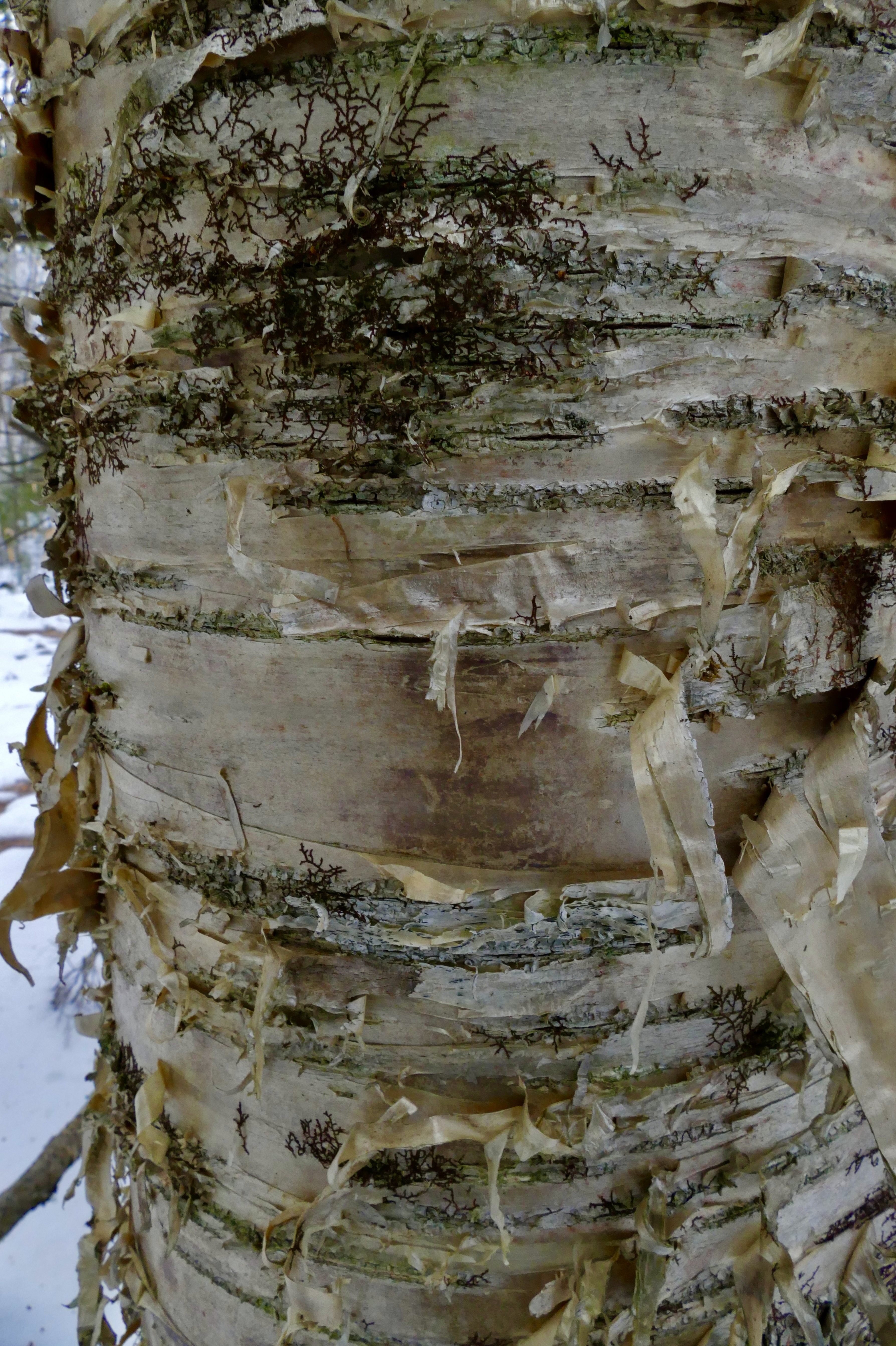
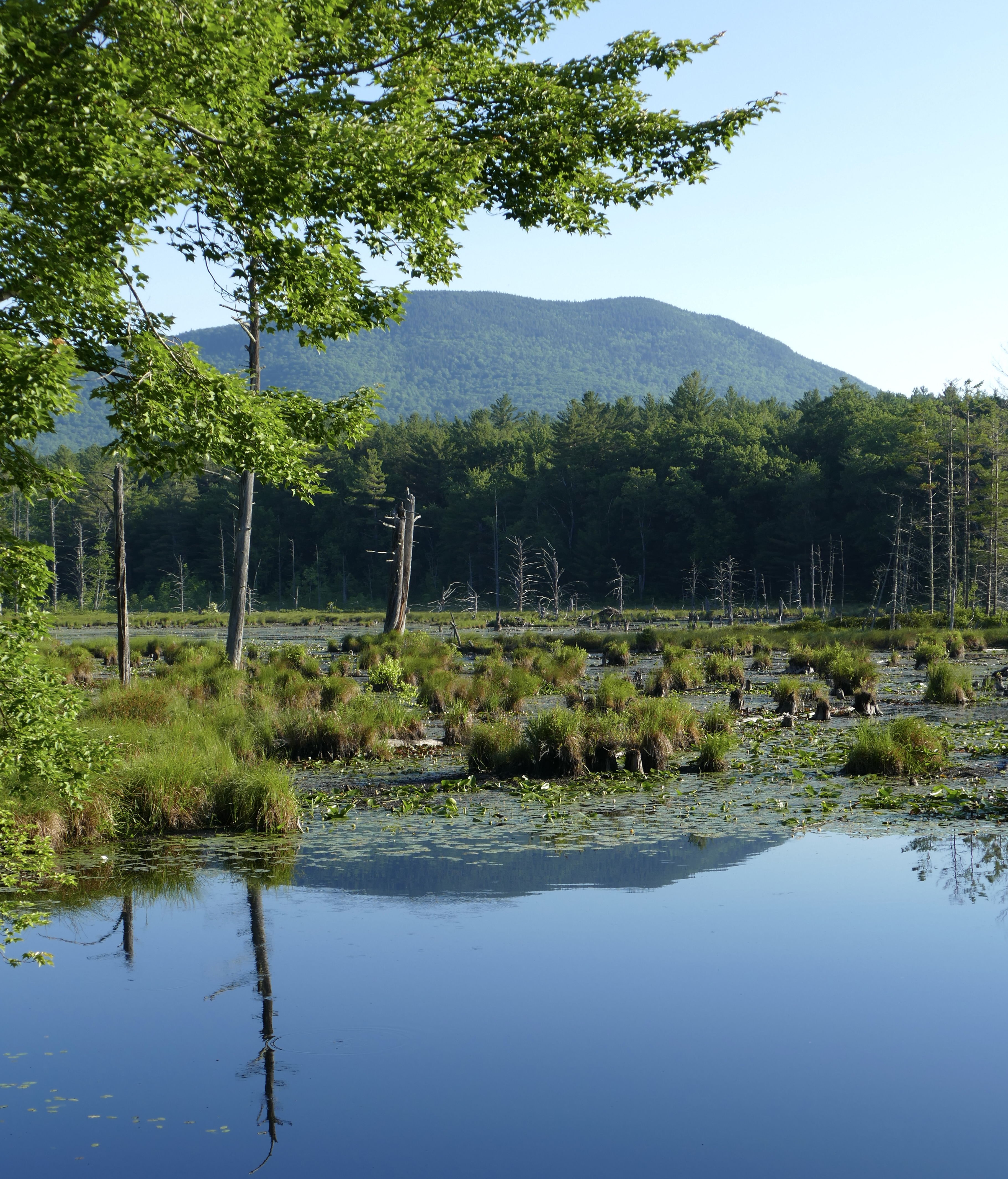
….I went through the swamp, and the yellow birches sent forth a yellow gleam which each time made my heart beat faster. Occasionally you come to a dead and leaning white birch, beset with large fungi like ears or little shelves, with rounded edge above. I walked with the yellow birch.
in Thoreau’s Journal:
I love Nature partly because she is not man, but a retreat from him. None of his institutions control or pervade her. Here a different kind of right prevails. In her midst I can be glad with an entire gladness. If this world were all man, I could not stretch myself. I should lose all hope. He is constraint; she is freedom to me. He makes me wish for another world; she makes me content with this. None of the joys she supplies is subject to his rules and definitions. What he touches he taints. In thought he moralises. One would think that no free, joyful labor was possible to him. How infinite and pure the least pleasure of which nature is basis compared with the congratulation of mankind! The joy which nature yields is like that afforded by the frank words of one we love….There is no law so strong which a little gladness may not transgress.
I have a room all to myself. It is nature. It is a place beyond the jurisdiction of human government.
in Thoreau’s Journal:
Going up the hill thro’ Stow’s young oak wood-land—I listen to the sharp dry rustle of the withered oak leaves— This is the voice of the wood now. It would be comparatively still & more dreary here in other respects if it were not for these leaves that hold on—
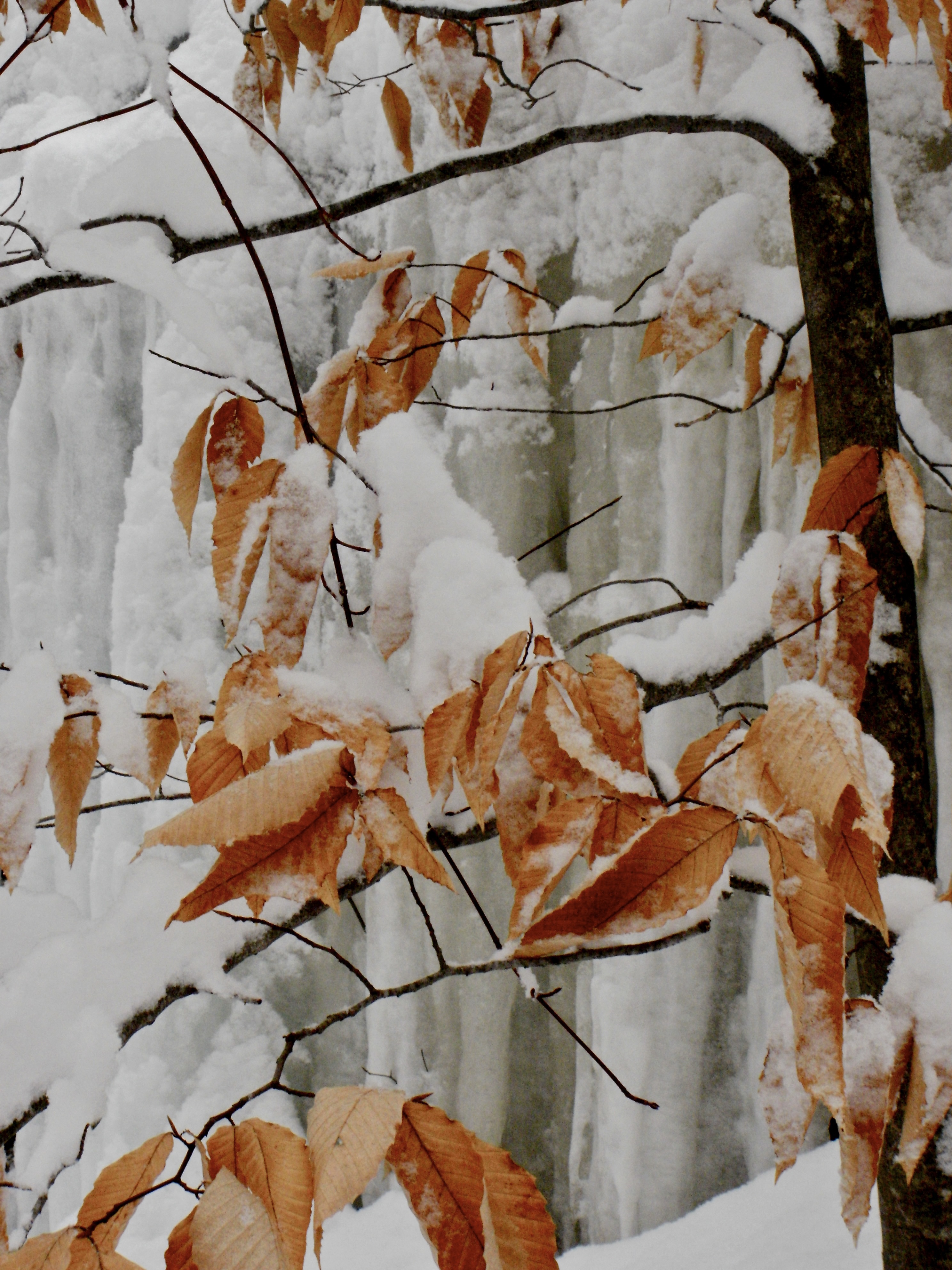
It sounds like the roar of the seas—& is enlivening & inspiriting like that—suggesting how all the land is sea coast to the aerial ocean— It is the sound of the surf—the surf of an unseen Ocean billow of air breaking in the forest—like water on itself or on sand & rocks— It rises & falls—sweeps & dies away—with agreeable alternation as the sea-surf does. Perhaps the landsman can foretell a storm by it. It is remarkable how universal these grand murmurs are—these backgrounds of sound—the surf—the wind in the forest—water falls—&c which yet to the ear & in their origins are essentially one voice—the Earth voice—
in Thoreau’s Journal:
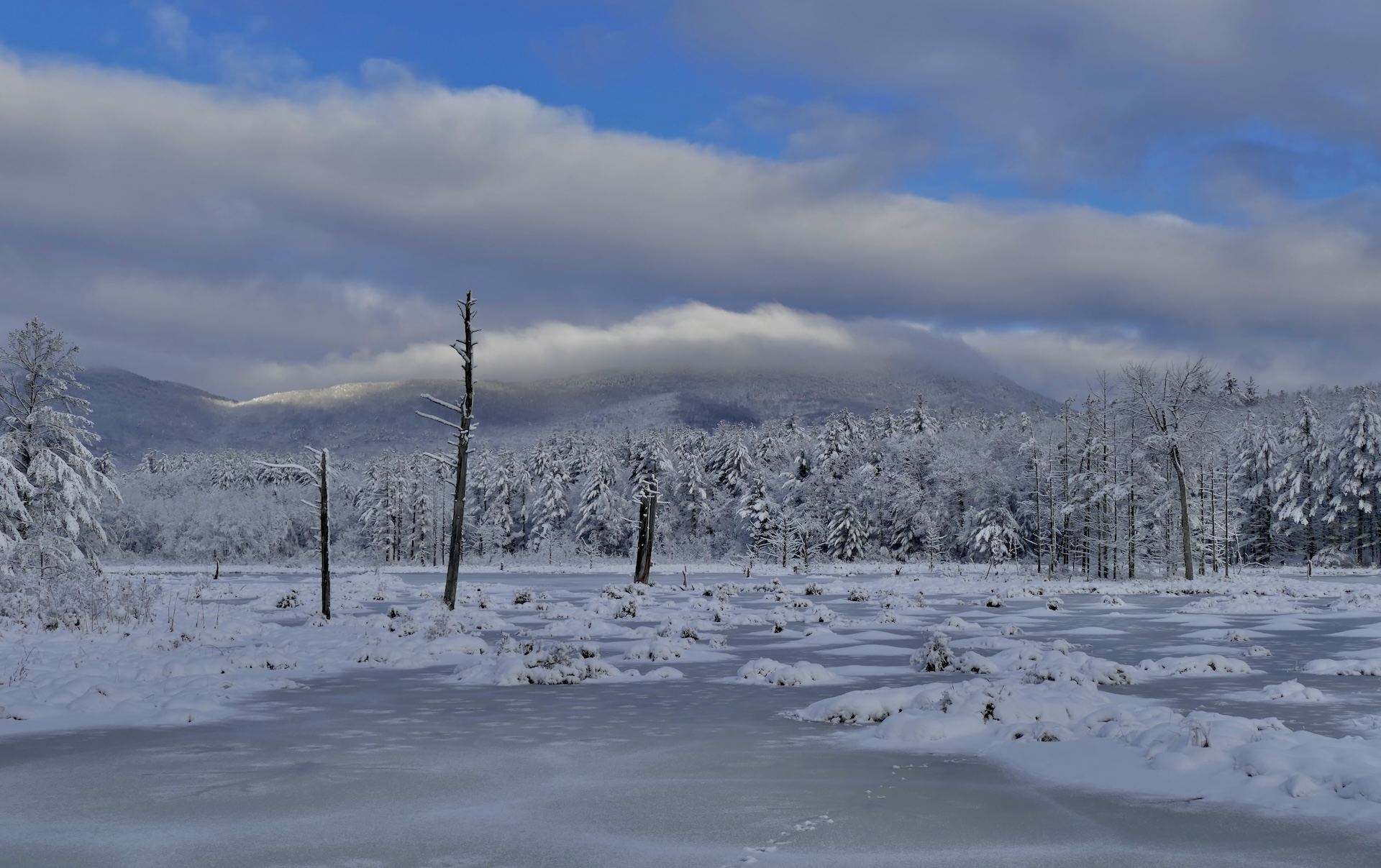
Saturday. This morning we have something between ice and frost on the trees, etc. The whole earth, as last night, but much more, is encased in ice, which on the plowed fields makes a singular icy coat a quarter of an inch or more in thickness. About 9 o’clock a. m., I go to Lee’s via Hubbard’s Wood and Holden’s Swamp and the riverside, for the middle is open. The stones and cow-dung, and the walls too, are all cased in ice on the north side. The latter look like alum rocks. This, not frozen mist or frost, but frozen drizzle, collected around the slightest cores, gives prominence to the least withered herbs and grasses. Where yesterday was a plain, smooth field, appears now a teeming crop of fat, icy herbage. The stems of the herbs on their north sides are enlarged from ten to a hundred times. The addition is so universally on the north side that a traveller could not lose the points of compass to-day, though it should [be] never so dark, for every blade of grass would serve to guide him, telling from which side the storm came yesterday. These straight stems of grasses stand up like white batons or sceptres, and make conspicuous foreground to the landscape, from six inches to three feet high. C. thought that these fat, icy branches on the withered grass and herbs had no nucleus, but looking closer I showed him the fine black wiry threads on which they impinged, which made him laugh with surprise. The very cow- dung is incrusted, and the clover and sorrel send up a dull-green gleam through their icy coat, like strange plants. The pebbles in the plowed land are seen as through a transparent coating of gum. Some weeds bear the ice in masses, some, like the trumpet-weed and tansy, in balls for each dried flower. What a crash of jewels as you walk ! The most careless walker, who never deigned to look at these humble weeds before, cannot help observing them now. This is why the herbage is left to stand dry in the fields all winter. Upon a solid foundation of ice stand out, pointing in all directions between northwest and northeast, or within the limits of ninety degrees, little spicula or crystallized points, half an inch or more in length.
Upon the dark, glazed plowed ground, where a mere wiry stem rises, its north side is thickly clad with these snow-white spears, like some Indian’s head-dress, as if it had attracted all the frost. I saw a prinos bush full of large berries, by the wall in Hubbard’s field. Standing on the west side, the contrast of the red berries with their white incrustation or prolongation on the north was admirable. I thought I had never seen the berries so dazzlingly bright. The whole north side of the bush, berries and stock, was beautifully incrusted. And when I went round to the north side, the redness of the berries came softened through and tingeing the allied snow-white bush, like an evening sky beyond. These adjoined snow or ice berries being beset, within the limits of ninety degrees on the north, with those icy prickles or spicula, between which the red glow and sometimes the clear red itself appeared, gave it the appearance of a raspberry bush full of over-ripe fruit.
Standing on the north side of a bush or tree, looking against the sky, you see only a white ghost of a tree, without a mote of earthiness, but as you go round it, the dark core comes into view. It makes all the odds imaginable whether you are travelling north or south. The drooping birches along the edges of woods are the most feathery, fairy-like ostrich plumes of the trees, and the color of their trunks increases the delusion. The weight of the ice gives to the pines the forms which northern trees, like the firs, constantly wear, bending and twisting the branches; for the twigs and plumes of the pines, being frozen, remain as the wind held them, and new portions of the trunk are exposed. Seen from the north, there is no greenness in the pines, and the character of the tree is changed. The willows along the edge of the river look like sedge in meadows. The sky is overcast, and a fine snowy hail and rain is falling, and these ghost-like trees make a scenery which reminds you of Spitzbergen. I see now the beauty of the causeway, by the bridge alders below swelling into the road, over topped by willows and maples. The fine grasses and shrubs in the meadow rise to meet and mingle with the drooping willows, and the whole make an indistinct impression like a mist, and between this the road runs toward those white ice-clad ghostly or fairy trees in the distance, —toward spirit-land. The pines are as white as a counterpane, with raised embroidery and white tassels and fringes. Each fascicle of leaves or needles is held apart by an icy club surmounted by a little snowy or icy ball. Finer than the Saxon arch is this path running under the pines, roofed, not with crossing boughs, but drooping ice-covered twigs in irregular confusion. See in the midst of this stately pine, towering like the solemn ghost of a tree, the white ice-clad boughs of other trees appearing, of a different character; sometimes oaks with leaves incrusted, or fine-sprayed maples or walnuts. But finer than all, this red oak, its leaves incrusted like shields a quarter of an inch thick, and a thousand fine spicula, like long serrations at right angles with their planes, upon their edges. It has an indescribably rich effect, with color of the leaf coming softened through the ice, a delicate fawn-color of many shades. Where the plumes of the pitch pine are short and spreading close upon the trunk, sometimes perfect cups or rays are formed. Pitch pines present rough, massy grenadier plumes, with each a darker spot or cavity in the end, where you look in to the buds.
I listen to the booming of the pond as if it were a reasonable creature. I return at last in a rain, and am coated with a glaze, like the fields.
Being at Cambridge day before yesterday, Sibley told me that Agassiz told him that Harris was the greatest entomologist in the world, and gave him permission to repeat his remark. As I stood on the top of a ladder, he came along with his hand full of papers and inquired, ” Do you value autographs?” ” No, I do not,” I answered slowly and gravely. “Oh, I didn’t know but you did. I had some of Governor Dunlap,” said he, retreating.
After talking with Uncle Charles the other night about the worthies of this country, Webster and the rest, as usual considering who were geniuses and who not, I showed him up to bed, and when I had got into bed myself, I heard his chamber door opened, after eleven o’clock, and he called out, in an earnest, stentorian voice, loud enough to wake the whole house, “Henry! was John Quincy Adams a genius?” “No, I think not,” was my reply. “Well, I didn’t think he was,” answered he.
in Thoreau’s Journal:
If there were no other vicissitudes but the seasons, with their attendant and consequent changes, our interest would never flag. Much more is a-doing than Congress wots of in the winter season. What journal do the persimmon and buckeye keep, or the sharp-shinned hawk? What is transpiring from summer to winter in the Carolinas, and the Great Pine Forest, and the Valley of the Mohawk? The merely political aspect of the land is never very cheering— Men are degraded when considered as members of a political organisation….
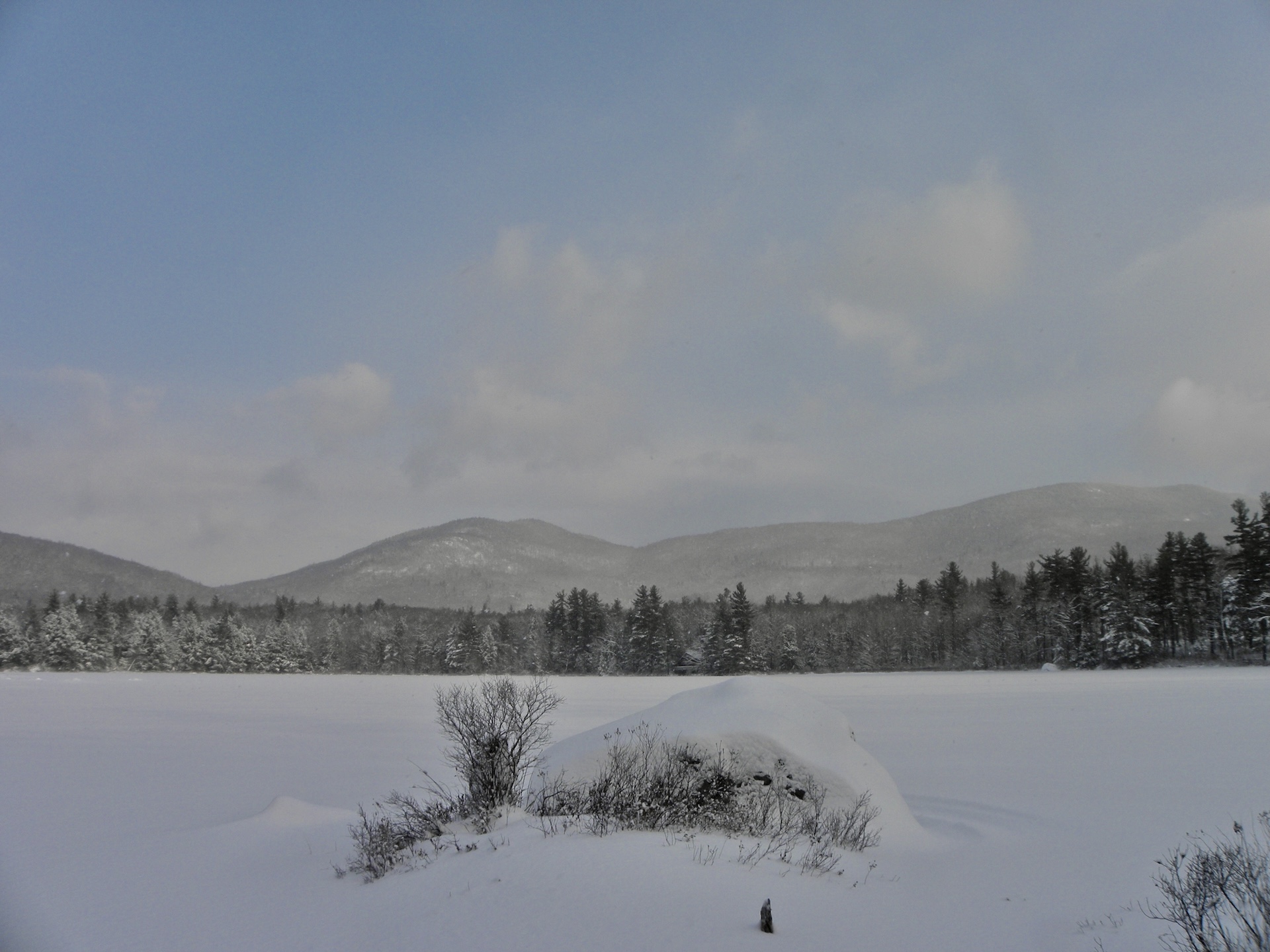
In society you will not find health but in nature— You must converse much with the field and woods if you would imbibe such health into your mind and spirit as you covet for your body
December 30, 1851 in Thoreau’s Journal:
This afternoon, being on Fair Haven Hill, I heard the sound of a saw, and soon after from the Cliff saw two men sawing down a noble pine beneath, about forty rods off. I resolved to watch it till it fell, the last of a dozen or more which were left when the forest was cut and for fifteen years have waved in solitary majesty over the sprout-land. I saw them like beavers or insects gnawing at the trunk of this noble tree, the diminutive manikins with their cross-cut saw which could scarcely span it. It towered up a hundred feet as I afterward found by measurement, one of the tallest probably in the township and straight as an arrow, but slanting a little toward the hillside, its top seen against the frozen river and the hills of Conantum. I watch closely to see when it begins to move. Now the sawyers stop, and with an axe open it a little on the side toward which it leans, that it may break the faster. And now their saw goes again. Now surely it is going; it is inclined one quarter of the quadrant, and, breathless, I expect its crashing fall. But no, I was mistaken; it has not moved an inch; it stands at the same angle as at first. It is fifteen minutes yet to its fall. Still its branches wave in the wind, as if it were destined to stand for a century, and the wind soughs through its needles as of yore; it is still a forest tree, the most majestic tree that waves over Musketaquid. The silvery sheen of the sunlight is reflected from its needles; it still affords an inaccessible crotch for the squirrel’s nest; not a lichen has forsaken its mast-like stem, its raking mast, —the hill is the hulk. Now, now ‘s the moment! The manikins at its base are fleeing from their crime. They have dropped the guilty saw and axe. How slowly and majestically it starts! as if it were only swayed by a summer breeze, and would return without a sigh to its location in the air. And now it fans the hillside with its fall, and it lies down to its bed in the valley, from which it is never to rise, as softly as a feather, folding its green mantle about it like a warrior, as if, tired of standing, it embraced the earth with silent joy, returning its elements to the dust again. But hark! there you only saw, but did not hear. There now comes up a deafening crash to these rocks, advertising you that even trees do not die without a groan. It rushes to embrace the earth, and mingle its elements with the dust. And now all is still once more and forever, both to eye and ear.
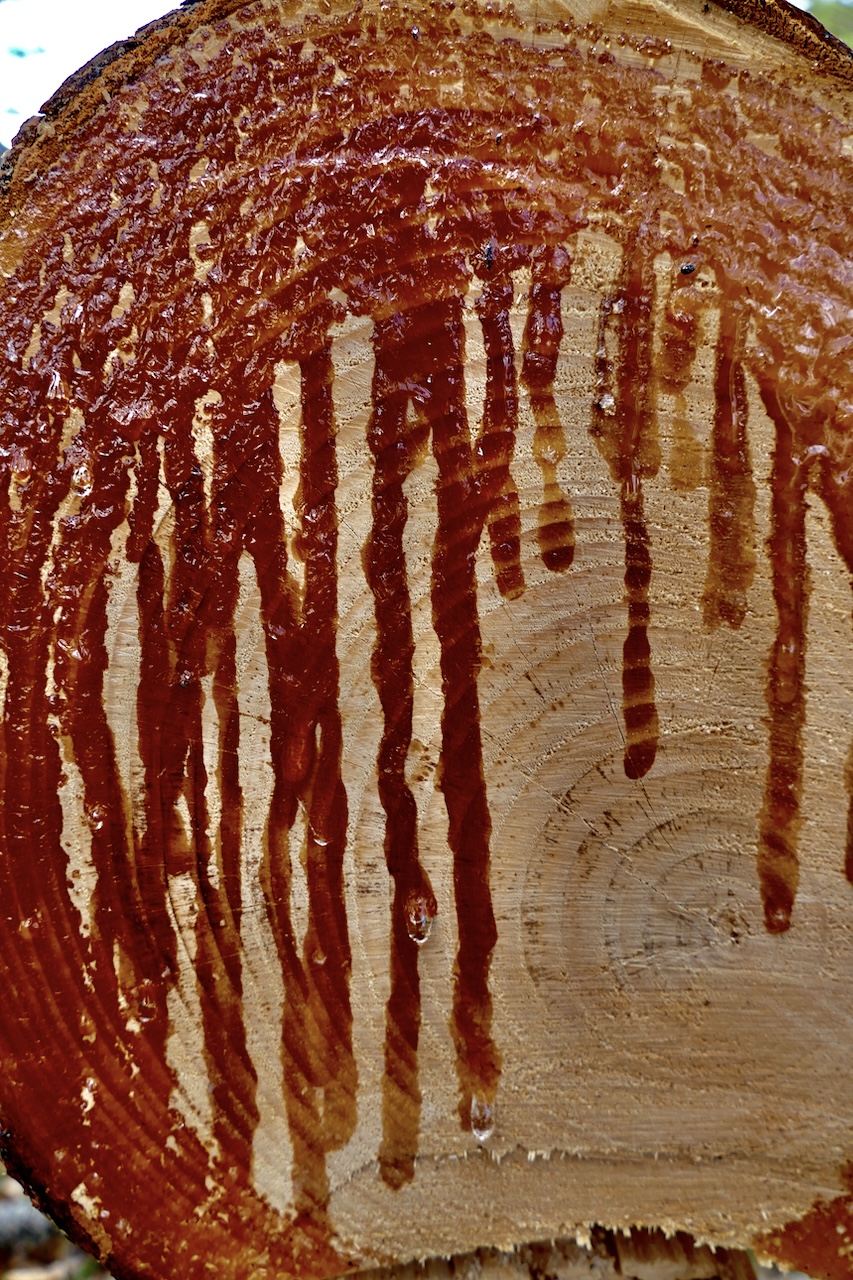
I went down and measured it. It was about four feet in diameter where it was sawed, about one hundred feet long. Before I had reached it the axemen had already half divested it of its branches. Its gracefully spreading top was a perfect wreck on the hillside as if it had been made of glass, and the tender cones of one year’s growth upon its summit appealed in vain and too late to the mercy of the chopper. Already he has measured it with his axe, and marked off the mill-logs it will make. And the space it occupied in upper air is vacant for the next two centuries. It is lumber. He has laid waste the air. When the fishhawk in the spring revisits the banks of the Musketaquid, he will circle in vain to find his accustomed perch, and the hen-hawk will mourn for the pines lofty enough to protect her brood. A plant which it has taken two centuries to perfect, rising by slow stages into the heavens, has this afternoon ceased to exist. Its sapling top had expanded to this January thaw as the forerunner of summers to come. Why does not the village bell sound a knell ? I hear no knell tolled. I see no procession of mourners in the streets, or the woodland aisles. The squirrel has leaped to another tree; the hawk has circled further off, and has now settled upon a new eyrie, but the woodman is preparing [to] lay his axe at the root of that also.
in Thoreau’s Journal:

Heaven is the inmost place. The good have not to travel far.
in Thoreau’s Journal:
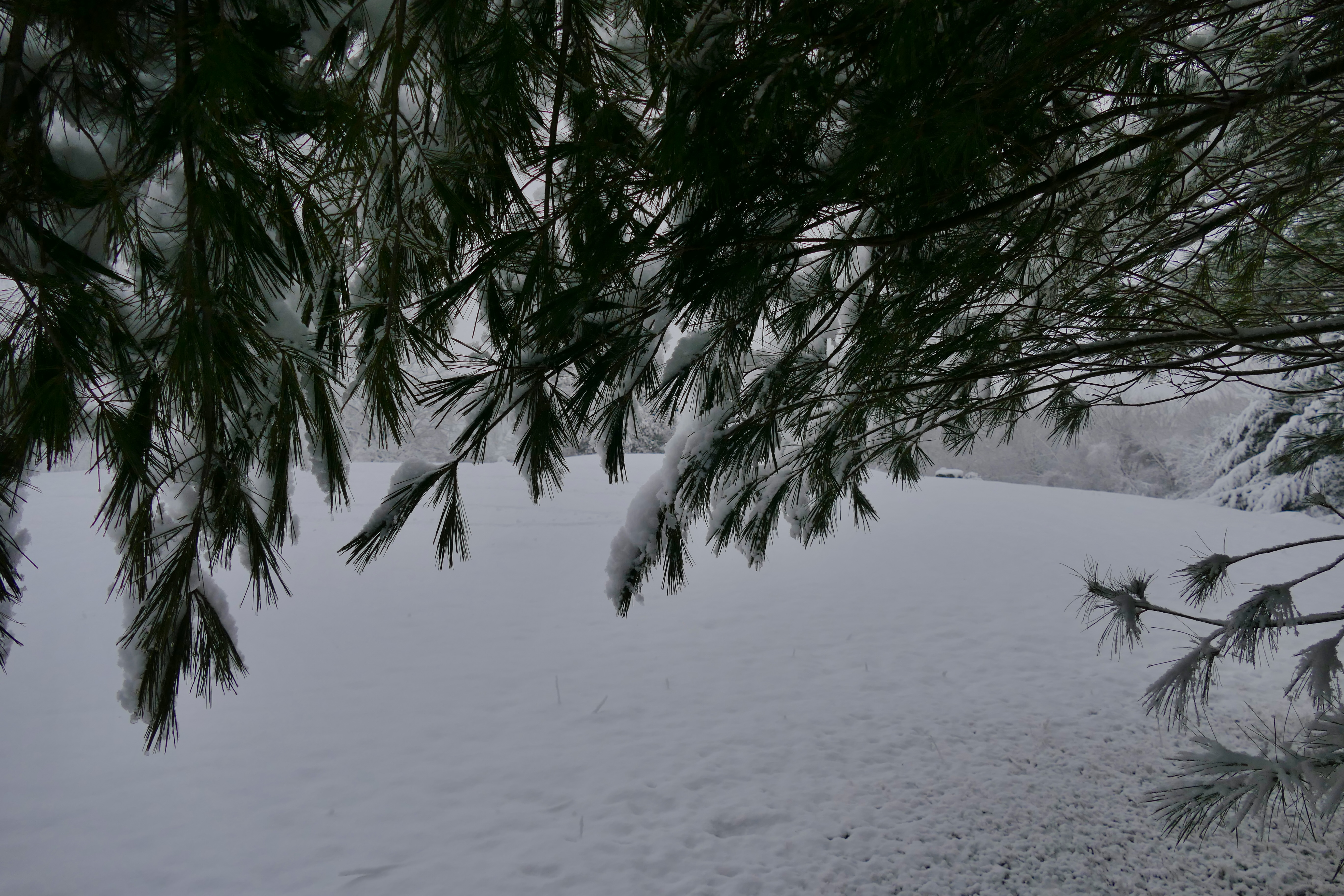
The snow hangs on the trees as the fruit of the season. In those twigs which the wind has preserved naked, there is a warmer green for the contrast. The whole tree exhibits a kind of interior and household comfort—a sheltered and covert aspect— It has the snug inviting look of a cottage on the Moors, buried in snows.
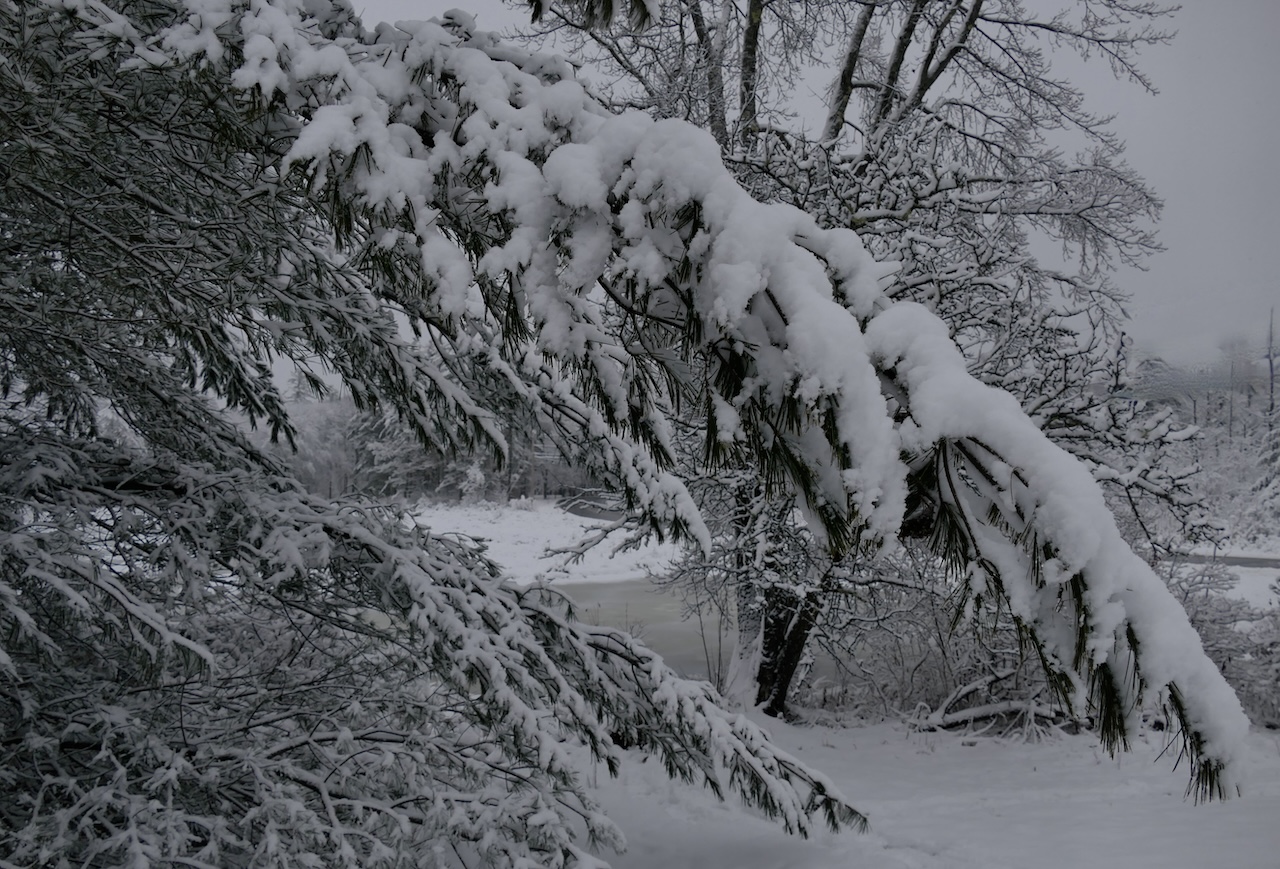
How like your house are the woods, your voice rings hollowly through them as through a chamber— The twigs crackle under feet with private and household echoes. All sound in the woods in private and domestic still, though never so loud.
in Thoreau’s Journal:
What interesting contrasts our climate affords! In July you rush panting into [a] pond, to cool yourself in the tepid water, when the stones on the bank are so heated that you cannot hold one tightly in your hand, and horses are melting on the road.
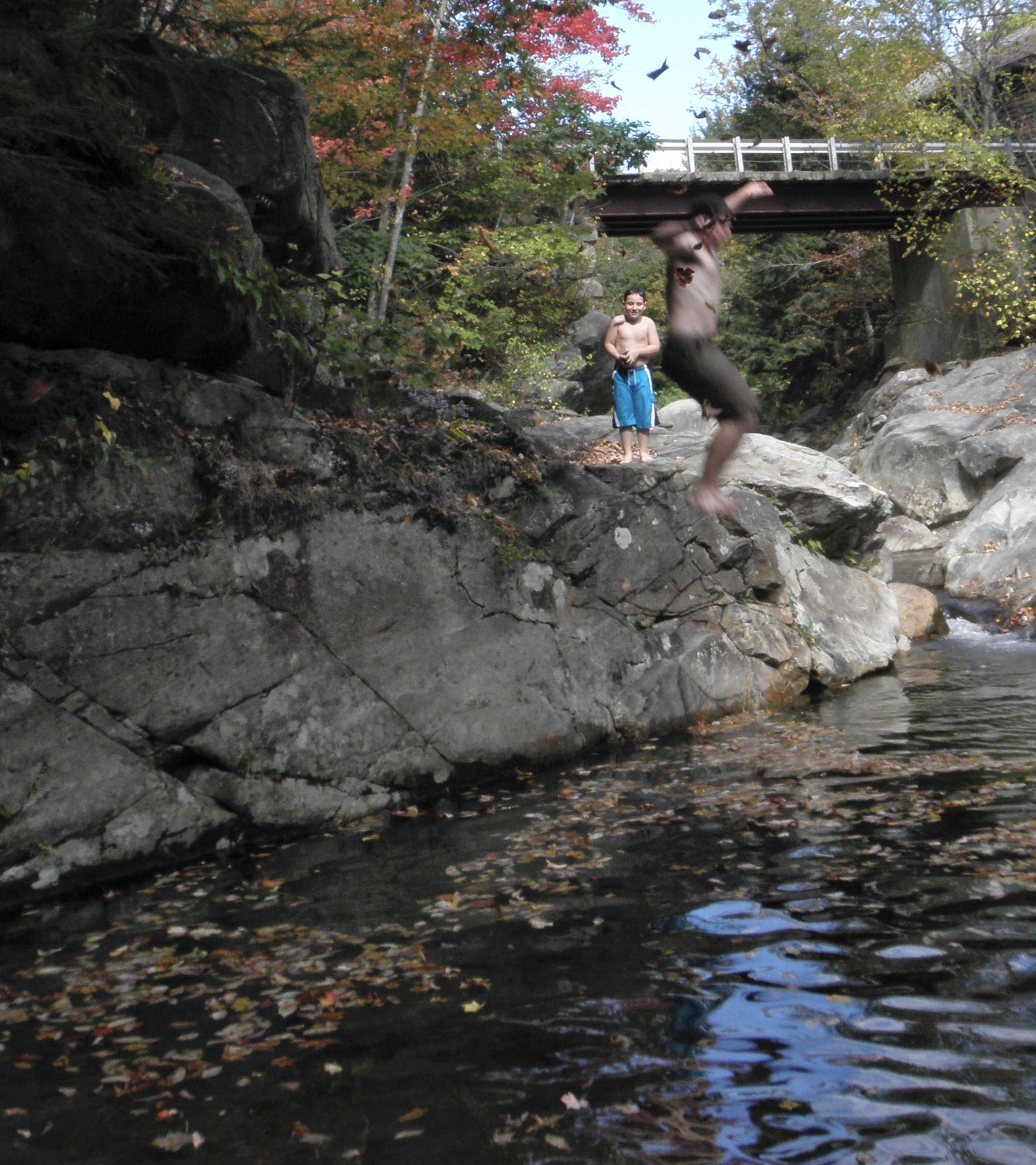
Now you walk on the same pond frozen, amid the snow, with numbed fingers and feet, and see the water-target bleached and stiff in the ice.

[water-target: Aquatic plant with floating oval leaves and purple flowers; in lakes and slow-moving streams.]
in Thoreau’s Journal:
I do not remember to have ever seen such a day as this in Concord.
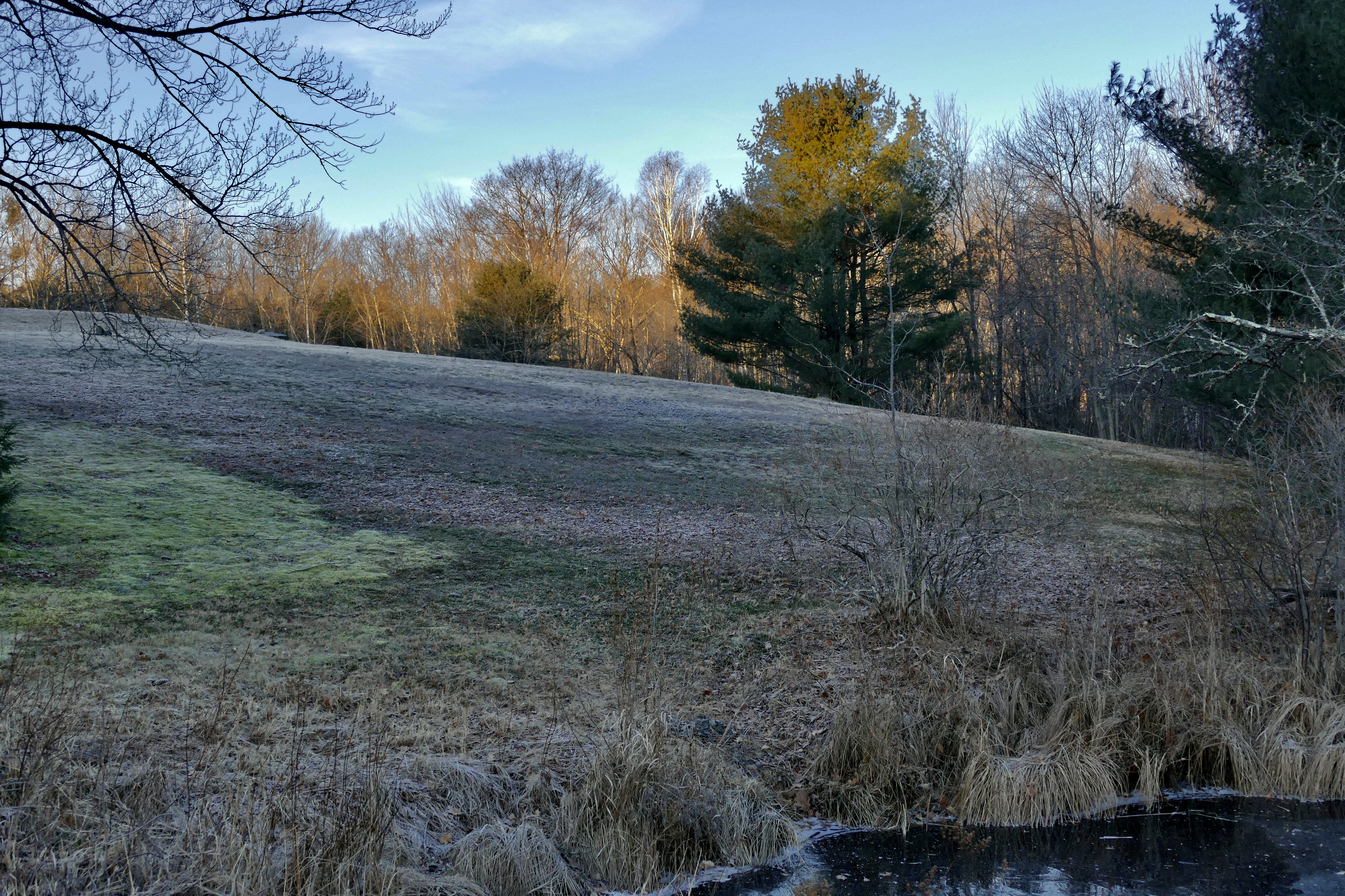
There is no snow here (though there has been excellent sleighing at Concord since the 5th) but it is very muddy–the frost coming out of the ground as in spring with us. I went to walk in the woods with R. It was wonderfully warm & pleasant & the cockerels crowed just as in a spring day at home–- I felt the winter breaking up in me & if I had been at home I should have tried to write poetry.
in Thoreau’s Journal:

Take long walks in stormy weather, or through deep snows in the fields and woods, if you would keep your spirits up. Deal with brute nature. Be cold and hungry and weary.
in Thoreau’s Journal:
I want to go soon and live away by the pond where I shall hear only the wind whispering among the reeds – It will be success if I shall have left myself behind. But my friends ask what I will do when I get there? Will it not be employment enough to watch the progress of the seasons?


in Thoreau’s Journal:
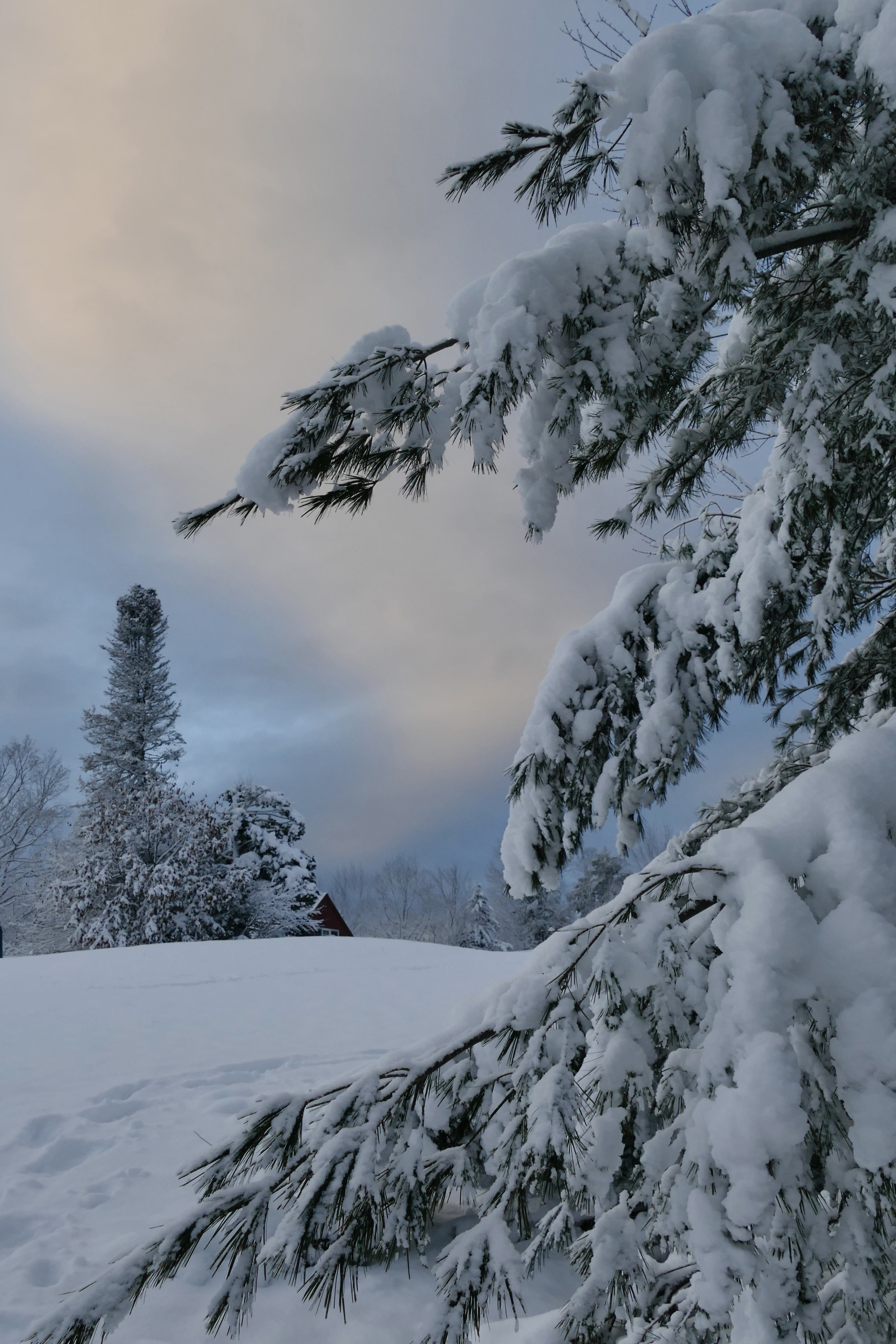
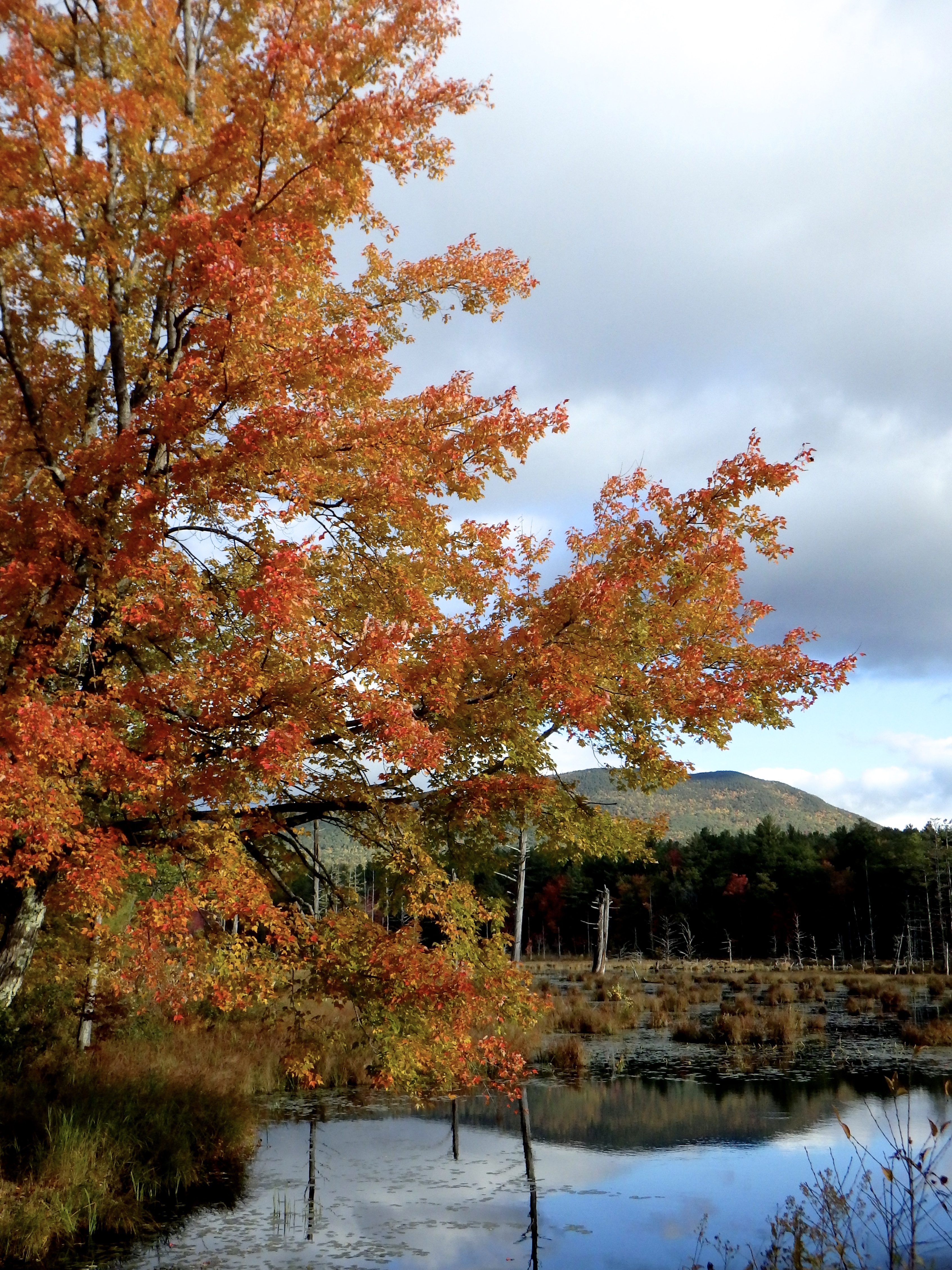
This morning, when I woke, I found it snowing, the snow fine and driving almost horizontally, as if it had set in for a long storm, but a little after noon it ceased snowing and began to clear up, and I set forth for a walk. The snow which we have had for the past week or 10 days has been remarkably light & dry. It is pleasant walking in the woods now when the sun is just coming out & shining on the woods freshly covered with snow— At a distance the oak woods look very venerable—a fine hale wintry aspect things wear and the pines all snowed up even suggest comfort. Where boughs cross each other much snow is caught—which now in all woods is gradually coming down.
in Thoreau’s Journal:
Three men are fishing on Flint’s Pond, where the ice is seven or eight inches thick.
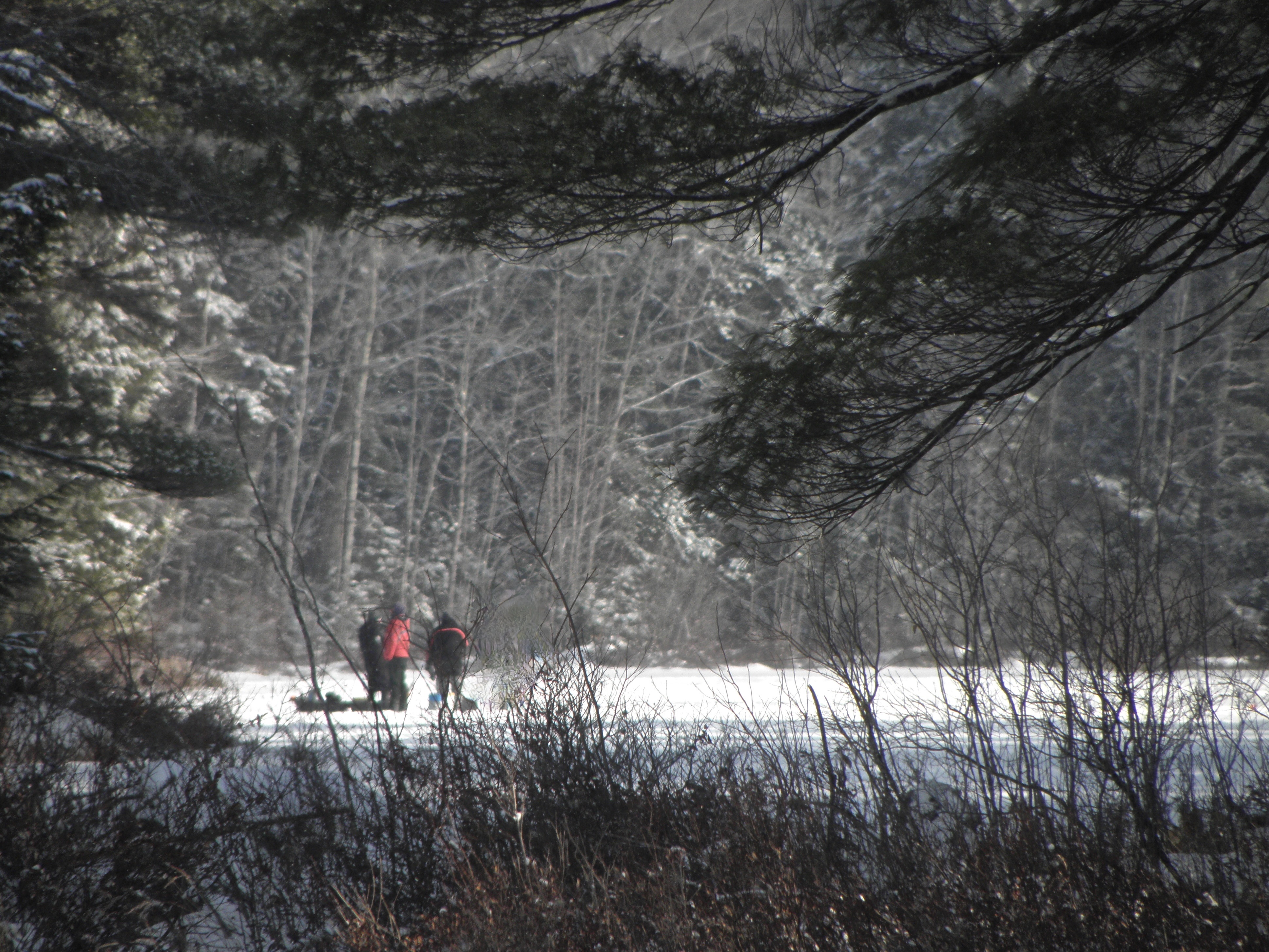
The fisherman stands erect and still on the ice, awaiting our approach, as usual forward to say that he has had no luck. He has been here since early morning, and for some reason or other the fishes won’t bite. You won’t catch him here again in a hurry. They all tell the same story. The amount of it is he has had “fisherman’s luck,” and if you walk that way you may find him at his old post to-morrow. It is hard, to be sure, — four little fishes to be divided between three men, and two and a half miles to walk; and you have only got a more ravenous appetite for the supper which you have not earned. However, the pond floor is not a bad place to spend a winter day.
 allandibiase.com
You must be logged in to post a comment.