in Thoreau’s Journal:

in Thoreau’s Journal:
in Thoreau’s Journal:
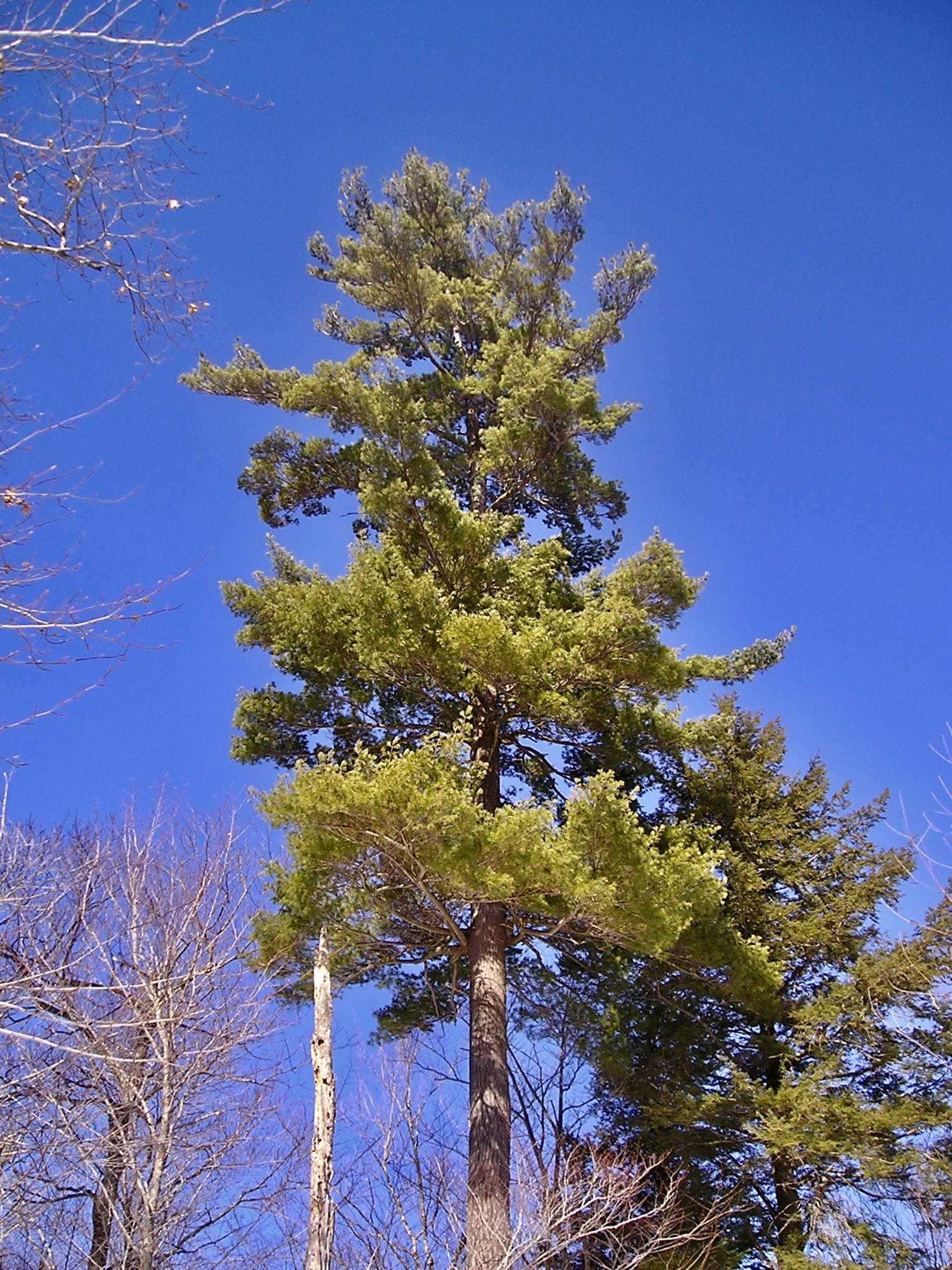
Nothing stands up more free from blame in this world than a pine-tree.
Go out before sunrise, or stay out till sunset.
in Thoreau’s Journal:

The witch hazel is covered with fruit, and droops over gracefully, like a willow, the yellow foundation of its flowers still remaining.

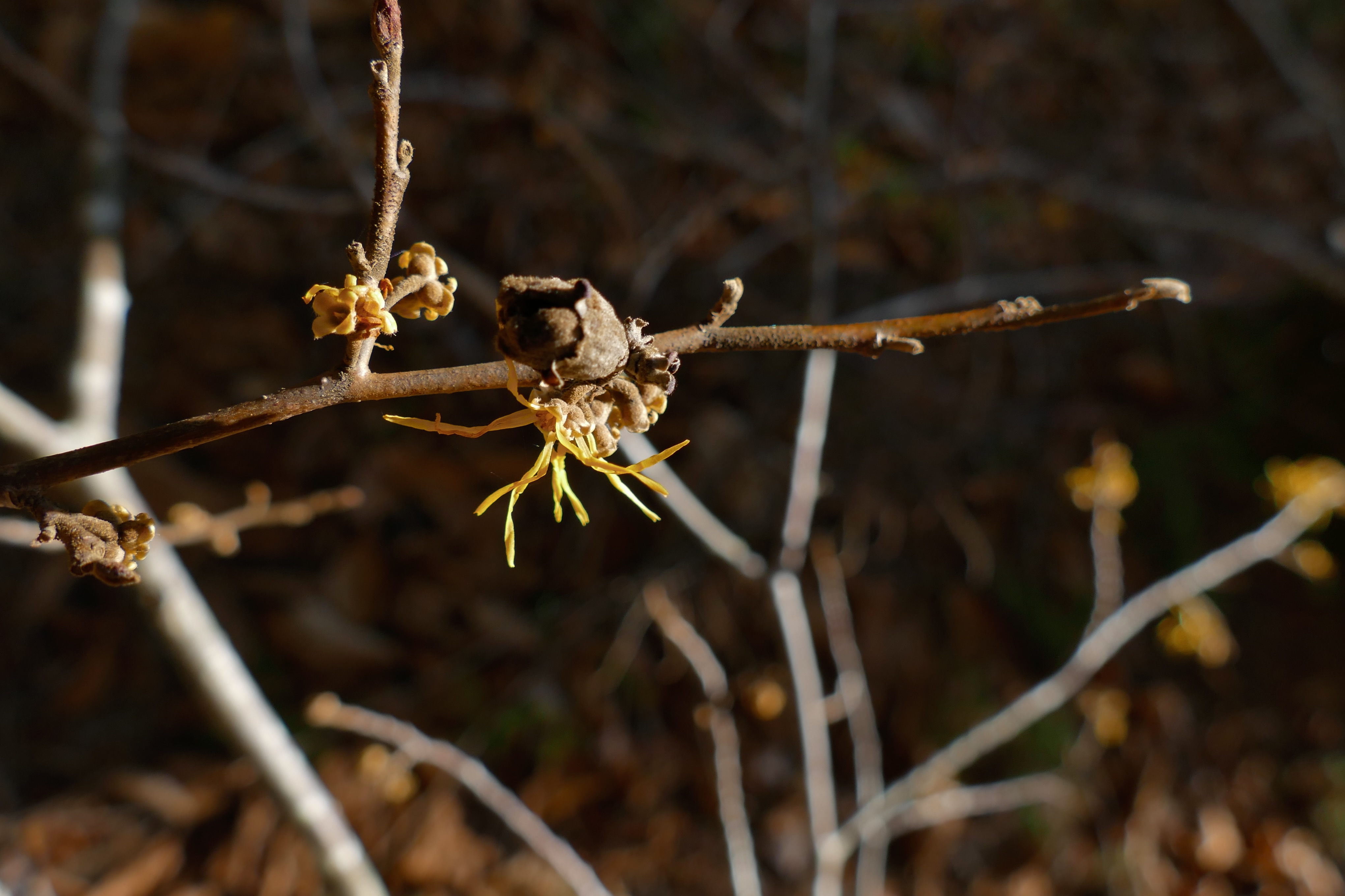

in Thoreau’s Journal
It rains but little this afternoon, though there is no sign of fair weather. Only the mist appears thinner here and there from time to time. It is a lichen day.

The pitch pines on the south of the road at the Colburn farm are very inspiriting to behold. Their green is as much enlivened and freshened as that of the lichens. It suggests a sort of sunlight on them, though not even a patch of clear sky is seen to-day. As dry and olive or slate-colored lichens are of a fresh and living green, so the already green pine-needles have acquired a far livelier tint, as if they enjoyed this moisture as much as the lichens do. They seem to be lit up more than when the sun falls on them. Their trunks, and those of trees generally, being wet, are very black, and the bright lichens on them are so much the more remarkable.

in Thoreau’s Journal:
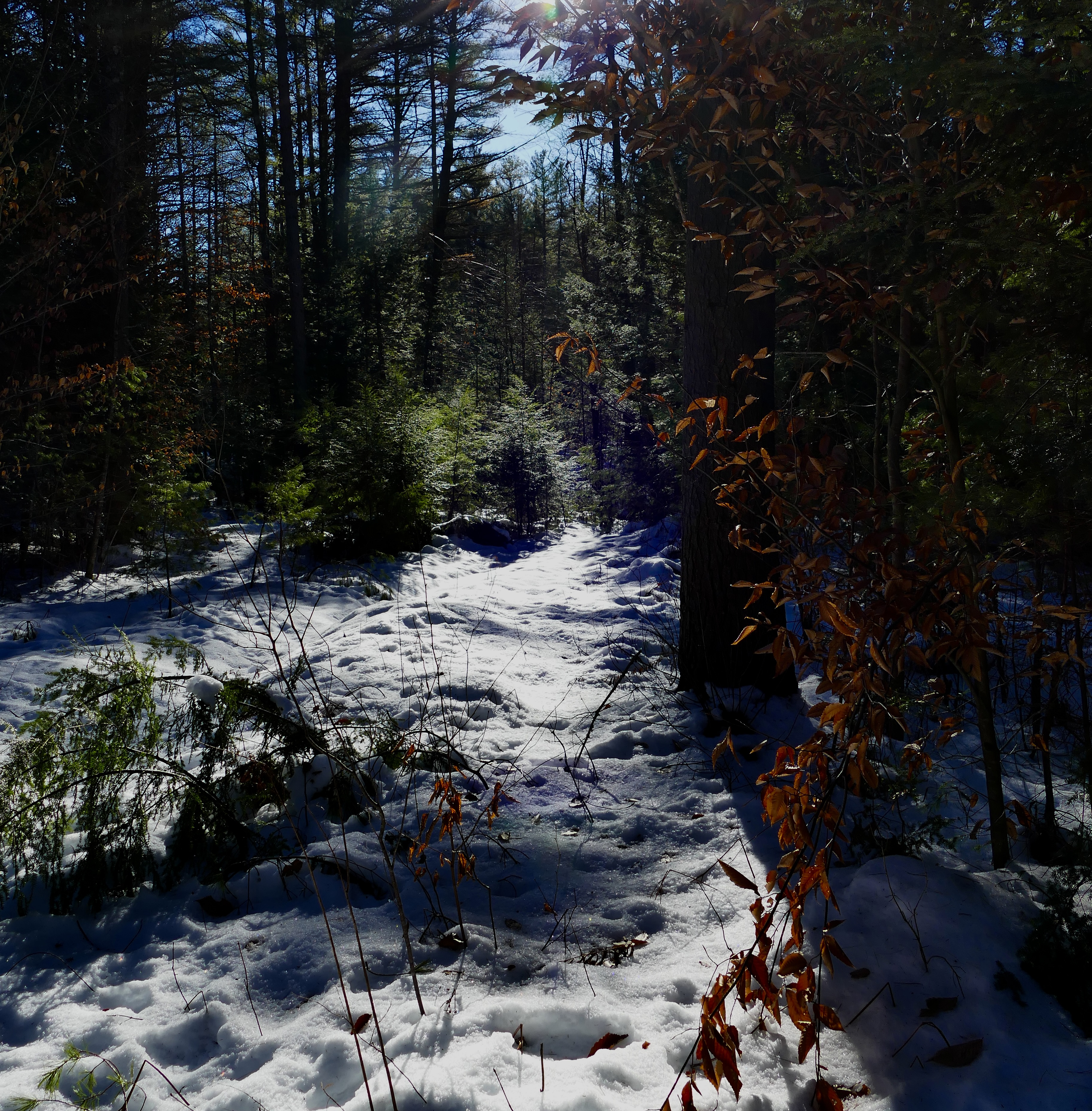
A certain dim religious light comes through this roof of pine leaves and snow. It is a sombre twilight, yet in some places the sun streams in, producing the strongest contrasts of light and shade.
in Thoreau’s Journal:


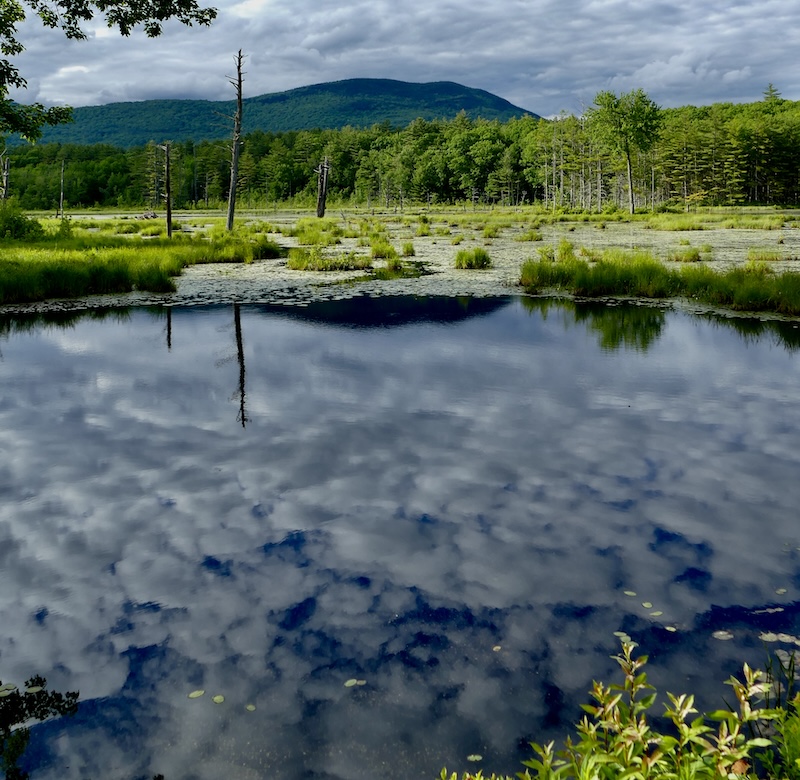
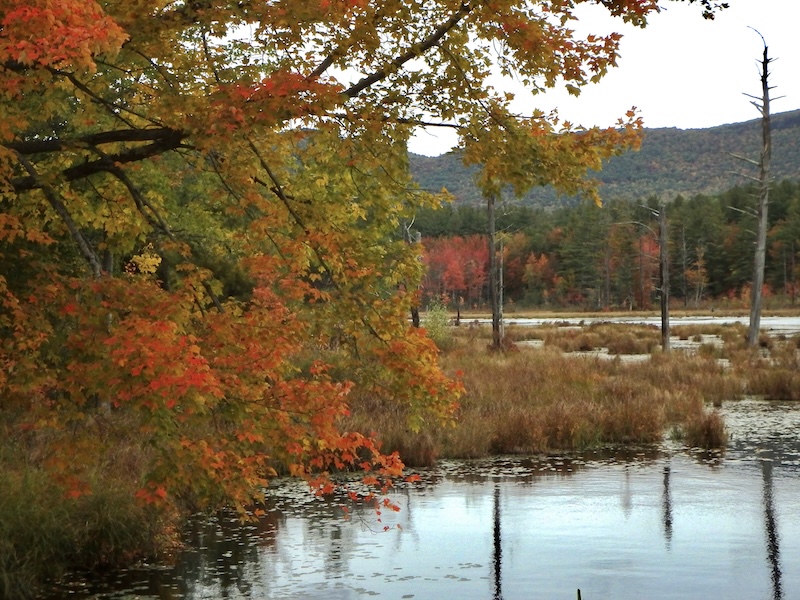
Would you be well, see that you are attuned to each mood of nature.
in Thoreau’s Journal:
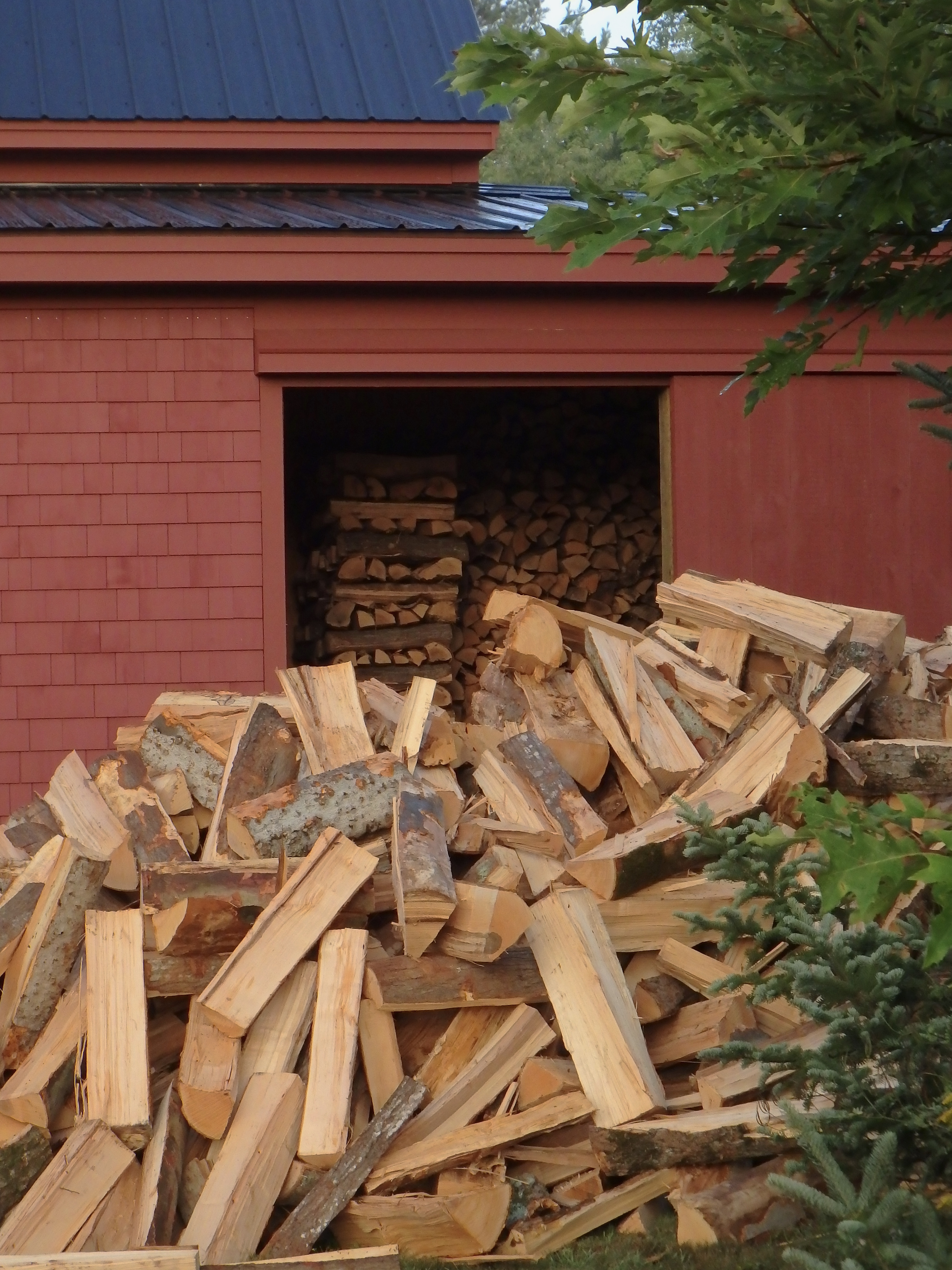
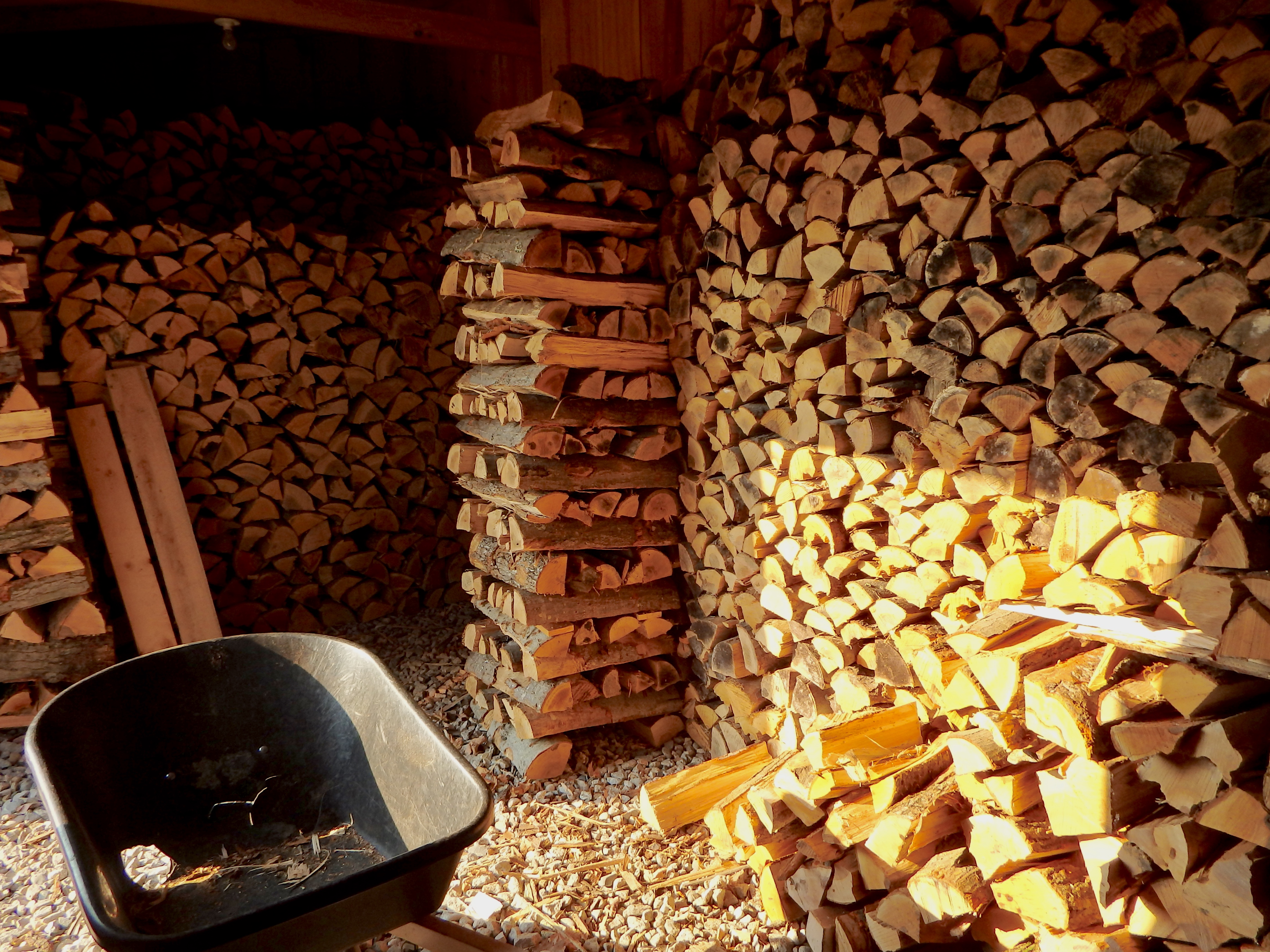
Philosophy is a Greek word by good rights, and it stands almost for a Greek thing. Yet some rumor of it has reached the commonest mind. M. Miles, who came to collect his wood-bill today, said, when I objected to the small size of his wood, that it was necessary to split wood fine in order to cure it well, that he had found that that was more than four inches in diameter would not dry, and moreover a good deal depended on the manner in which it was corded up in the woods. He piled his high and tightly. If this were not well done the stakes would spread and the wood lie loosely, and so the rain and snow find their way into it. And he added, “I have handled a good deal of wood, and I think that I understand the philosophy of it.”
in Thoreau’s Journal:
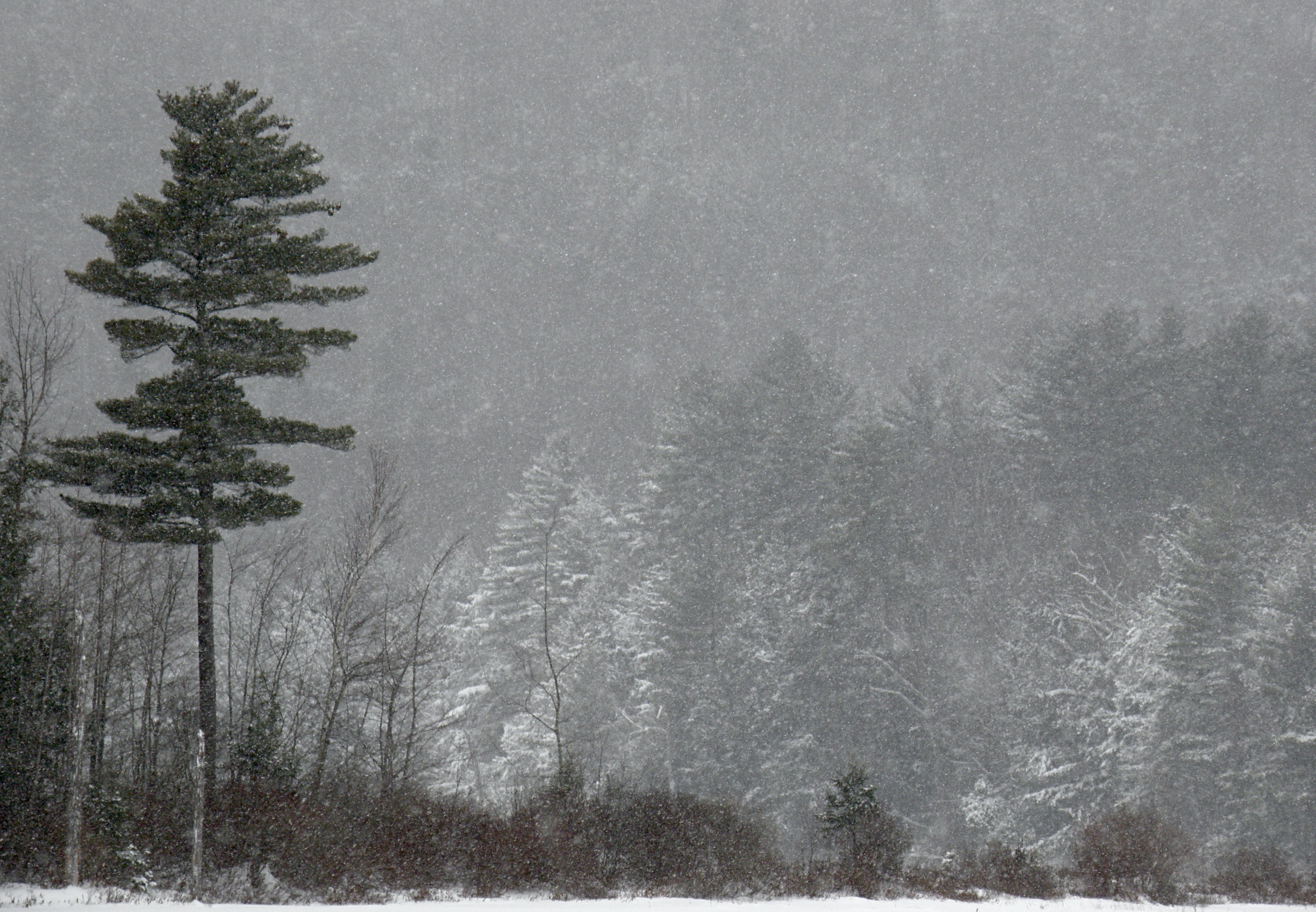
We have now the scenery of winter, though the snow is but an inch or two deep.
in Thoreau’s Journal:
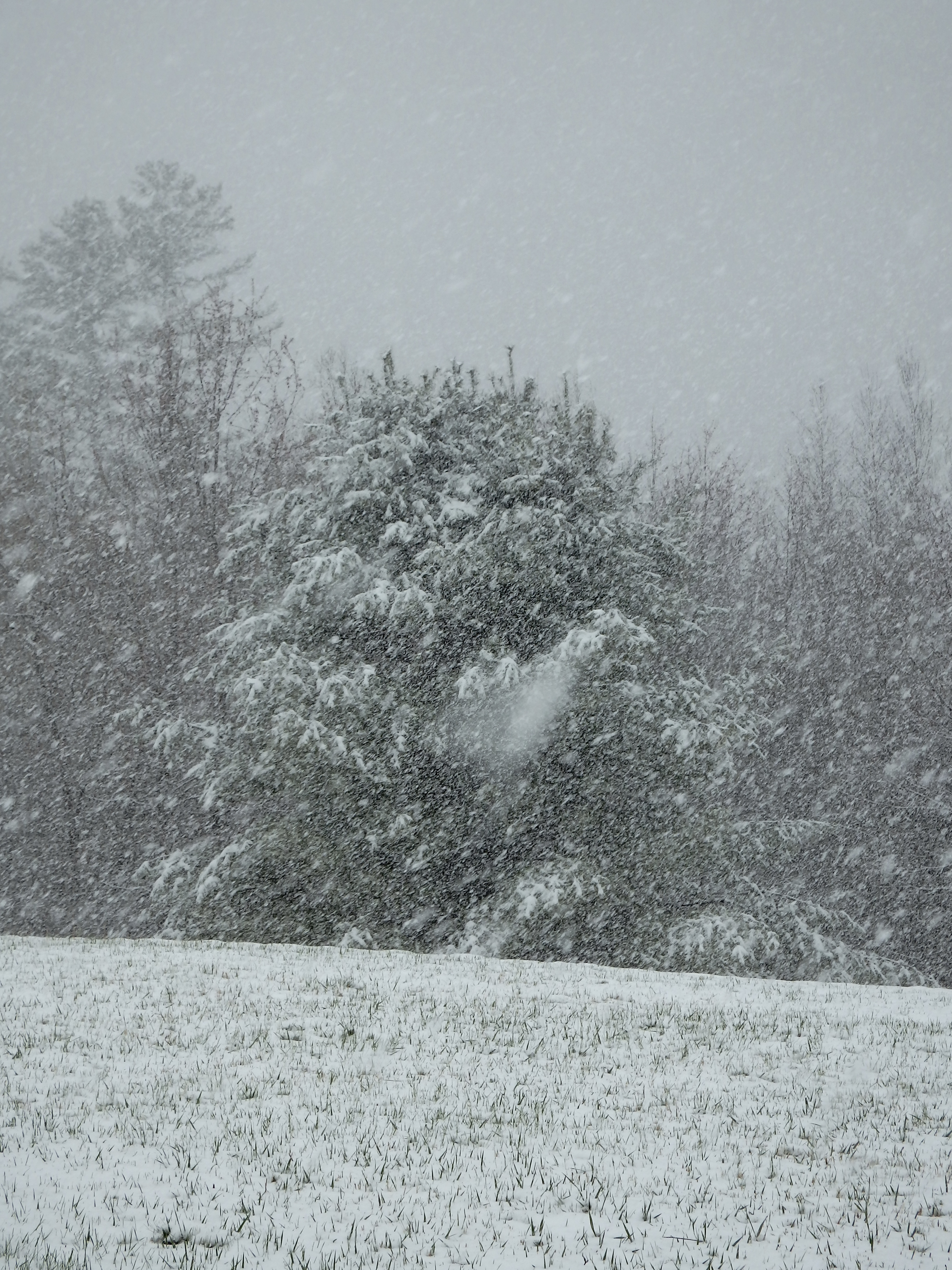
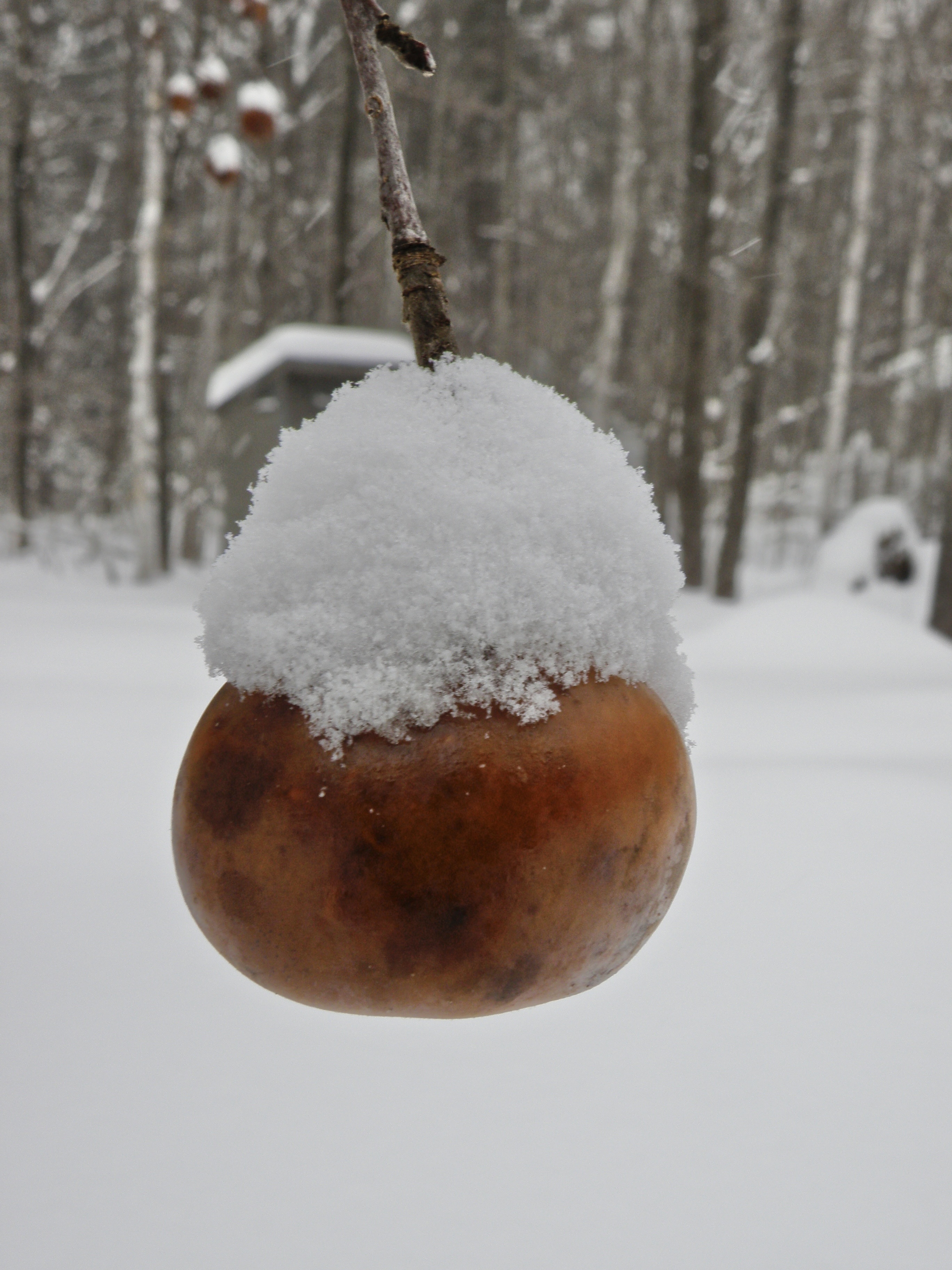
This morning it is snowing, and the ground is whitened. The countless flakes, seen against the dark evergreens like a web that is woven in the air, impart a cheerful and busy aspect to nature. It is like a grain that is sown, or like leaves that have come to clothe the bare trees. Now, by 9 o’clock, it comes down in larger flakes, and I apprehend that it will soon stop. It does.
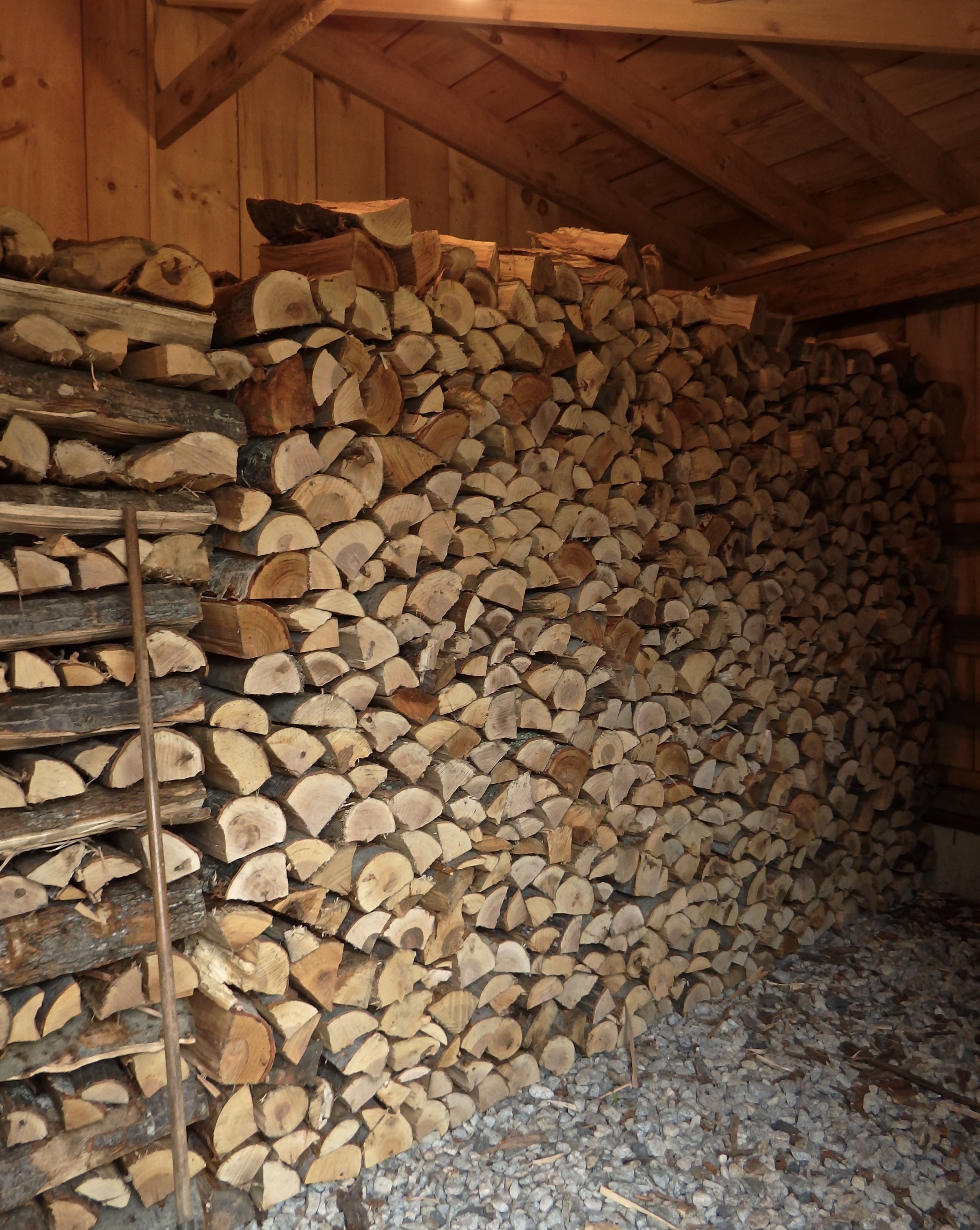
How pleasant a sense of preparedness for the winter, —plenty of wood in the shed and potatoes and apples, etc., in the cellar, and the house banked up! Now it will be a cheerful sight to see the snows descend and hear the blast howl.
in Thoreau’s Journal:
The night comes on early these days, and I soon see the pine tree tops distinctly outlined against the dun (or amber) but cold western sky.
The snow having come, we see where is the path of the partridge, —his comings and goings from copse to copse, —and now first, as it were, we have the fox for our nightly neighbor, and countless tiny deer mice. So, perchance, if a still finer substance should fall from heaven (iodine?), something delicate enough to receive the trace of their footsteps, we should see where unsuspected spirits and faery visitors had hourly crossed our steps, had held conventions and transacted their affairs in our midst. No doubt such subtle spirits transact their affairs in our midst, and we may perhaps invent some sufficiently delicate surface to catch the impression of them.
If in the winter there are fewer men in the fields and woods, —as in the country generally, —you see the tracks of those who had preceded you, and so are more reminded of them than in summer.


in Thoreau’s Journal:
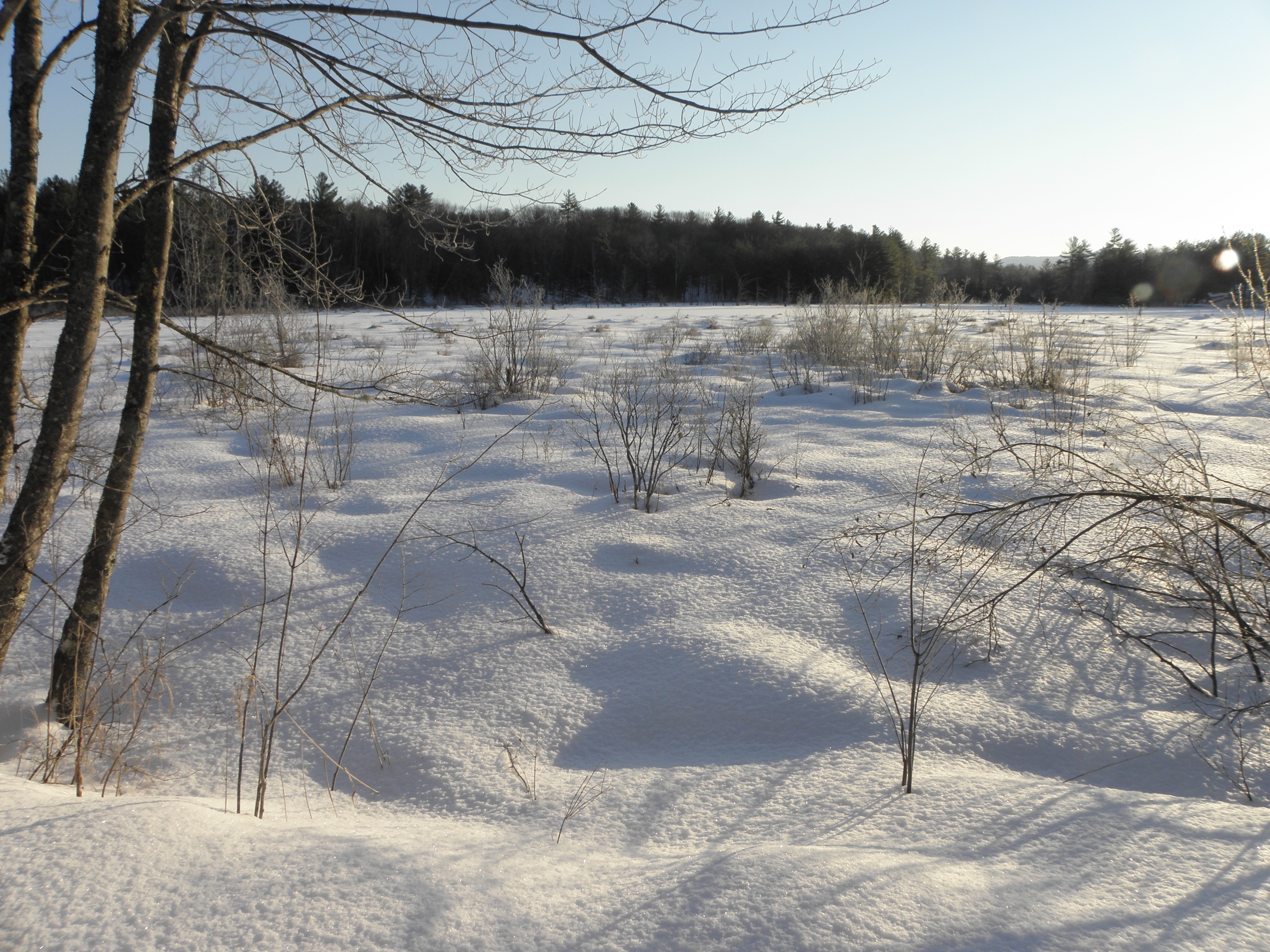
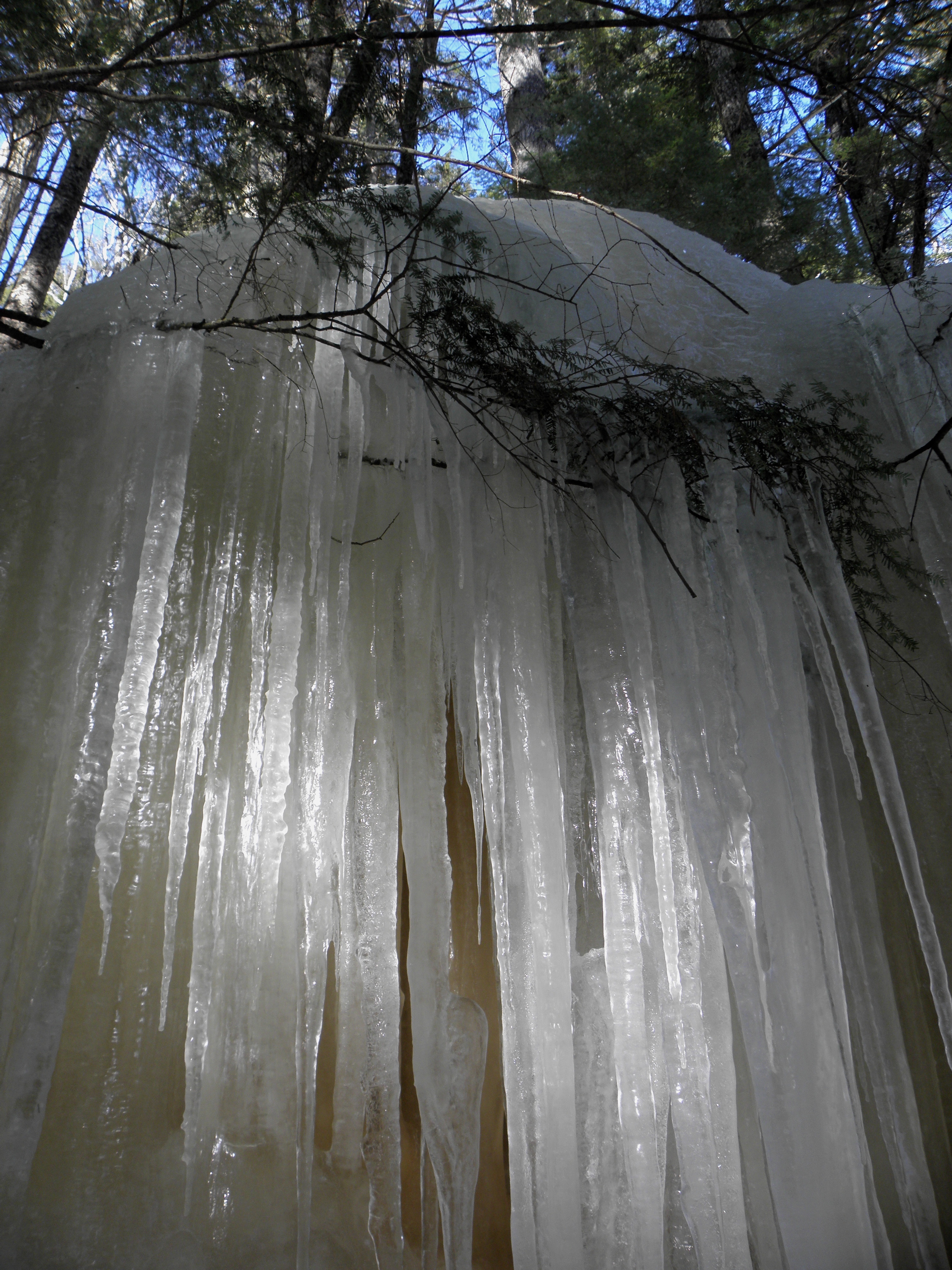
The winter with its snow and ice is not an evil to be corrected…..To perceive freshly, with fresh senses, is to be inspired. Great winter itself looked like a precious gem reflecting rainbow colors from one angle.
in Thoreau’s Journal:
It is remarkable how suggestive the slightest drawing is as memento of things seen. For a few years past I have been accustomed to make a rude sketch in my journal, of plants, ice, and various natural phenomena, and though the fullest accompanying description may fail to recall my experience, these rude outline drawings do not fail to carry me back to that time and scene. It is as if I saw the same things again, and I may again attempt to describe it in words if I choose.
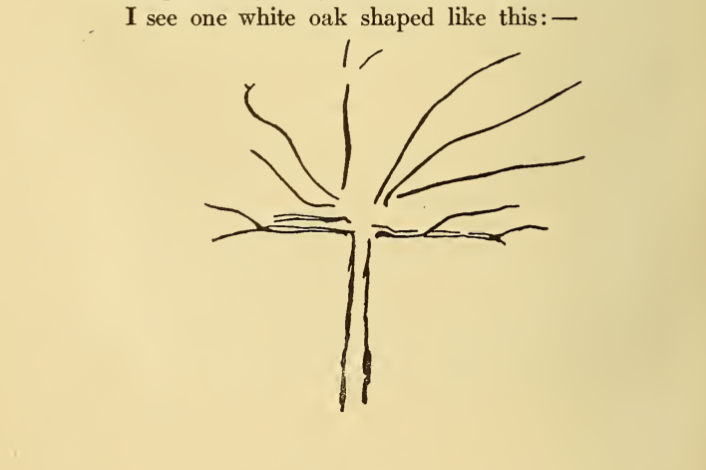
[Thoreau’s illustration is from his Journal, November 16, 1860]
in Thoreau’s Journal:

A bewitching stillness reigns through all the woodland, and over all the snow-clad landscape. Indeed, the winter day in the woods or fields has commonly the stillness of twilight. The pond is perfectly smooth and full of light.
in Thoreau’s Journal:
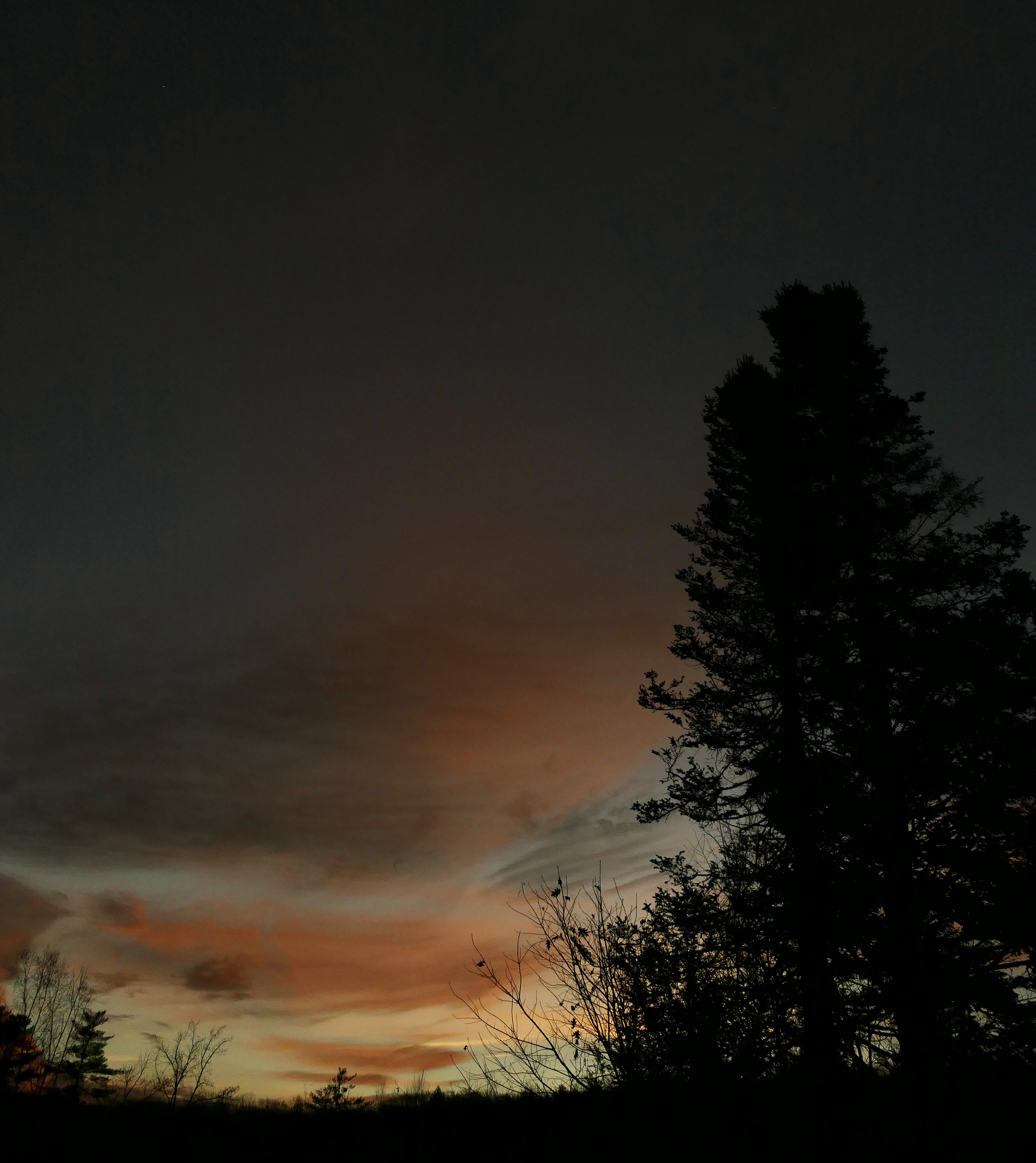
7 A. M. – How can we spare to be abroad in the morning red, to see the forms of the leafless eastern trees against the dun sky and hear the cocks crow, when a thin low mist hangs over the ice and frost in meadows?
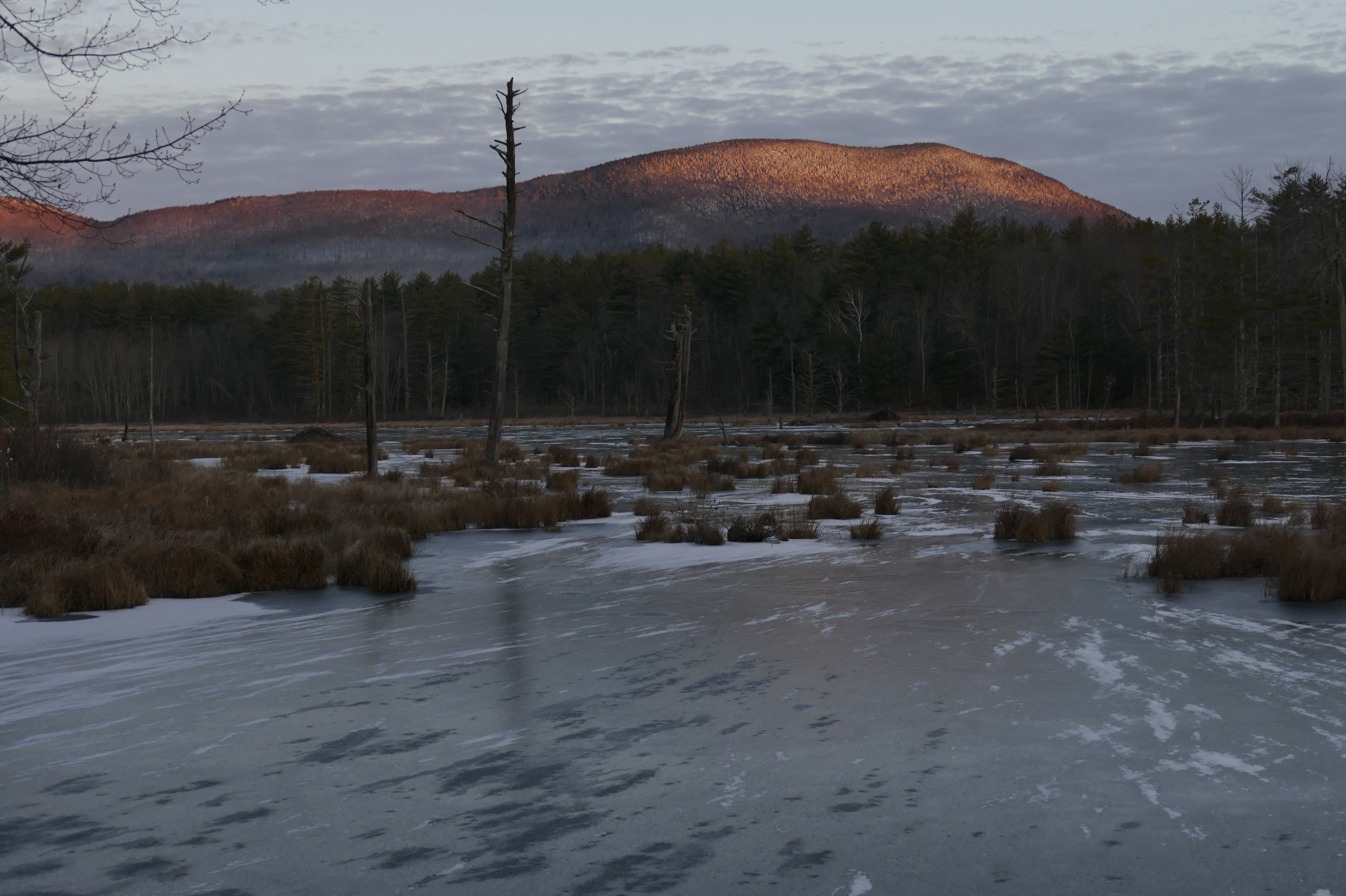
in Thoreau’s Journal:
That grand old poem called Winter is round again without any connivance of mine. As I sit under Lee’s Cliff, where the snow is melted, amid sere pennyroyal and frost-bitten catnep, I look over my shoulder upon an arctic scene. I see with surprise the pond a dumb white surface of ice speckled with snow, just as so many winters before, where so lately were lapsing waves or smooth reflecting water.
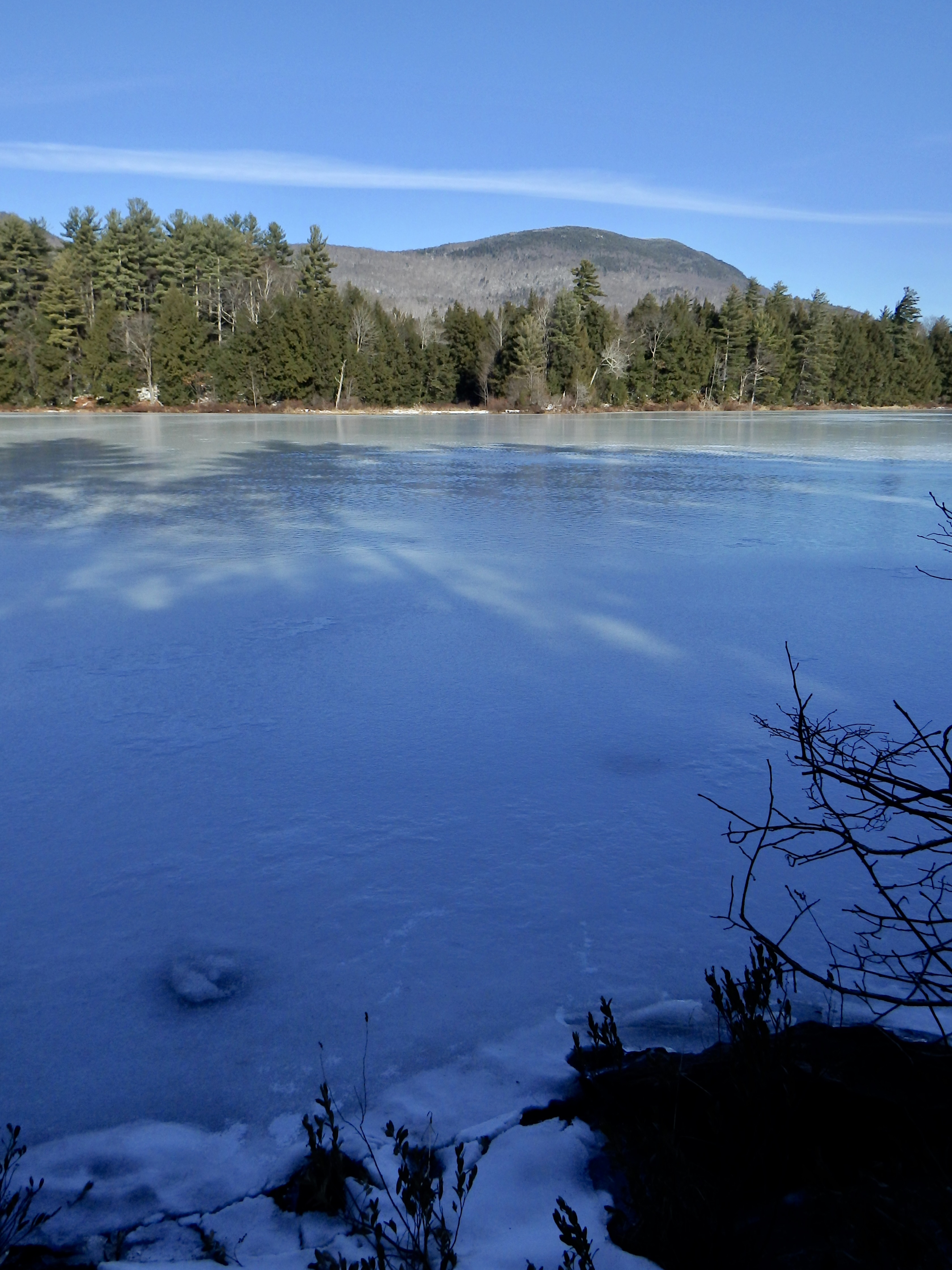
I see the holes which the pickerel-fisher has made, and I see him, too, retreating over the hills, drawing his sled behind him. The water is already skimmed over again there. I hear, too, the familiar belching voice of the pond. It seemed as if winter had come without any interval since midsummer, and I was prepared to see it flit away by the time I again looked over my shoulder. It was as if I had dreamed it. But I see that the farmers have had time to gather their harvests as usual, and the seasons have revolved as slowly as in the first autumn of my life. The winters come now as fast as snowflakes. It is wonderful that old men do not lose their reckoning. It was summer, and now again it is winter. Nature loves this rhyme so well that she never tires of repeating it. So sweet and wholesome is the winter, so simple and moderate, so satisfactory and perfect, that her children will never weary of it. What a poem! an epic in blank verse, enriched with a million tinkling rhymes. It is solid beauty. It has been subjected to the vicissitudes of millions of years of the gods, and not a single superfluous ornament remains. The severest and coldest of the immortal critics have shot their arrows at and pruned it till it cannot be amended.
in Thoreau’s Journal:
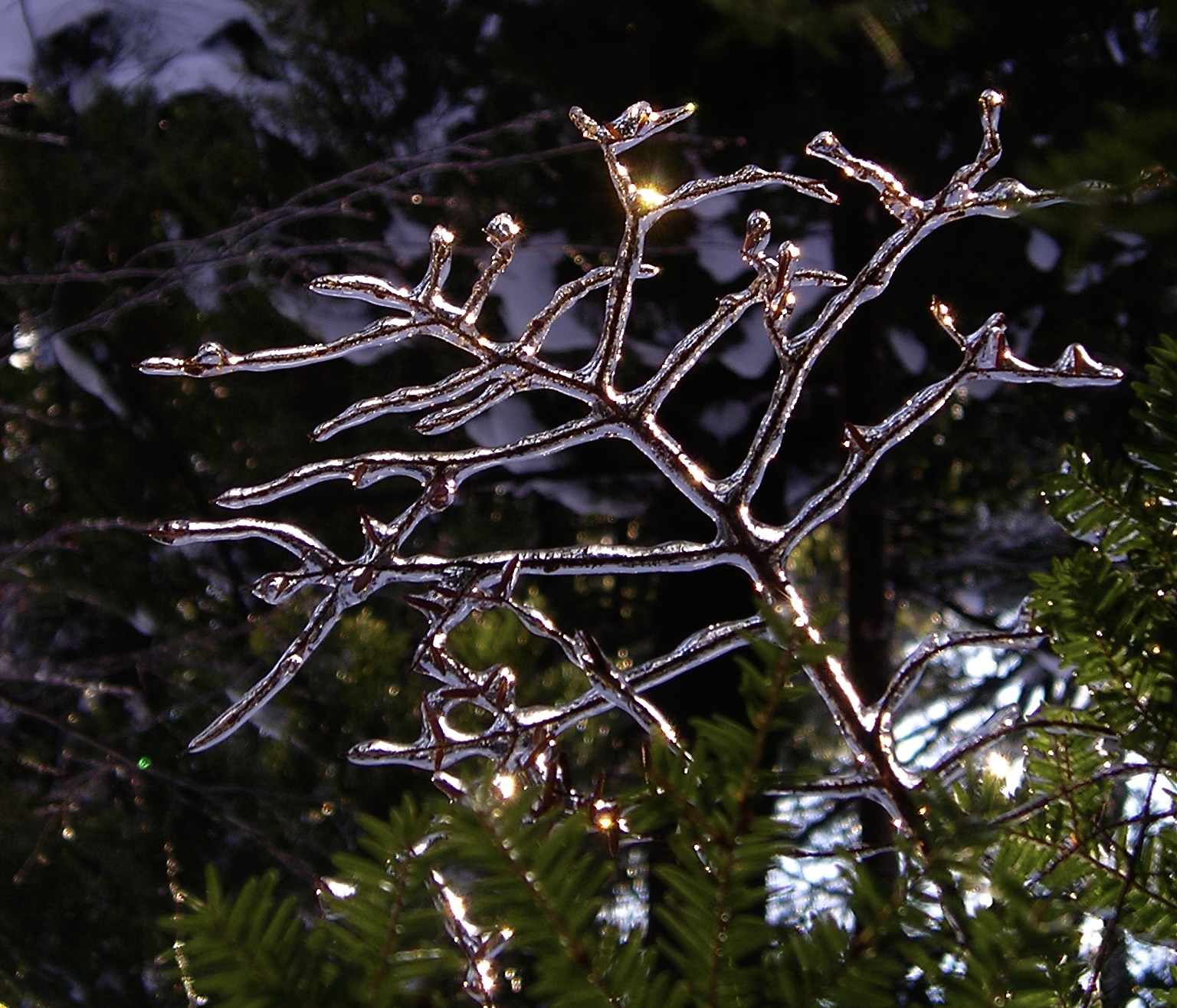
Go out at 9 AM to see the glaze. It is already half fallen, melting off. The dripping trees and wet falling ice will wet you through like rain in the woods. It is a lively sound, a busy tinkling, the incessant brattling and from time to time rushing, crashing sound of this falling ice, and trees suddenly erecting themselves when relieved of their loads. It is now perfect only on the north sides of woods which the sun has not touched or affected. Looking at a dripping tree between you and the sun, you may see here or there one or another rainbow color, a small brilliant point of light.
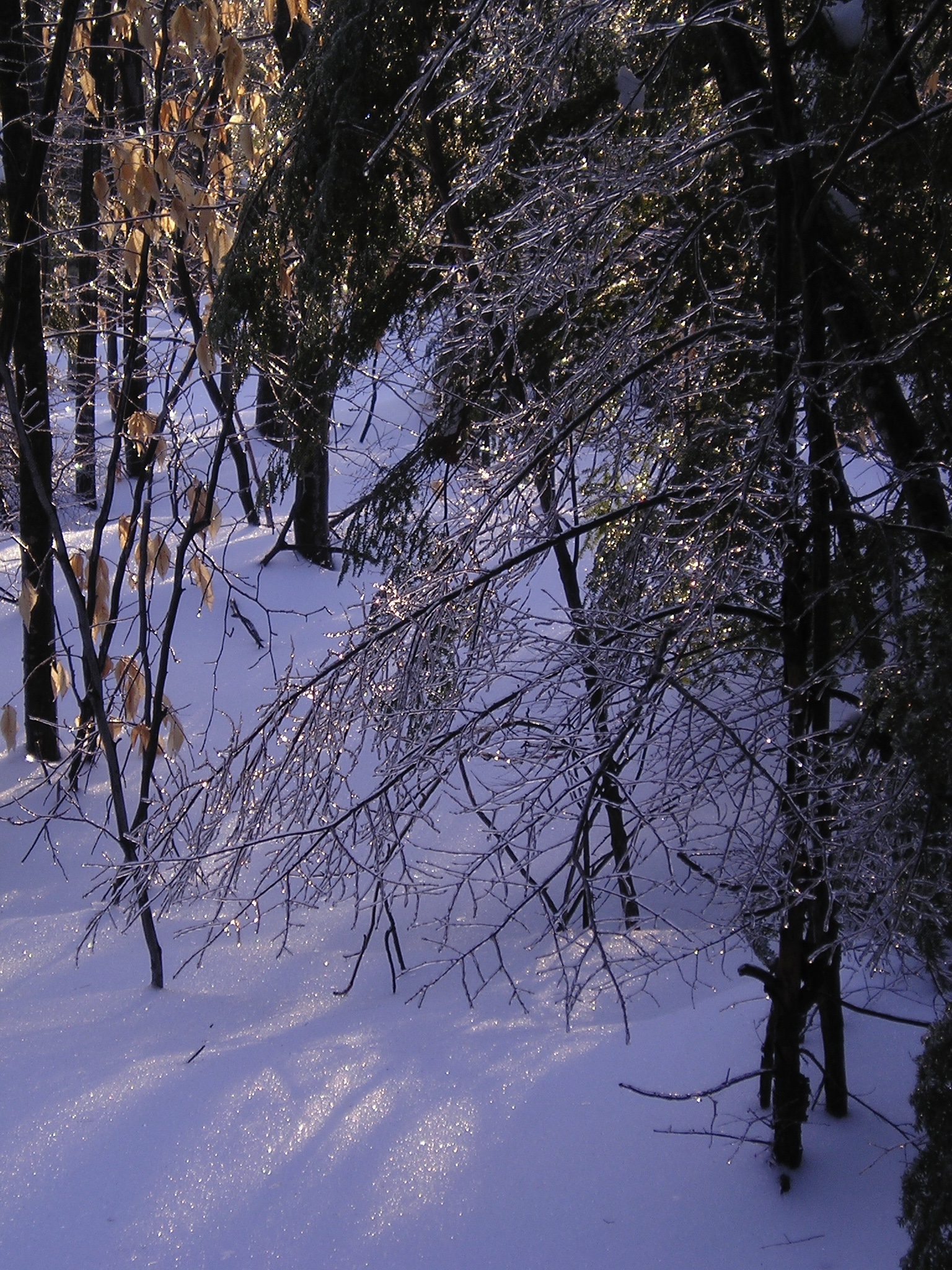
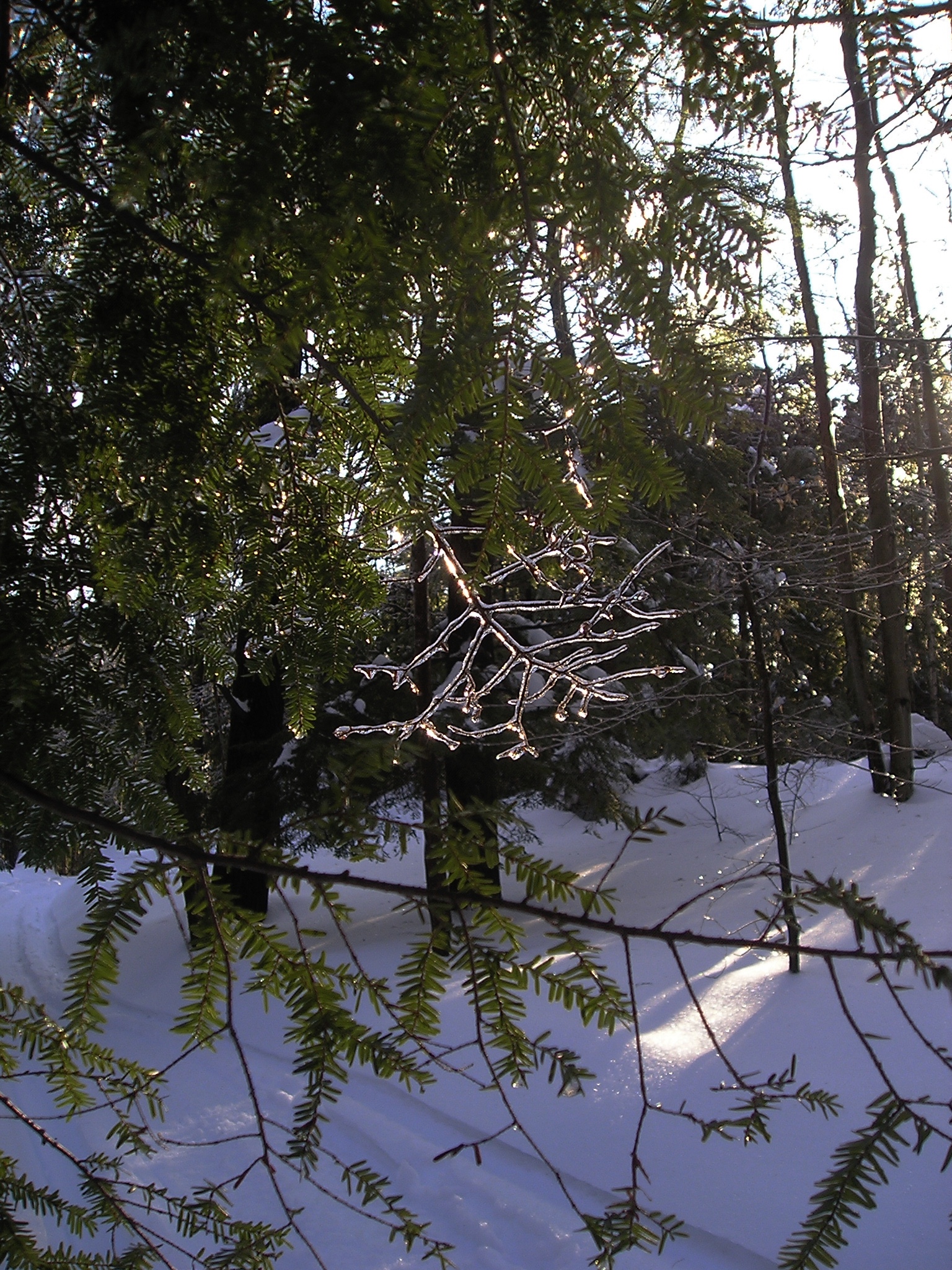
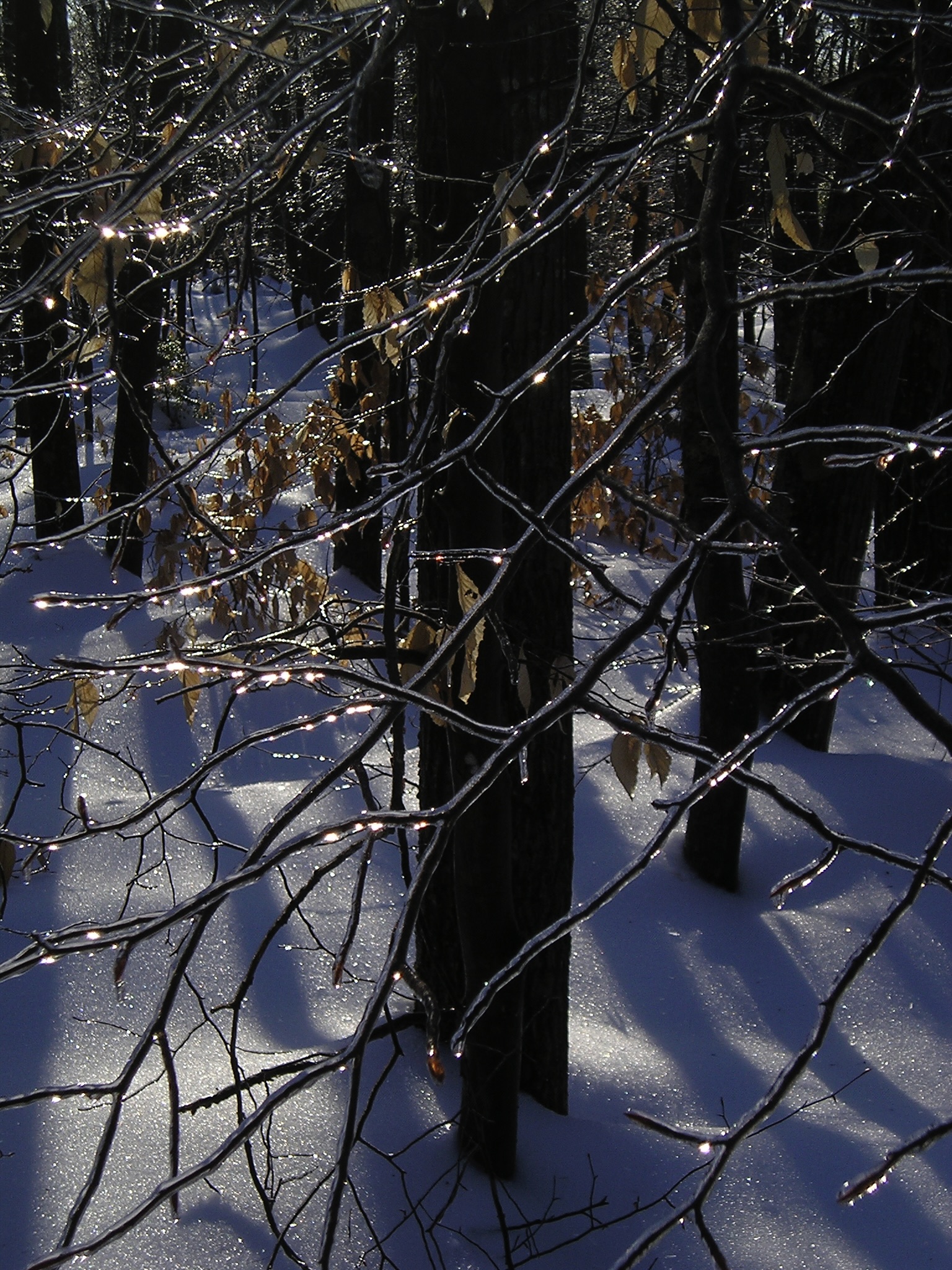
in Thoreau’s Journal:

Rather hard walking in the snow— There is a slight mist in the air—& accordingly some glaze on the twigs & leaves—& thus suddenly we have passed from Ind. summer to winter. The perfect silence, as if the whispering & creaking earth were muffled–– the stillness of the twigs & of the very weeds & withered grasses as if they were sculpted out of marble—are striking. It is as if you had stept from the withered garden into the yard of a sculptor or worker in marble crowded with delicate works—rich & rare.
in Thoreau’s Journal:

Awake to winter, and snow two or three inches deep, the first of any consequence.
in Thoreau’s Journal:
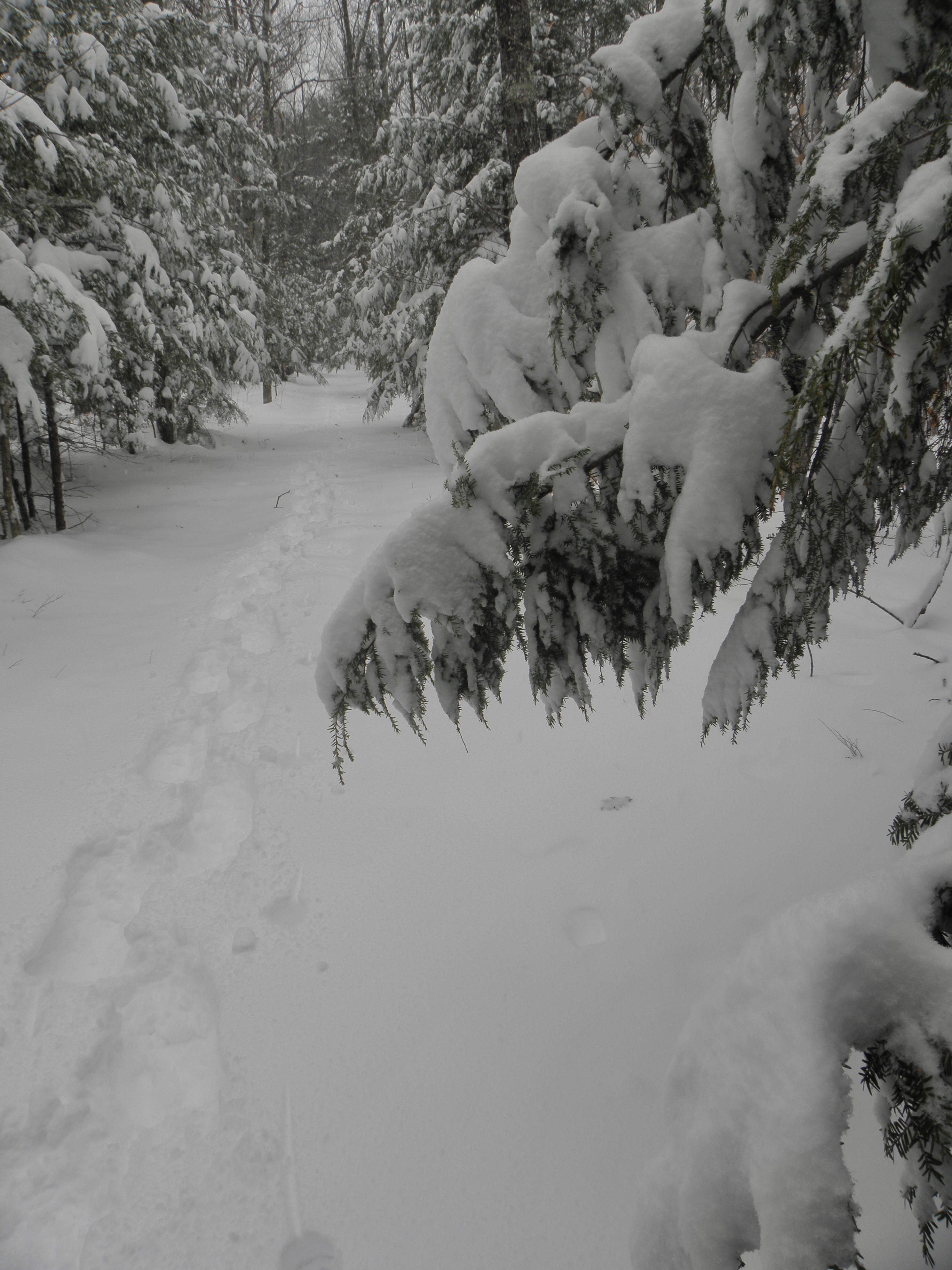
Sunday. The first snow of consequence fell in the evening, very damp (wind northeast); five or six inches deep in morning, after very high wind in the night.
in Thoreau’s Journal:
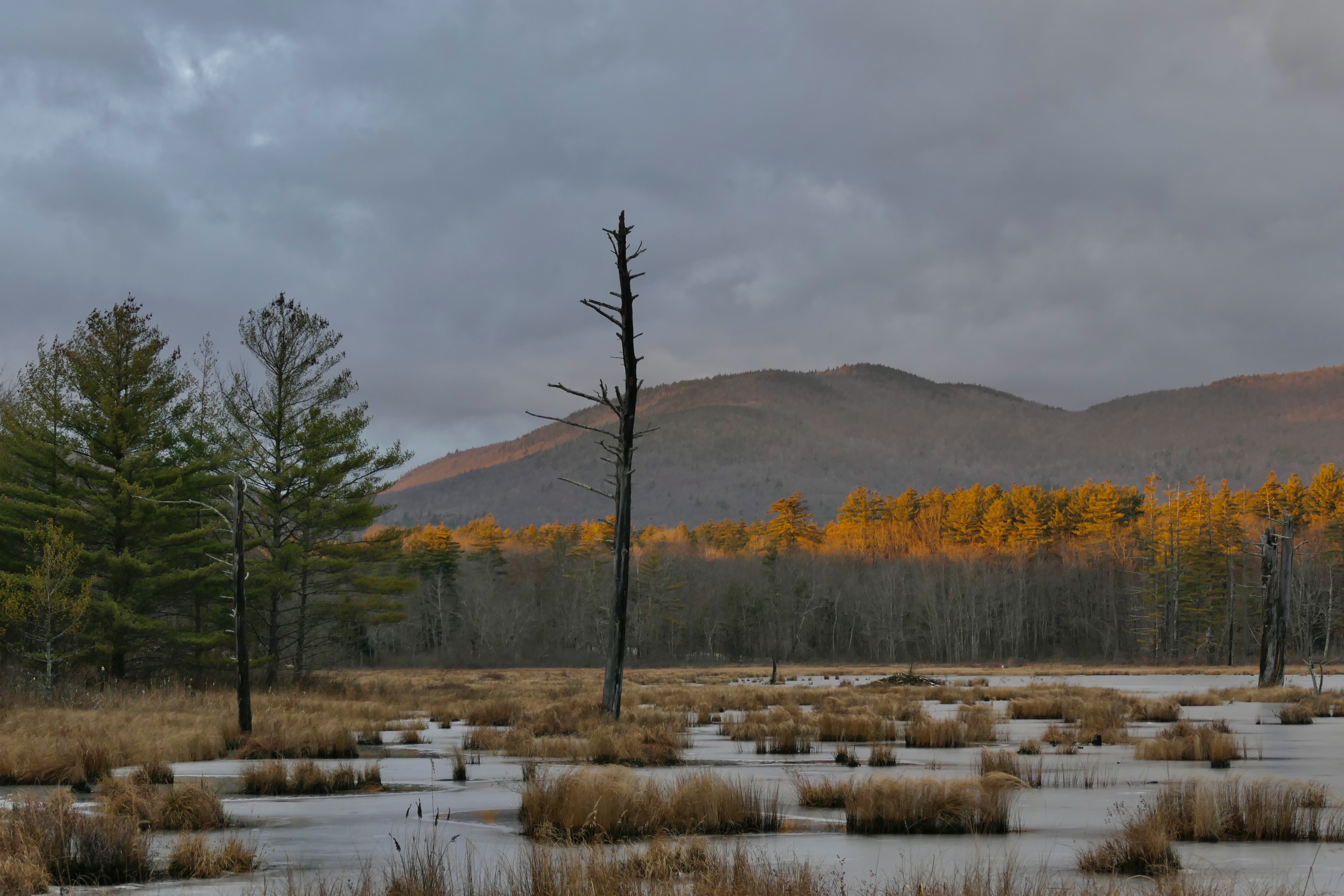
Look at the trees, bare or rustling with sere brown leaves, except the evergreens; the buds dormant at the foot of the leaf-stalks; look at the fields, russet and withered, and the various sedges and weeds with dry bleached culms: such is our relation to nature at present, such plants are we. We have no more sap, nor verdure, nor color now.

I remember how cheerful it has been formerly to sit round a fire outdoors amid the snow, and while I felt some cold, to feel some warmth also, and see the fire gradually increasing and prevailing over damp steaming and dripping logs, and making a warm hearth for me. Even in winter we maintain a temperate cheer, a serene inward life not destitute of warmth and melody.
 allandibiase.com
You must be logged in to post a comment.