in Thoreau’s Journal:
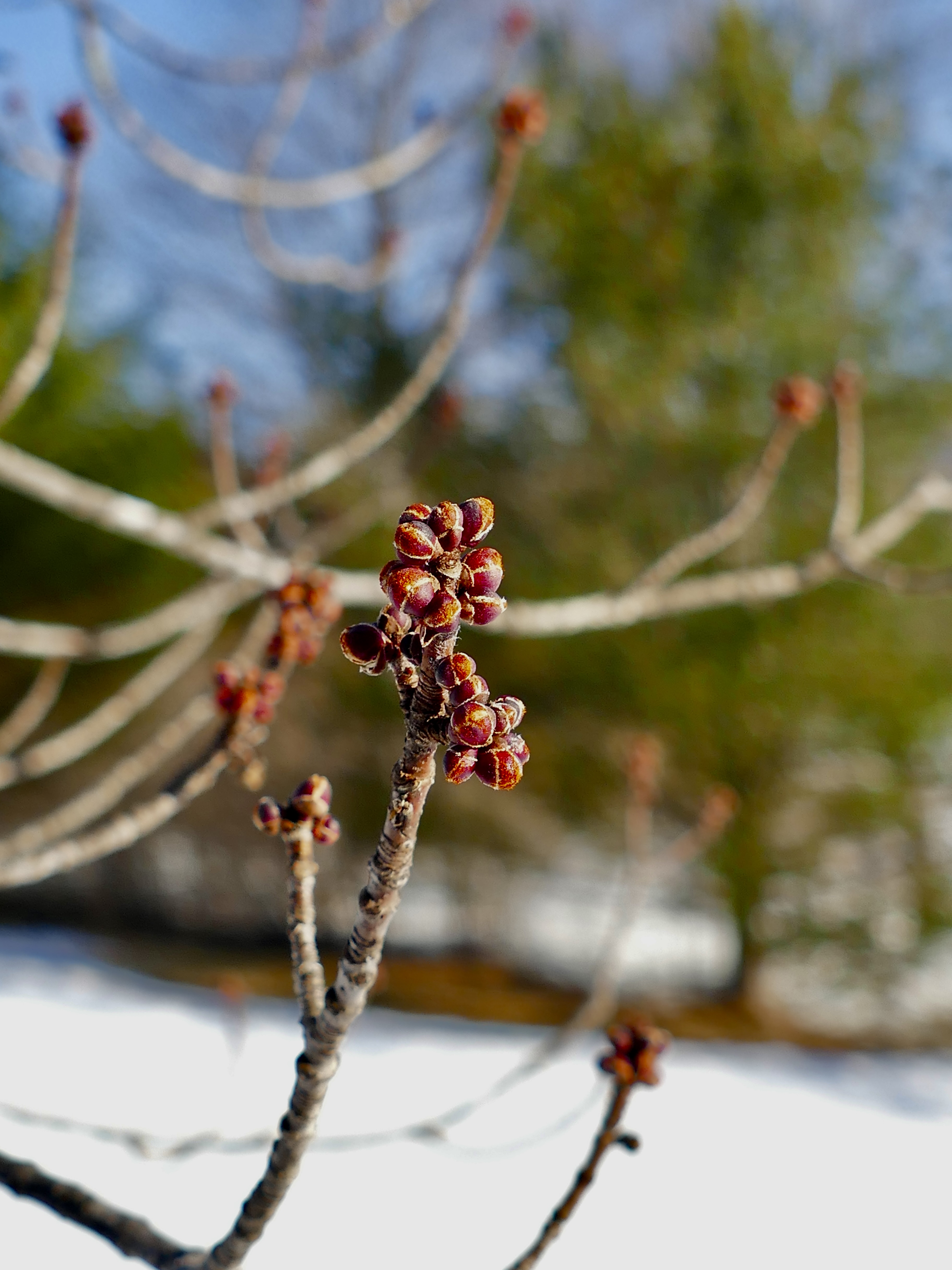
If you make the least correct observation of nature this year, you will have occasion to repeat it with illustrations the next, and the season and life itself is prolonged.
in Thoreau’s Journal:
If you make the least correct observation of nature this year, you will have occasion to repeat it with illustrations the next, and the season and life itself is prolonged.
in Thoreau’s Journal:
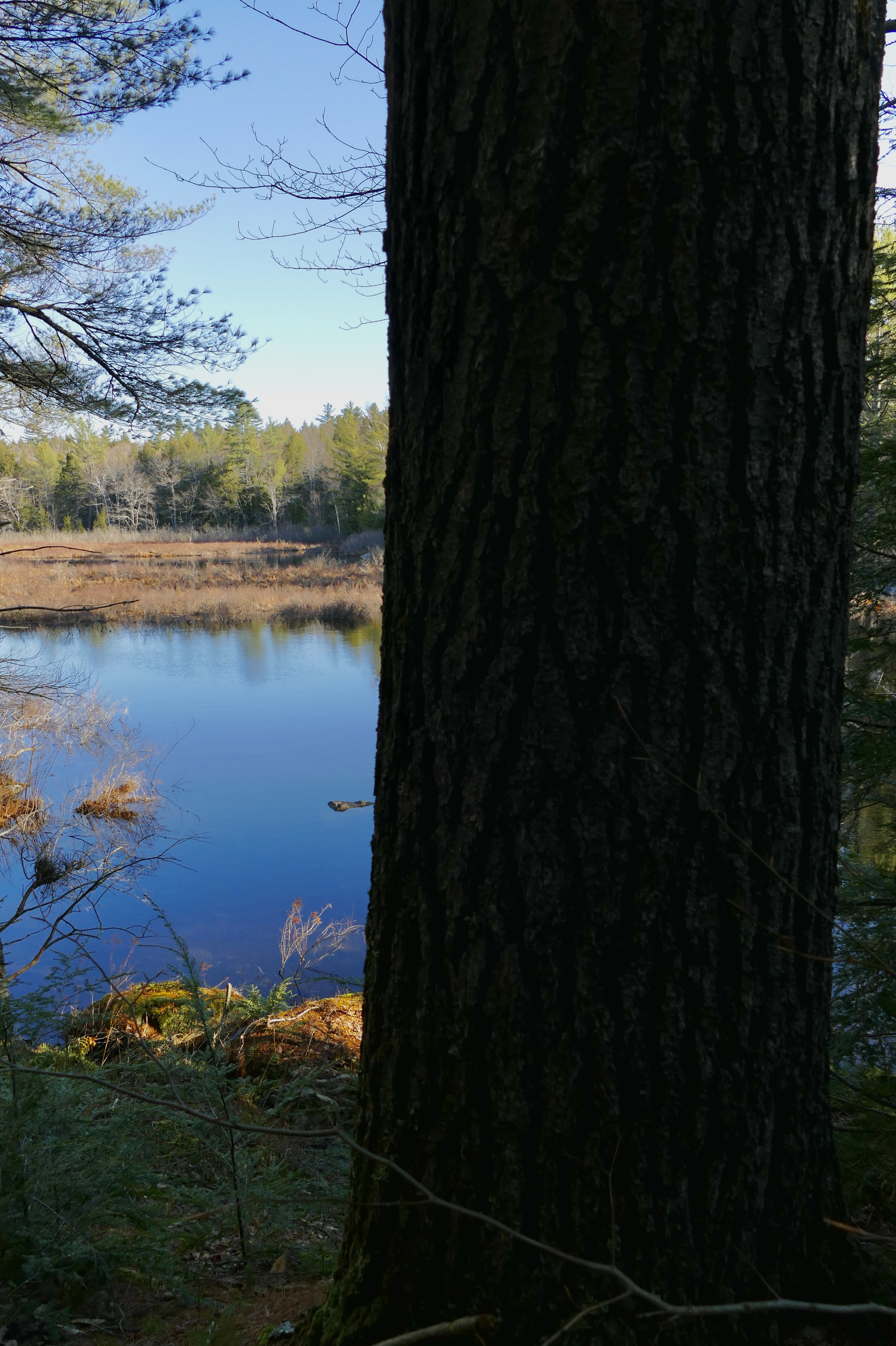
The aspect of April waters, smooth and commonly high, before many flowers (none yet) or any leafing while the landscape is still russet, and frogs are just awakening, is peculiar.
in Thoreau’s Journal:

Begin to look off the hills & see the landscape again through a slight haze, with warm wind on the cheek.
in Thoreau’s Journal:
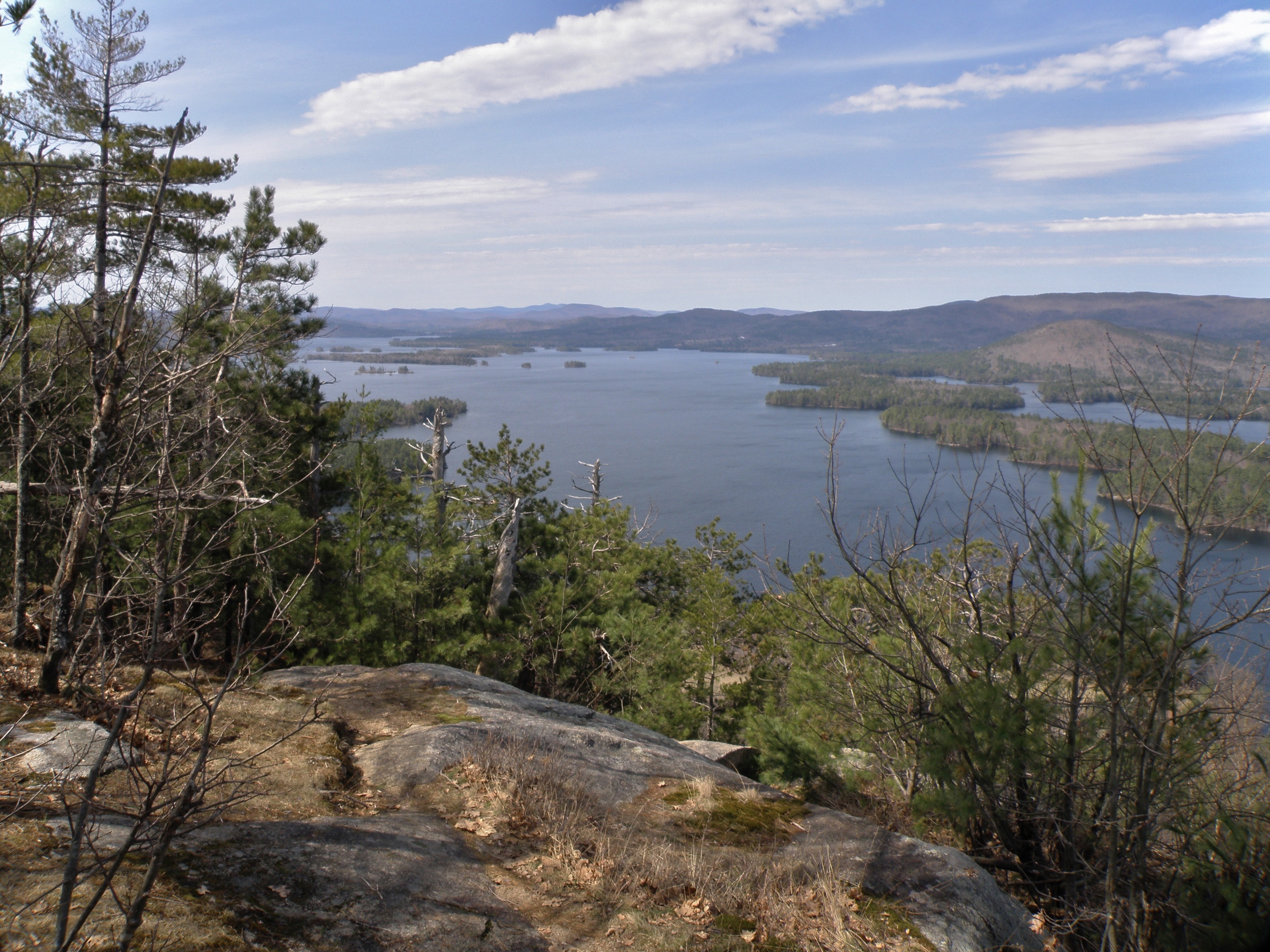
The atmosphere of morning gives a healthy hue to our prospects.
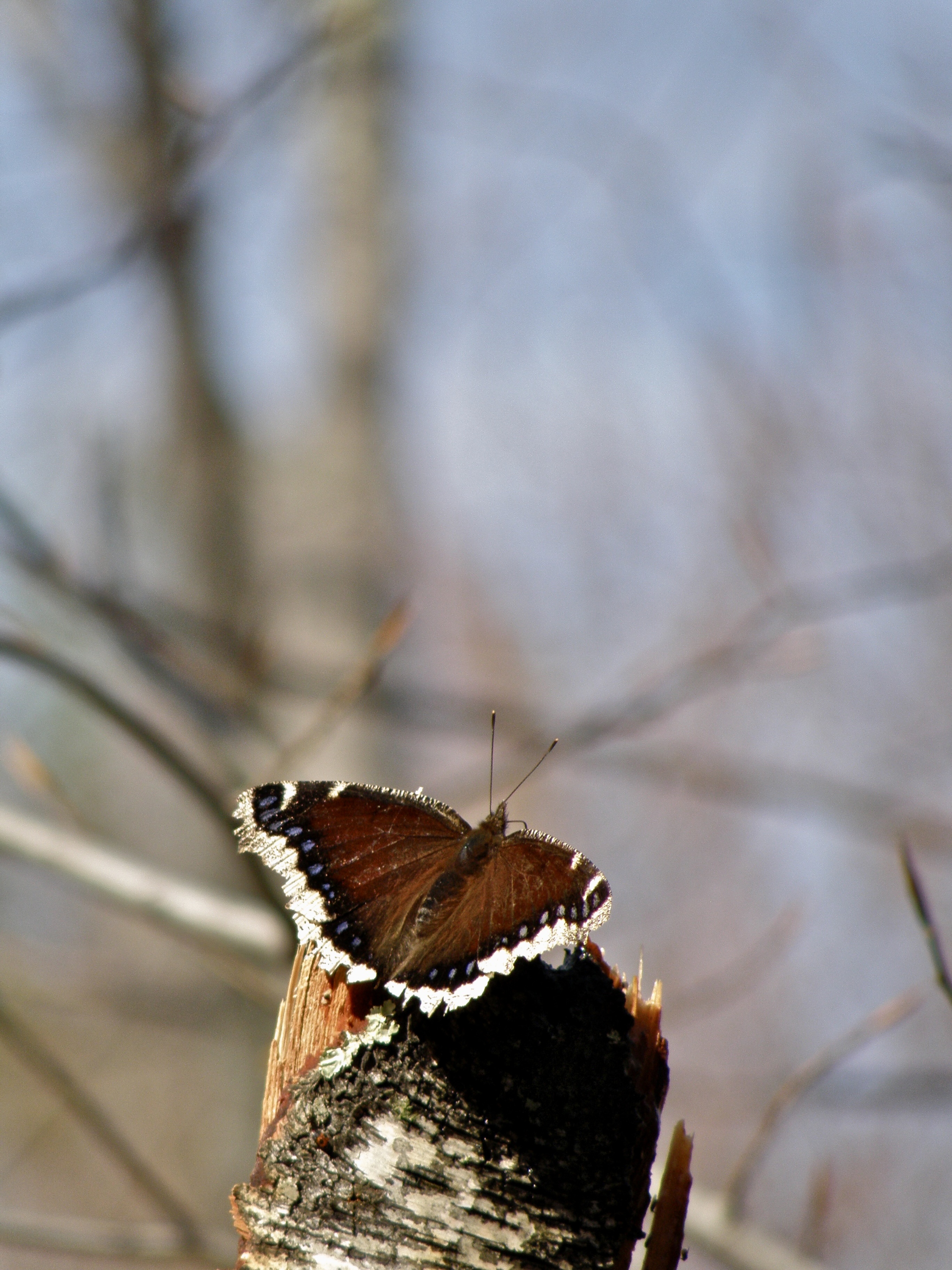
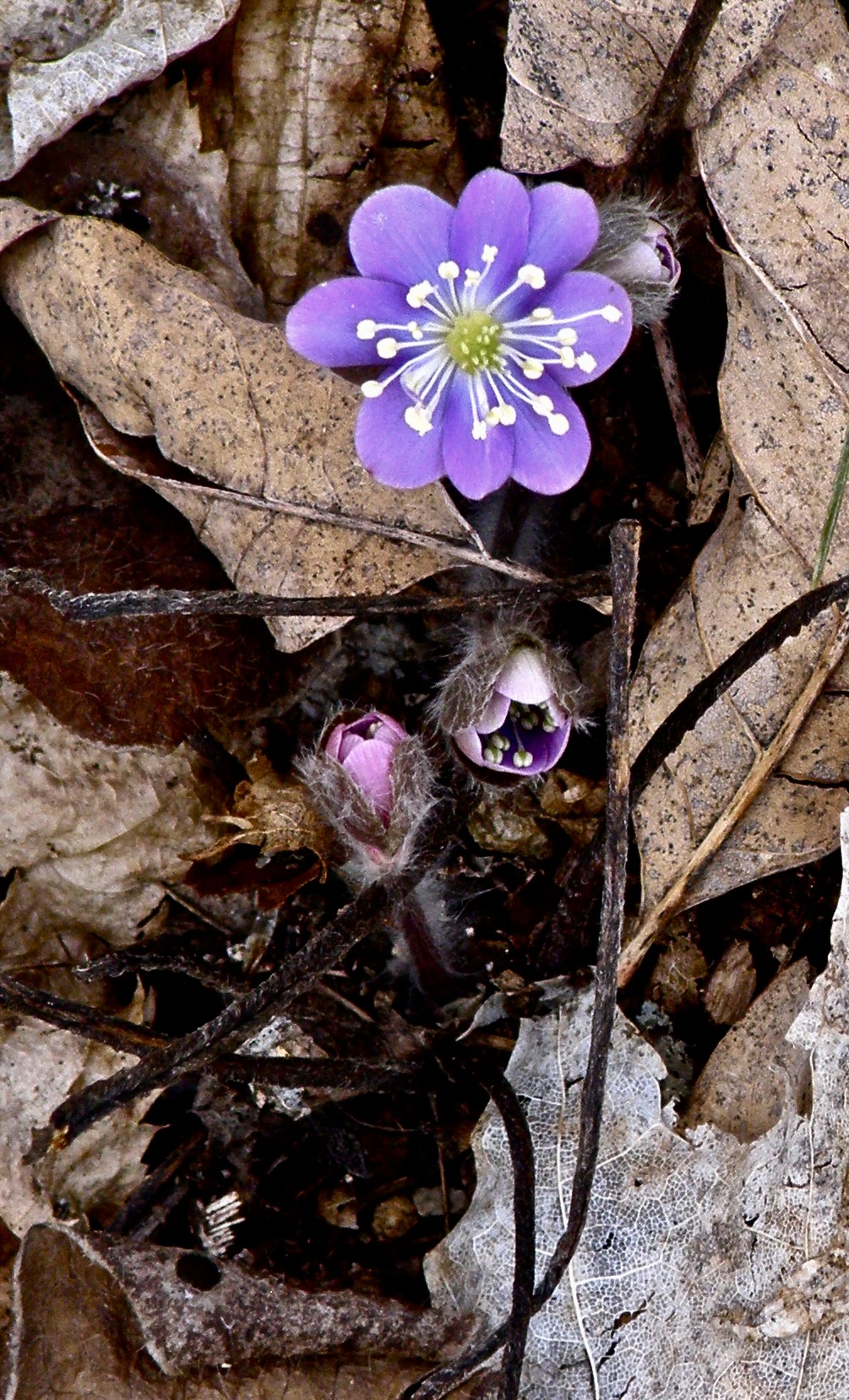
in Thoreau’s Journal:
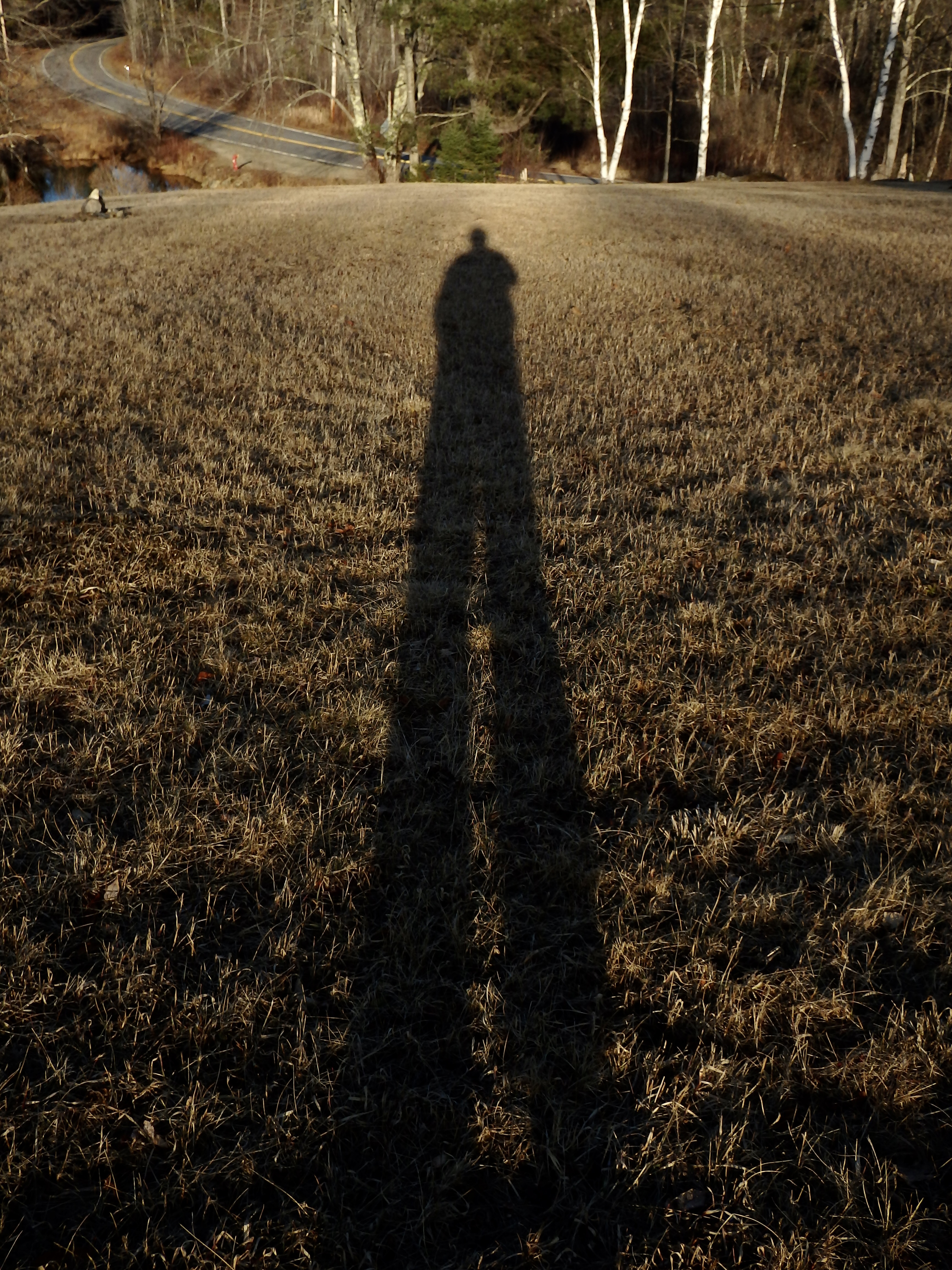
When the sun shines unobstructedly, the landscape is full of light, for it is reflected from the withered fawn coloured grass—as it cannot be from the green grass of summer.
in Thoreau’s Journal:
It is evident that it depends on the character of the season whether this flower or that is the most forward; whether there is more or less snow or cold or rain, etc…..

It will take you half a lifetime to find the earliest flower.
in Thoreau’s Journal:
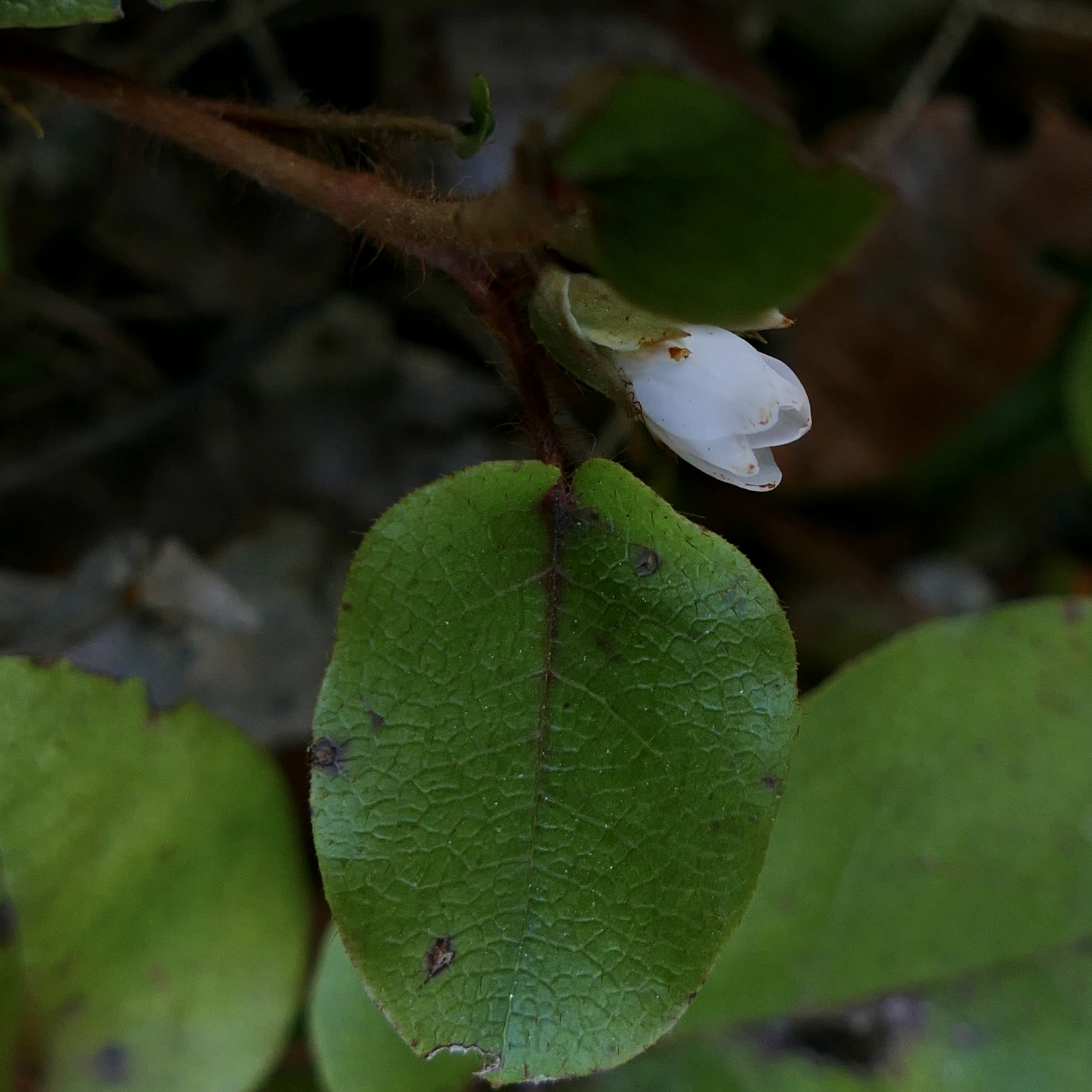
With this flower, so much more flowerlike or noticeable than any yet—begins a new era in the flower season.
in Thoreau’s Journal:

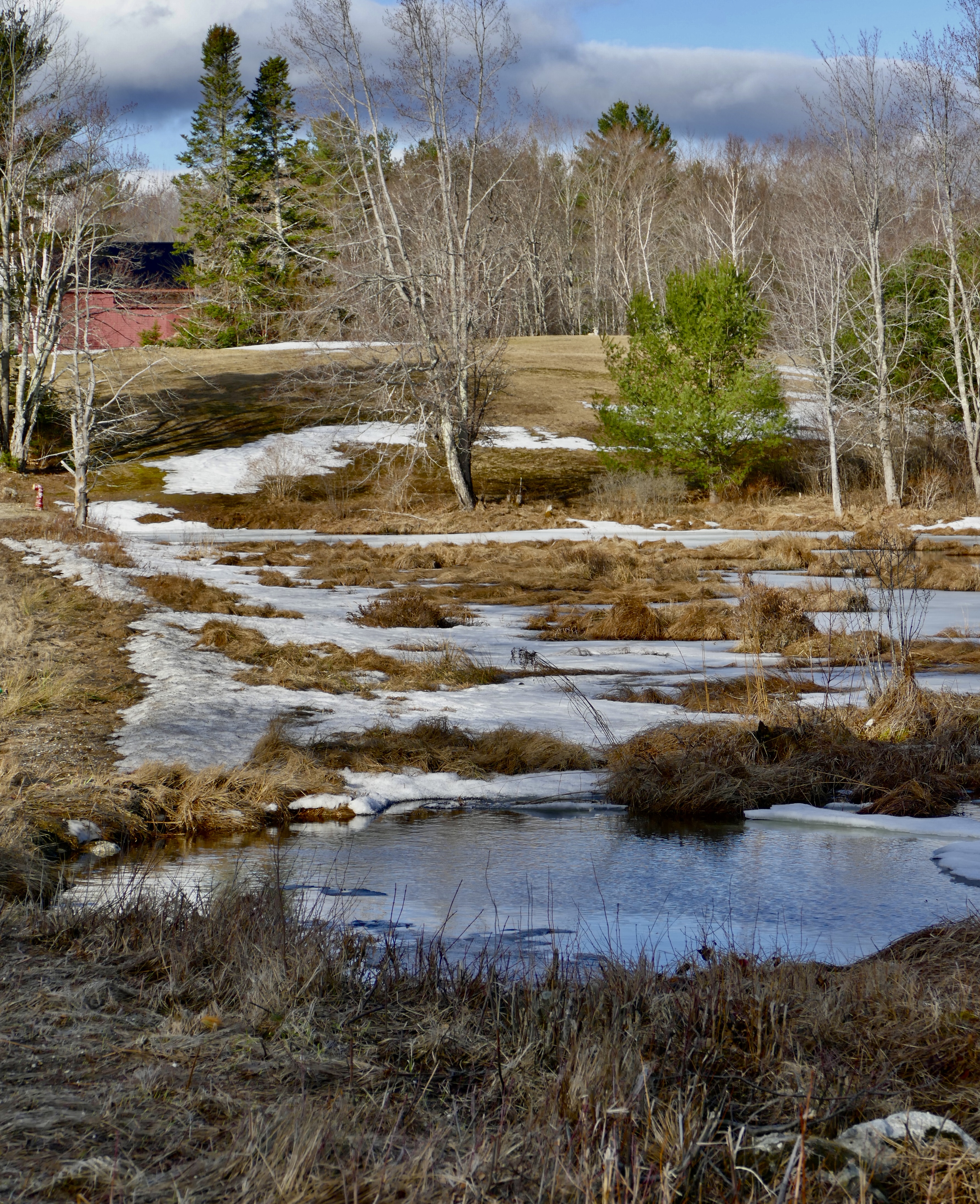
It is incredible what a revolution in our feelings and in the aspect of nature this warmer air alone has produced. Yesterday the earth was simple to barrenness, and dead, bound out. Out of doors there was nothing but the wind and the withered grass, and the cold though sparkling blue water, and you were driven in upon yourself. Now, you would think there was a sudden awakening in the very crust of the earth, as if flowers were expanding and leaves putting forth; but not so. I listen in vain to hear a frog or a new bird as yet. Only the frozen ground is melting a little deeper, and the water is trickling from the hills in some places. No, the change is mainly in us. We feel as if we had obtained a new lease of life.

in Thoreau’s Journal:

The spring advances in spite of snow and ice and cold even.
in Thoreau’s Journal:
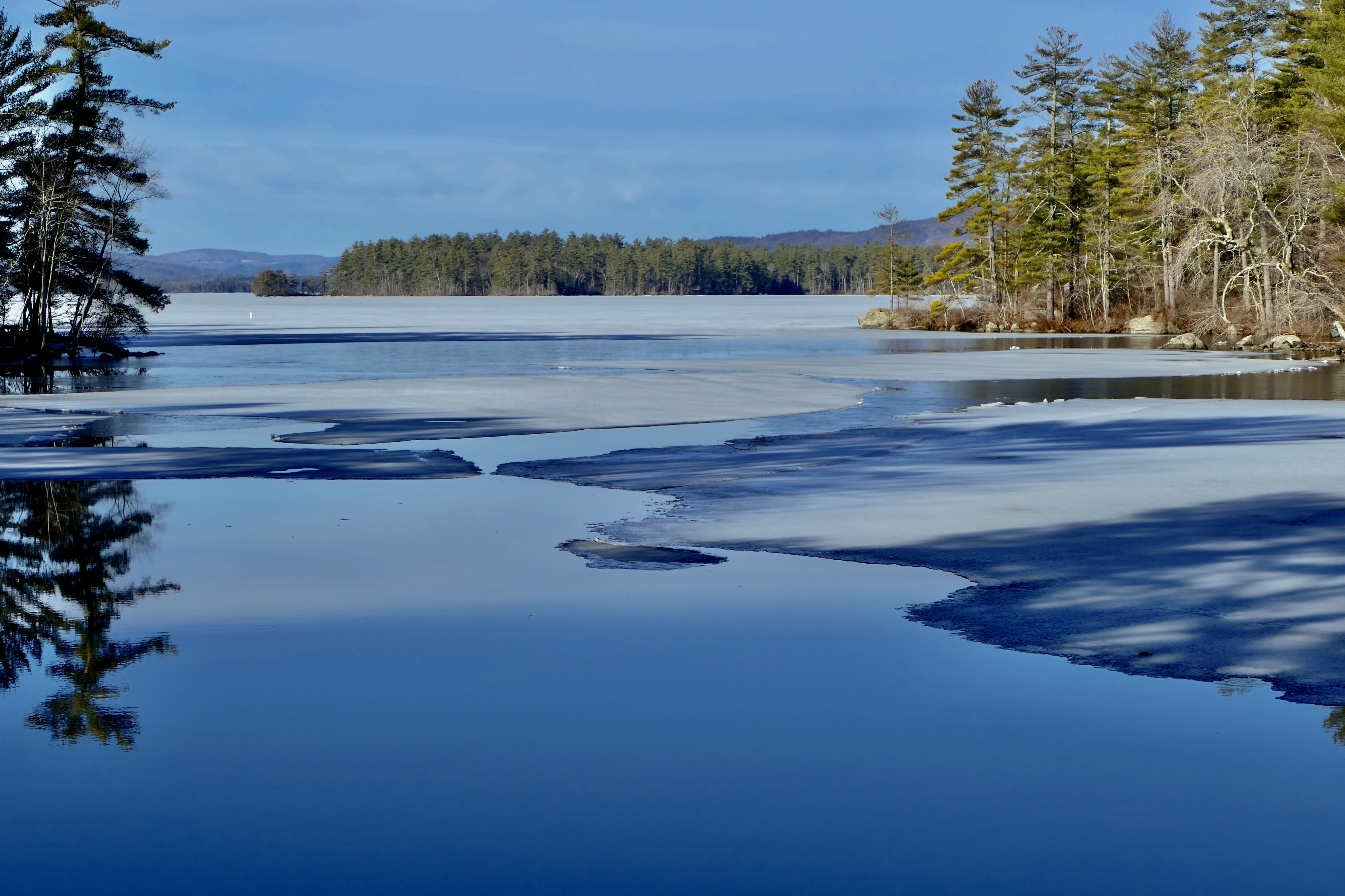
This which is a chilling wind to my fellow is decidedly refreshing to me…I feel an impulse also already to jump into the half melted pond.
in Thoreau’s Journal:
We know too well what shall have for our Saturday’s dinner—but each days feast in Nature’s year is a surprise to us & adapted to our appetite & spirits—
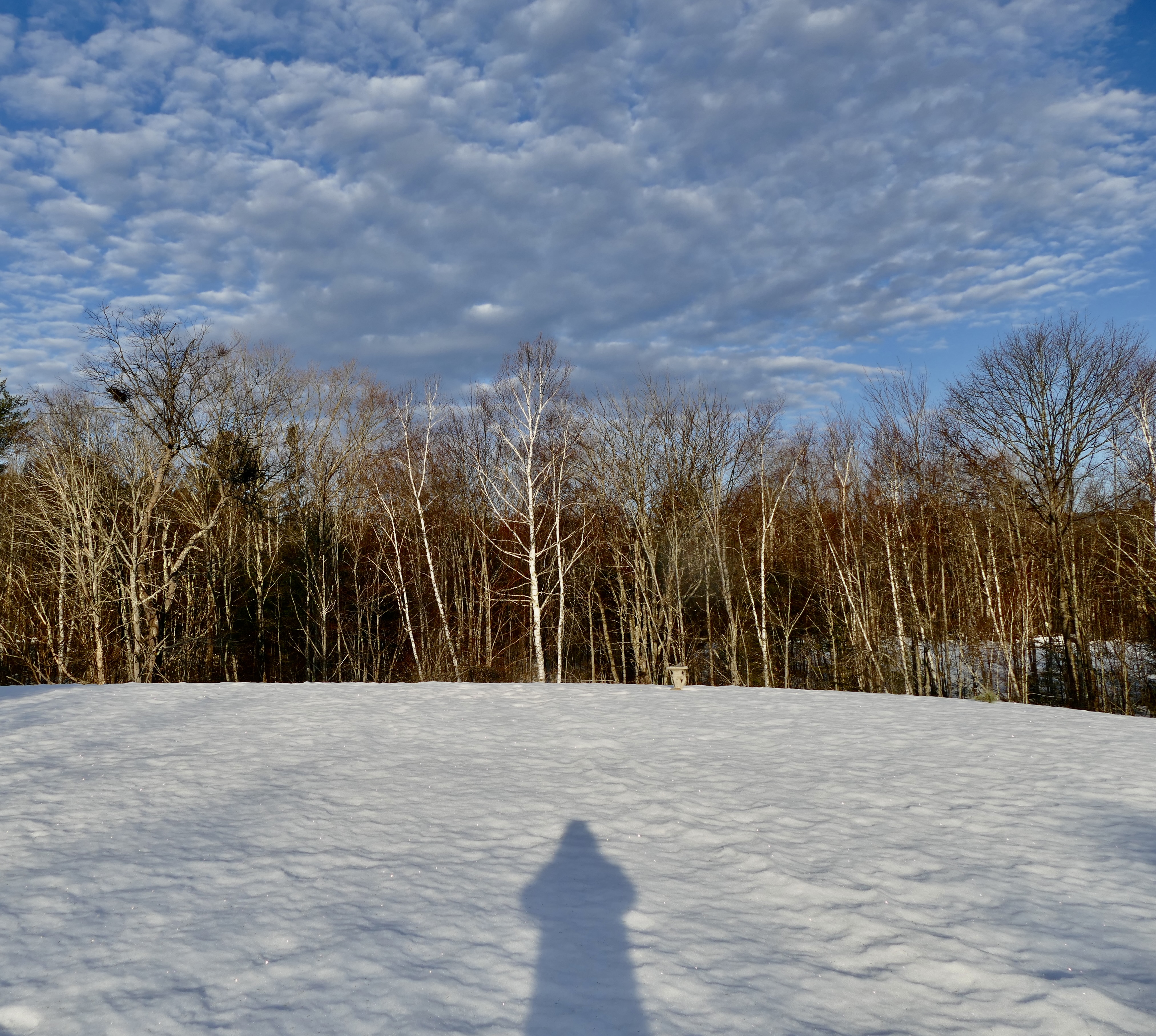
She has arranged such an order of feasts as never tires––Her motive is not economy but satisfaction.
in Thoreau’s Journal:
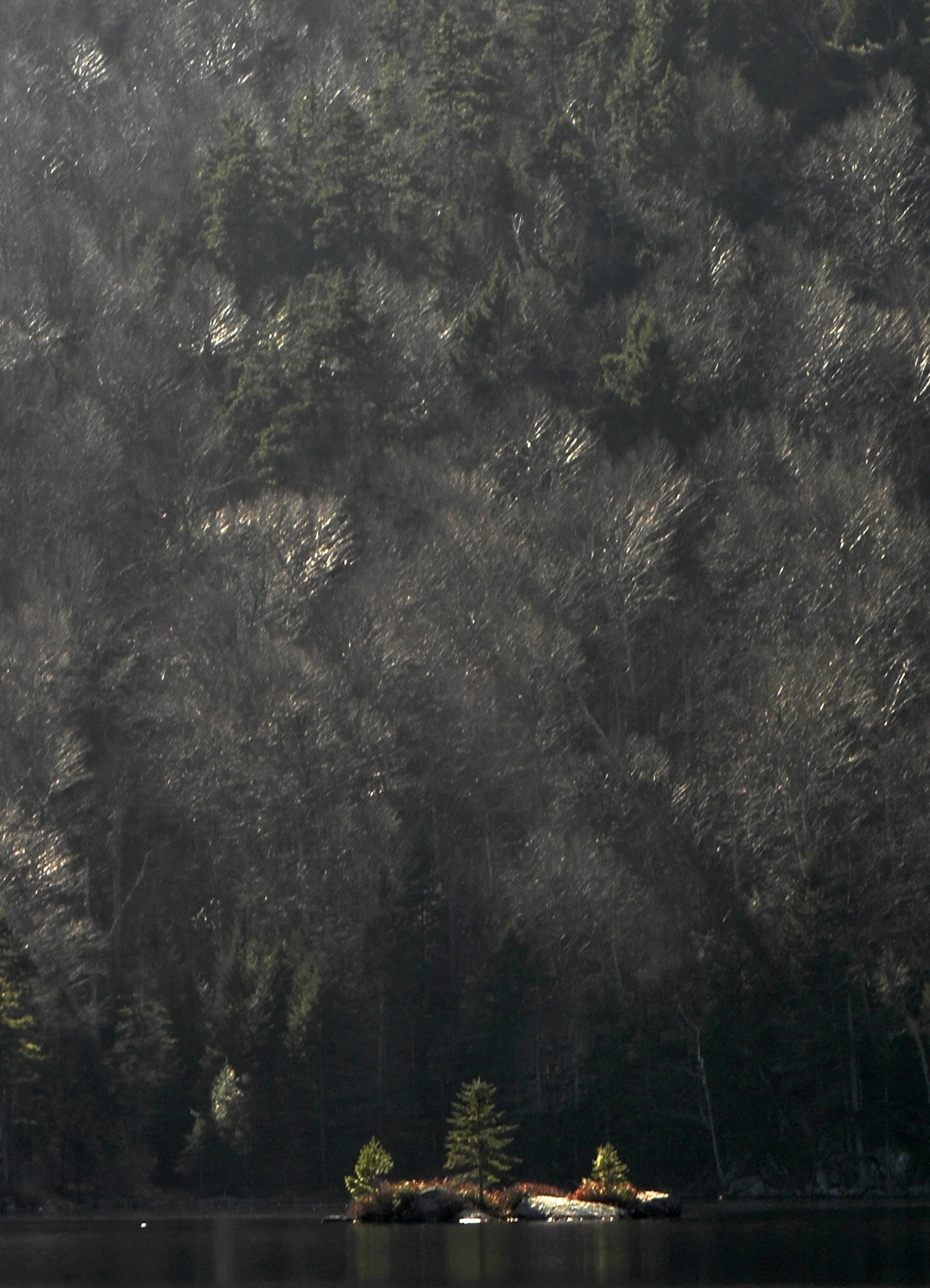
The eye must be firmly anchored to this earth which beholds birches and pines waving in the breeze in a certain light—a serene rippling light.
in Thoreau’s Journal

I am sometimes affected by the consideration that a man may spend the whole of his life after boyhood accomplishing a particular design; as if he were put to a special and petty use, without taking time to look around him and appreciate the phenomena of his existence.
in Thoreau’s Journal:
A score of my townsmen have been shooting and trapping musquash and mink of late. They are gone all day—early and late they scan the rising tide—stealthily they set their traps in remote swamps, avoiding one another. Am not I a trapper too? Early and late scanning the rising flood, ranging by distant woodsides, setting my traps in solitude and baiting them as well as I know how, that I may catch life and light….

in Thoreau’s Journal:
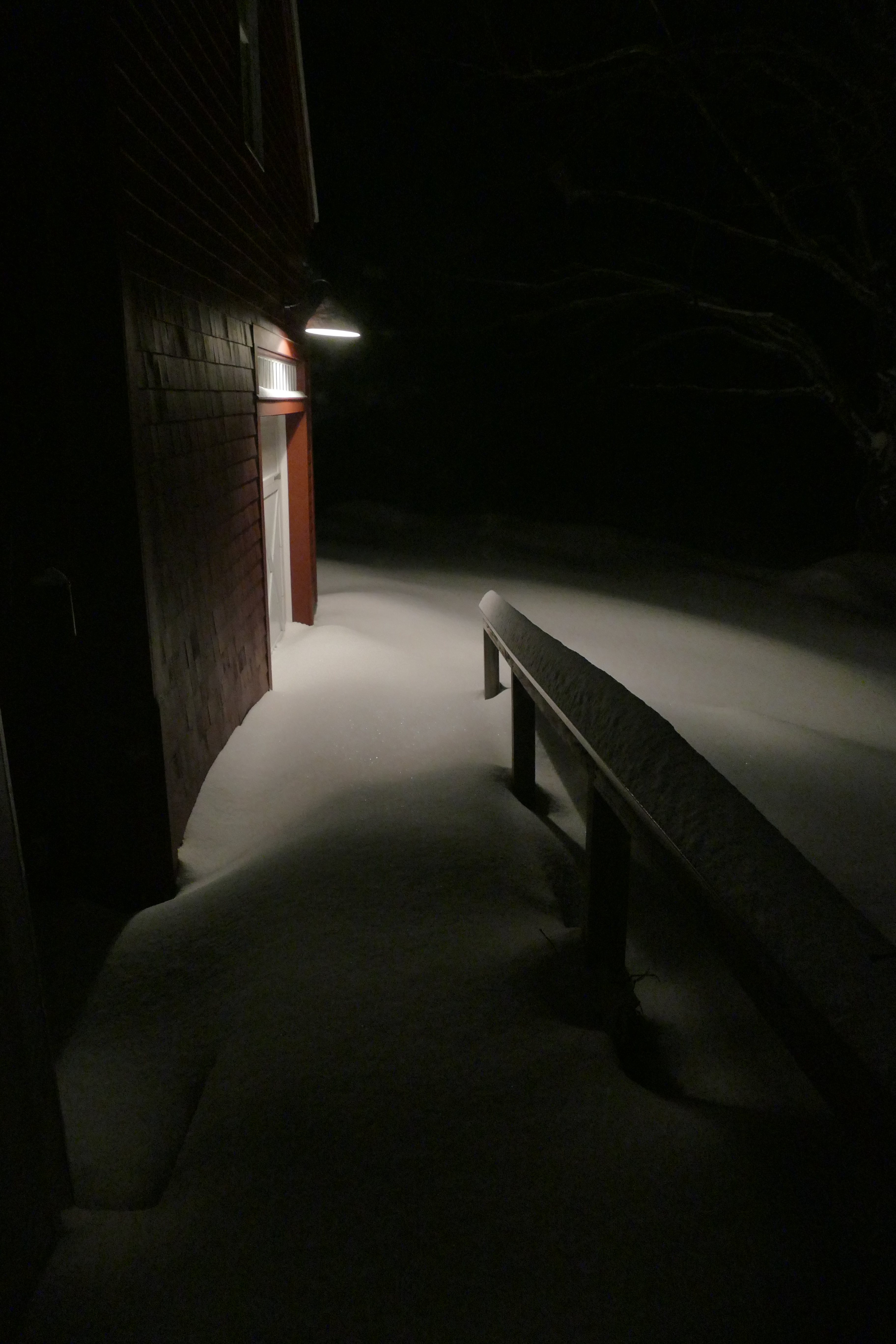
It is too cold to think of those signs of spring which I find recorded under this date last year.
in Thoreau’s Journal:
When I think what were the various sounds and notes, the migrations and works, and changes of fur and plumage which ushered in the spring and marked the other seasons of the year, I am reminded that this my life in nature, this particular round of natural phenomena which I call a year, is lamentably incomplete. I listen to [a] concert in which so many parts are wanting. The whole civilized country is to some extent turned into a city, and I am that citizen whom I pity. Many of those animal migrations and other phenomena by which the Indians marked the season are no longer to be observed.
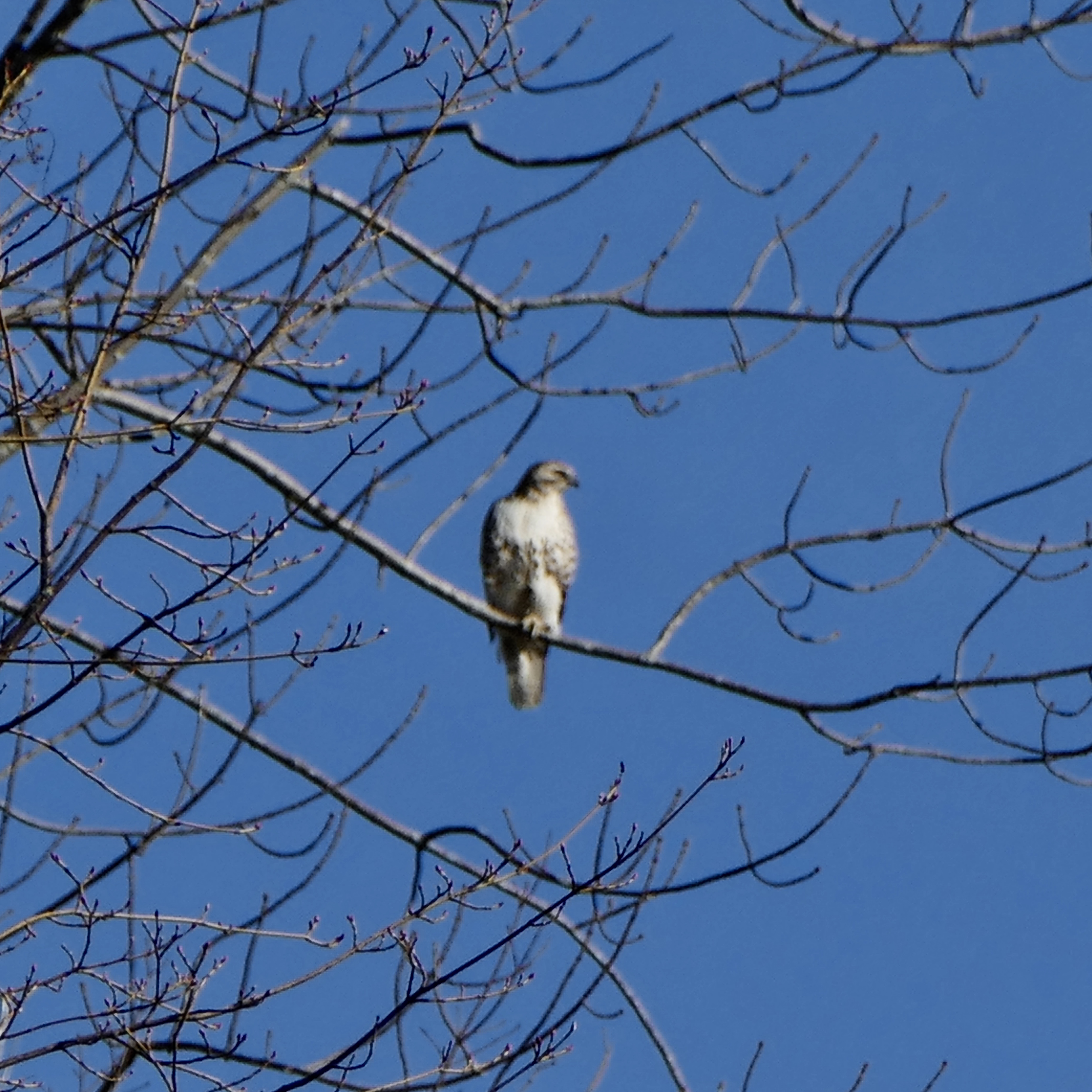
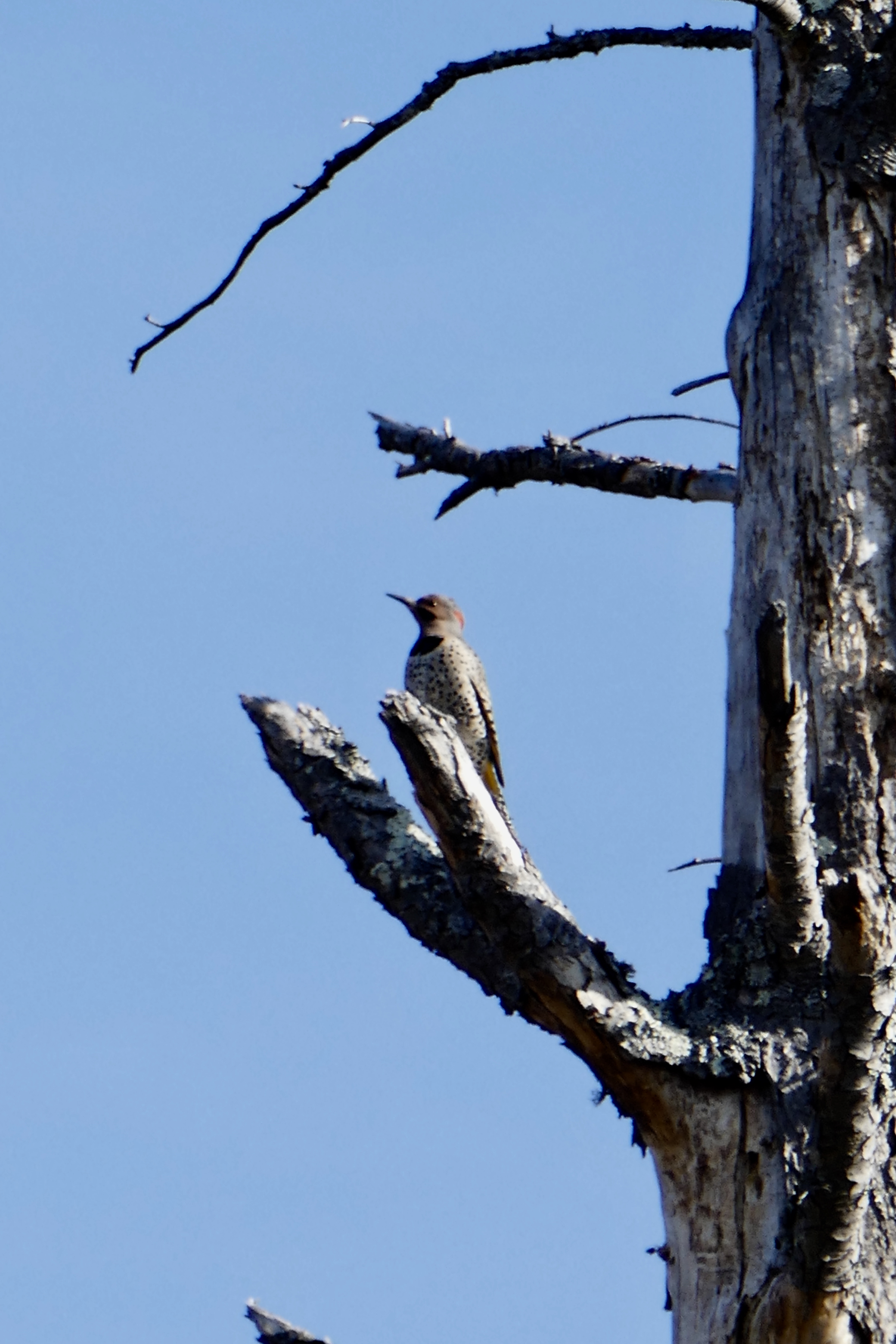
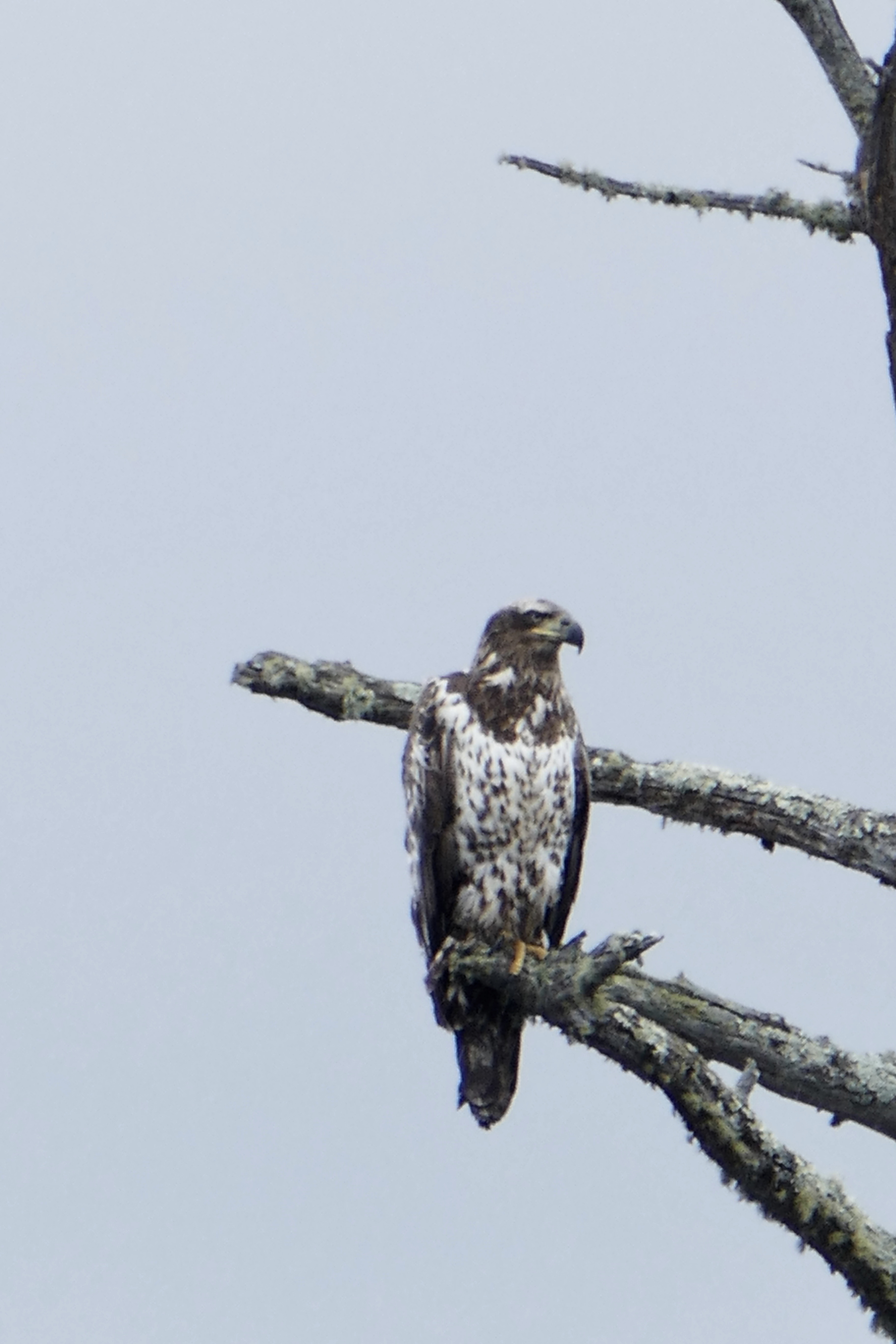
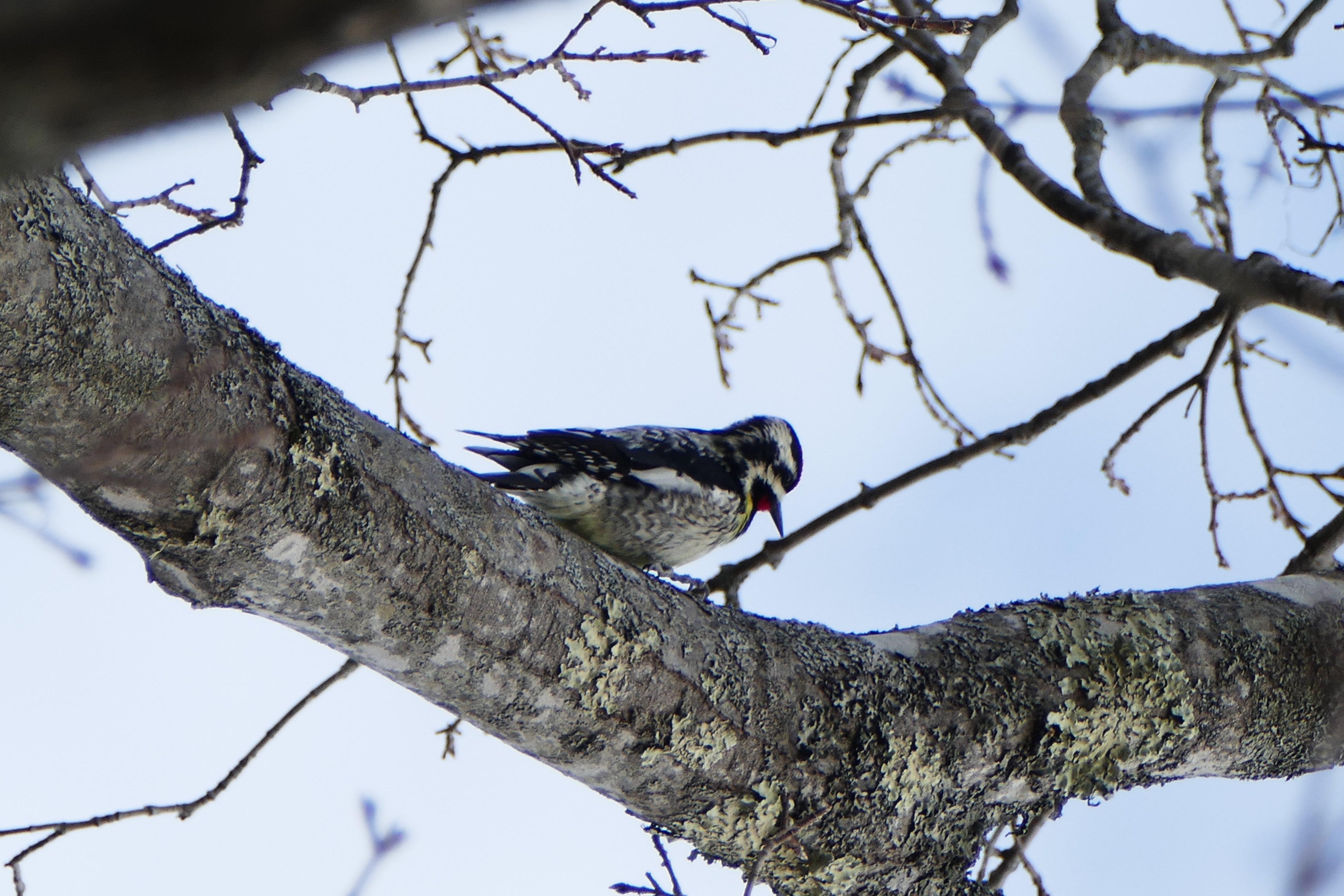
I seek acquaintance with Nature, ––to know her moods and manners….
in Thoreau’s Journal:
The tapping of the wood pecker-rat-tat-tat-knocking at the door of some sluggish grub to tell him that the spring has arrived-& his fate.

This is one of the season sounds––calling the roll of birds & insects––the reveillee––
in Thoreau’s Journal:
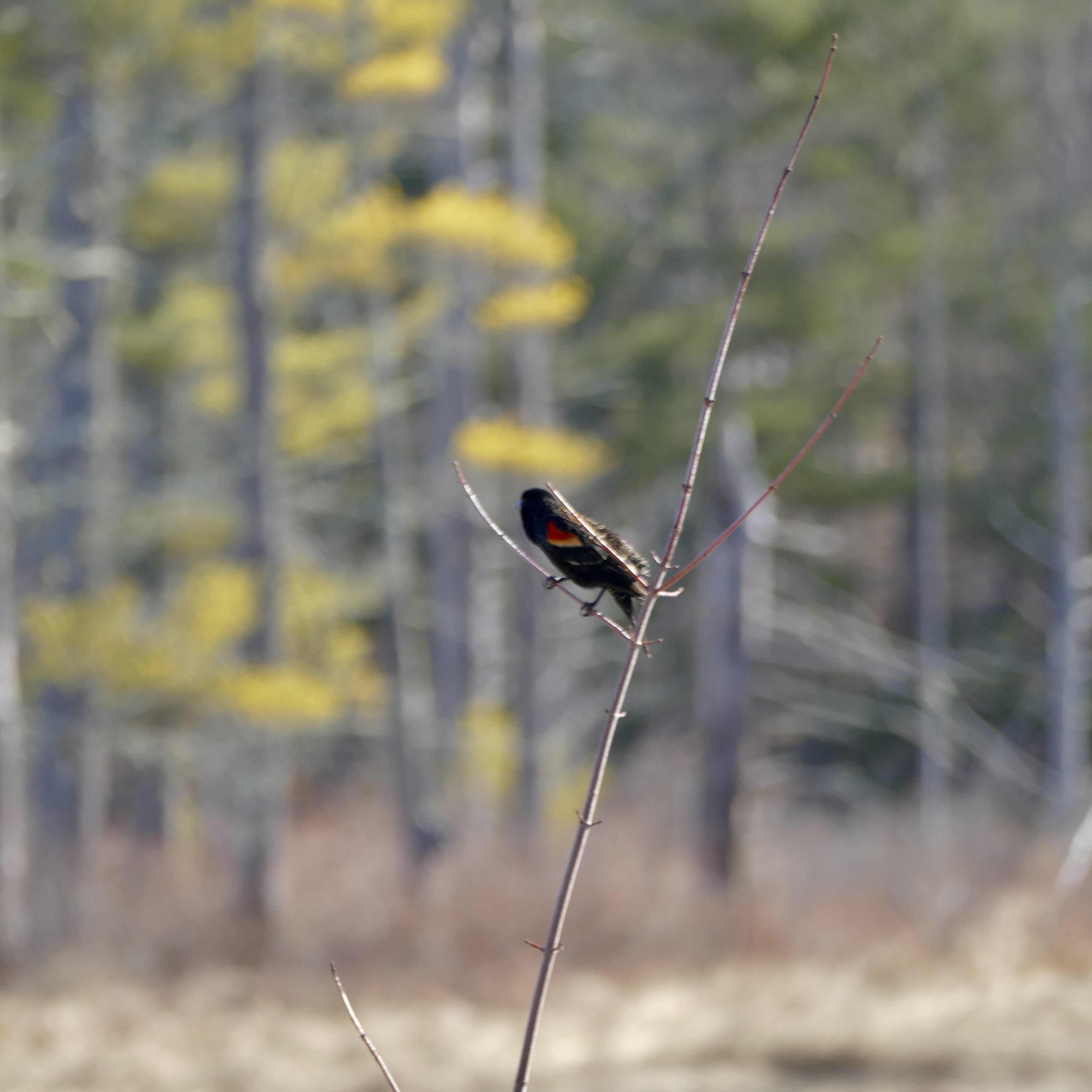

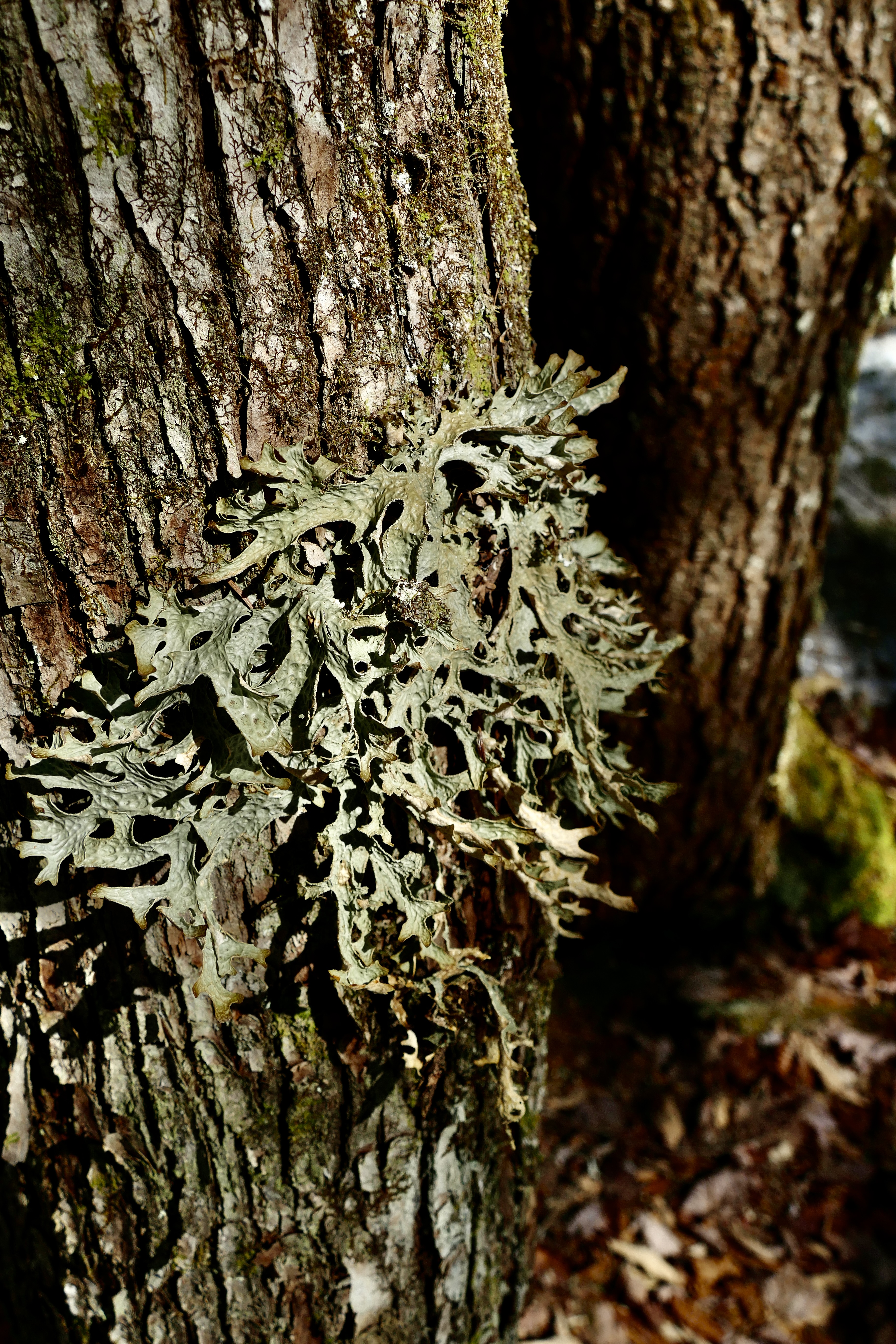

Might not my Journal be called “Field Notes.”
in Thoreau’s Journal:
No wonder we feel the spring influences. There is a motion in the very ground under our feet. Each rill is peopled with new life rushing up it.
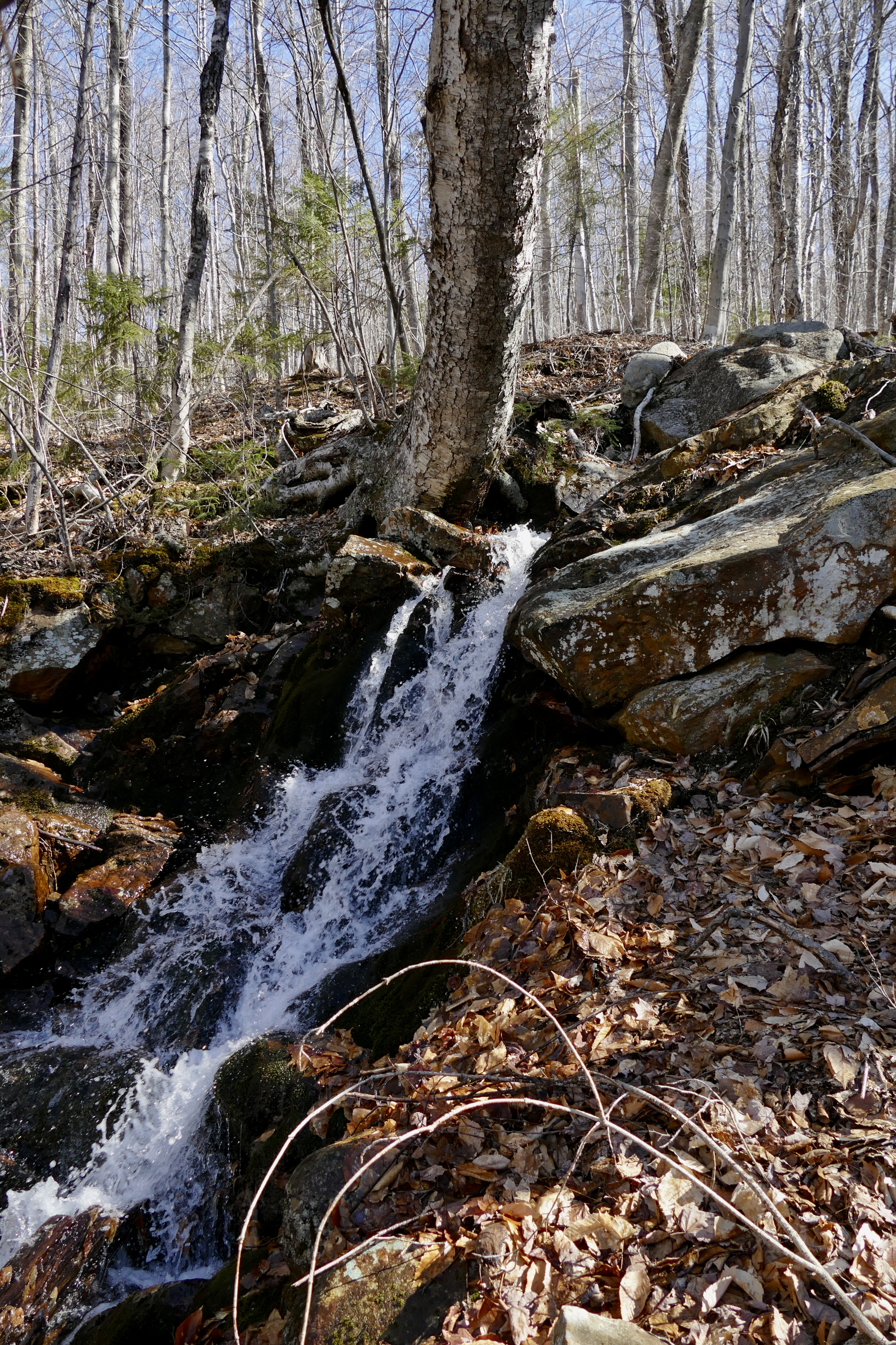
If a man does not revive with nature in the spring, how shall he revive when a white-collared priest prays for him?
in Thoreau’s Journal:
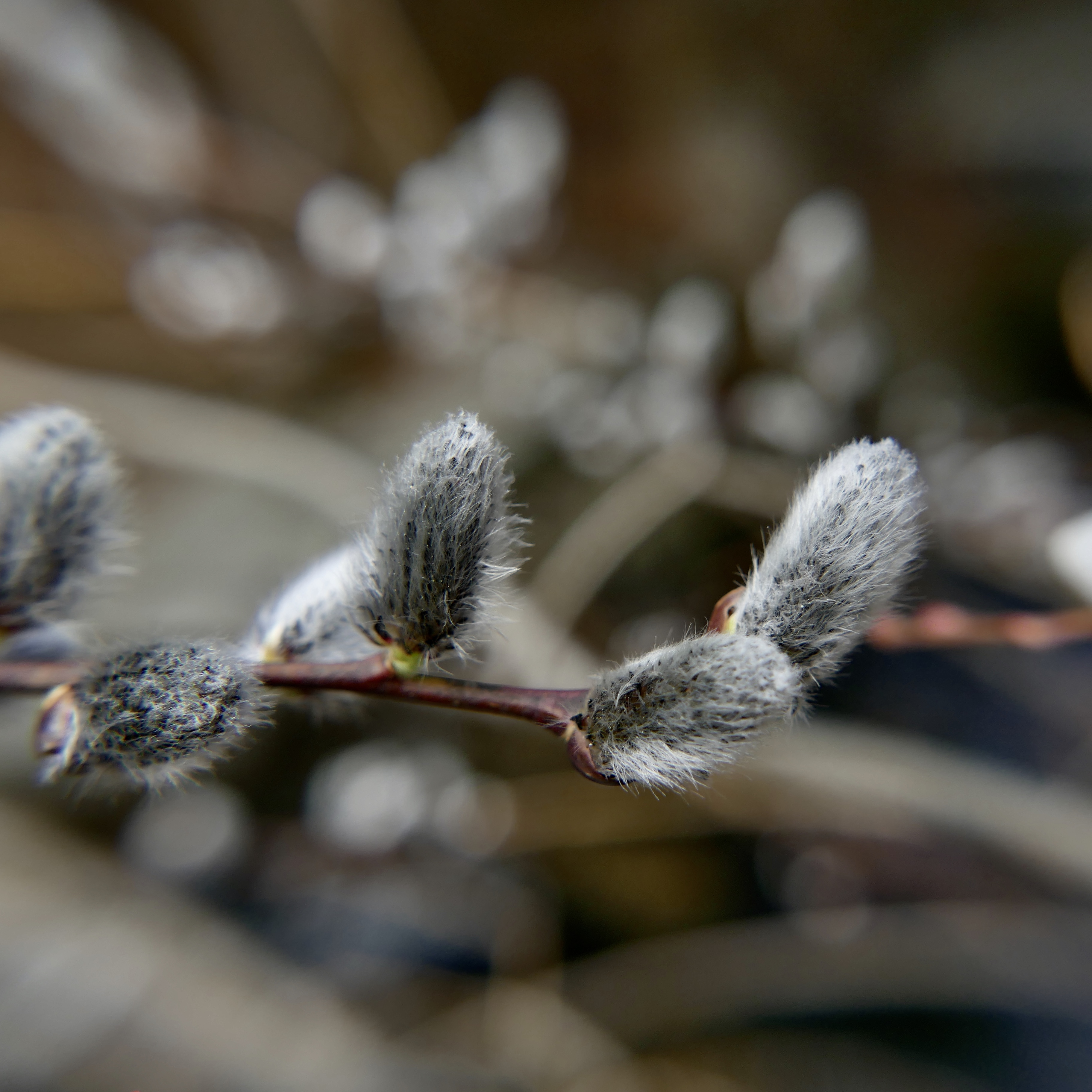
Early willows in their silvery state.


You must be logged in to post a comment.