in Thoreau’s Journal:
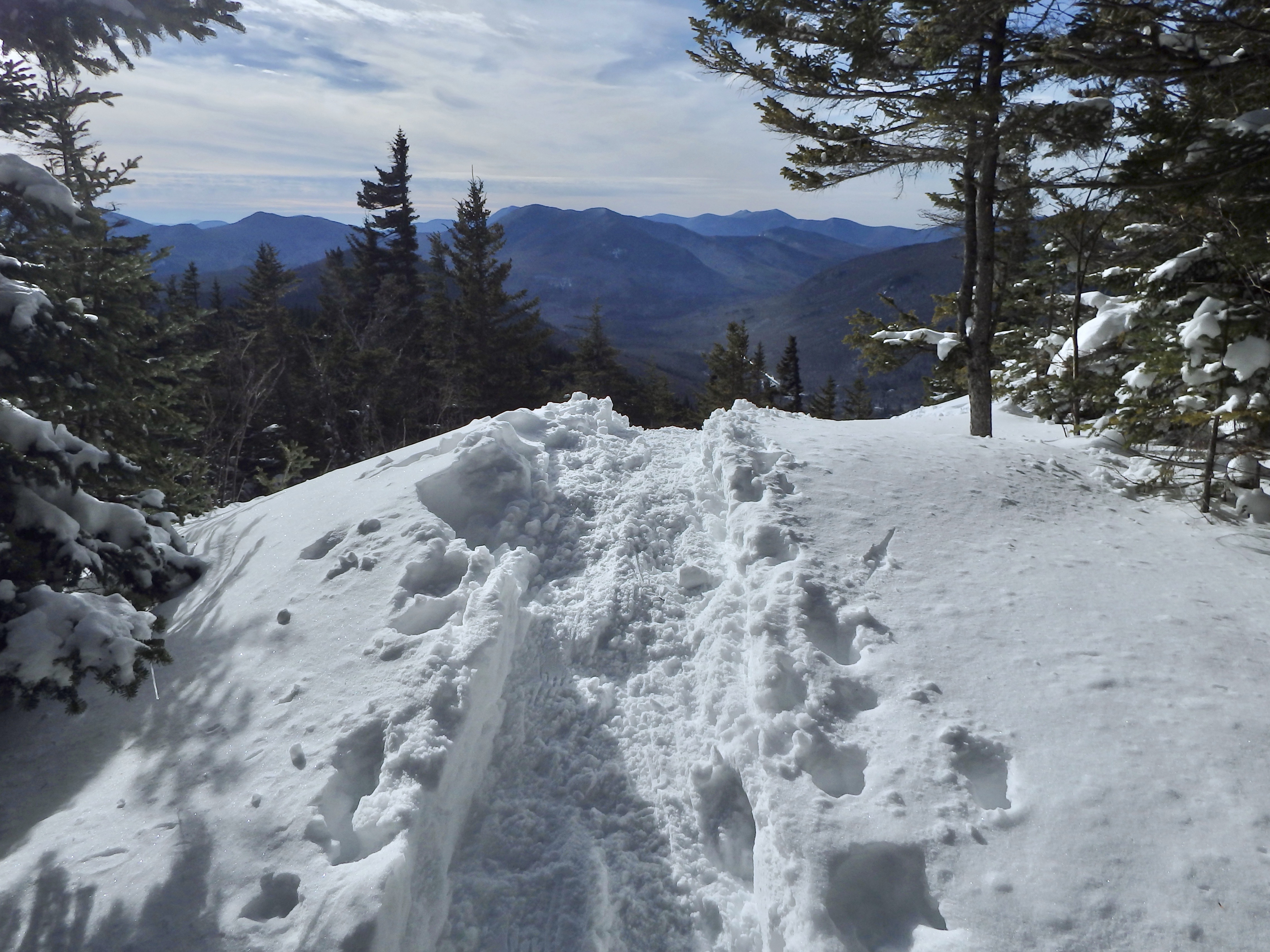
If possible, come upon the top of a hill unexpectedly, perhaps through woods, and then look off from it….
in Thoreau’s Journal:
If possible, come upon the top of a hill unexpectedly, perhaps through woods, and then look off from it….
in Thoreau’s Journal:
The weather has been very changeable for some weeks. First it is warm and thawing, sloshy weather; then the thermometer goes down to 19° below zero, and our shoes squeak on the snow; then, perhaps, it moderates and snows; then is mild and pleasant again and good sleighing; then we wake to find a drifted snow upon the last and a bleak, wintry prospect.
in Thoreau’s Journal:
To Walden, P.M.
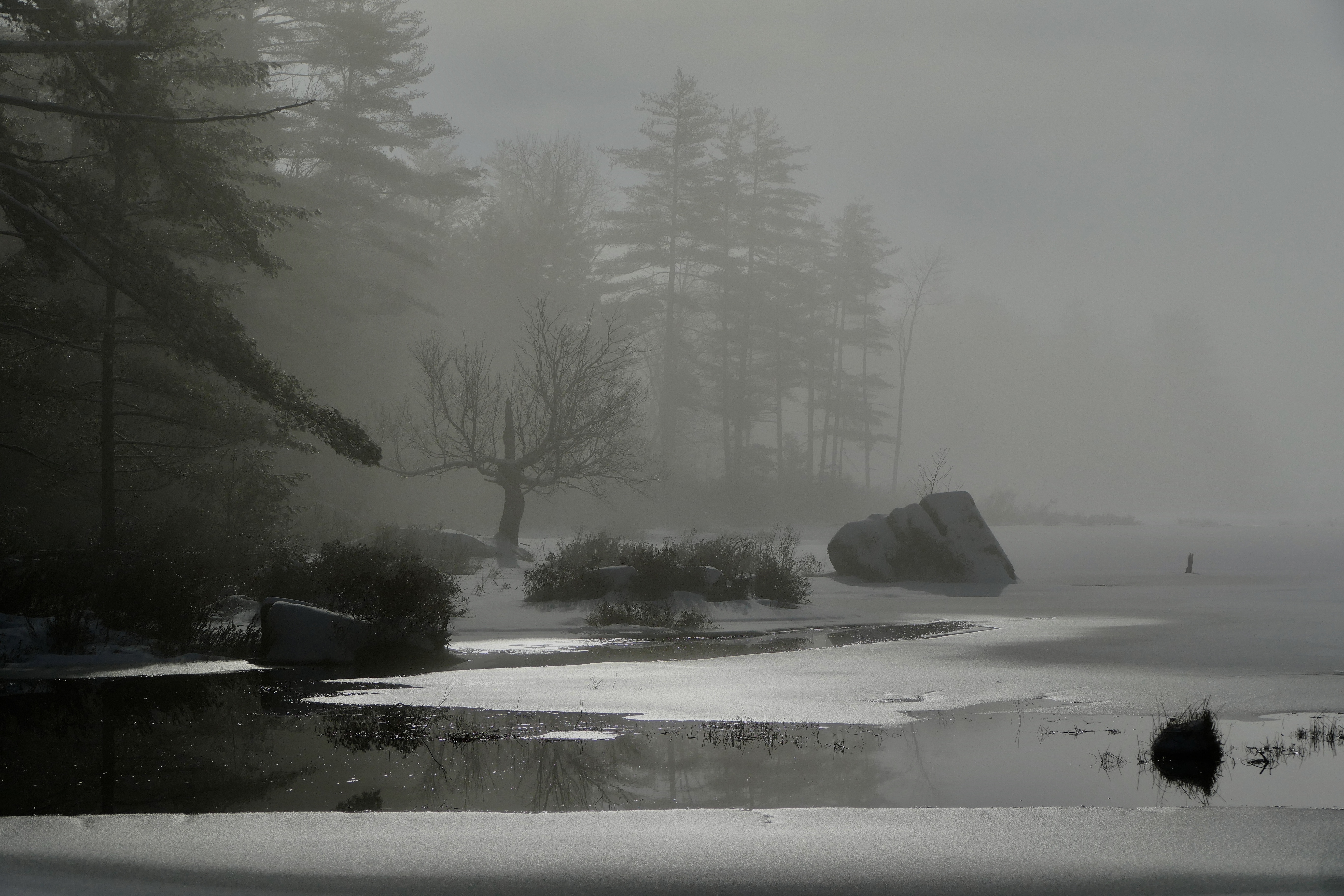
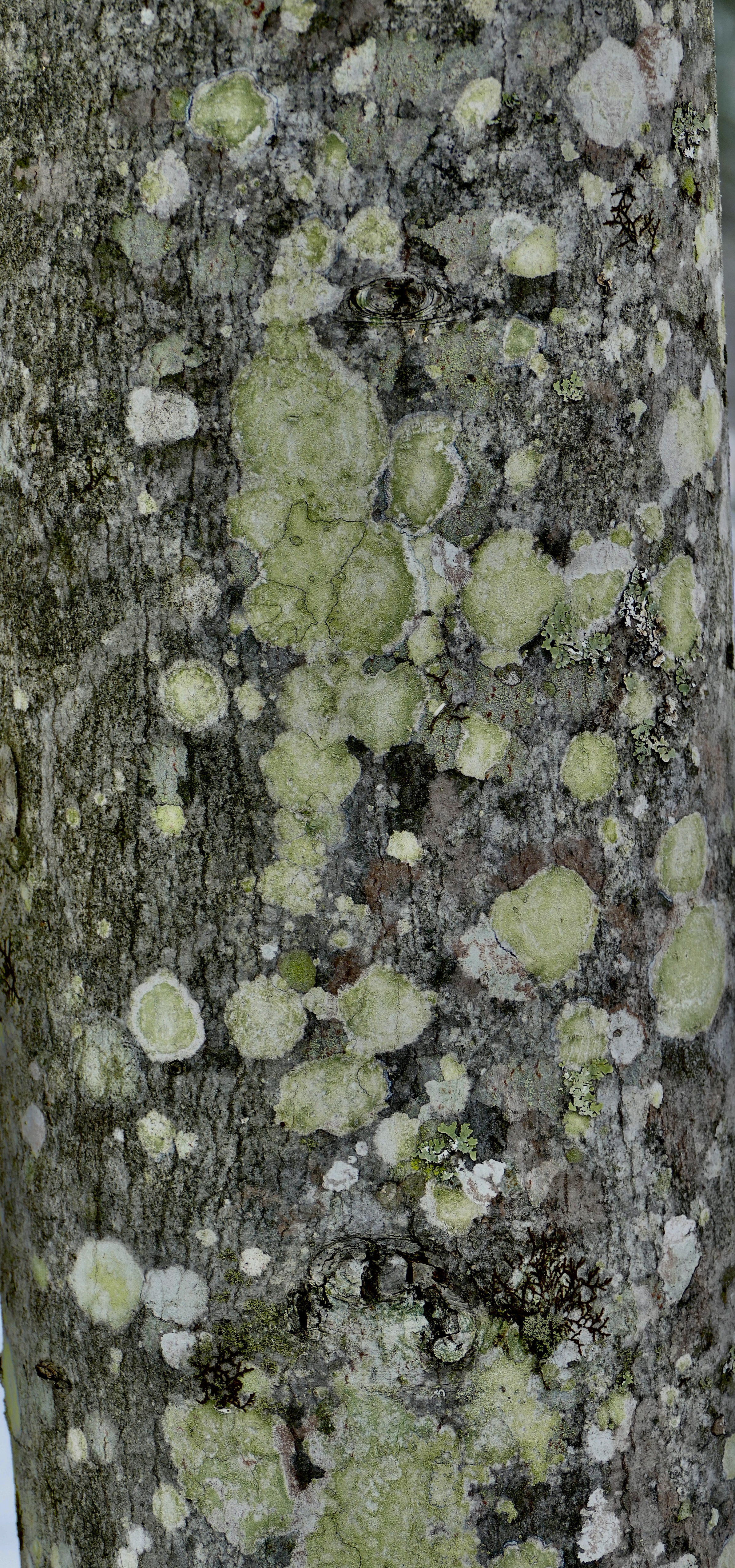
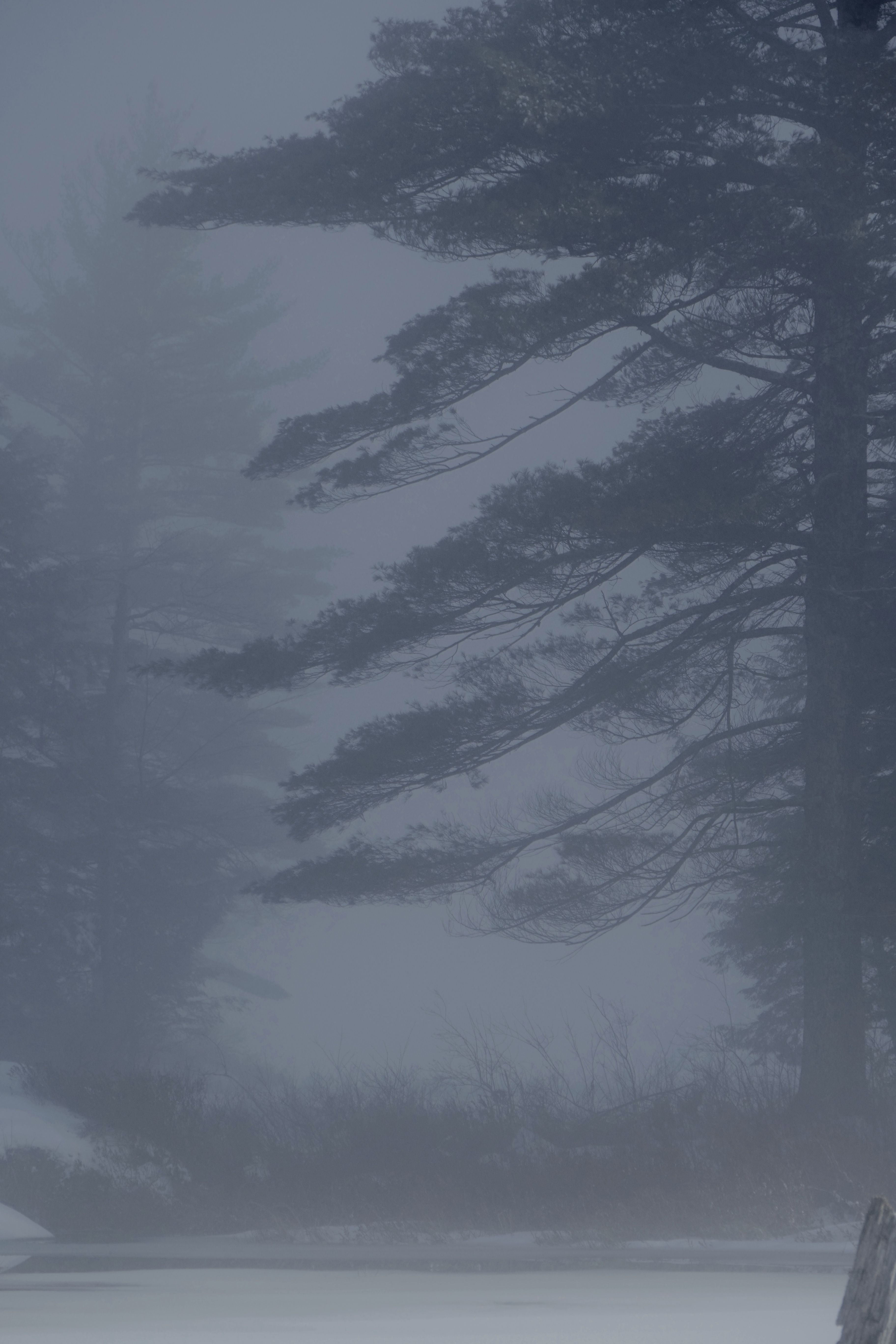
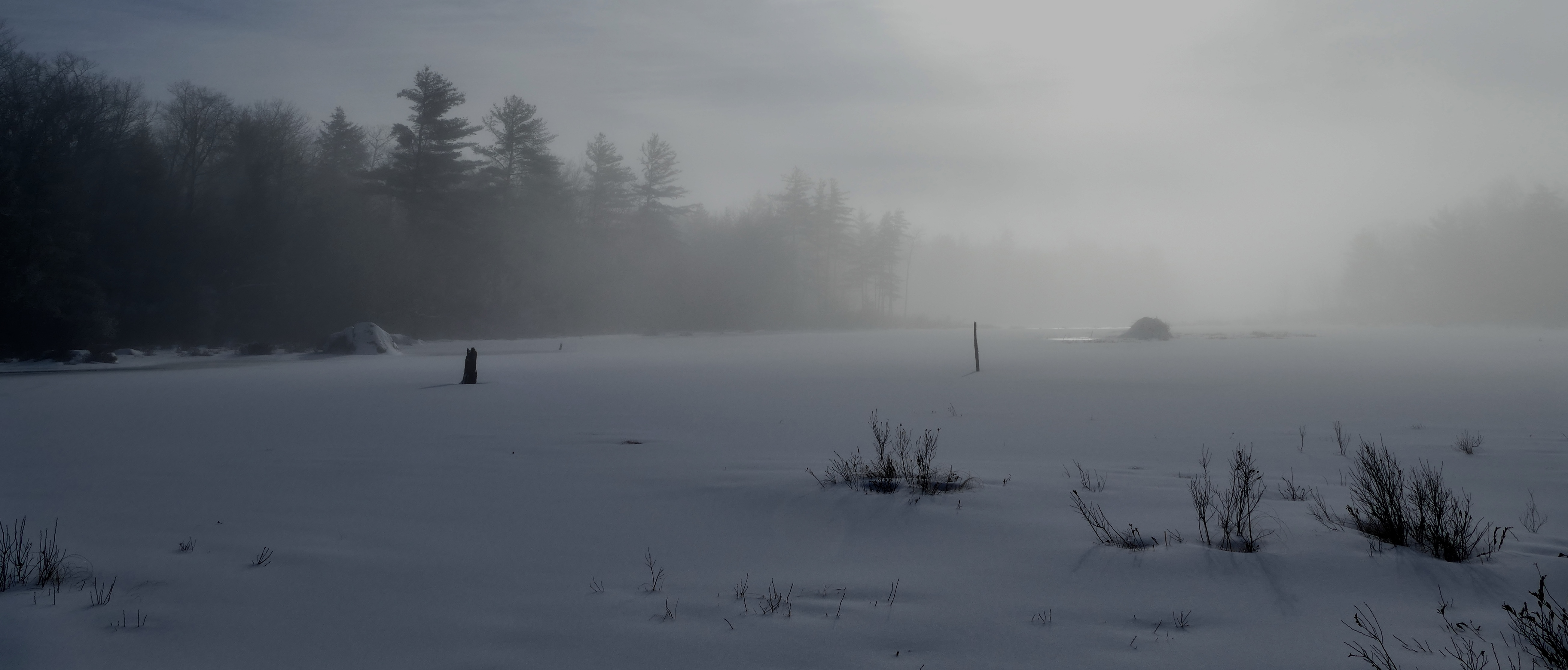
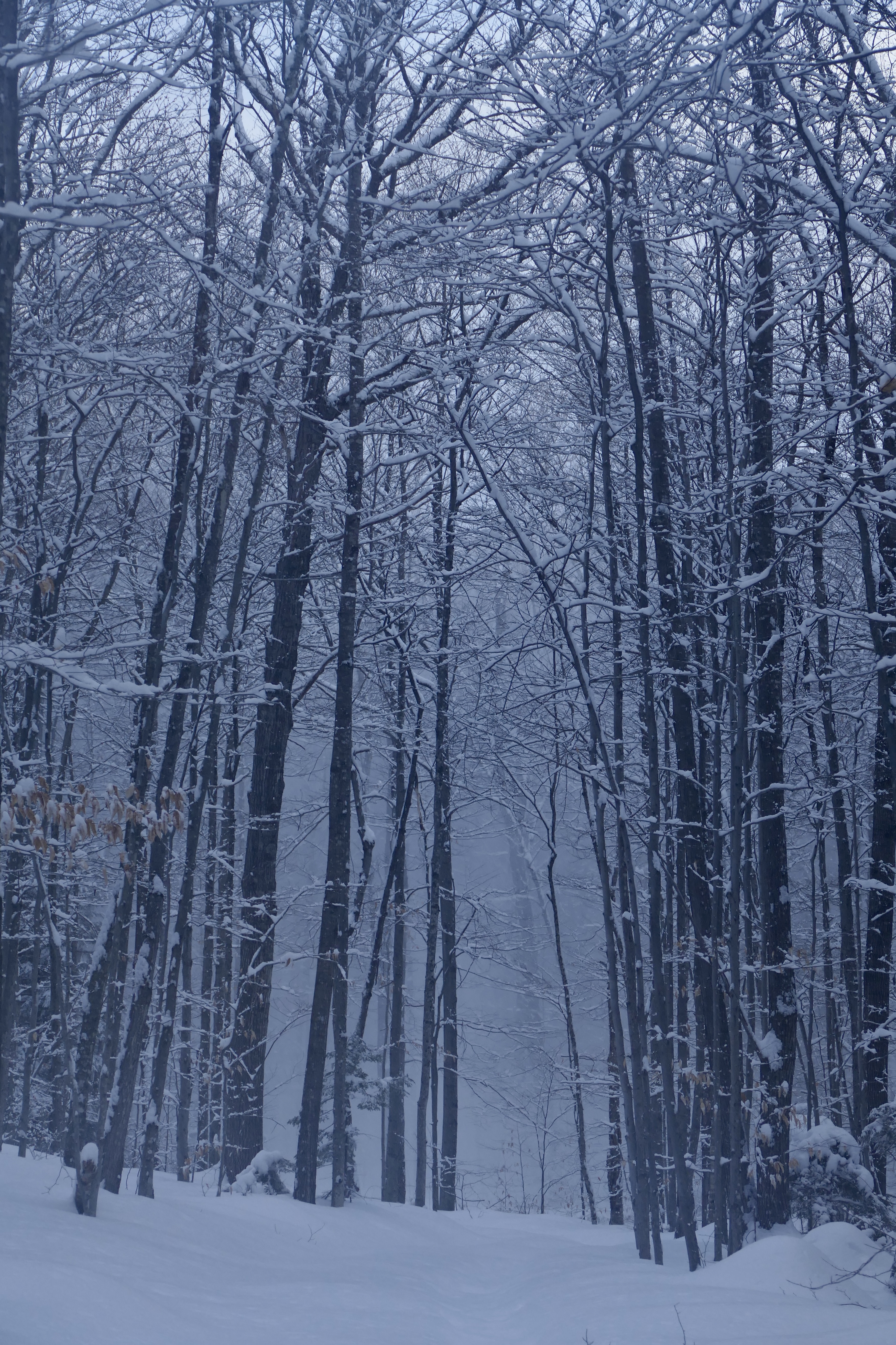
A thick fog. The trees and woods look well through it. You are inclined to walk in the woods for objects. They are draped with mist, and you hear the sound of it dripping from them. It is a lichen day. Not a bit of rotten wood lies on the dead leaves, but it is covered with fresh, green cup lichens, etc., etc. All the world seems a great lichen and to grow like one to-day,—a sudden humid growth. I remember now that the mist was much thicker over the pond than elsewhere. I could not distinguish a man there more than ten rods off, and the woods, seen dimly across a bay, were mistaken for the opposite side of the pond. I could almost fancy a bay of an acre in extent the whole pond. Elsewhere, methinks, I could see twice as far. I felt the greater coolness of the air over the pond, which it was, I suppose, that condensed the vapor more there.
in Thoreau’s Journal:
A mild, thawy day. The needles of the pine are the touch-stone for the air—any change in that element is revealed to the practiced eye by their livelier green or increased motion. They are the tell-tales. Now they are (the white pine) a cadaverous, misty blue—anon a lively silvery light plays on them —& they seem to erect themselves unusually—while the pitch pines are a brighter yellowish green than usual—The sun loves to nestle in the boughs of the pine & pass rays through them.
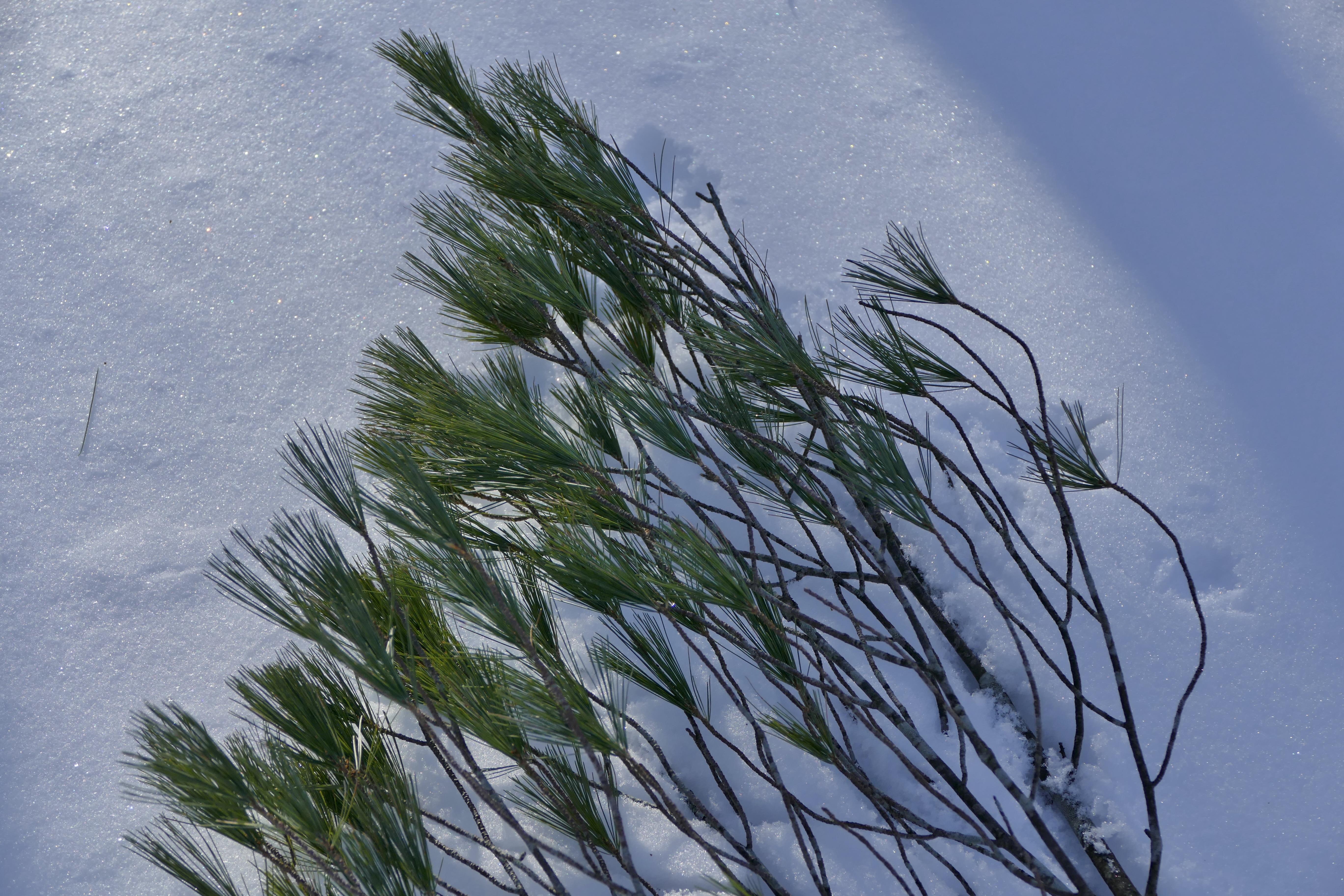
The scent of bruised pine leaves where a sled has passed is a little exciting to me now…
in Thoreau’s Journal:
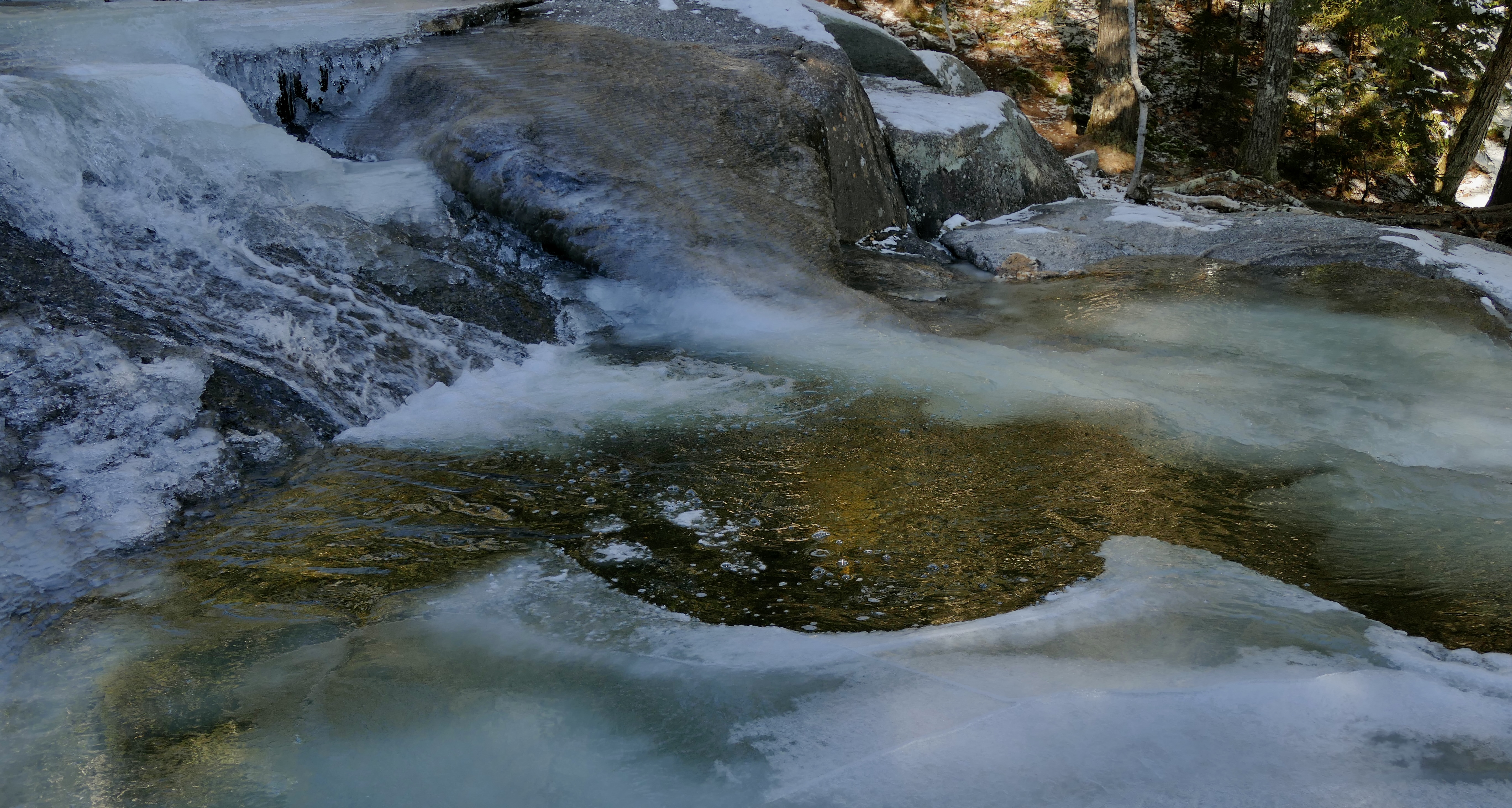
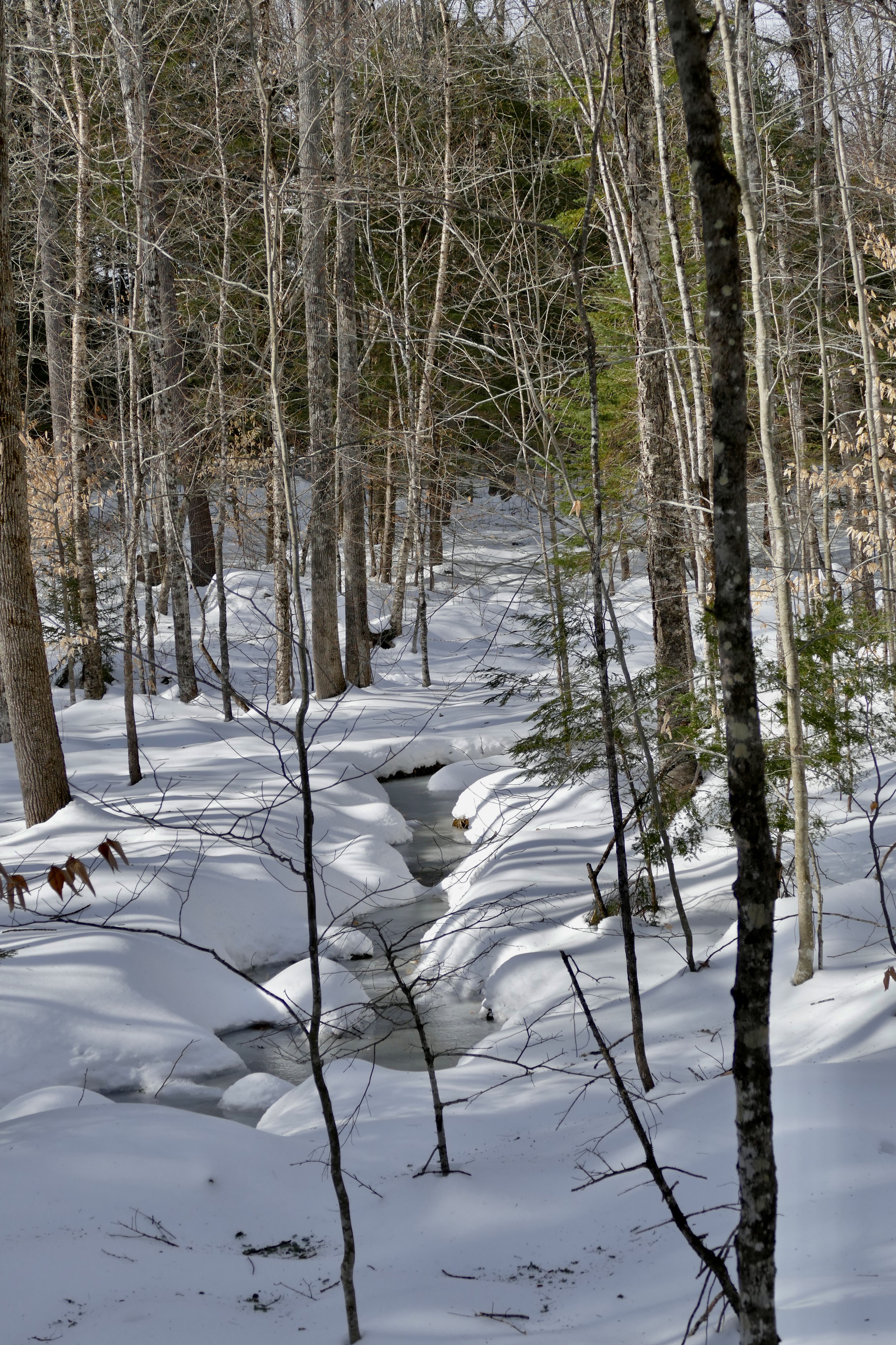
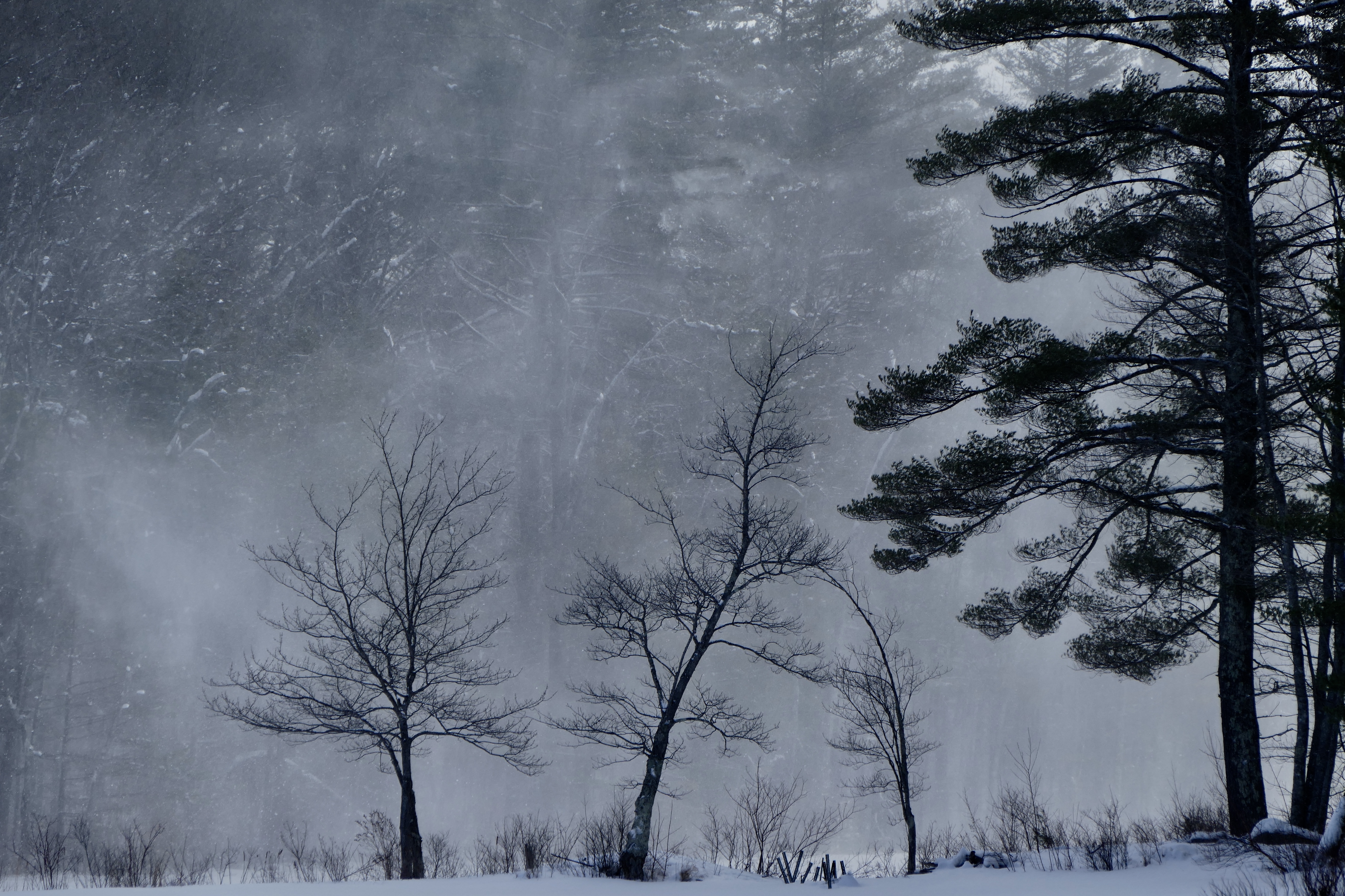
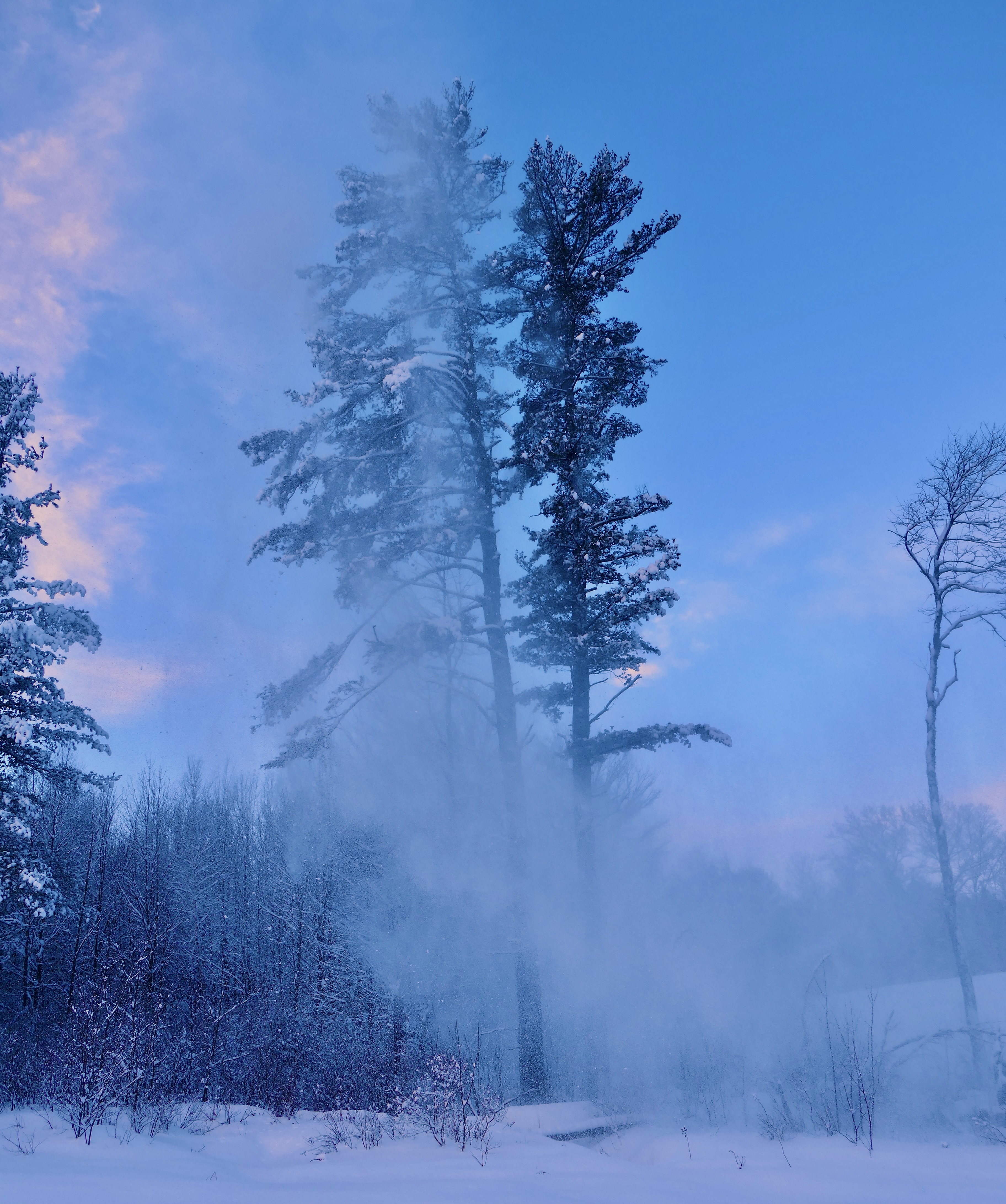
We go wading through snows now up the bleak river, in the face of the cutting northwest wind and driving snow-steam, turning now this ear, then that, to the wind, and our gloved hands in our bosoms or pockets. Our tracks are obliterated before we come back. How different this from sailing or paddling up the stream here in July, or poling amid the rocks! Yet still, in one square rod, where they have got out ice and a thin transparent ice has formed, I can see the pebbly bottom the same as in summer.
It is a cold and windy Sunday. The wind whistles round the northwest corner of the house and penetrates every crevice and consumes the wood in the stoves, — soon blows it all away. An armful goes but little way. Such a day makes a great hole in the wood-pile. [It] whisks round the corner of the house, in at a crevice, and flirts off with all the heat before we have begun to feel it.
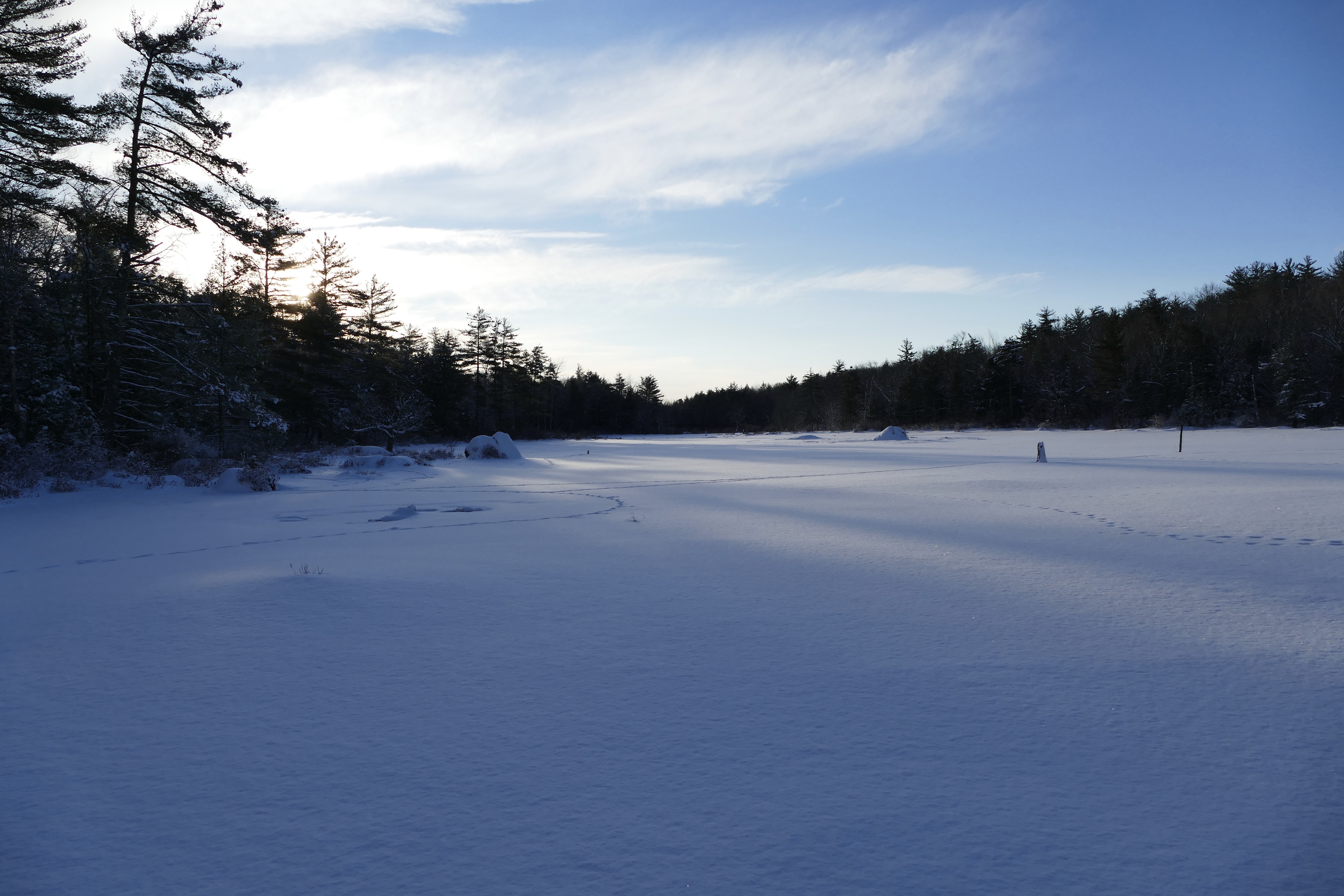
Some of the low drifts but a few inches deep, made by the surface snow blowing, over the river especially, are of a fine, pure snow, so densely packed that our feet make hardly any impression on them.
in Thoreau’s Journal:
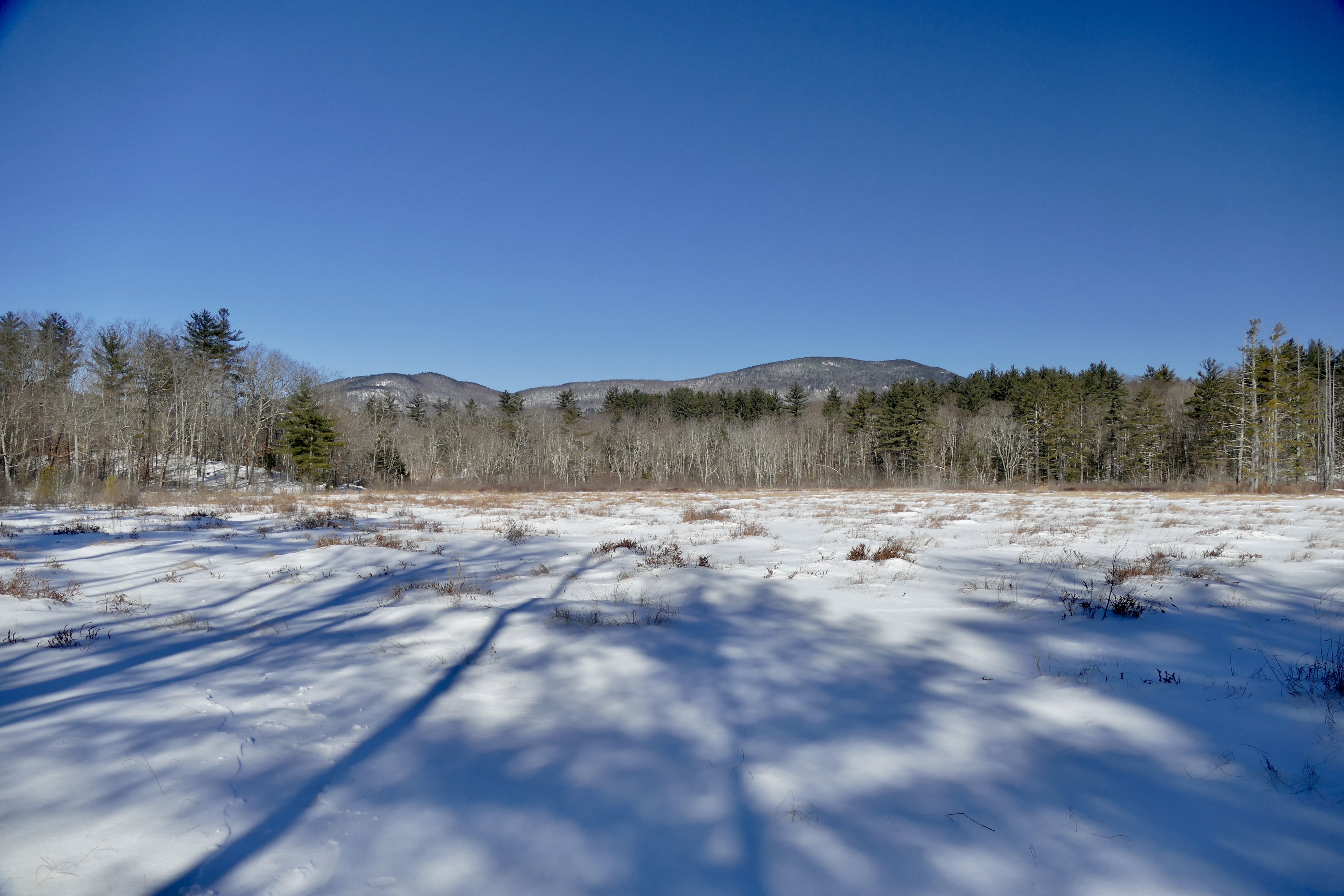
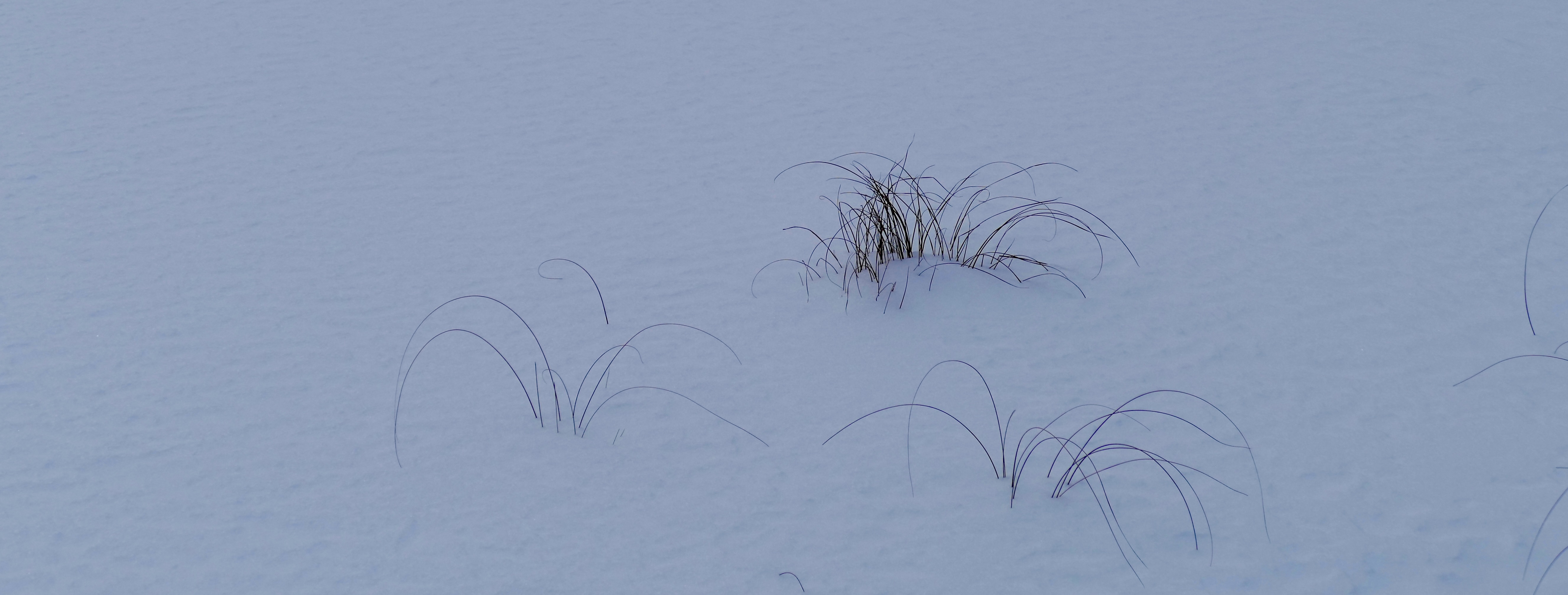
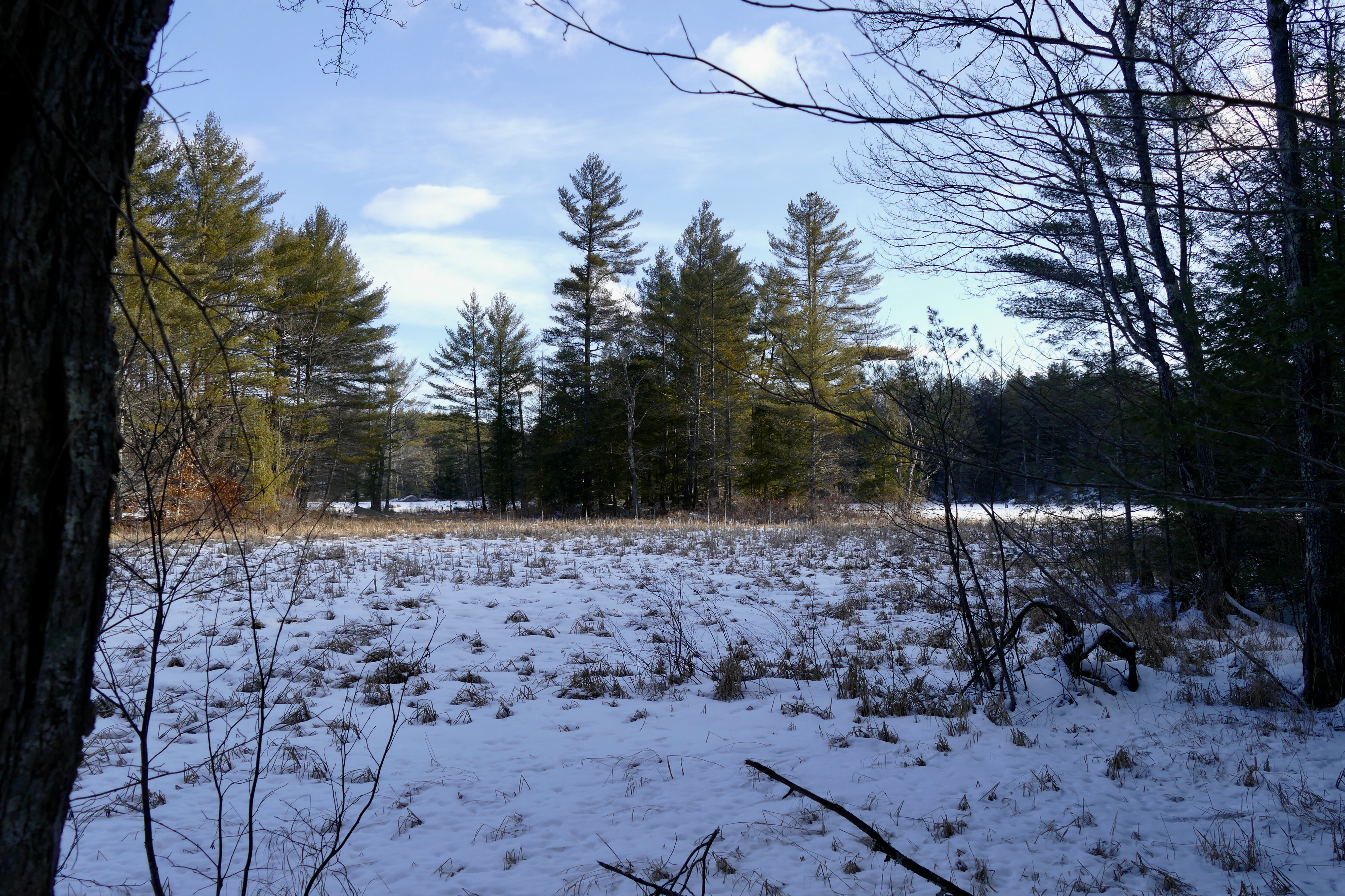
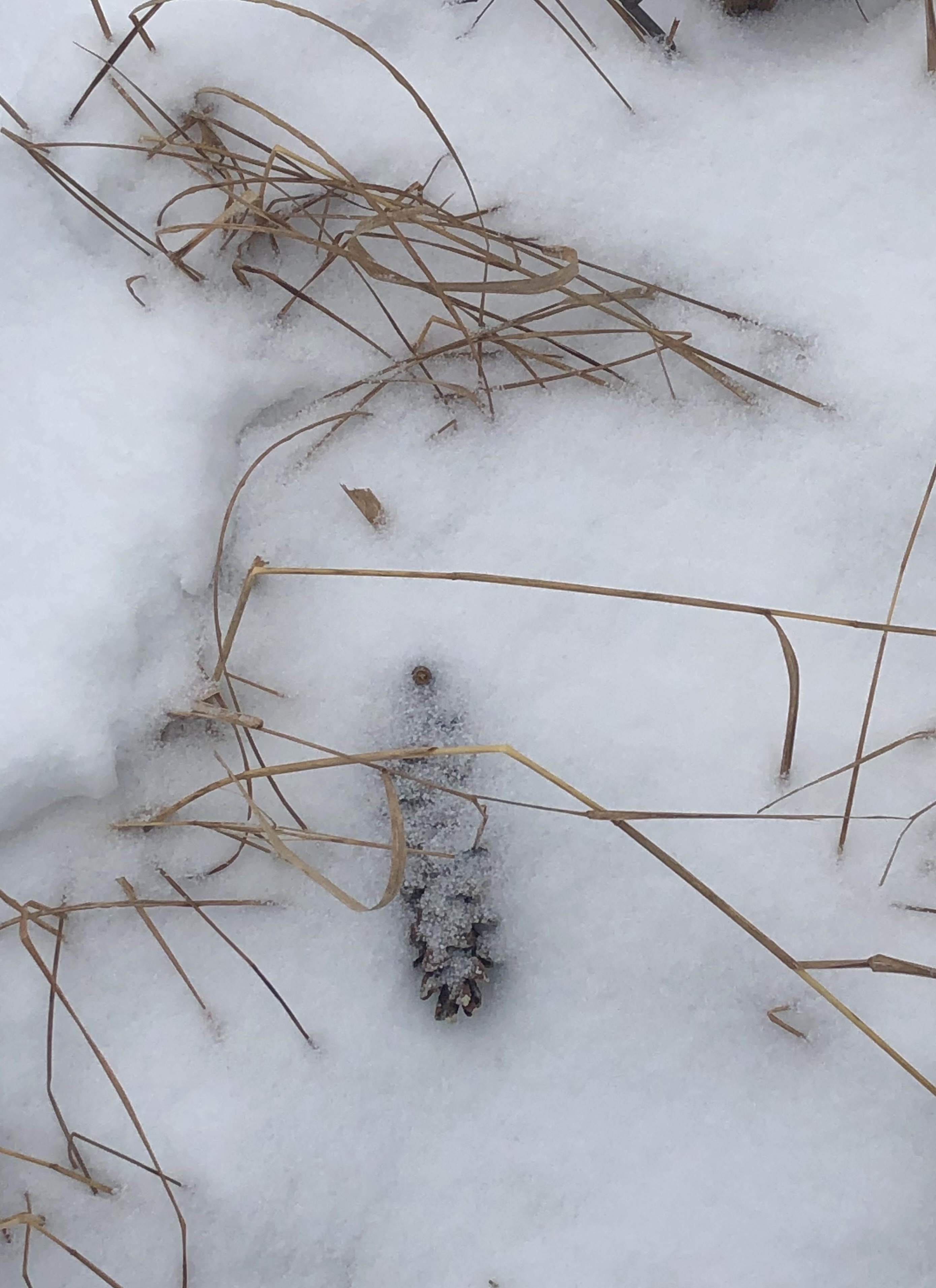
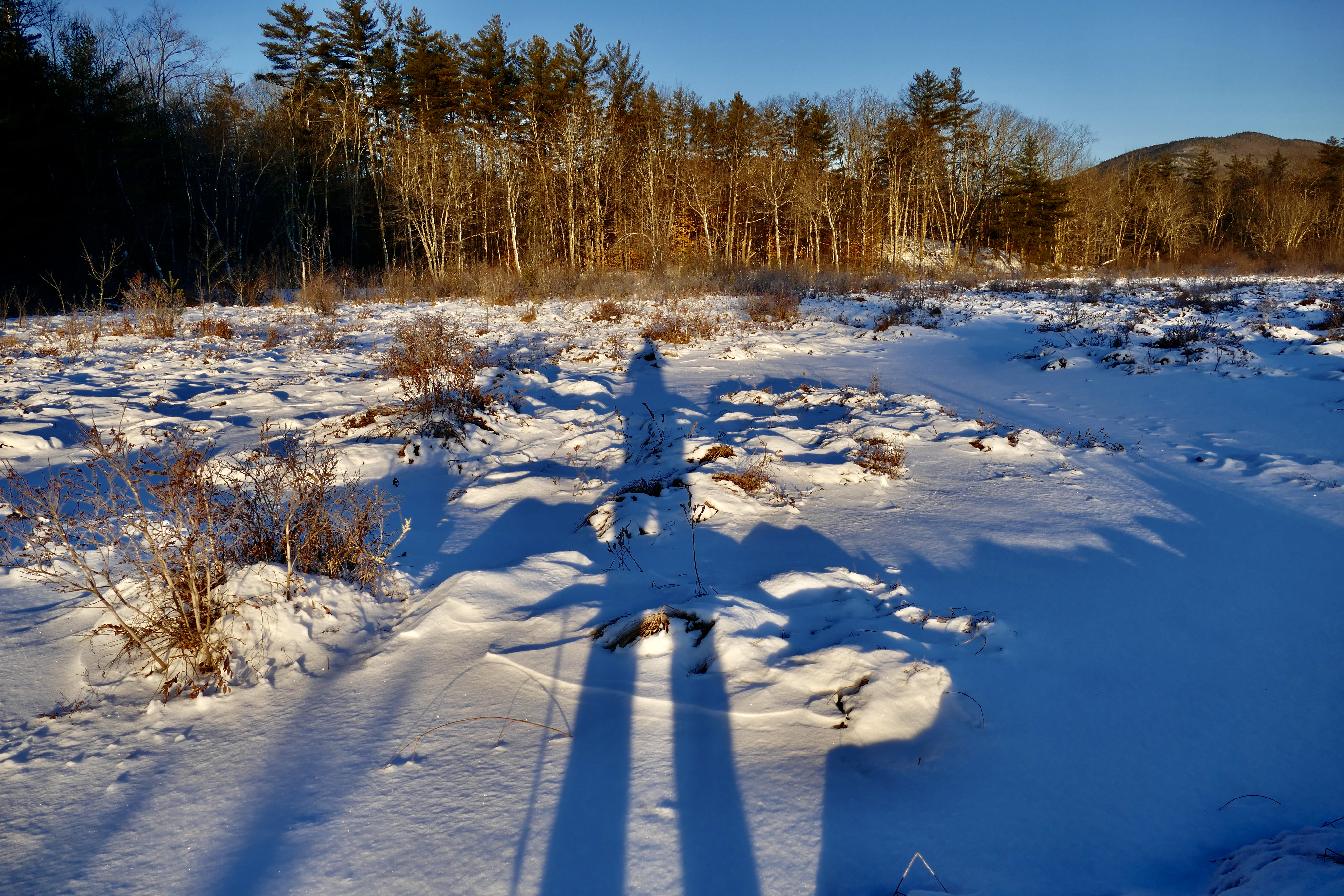
It is remarkable that the straw-colored sedge of the meadows—which in the fall is one of the least noticeable colours—should now that the landscape is mostly covered with snow—be perhaps the most noticeable of all objects in it for its color. —& an agreeable contrast to the snow—
in Thoreau’s Journal:
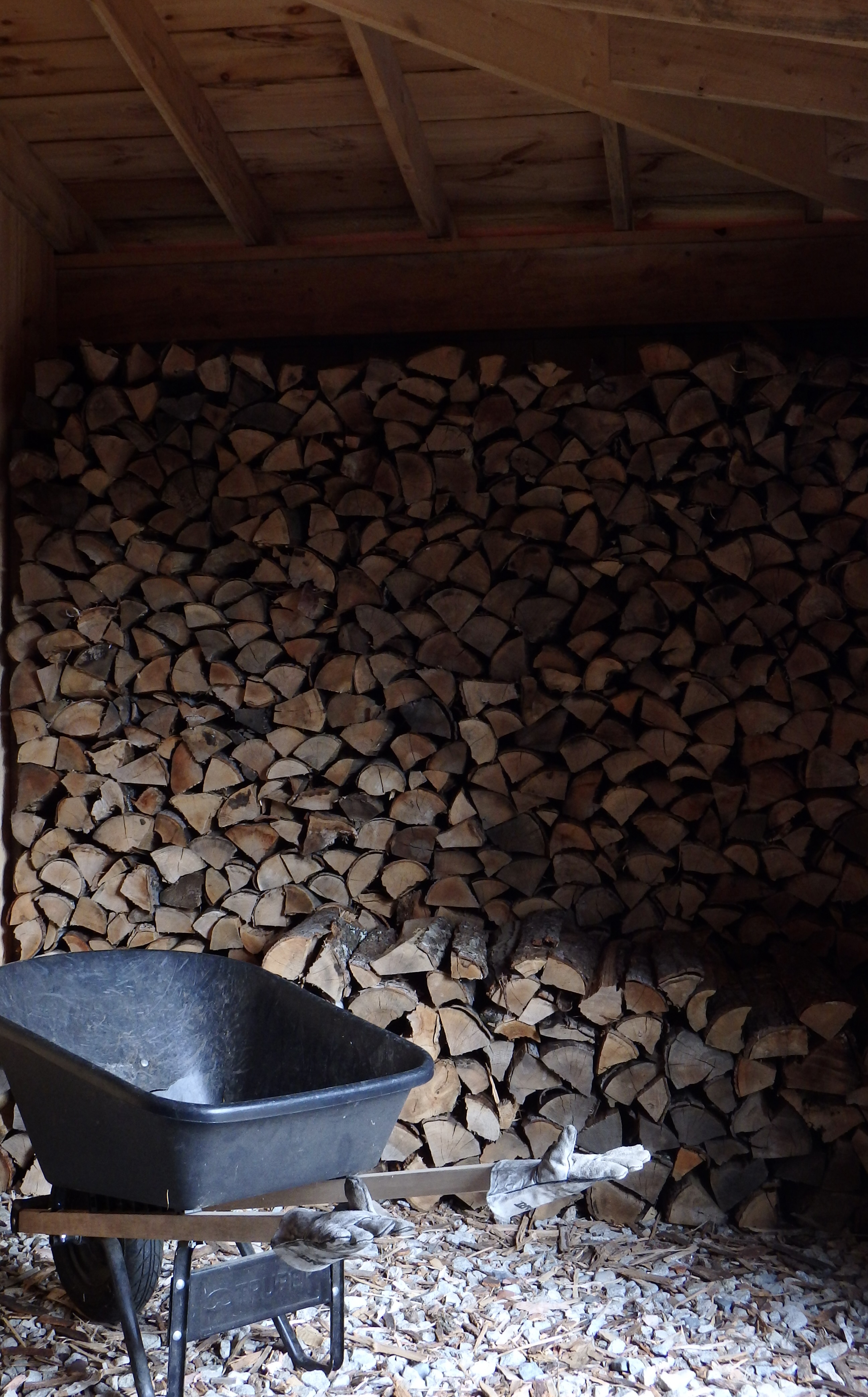
A laborer on the RR—tells me it is Candlemas day—(Feb 2d) tomorrow—& the winter half out—half your wood & half your hay—&c &c—& as that day is so will be the rest of the winter.
in Thoreau’s Journal:
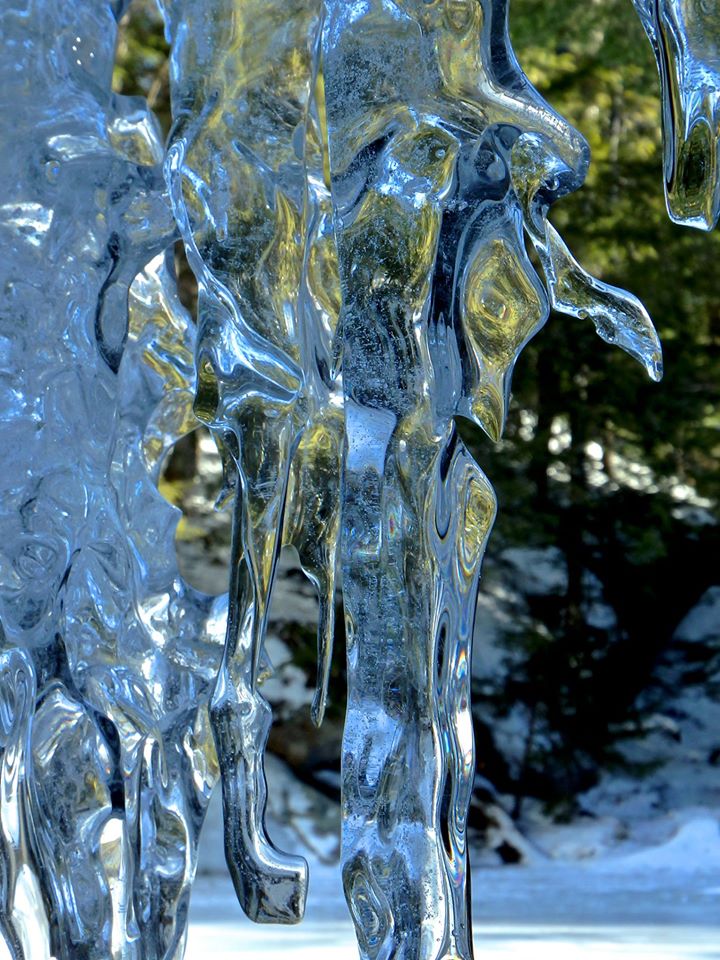
Surely the ice is a great & absorbing phenomenon– Consider how much of the surface of the town it occupies– How much attention it monopolizes! We do not commonly distinguish more than one kind of water in the river–but what various kinds of ice there are!



in Thoreau’s Journal:
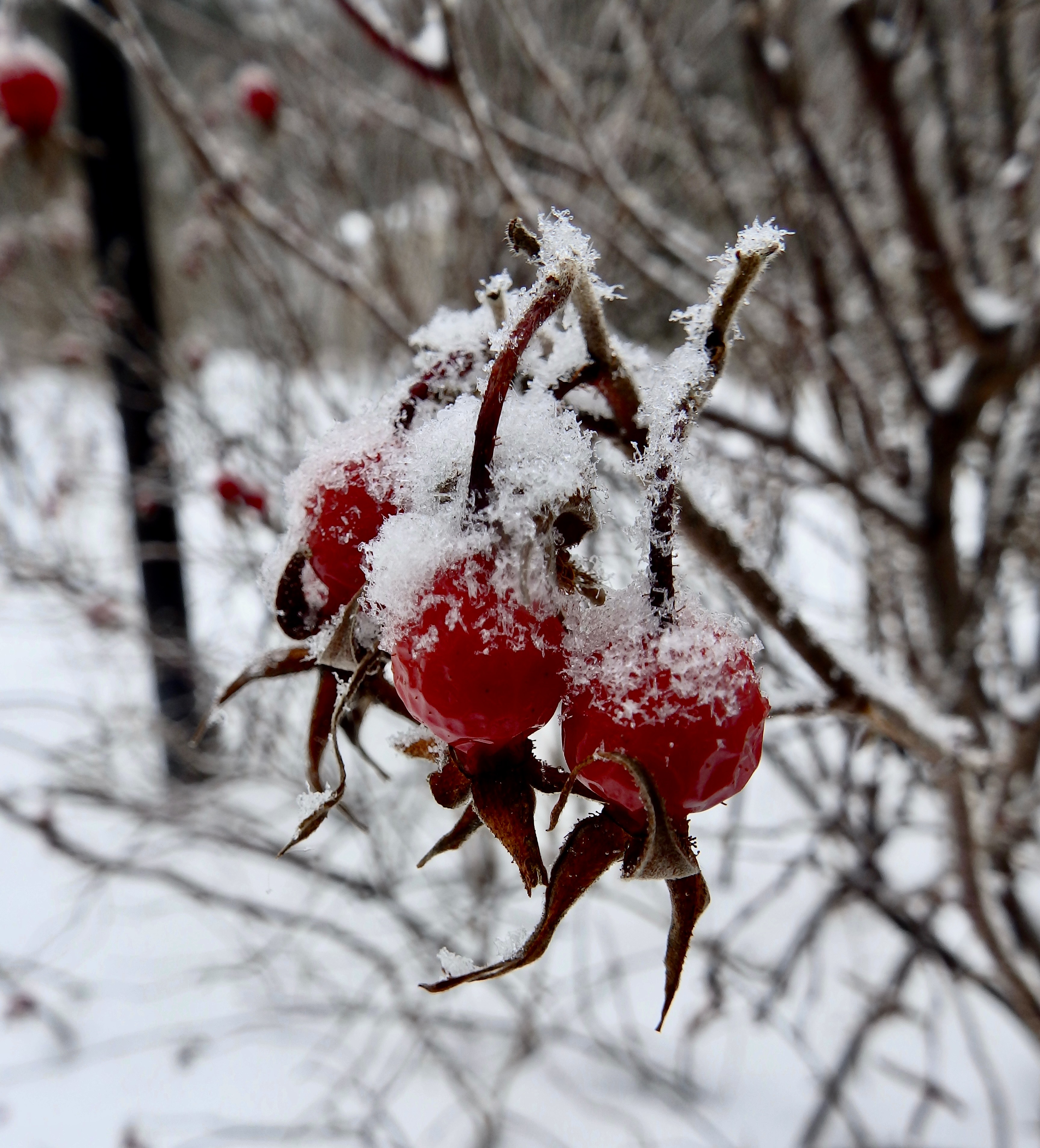
The hips of the late rose are still abundant & perfect amid the button bushes—
in Thoreau’s Journal:
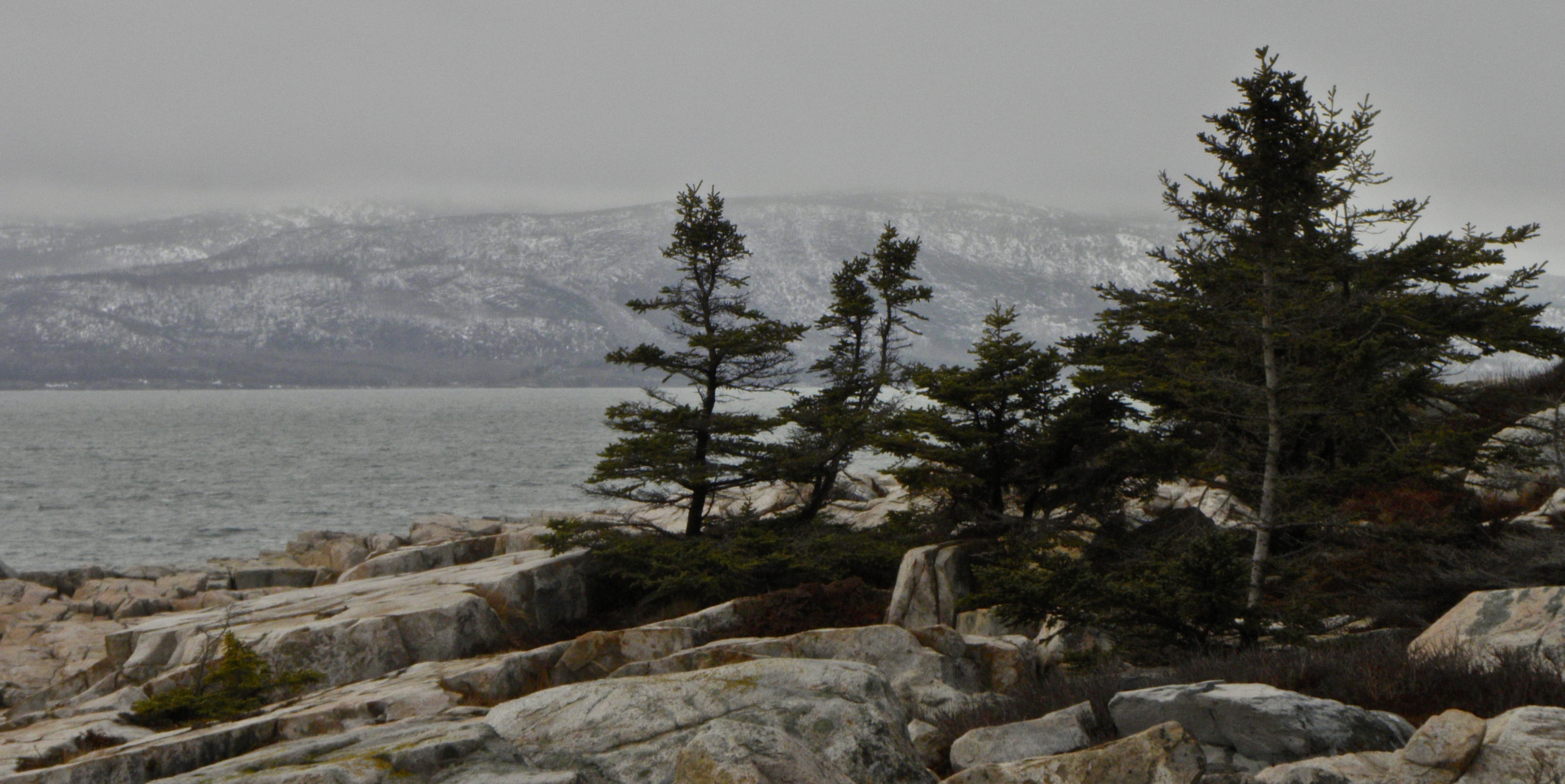
Men lie behind the barrier of a relation as effectually concealed as the landscape by a mist; and when at length some unforeseen accident throws me into a new attitude toward them, I am astounded, as if for the first time I saw the sun on the hill-side.— They lie out before me like a new order of things.— As when the master meets his pupil as a man.— Then first do we stand under the same heavens—and master and pupil alike go down the resistless ocean stream together.
in Thoreau’s Journal:
Our life should be so active and progressive as to be a journey. Our meals should all be of journey-cake and hasty pudding. We should be more alert, see the sun rise, not keep fashionable hours, enter a house, our own house, as a khan, a caravansary. At noon I did not dine; I ate my journey-cake. I quenched my thirst at a spring or a brook. As I sat at the table, the hospitality was so perfect and the repast so sumptuous that I seemed to be breaking my fast upon a bank in the midst of an arduous journey, that the water seemed to be a living spring, the napkins grass, the conversation free as the winds; and the servants that waited on us were our simple desires.

in Thoreau’s Journal:
When you think that your walk is profitless and a failure, and you can hardly persuade yourself not to return, it is on the point of being a success, for then you are in that subdued and knocking mood to which Nature never fails to open.


in Thoreau’s Journal:
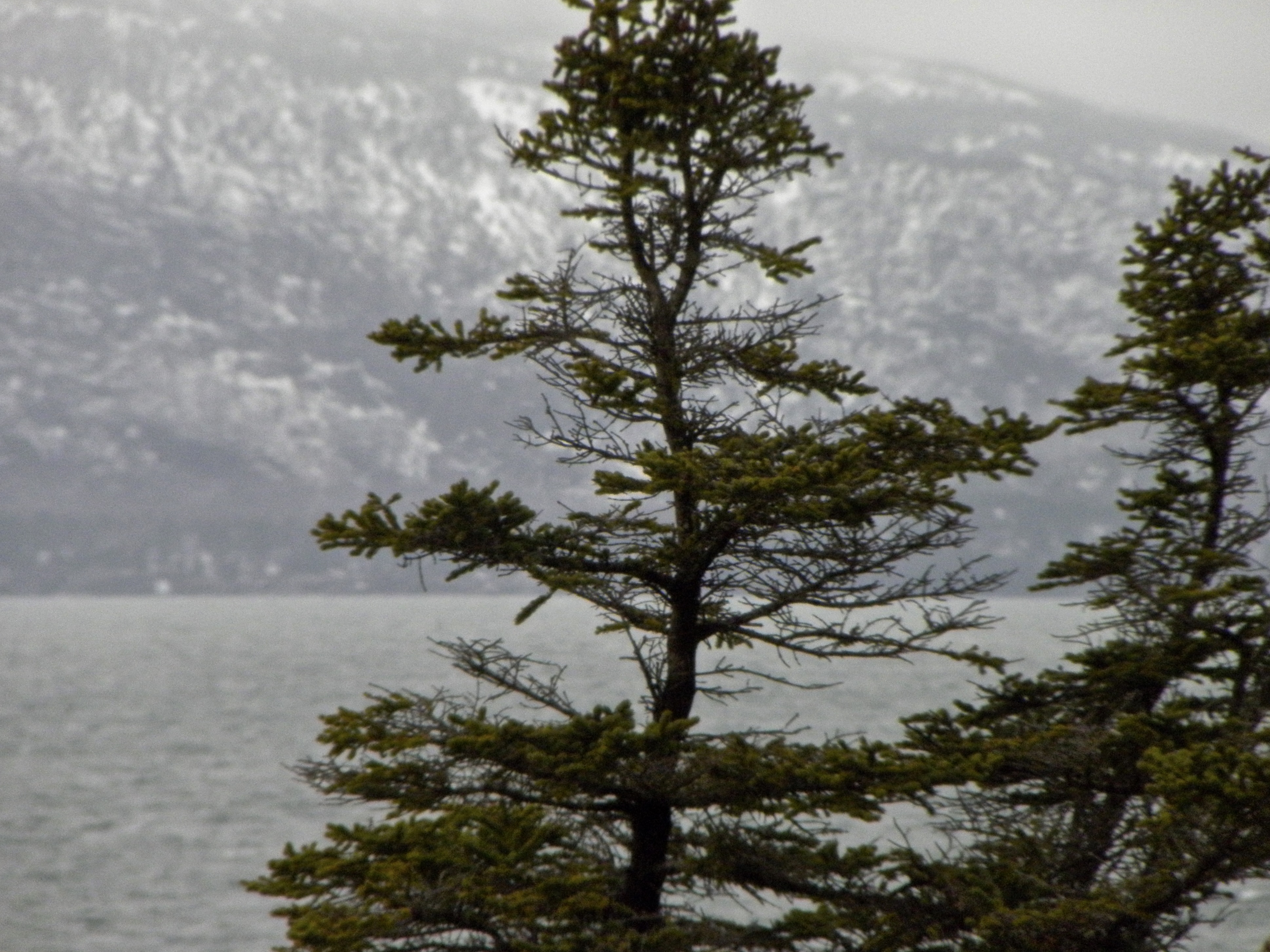
A tree seen against other trees is a mere dark mass, but against the sky it has parts, has symmetry and expansion…
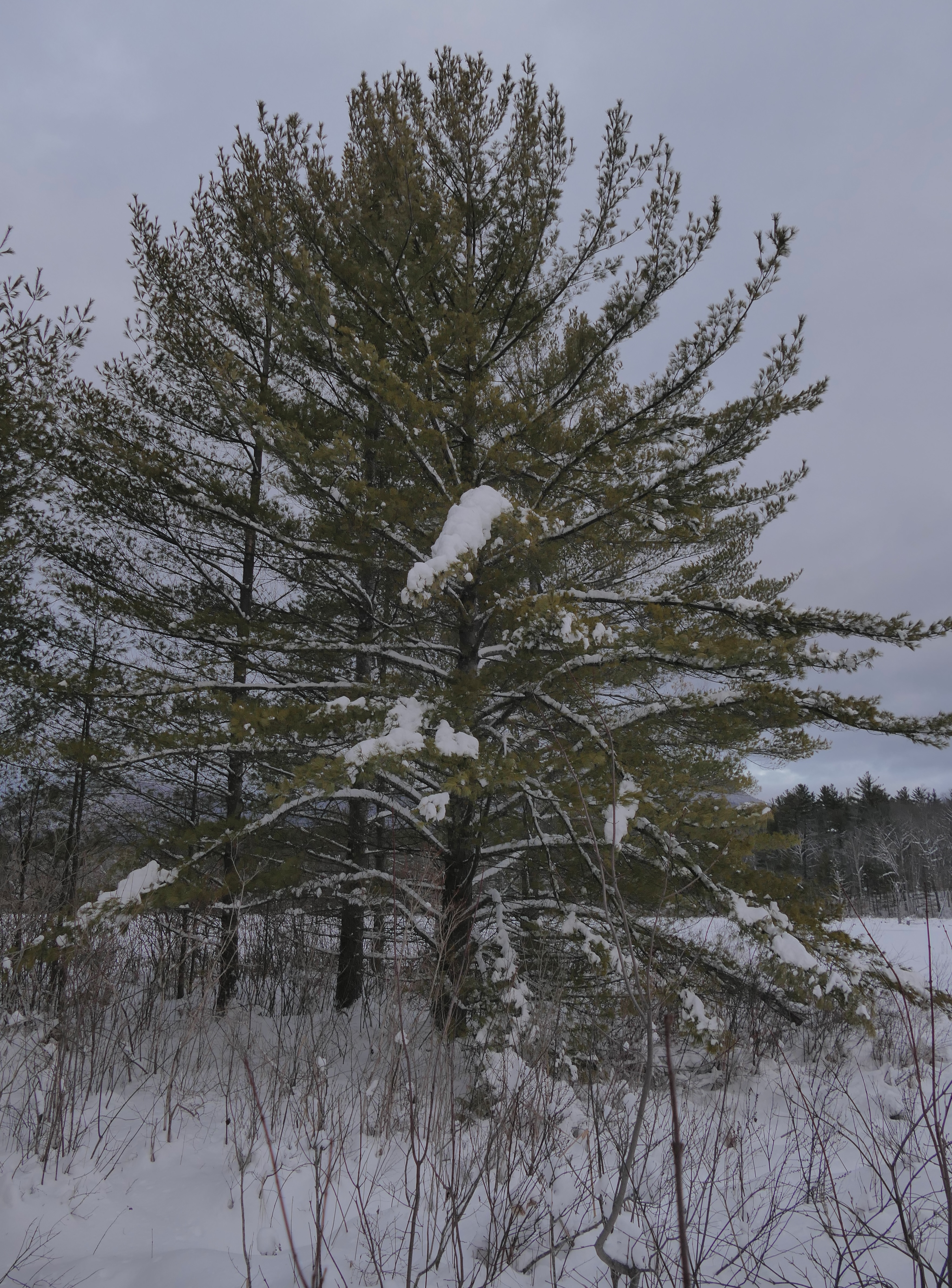


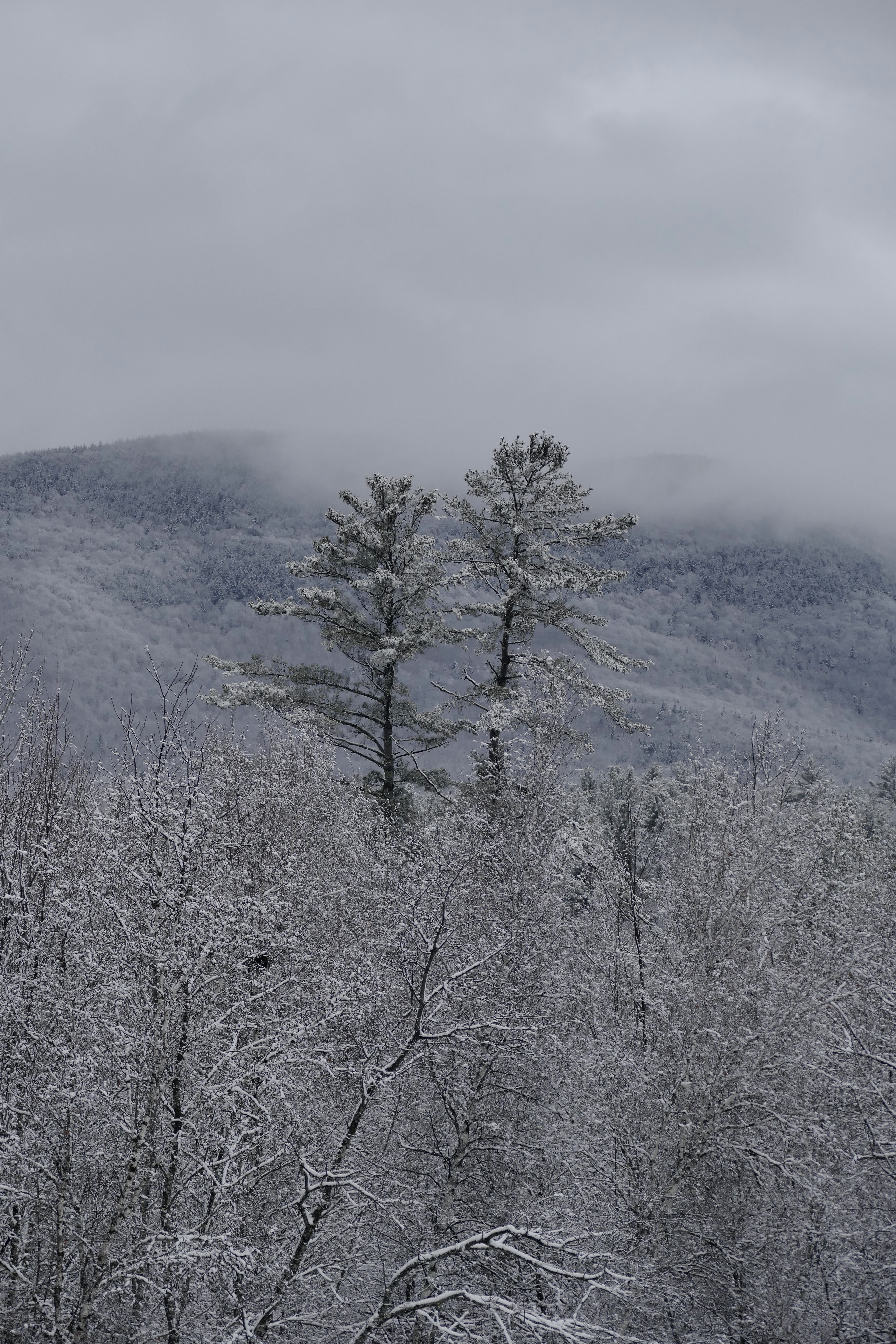
The thousand fine points & tops of the trees delight me—they are the plumes & standards & bayonets of a host that march to victory over the earth. The trees are handsome towards the heavens—as well as up their boles—they are good for other things than boards & shingles…
in Thoreau’s Journal:
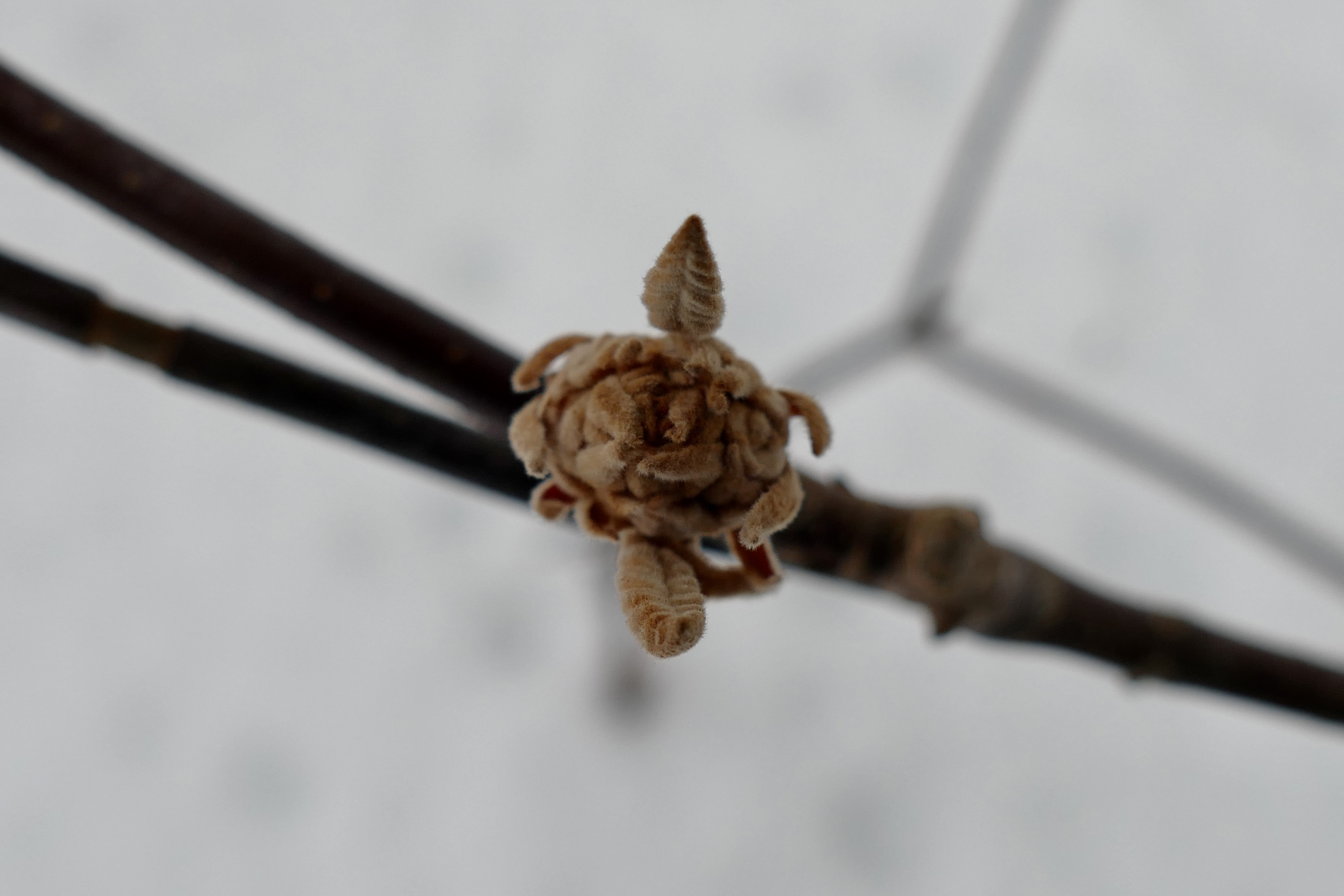
What a rich book might be made about buds, including perhaps, sprouts. The impregnable, vivacious willow catkins, but half asleep along the twigs, under the armor of their black scales, the birch and oak sprouts, the rank and lusty dogwood sprouts, the sound, red buds of the blueberry, the small pointed red buds, close to the twig, of the panicled andromeda, the large yellowish buds of the swamp pink, etc. How healthy and vivacious must he be who would treat of these things.



in Thoreau’s Journal:
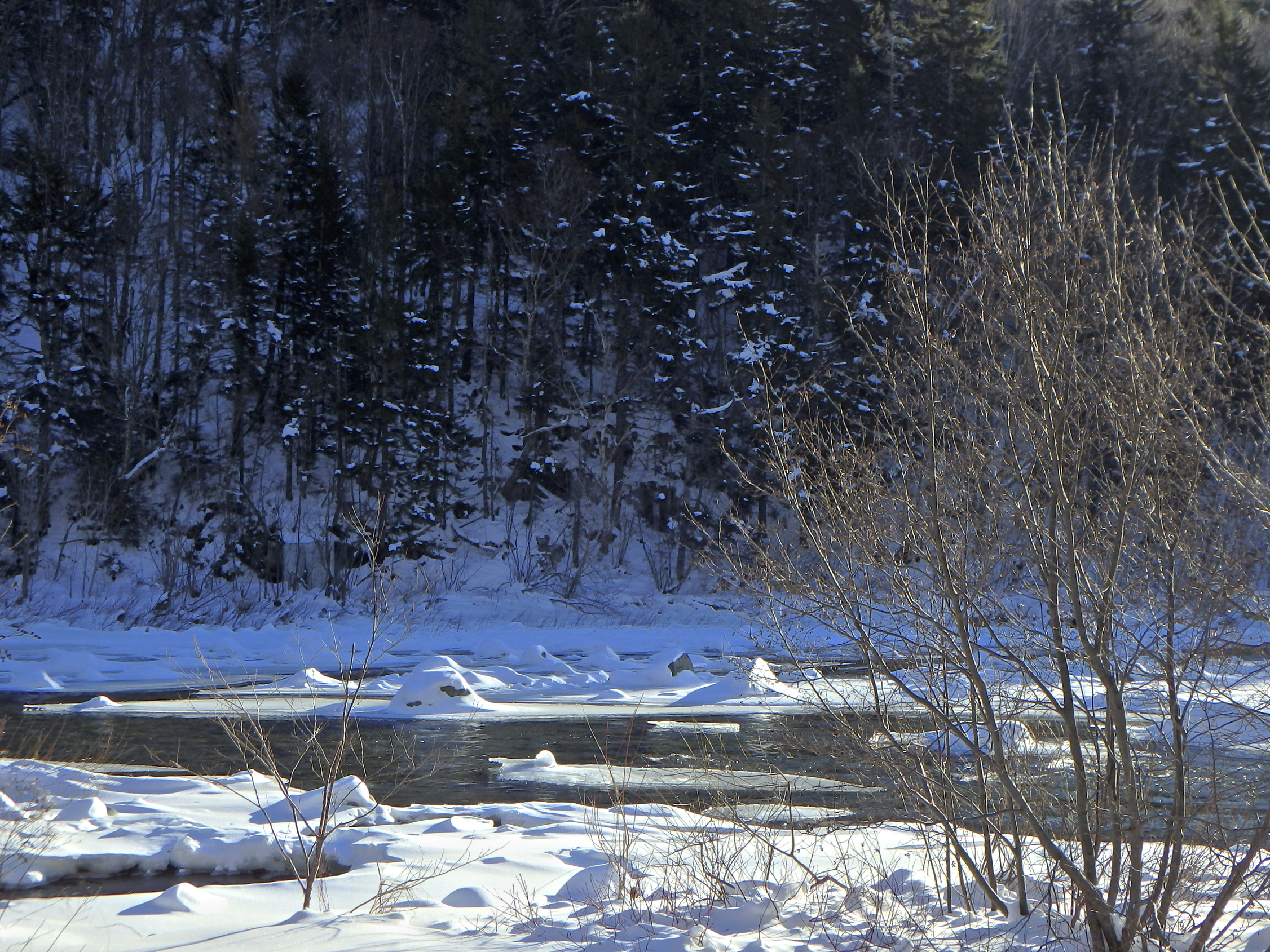
The river is broadly open, as usual this winter. You can hardly say that we have had any sleighing at all this winter, though five or six inches of snow lay on the ground five days after January 6th. But I do not quite like this warm weather and bare ground at this season. What is a winter without snow and ice in this latitude? The bare earth is unsightly. This winter is but unburied summer.

in Thoreau’s Journal:
To insure health a man’s relation to nature—must come very near to a personal one—he must be conscious of a friendliness in her—when human friends part or die she must stand in the gap to him. I cannot conceive of any life which deserves the name, unless there is a certain tender relation to nature— This it is which makes winter warm—& supplies society in the desert & wilderness— Unless nature sympathizes with & speaks to us, as it were, the most fertile & blossoming regions are barren & dreary…

in Thoreau’s Journal:
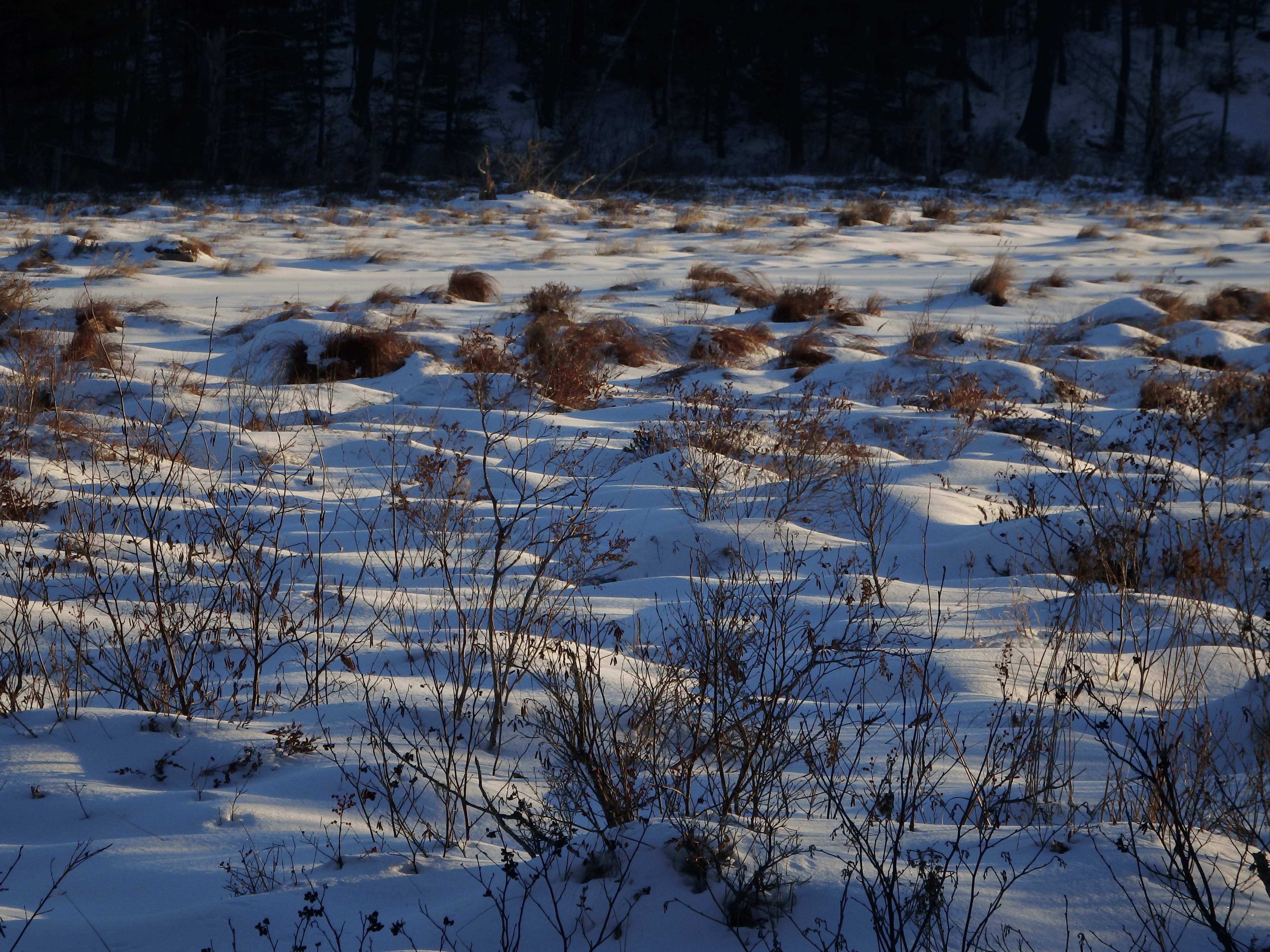
The surface of the snow in the fields is that of pretty large waves on a sea over which a summer breeze is sweeping.

in Thoreau’s Journal:
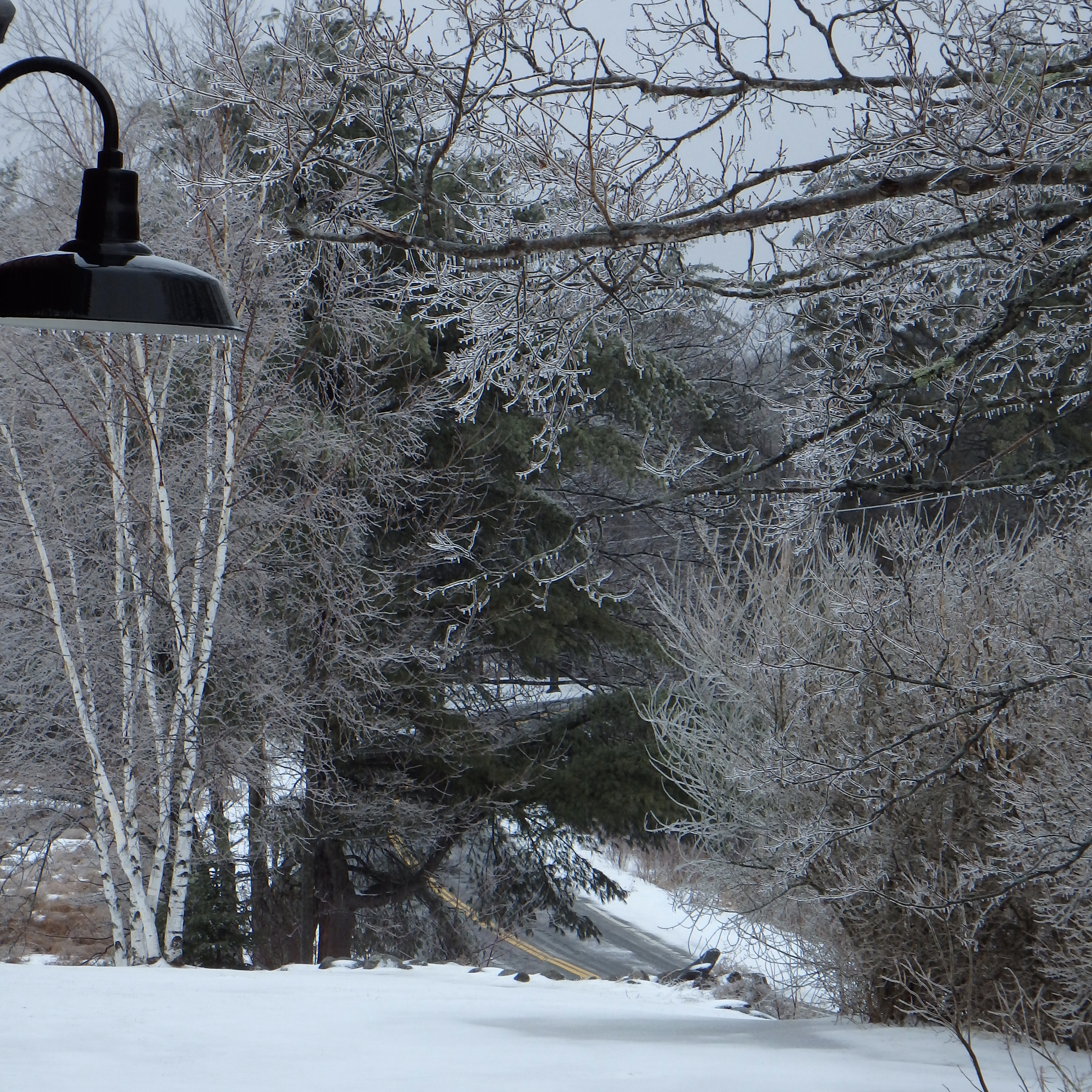
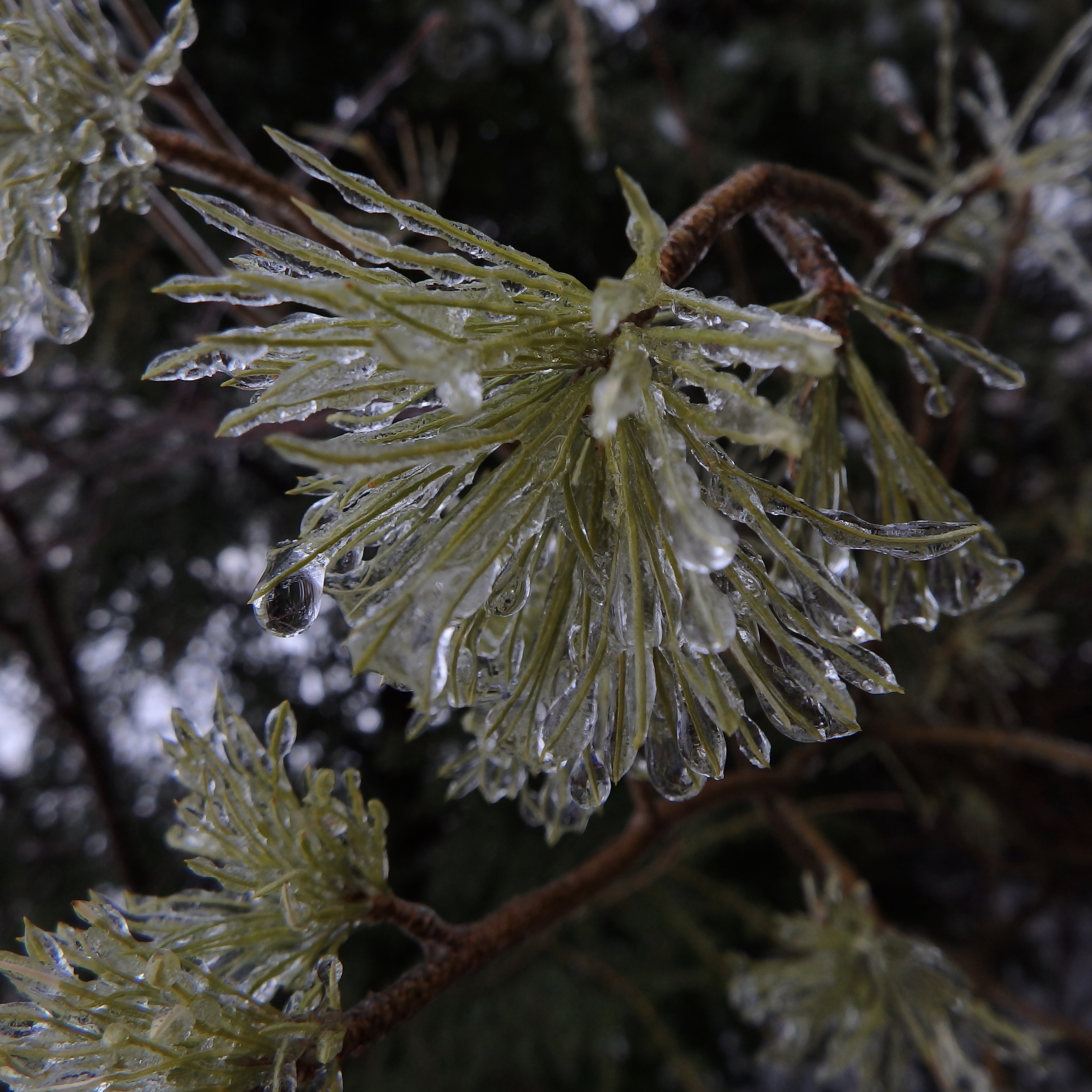
Every leaf and twig was this morning covered with a sparkling ice armor. Even the grasses in exposed fields were hung with innumerable diamond pendants which jingled merrily when brushed by the foot of the traveler….It was as if some superincumbent stratum of the earth had been removed in the night, exposing to light a bed of untarnished crystals. The scene changed at every step, or as the head was inclined to the right or to the left….Such is beauty ever, neither here nor there, now nor then, neither in Rome nor in Athens, but wherever there is a soul to admire.


in Thoreau’s Journal:
I do not know but it is too much to read one newspaper in a week, for I now take the weekly Tribune, and for a few days past, it seems to me, I have not dwelt in Concord; the sun, the clouds, the snow, the trees say not so much to me. You cannot serve two masters. It requires more than a day’s devotion to know and to possess the wealth of a day.
To read of things distant and sounding betrays us into slighting these which are then apparently near and small. We learn to look abroad for our mind and spirit’s daily nutriment, and what is this dull town to me? what are these plain fields and the aspects of this earth and these skies? All summer and far into the fall I unconsciously went by the newspapers and the news, and now I find it was because the morning and the evening were full of news to me. My walks were full of incidents. I attended not to the affairs of Europe, but to my own affairs in Concord fields.
in Thoreau’s Journal:
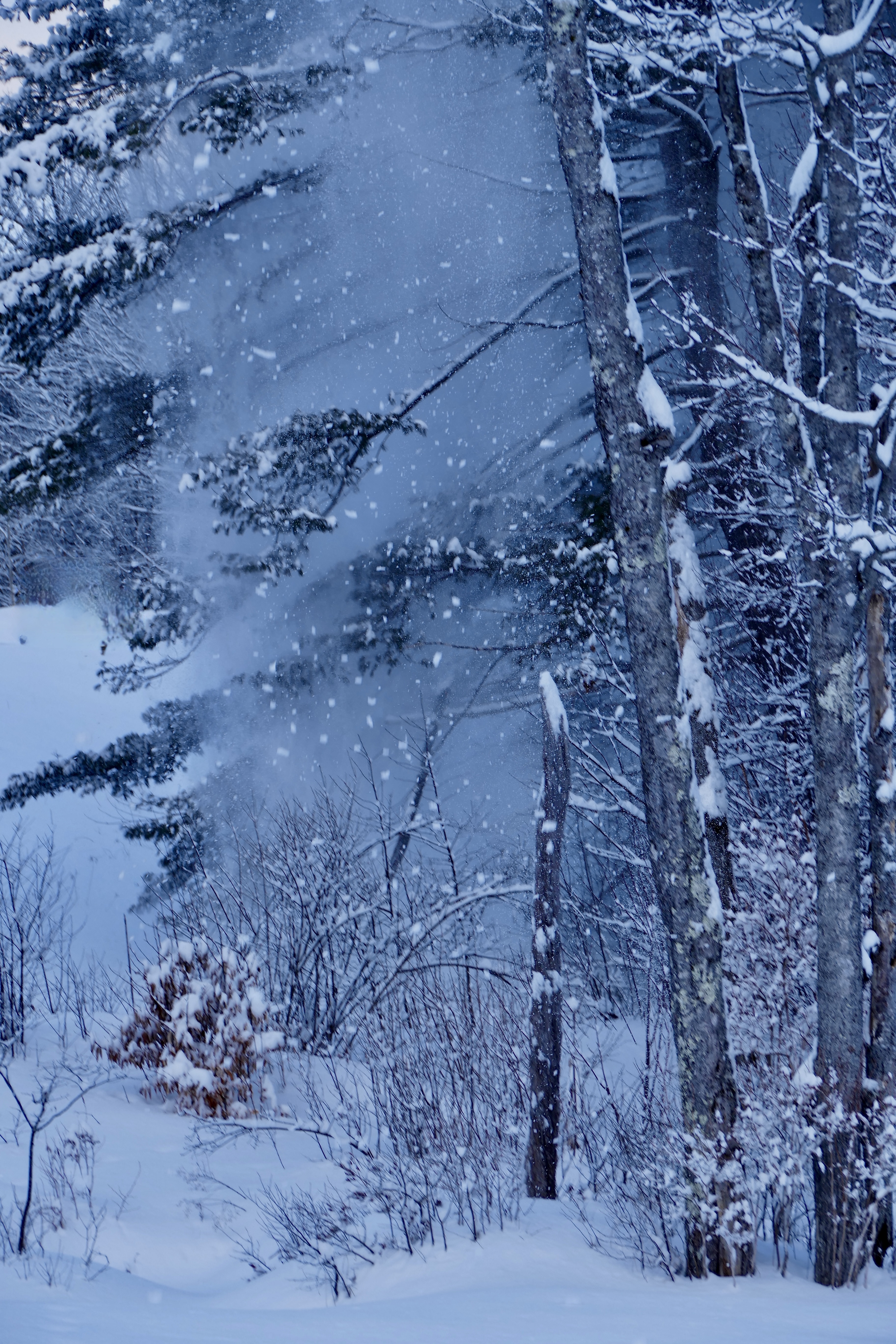
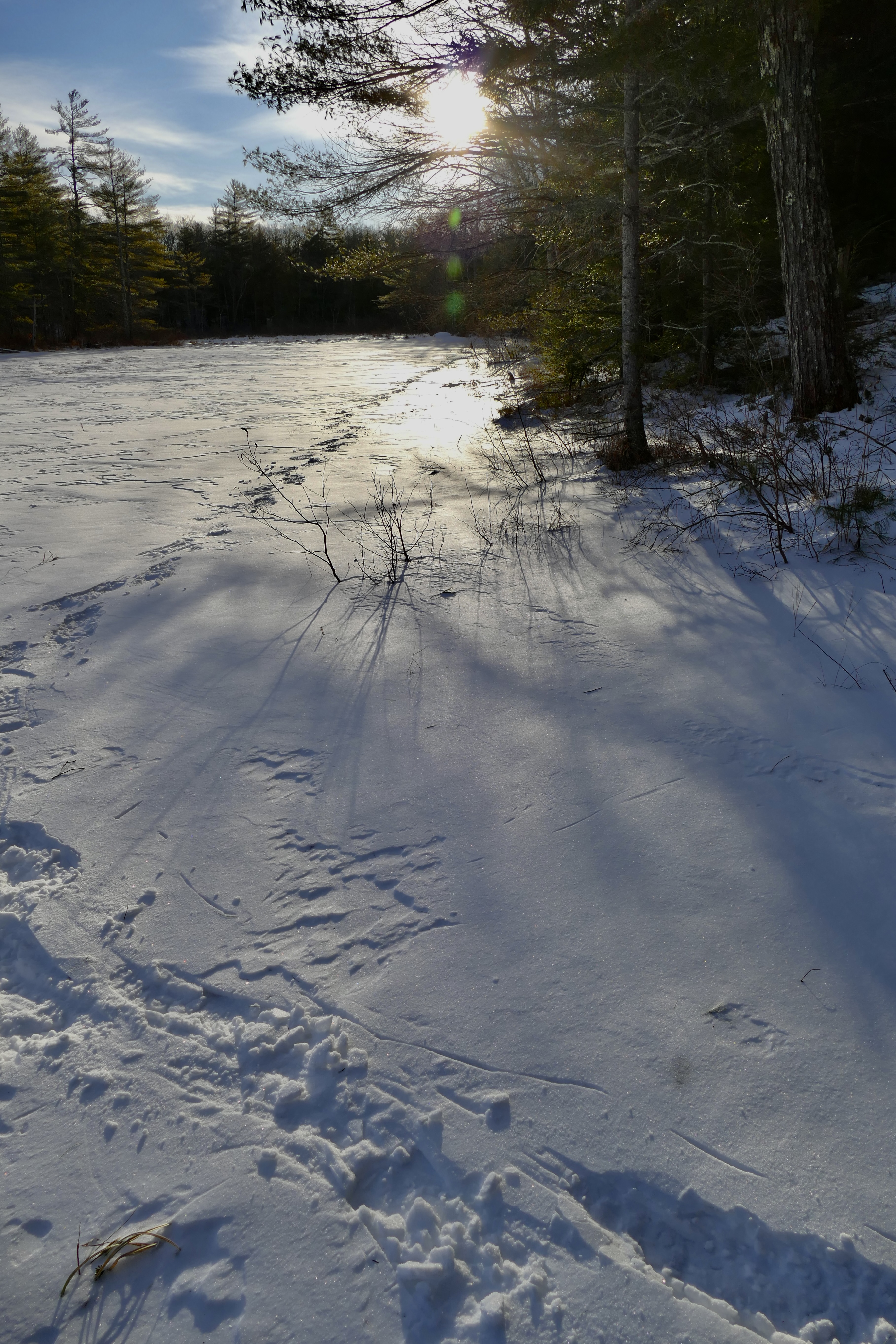
A snow-storm with very high wind all last night and to-day. Though not much snow falls (perhaps seven or eight inches), it is exceedingly drifted, so that the first train gets down about noon and none gets up till about 6 p. m.! There is no vehicle passing the house before 2 p. m.! A fine dry snow, intolerable to face.

 allandibiase.com
You must be logged in to post a comment.