in Thoreau’s Journal:

Saw a blue flag blossom in the meadow while waiting for the stake-driver.
in Thoreau’s Journal:
Saw a blue flag blossom in the meadow while waiting for the stake-driver.
in Thoreau’s Journal:
Violets appear to be about done, generally. Four-leaved loosestrife just out; also the smooth wild rose yesterday.
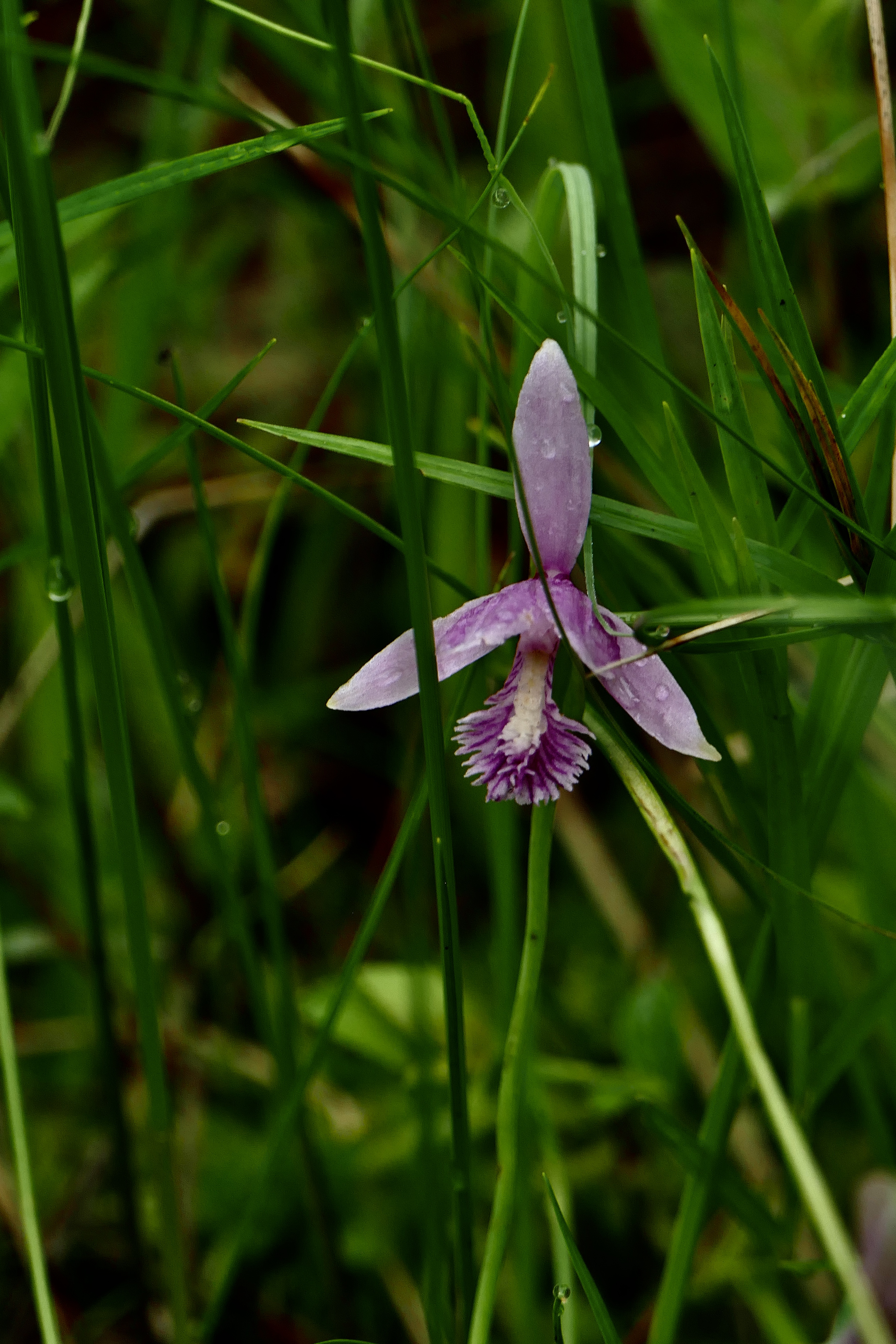
The pogonia at Forget-me-not Brook.
in Thoreau’s Journal:
The blue flag (Iris versicolor). Its buds are a dark indigo-blue tip beyond the green calyx. It is rich but hardly delicate and simple enough; a very handsome sword-shaped leaf. The blue-eyed grass is one of the most beautiful of flowers. It might have been famous from Proserpine down. It will bear to be praised by poets. The blue flag, not-withstanding its rich furniture, its fringed recurved parasols over its anthers, and its variously streaked and colored petals, is loose and coarse in its habit. How completely all character is expressed by flowers! This is a little too showy and gaudy, like some women’s bonnets.

Yet it belongs to the meadow and ornaments it much.
in Thoreau’s Journal:

How agreeable in a still, cloudy day, when large masses of clouds, equally dispersed, float across the sky, not threatening rain, but preserving a temperate air, to see a sheet of water thus revealed by its reflections, a smooth, glassy mirror, reflecting the light sky and the dark and shady woods. It is very much like a, mirage.
in Thoreau’s Journal:
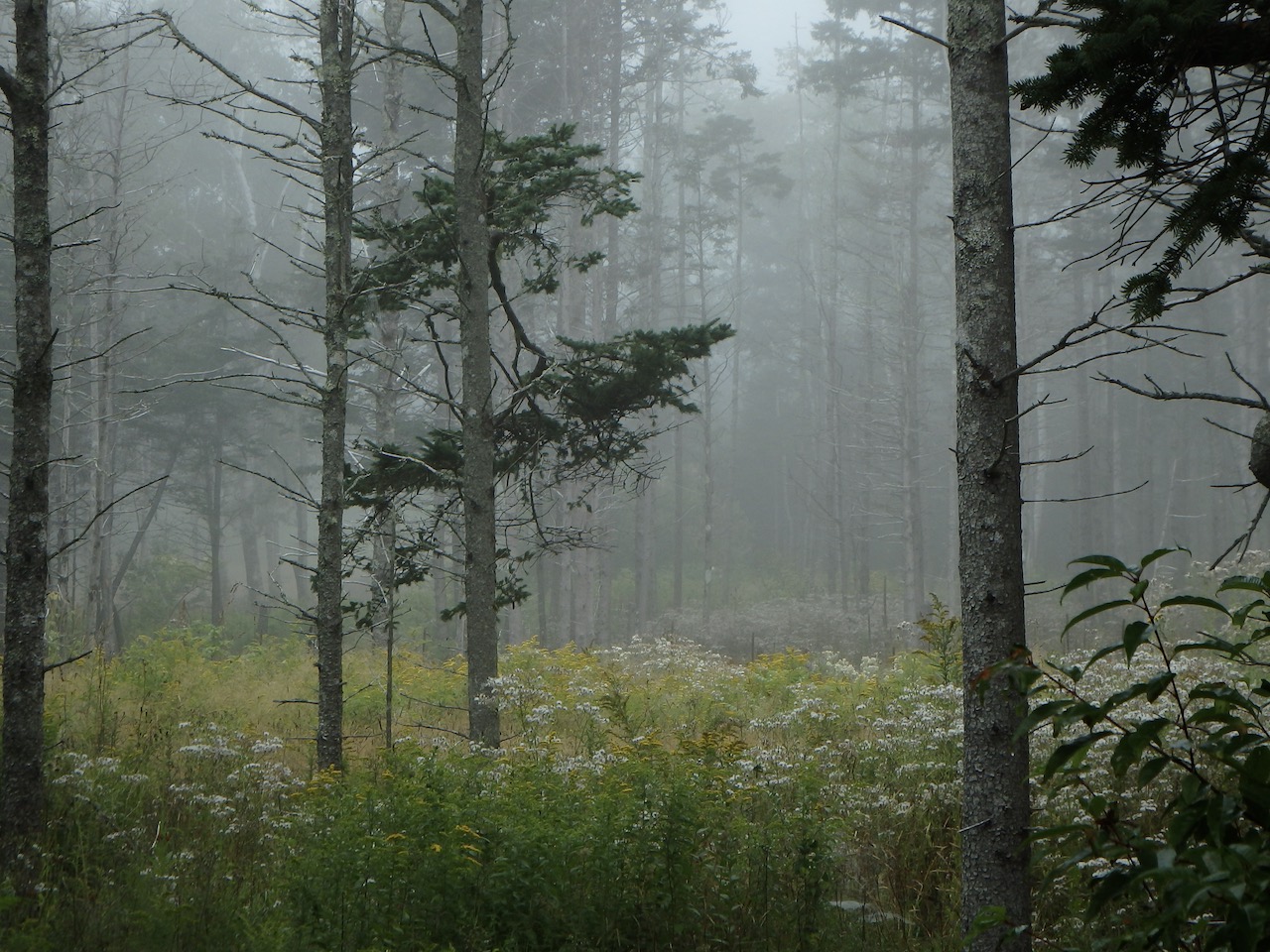
Another great fog this morning.
in Thoreau’s Journal:
For a week past we have had washing days. The grass waving, and trees having leaved out, their boughs wave and feel the effect of the breeze. Thus new life and motion is imparted to the trees. The season of waving boughs; and the lighter under sides of the new leaves are exposed. This is the first half of June. Already the grass is not so fresh and liquid-velvety a green, having much of it blossom[ed] and some even gone to seed, and it is mixed with reddish ferns and other plants, but the general leafiness, shadiness, and waving of grass and boughs in the breeze characterize the season.
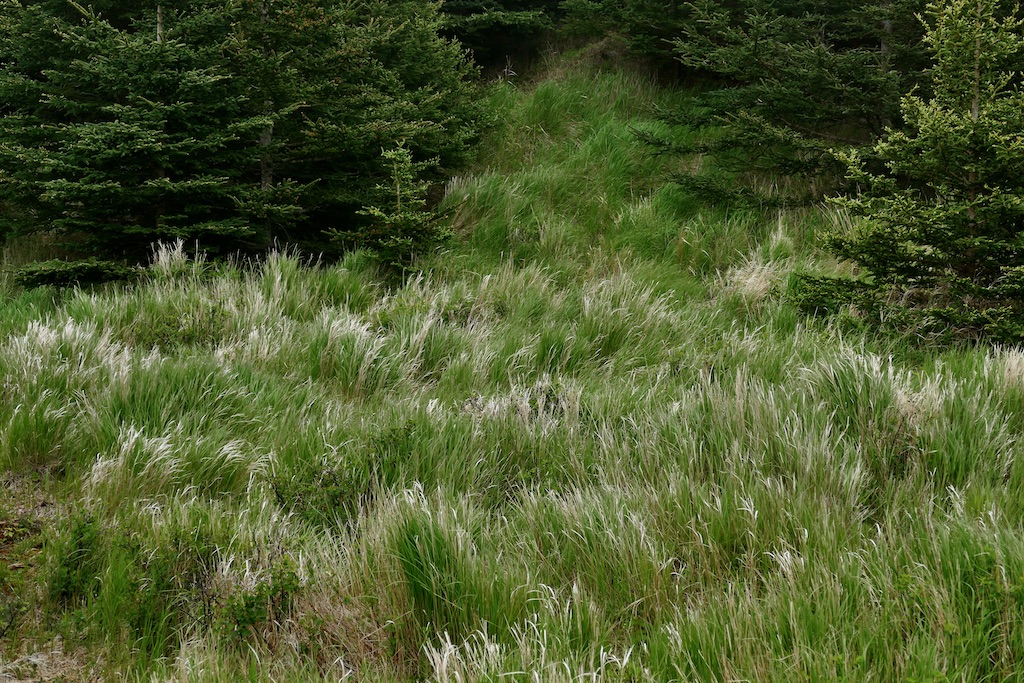
The wind is not quite agreeable, because it prevents your hearing the birds sing. Meanwhile the crickets are strengthening their quire. The weather is very clear, and the sky bright. The river shines like silver. Methinks this is a traveller’s month. The locust in bloom. The waving, undulating rye. The deciduous trees have filled up the intervals between the evergreens, and the woods are bosky now.
in Thoreau’s Journal:
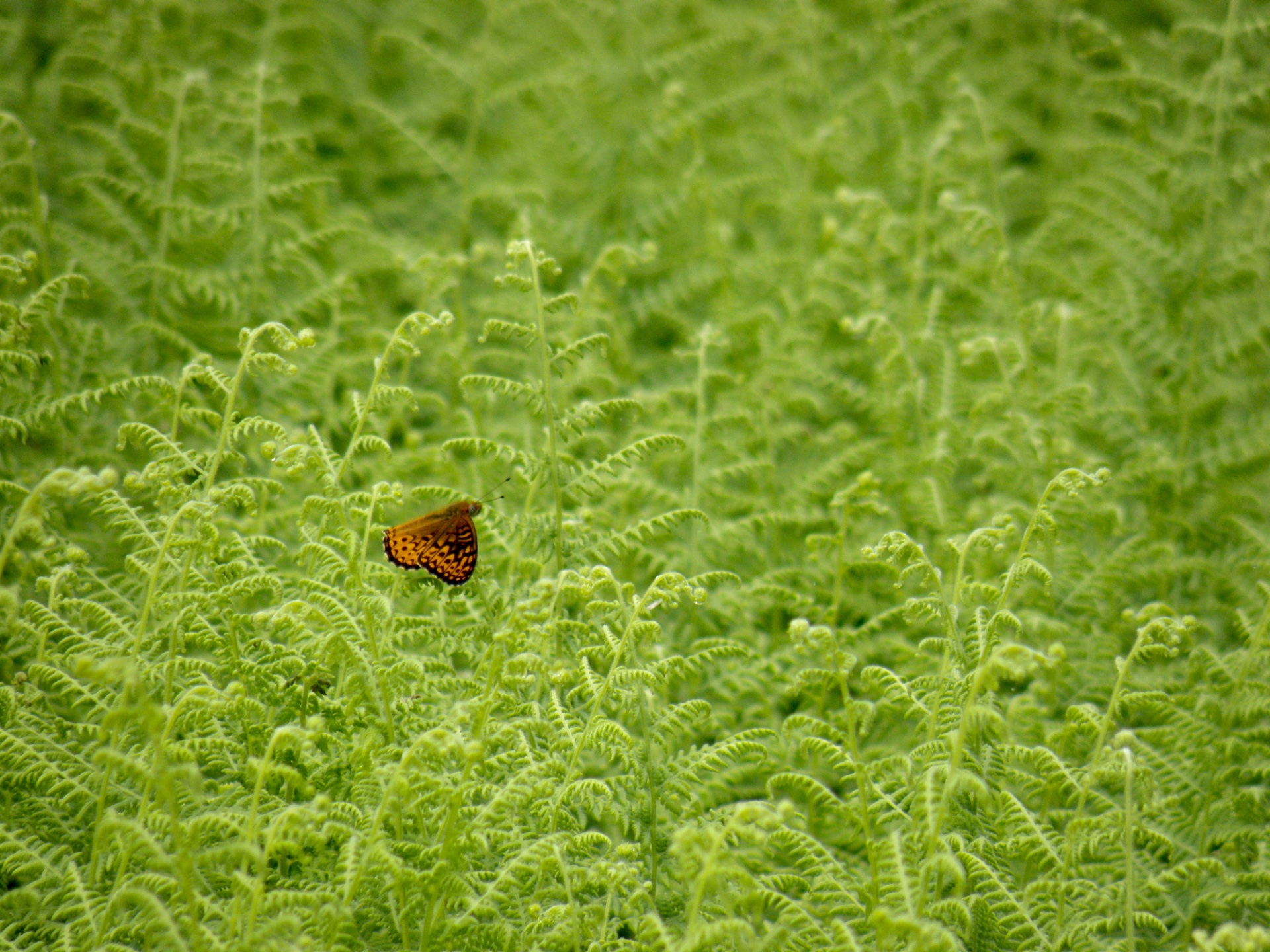
This is truly June when you begin to see brakes (dark green) fully expanded in the wood paths.
in Thoreau’s Journal:

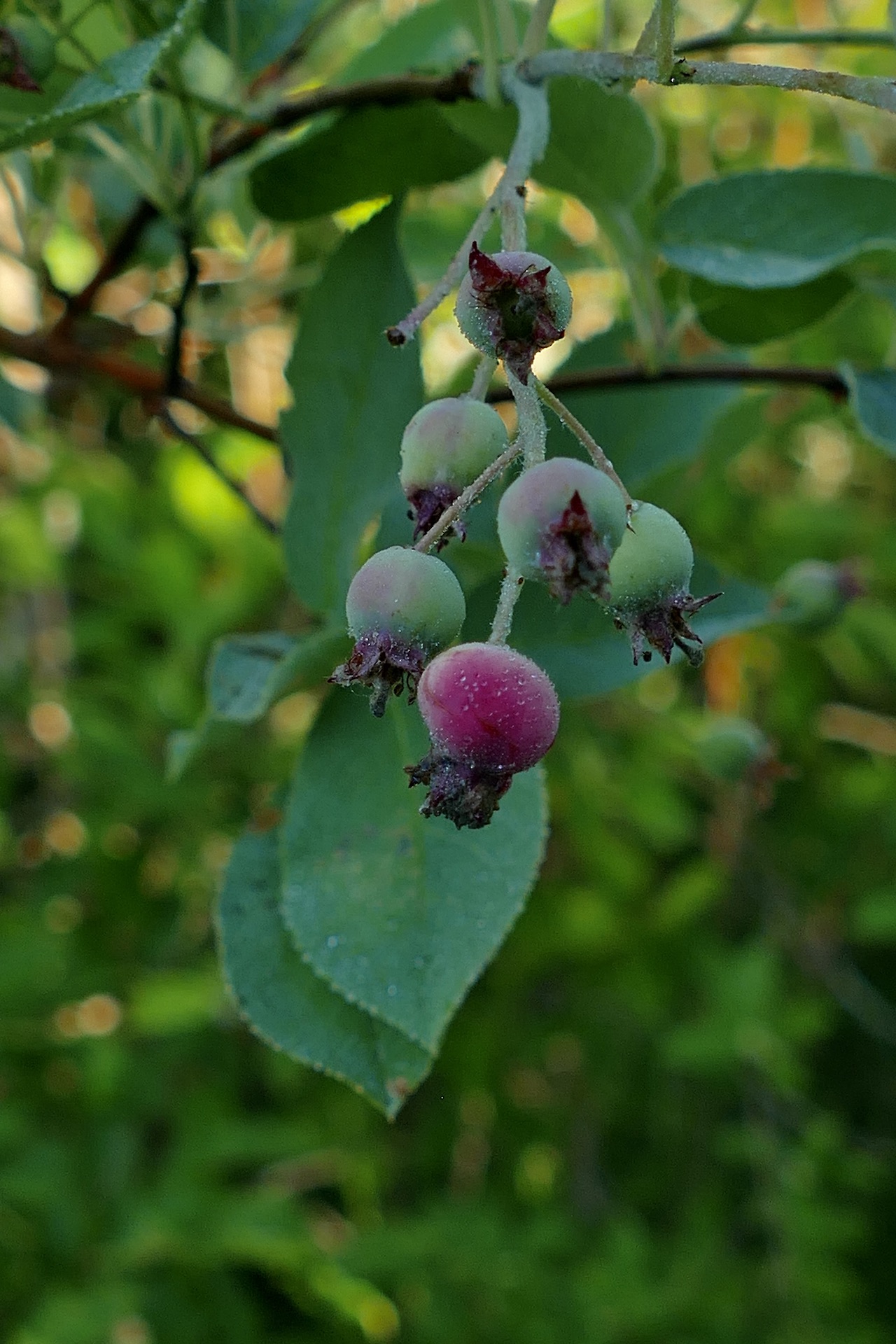
It is but a step from flowers to fruit.
in Thoreau’s Journal:
This is June–the month of grass & leaves. The deciduous trees are investing the evergreens & revealing how dark they are. Already the aspens are trembling again, and a new summer is offered me– I feel a little fluttered in my thoughts as if I might be too late. Each season is but an infinitesimal point. It no sooner comes than it is gone. It has no duration. It simply gives a tone & hue to my thought. Each annual phenomenon is a reminiscence & prompting. Our thoughts & sentiments answer to the revolutions of the seasons, as 2 cog-wheels fit into each other–We are conversant with only one point of contact at a time–from which we receive a prompting & impulse & instantly pass to a new season or point of contact.

A year is made up of a certain series & number of sensations & thoughts–which have their language in nature. Now I am ice–now I am sorrel. Each experience reduces itself to a mood of the mind. I see a man grafting, for instance–What this imports chiefly is not apples to the owner–or bread to the grafter–but a mood or certain train of thought to my mind.
in Thoreau’s Journal:
I am interested in each contemporary plant in my vicinity, and have attained to a certain acquaintance with the larger ones. They are cohabitants with me of this part of the planet, and they bear familiar names. Yet how essentially wild they are! as wild, really, as those strange fossil plants whose impressions I see on my coal. Yet I can imagine that some race gathered those too with as much admiration, and knew them as intimately as I do these, that even they served for a language of the sentiments. Stigmariae stood for a human sentiment in that race’s flower language. Chickweed, or a pine tree, is but little less wild. I assume to be acquainted with these, but what ages between me and the tree whose shade I enjoy!
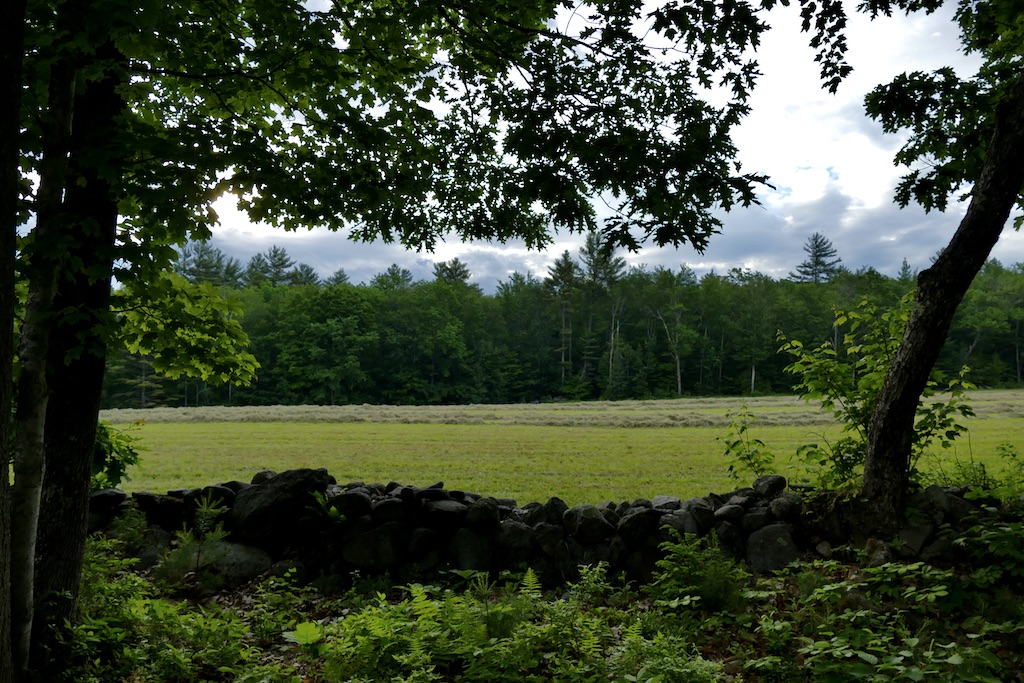
It is as if it stood substantially in a remote geographical period.
in Thoreau’s Journal:
The clear brightness of June was well represented yesterday by the buttercups— (R. bilbosa) along the roadside—
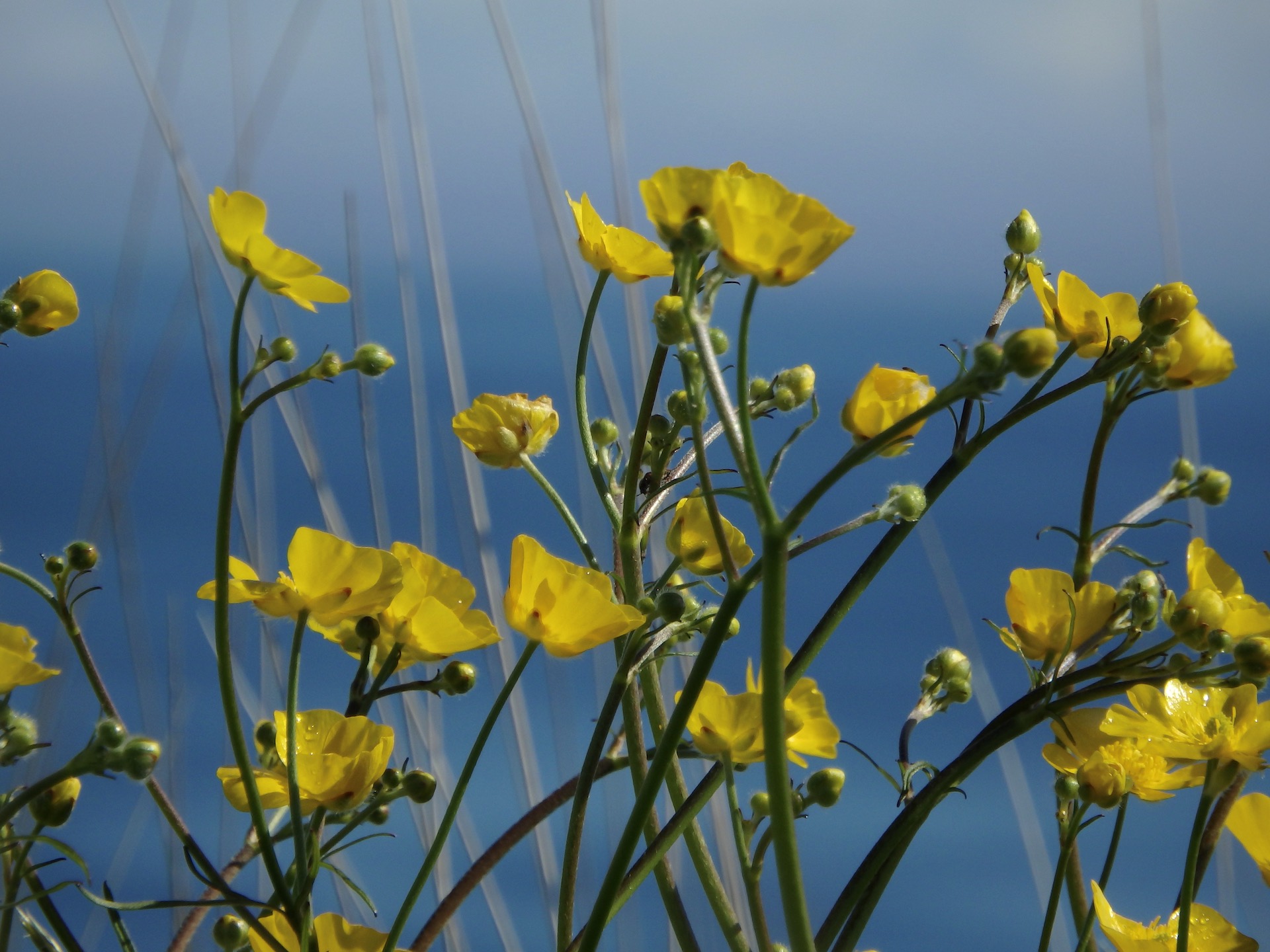
Their yellow so glossy & varnished within, but not without. Surely there is no reason why the new butter should not be yellow now—
in Thoreau’s Journal:
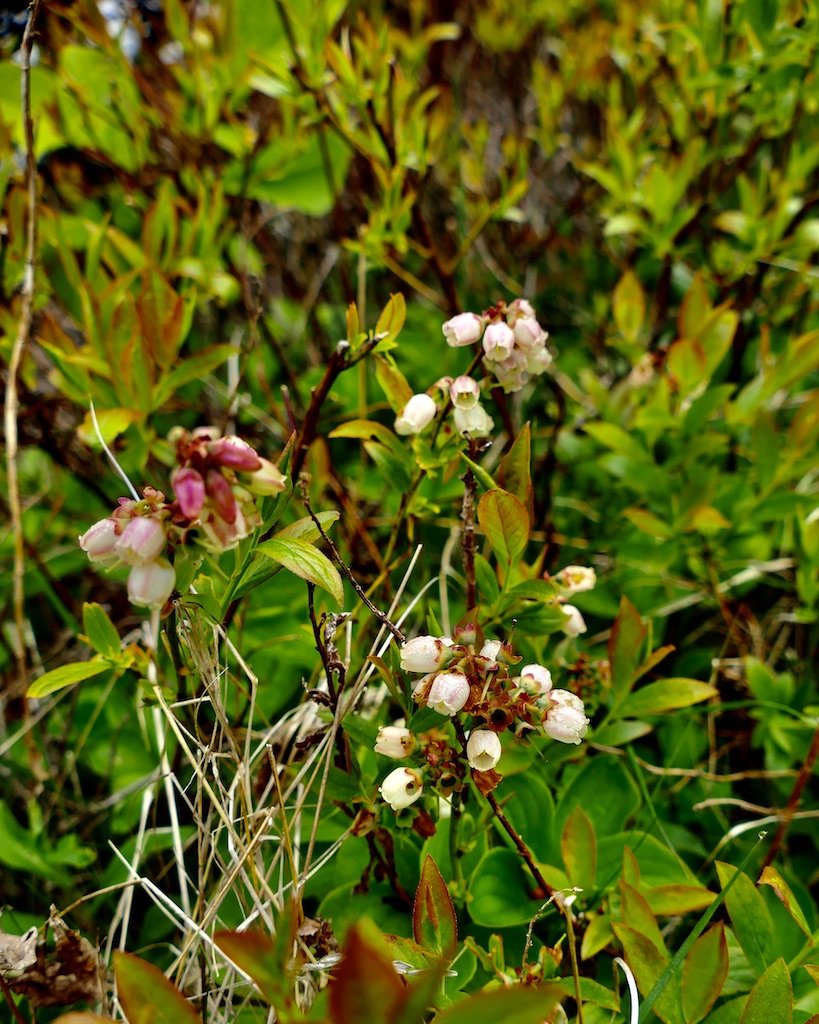
Going up Fair Haven Hill the blossoms of the huckleberries & blue berries imparted a sweet scent to the whole hill-side.
in Thoreau’s Journal:
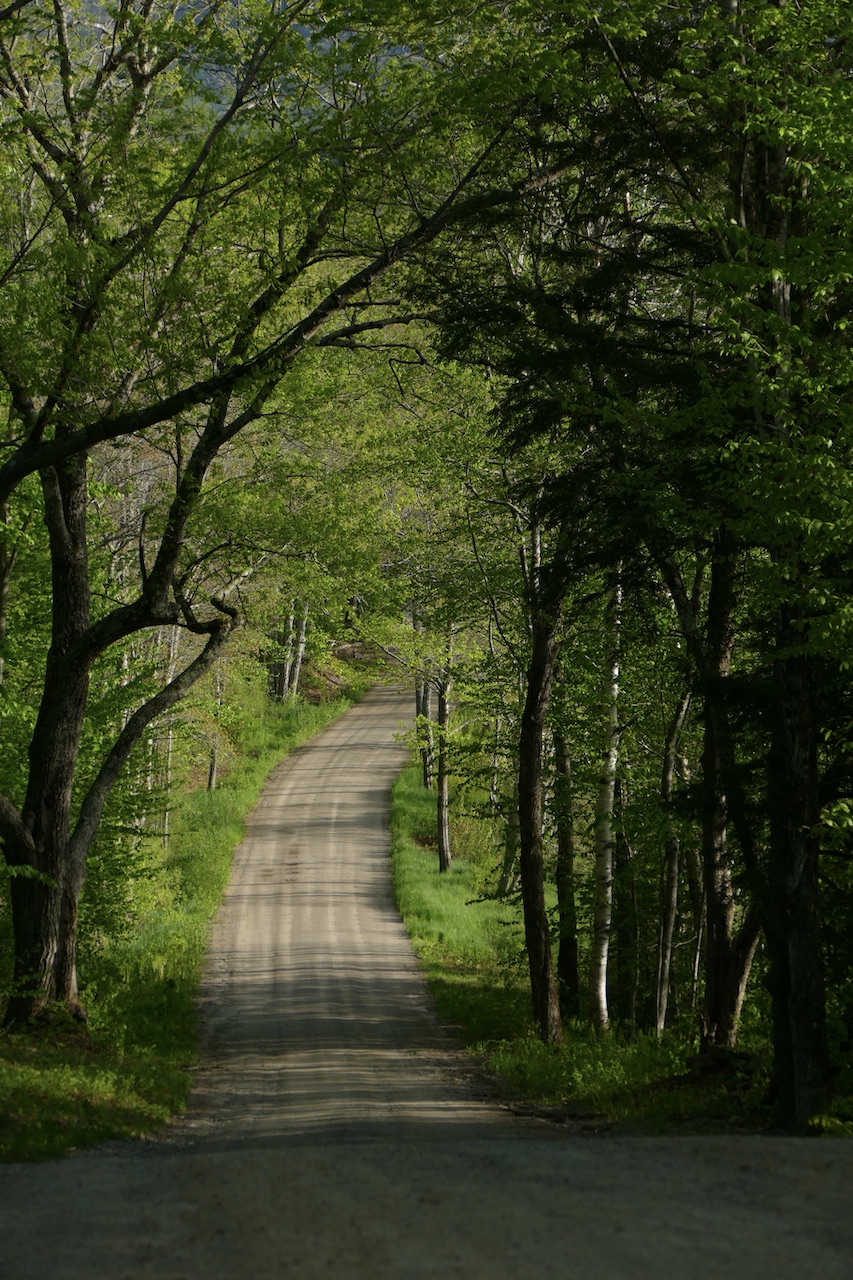
I would fain be present at the birth of shadow. It takes place with the first expansion of the leaves.
in Thoreau’s Journal:
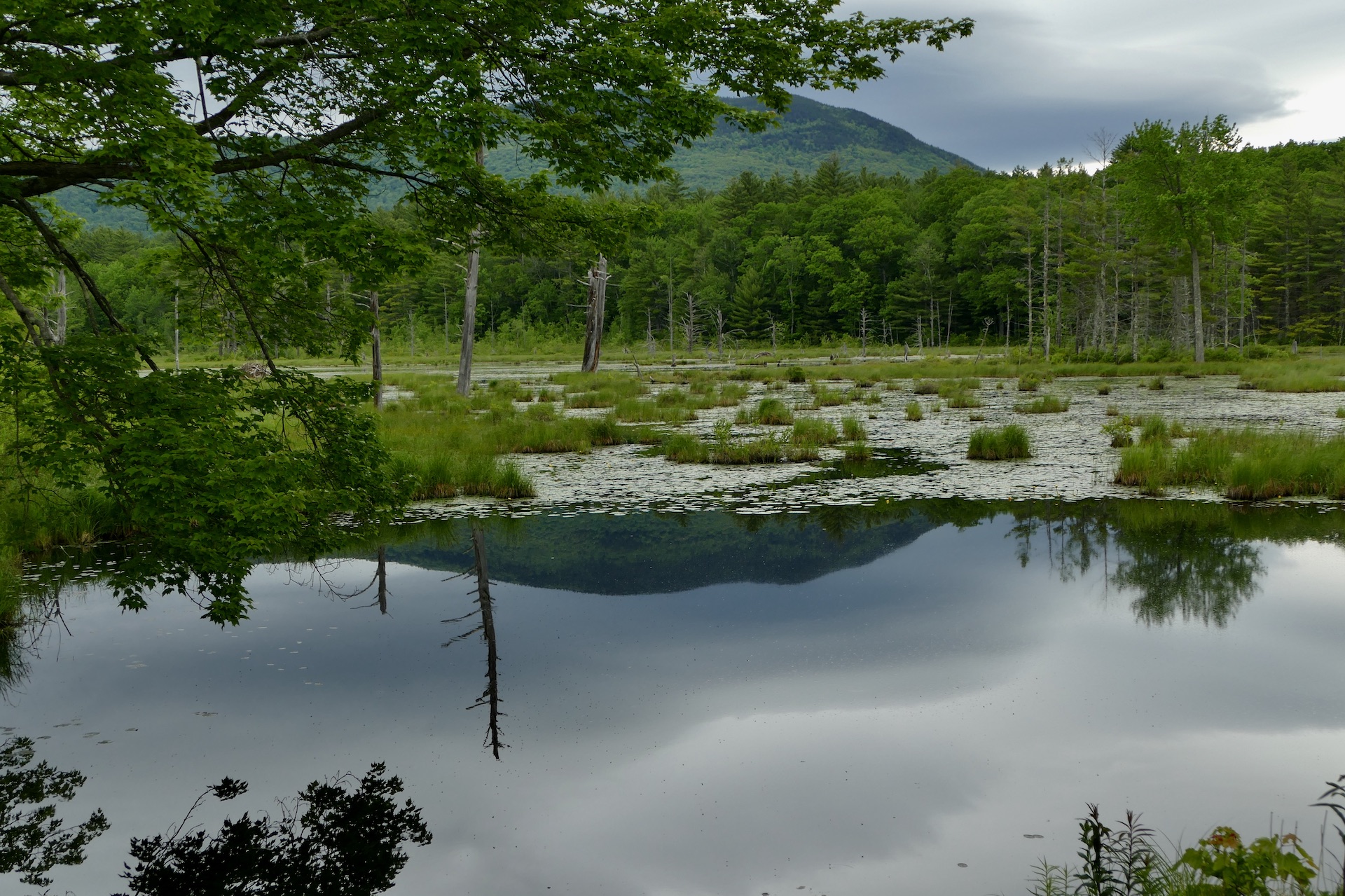
It is now the season of growth. The first bloom of the year is over.

in Thoreau’s Journal:
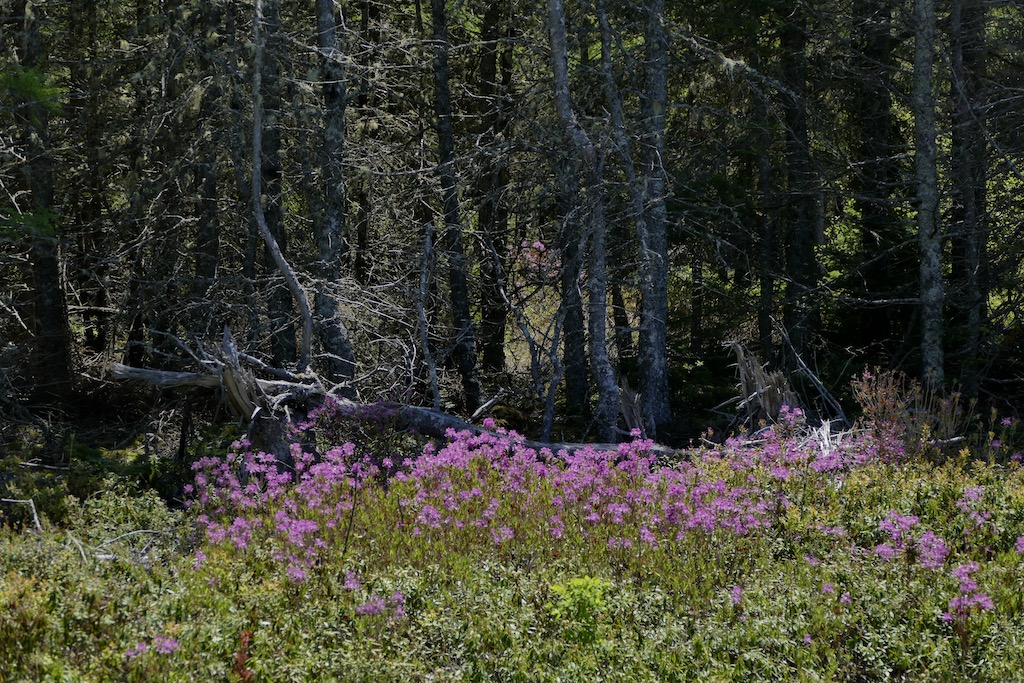

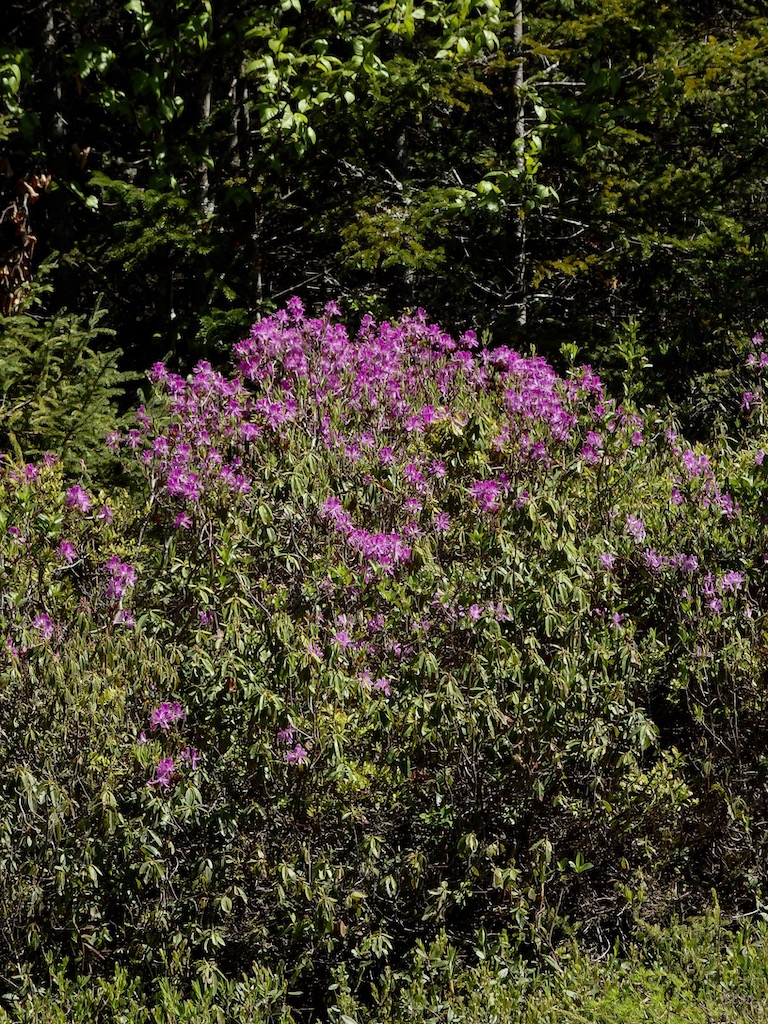
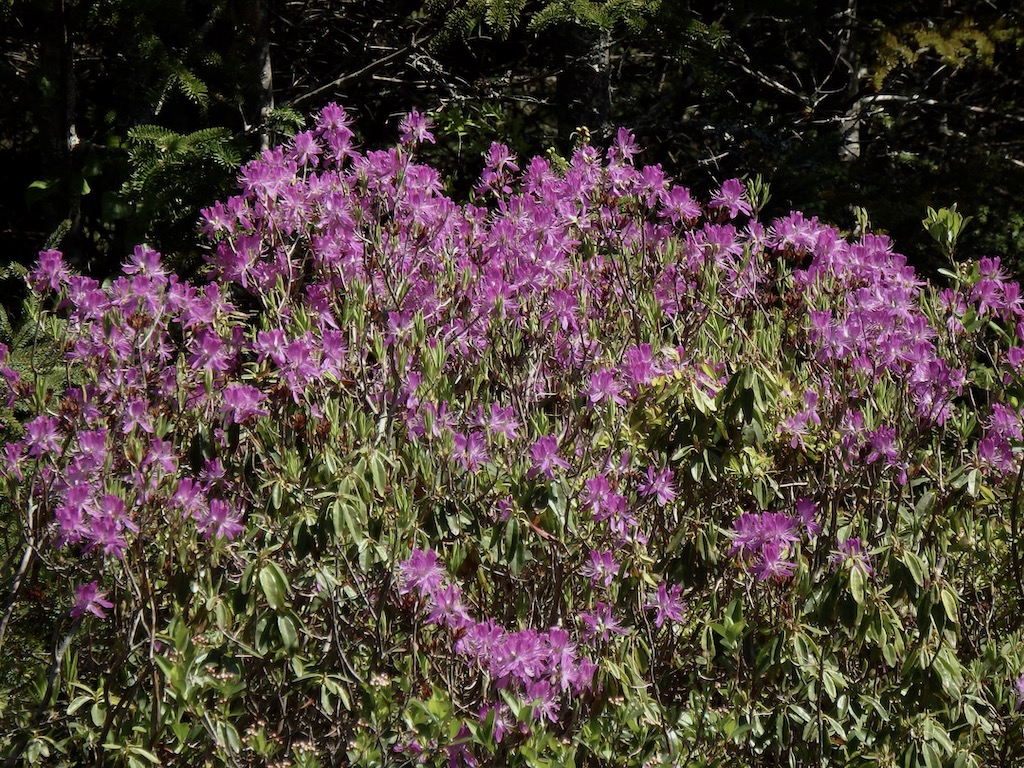
Rhodora now in its prime.
in Thoreau’s Journal:
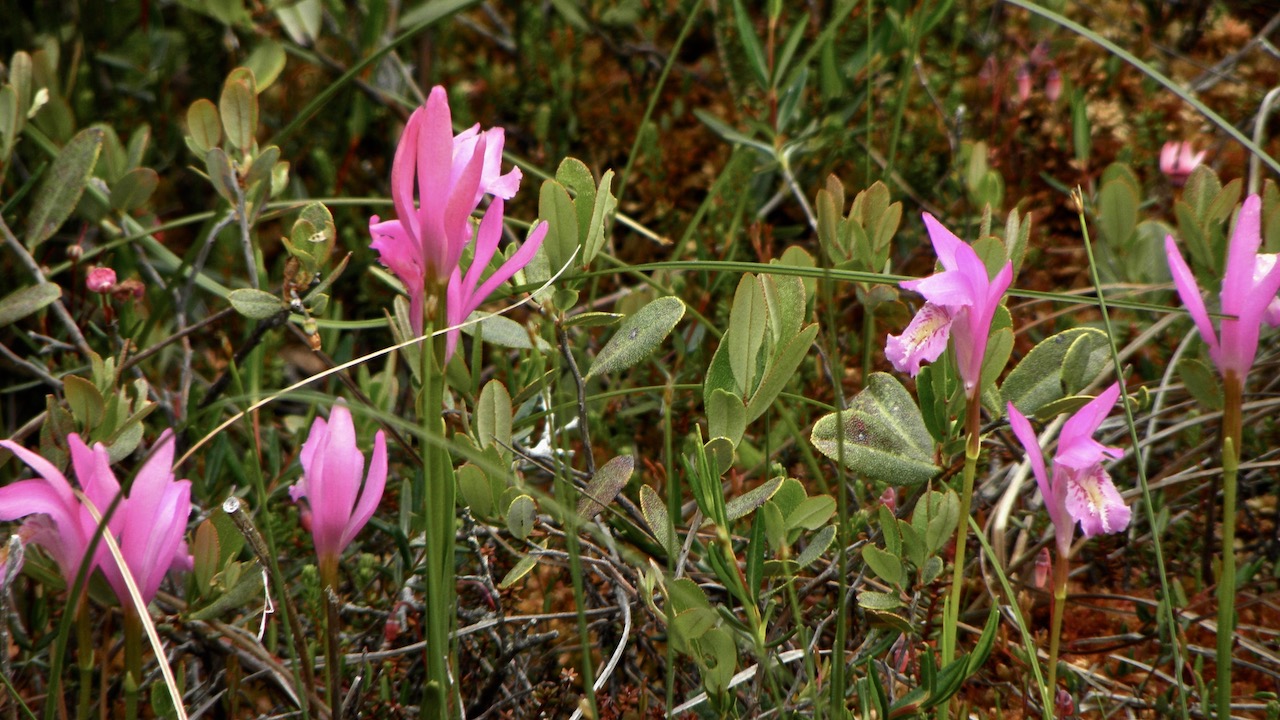
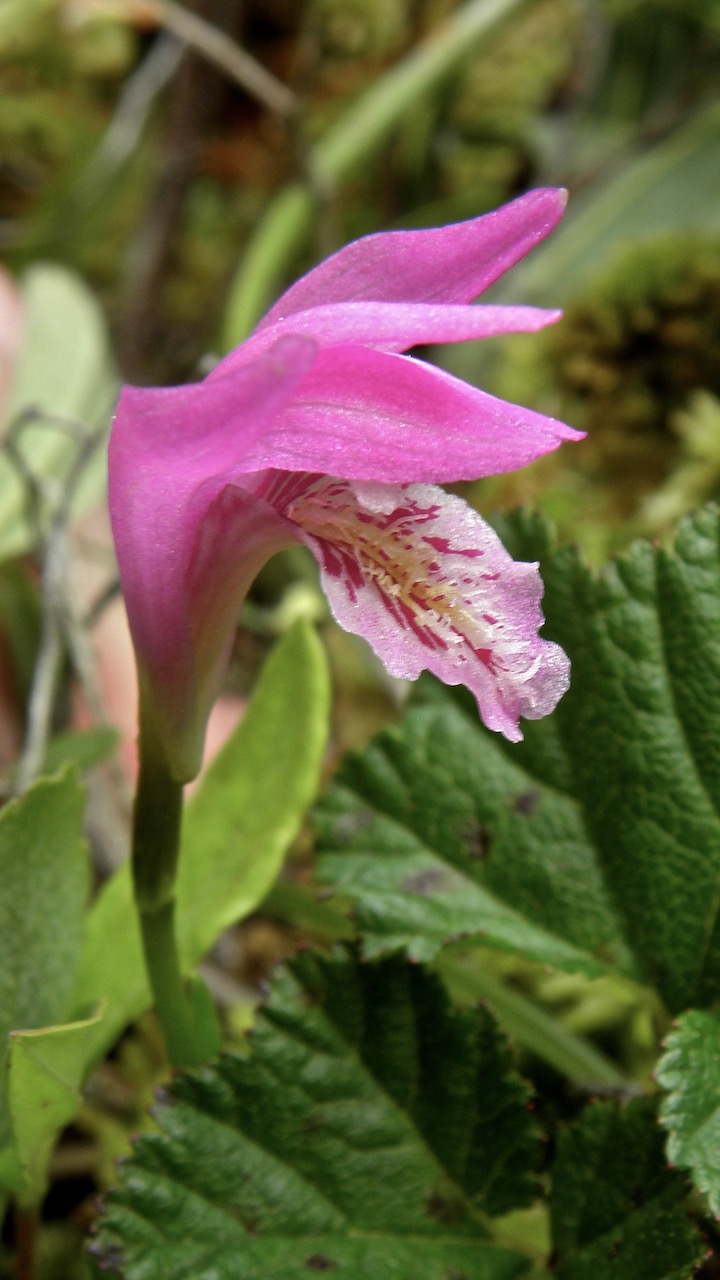
I am surprised to find arethusa abundantly out in Hubbards Close, maybe 2 or 3 days though not yet at Arethusa Meadow probably on account of the recent freshet. It is so leafless that it shoots up unexpectedly. It is all color, a little hook of purple flame projecting from the meadow into the air. Some are comparatively pale. This high-colored plant shoots up suddenly, all flower, in meadows where it is wet walking. A superb flower.
in Thoreau’s Journal:
That exceedingly neat & interesting little flower blue-eyed grass now claims our attention.
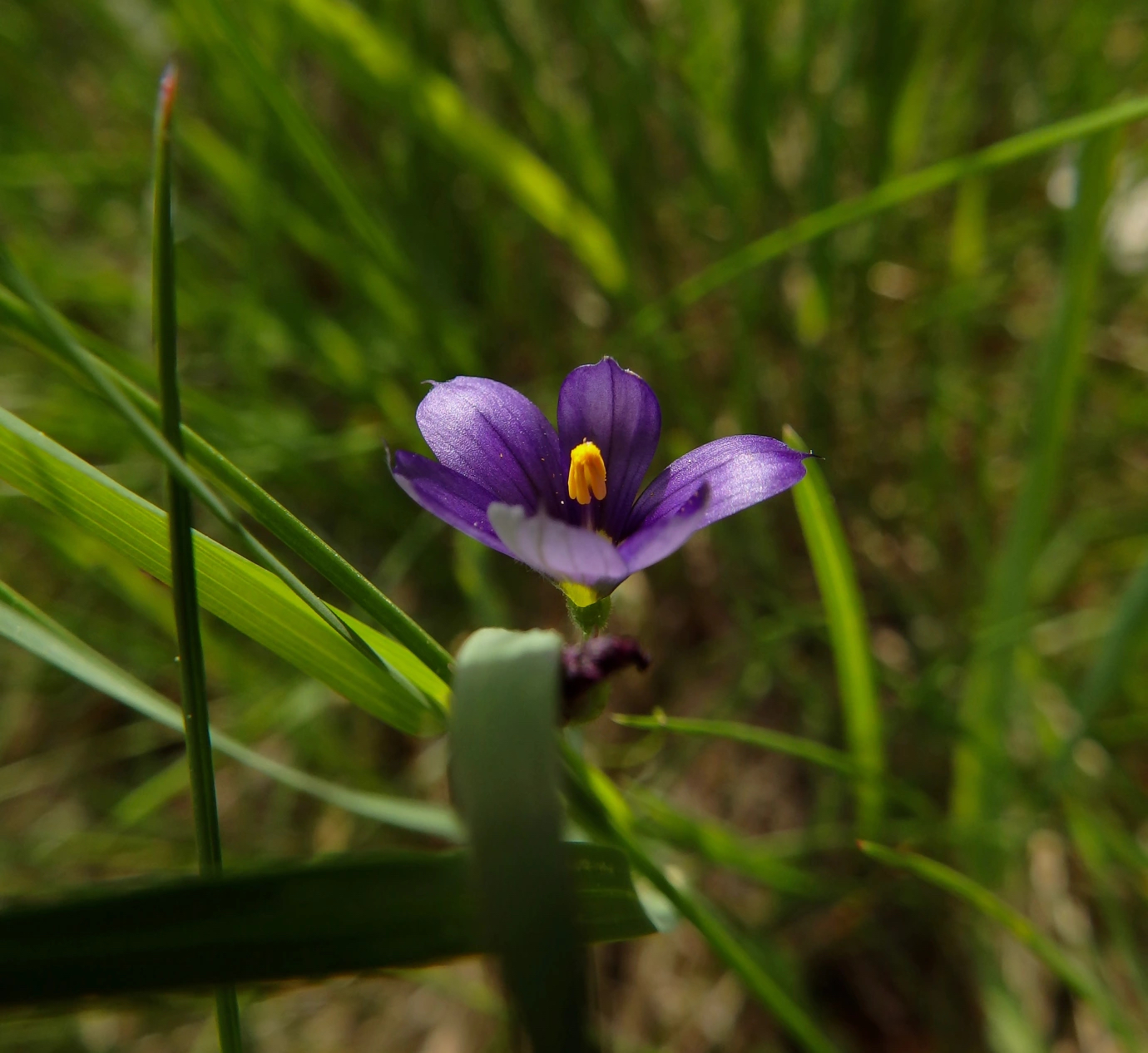
The barrenest pastures wear now a green & luxuriant aspect.
in Thoreau’s Journal:
The bulbous arethusa out a day or two––prob. yesterday….Though in a measure prepared for it, still its beauty surprised me––it is by far the highest & richest color yet.
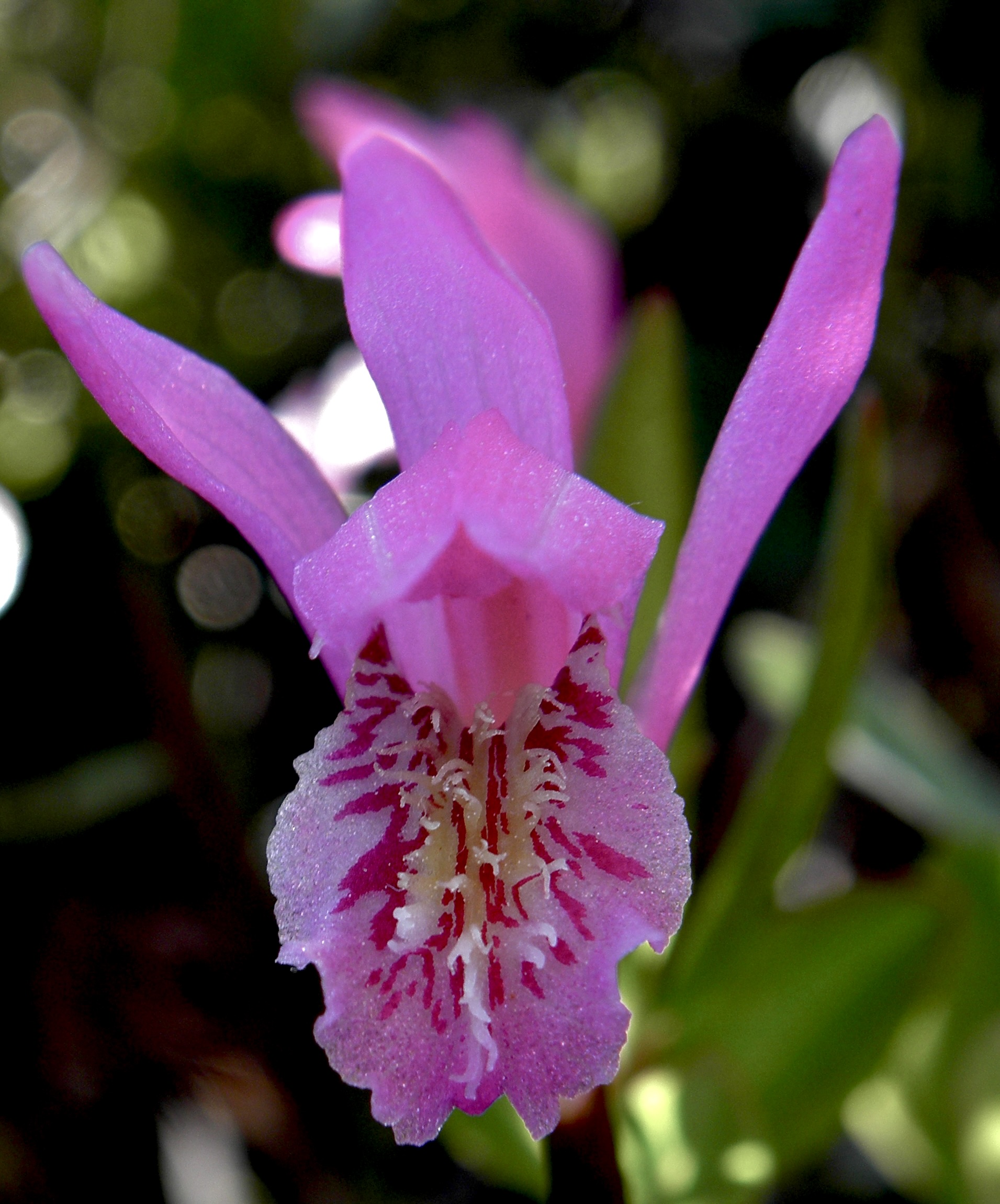
Its intense color in the midst of the green meadow made it look twice as large as reality. It looks very foreign in the midst of our plants.––
in Thoreau’s Journal:
The fringed polygala near the Corner Spring is a delicate flower with very fresh tender green leaves & red-purple blossoms.
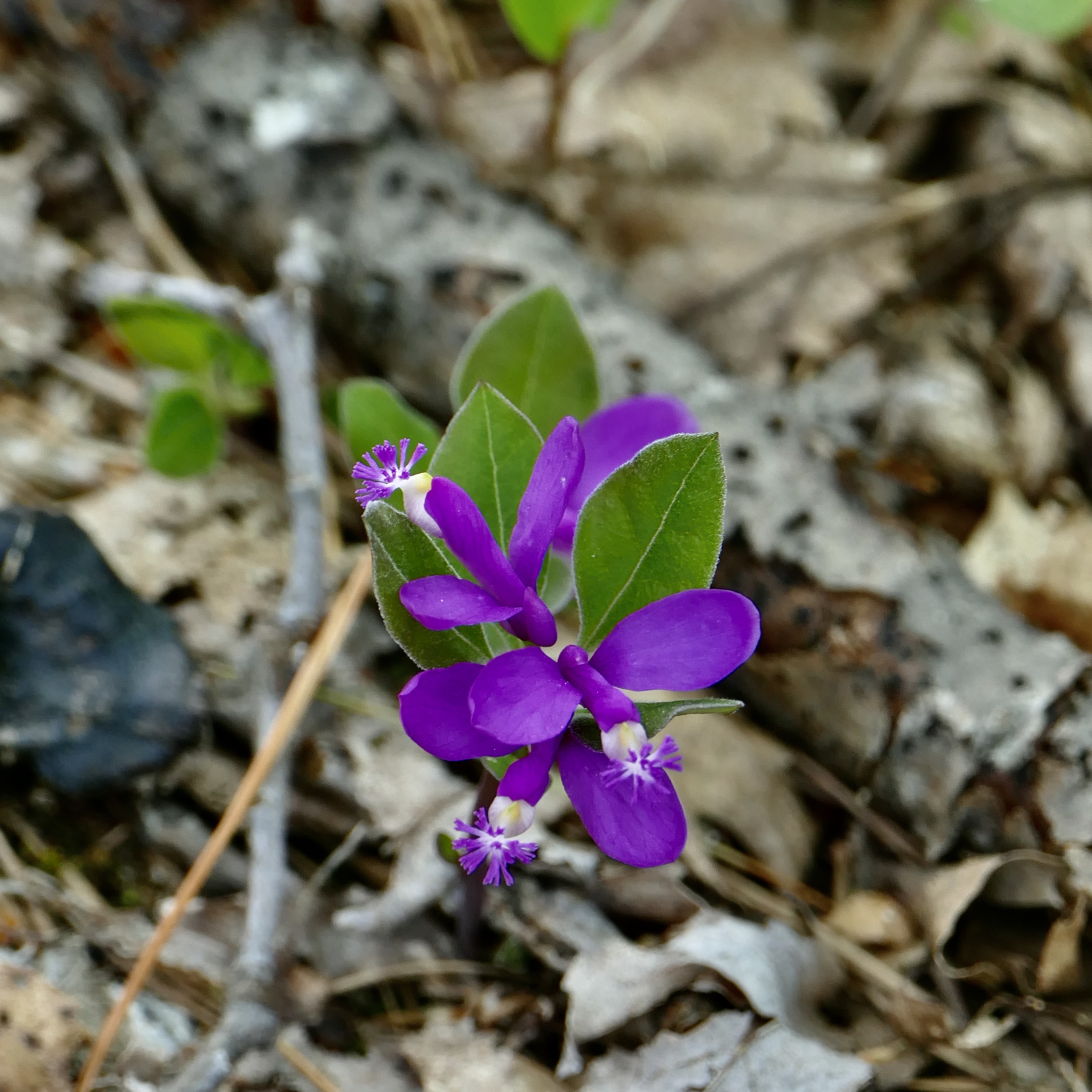
Beautiful from the contrast of its clear red purple flowers with its clear green leaves.
in Thoreau’s Journal:
The air is full of the odor of apple blossoms–– Yet the air is fresh as from the salt water.

The meadow smells sweet as you go along low places in the road at sundown. To night I hear many crickets. They have commenced their song. They bring in the summer.


You must be logged in to post a comment.