July 24, 1853

in Thoreau’s Journal:

For a week or more I have perceived that the evenings were considerably longer and of some account to sit down & write in. Ate an Early-Harvest apple of my own raising yesterday––not quite ripe. The scent of some very early ones which I have passed in my walks, imparting some ripeness to the year, has excited me some what. It affects me like a performance a poem a thing done––and all the year is not a mere promise of Nature’s. How far behind the spring seems now––farther off perhaps than ever––for this heat & dryness is most opposed to spring. Where I sought for flowers in April & May I do not think to go now––it is either drought & barrenness or fall there now.

The reign of moisture is long since over  ––  For a long time the year feels the influence of the snows of winter & the long rains of spring––  But now how changed!  It is like another & a fabulous age to look back on. When earth’s veins were full of moisture & violets burst out on every hill-side. Spring is the reign of water–– Summer of heat & dryness. Winter of cold.  Whole families of plants that lately flourished have disappeared. Now the phenomena are tropical. Let our summer last long enough & our land would wear the aspect of the tropics.–– The luxuriant foliage & growth of all kinds shades the earth & is converting every copse into a jungle. Vegetation is rampant ––  There is not such rapid growth it is true, but it slumbers like a serpent that has swallowed its prey. Summer is one long drought. Rain is the exception –– All the signs of it fail for it is dry weather–– Though it may seem so the current year is not peculiar in this respect. It is a slight labor to keep account of all the showers the rainy days of of a summer–– You may keep it on your thumbnail.

July 23, 1851

in Thoreau’s Journal:

The mind is subject to moods, as the shadows of the clouds that pass over the earth. Pay not too much heed to them. Let not the traveller stop for them. They consist with the fairest weather. By the mood of my mind, I suddenly felt dissuaded from continuing my walk, but I observed at the same instant that the shadow of a cloud was passing over [the] spot on which I stood, though it was of small extent, which, if it had no connection with my mood, at any rate suggested how transient and little to be regarded that mood was. I kept on, and in a moment the sun shone on my walk within and without.

July 20, 1854

in Thoreau’s Journal:

A muttering thunder-cloud in northwest gradually rising and with its advanced guard hiding in the sun and now and then darting forked lightning. The wind rising ominously also drives me home again.

At length down it comes upon the thirsty herbage, beating down the leaves with grateful, tender violence and slightly cooling the air; but all the thunder and lightning was in its van. How soon it swept over and we saw the flash in the southeast! Corn in blossom these days.

July 18, 1852

in Thoreau’s Journal:

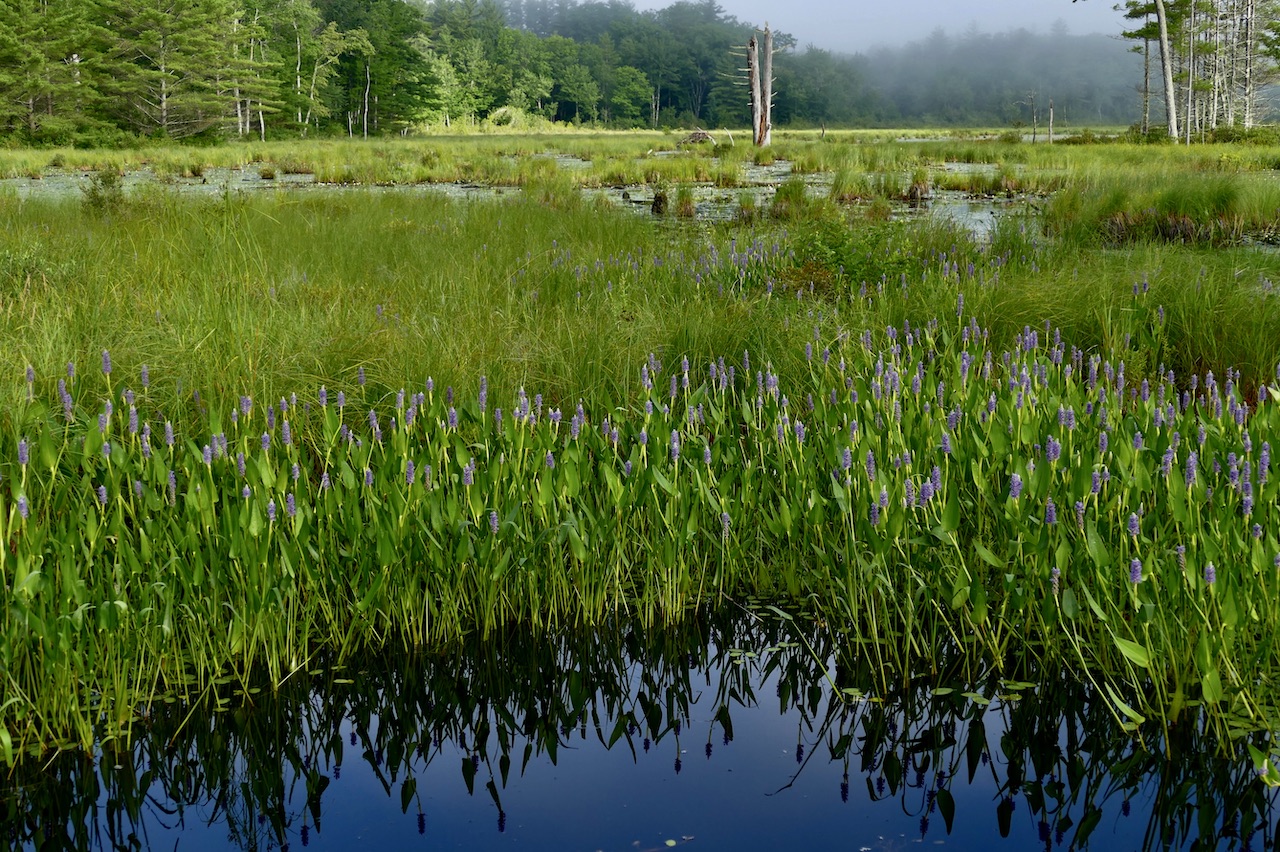
We are gliding swiftly up the river by Lee’s bend. The surface of the water is the place to see the Pontederia from for now the spikes of flowers are all brought into a dense line––a heavy line of blue a foot or more in width––on both sides of the river. The pontederias are now in their prime––there being no withered heads, they are very freshly blue. In the sun when you are looking west they are of a violaceous blue….In many parts of the river the pickerel weed is several rods wide––its blueness akin to the misty blue air which paints the sky….The border of pontederia is rarely of equal depth on both sides at once––but it keeps that side in the meander where the sediment is deposited––the shortest course which will follow the shore…..This is the longest line of blue that nature paints with flowers in our fields––though the lupines may have been more densely blue within a small compass––  Thus by a natural law a river instead of flowing straight through its meadows––meanders––from side to side––& fertilizes this side or that & adorns its banks with flowers.

July 17, 1856

in Thoreau’s Journal:

Evening by river to Ed. Hosmer’s. Hear at distance the hum of bees from the bass with its drooping flowers at the Island, a few minutes only before sunset.

It sounds like the rumbling of a distant train of cars. Returning after ten, by moonlight, see the bullfrogs lying at full length on the pads where they trump.

July 16, 1850

in Thoreau’s Journal:

I find the actual to be far less real to me than the imagined. Why this singular prominence and importance is given to the former, I do not know. In proportion as that which possesses my thoughts is removed from the actual, it impresses me. I have never met with anything so truly visionary and accidental as some actual events. They have affected me less than my dreams.

July 15, 1854

in Thoreau’s Journal:

We seem to be passing or to have passed a dividing line between spring & autumn––& begin to descend the long slope toward winter…

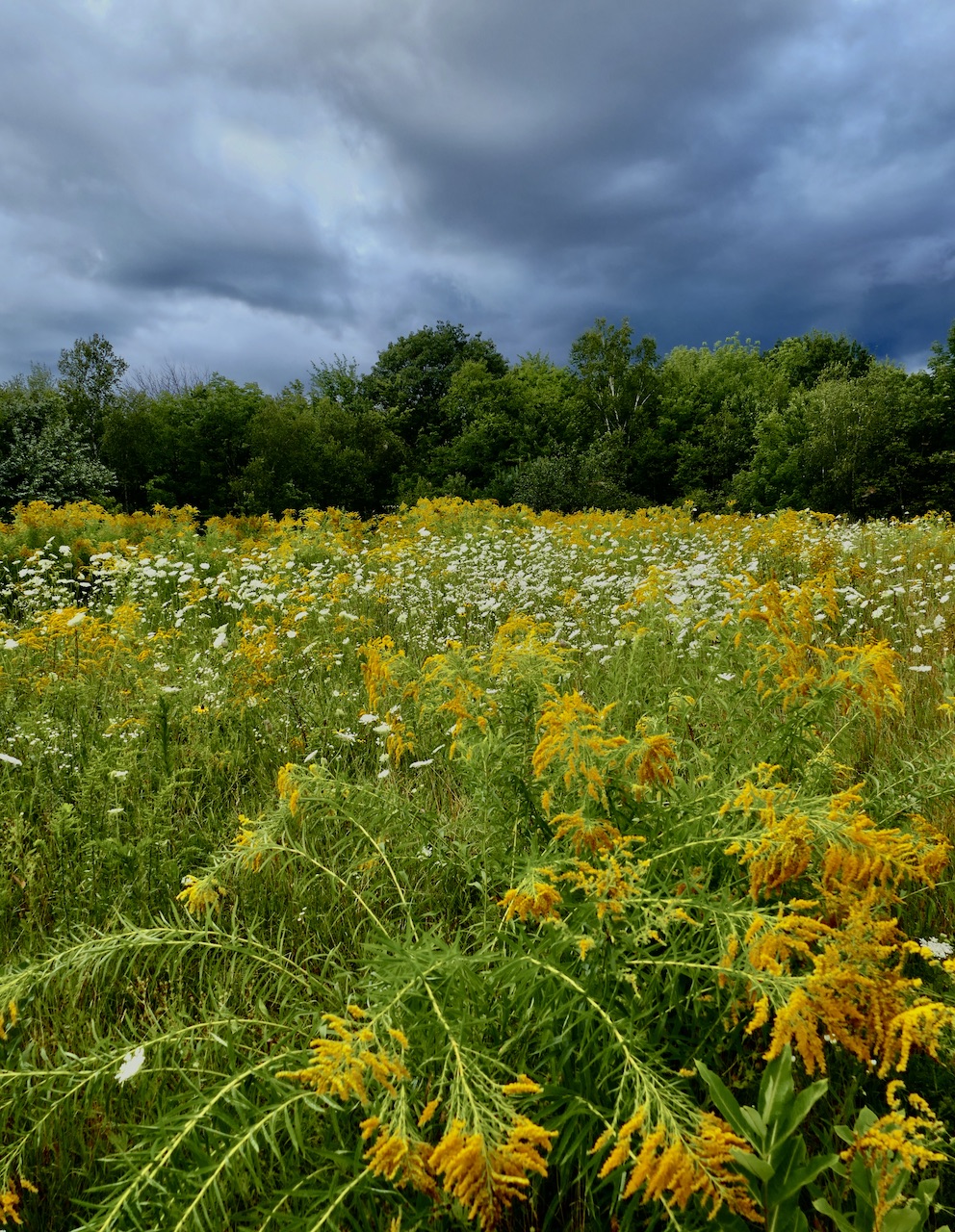
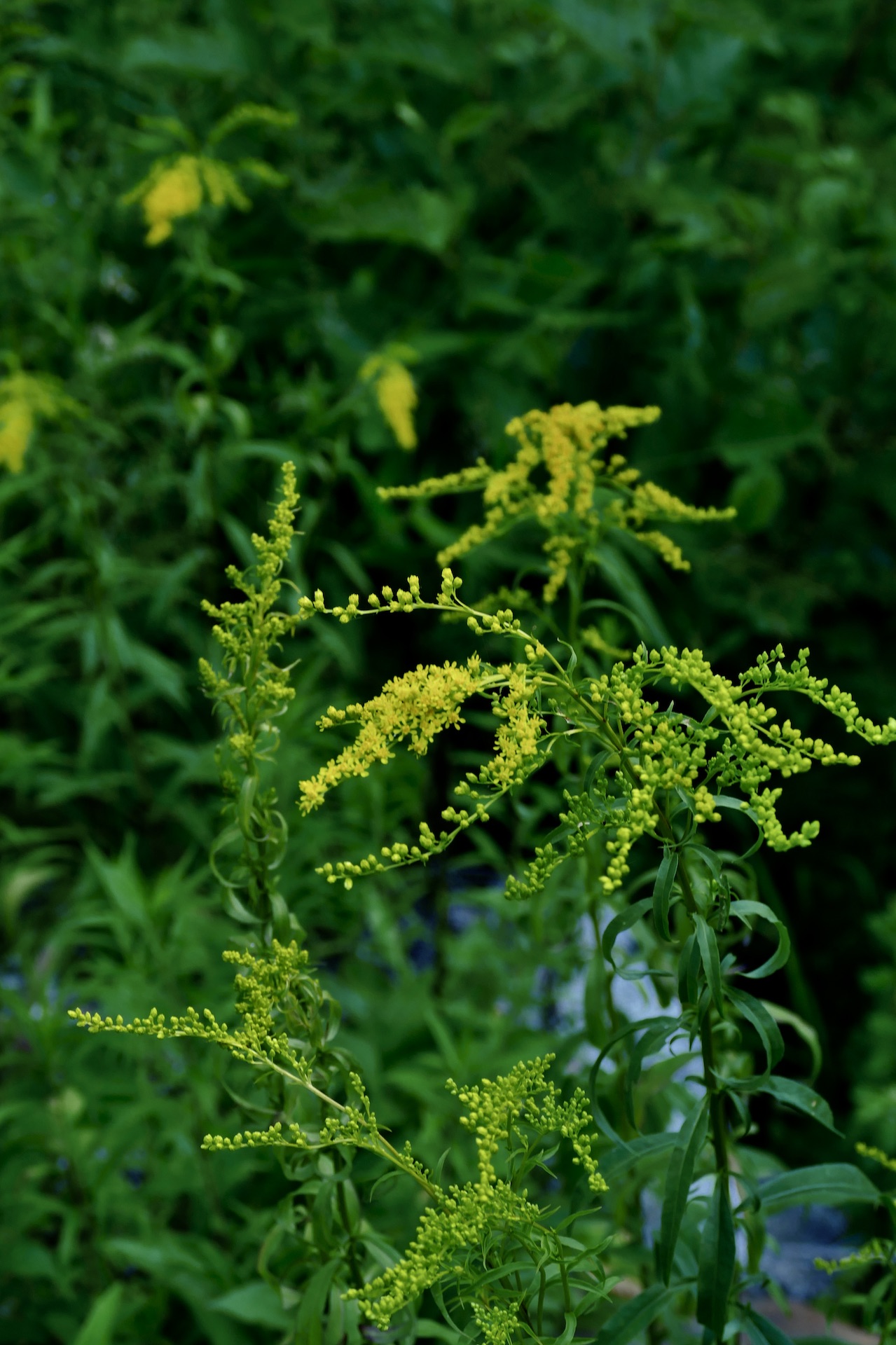
The stems of various asters & golden-rods which ere long will reign along the way begin to be conspicuous.

July 14, 1851

in Thoreau’s Journal:

Passing over the Great Fields (where I have been surveying a road) this forenoon, where were some early turnips, the county commissioners plucked and pared them with their knives and ate them. I, too, tried hard to chew a mouthful of raw turnip and realize the life of cows and oxen, for it might be a useful habit in extremities.

These things occur as the seasons revolve. These are things which travellers will do.  How many men have tasted a raw turnip! How few have eaten a whole one! Some bovine appetites, which find some fodder in every field. For like reasons we sometimes eat sorrel and say we love it, that we may return the hospitality of Nature by exhibiting a good appetite.

July 13, 1852

in Thoreau’s Journal:

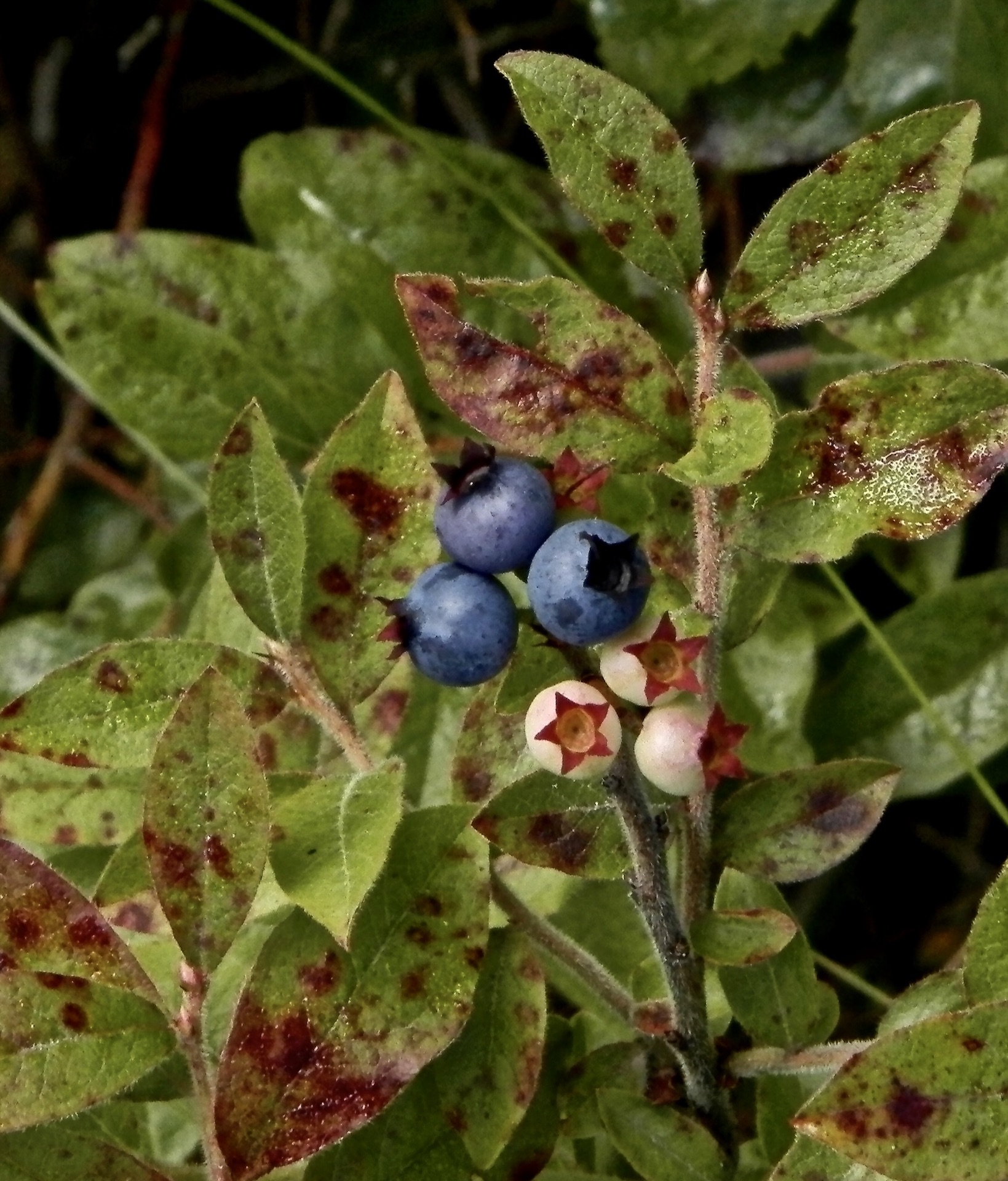
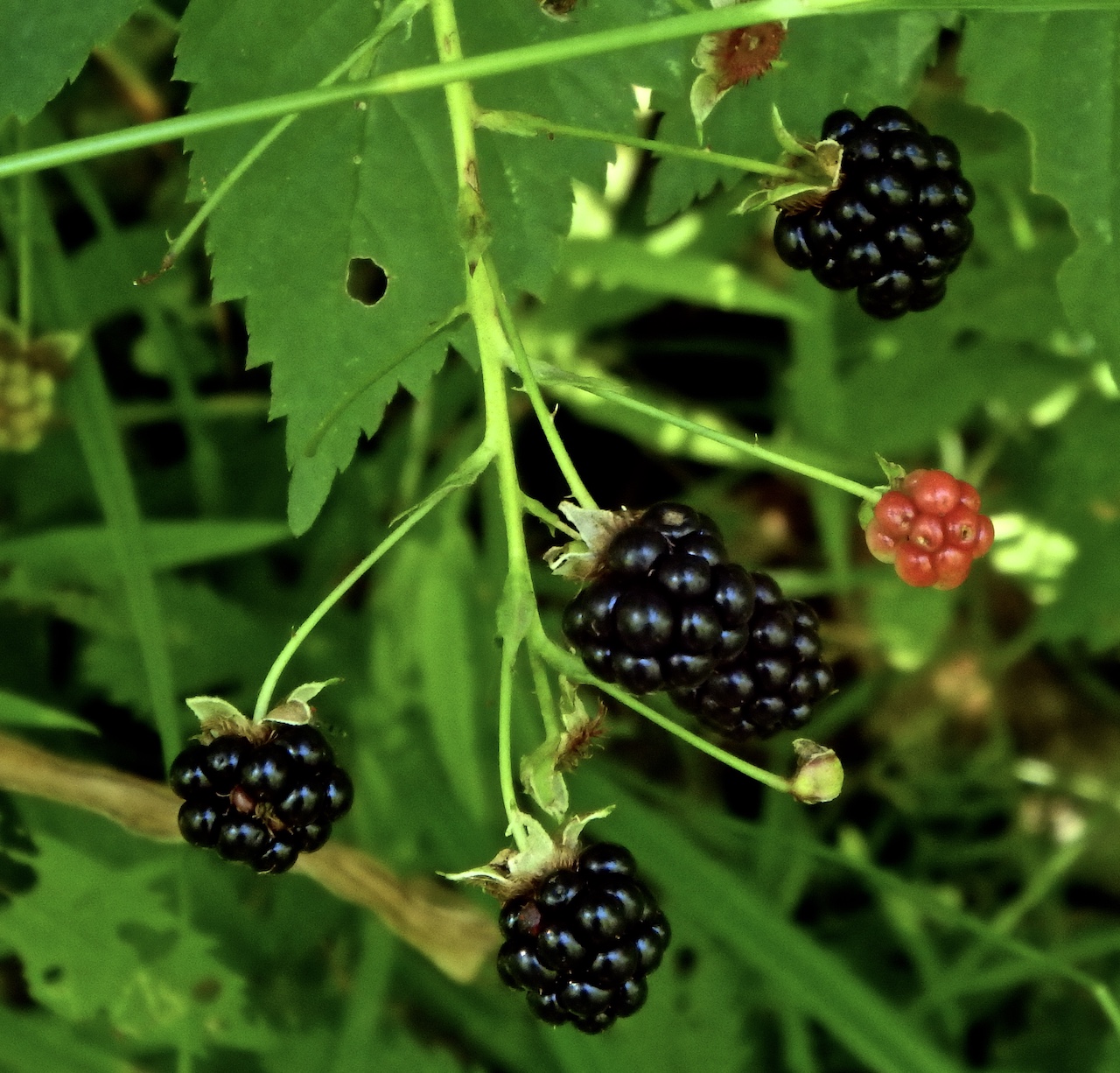
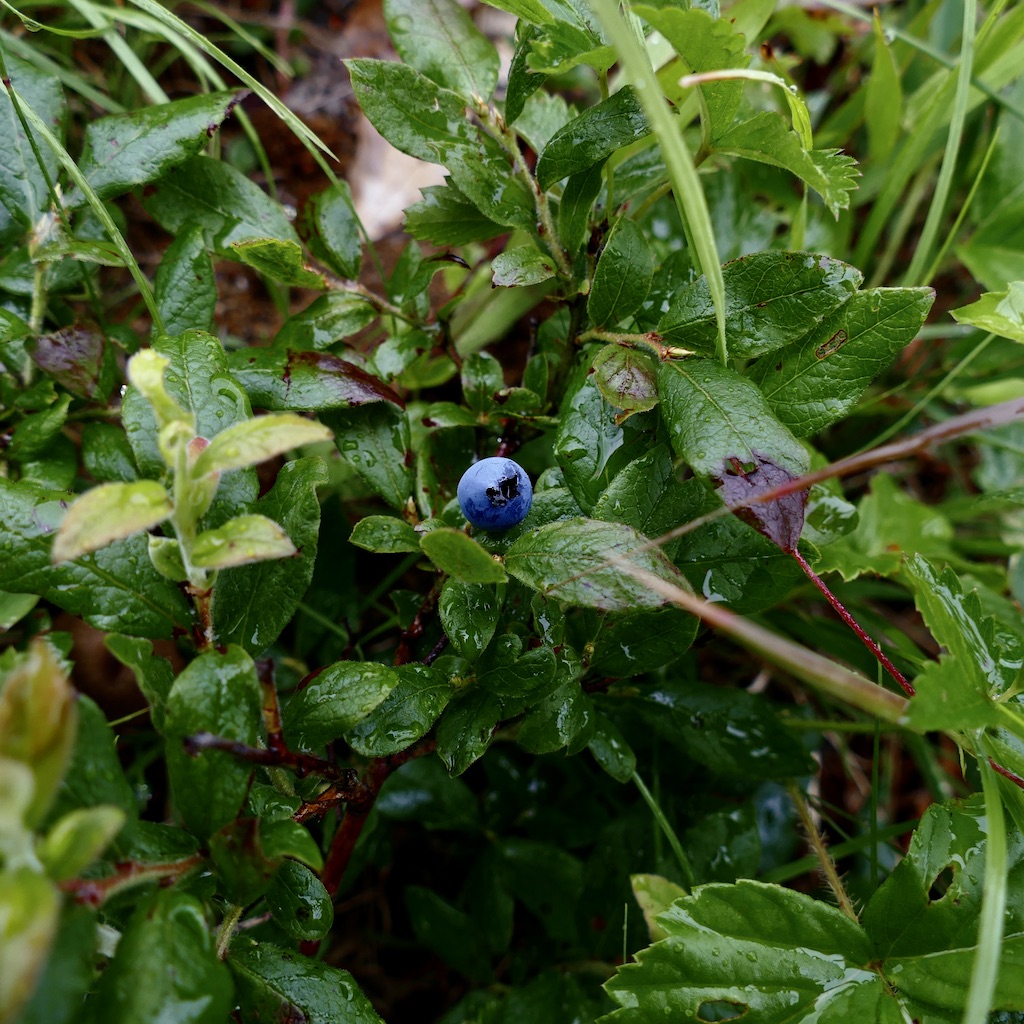
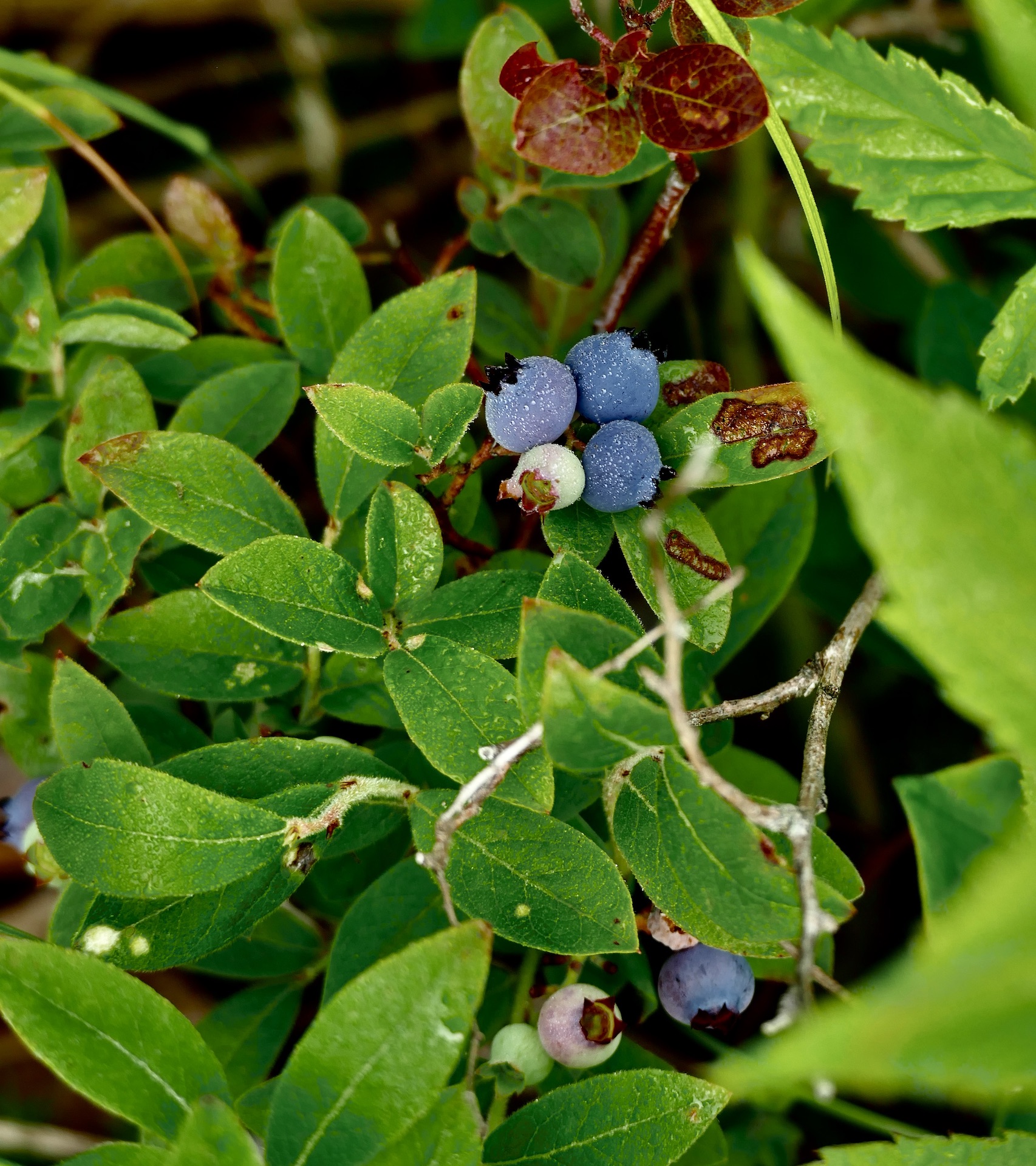
One who walks the woods and hills daily, expecting to see the first berry that turns, will be surprised at last to find them ripe and thick before he is aware of it, ripened, he cannot tell how long before, in some more favorable situation. It is impossible to say what day—almost what week––the huckleberries begin to be ripe, unless you are acquainted with, and daily visit, every huckleberry bush in the town, at least every place where they grow.

July 12, 1856

in Thoreau’s Journal:

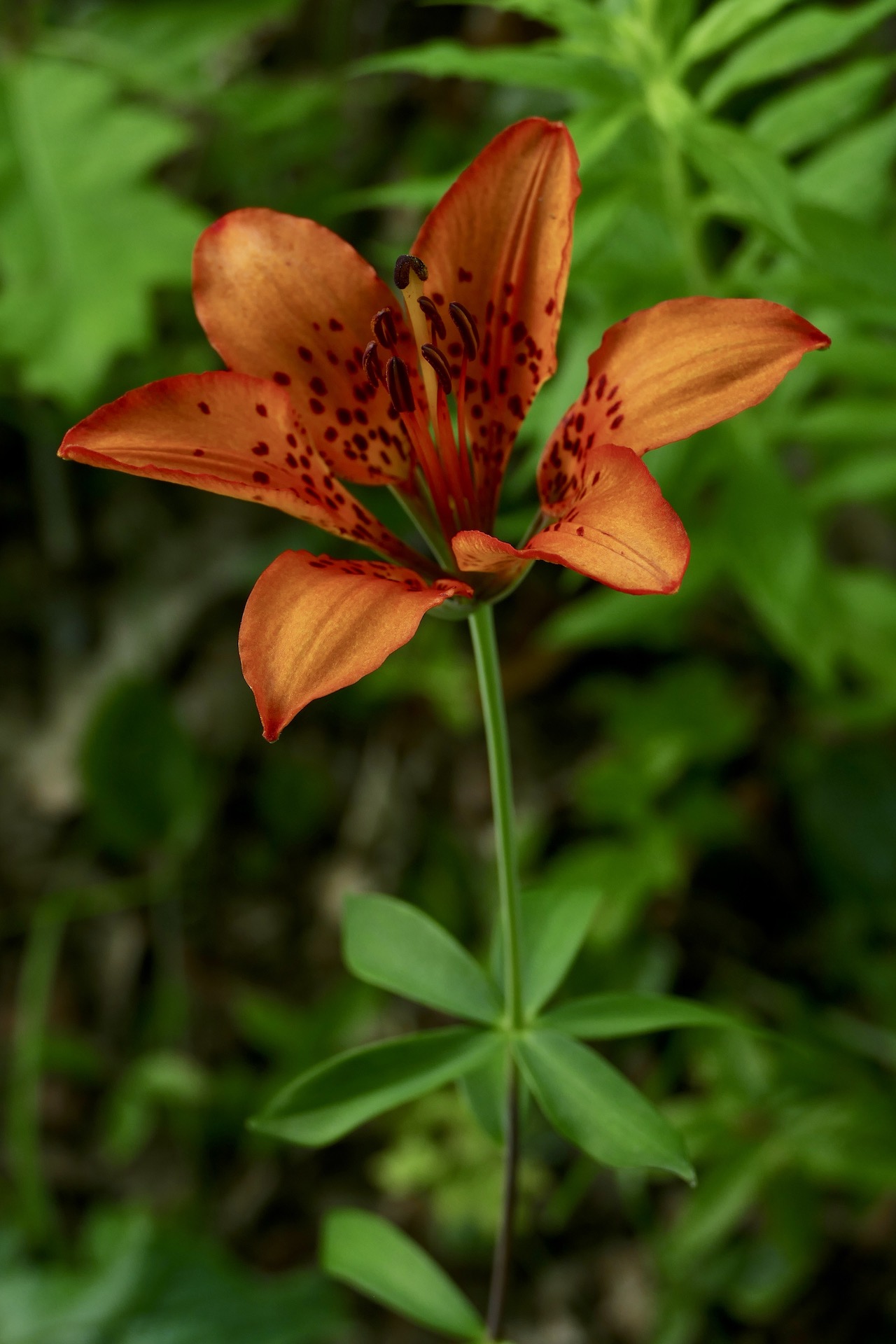
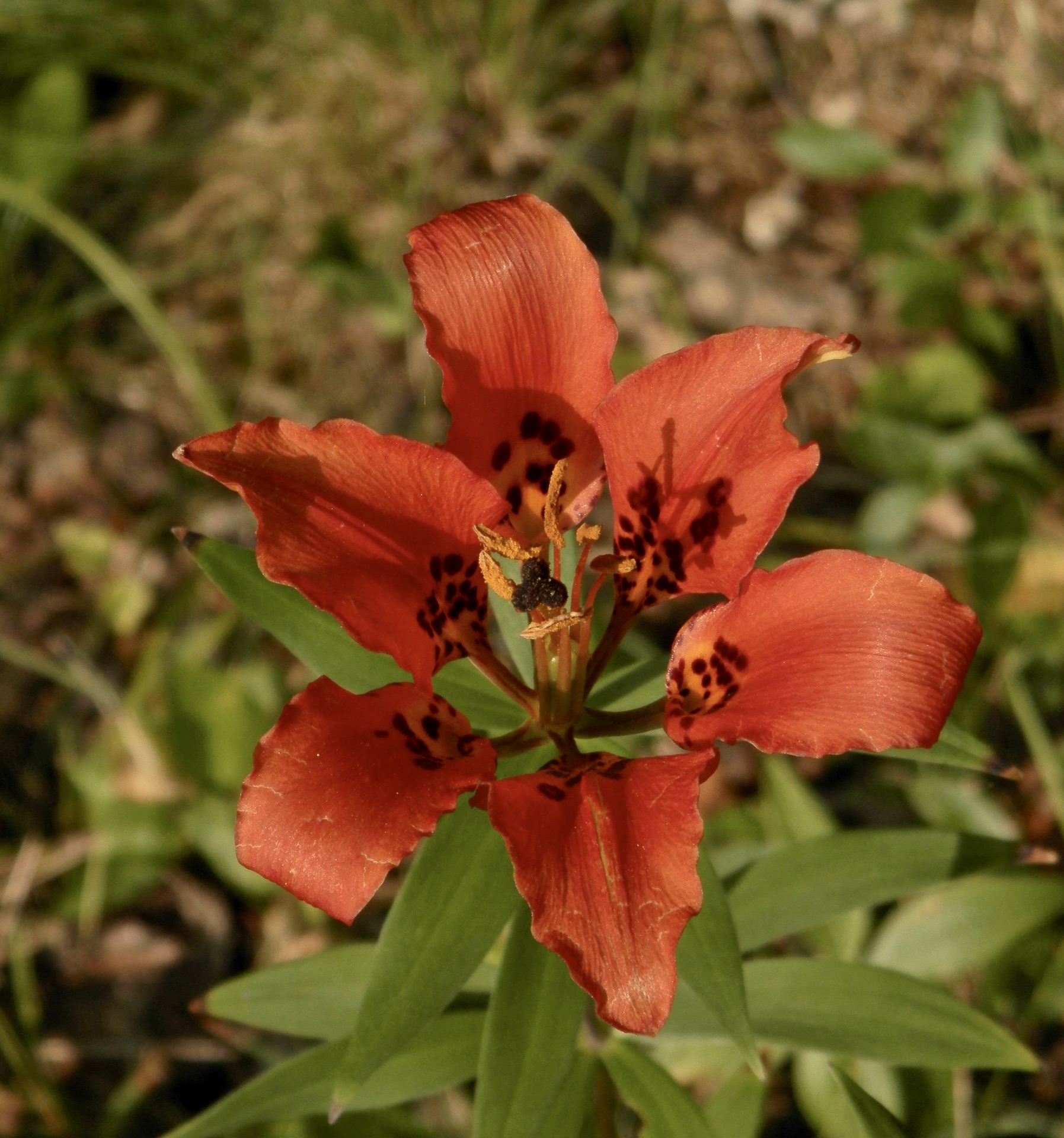
Red lilies in prime, single upright fiery flowers, their throats how splendidly and variously spotted, hardly two of quite the same hue and not two spotted alike––leopard-spotted––averaging a foot or more in height amide the huckleberry and lamb kill, etc, in the moist, meadowy pasture.

July 11, 1852

in Thoreau’s Journal:

What is called genius is the abundance of life or health, so that whatever addresses the senses, as the flavor of these berries, or the lowing of that cow, which sounds as if it echoed along a cool mountain-side just before night, where odiferous dews perfume the air and there is everlasting vigor, serenity, and expectation of perpetual untarnished morning — each sight and sound and scent and flavor — intoxicates with a healthy intoxication. The shrunken stream of life overflows its banks, makes and fertilizes broad intervals, from which generations derive their sustenances. This is the true overflowing of the Nile. So exquisitely sensitive are we, it makes us embrace our fates, and, instead of suffering or indifference, we enjoy and bless.

July 10, 1852

in Thoreau’s Journal:

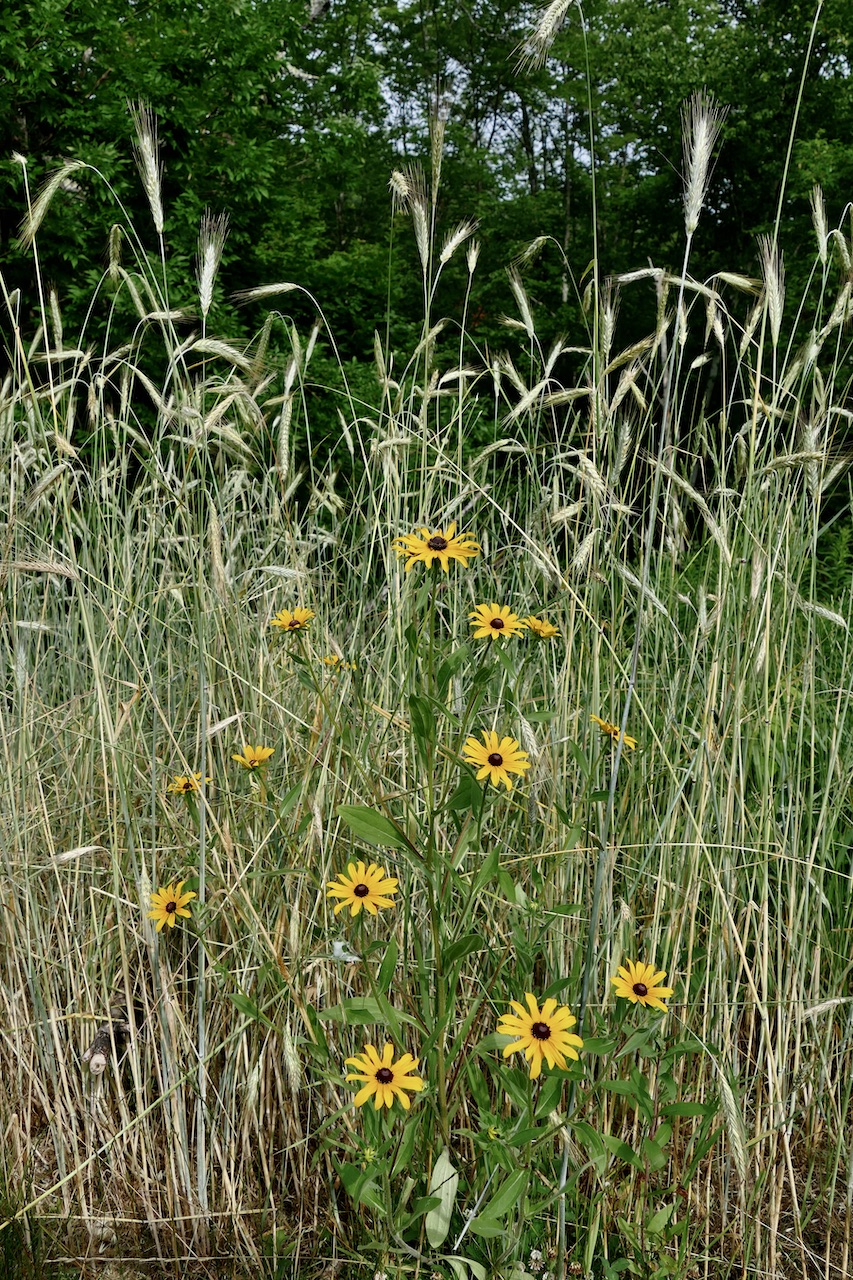
We turn aside near the old Lee place— The rye-fields are now quite yellow & ready for the sickle. Already there are many flavous colors in the landscape—much maturity of small seeds.

The nodding heads of the rye make an agreeable maze to the eye.

July 9, 1852

in Thoreau’s Journal:

“The flower opens, and lo! another year.” [ancient Chinese saying]

There is something sublime in the fact that some of the oldest written sentences should thus celebrate the coming in of spring. How many times have the flowers opened and a new year begun! Hardly a more cheering sentence could have come down to us. How old is spring, a phenomenon still so fresh! Do we perceive any decay in Nature? How much evidence is contained in this short and simple sentence respecting the former inhabitants of this globe! It is a sentence to be inscribed on vessels of porcelain, suggesting that so many years had gone before, in observation as fit then as now

July 8, 1838

in Thoreau’s Journal:

The loudest sound that burdens here the breeze

Is the wood’s whisper; ’t is, when we choose to list

Audible sound, and when we list not,

It is calm profound. Tongues were provided

But to vex the ear with superficial thoughts. 

When deeper thoughts upswell, the jarring discord 

Of harsh speech is hushed, and senses seem

As little as may be to share the ecstasy.

July 7, 1851

in Thoreau’s Journal:

Now that there is an interregnum in the blossoming of the flowers, so is there in the singing of the birds….With a certain wariness, but not without a slight shudder at the danger oftentimes, I perceive how near I had come to admitting into my mind the details of some trivial affair, as a case at court, and I am astonished to observe how willing men are to lumber their minds with such rubbish, to permit idle rumors, tales, incidents, even of an insignificant kind, to intrude upon what should be the sacred ground of the thoughts…

It is so hard to forget what is less than useless to remember.

July 6, 1840

in Thoreau’s Journal:

Have no mean hours, but be grateful for every hour, and accept what it brings. The reality will make any sincere record respectable. No day will have been wholly misspent, if one sincere, thoughtful page has been written.

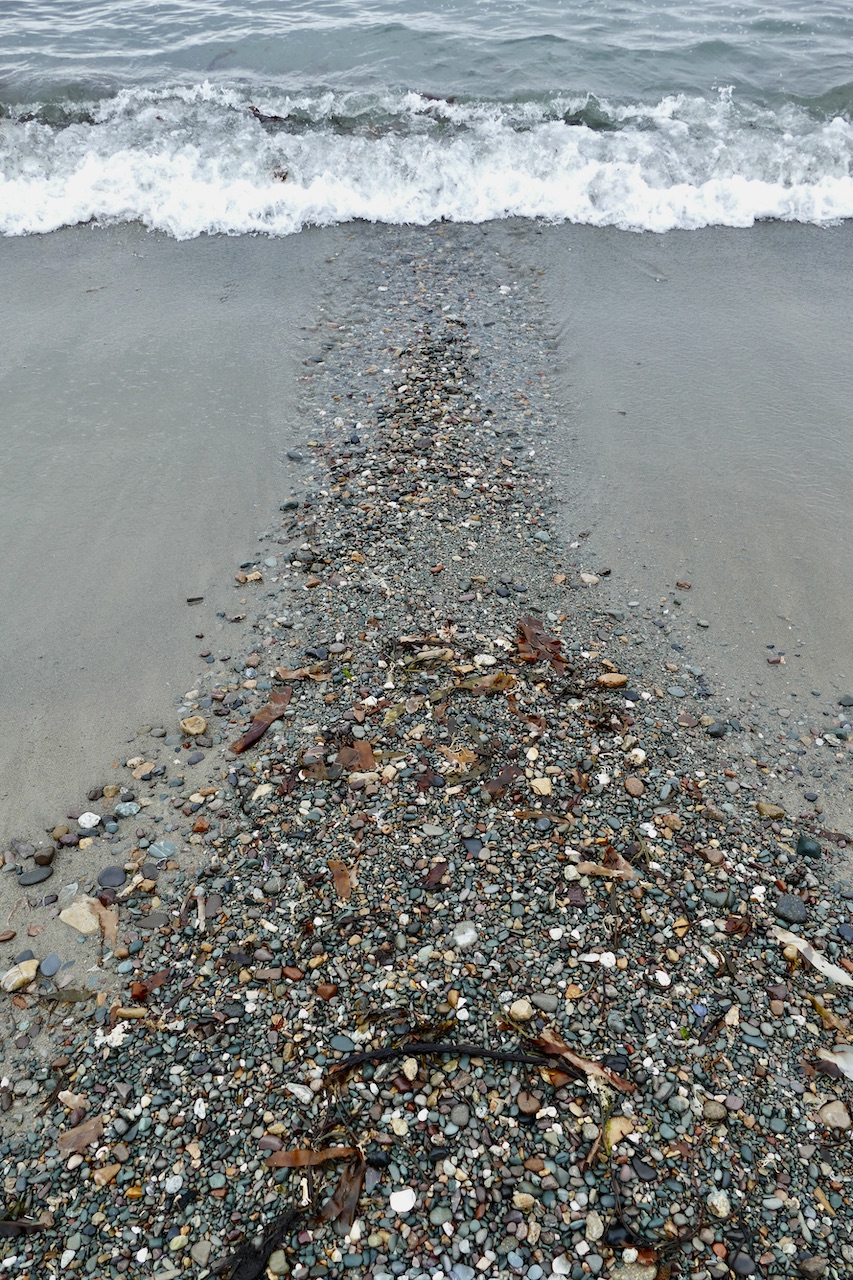
Let the daily tide leave some deposit on these pages, as it leaves sand and shells on the shore. So much increase of terra firma. This may be a calendar of the ebbs and flows of the soul; and on these sheets as a beach, the waves may cast up pearls and seaweed.

July 5, 1852

in Thoreau’s Journal:

The progress of the season is indescribable…Perhaps the sound of the locust expresses the season as well as anything.  The farmers say the abundance of the grass depends on wet in June.  I might make a separate season of those days when the locust is heard.  That is our torrid zone.