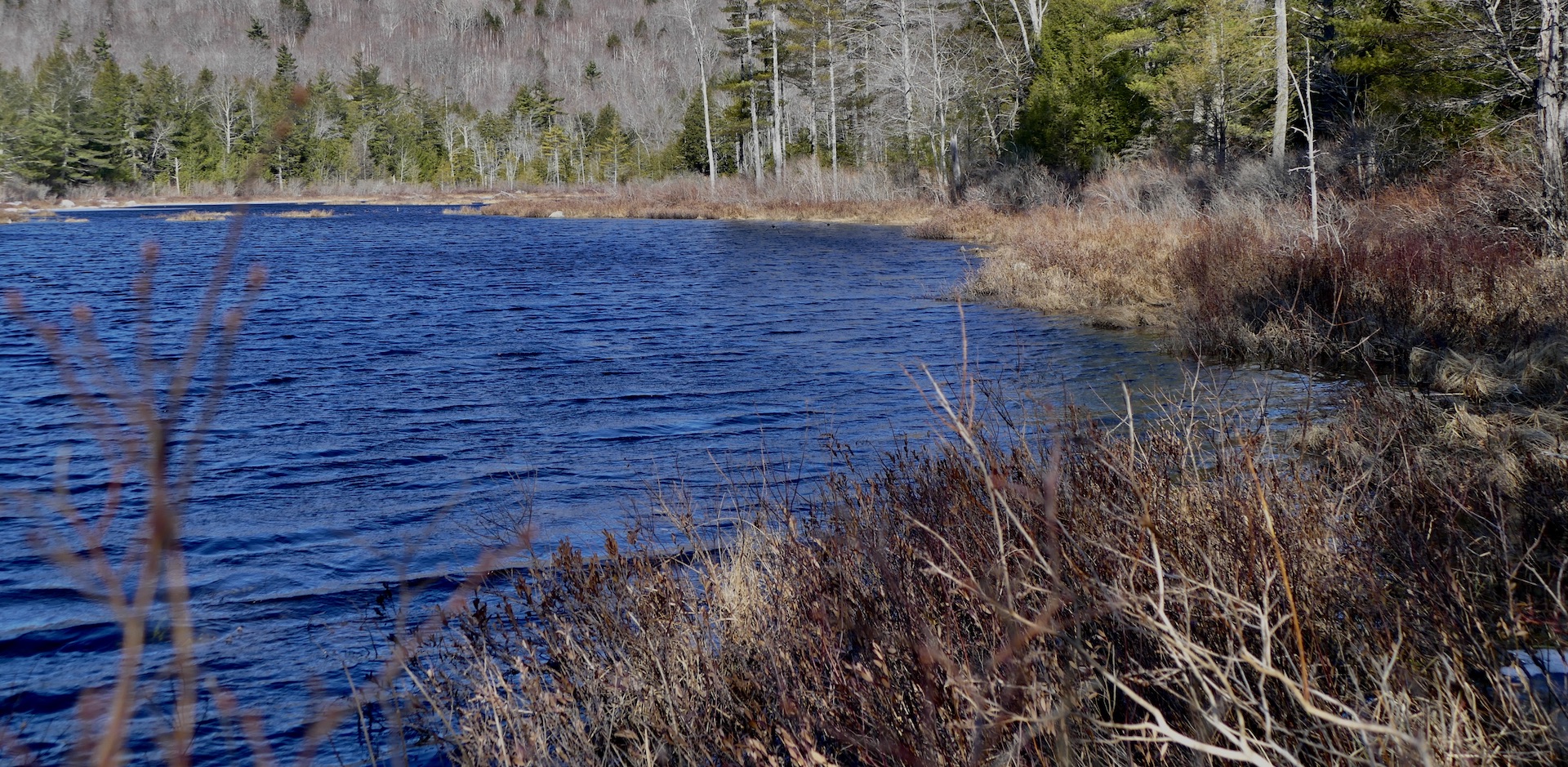
…I think our overflowing river––far handsomer & more abounding in soft and beautiful contrasts––than a merely broad river would be–– A succession of bays it is––a chain of lakes––an endlessly scalloped shore–– –– rounding wood & field––cultivated field & wood & pasture and house are brought into ever new & unexpected positions & relations to the water. There is just stream enough for a flow of thought––that is all.
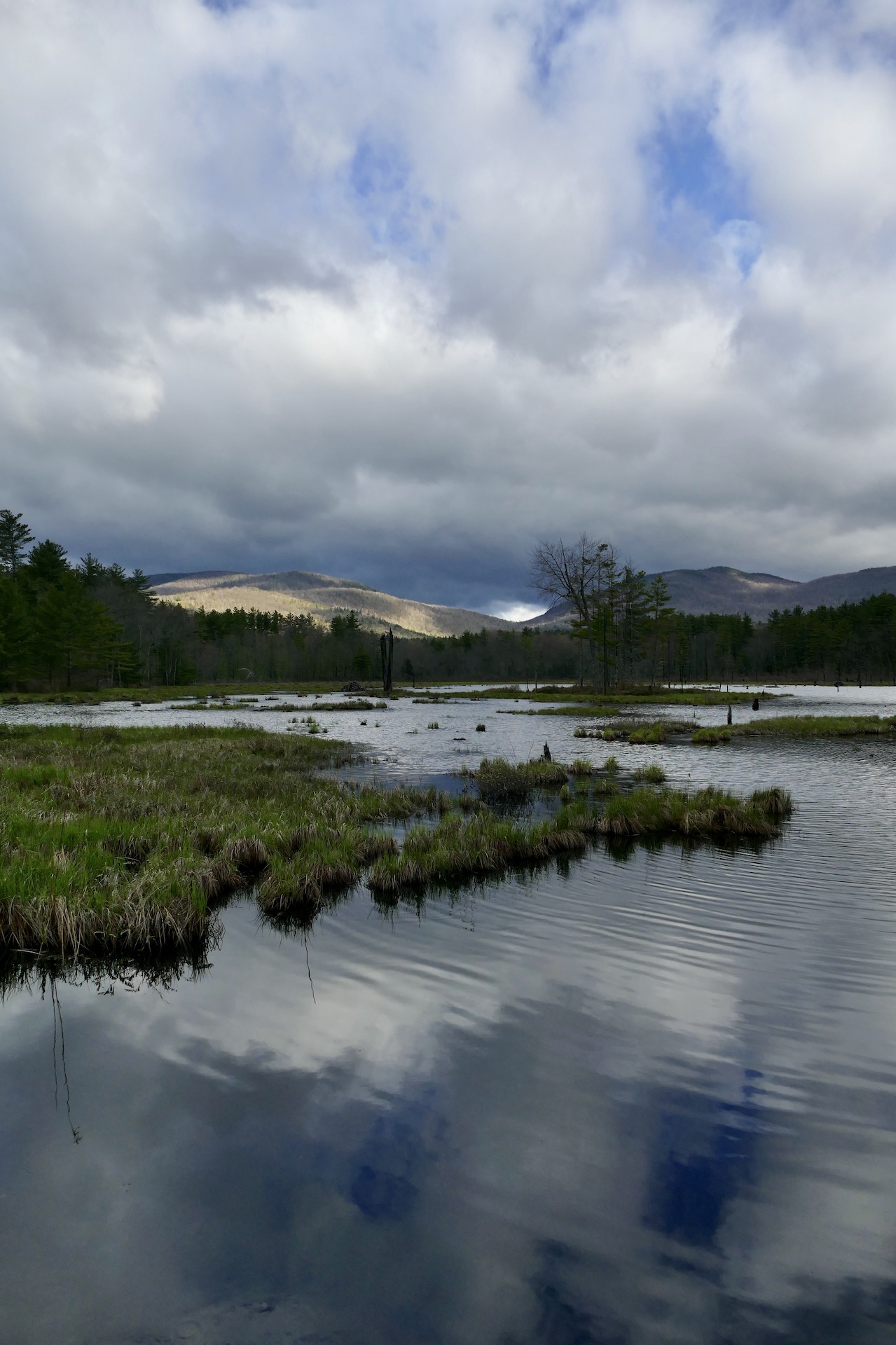
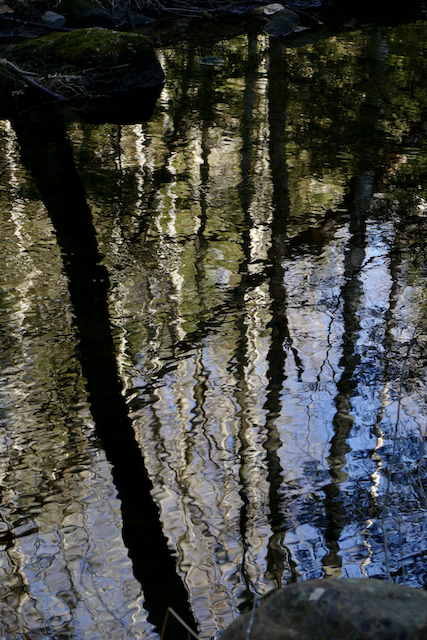
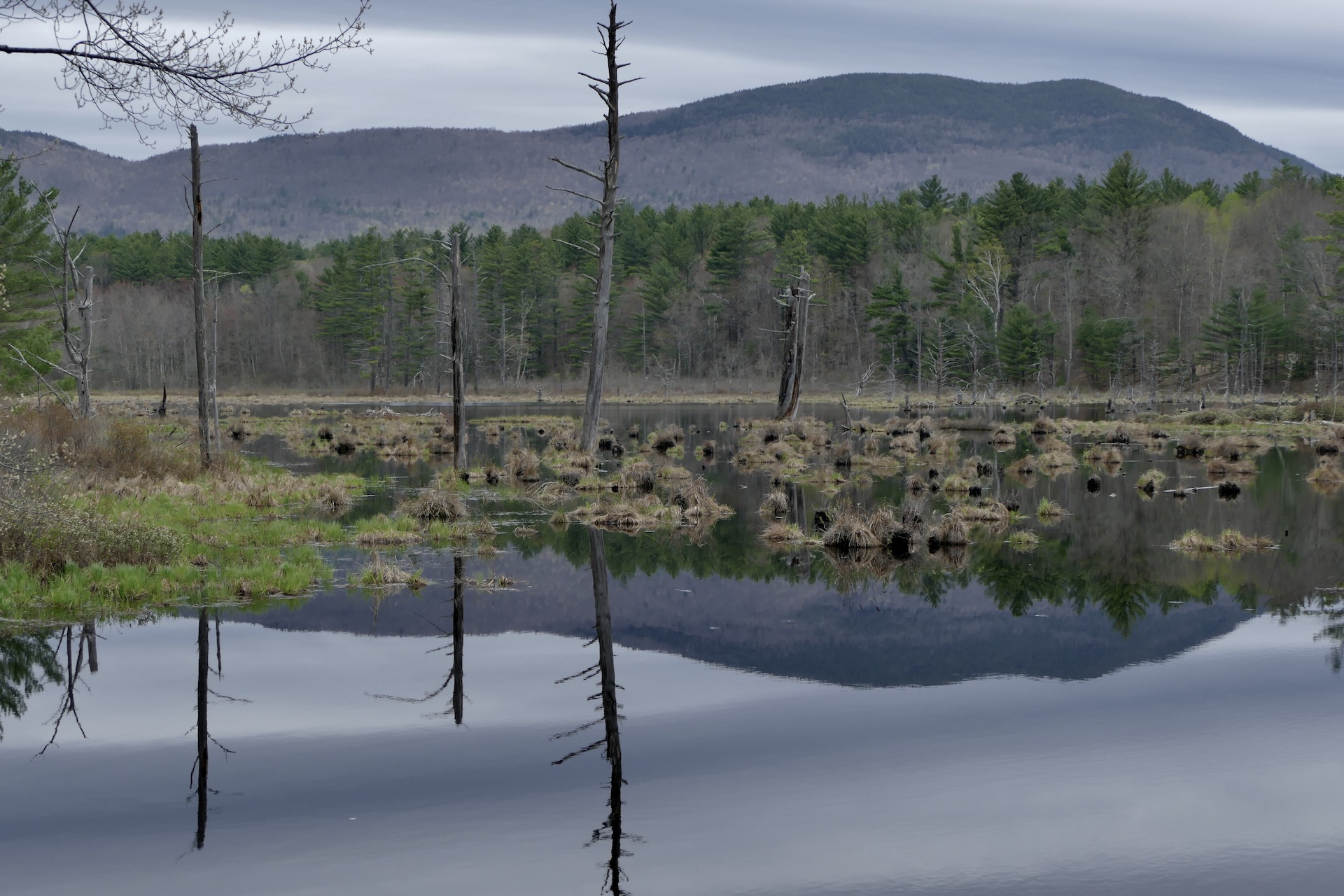
9 Am. to Atkin’s Boat House– (No sun till setting) Another still moist overcast day–-without sun but all day a crescent of light as if breaking away in the north. The waters smooth & full of reflections– A still cloudy day like this is perhaps the best to be on the water–- To the clouds perhaps we owe both the stillness & the reflections–for the light is in a great measure reflected from the water.
Robins sing now at 10 Am as in the morning–& the Phoebe–& pig– woodpecker’s cackle is heard–& many martins (with white-bellied swallows) are & twittering skimming above the water–perhaps catching the small fuzzy gnats with which the air is filled. The sound of church bells, at various distances–in Concord & the neighboring towns, sounds very sweet to us on the water–this still day– It is the song of the villages heard with the song of the birds. The great meadows are covered, except a small island in their midst….
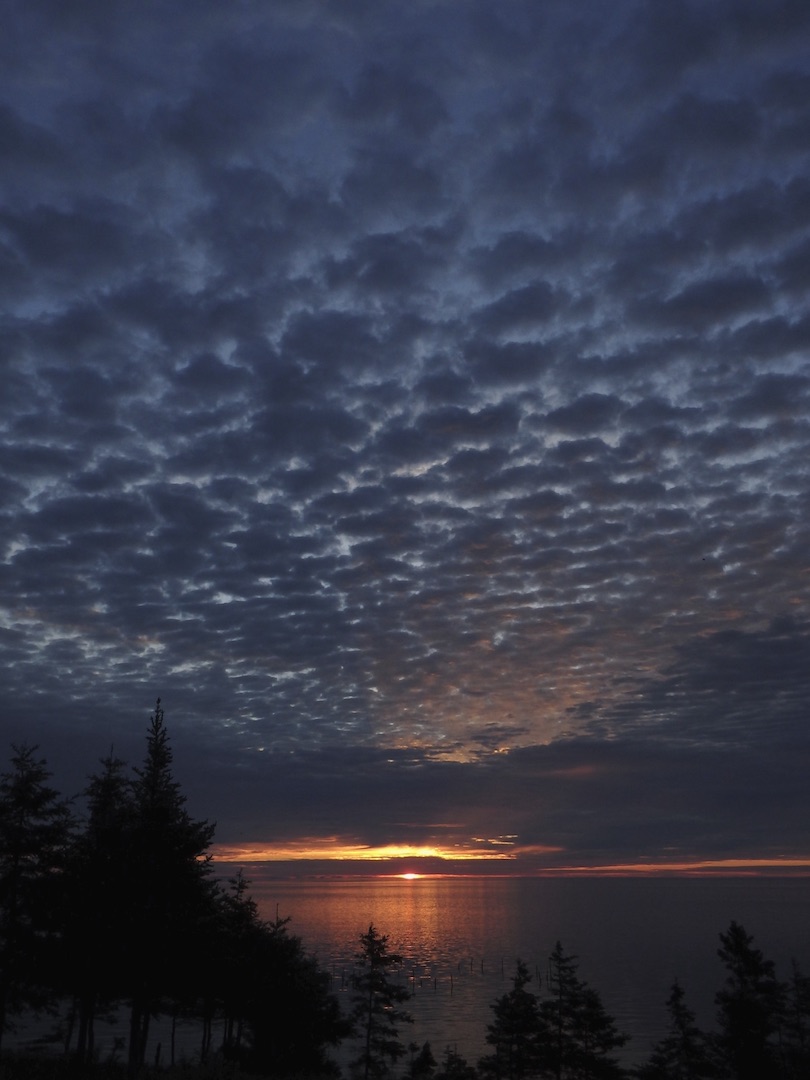
In whatever moment we awake to life, as now I this evening, after walking along the bank and hearing the same evening sounds that we heard of yore, it seems to have slumbered just below the surface, as in the spring the new verdure which covers the fields has never retreated far from the winter.
The hylodes and wood frogs are other degrees on the thermometer of the season, indicating that the weather has attained a higher temperature than before and winter fairly ended, but this note marks what you may call April heat (or spring heat).
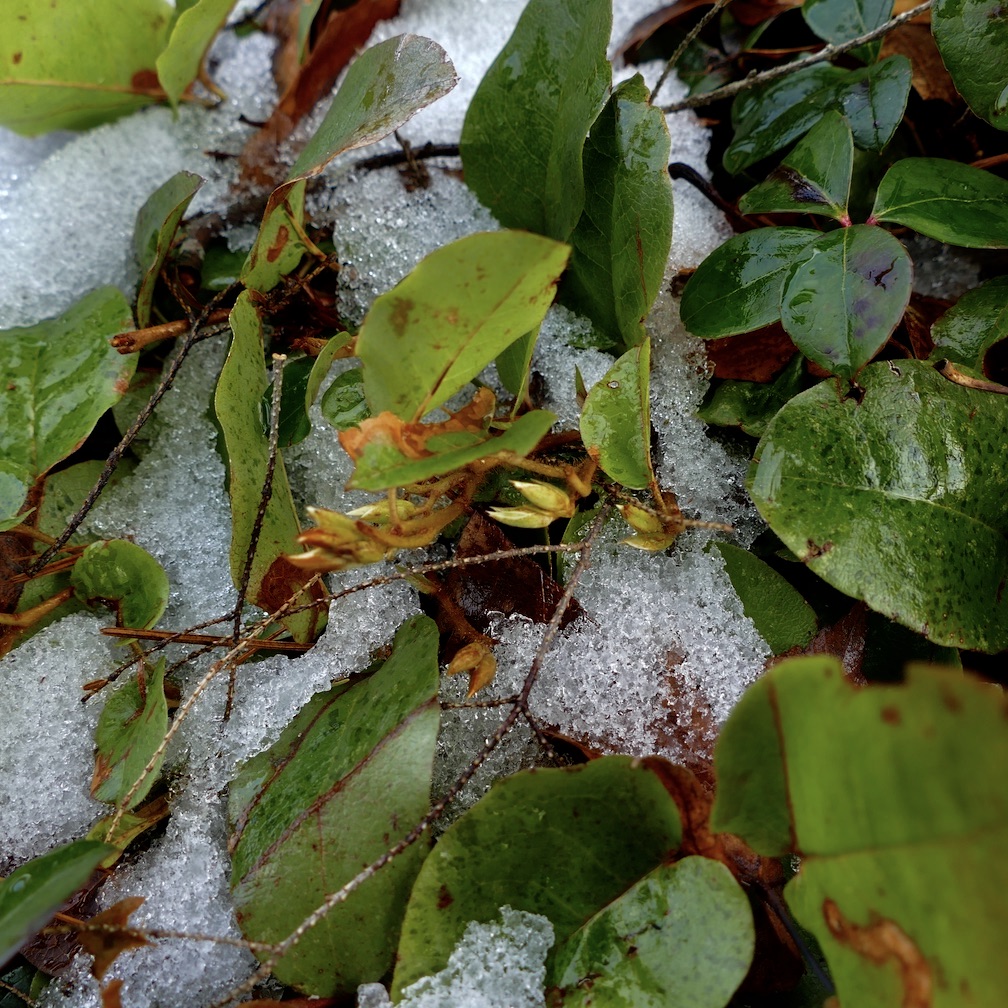
When I look closely I perceive the sward beginning to be green under my feet—very slightly. It rains with sleet & hail yet not enough to color the ground. At this season I can walk in the fields without wetting my feet in grass.
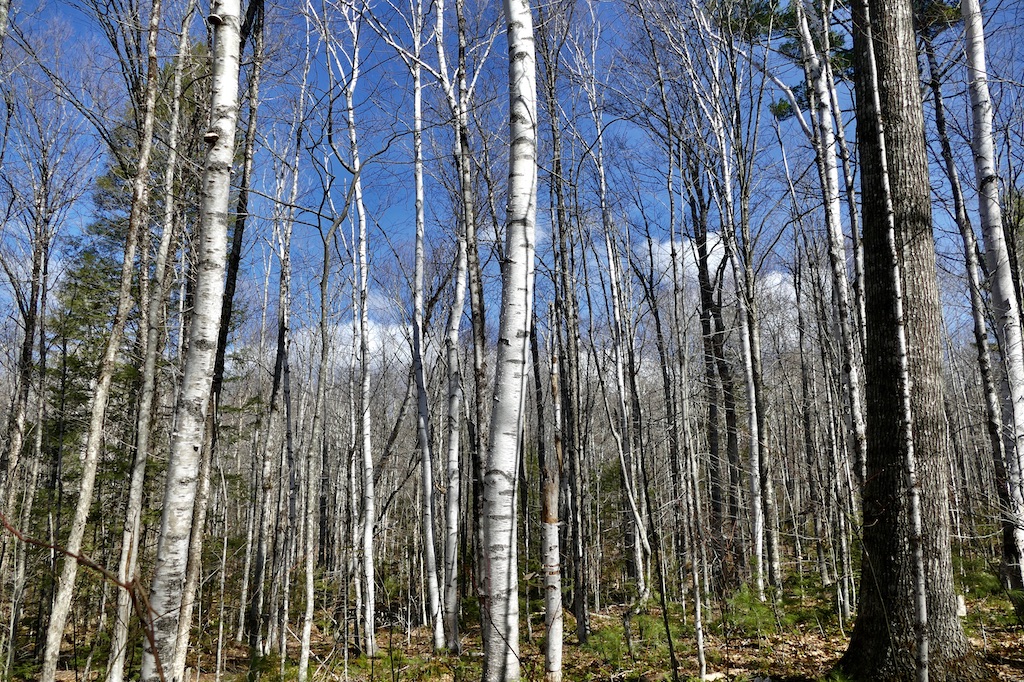
Not finding the birches, I returned to the first swamp and tapped two more white birches. They flow generally faster than the red or white maples when I tried them. I sit on a rock in the warm, sunny swamp, where the ground is bare, and wait for my vessels to be filled. It is perfectly warm and perhaps drier than ever here. The great butterflies, black with buff-edged wings, are fluttering about, and flies are buzzing over rock. The spathes of the skunk-cabbage stand thickly amid the dead leaves, the only obvious sign of vegetable life. A few rods off I hear some sparrows busily scratching the floor of the swamp, uttering a faint tseep tseep and from time to time a sweet strain. It is probably the fox-colored sparrow. These always feed thus, I think, in woody swamps, a flock of them rapidly advancing, flying before one another, through the swamp. A robin peeping at a distance is mistaken for a hyla. A gun fired at a muskrat on the other side of the island towards the village sounds like planks thrown down from a scaffold, borne over the water. Meanwhile I hear the sap dropping into my pail. The birch sap flows thus copiously before there is any other sign of life in the tree, the buds not visibly swollen. Yet the aspen, though in bloom, shows no sap when I cut it, nor does the alder. Will their sap flow later? Probably this birch sap, like the maple, flows little if any at night. It is remarkable that this dead-looking trunk should observe such seasons, —-that a stock should distinguish between day and night.
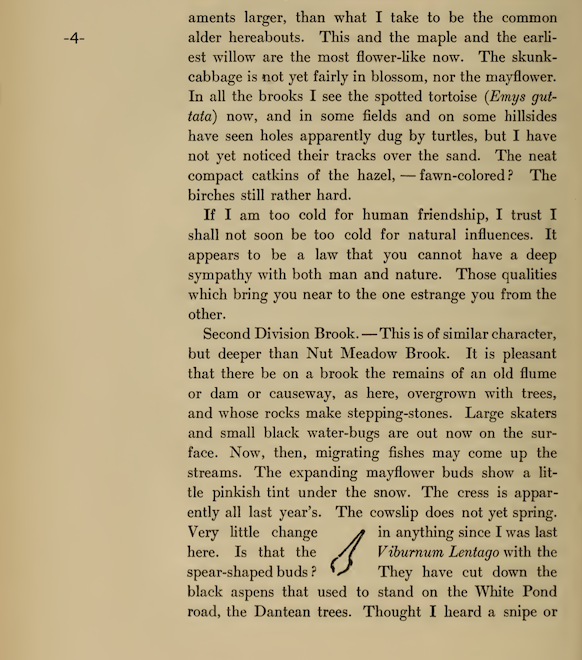
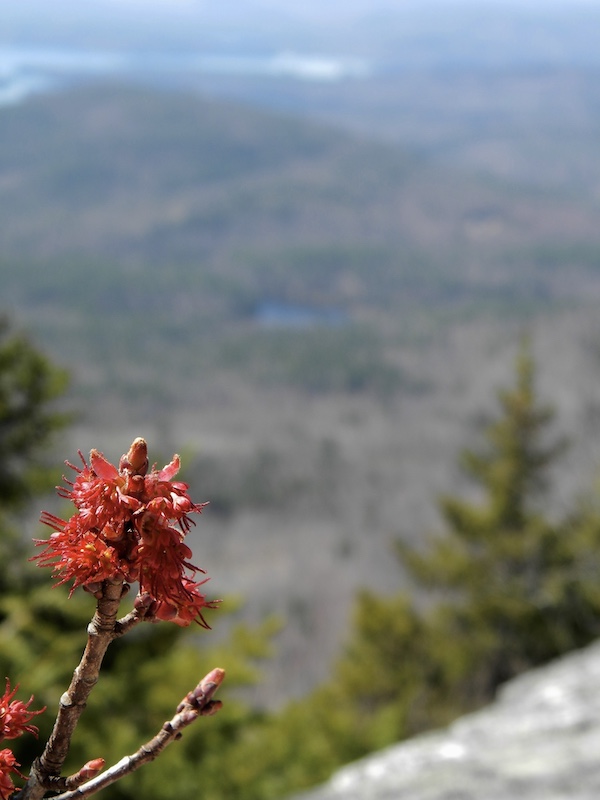
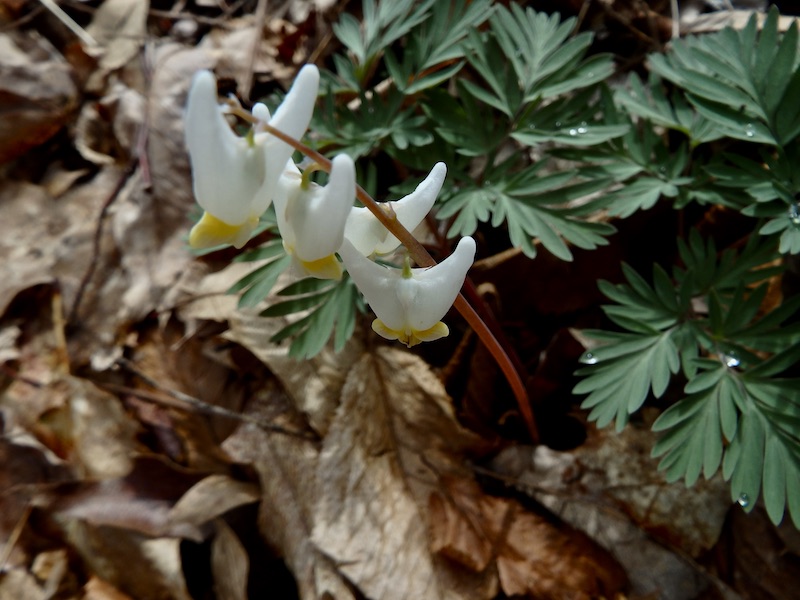
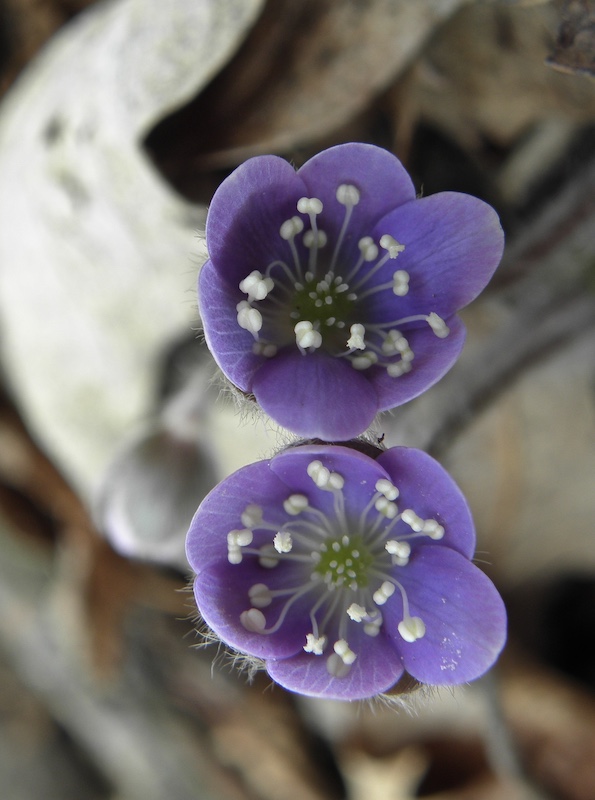
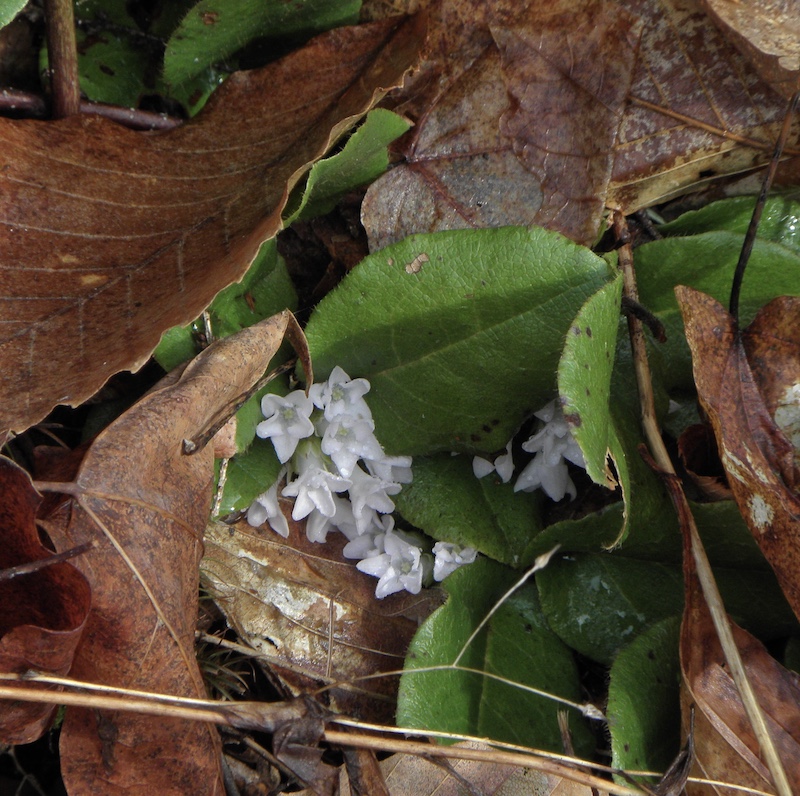
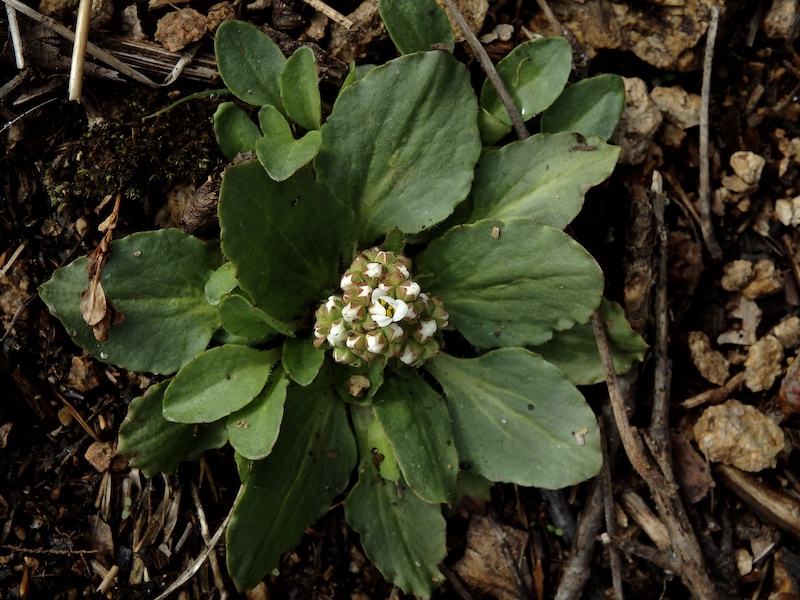
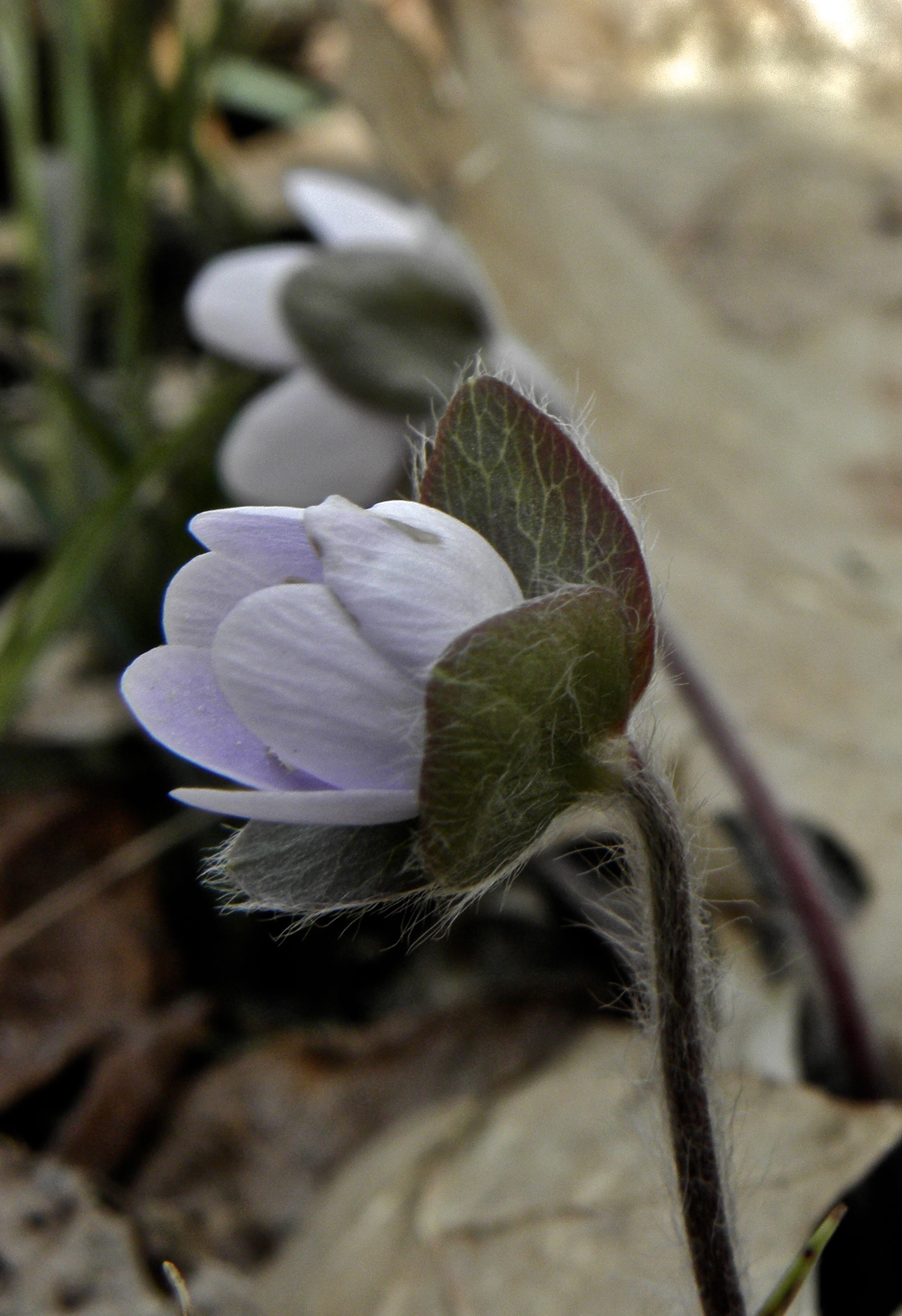
As to which are the earliest flowers, it depends on the character of the season, and ground bare or not, meadows wet or dry, etc., etc., also on the variety of soils and localities within your reach
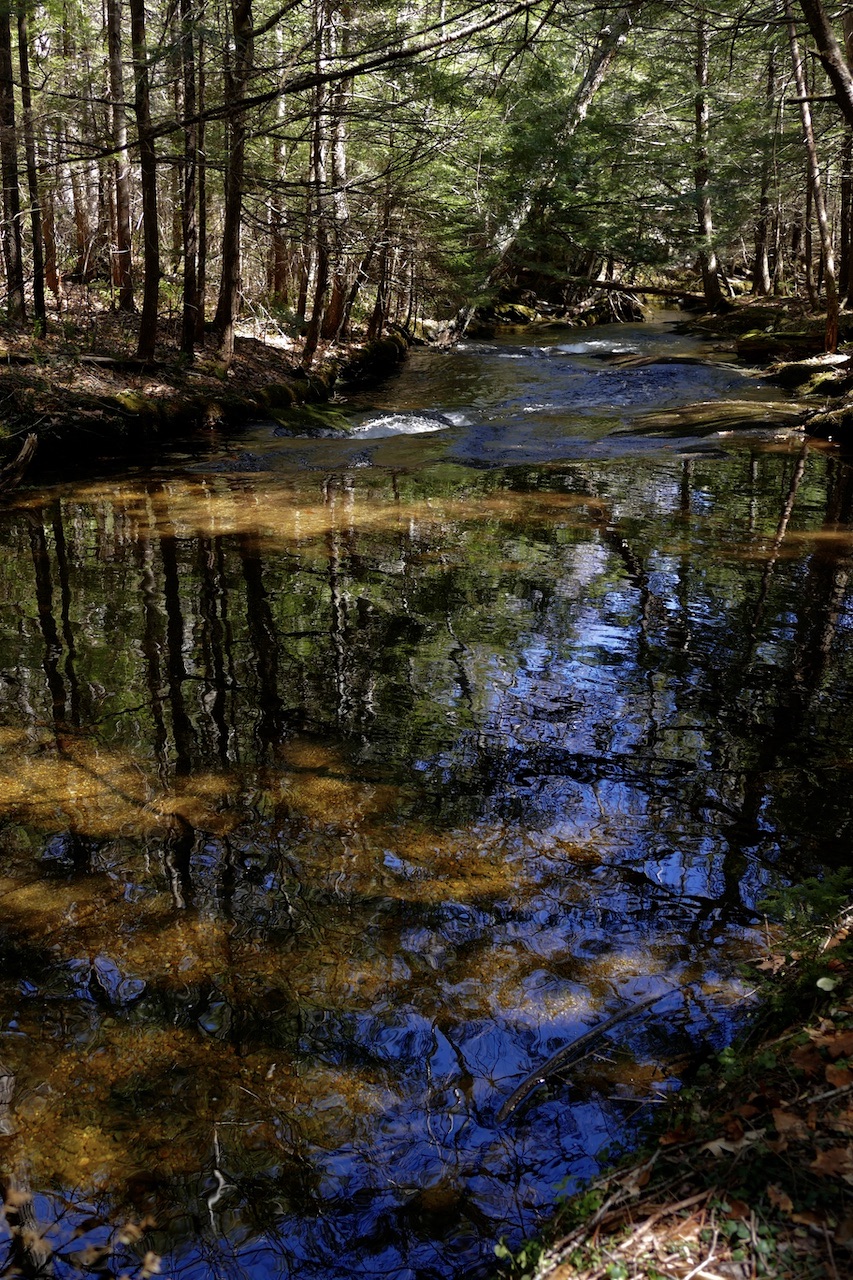
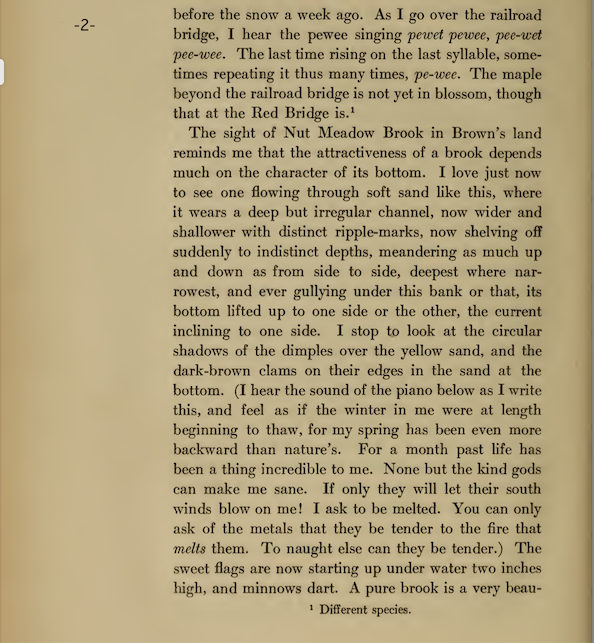
My life will wait for nobody, but is being matured still irresistibly while I go about the streets and chaffer with this man and that to secure it a living. It will cut its own channel, like the mountain stream, which by the longest ridges and by level prairies is not kept from the sea finally. So flows a man’s life, and will reach the sea water, if not by an earthy channel, yet in dew and rain, overleaping all barriers, with rainbows to announce its victory. It can wind as cunningly and unerringly as water that seeks its level; and shall I complain if the gods make it meander?
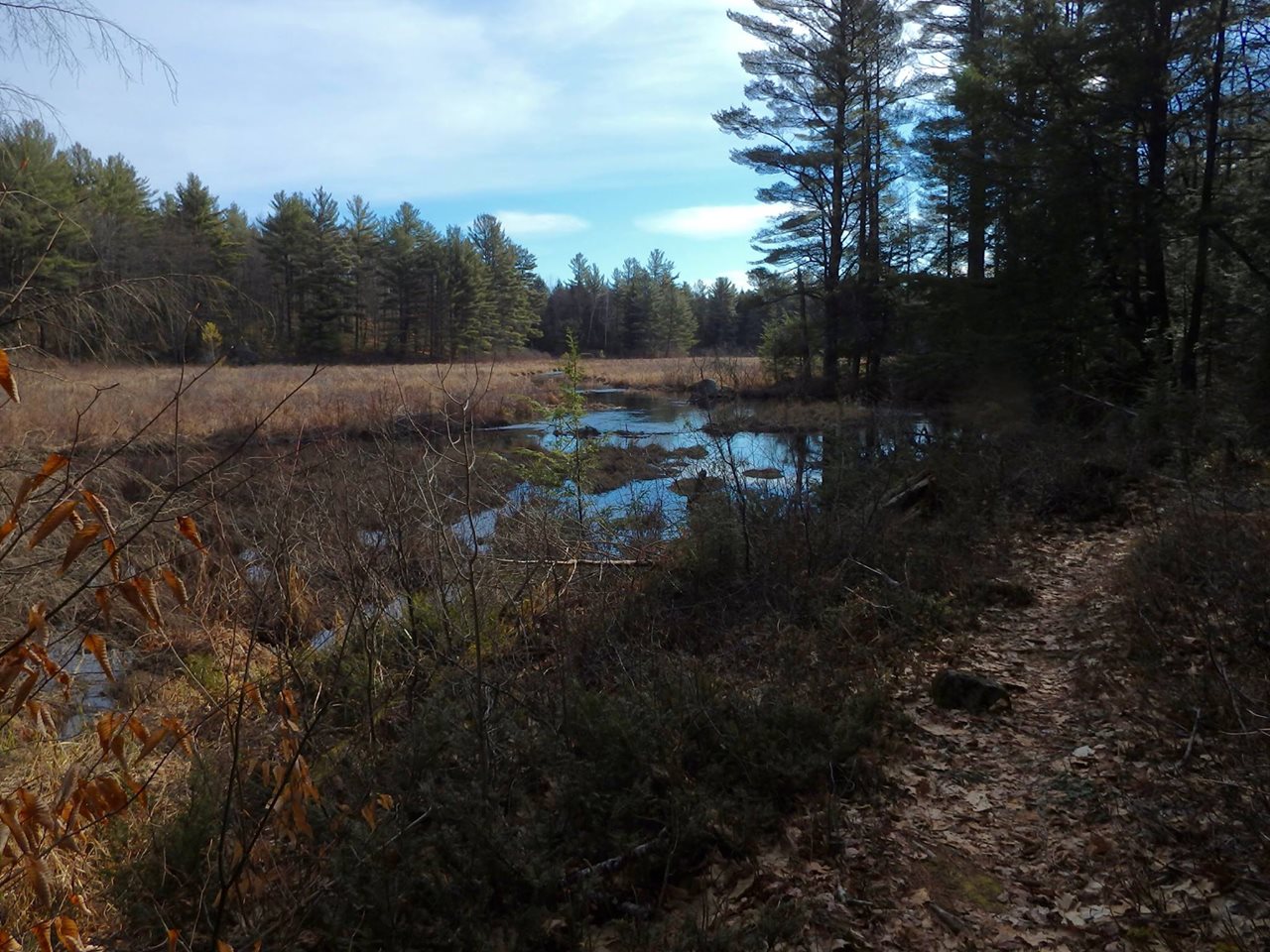
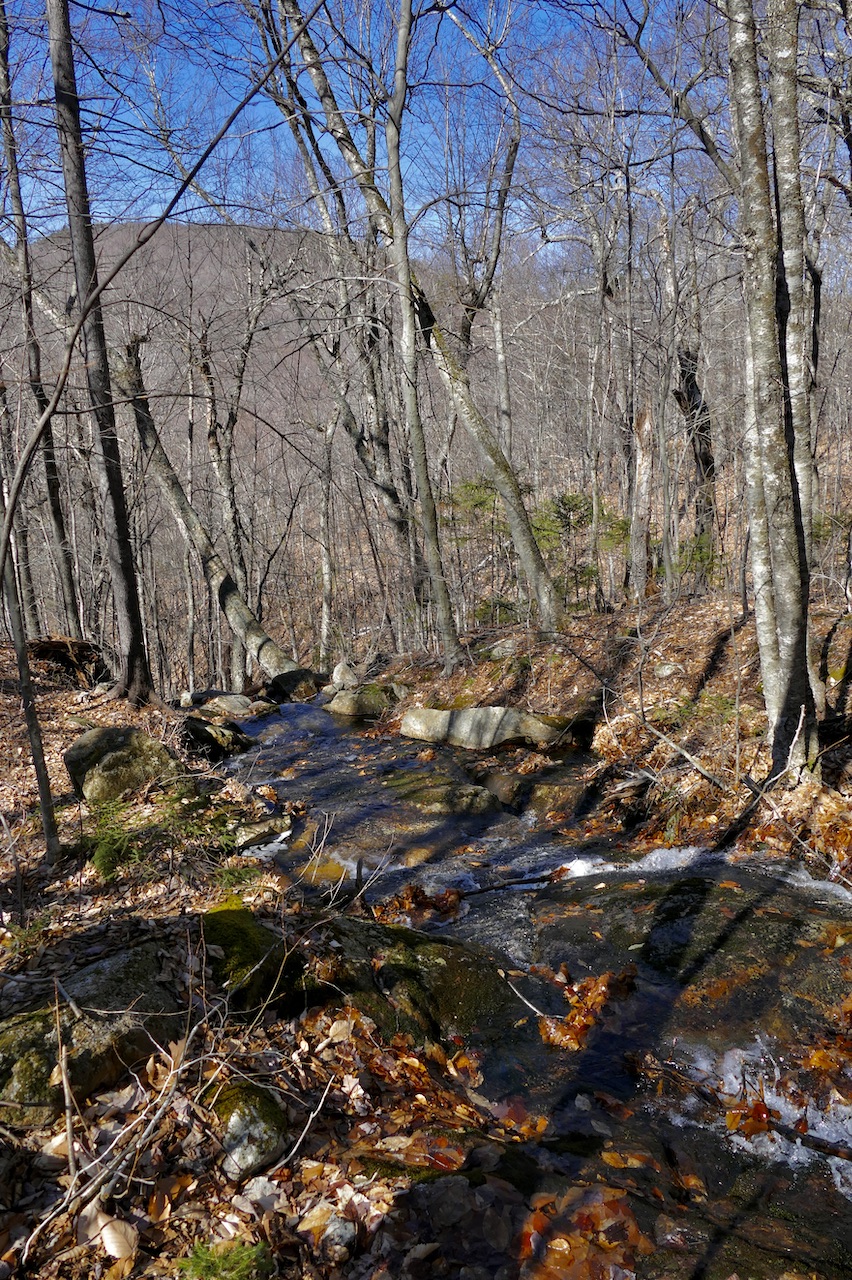
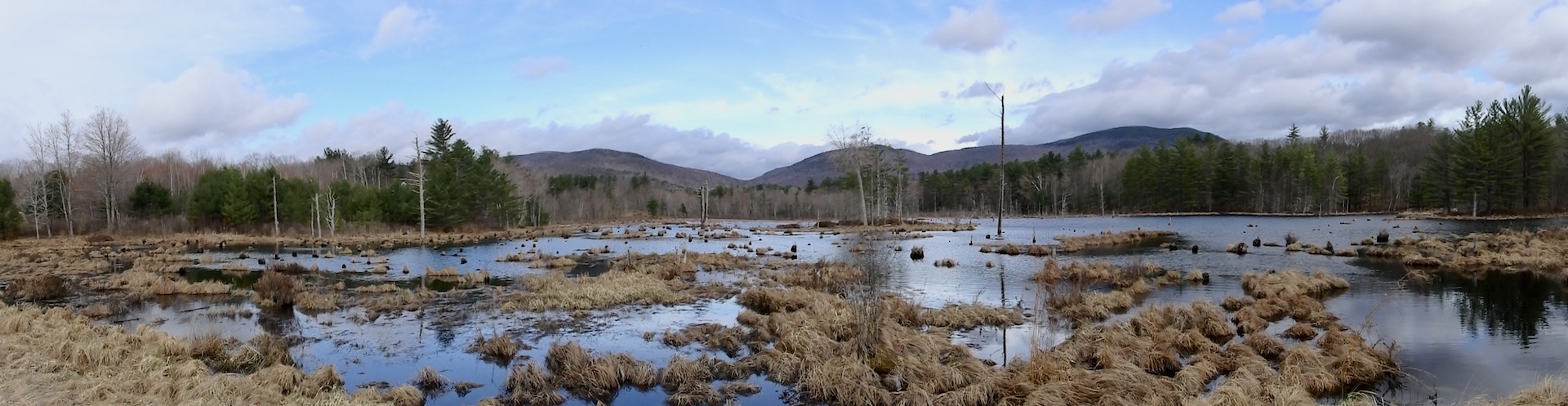
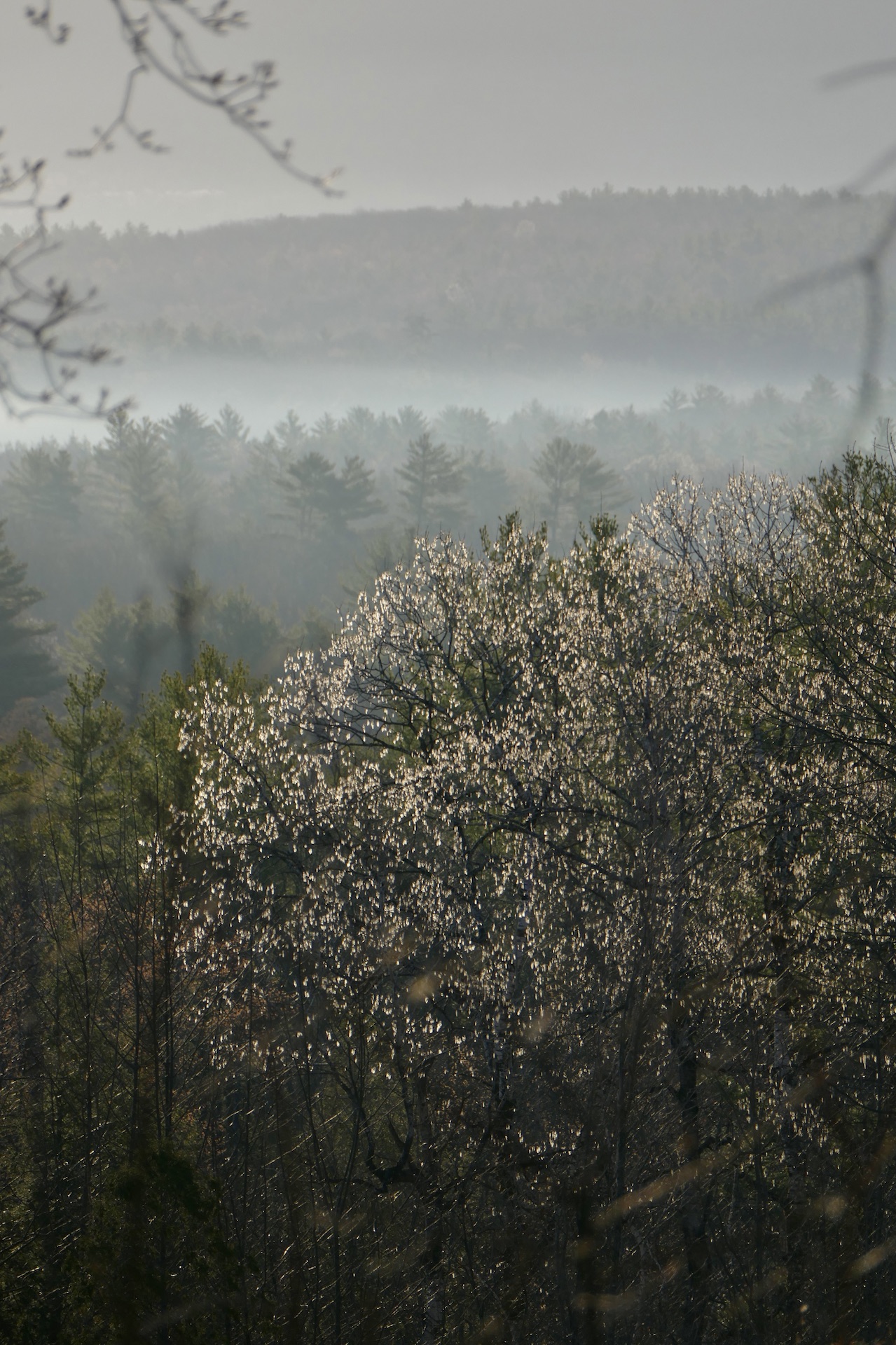
The aspect of April waters, smooth and commonly high, before many flowers (none yet) or any leafing while the landscape is still russet, and frogs are just awakening, is peculiar.
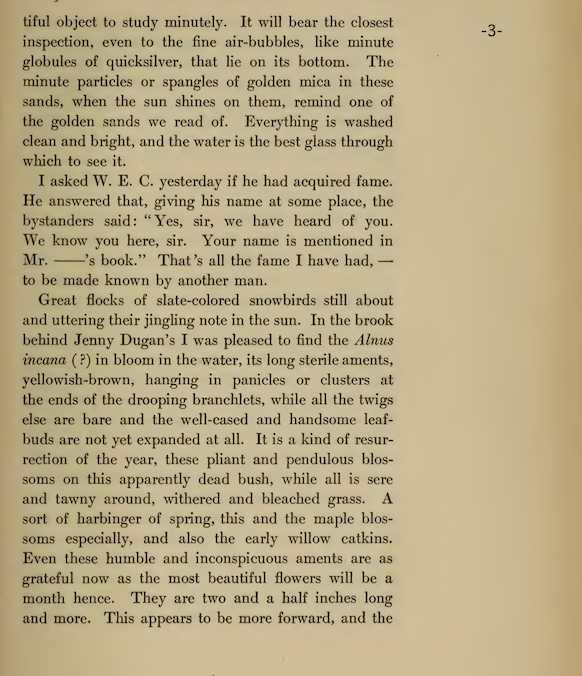
It is surprising how the earth on bare south banks begins to show some greenness in its russet cheeks in this rain and fog—a precious emerald-green tinge—almost like a green mildew, the growth of the night — a green blush suffusing her cheek — heralded by twittering birds. This sight is no less interesting than the corresponding bloom & ripe blush of the fall. How encouraging to perceive again that faint tinge of green, spreading amid the russet on earth’s cheeks! I revive with Nature—her victory is mine.
It is evident that it depends on the character of the season whether this flower or that is the most forward; whether there is more or less snow or cold or rain, etc.
It will take you half a lifetime to find the earliest flower.
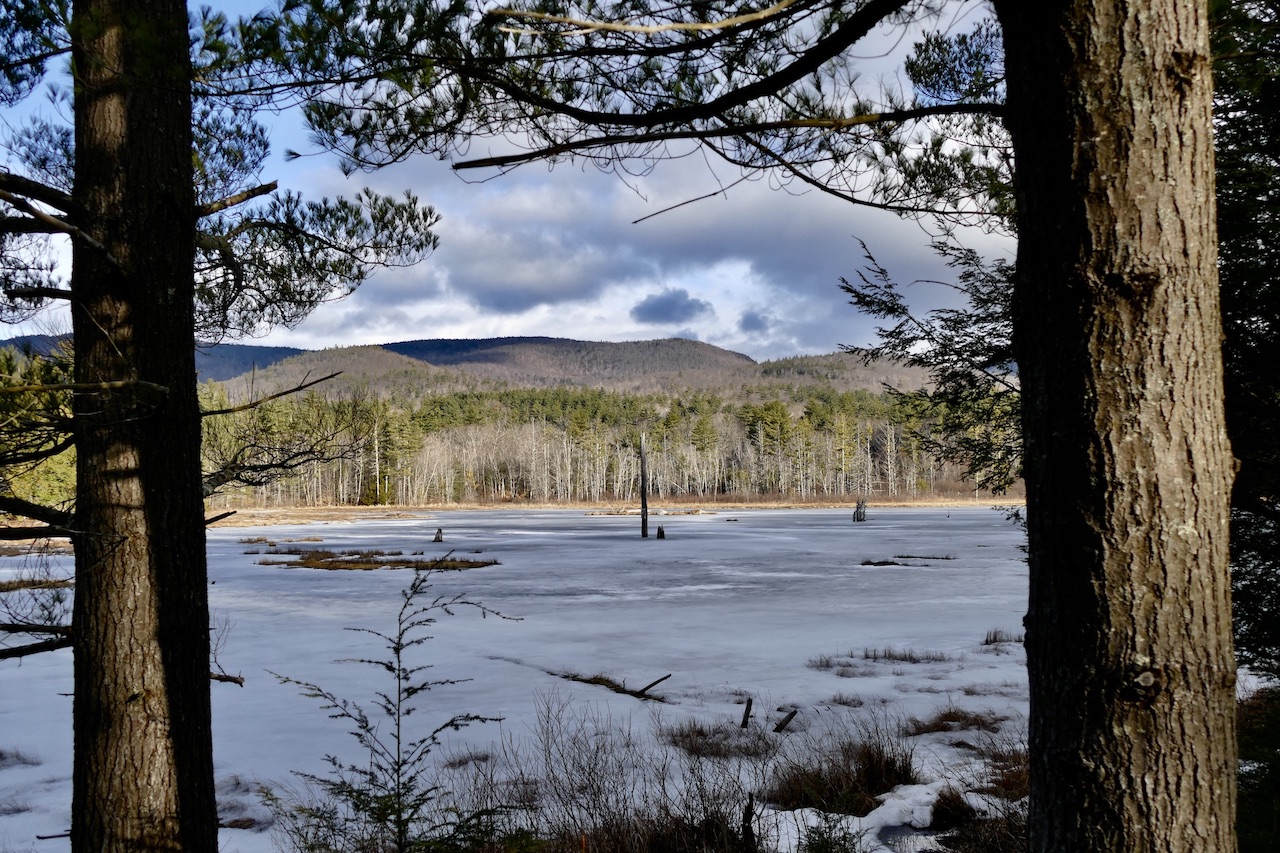
How unexpectedly dumb and poor and cold does Nature look, when, where we had expected to find a glassy lake reflecting the skies and trees in the spring, we find only dull, white ice. Such I am, no doubt, to many friends.
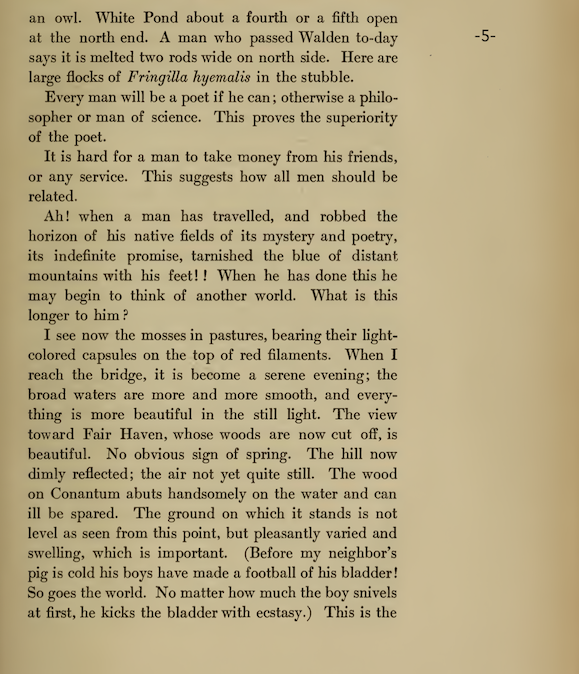
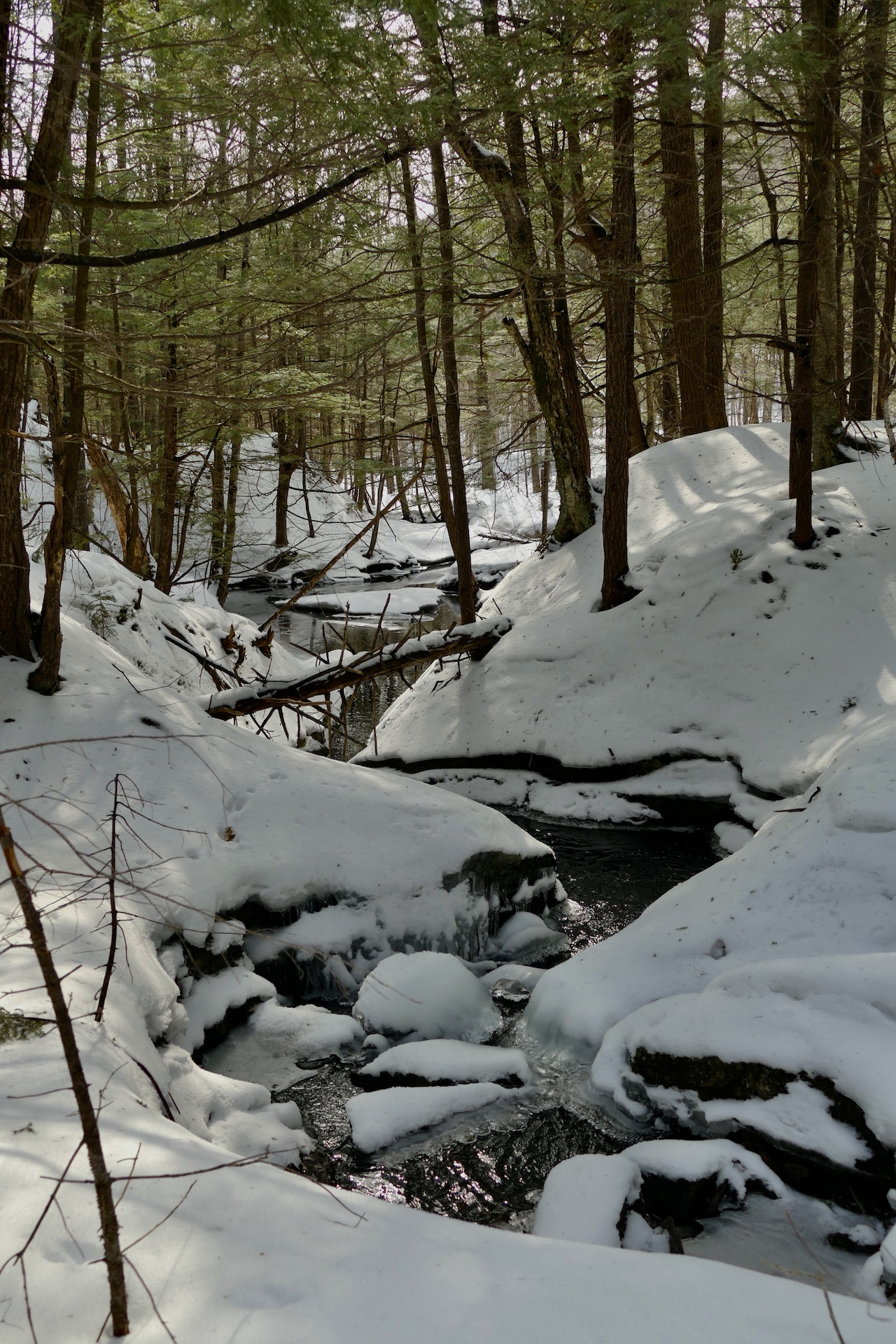
It is incredible what a revolution in our feelings and in the aspect of nature this warmer air alone has produced. Yesterday the earth was simple to barrenness, and dead, bound out. Out of doors there was nothing but the wind and the withered grass, and the cold though sparkling blue water, and you were driven in upon yourself. Now, you would think there was a sudden awakening in the very crust of the earth, as if flowers were expanding and leaves putting forth; but not so. I listen in vain to hear a frog or a new bird as yet. Only the frozen ground is melting a little deeper, and the water is trickling from the hills in some places. No, the change is mainly in us. We feel as if we had obtained a new lease of life.
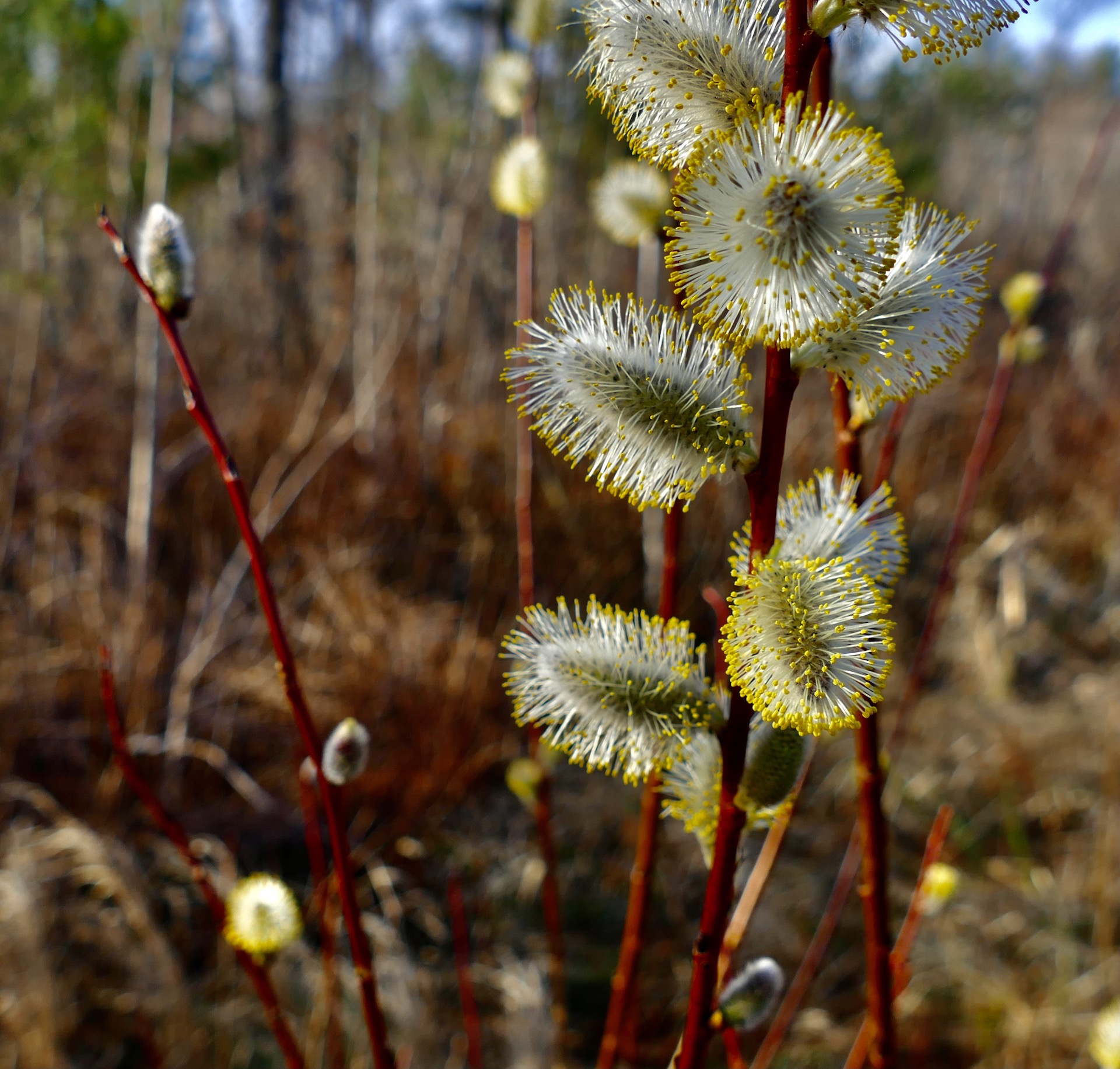
The early willow will bloom tomorrow. Its catkins have lost many of their scales. The crowded yellow anthers are already bursting out through the silvery down, like the sun of spring through the clouds of winter. How measuredly this plant has advanced, sensitive to the least change of temperature, its expanding not to be foretold, unless you can foretell the weather. This is the earliest willow that I know. Yet it is on a dry upland. There is a great difference in localities in respect to warmth, and a corresponding difference in the blossoming of plants of the same species.
We know too well what shall have for our Saturday’s dinner—but each days feast in Nature’s year is a surprise to us & adapted to our appetite & spirits— She has arranged such an order of feasts as never tires– Her motive is not economy but satisfaction.

 allandibiase.com
You must be logged in to post a comment.