in Thoreau’s Journal:
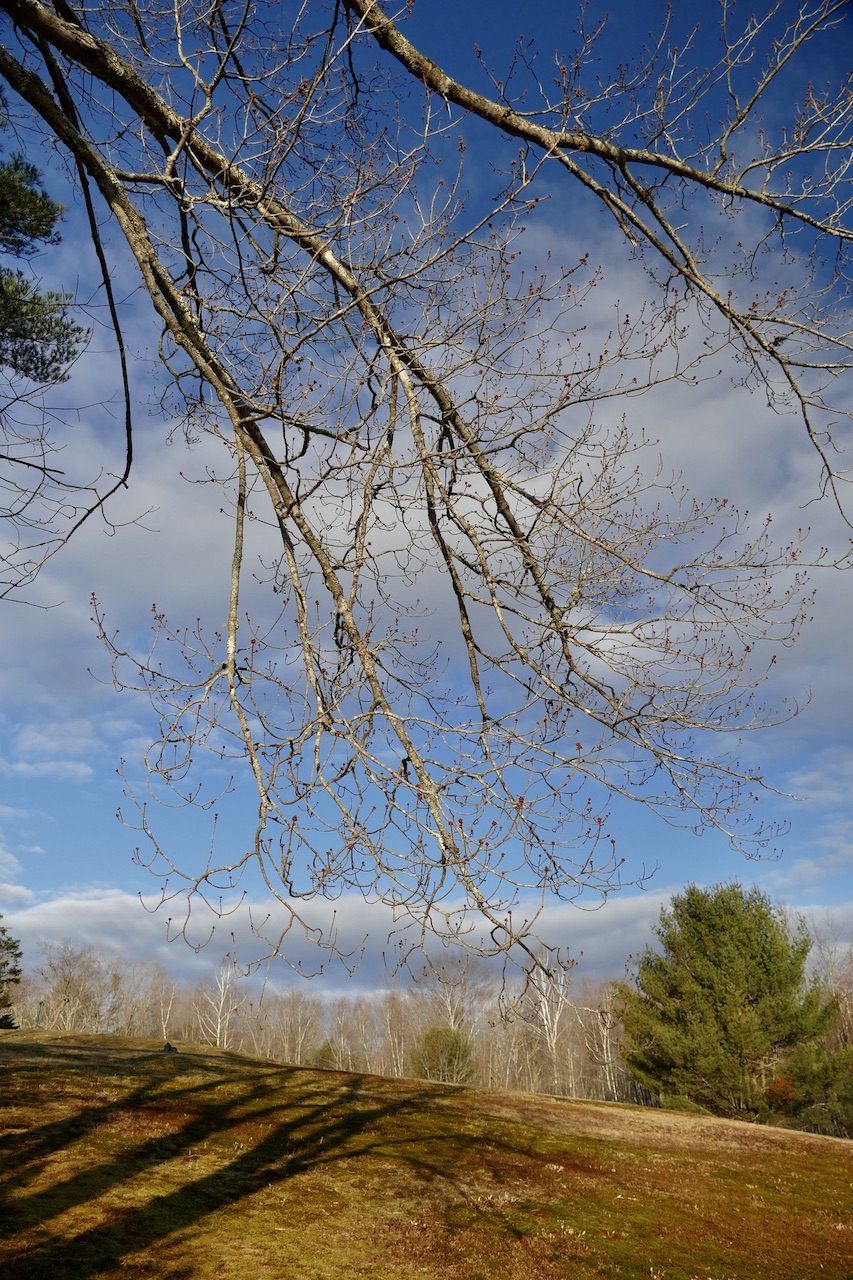
It is always a short step to peace of mind.
in Thoreau’s Journal:
It is always a short step to peace of mind.

in Thoreau’s Journal:
I thank God that the cheapness which appears in time and the world—the trivialness of the whole scheme of things—is in my own cheap and trivial moment.
I am time and the world.
I assert no independence.
In me are summer and winter—village life and commercial routine—Pestilence and famine and refreshing breezes—joy and sadness—life and death….
He who does not borrow trouble does not lend it…
I wish to communicate those parts of my life which I would gladly live again…
It is hard to be a good citizen of the world in any great sense—but if we do render no interest or increase to mankind out of that talent God gave us—we can at least preserve the principal unimpaired.
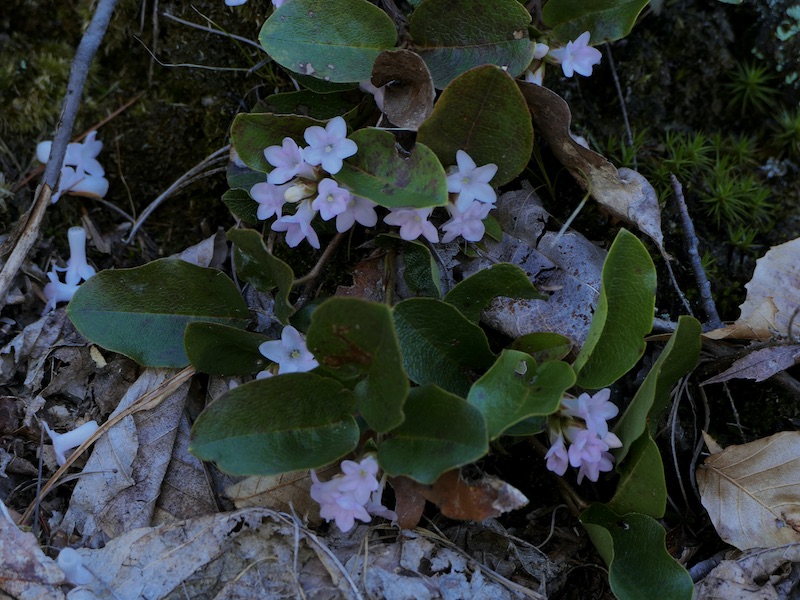
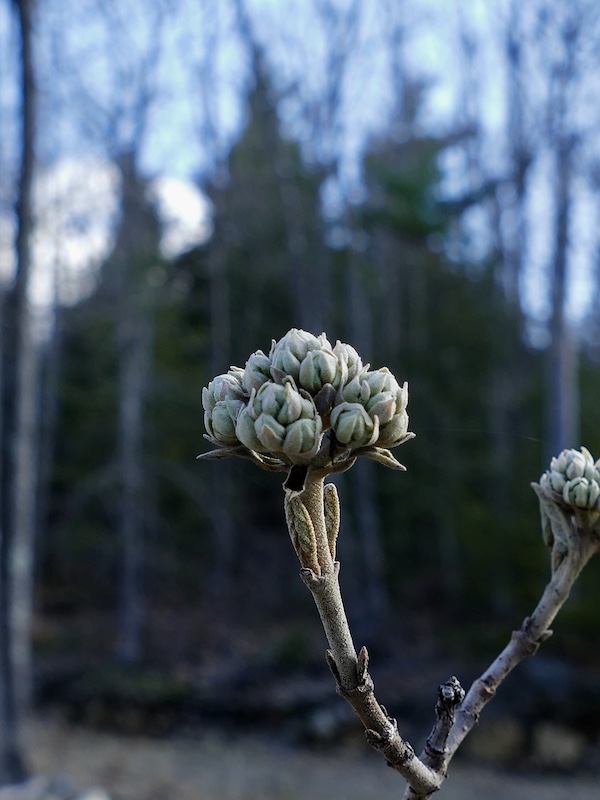


March 25, 1859 in Thoreau’s Journal:
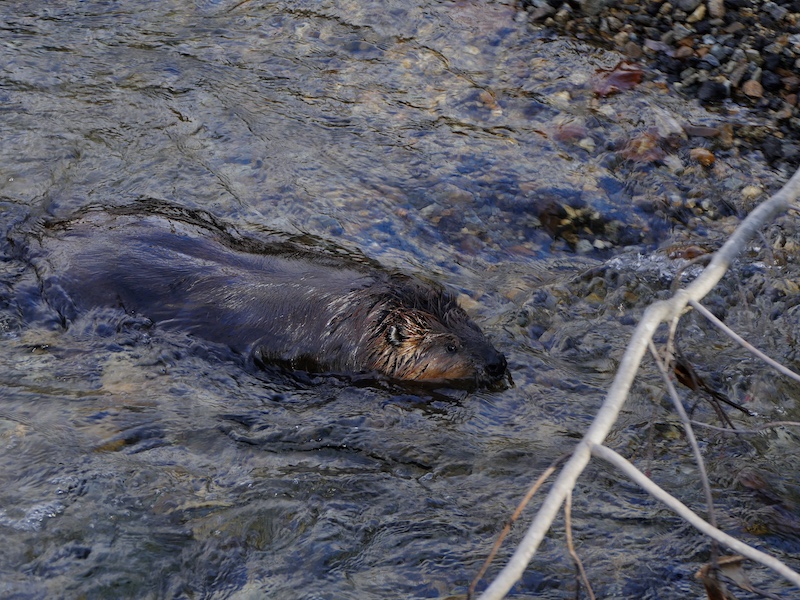
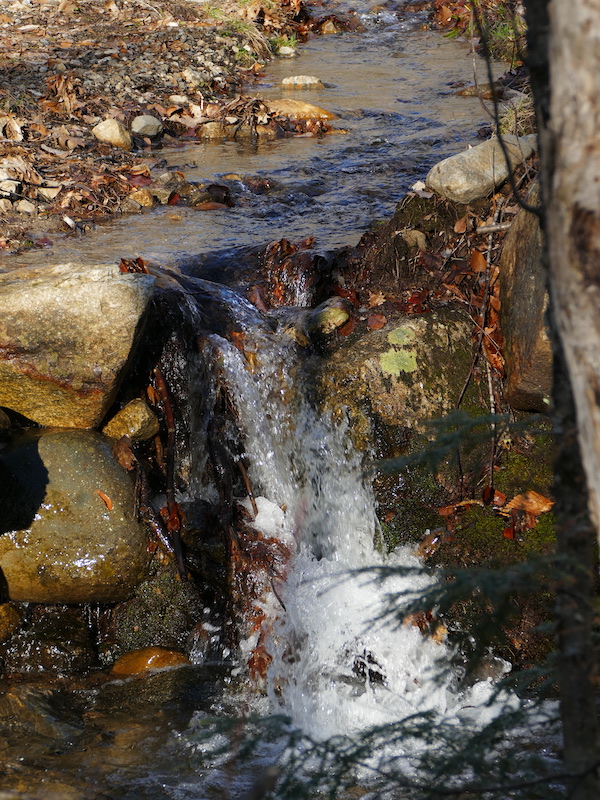
A score of my townsmen have been shooting and trapping musquash and mink of late. They are gone all day—early and late they scan the rising tide—stealthily they set their traps in remote swamps, avoiding one another. Am not I a trapper too? Early and late scanning the rising flood, ranging by distant woodsides, setting my traps in solitude and baiting them as well as I know how, that I may catch life and light…. As to the color of spring, I should say that hitherto in dry weather it was fawn-colored; in wet, more yellowish or tawny. When wet, the green of the fawn is supplied by the lichens and the mosses.
in Thoreau’s Journal:
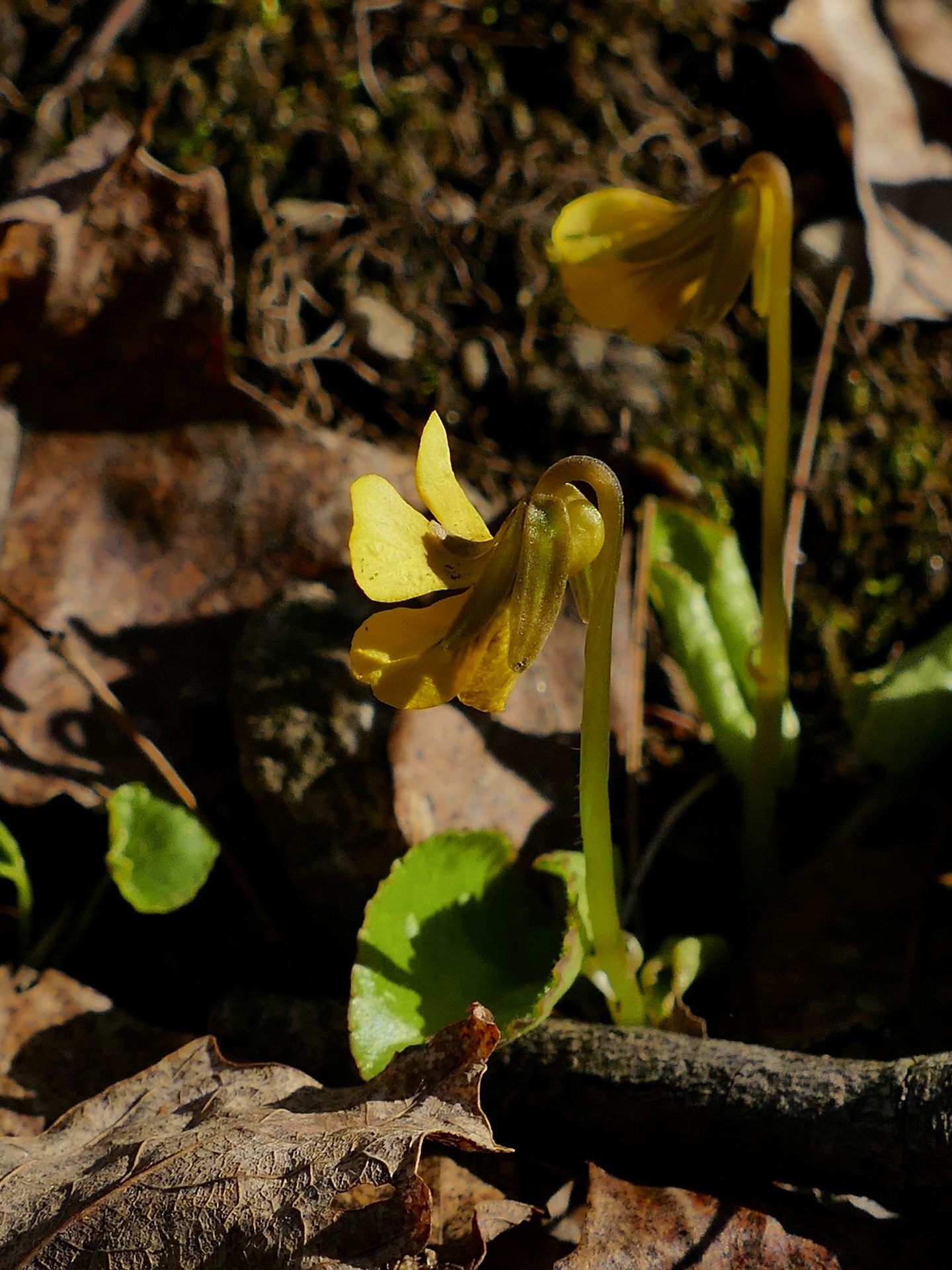
How little that occurs to us are we prepared at once to appreciate.
in Thoreau’s Journal:
When I think what were the various sounds and notes, the migrations and works, and changes of fur and plumage which ushered in the spring and marked the other seasons of the year, I am reminded that this my life in nature, this particular round of natural phenomena which I call a year, is lamentably incomplete. I listen to [a] concert in which so many parts are wanting. The whole civilized country is to some extent turned into a city, and I am that citizen whom I pity. Many of those animal migrations and other phenomena by which the Indians marked the season are no longer to be observed. I seek acquaintance with Nature, ––to know her moods and manners….
I am reassured and reminded that I am the heir of eternal inheritances which are inalienable, when I feel the warmth reflected from the sunny bank, and see the yellow sand and the reddish soil, and hear some dried leaves rustle and the trickling of melted snow in some sluiceway. The eternity which I detect in Nature I predicate of myself also. How many springs I have had this same experience! I am encouraged for I recognize this steady persistency and recovery of Nature as a quality of myself.

in Thoreau’s Journal:
As soon as those spring mornings arrive in which the birds sing I am sure to be an early riser— I am waked by my genius— I wake to inaudible melodies, and am surprised to find myself awaiting the dawn—in so serene and joyful & expectant a mood. I have an appointment with spring.

in Thoreau’s Journal:
It is a genial and reassuring day; the mere warmth of the west wind amounts almost to balminess. The softness of the air mollifies our own dry and congealed substance. I sit down by a wall to see if I can muse again. We become, as it were, pliant and ductile again to strange but memorable influences; we are led a little way by our genius. We are affected like the earth, and yield to the elemental tenderness. Winter breaks up within us. The frost is coming out of me, and I am heaved like the road. Accumulated masses of ice and snow dissolve, and thoughts like a freshet, pour down unwonted channels. A strain of music comes to solace the traveler over earth’s downs and dignify his chagrins. The petty men whom he meets are shadows of grander to come. Roads lead else-wither than to Carlisle and Sudbury. The earth is uninhabited, but fair to inhabit, like the old Carlisle road. Is, then, the road so rough that it should be neglected? Not only narrow, but rough, is the way that leads to life everlasting. Our experience does not wear upon us. It is seen to be fabulous or symbolical, and the future is worth expecting. Encouraged, I set out once more to climb the mountain of the earth, for my steps are symbolical.

in Thoreau’s Journal:
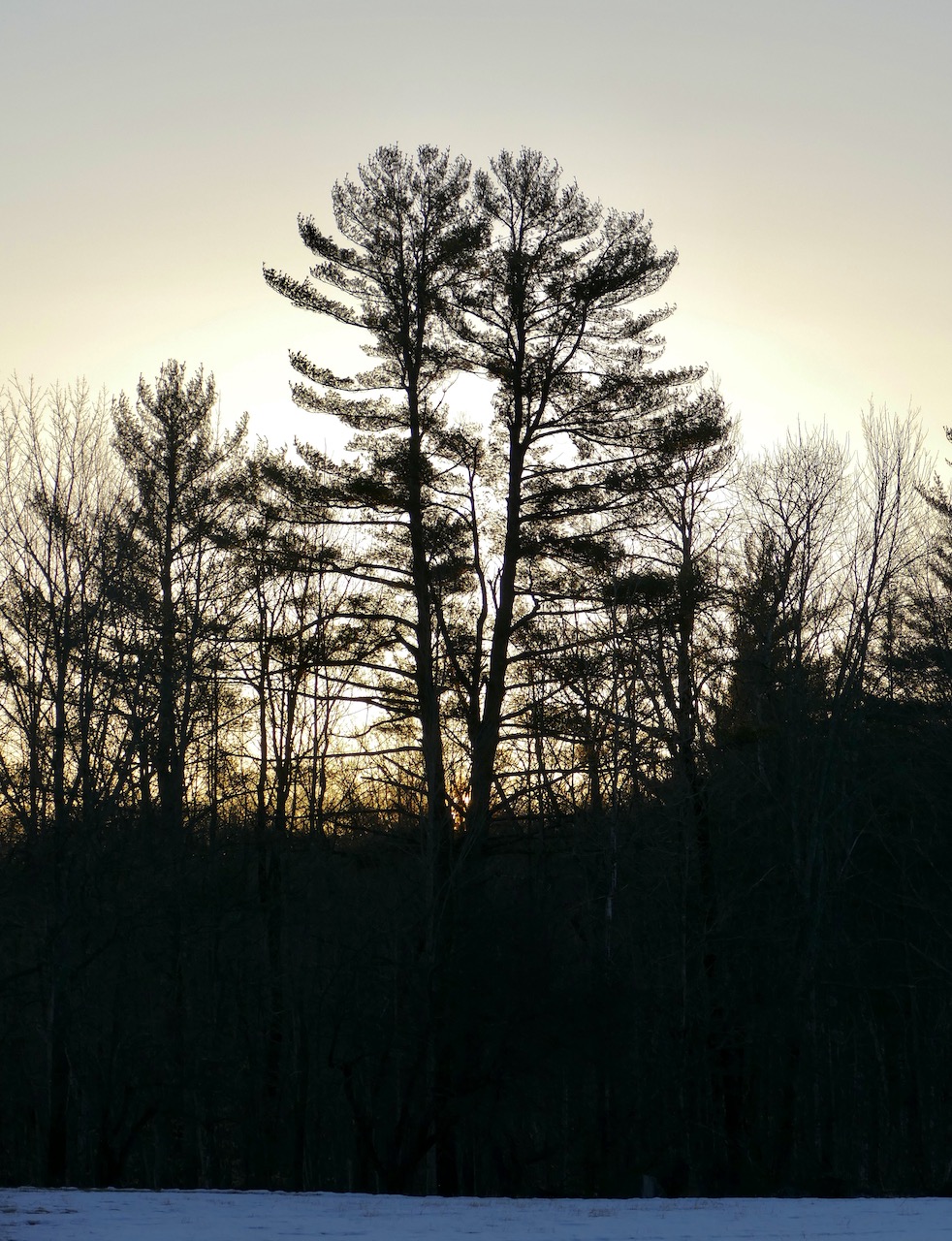
No wonder we feel the spring influences. There is a motion in the very ground under our feet. Each rill is peopled with new life rushing up it.
in Thoreau’s Journal:

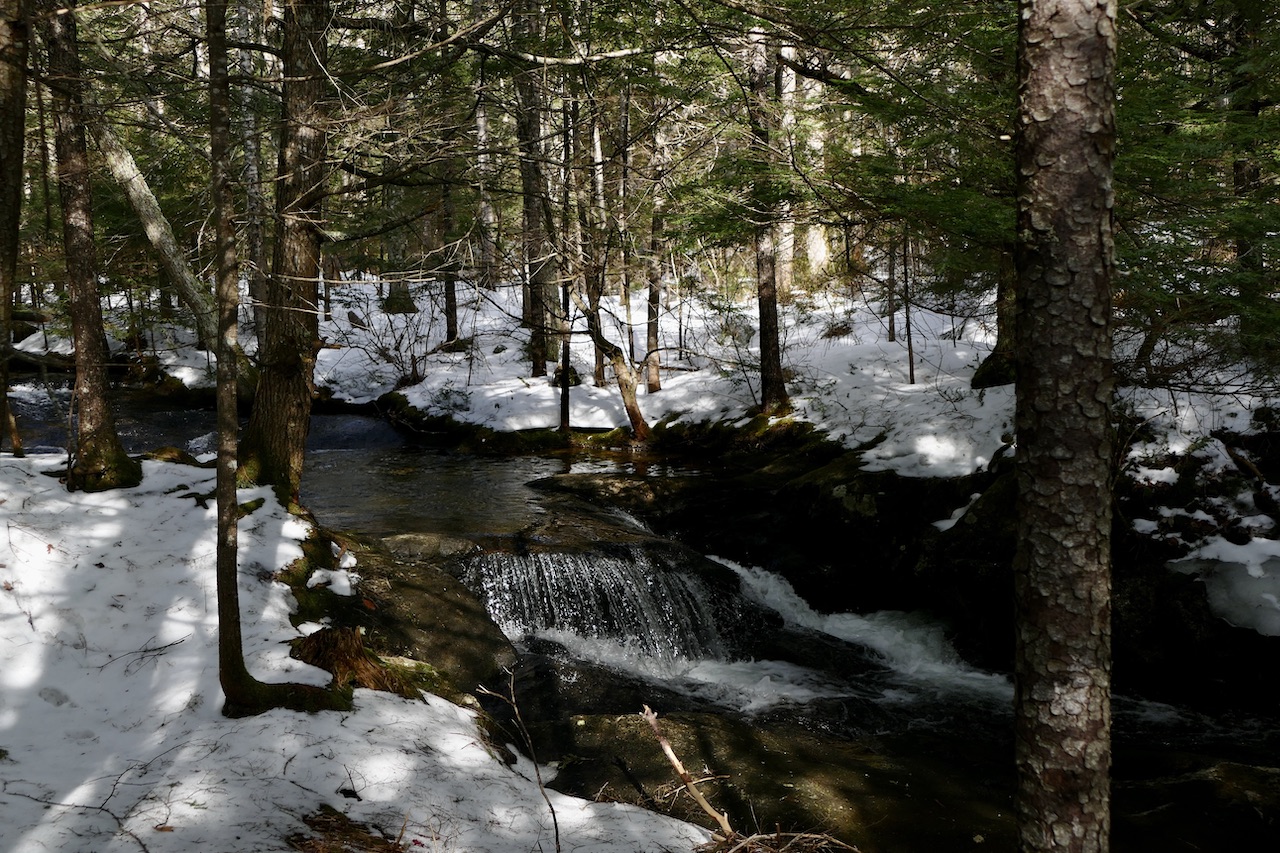
Early willows in their silvery state.
in Thoreau’s Journal:
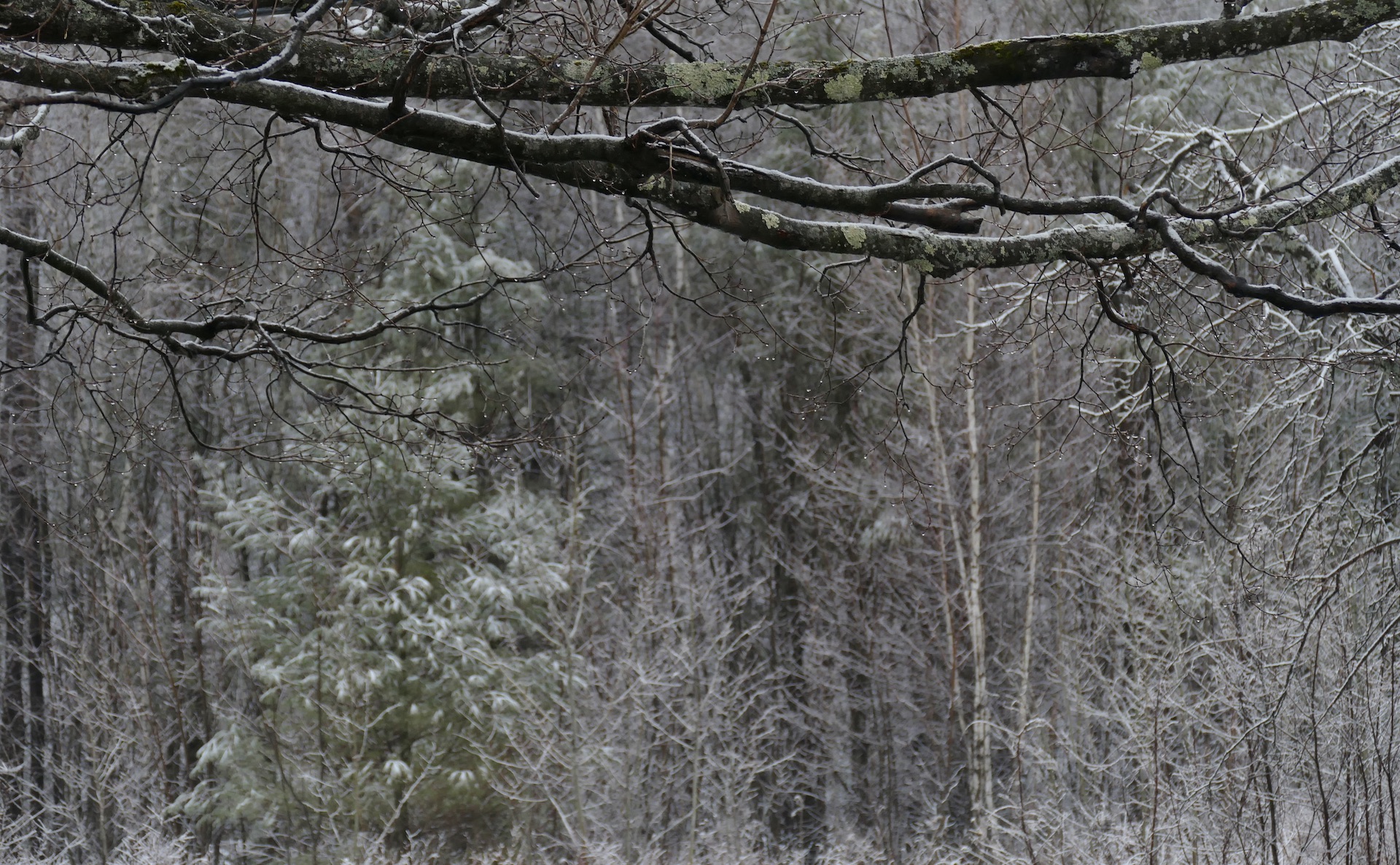
This afternoon the woods & walls and the whole face of the country wears once more a wintry aspect—though there is more moisture in the snow—and the trunks of the trees are whitened now on a more southerly or SE side––
in Thoreau’s Journal:
No mortal is alert enough to be present at the first dawn of the spring, but he will presently discover some evidence that vegetation had awaked some days at least before.

in Thoreau’s Journal:
P. M. —To Conantum.
A thick mist, spiriting away the snow. Very bad walking. This fog is one of the first decidedly spring signs also the withered grass bedewed by it and wetting my feet. A still, foggy, and rather warm day.

I heard this morning, also, quite a steady warbling from tree sparrows on the dripping bushes, and that peculiar drawling note of a hen, who has this peevish way of expressing her content at the sight of bare ground and mild weather. The crowing of cocks and the cawing of crows tell the same story. The ice is soggy and dangerous to be walked on.
in Thoreau’s Journal:


Nature is constantly original and inventing new patterns, like a mechanic in his shop.
in Thoreau’s Journal:
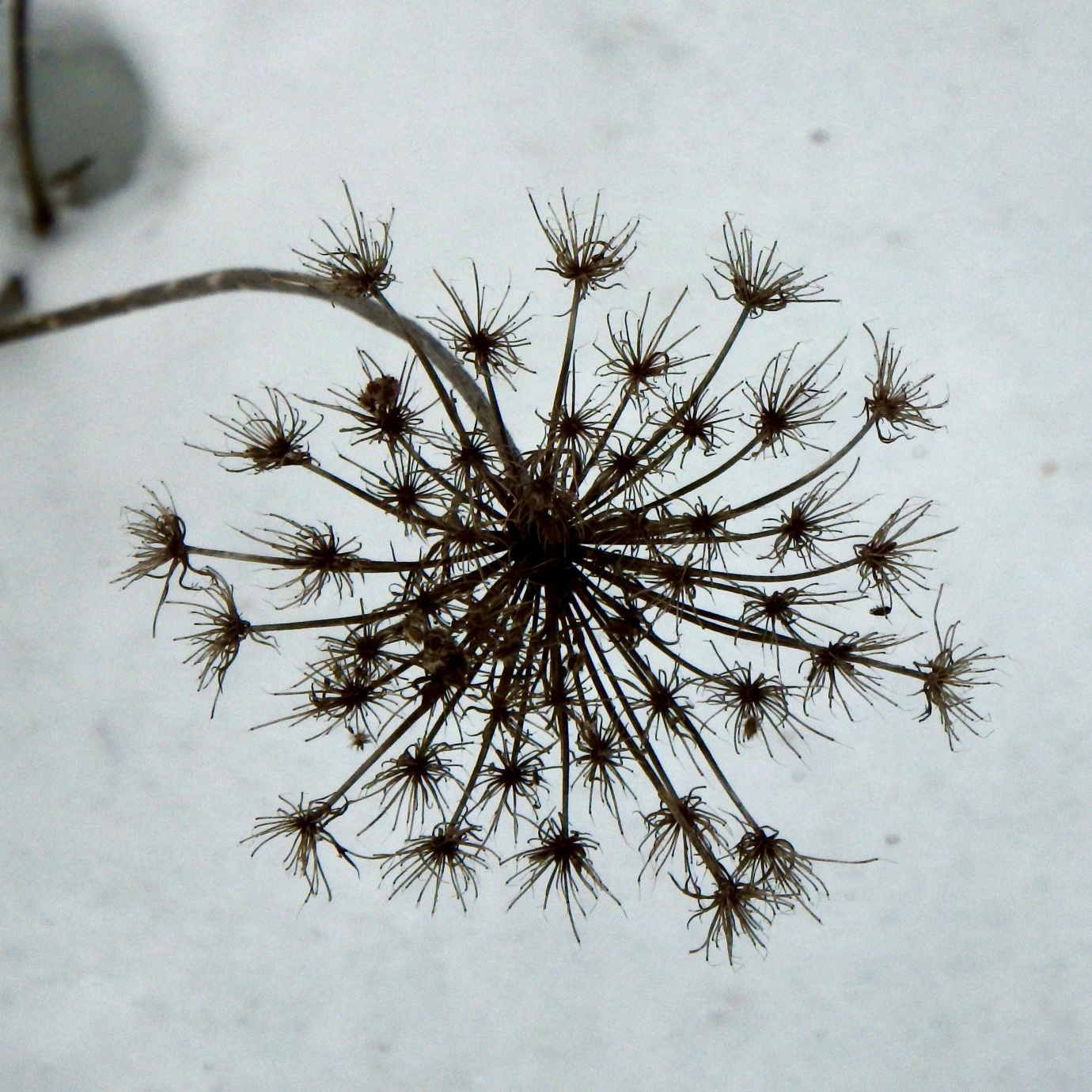
There seems, however, to be little seed left in them. This, then, is reason enough why these withered stems still stand, that they may raise these granaries above the snow for the use of the snowbirds.

in Thoreau’s Journal:
How alone must our life be lived! We dwell on the seashore, and none between us and the sea. Men are my merry companions, my fellow-pilgrims, who beguile the way but leave me at the first turn in the road, for none are travelling one road so far as myself.

in Thoreau’s Journal:
Dwell as near as possible to the channel in which your life flows.
in Thoreau’s Journal:
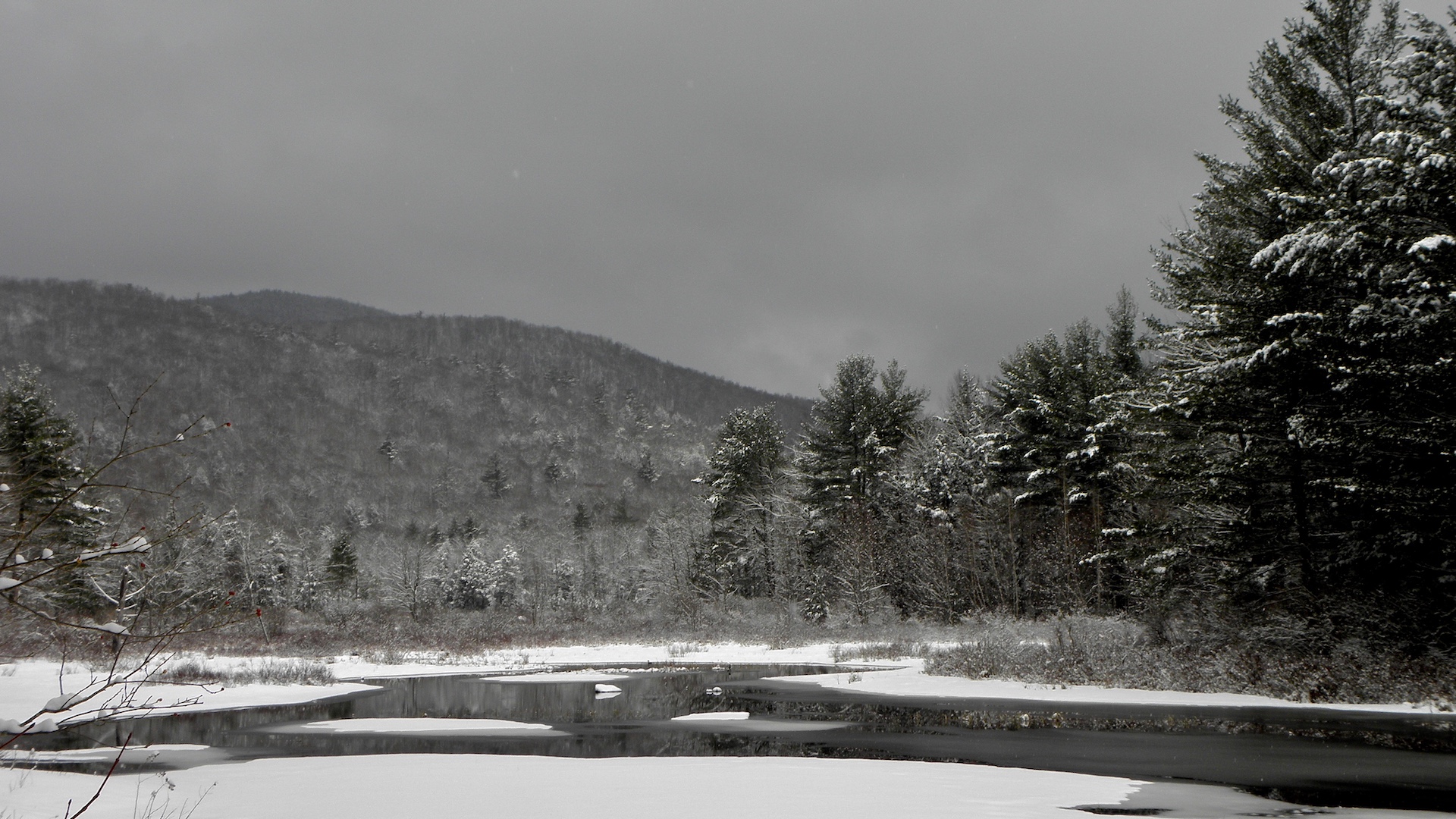
That man is the richest whose pleasures are the cheapest.

in Thoreau’s Journal:
I am not aware of growth in any plant yet, unless it be the further peeping out of willow catkins. They have crept out further from under their scales, and, looking closely into them, I detect a little redness along the twigs even now. You are always surprised by the sight of the first spring bird or insect; they seem premature, and there is no such evidence of spring as themselves, so that they literally fetch the year about. It is thus when I hear the first robin or bluebird or, looking along the brooks, see the first water-bugs out circling. But you think. They have come, and Nature cannot recede.
in Thoreau’s Journal:
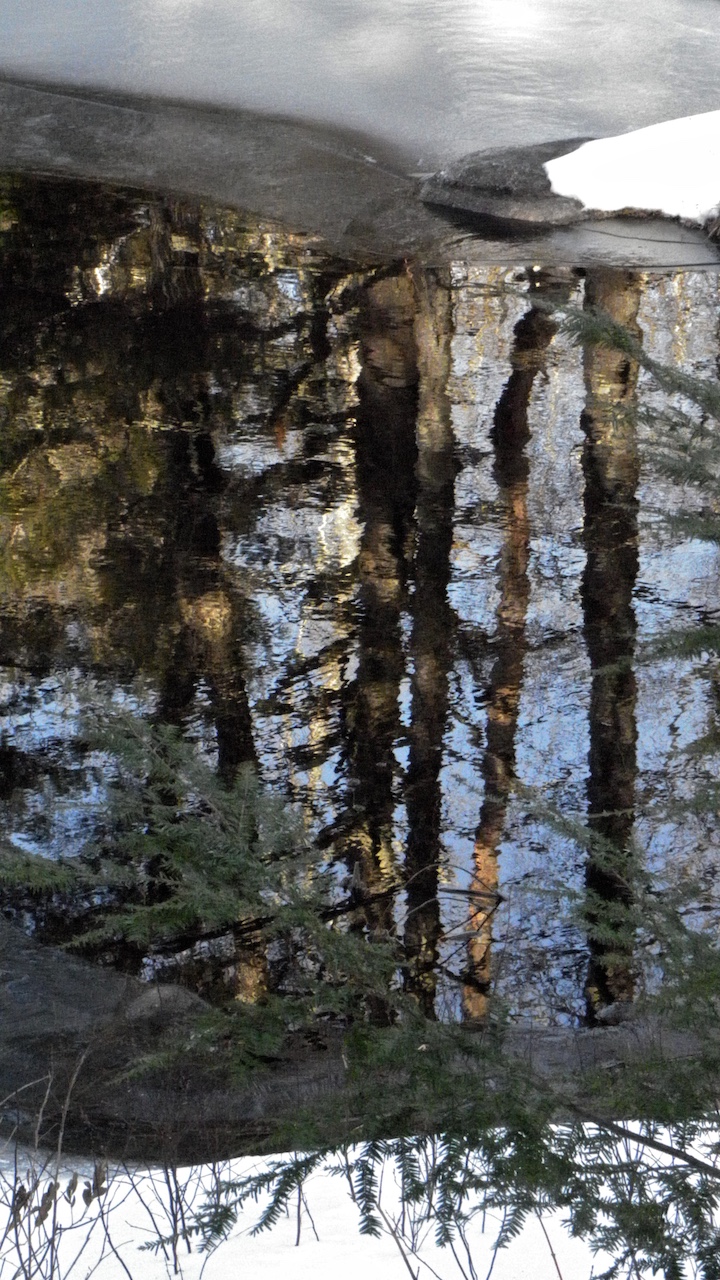
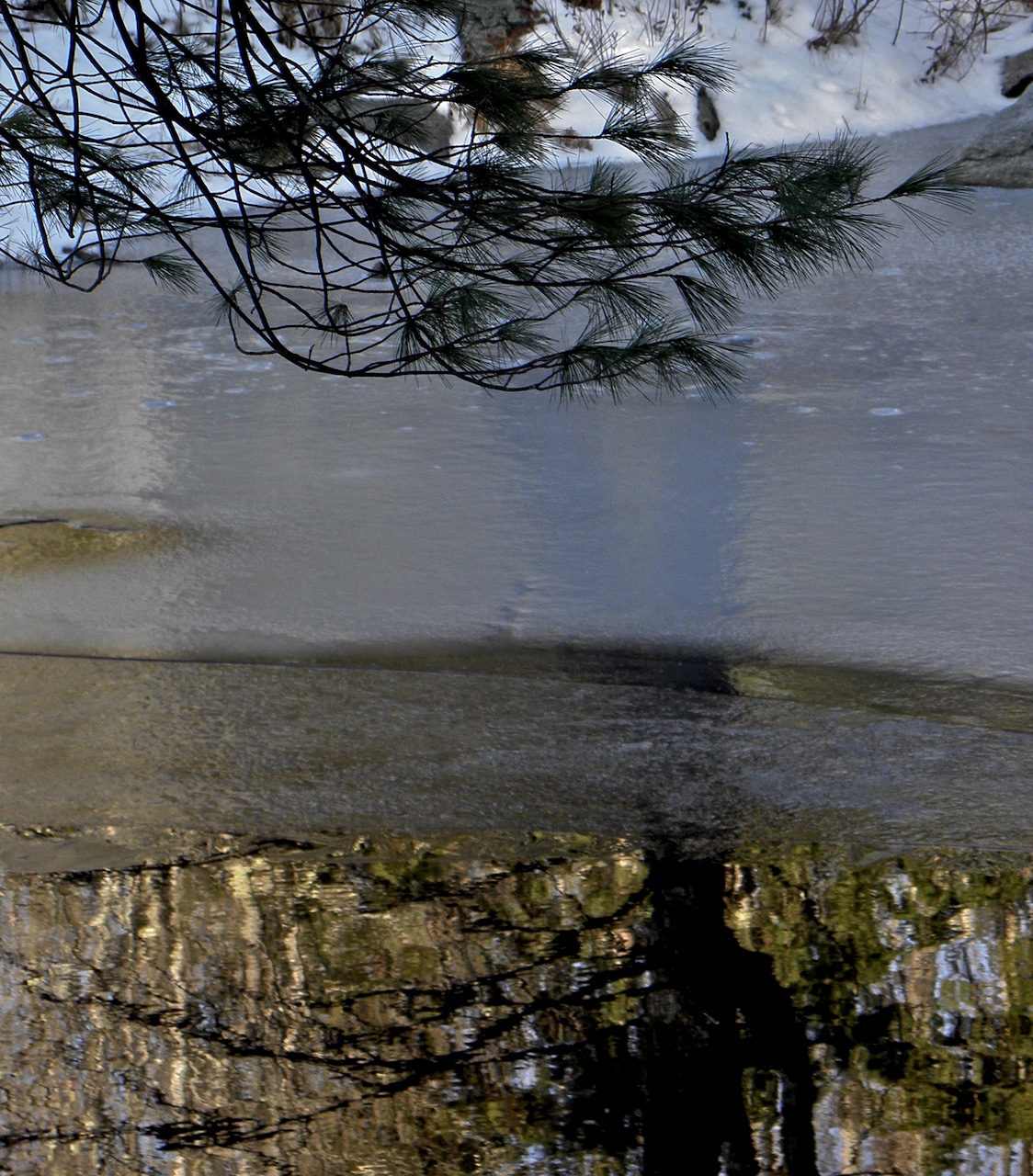
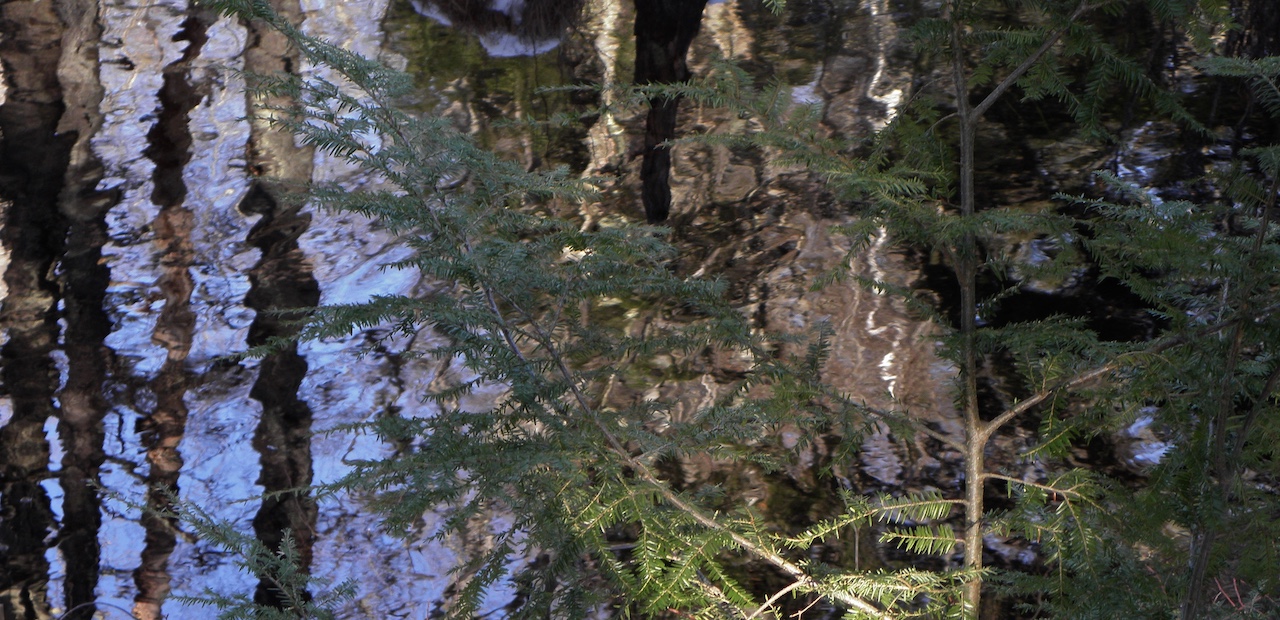
In the spaces of still, open water I see the reflection of the hills and woods, which for so long I have not seen, and it gives expression to the face of nature. The face of nature is lit up by these reflections in still water in the spring. Sometimes you see only the top of distant hill reflected far within the meadow, where a dull, gray field of ice intervenes between the water and the shore.
in Thoreau’s Journal:
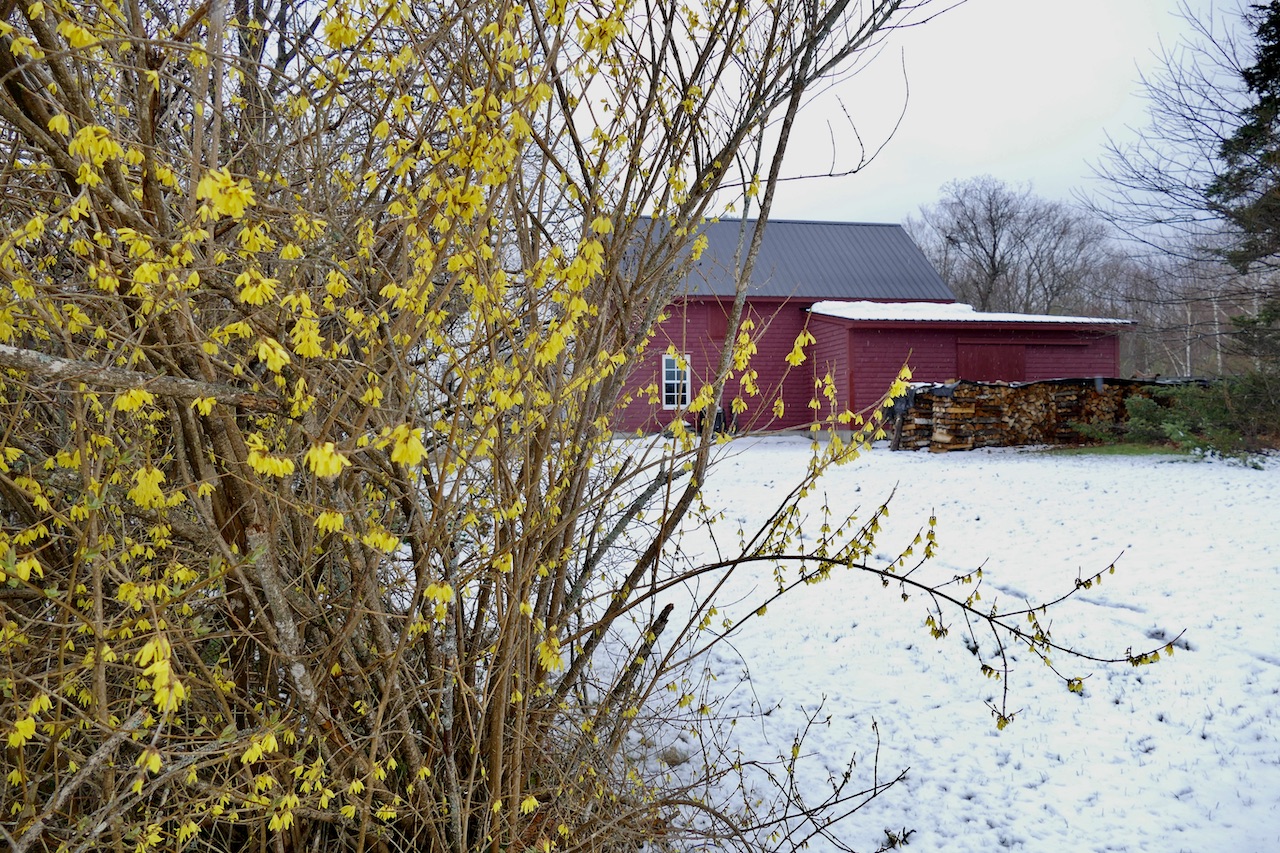
There is something of spring in every season.
 allandibiase.com
You must be logged in to post a comment.