in Thoreau’s Journal:

in Thoreau’s Journal:
in Thoreau’s Journal:
The laws of nature always furnish us with the best excuse for going and coming. If we do not go now, we shall find our fire out.


in Thoreau’s Journal:

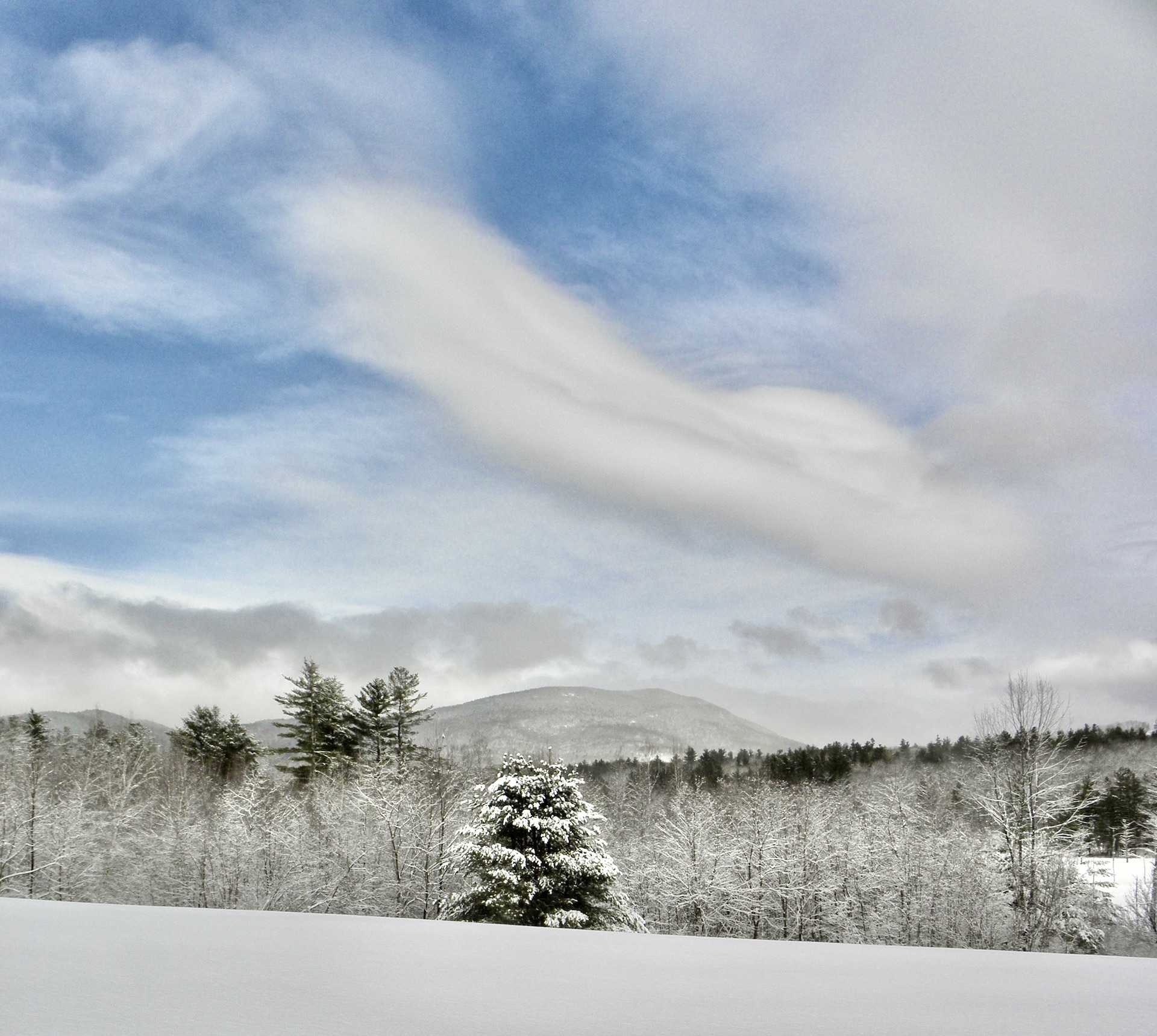
Never is there so much light in the air as in one of these bright winter afternoons, when all the earth is covered with new-fallen snow and there is not a cloud in the sky. The sky is much the darkest side, like the bluish lining of an egg-shell. There seems nothing left to make night out of. With this white earth beneath and that spot[less] skimmed-milk sky above him, man is but a black speck inclosed in a white egg-shell.
Sometimes in our prosaic moods, life appears to us but a certain number more of days like those which we have lived, to be cheered not by more friends and friendship but probably fewer and less. As, perchance, we anticipate the end of this day before it is done, close the shutters, and with a cheerless resignation commence the barren evening whose fruitless end we clearly see, we despondingly think that all of life that is left is only this experience repeated a certain number of times. And so it would be, if it were not for the faculty of imagination.

in Thoreau’s Journal:
I find that it is an excellent walk for variety and novelty and wildness, to keep round the edge of the meadow, – the ice not being strong enough to bear and transparent as water, – on the bare ground or snow, just between the highest water mark and the present water line, – a narrow, meandering walk, rich in unexpected views and objects. The line of rubbish which marks the higher tides – withered flags and reeds and twigs and cranberries – is to my eyes a very agreeable and significant line, which Nature traces along the edge of the meadows. It is a strongly marked, enduring natural line, which in summer reminds me that the water has once stood over where I walk. Sometimes the grooved trees tell the same tale. The wrecks of the meadow, which fill a thousand coves, and tell a thousand tales to those who can read them. Our prairial, mediterranean shore. The gentle rise of water around the trees in the meadow, where oaks and maples stand far out in the sea, and young elms sometimes are seen standing close around some rock which lifts its head above the water, as if protecting it, preventing it from being washed away, though in truth they owe their origin and preservation to it. It first invited and detained their seeds, and now preserves the soil in which they grow. A pleasant reminiscence of the rise of water, to go up one side of the river and down the other, following this way, which meanders so much more than the river itself. If you cannot go on the ice, you are then gently compelled to take this course, which is on the whole more beautiful, – to follow the sinuosities of the meadow. Between the highest water mark and the present water line is a space generally from a few feet to a few rods in width. When the water comes over the road, then my spirits rise, – when the fences are carried away. A prairial walk. Saw a caterpillar crawling about on the snow.
in Thoreau’s Journal:
We go about mending the times, when we should be building the eternity.
in Thoreau’s Journal:
A very strong and a cold northwest wind to-day, shaking the house, —thermometer at 11 AM, 14º, —consumes wood and yet we are cold, and drives the smoke down the chimney.
I see that Wheildon’s pines are rocking and showing their silvery under sides as last spring, —their first awakening, as it were.


in Thoreau’s Journal:
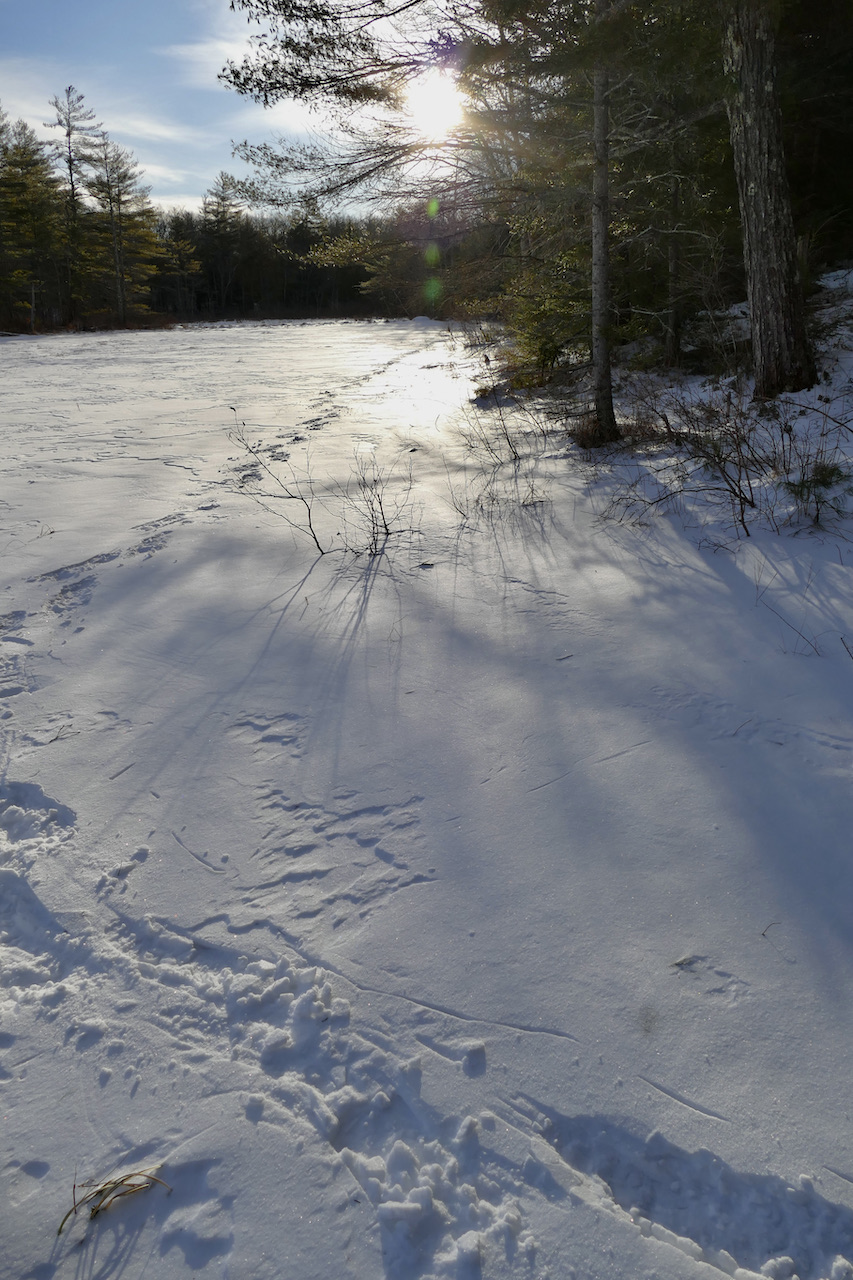
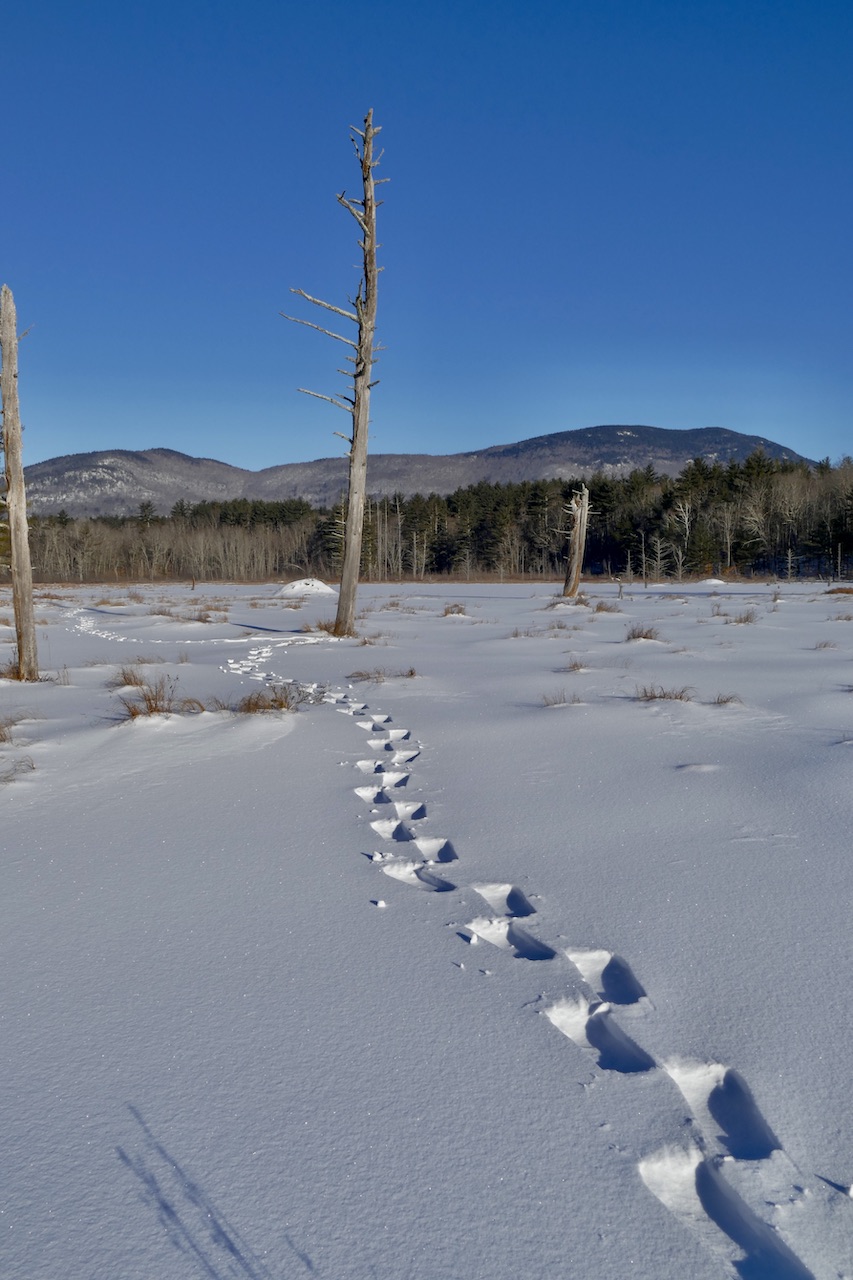
It is easier to get about the country than at any other season— Easier than in summer because the rivers & meadows are frozen—& there is no high grass or other crops to be avoided—easier than in Dec. before the crust was frozen.
in Thoreau’s Journal:
Debauched and worn-out senses require the violent vibrations of an instrument to excite them, but sound and still youthful senses, not enervated by luxury, hear music in the wind and rain and running water. One would think from reading the critics that music was intermittent as a spring in the desert, dependent on some Paganini or Mozart, or heard only when the Pierians or Euterpeans drive through the villages; but music is perpetual, and only hearing is intermittent. I hear it in the softened air of these warm February days which have broken the back of the winter…
In the society of many men, or in the midst of what is called success, I find my life of no account, and my spirits rapidly fall. I would rather be the barrenest pasture lying fallow than cursed with the compliments of kings, than be the sulphurous and accursed desert where Babylon once stood. But when I have only a rustling oak leaf, or the faint metallic cheep of a tree sparrow, for variety in my winter walk, my life becomes continent and sweet as the kernel of a nut. I would rather hear a single shrub oak leaf at the end of a wintry glade rustle of its own accord at my approach, than receive a shipload of stars and garters from the strange kings and peoples of the earth.

in Thoreau’s Journal:
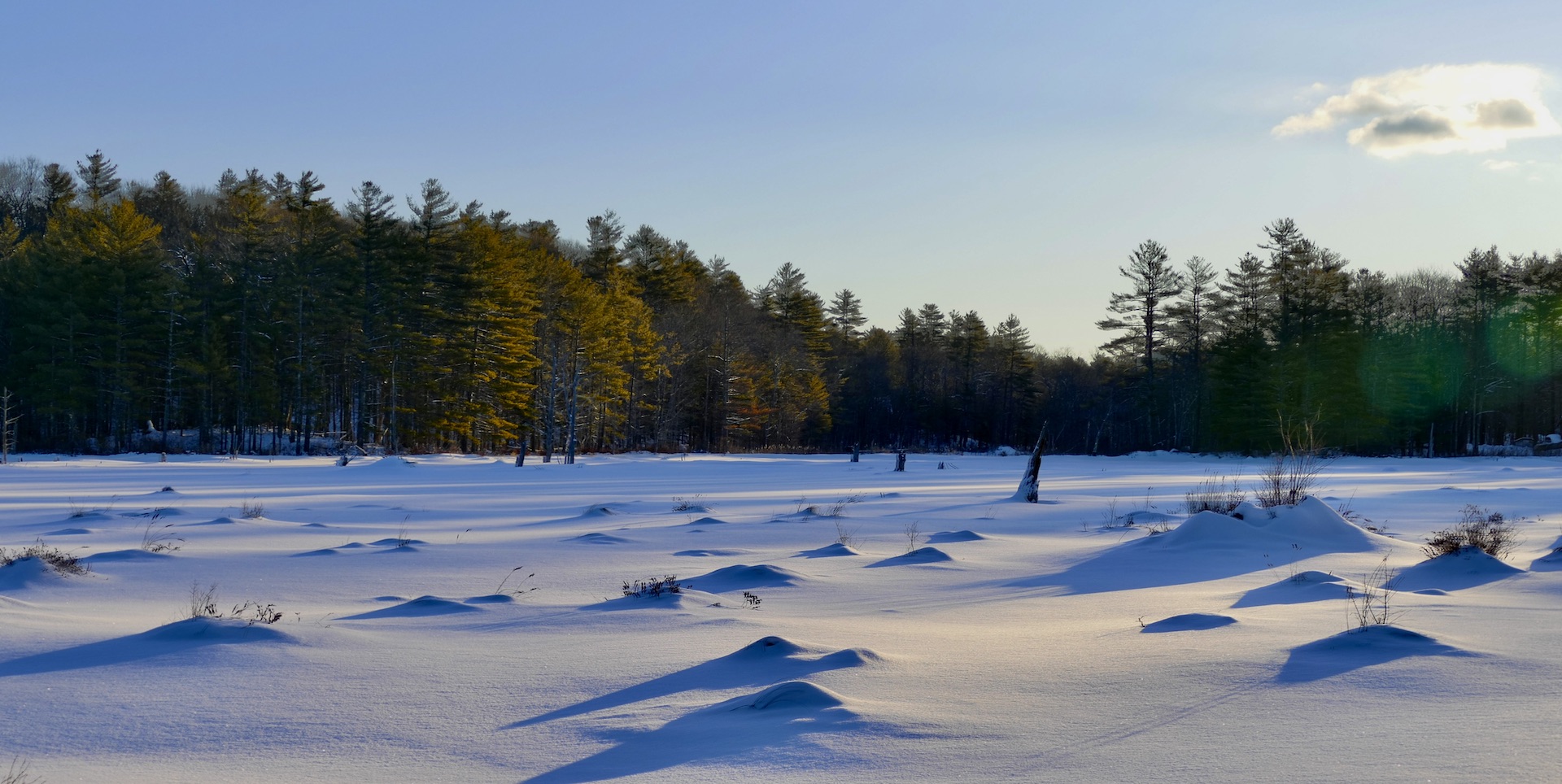
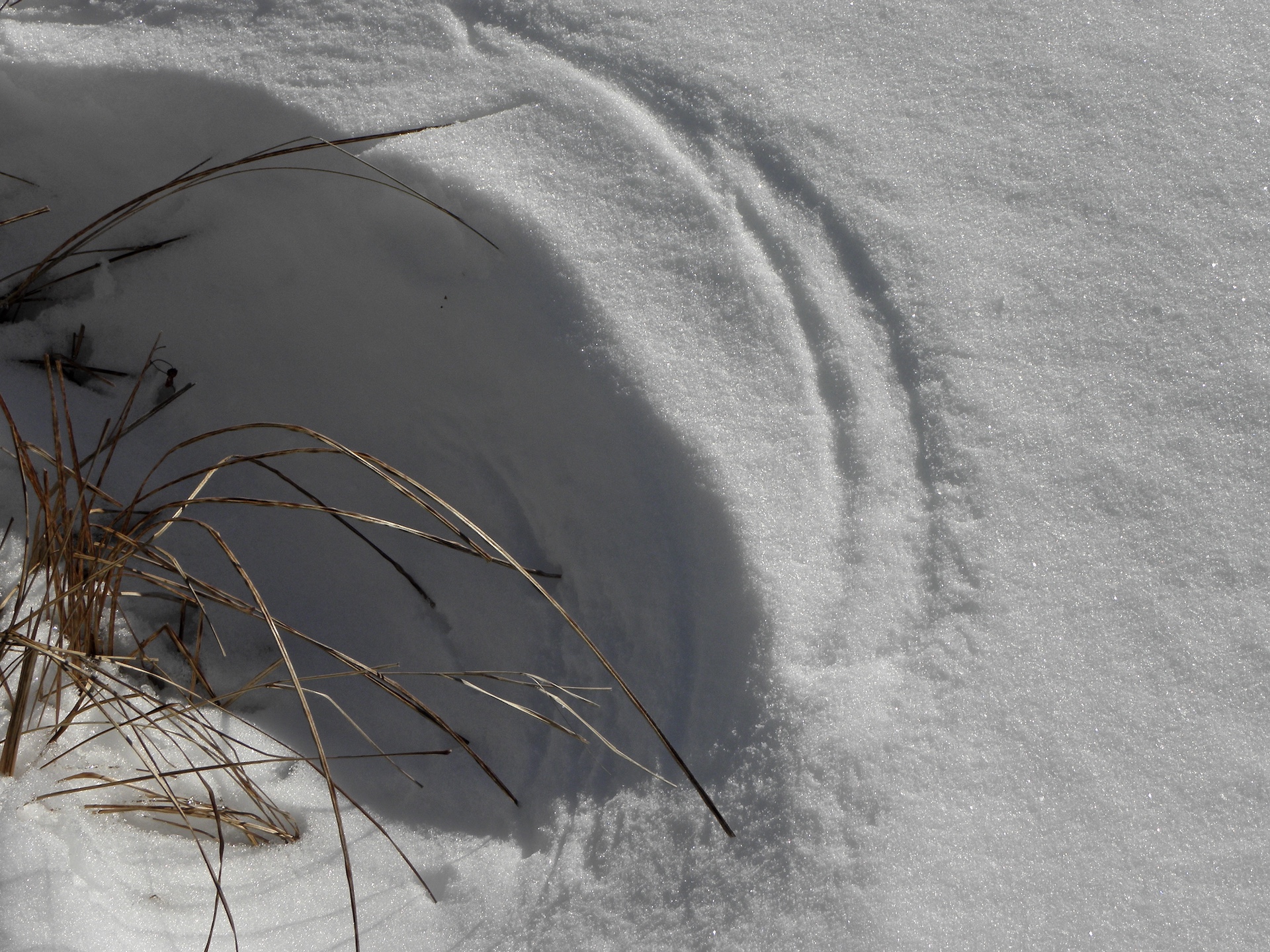
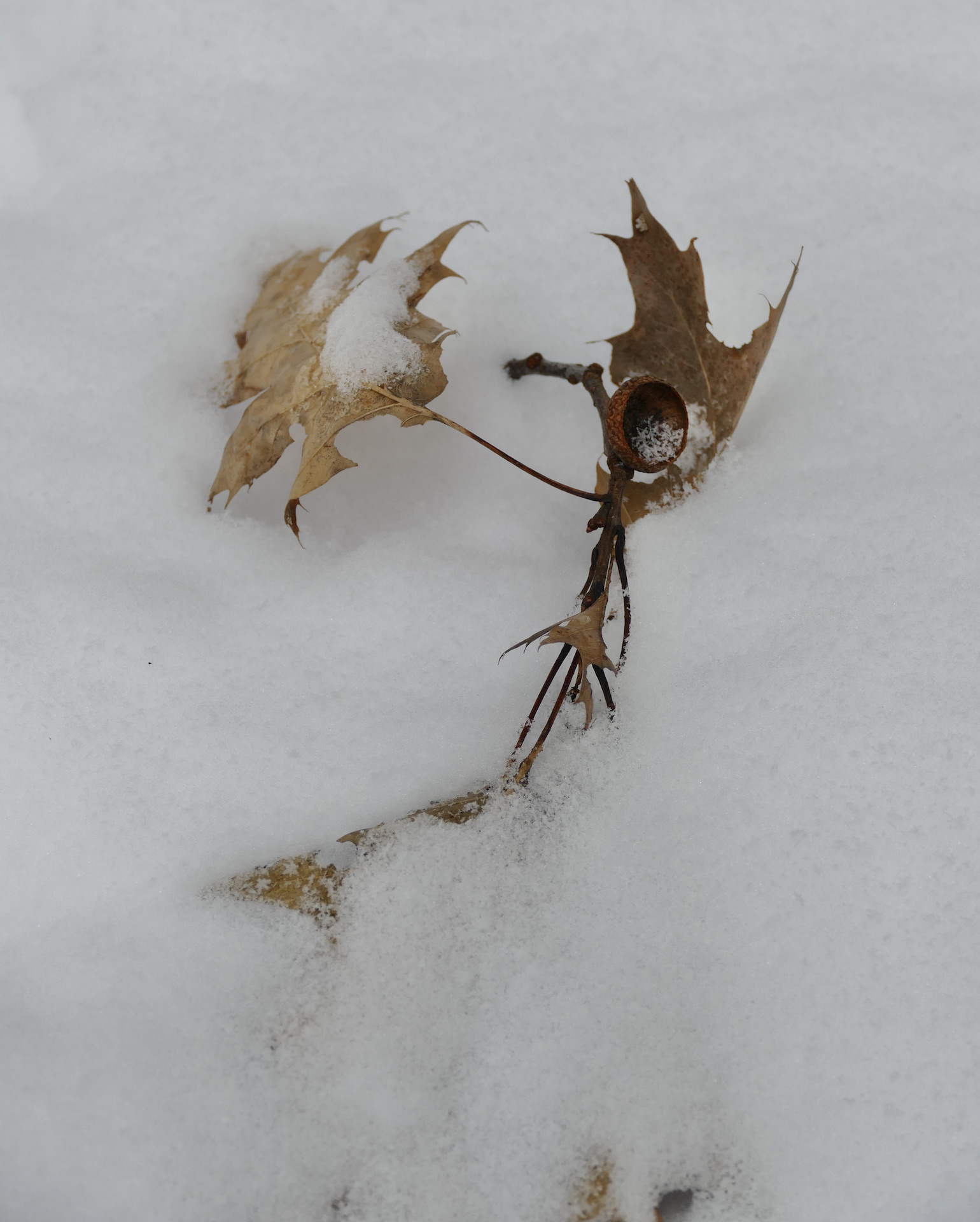
Under the waves of the snowy ocean yesterday, roads and rivers, pastures and cultivated fields, all traces of man’s occupancy of the globe were for the most part concealed. Water and sand also assume this same form under the influence of wind. And I have seen, on the surface of the Walden ice, great sweeping, waving lines, somewhat like these. It is the track of the wind, the impress which it makes on flowing materials.
in Thoreau’s Journal:
When I select one here and another there, and strive to join sundered thoughts, I make but a partial heap after all— Nature strews her nuts and flowers broadcast, and never collects them into heaps— A man does not tell us all he has thought upon truth or beauty at a sitting—but from his last thought on the subject wanders through a varied scenery of upland meadow and woodland to his next— Sometimes a single and casual thought rises naturally and inevitably with a queenly majesty and escort like the stars in the east. Fate has surely enshrined it in this hour and circumstances for some purpose— What she has joined together, let not man put asunder.— Shall I transplant the primrose by the river’s brim—to set it beside its sister on the mountain? This was the soil it grew in—this the hour it bloomed in—if sun, wind, and rain came here to cherish and expand it–shall not we come here to pluck it? — Shall we require it to grow in a conservatory for our convenience?
I feel slightly complimented when nature condescends to make use of me without my knowledge—as when I help scatter her seeds in my walk—or carry burs and cockles on my clothes from field to field— I feel as though I had done something for the commonweal, and were entitled to board and lodging.— I take such airs upon me as the boy who holds a horse for the circus company—whom all the spectators envy

in Thoreau’s Journal:
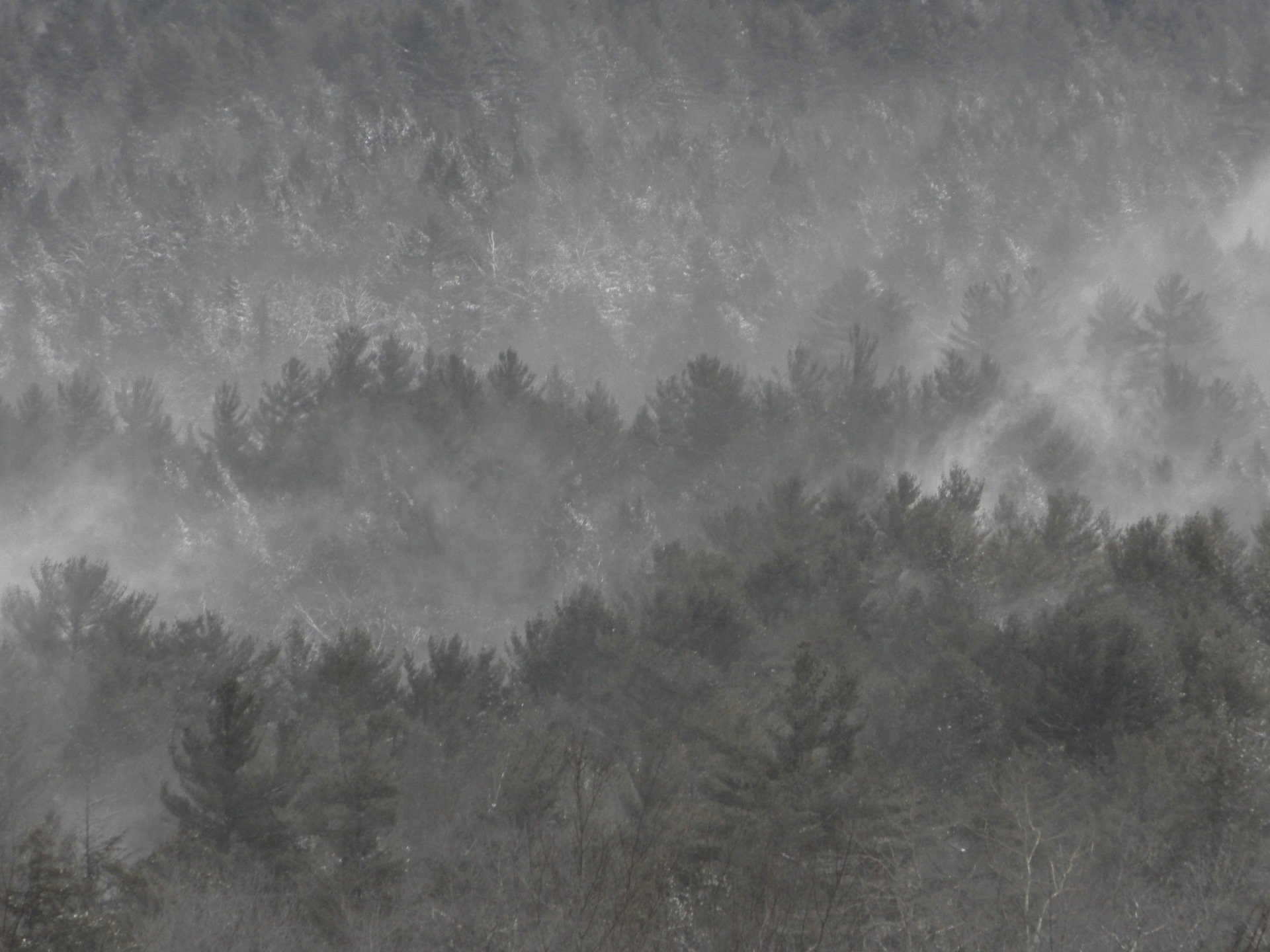
The trunks & branches of the trees are of different colors at dif. times & in dif. lights & weathers. In sun, rain, & in the night. The oaks bare of leaves on Hubbards hill side are now a light grey in the sun and their boughs seen against the pines behind are a very agreeable maze. The stems of the white pines also are quite grey at this distance with their lichens. I am detained to contemplate the boughs—feathery boughs of the white pines, tier above tier, reflecting a silvery light—with intervals (between them) though which you look, if you so intend your eye, into the darkness of the grove. That is you can see both the silvery lighted & greenish bough—& the shadowy intervals as belonging to one tree—or more truly refer the latter to the shade behind.
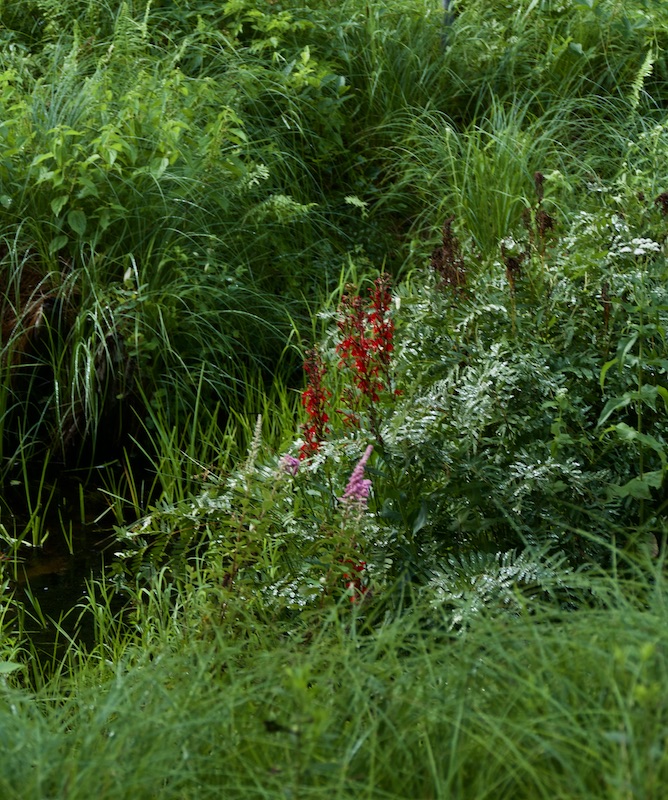
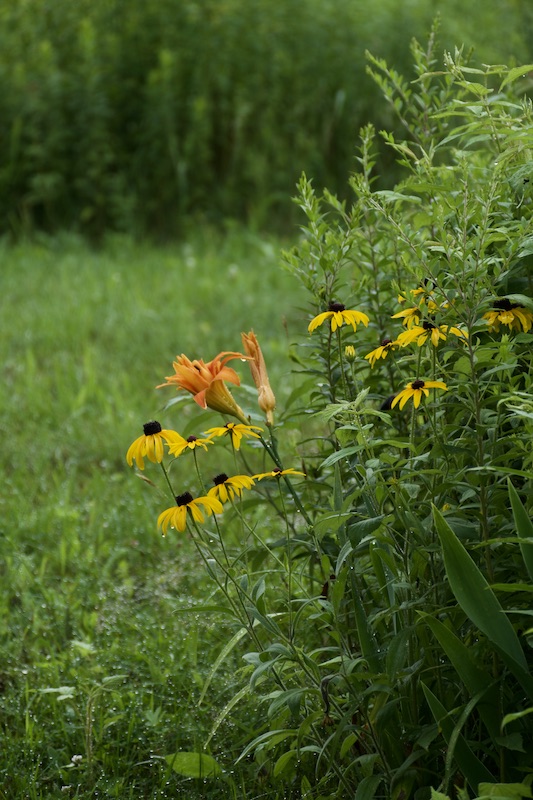
I suspect that the child plucks its first flower with an insight into its beauty and significance which the subsequent botanist never retains.

in Thoreau’s Journal:
—To Walden
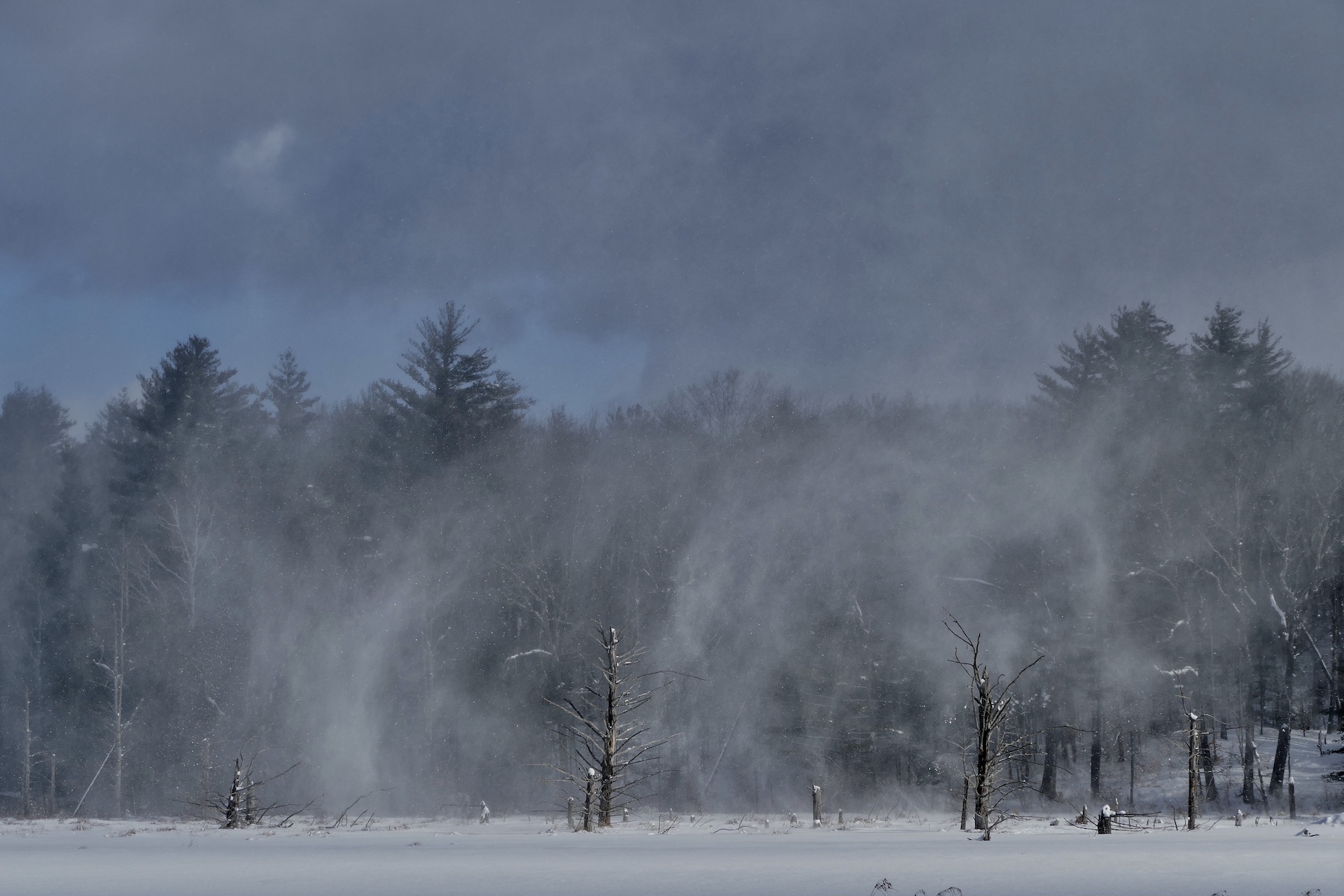
I go to walk at 3 p.m., thermometer 18°. It has been about this (and 22°) at this hour for a week or two. All the light snow, some five inches above the crust, is adrift these days and driving over the fields like steam, or like the foam-streaks on a flooded meadow, from northwest to southeast. The surface of the fields is rough, like a lake agitated by the wind.
in Thoreau’s Journal:
Access to nature for original observation is secured by one ticket, by one kind of expense, but access to the works of your predecessors by a very different kind of expense. All things tend to cherish the originality of the original. Nature, at least, takes no pains to introduce him to the works of his predecessors, but only presents him with her own Opera Omnia
in Thoreau’s Journal:
It is easy to repeat, but hard to originate. Nature is readily made to repeat herself in a thousand forms, and in the daguerreotype her own light is amanuensis, and the picture too has more than a surface significance, —a depth equal to the prospect,––so that the microscope may be applied to the one as the spy-glass to the other. Thus we may easily multiply the forms of the outward; but to give the within outwardness that is no easy.
That an impression may be taken, perfect stillness, though but for an instant, is necessary. There is something analogous in the birth of all rhymes.
Our sympathy is a gift whose value we can never know, nor when we impart it. The instant of communion is when, for the least point of time, we cease to oscillate, and coincide in rest by as fine a point as a star pierces the firmament.
in Thoreau’s Journal:
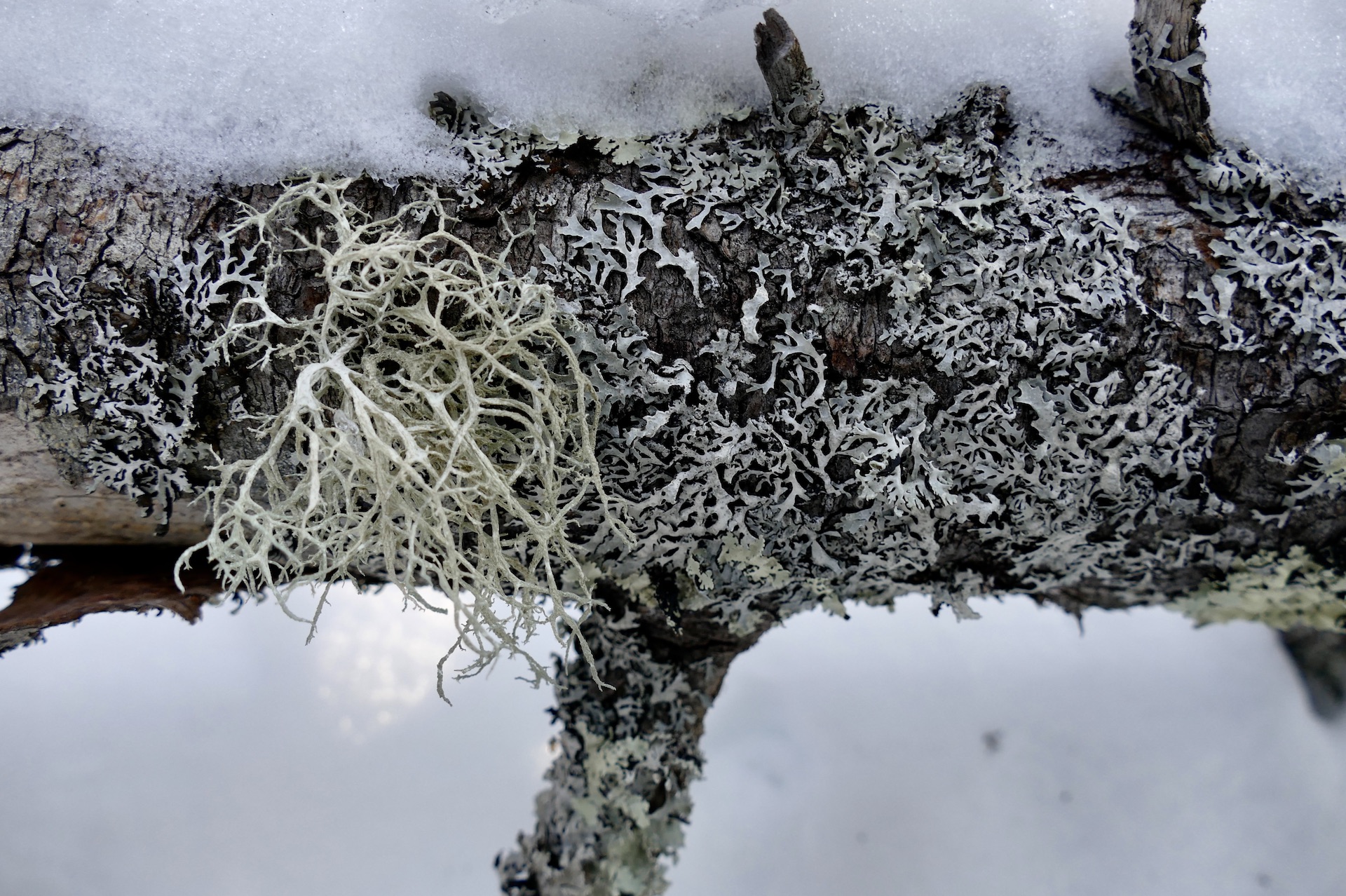
In the winter the botanist can study lichens.
in Thoreau’s Journal:

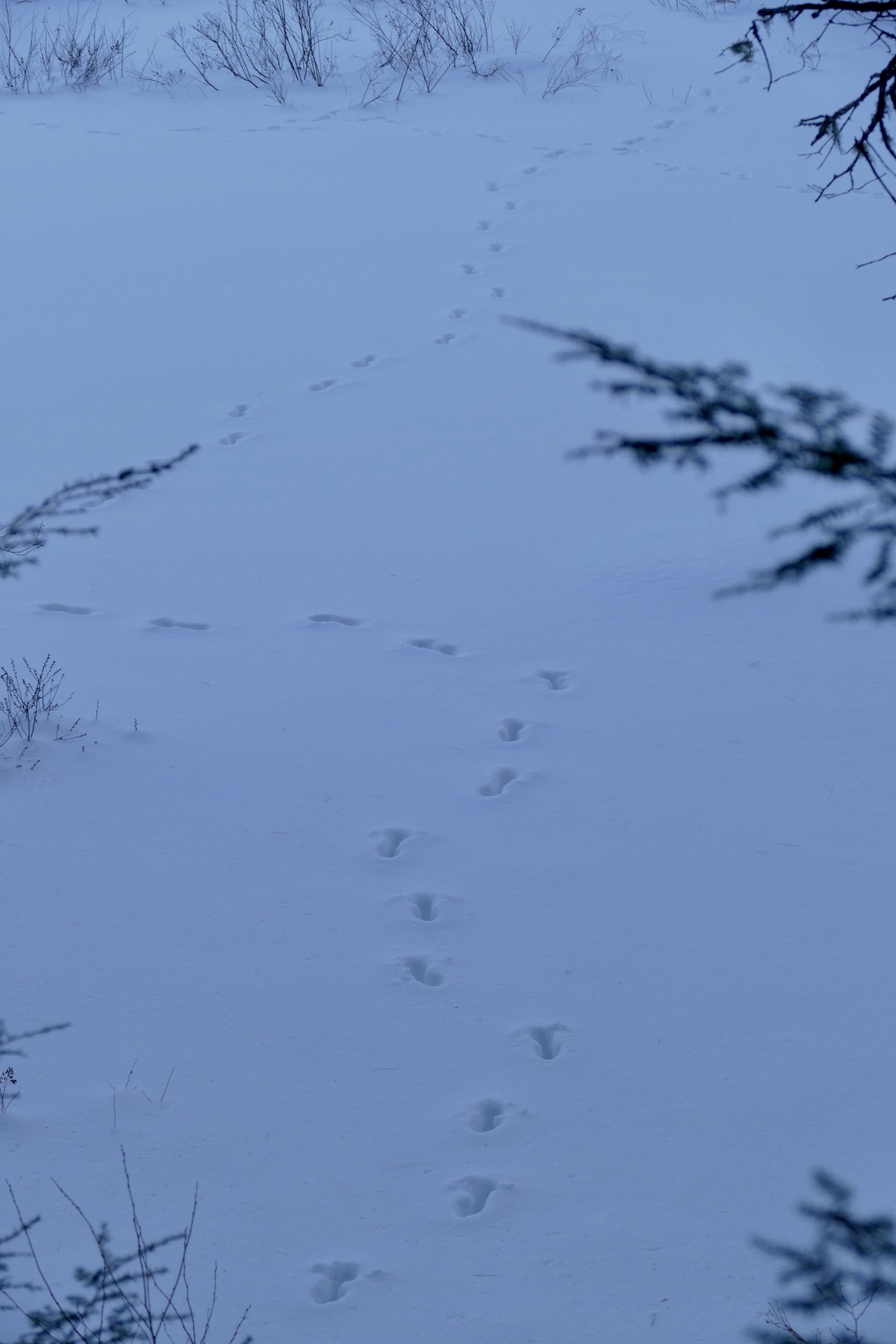
There are a few inches of light snow on top of the little, hard and crusted, that I walked on here last, above the snow ice. The old tracks are blotted out, and new and fresher ones are to be discerned. It is a tabula rasa. These fresh falls of snow are like turning over a new leaf of Nature’s Album. At first you detect no track of beast or bird, and Nature looks more than commonly silent and blank. You doubt if anything has been abroad, though the snow fell three days ago, but ere long the track of a squirrel is seen making to or from the base of a tree, or the hole where he dug for acorns, and the shells he dropped on the snow around that stump.

in Thoreau’s Journal:

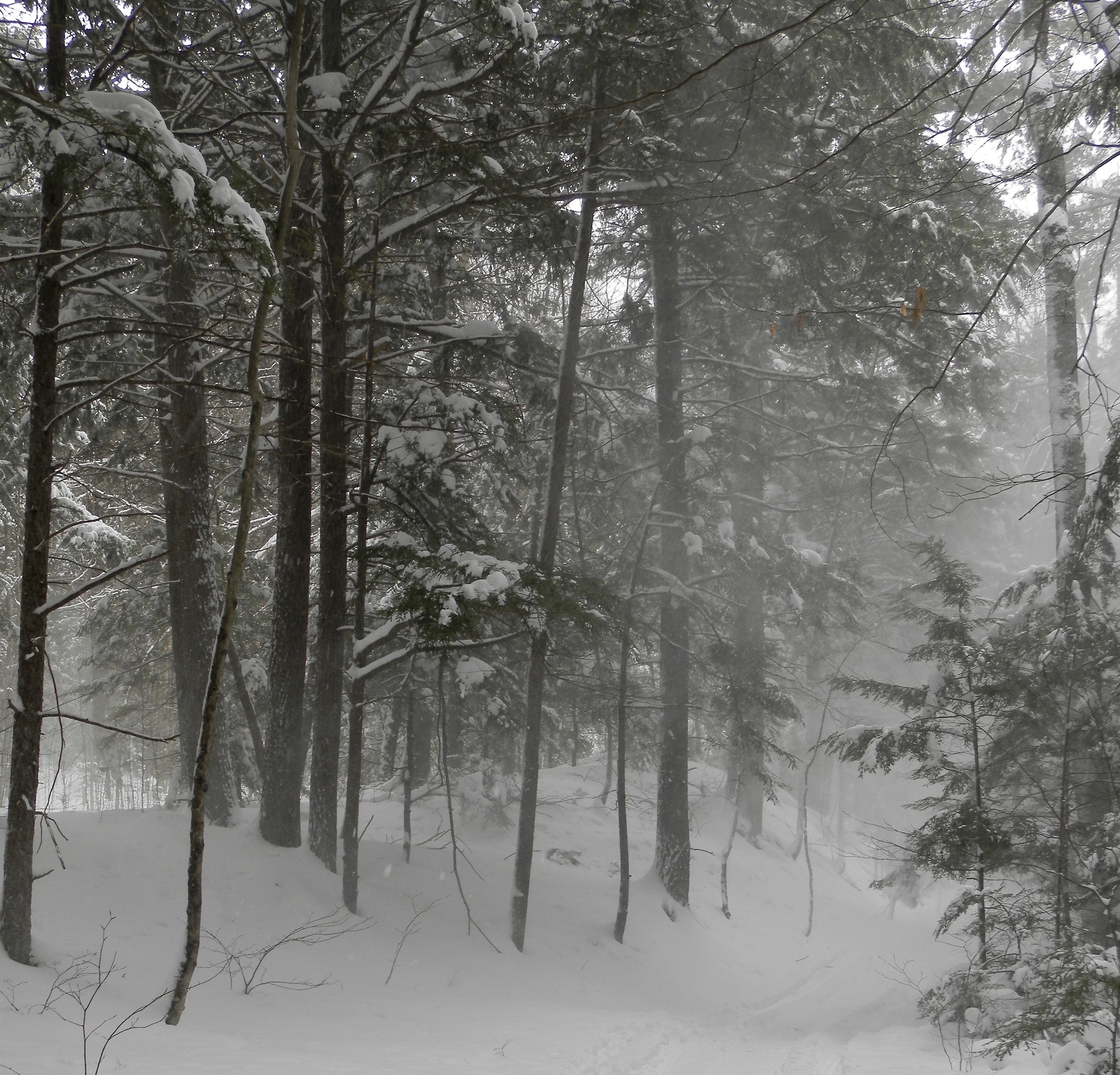
When the wind blows, the fine snow comes filtering down through all the aisles of the wood in a golden cloud.
in Thoreau’s Journal:
Of all strange and unaccountable-things this journalising is the strangest, it will allow nothing to be predicated of it; its good is not good, nor its bad bad. If I make a huge effort to expose my innermost and richest wares to light, my counter seems cluttered with the meanest homemade stuffs, but after months or years, I may discover the wealth of India, and whatever rarity is brought overland from Cathay, in that confused heap, and what perhaps seemed a festoon of dried apple or pumpkin, will prove a string of Brazilian diamonds, or pearls from Coromandel.

Men lie behind the barrier of a relation as effectually concealed as the landscape by a mist; and when at length some unforeseen accident throws me into a new attitude toward them, I am astounded, as if for the first time I saw the sun on the hill-side.— They lie out before me like a new order of things.— As when the master meets his pupil as a man.— Then first do we stand under the same heavens—and master and pupil alike go down the resistless ocean stream together.

in Thoreau’s Journal:
Perhaps I can never find so good a setting for my thoughts as I shall thus have taken them out of. The crystal never sparkles more brightly than in the cavern. The world have always loved best the fable with the moral. The children could read the fable alone, the grown-up read both. The truth so told has the best advantages of the most abstract statement, for it is not the less universally applicable. Where else will you ever find the true cement for your thoughts? How will you ever rivet them together without leaving the marks of the file? Yet Plutarch did not so; Montaigne did not so. Men have written travels in this form, but perhaps no man’s daily life has been rich enough to be journalized.
in Thoreau’s Journal:
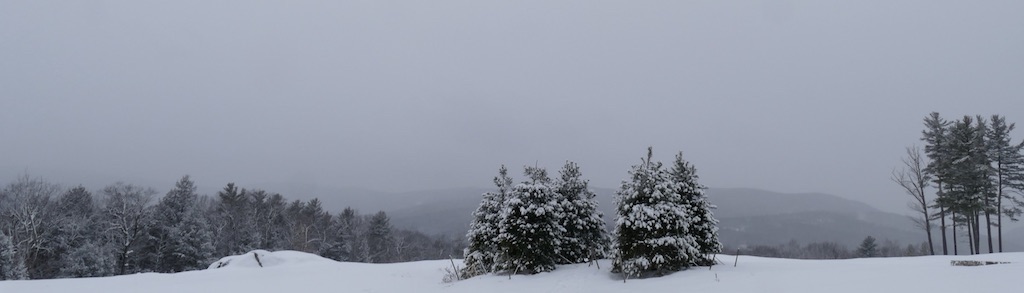
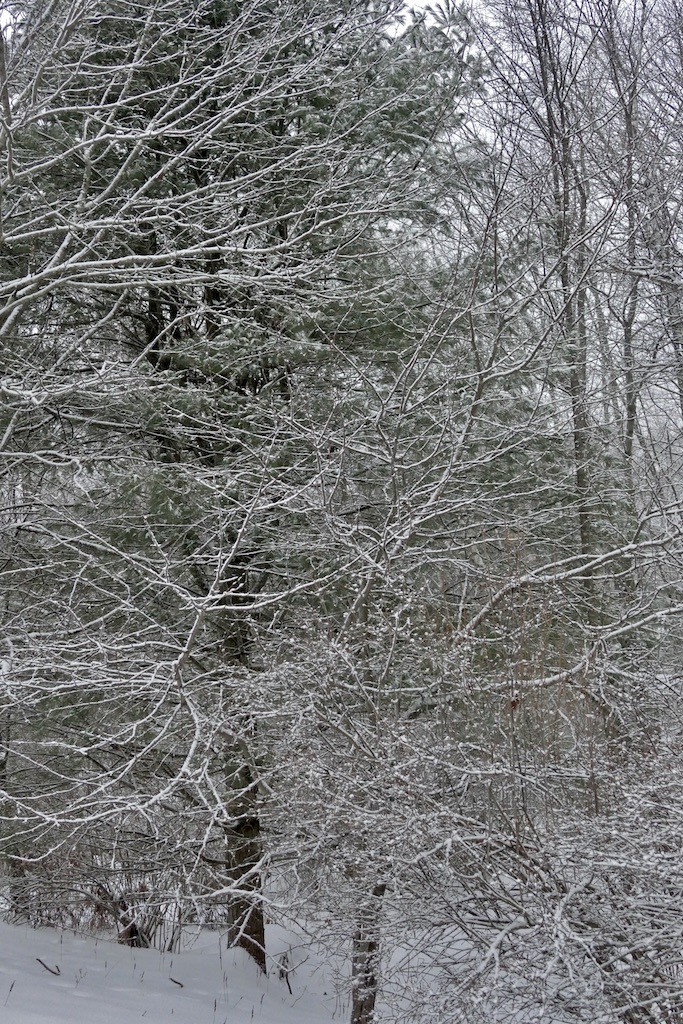
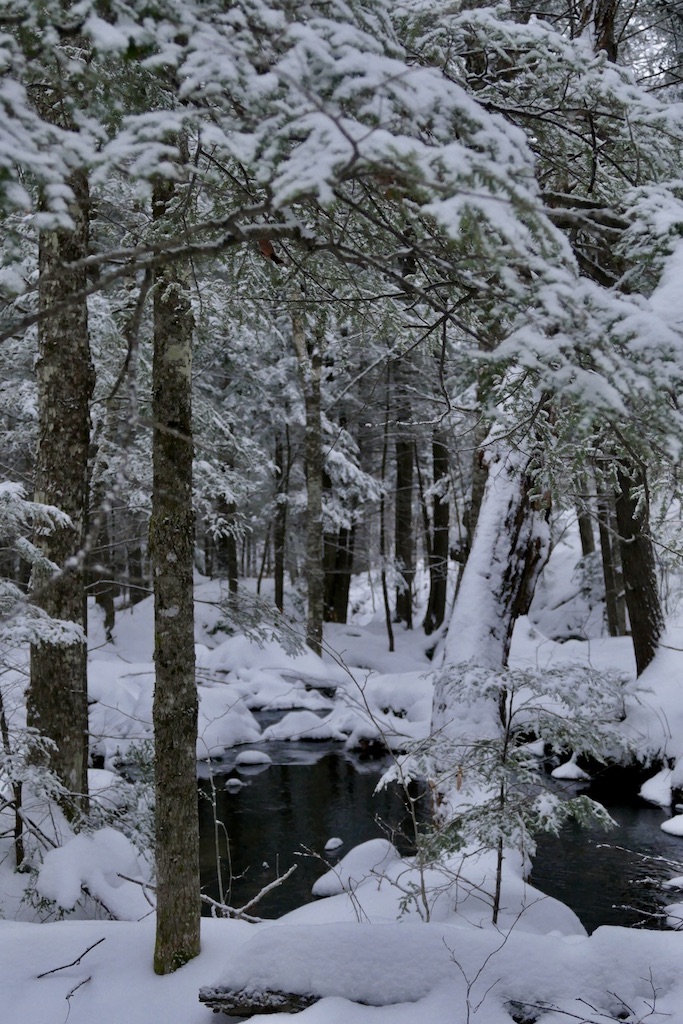
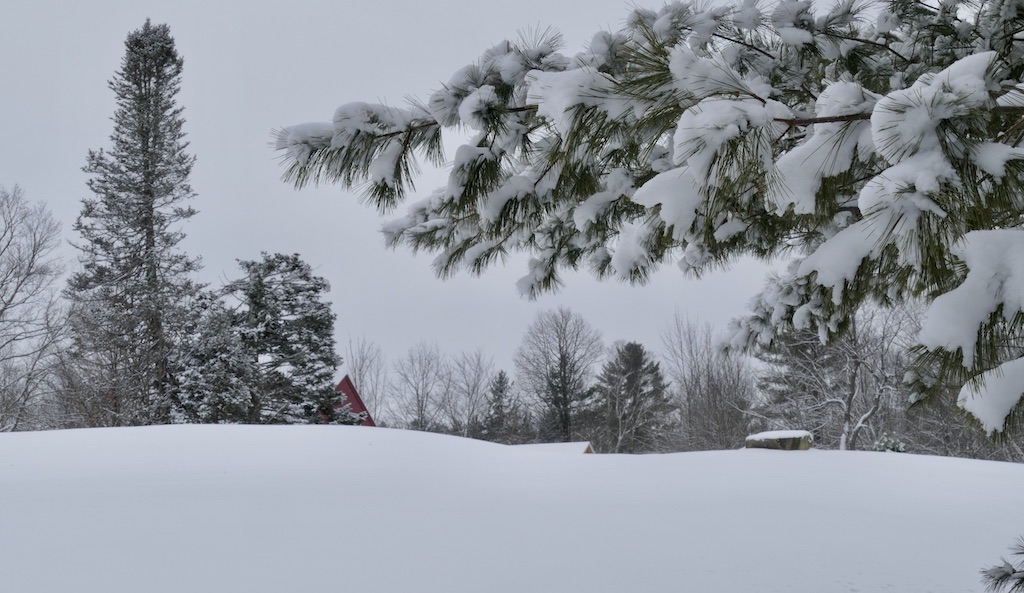
The snow falls on no two trees alike, but the forms it assumes are as various as those of the twigs and leaves which receive it. They are, as it were, predetermined by the genius of the tree. So one divine spirit descends alike on all, but bears a peculiar fruit in each. The divinity subsides on all men, as the snowflakes settle on the fields and ledges and takes the form of the various clefts and surfaces on which it lodges.
 allandibiase.com
You must be logged in to post a comment.