The luxuriant and rapid growth of this hardy and valuable grass is always surprising. How genial must nature be to it! It makes the revolution of the seasons seem a rapid whirl.
How quickly and densely it clothes the earth! ….The season of grass, now everywhere green and luxuriant.
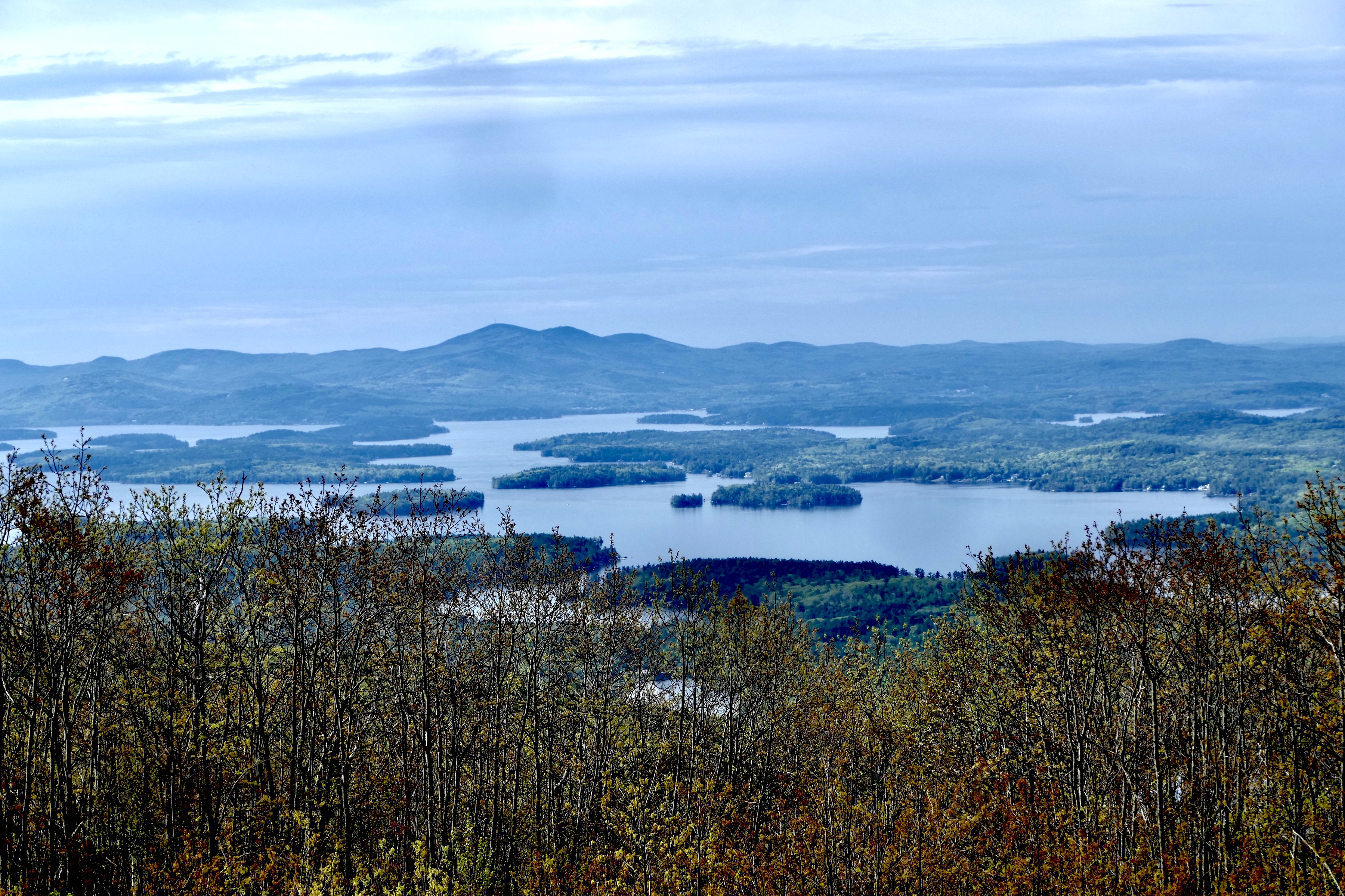
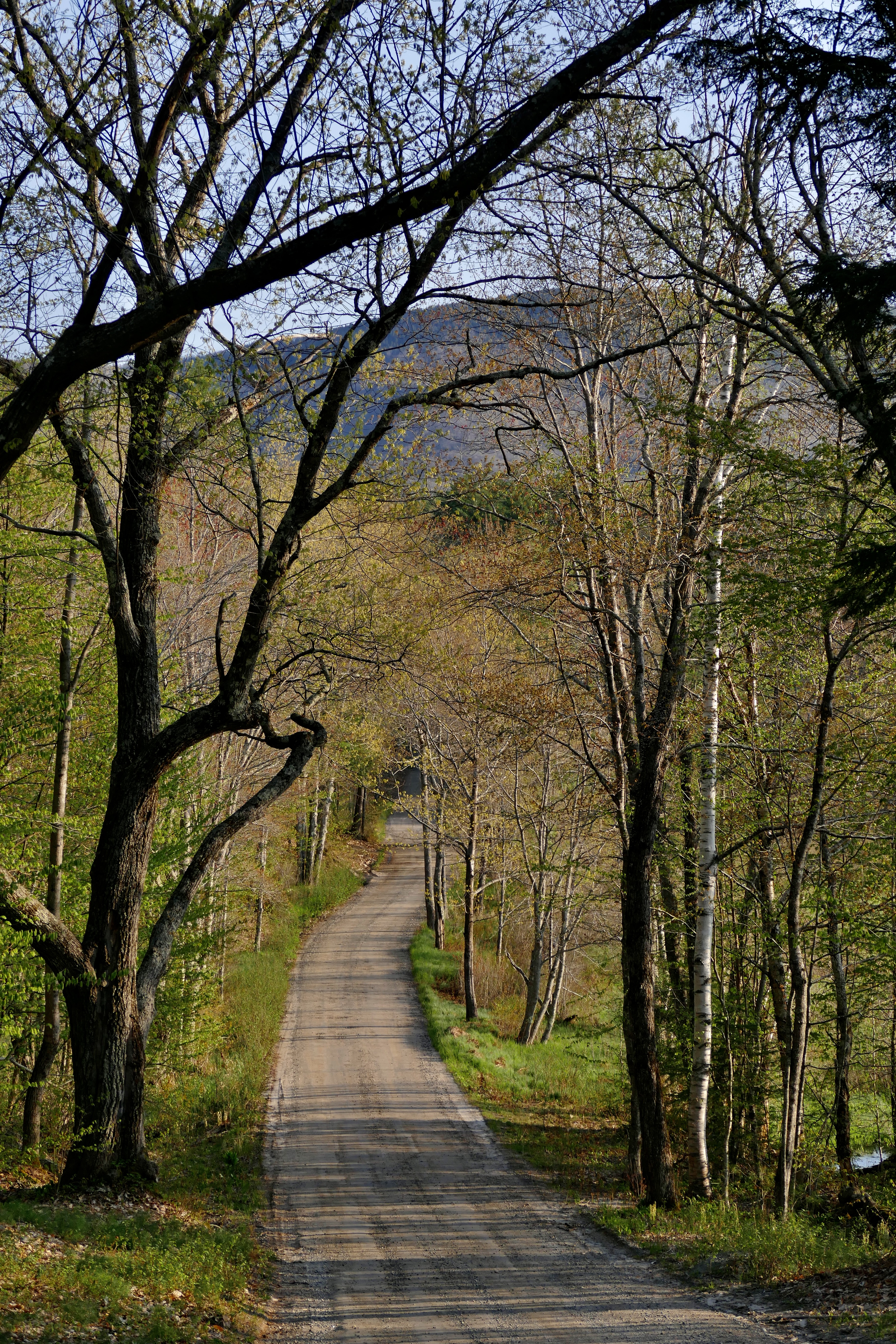
Men will pay something to look into a travelling showman’s box, but not to look upon the fairest prospects on the earth. A vista where you have the near green horizon contrasted with the distant blue one, terrestrial with celestial earth.
The prospect of a vast horizon must be accessible in our neighborhood. Where men of enlarged views may be educated. An unchangeable kind of wealth, a real estate.
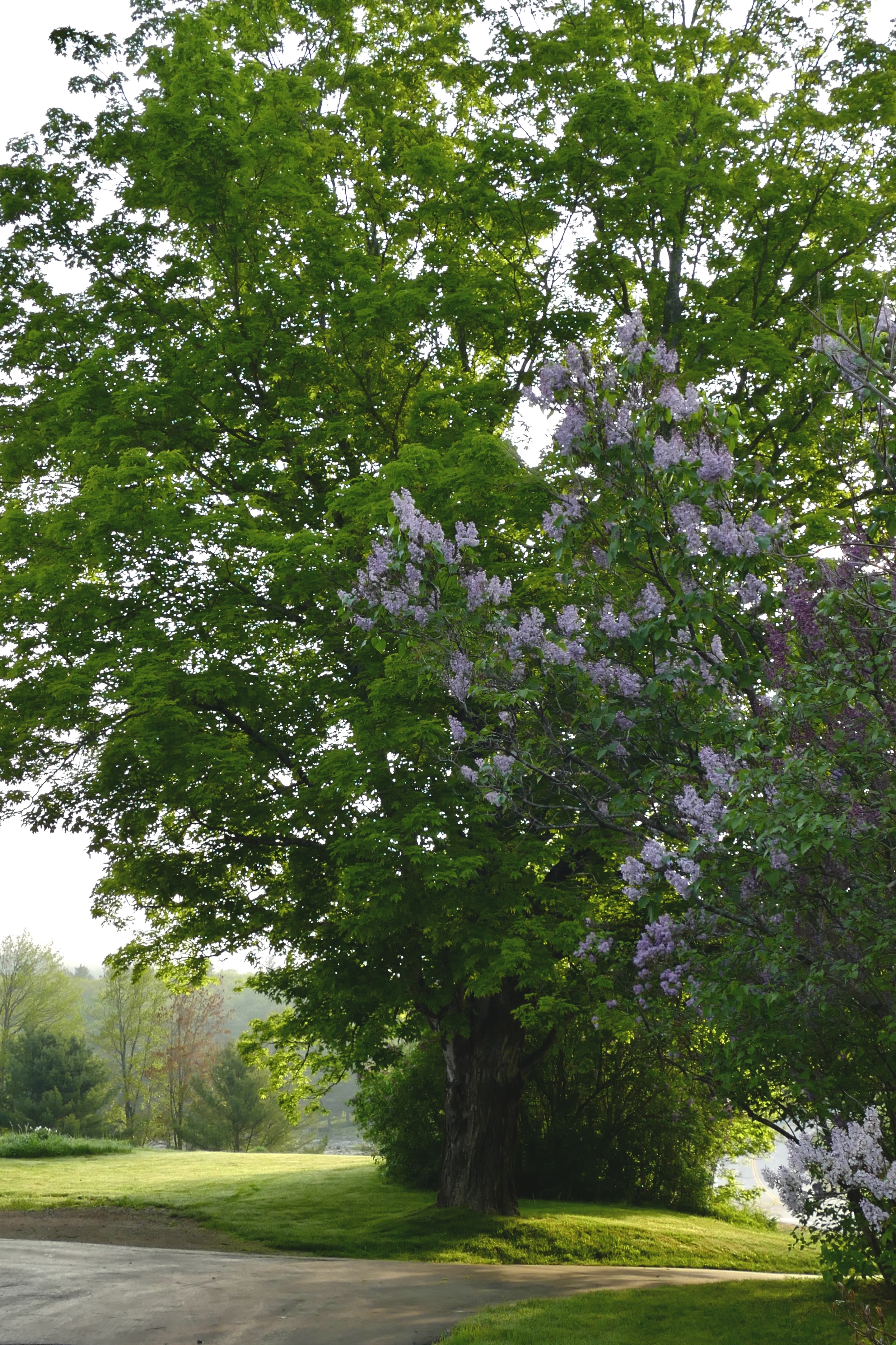
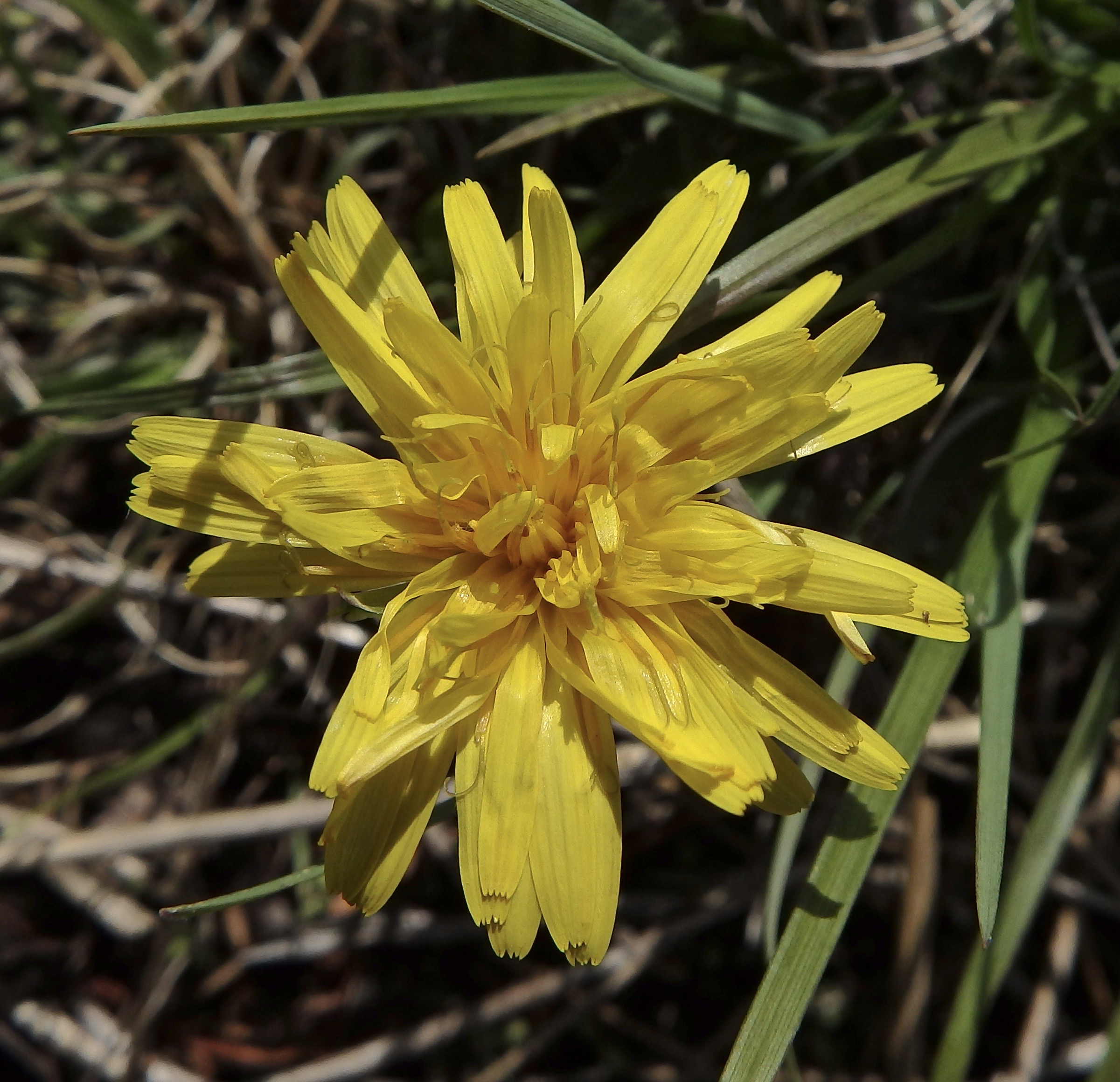
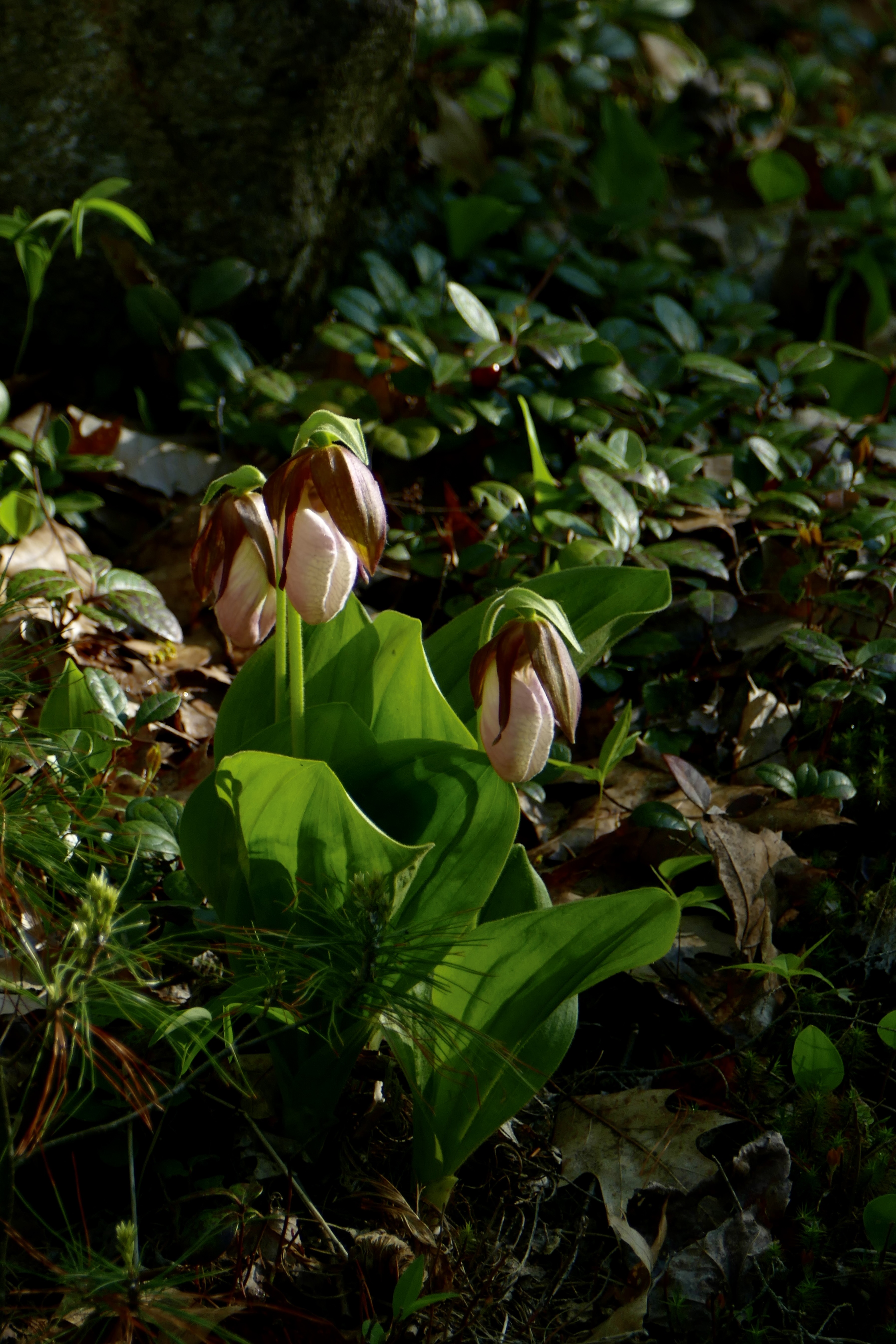
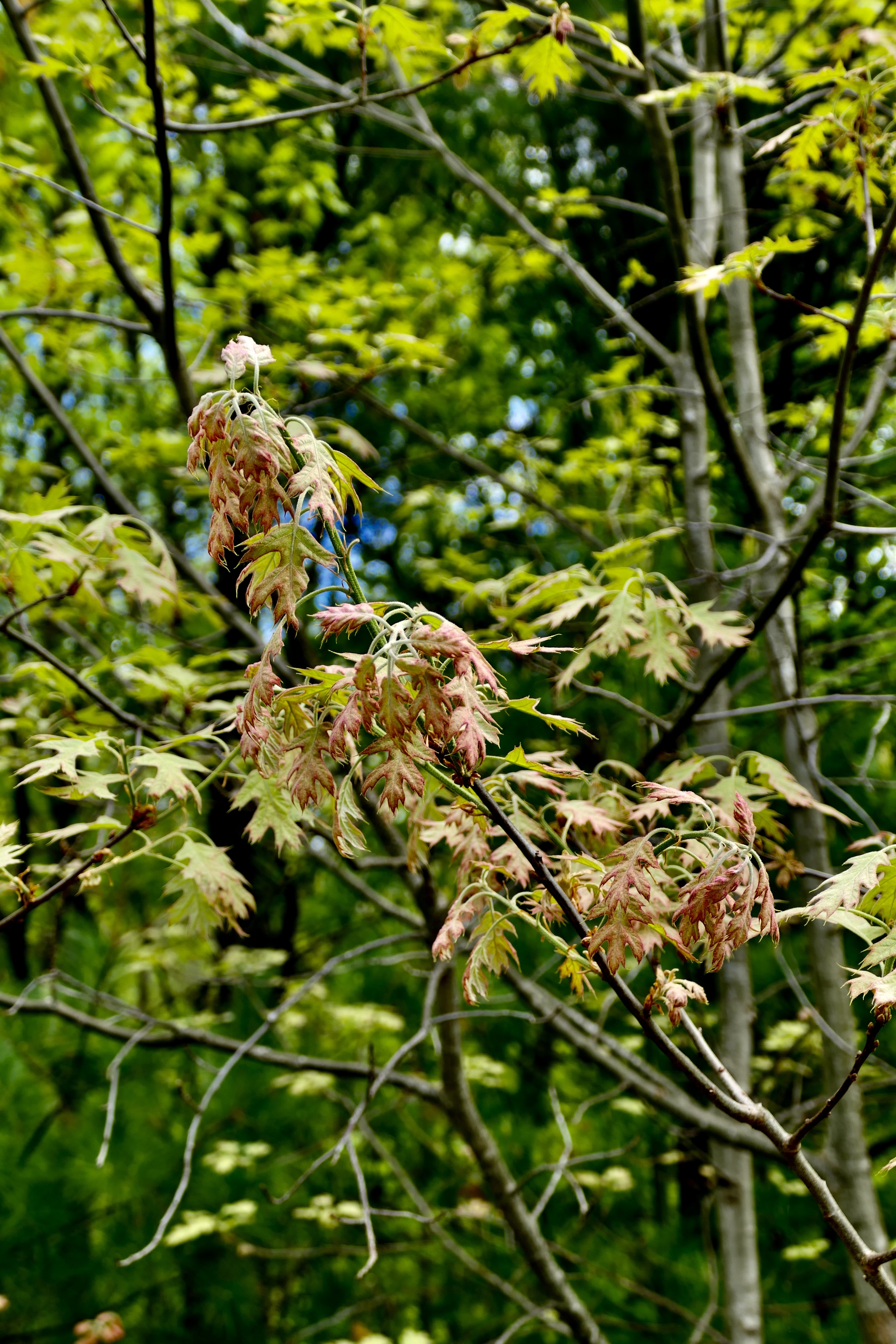
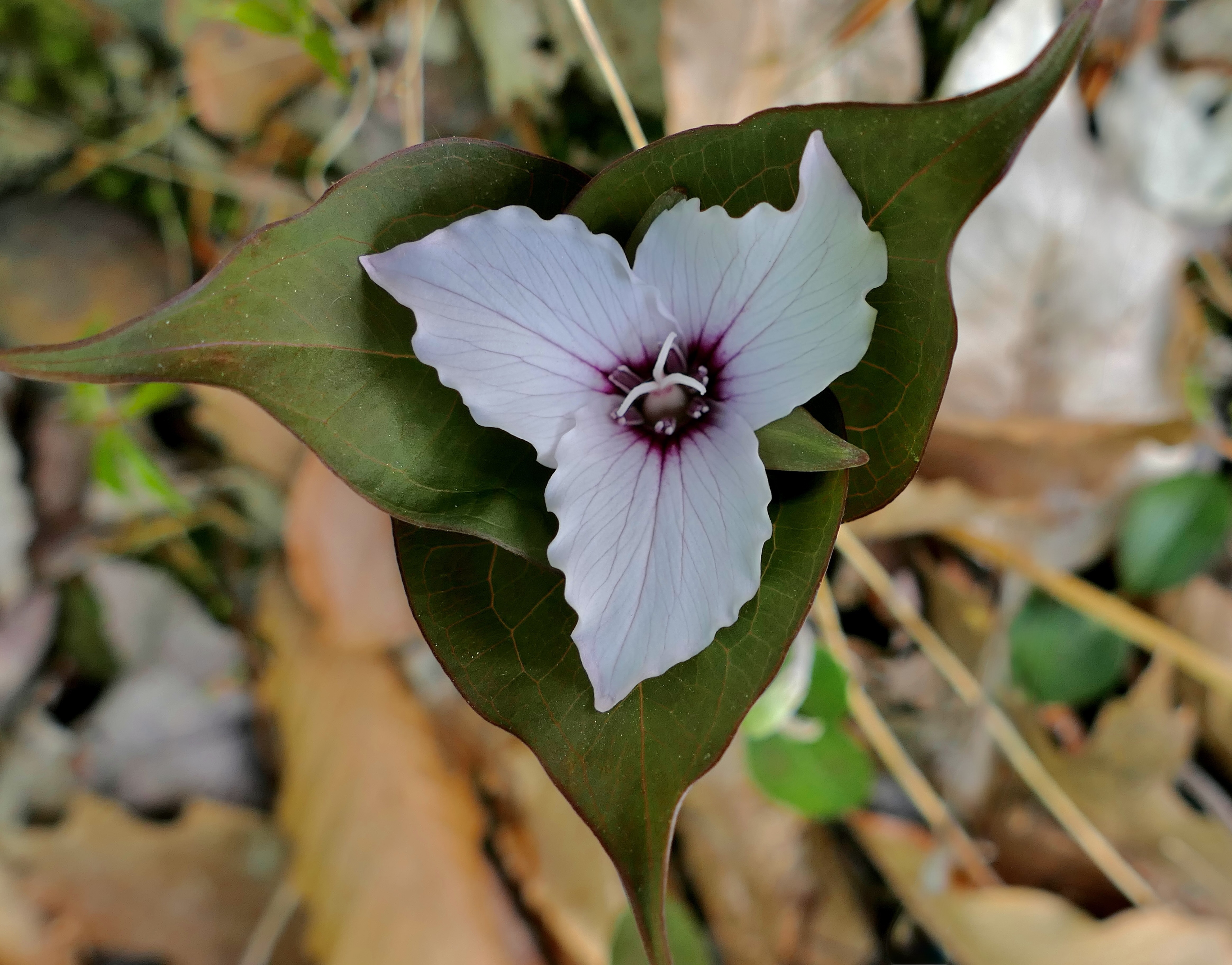
Lady’s-slipper almost fully blossomed….The shrub oaks are now blossoming. The scarlet tanagers are come. The oak leaves of all colors are just expanding, and are more beautiful than most flowers. The hickory buds are almost leaves.
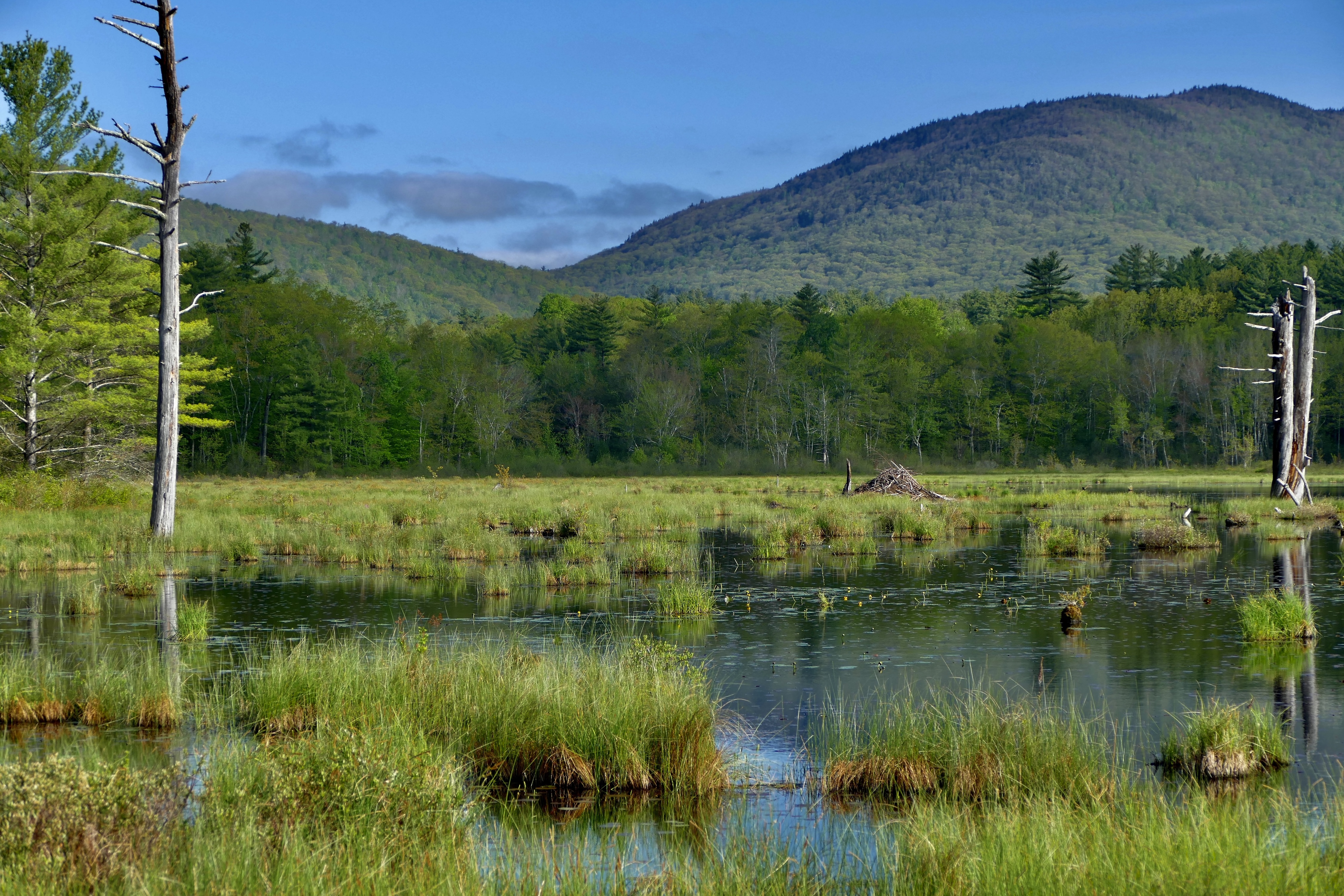
The landscape has a new life and light infused into it. The deciduous trees are springing, to countenance the pines, which are evergreen. It seems to take but one summer day to fetch the summer in. The turning-point between winter and summer is reached. The birds are in full blast. There is a peculiar freshness about the landscape; you scent the fragrance of new leaves, of hickory and sassafras, etc. And to the eye the forest presents the tenderest green. The blooming of the apple trees is becoming general.
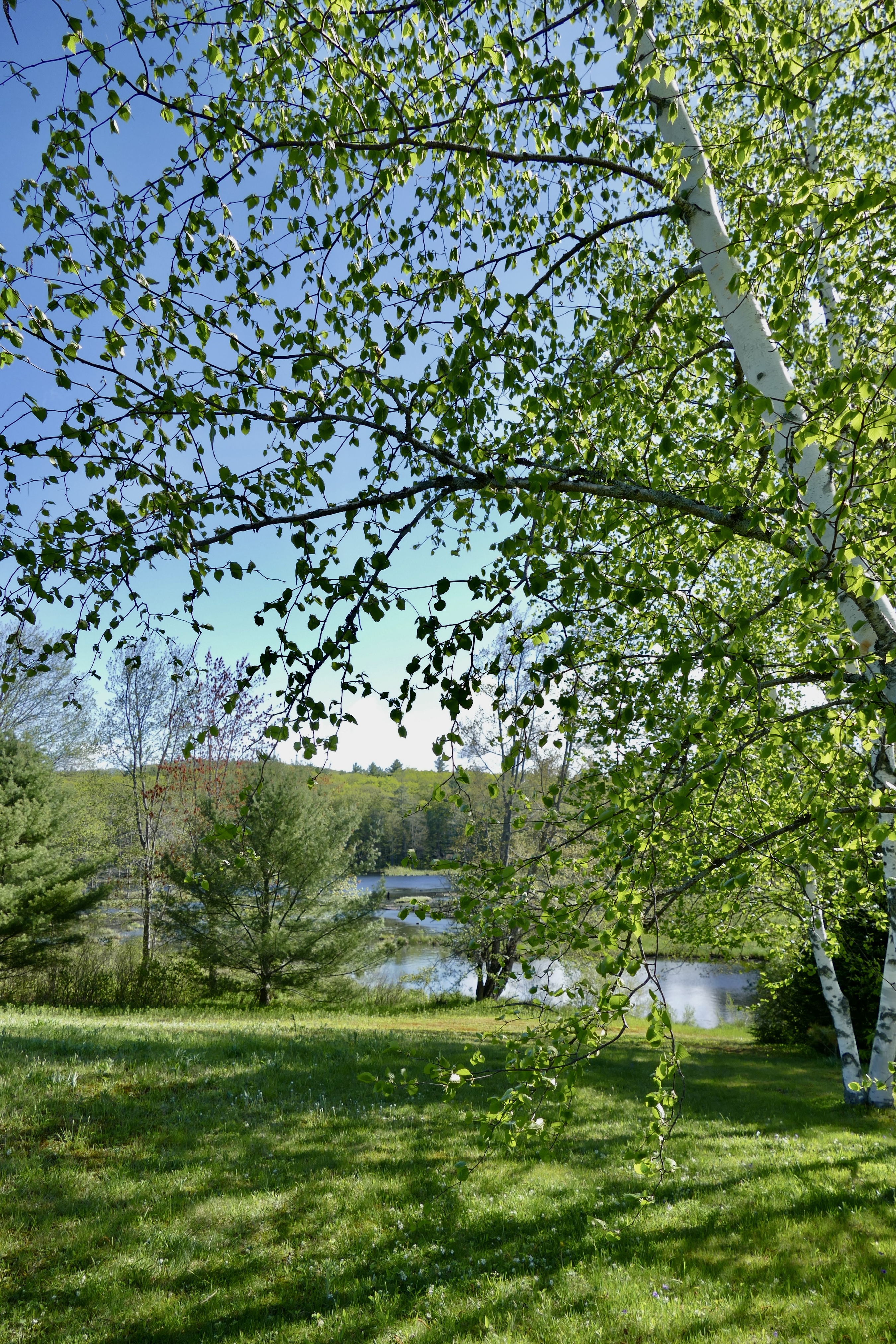
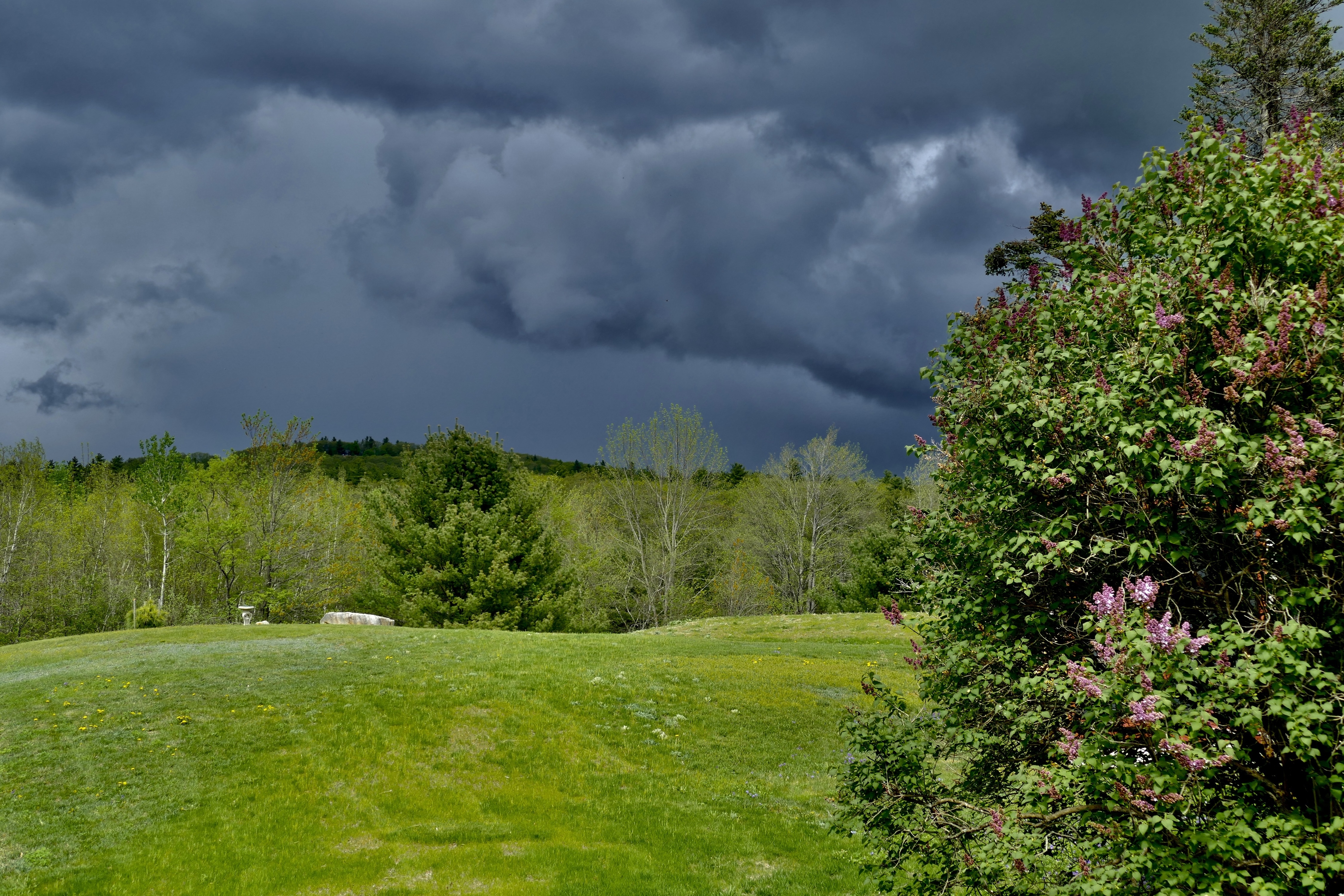
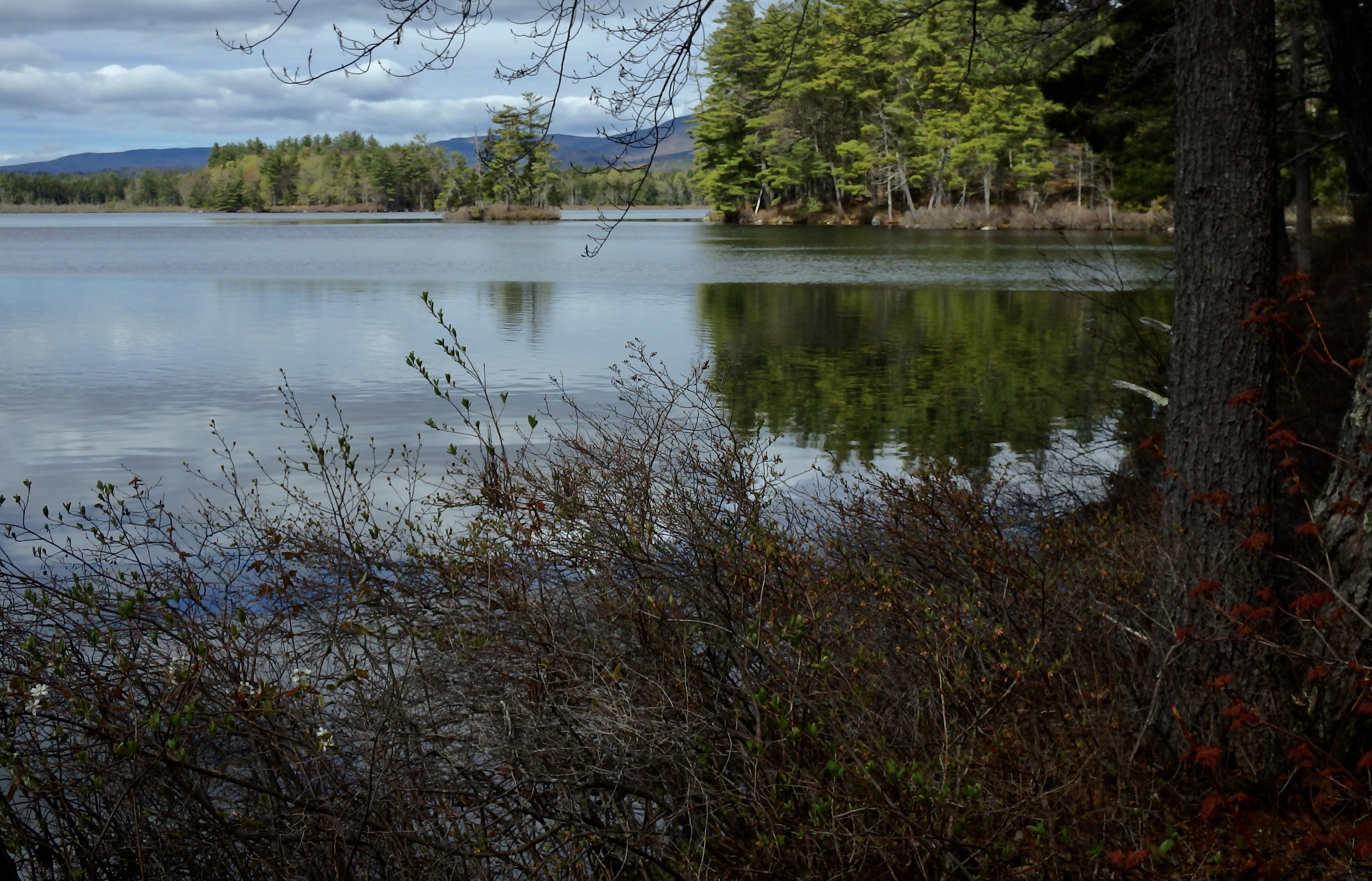
The sun on the young foliage of birches, alders, etc., on the opposite side of the pond has an enchanting effect. The sunshine has a double effect. The new leaves abet it, so fresh and tender, not apprehending their insect foes. Now the sun has come out after the May storm, how bright, how full of freshness and tender promise and fragrance is the new world! The woods putting forth new leaves; it is a memorable season. So hopeful!
These young leaves have the beauty of flowers….here is life in these fresh and varied colors, life in the motion of the wind and the waves; all make it a flowing, washing day. It is a good day to saunter….Do I smell the young birch leaves at a distance? Most trees are beautiful when leafing out, but especially the birch. After a storm at this season, the sun comes out and lights up the tender expanding leaves, and all nature is full of light and fragrance, and the birds sing without ceasing, and the earth is a fairyland. The birch leaves are so small that you see the landscape through the tree, and they are like silvery and green spangles in the sun, fluttering about the tree.
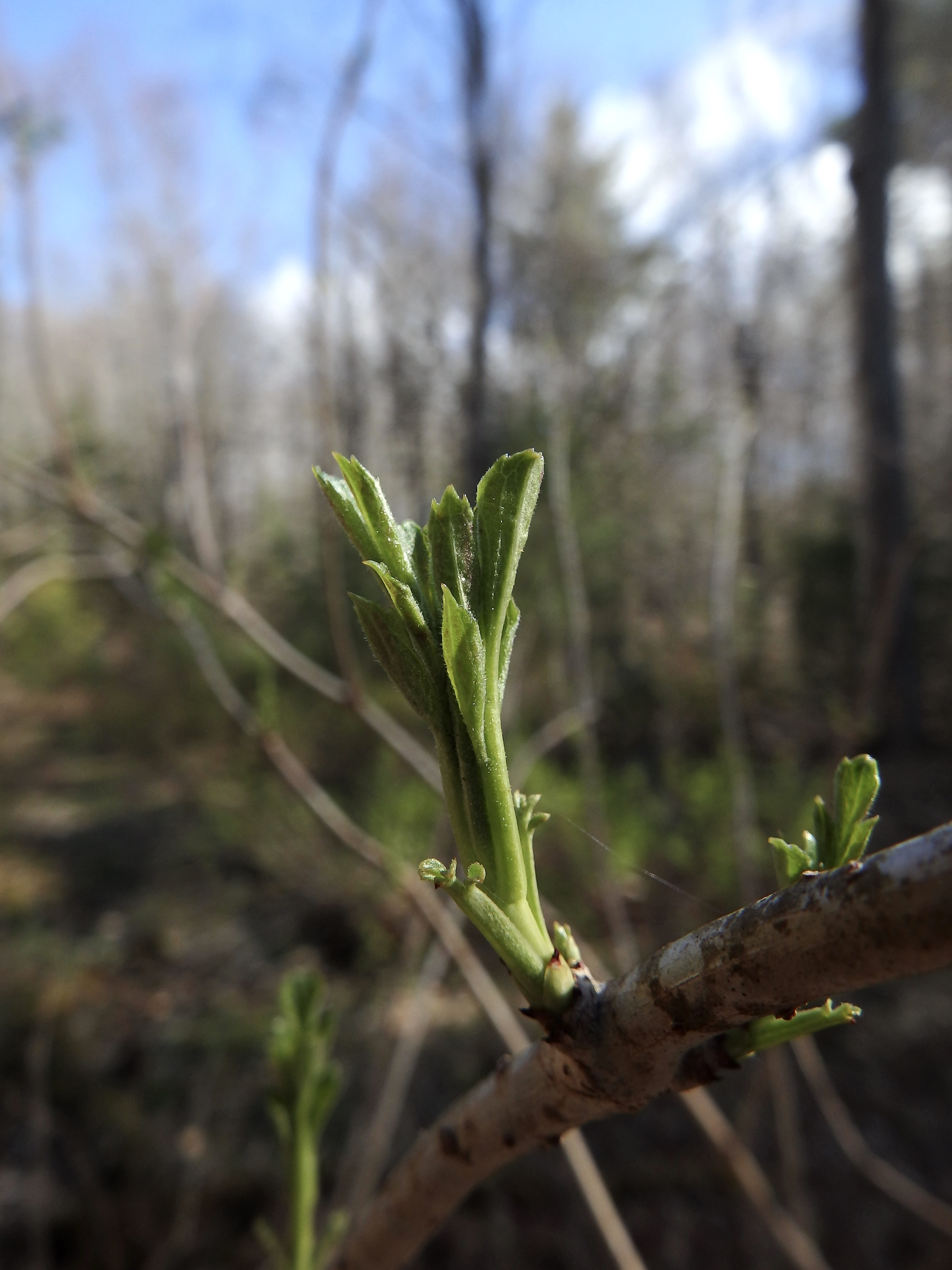
Trees generally are now bursting into leaf. The aspect of oak and other woods at a distance is somewhat like that of a very thick & reddish or yellowish mist about the evergreens—
In other directions the light graceful—& more distinct yellowish green forms of birches are seen—& in swamps the reddish or reddish brown crescents of the red maple tops—now covered with keys— Oak leaves are as big as mouse ear & farmers are busy planting.
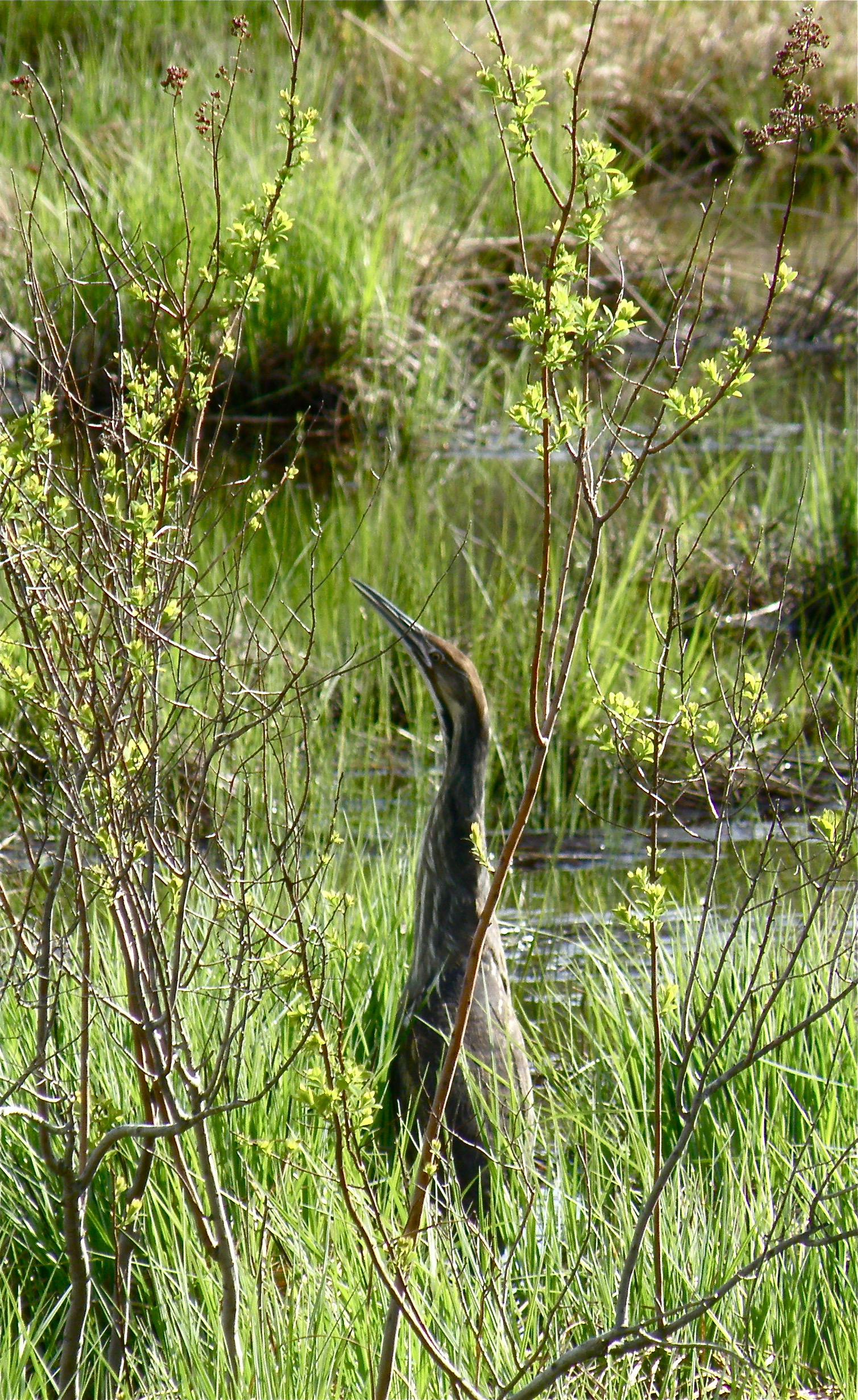
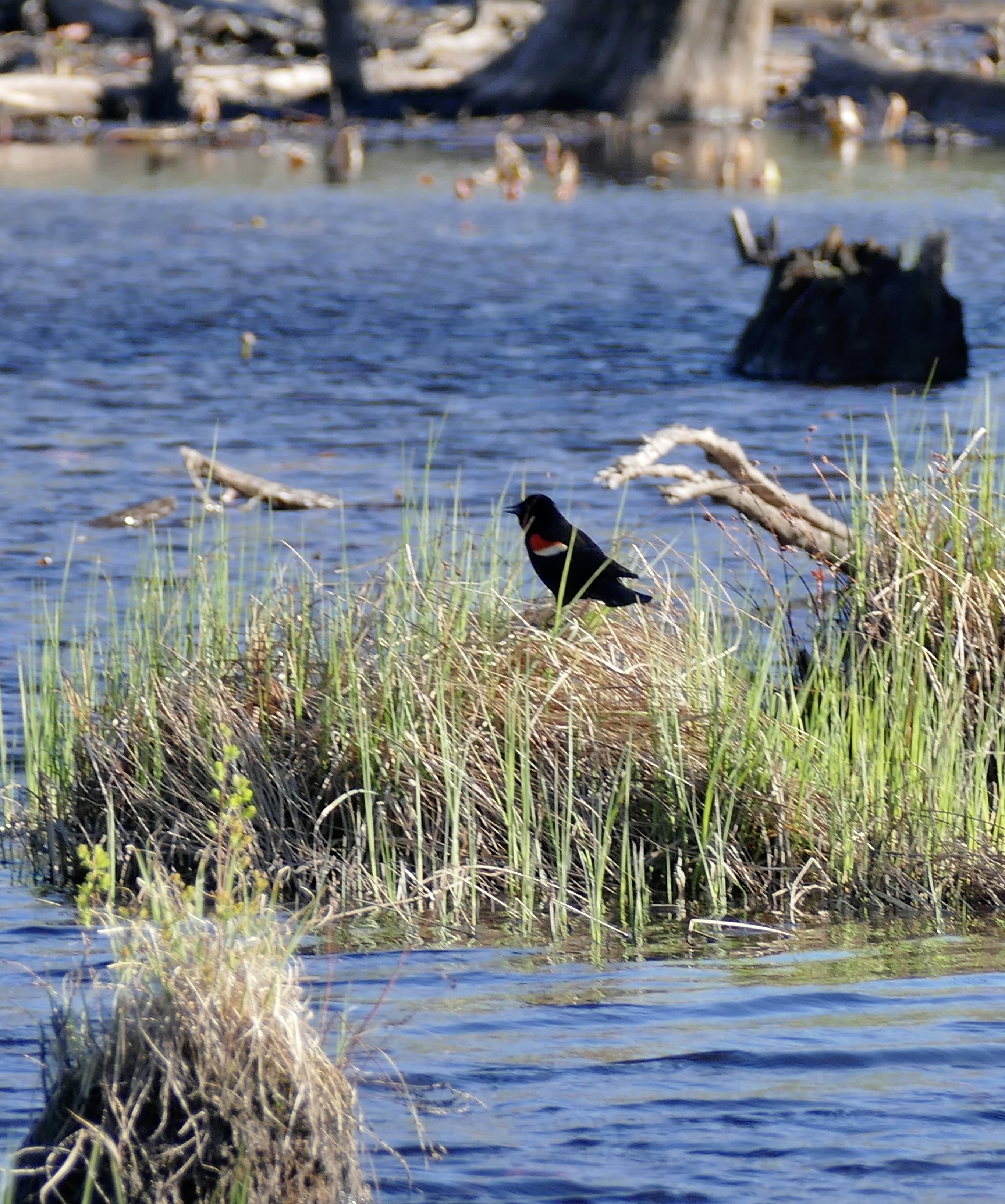
Heard a stake-driver in Hubbard’s meadow from Corner road.
Thus far off, I hear only, or chiefly, the last dry, hard click or stroke part of the note, sounding like the echo from some near wood of a distant stake-driving. Here only this portion of the note, but close by it is more like pumping, when the dry stroke is accompanied by the incessant sound of the pump.
How rarely I meet with a man who can be free, even in thought! We live according to rule. Some men are bedridden; all, world-ridden.
I take my neighbor, an intellectual man, out into the woods and invite him to take a new and absolute view of things, to empty clean out of his thoughts all institutions of men and start again; but he can’t do it, he sticks to his traditions and his crochets. He thinks that governments, colleges, newspapers, etc., are from everlasting to everlasting.
He is the richest who has most use for nature as raw material of tropes and symbols with which to describe his life. If these gates of golden willows affect me, they correspond to the beauty and promise of some experience on which I am entering. If I am overflowing with life, am rich in experience for which I lack expression, then nature will be my language full of poetry — all nature will fable, and every natural phenomenon be a myth.
The man of science, who is not seeking for expression but for a fact to be expressed merely, studies nature as a dead language. I pray for such inward experience as will make nature significant.
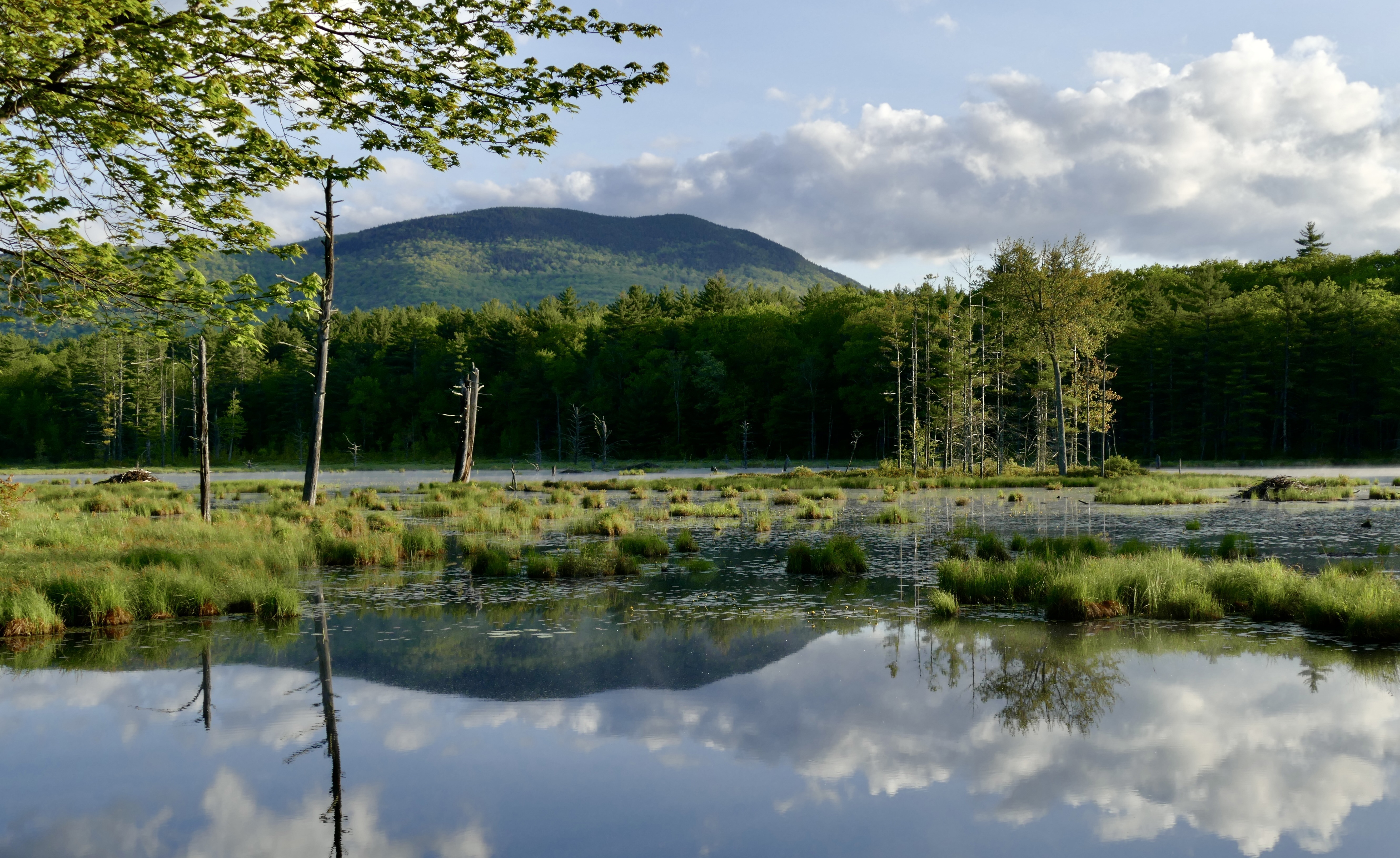
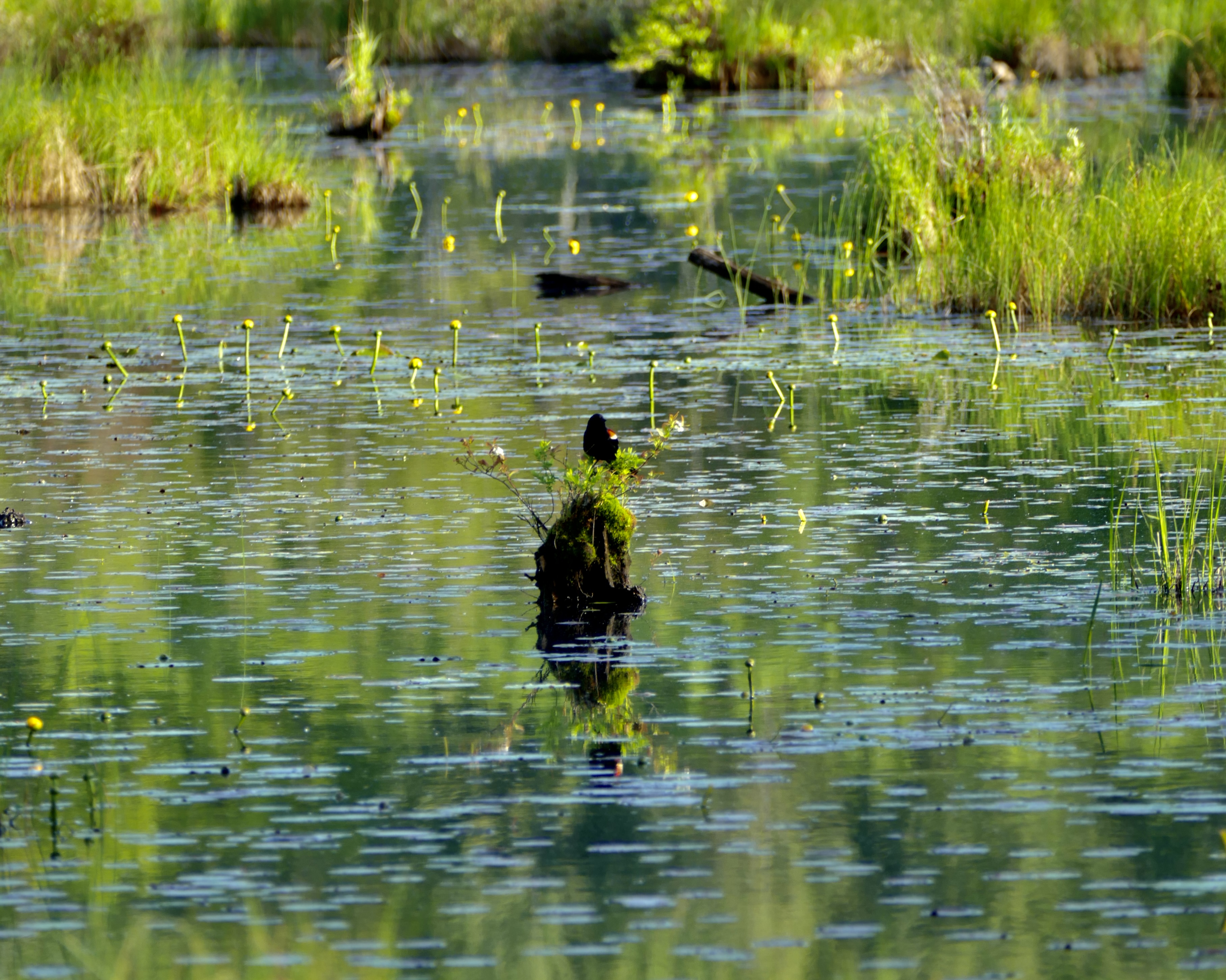
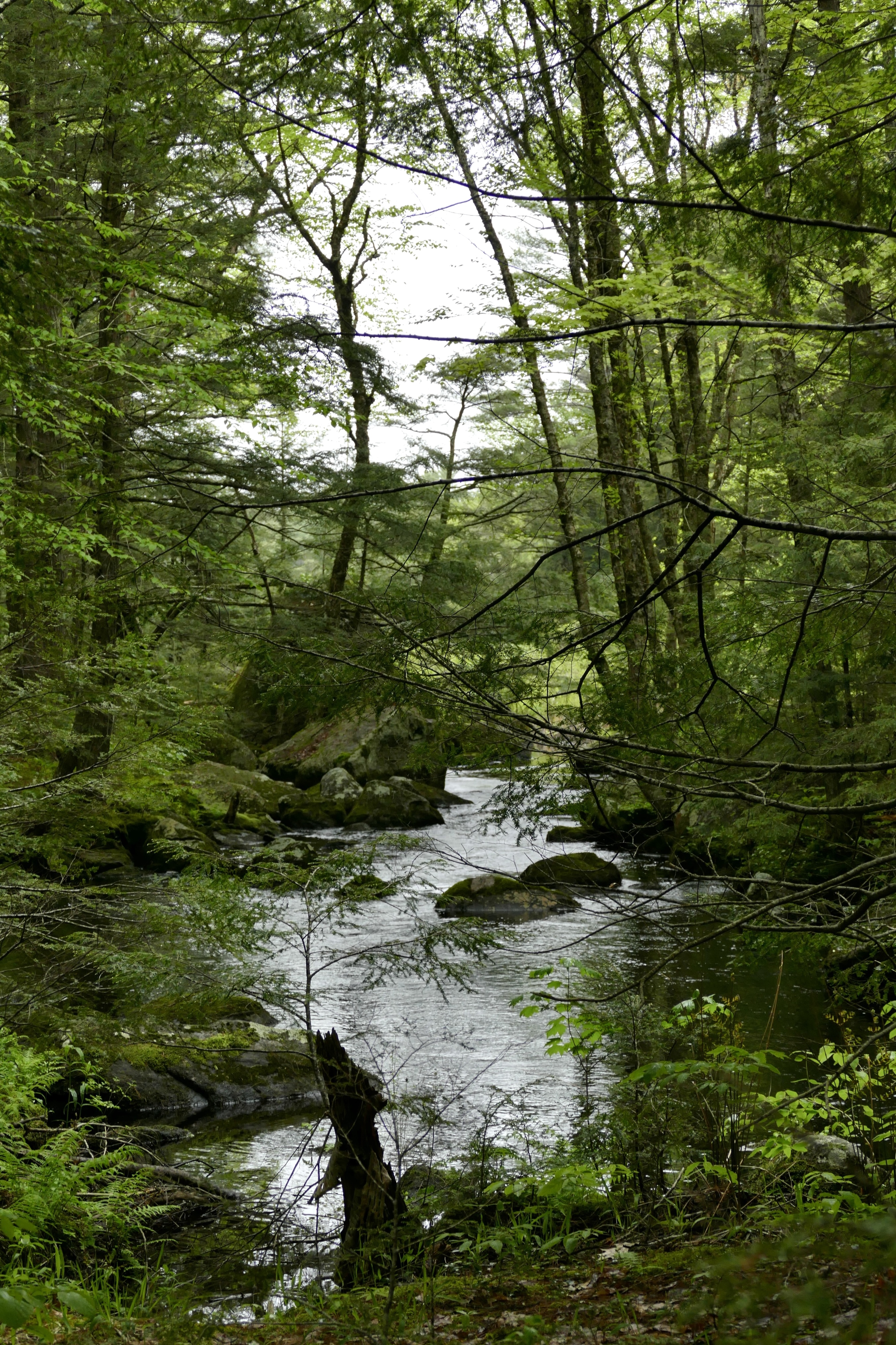
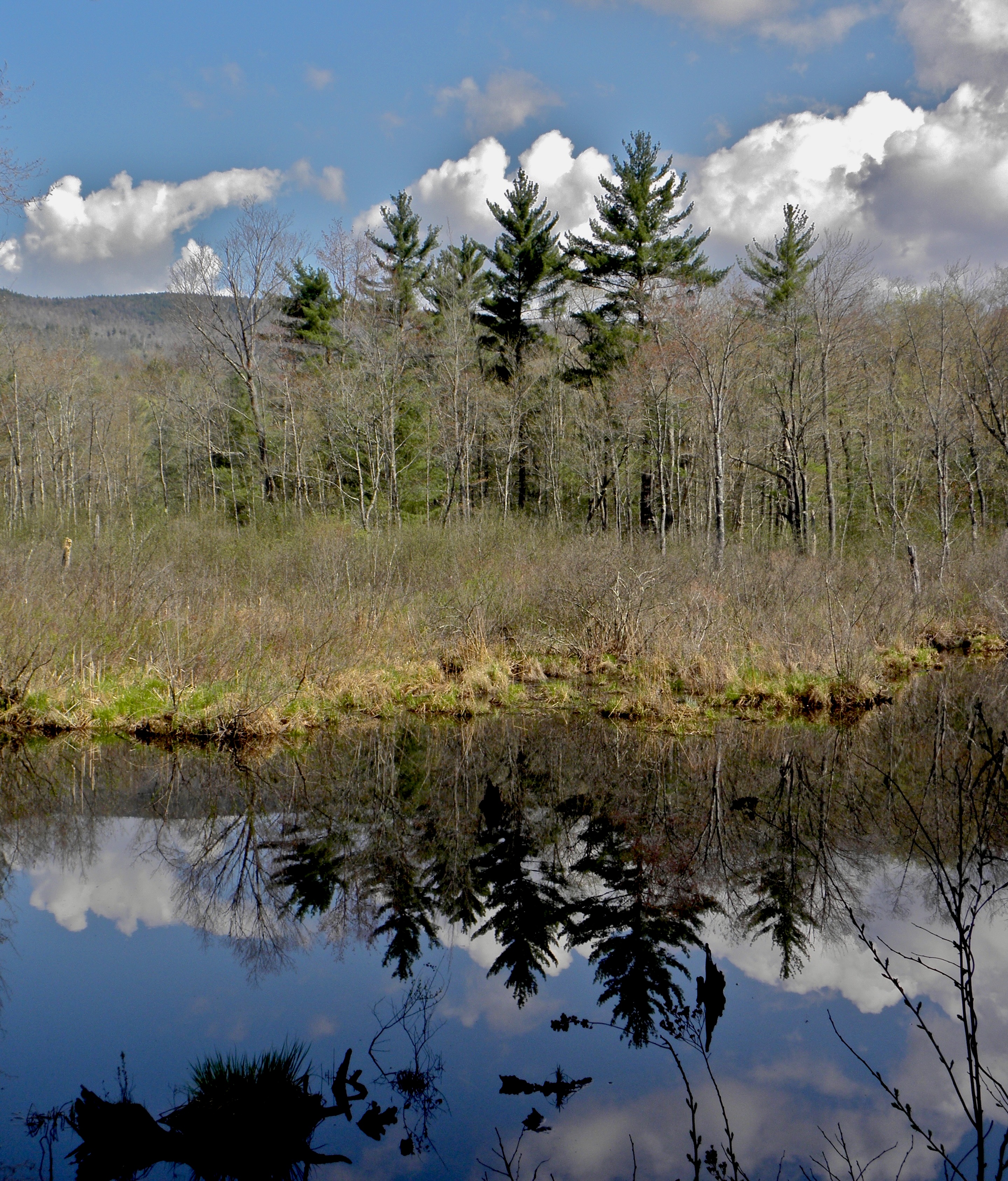
How dead would the globe seem—especially at this season if it were not for these water surfaces…We are slow to realize water—the beauty & magic of it. It is interestingly strange forever….
I look round with a thrill on this bright fluctuating surface on which no man can walk—whereon is—no trace of foot step—unstained as glass.


You must be logged in to post a comment.