December 7, 1856

in Thoreau’s Journal:

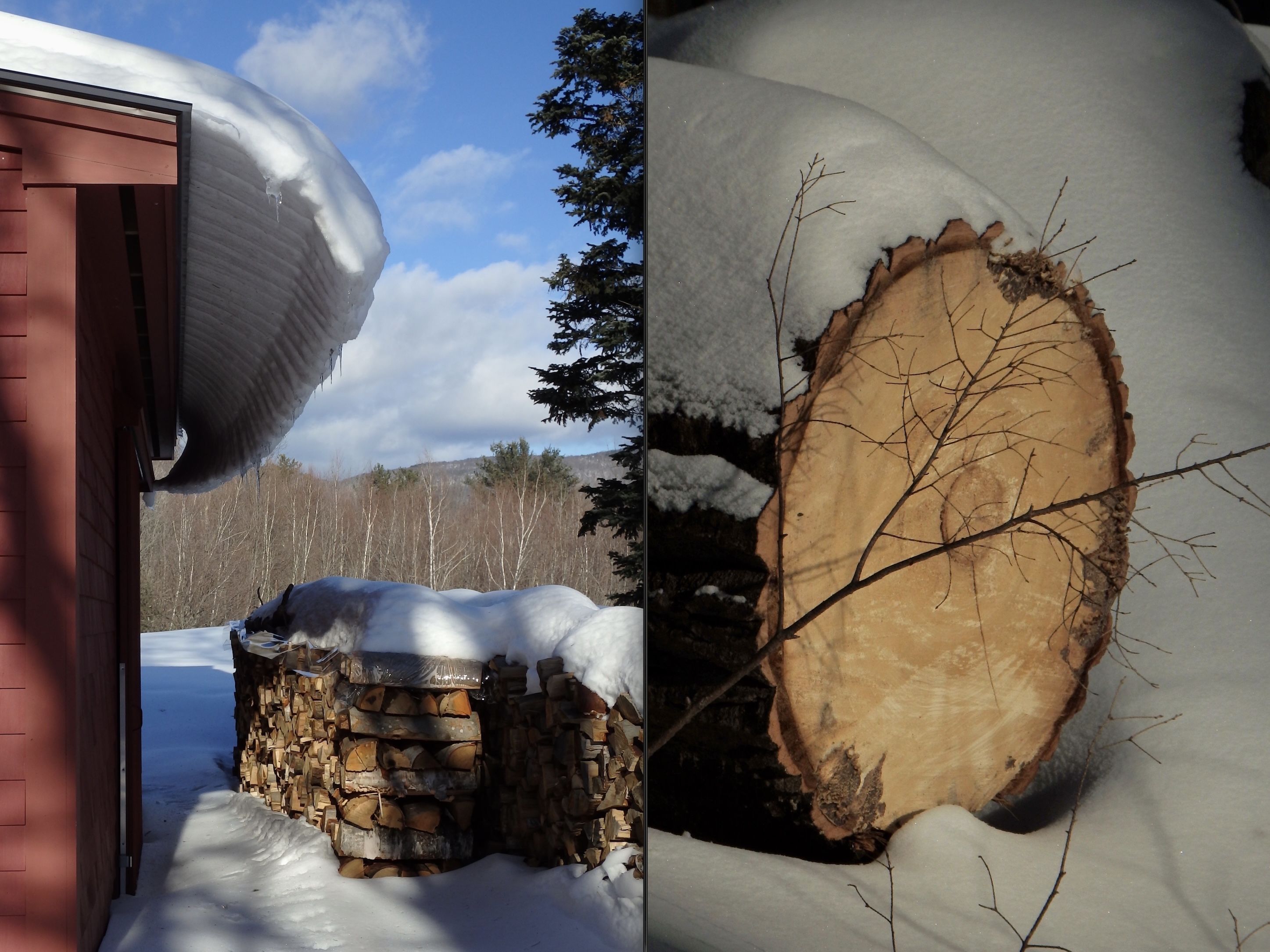
That grand old poem called Winter is round again without any connivance of mine. As I sit under Lee’s Cliff, where the snow is melted, amid sere pennyroyal and frost-bitten catnep, I look over my shoulder upon an arctic scene. I see with surprise the pond a dumb white surface of ice speckled with snow, just as so many winters before, where so lately were lapsing waves or smooth reflecting water.

I see the holes which the pickerel-fisher has made, and I see him, too, retreating over the hills, drawing his sled behind him. The water is already skimmed over again there. I hear, too, the familiar belching voice of the pond. It seemed as if winter had come without any interval since midsummer, and I was prepared to see it flit away by the time I again looked over my shoulder. It was as if I had dreamed it. But I see that the farmers have had time to gather their harvests as usual, and the seasons have revolved as slowly as in the first autumn of my life. The winters come now as fast as snowflakes. It is wonderful that old men do not lose their reckoning. It was summer, and now again it is winter. Nature loves this rhyme so well that she never tires of repeating it. So sweet and wholesome is the winter, so simple and moderate, so satisfactory and perfect, that her children will never weary of it. What a poem! an epic in blank verse, enriched with a million tinkling rhymes. It is solid beauty. It has been subjected to the vicissitudes of millions of years of the gods, and not a single superfluous ornament remains. The severest and coldest of the immortal critics have shot their arrows at and pruned it till it cannot be amended.

November 1, 1858

in Thoreau’s Journal:

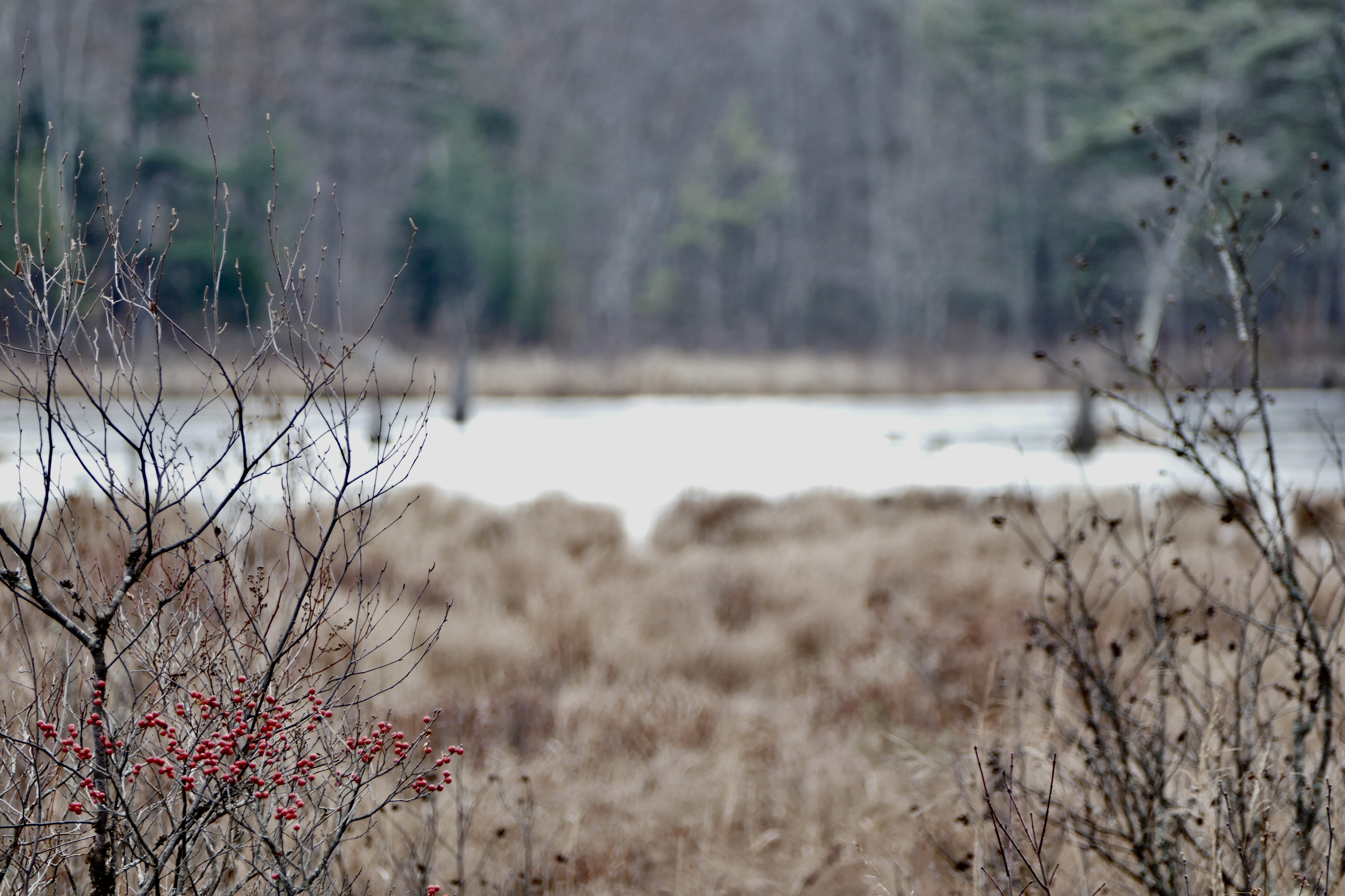
As the afternoons grow shorter, and the early evening drives us home to complete our chores, we are reminded of the shortness of life, and become more pensive, at least in this twilight of the year. We are prompted to make haste and finish our work before the night comes. I leaned over a rail in the twilight on the Walden road, waiting for the evening mail to be distributed, when such thoughts visited me. I seemed to recognize the November evening as a familiar thing come round again, and yet I could hardly tell whether I had ever known it or only divined it. The November twilights just begun! It appeared like a part of a panorama at which I sat spectator, a part of which I was perfectly familiar just coming into view, and I foresaw how it would look and roll along, and prepared to be pleased. Just such a piece of art merely, though infinitely sweet and grand, did it appear to me, and just as little were any active duties required of me.

We are independent on all that we see. The hangman whom I have seen cannot hang me. The earth which I have seen cannot bury me. Such doubleness and distance does sight prove. Only the rich and such as are troubled with ennui are implicated in the maze of phenomena. You cannot see anything until you are clear of it. The long railroad causeway through the meadows west of me, the still twilight in which hardly a cricket was heard, the dark bank of clouds in the horizon long after sunset, the villagers crowding to the post-office, and the hastening home to supper by candle-light, had I not seen all this before! What new sweet was I to extract from it? Truly they mean that we shall learn our lesson well. Nature gets thumbed like an old spelling-book. The almshouse and Frederick were still as last November. I was no nearer, methinks, nor further off from my friends. Yet I sat the bench with perfect contentment, unwilling to exchange the familiar vision that was to be unrolled for any treasure or heaven that could be imagined. Sure to keep just so far apart in our orbits still, in obedience to the laws of attraction and repulsion, affording each other only steady but indispensable starlight. It was as if I was promised the greatest novelty the world has ever seen or shall see, though the utmost possible novelty would be the difference between me and myself a year ago. This alone encouraged me, and was my fuel for the approaching winter. That we may behold the panorama with this slight improvement or change, this is what we sustain life for with so much effort from year to year.

August 12, 1851

in Thoreau’s Journal:

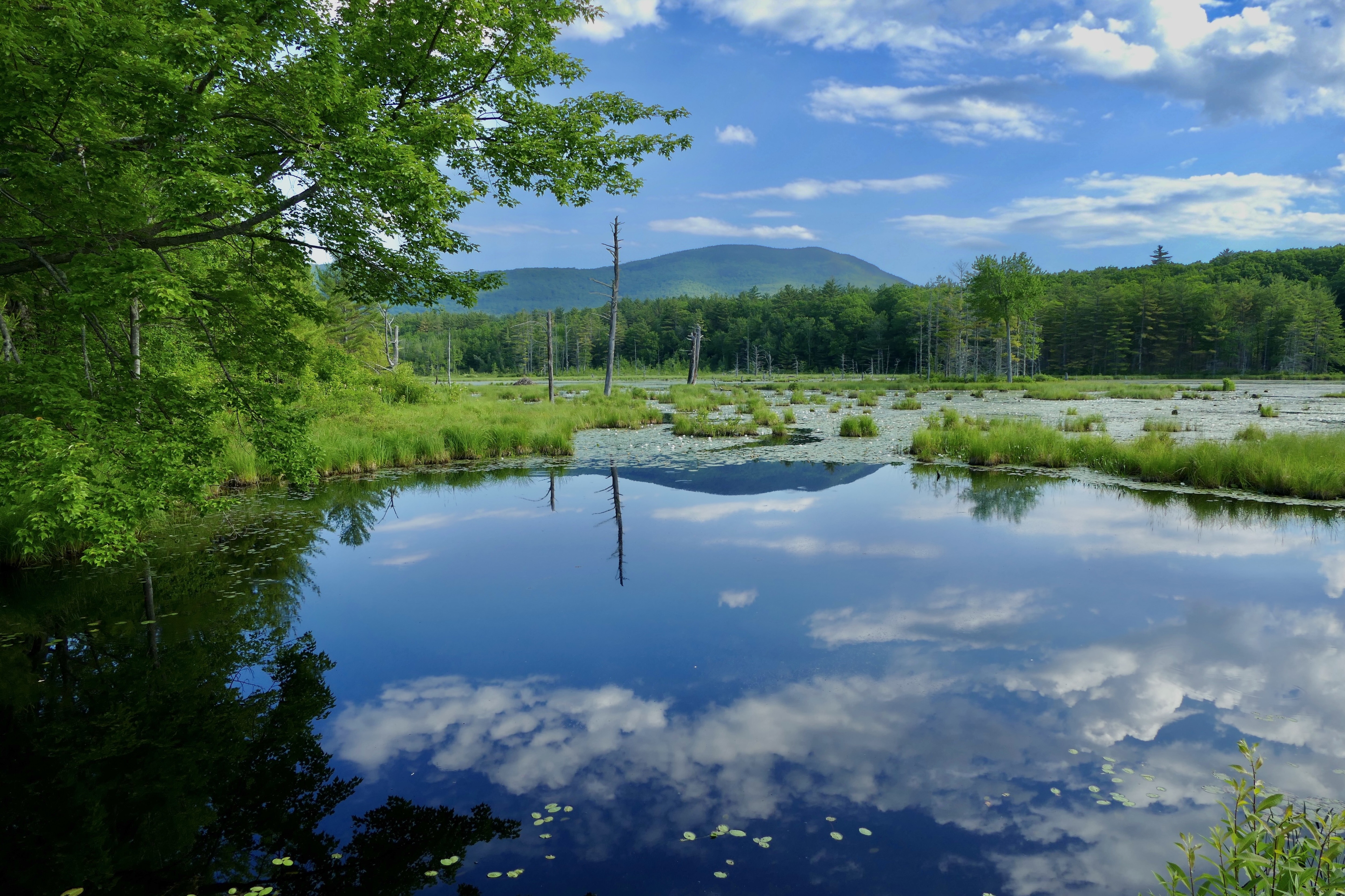
4 A. M. —It adds a charm, a dignity, a glory, to the earth to see the light of the moon reflected from her streams. There are but us three, the moon, the earth which wears this jewel (the moon’s reflection) in her crown, and myself. Now there has come round the Cliff (on which I sit), which faces the west, all unobserved and mingled with the dusky sky of night, a lighter and more ethereal living blue, whispering of the sun still far, far away, behind the horizon.

From the summit of our atmosphere, perchance, he may already be seen by soaring spirits that inhabit those thin upper regions, and they communicate the glorious intelligence to us lower ones. There real divine, the heavenly, blue, the Jove-containing air, it is, I see through this dusky lower stratum. The sun gilding the summits of the air. The broad artery of light flows overall the sky. Yet not without sadness and compassion I reflect that I shall not see the moon again in her glory. (Not far from four, still in the night, I heard a nighthawk squeak and boom, high in the air, as I sat on the Cliff. What is said about this being less of a night bird than the whip-poor-will is perhaps to be questioned. For neither do I remember to have heard the whip-poor-will sing at 12 o’clock, though I met one sitting and flying between two and three this morning. I believe that both may be heard at midnight, though very rarely.) Now at very earliest dawn the nighthawk booms and the whip-poor-will sings. Returning down the hill by the path to where the woods [are] cut off, I see the signs of the day, the morning red. There is the lurid morning star, soon to be blotted out by a cloud. 

June 19, 1852

in Thoreau’s Journal:

A comfortable breezy June morning. No dust to-day. To explore a segment of country between the Stow hills and the railroad in Acton, west to Boxboro.

A fine, clear day, a journey day. A very small blue veronica in the bank by the roadside at Mrs. Hosmer’s, apparently the same with that I saw on the Cliffs with toothed leaves. Interesting from being blue. The traveller now has the creak of the cricket to encourage him on all country routes, out of the fresh sod, still fresh as in the dawn, not interrupting his thoughts. Very cheering and refreshing to hear so late in the day, this morning sound. The whiteweed colors some meadows as completely as the frosting does a cake. The waving June grass shows watered colors like grain. No mower’s scythe is heard. The farmers are hoeing their corn and potatoes. Some low blackberry leaves are covered with a sort of orange-colored mildew or fungus. The clover is now in its glory. Whole fields are rosed with it, mixed with sorrel, and looking deeper than it is. It makes fields look luxuriant which are really thinly clad. The air is full of its sweet fragrance. I cannot find the linnæa in Loring’s; perhaps because the woods are cut down; perhaps I am too late. The robins sing more than usual, maybe because of the coolness. Buttercups and geraniums cover the meadows, the latter appearing to float on the grass, – of various tints. It has lasted long, this rather tender flower. Methinks there are most tall buttercups now. These and the senecio, now getting stale, prevail in the meadows. Green early blueberries on hillsides passim remind you of the time when berries will be ripe. This is the ante-huckleberry season, when fruits are green. The green fruit of the thorn is conspicuous, and of the wild cherry and the amelanchiers and the thimble-berry. These are the clover days. 

January 30, 1854

in Thoreau’s Journal:

Up river on ice & snow to Fair Haven Pond––

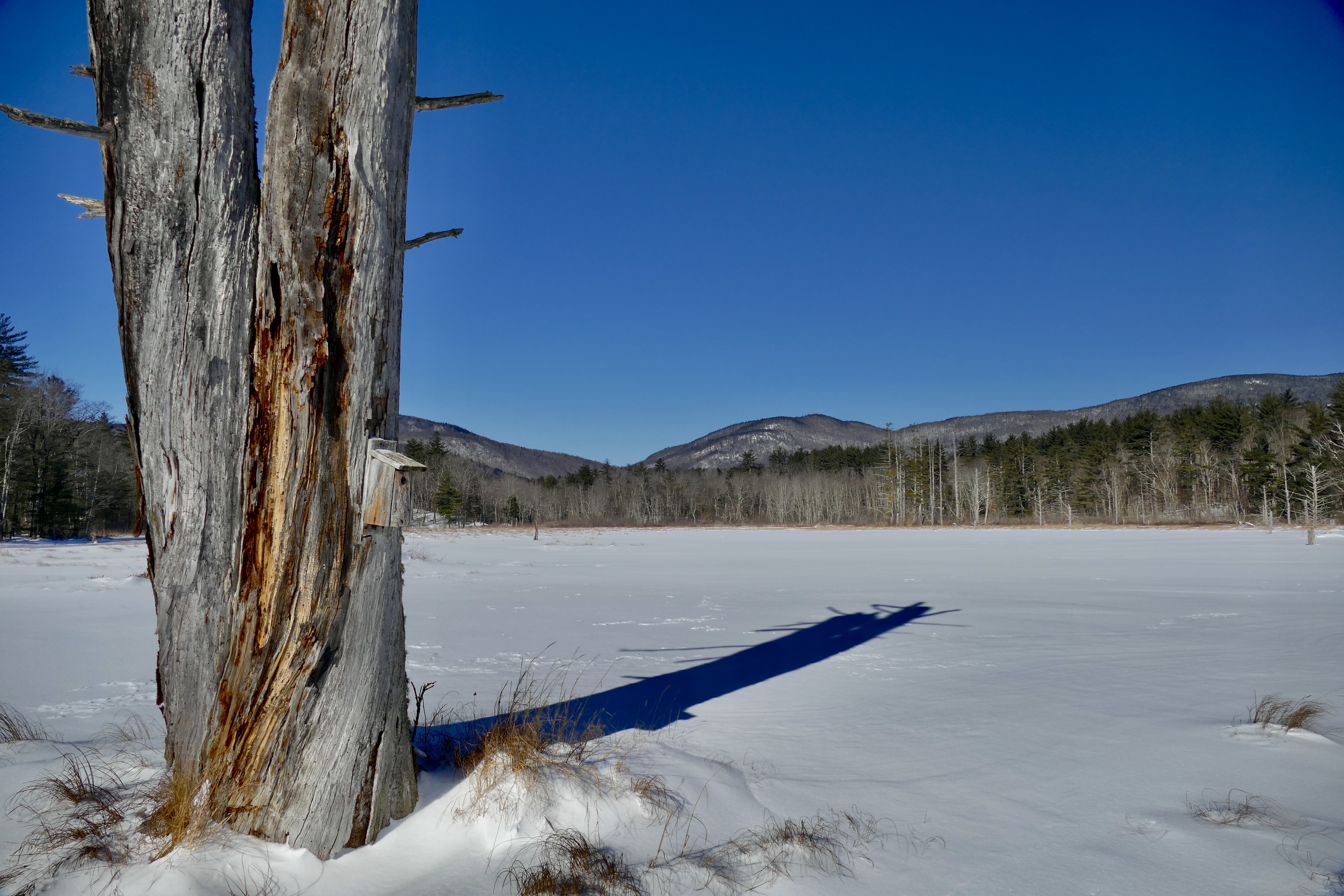
There is a few inches of snow perfectly level which now for nearly a week has covered the ice— Going toward the sun you are snow-blinded–– At each clump of willows on the meadow it looks as if there were a hillock––out of which they grow–– This appearance is produced by the willow twigs holding up the ice to height at which it was frozen after the last thaw about 2 feet above the present level.— It forms a regularly rounded hillock. We look at every track in the snow — Every little while there is the track of a fox across the river—turning aside sometimes to a muskrats cabin or a point of ice—where he has left some traces— frequently the larger track of a hound which has followed his trail— It is much easier & pleasanter to walk thus on the river—the snow being shallow & level —& there is no such loud squeaking or cronching of the snow as in the road—and This road is so wide that you do not feel confined in it—& you never meet travelers with whom you have no sympathy. The winter, cold & bound out as it is, is thrown to us like a bone to a famishing dog, & we are expected to get the marrow out of it. While the milkmen in the outskirts are milking so many scores of cows before sunrise these winter mornings, it is our task to milk the winter itself. It is true it is like a cow that is dry & our fingers are numb—& there is none to wake up us— Some desert the field & go into winter quarters in the city— They attend the oratorios while the only music that we hear is the squeaking of the snow under our boots. But the winter was not given to us for no purpose— We must thaw its cold with our genialness. We are tasked to find out & appropriate all the nutriment it yields— If it is a cold & hard season—its fruit no doubt is the more concentrated & nutty. It took the cold & bleakness of November to ripen the walnut—but the human brain is the kernel which the winter itself matures— Not till then does its shell come off— The seasons were not made in vain— Because the fruits of the earth are already ripe—we are not to suppose there is no fruit left for winter to ripen. — It is for man the seasons and the all the fruits exist. The winter was made to concentrate & harden & mature the kernel of his brain—to give tone & firmness & consistency to his thought— Then is the great harvest of the year—the harvest of thought— All previous harvests are stubble to this—mere fodder & green crop. Now we burn with a purer flame like the stars, our oil is winter-strained.  We are islanded in Atlantic & Pacific—& Indian Oceans of thought— Bermudas or Friendly or Spice Islands—