in Thoreau’s Journal:
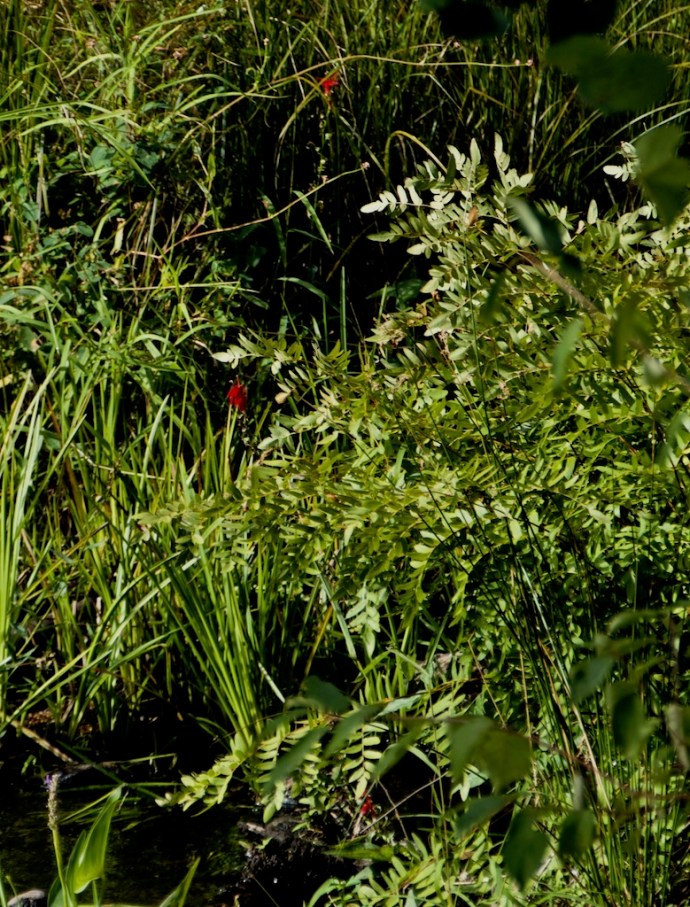
Cardinal-flower, nearly done.
September 9, 2018: Photo

in Thoreau’s Journal:
Cardinal-flower, nearly done.
September 9, 2018: Photo
in Thoreau’s Journal:
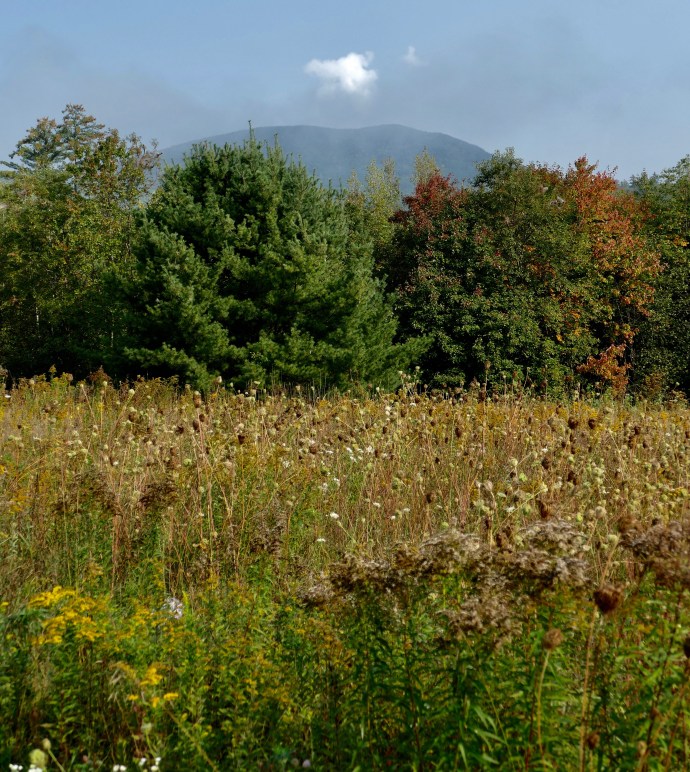
Going into the low sprout-land north of the Sam Wheeler orchard, where is a potato-field in new ground, I see the effects of the frost of the last two or three nights. The ferns and tall erechthites showing its pappus are dropping and blackened or imbrowned on all sides, also Eupatorium pubescens, tender young Rhus glabra, etc., and the air is full of the rank, sour smell of freshly withering vegetation. It is a great change produced in one frosty night. What a sudden period put to the reign of summer!
in Thoreau’s Journal:
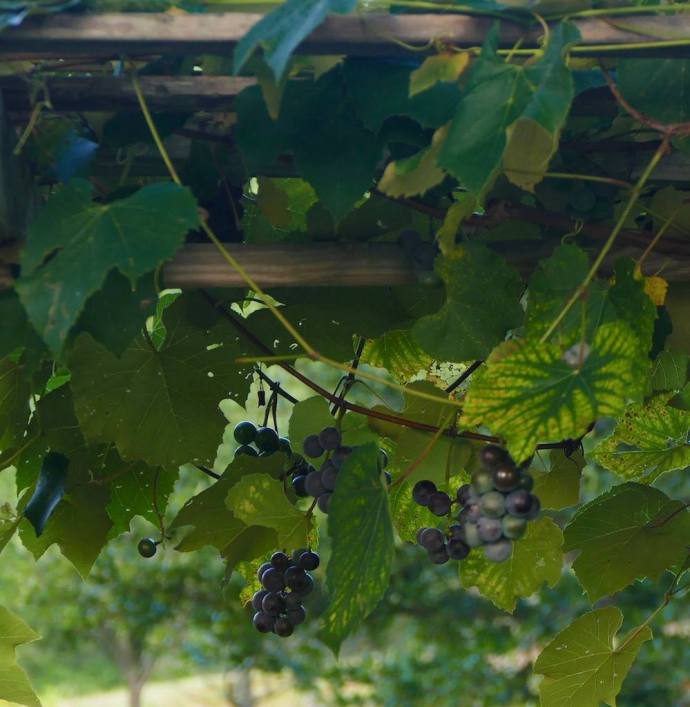
Grapes ripe….for some days….
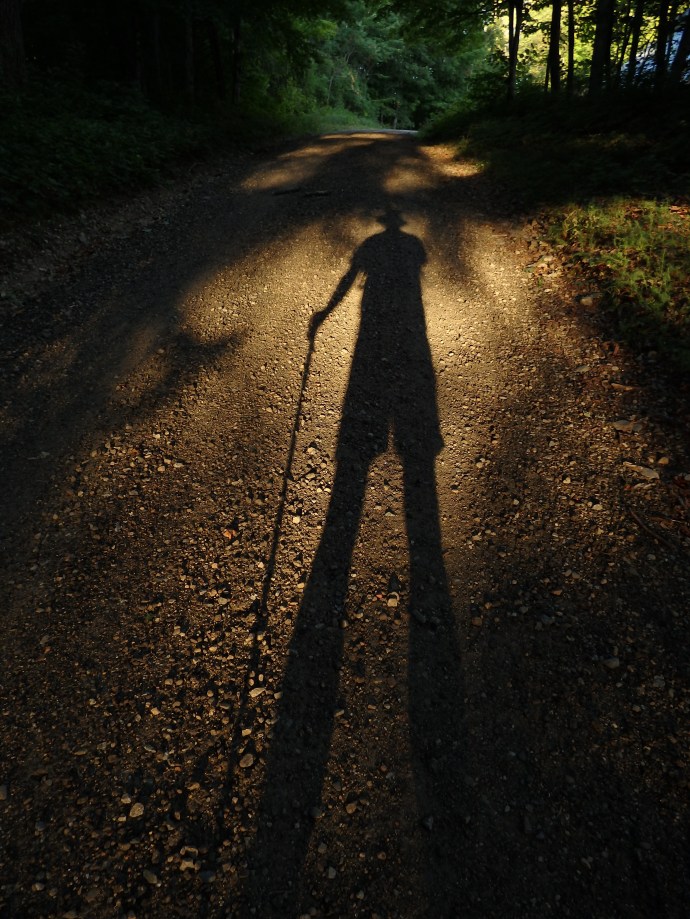
Do I perceive the shadows lengthen already?
in Thoreau’s Journal:
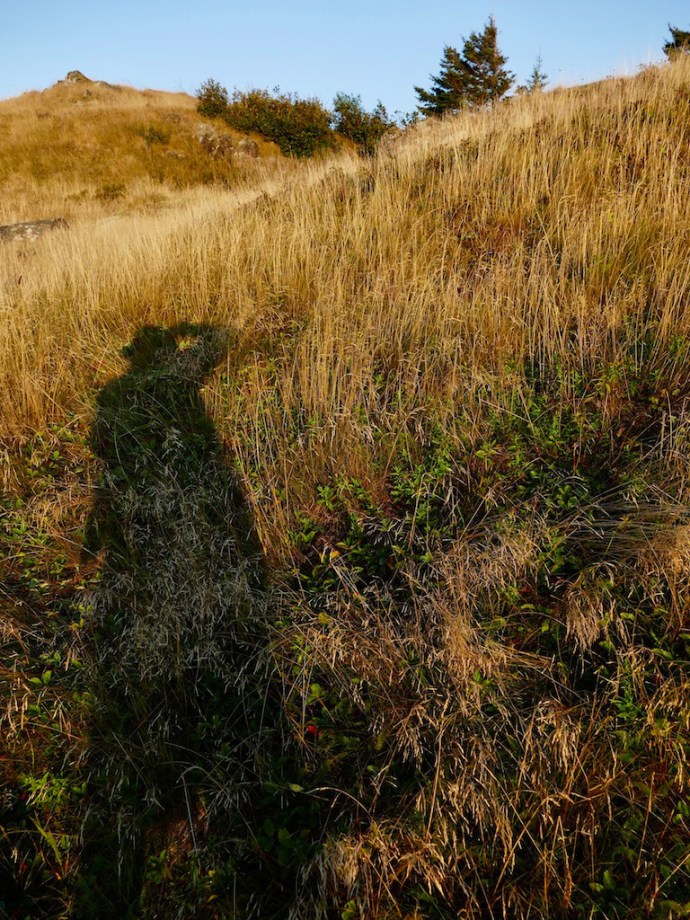
Some hours seem not to be occasion for anything, unless for great resolves to draw breath and repose in, so religiously do we postpone all action therein. We do not straight go about to execute our thrilling purpose, but shut our doors behind us, and saunter with prepared mind, as if the half were already done.
September 7, 1852 in Thoreau’s Journal:
[on Mt. Monadnock, NH]
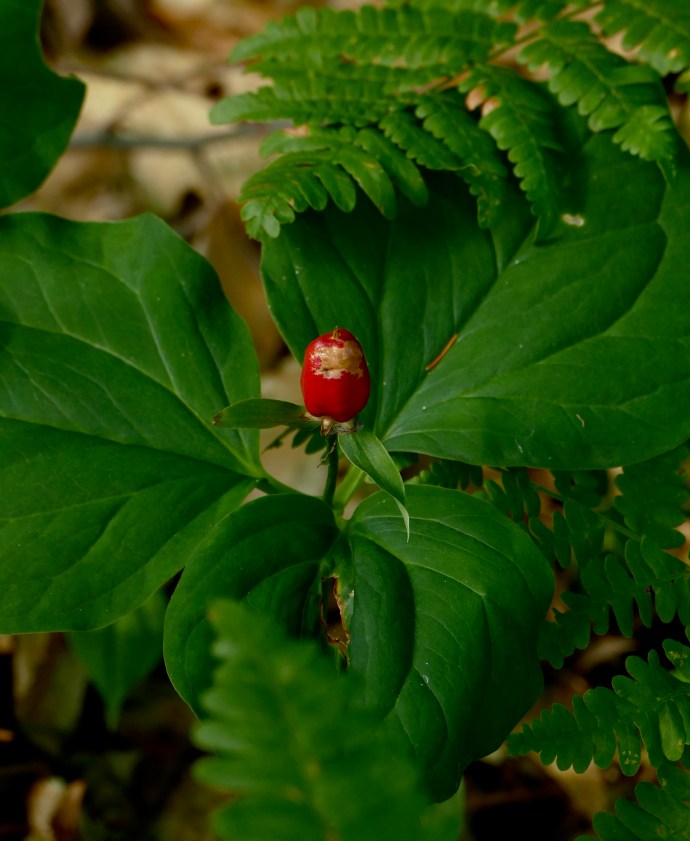
Though this vegetation was humble—yet it was very productive of fruit. In one little hollow between the rocks grew—blue berries—chokeberries—bunch berries— —red cherries—wild currents (ribes prostratum with the berry the odor of skunk cabbage—but a not quite disagreeable wild flavor) a few raspberries still—holly-berries—mt cranberries (Vaccinium vitis idaea) all close together. The little soil on the summit between the rocks was covered with the Potentilla tridentata now out of bloom—the prevailing plant at the extreme summit. Mt ash berries also. Descending toward Troy a little after 1 Pm plucked the Trillium Erythrocarpum with the large red berry (painted Trillium).
in Thoreau’s Journal:

The country begins to have a dry and flavid look, —corn fields & grass fields &c—& when winds blow a slight rustling is heard.
in Thoreau’s Journal:
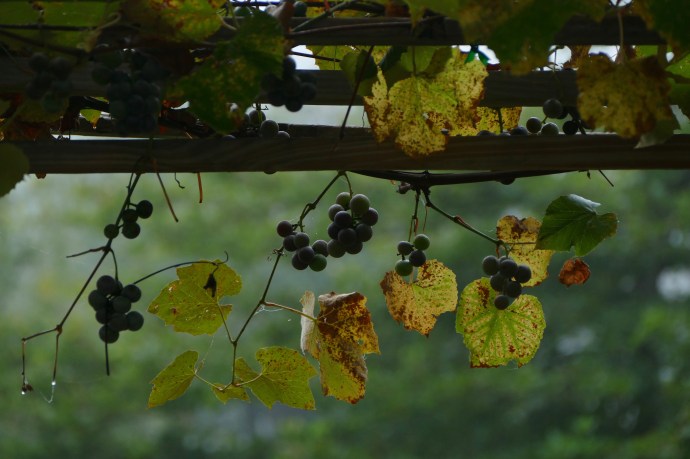
The fragrance of a grape-vine branch, with ripe grapes on it, which I have brought home, fills the whole house. This fragrance is exceedingly rich, surpassing the flavor of any grape.
in Thoreau’s Journal:
1 AM. Moon waning. To Conantum— A warm night. A thin coat sufficient. I hear an apple fall. Meet a man going to market thus early. There are no mists to diversity the night—its features are very simple. I hear no whippoorwill or other bird— See no fire flies— Saw a whippoorwill? flutter across the road. Hear the dumping sound of frogs on the river meadow, and occasionally a kind of croak as from a bittern there. It is very dewy & I bring home much mud on my shoes. This is a peculiarity of night—its dews—water resuming its reign. Return before dawn— Morning & evening are more attractive than midnight.
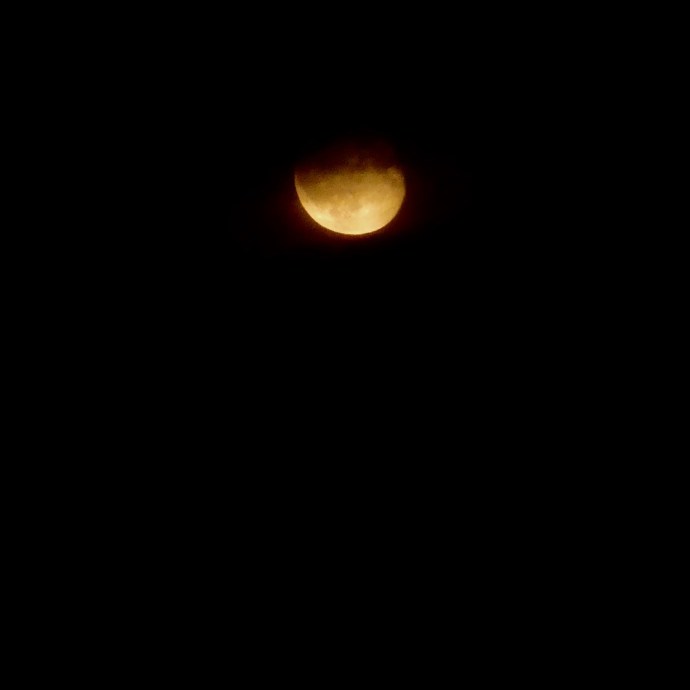
I will endeavor to separate the tide in my thoughts, or what is due to the influence of the moon, from the current distractions & fluctuations. The winds which the sun has aroused go down at evening, and the lunar influence may then perchance be detected.
Of late I have not heard the wood-thrush.
in Thoreau’s Journal:
The scenery of this small pond is humble though very beautiful & does not approach to grandeur, nor can it much concern one who has not long frequented it….
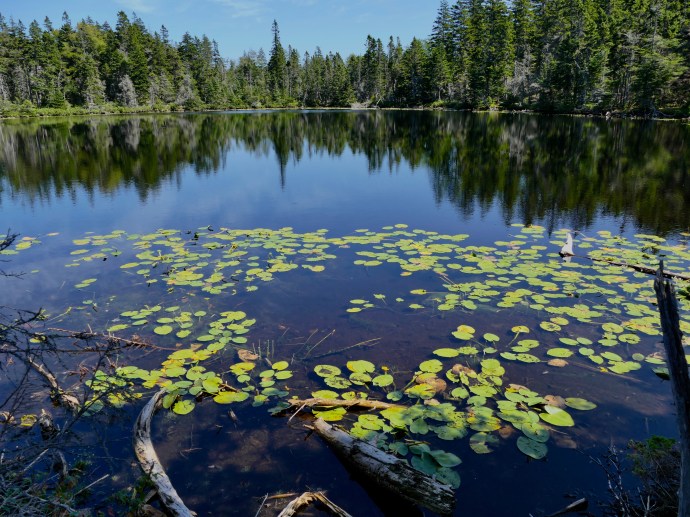
September 1, 2018, Grand Manan, NB, Canada
in Thoreau’s Journal:
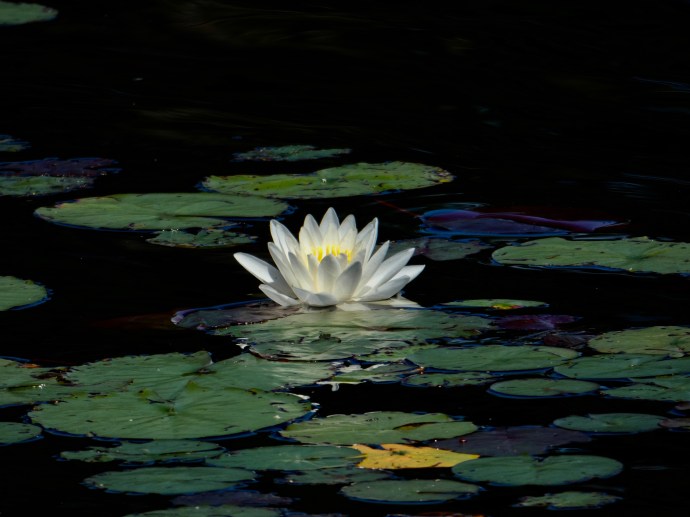
I see white lilies wide open at 2: 30 P. M. They are half open even at 5 P. M. in many places this moist cloudy day and thus late in their season.
Photo: August 31, 2018
 allandibiase.com
You must be logged in to post a comment.