July 7, 1851

in Thoreau’s Journal:

Now that there is an interregnum in the blossoming of the flowers, so is there in the singing of the birds….
With a certain wariness, but not without a slight shudder at the danger oftentimes, I perceive how near I had come to admitting into my mind the details of some trivial affair, as a case at court, and I am astonished to observe how willing men are to lumber their minds with such rubbish, to permit idle rumors, tales, incidents, even of an insignificant kind, to intrude upon what should be the sacred ground of the thoughts…
July 6, 1851

in Thoreau’s Journal:

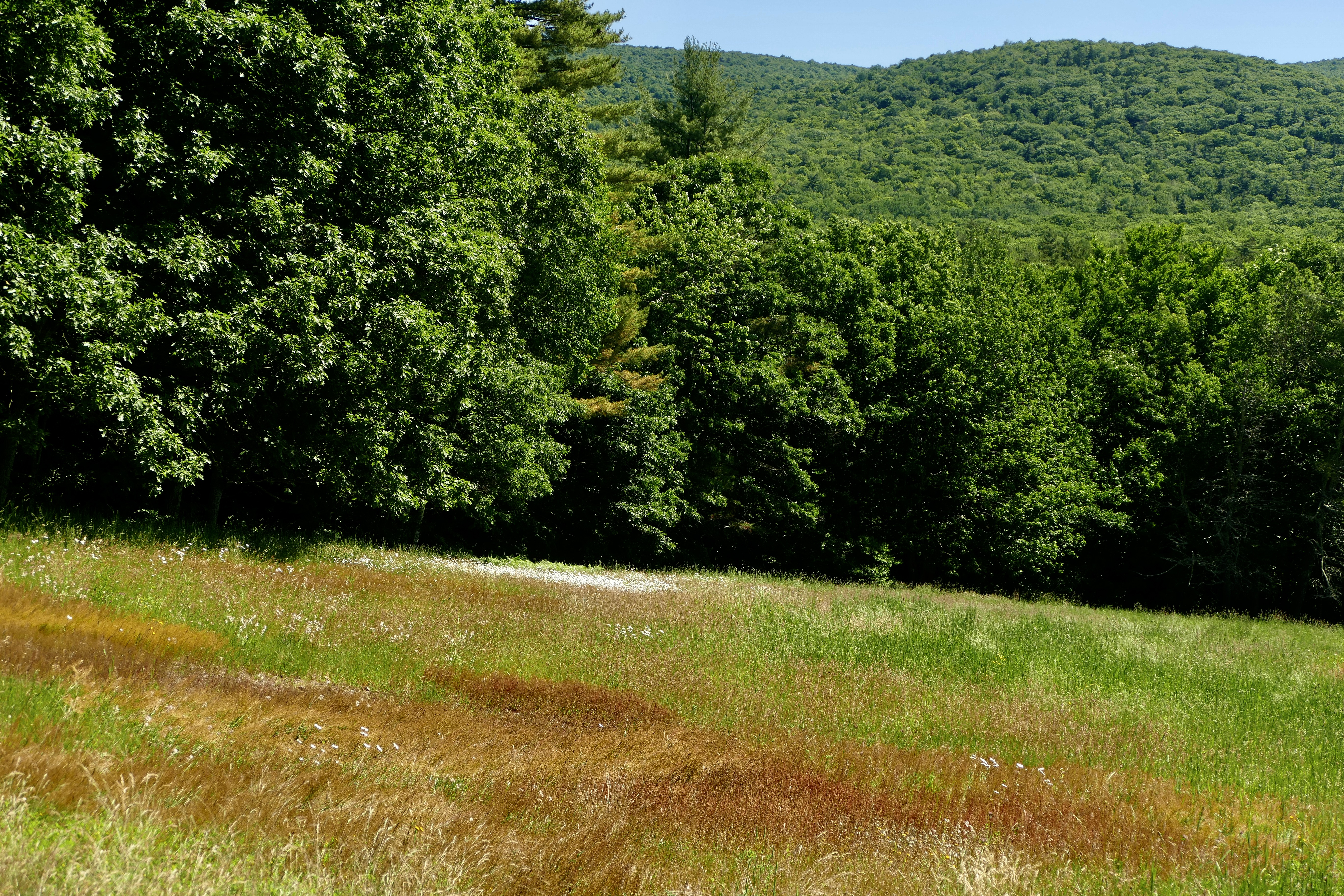
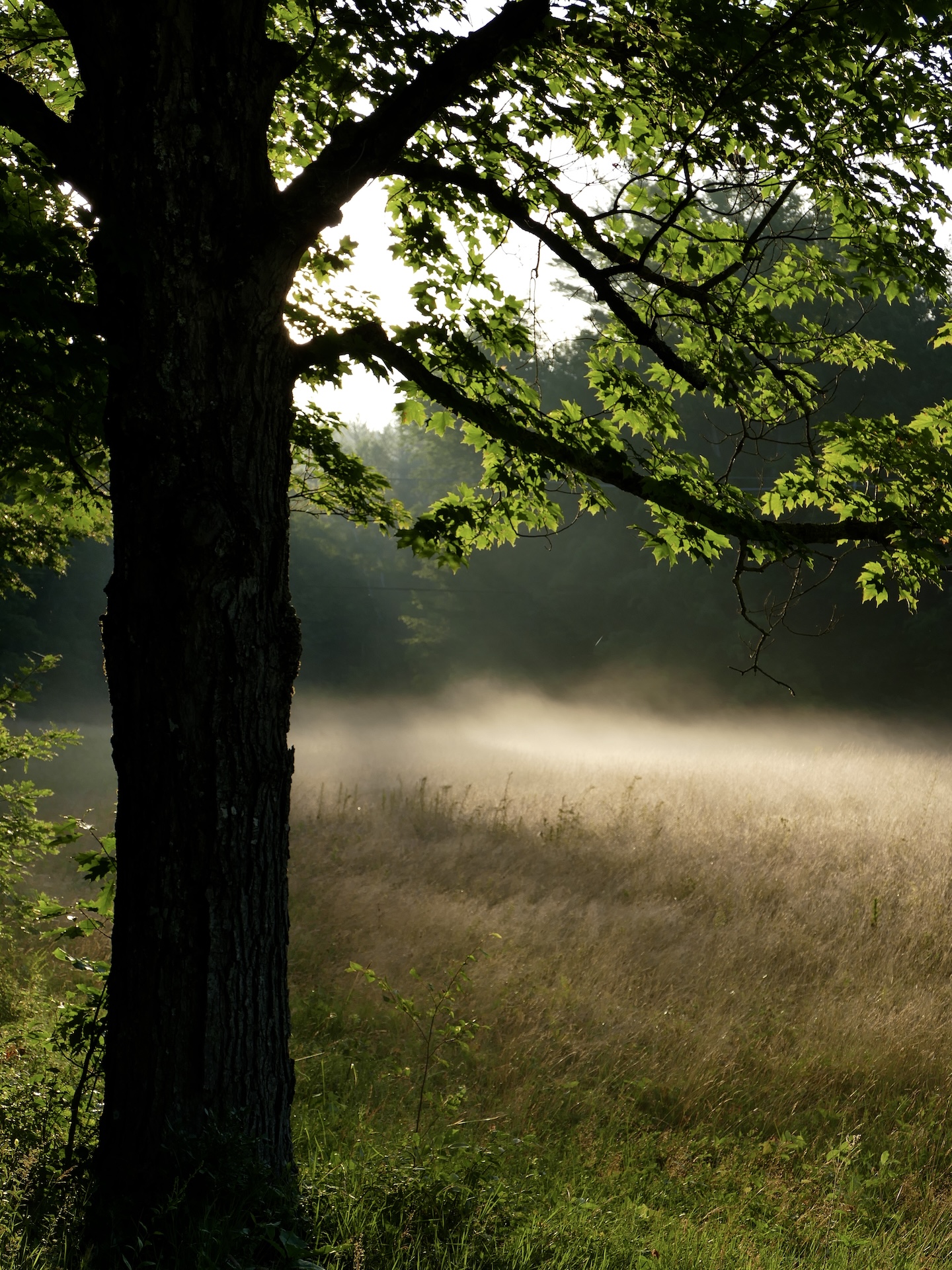
The grass & in the fields and meadows is not so fresh & fair as it was a fortnight ago––it is drier & riper & ready for the mowers ––

Now June is past. June is the month for grass & flowers  ––  Now grass is turning to hay & flowers to fruits. Already I gather ripe blueberries on the hills. 

July 5, 1852

in Thoreau’s Journal:

The progress of the season is indescribable…Perhaps the sound of the locust expresses the season as well as anything.  The farmers say the abundance of the grass depends on wet in June.  I might make a separate season of those days when the locust is heard. 

That is our torrid zone.

July 3, 1840

in Thoreau’s Journal:

The last sunrise I witnessed seems to outshine the splendor of all preceding ones, and I was convinced that it behoved man to dawn as freshly, and with equal promise and steadiness advance into the career of life, with as lofty and serene a countenance to move onward through his midday to a yet fairer and more promising setting….

We will have a dawn––and noon––and serene sunset in ourselves.

July 2, 1854

in Thoreau’s Journal:

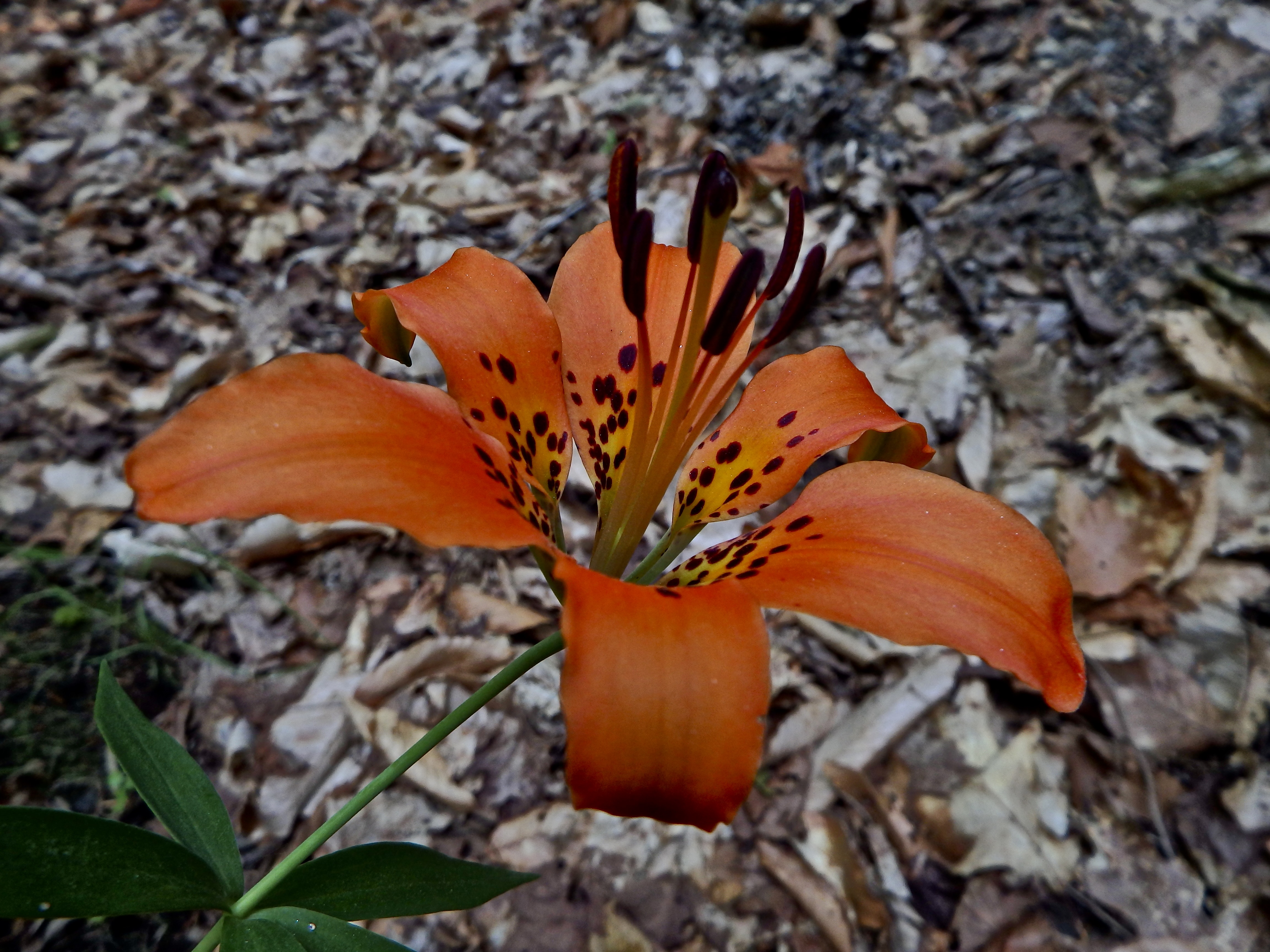
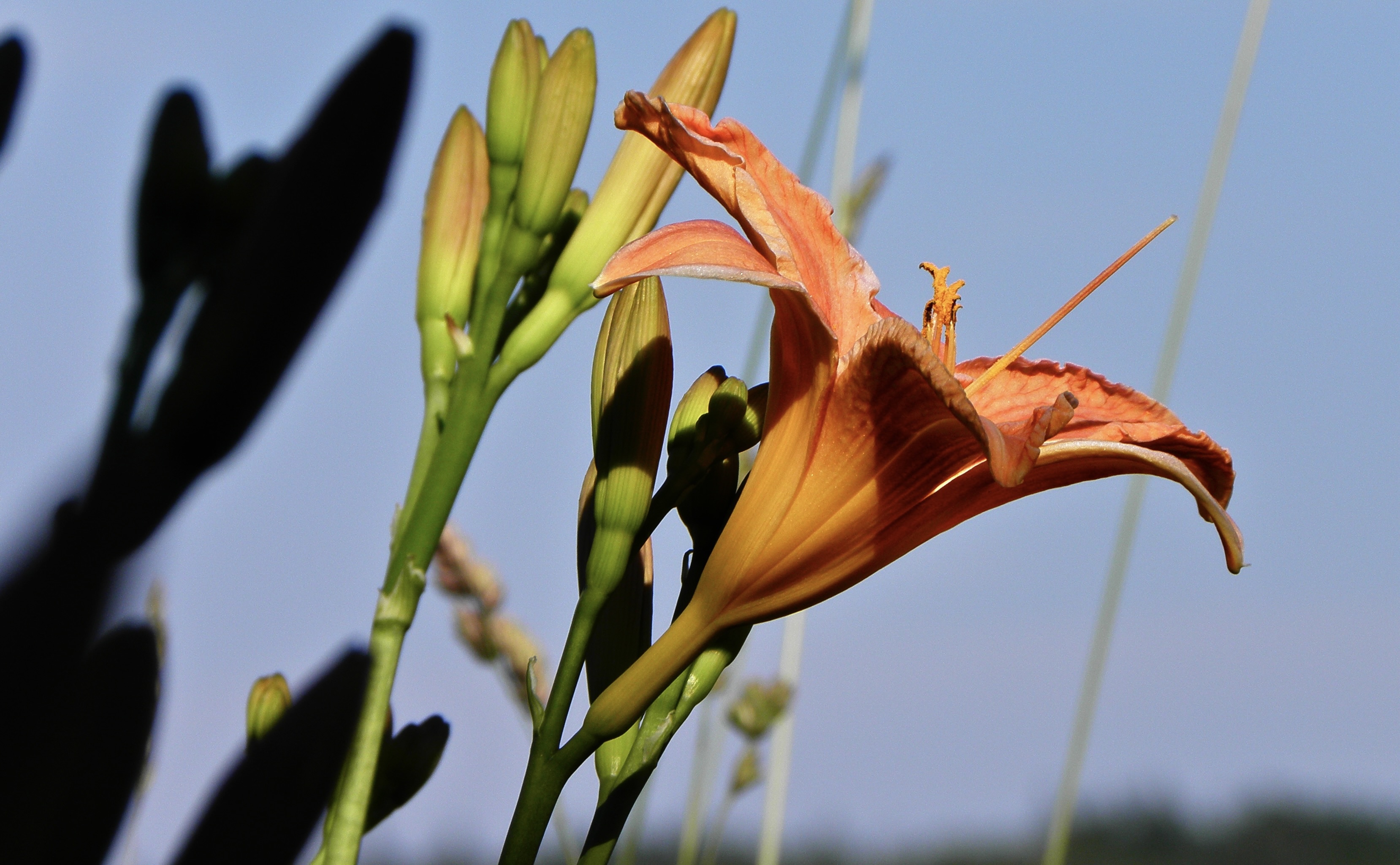
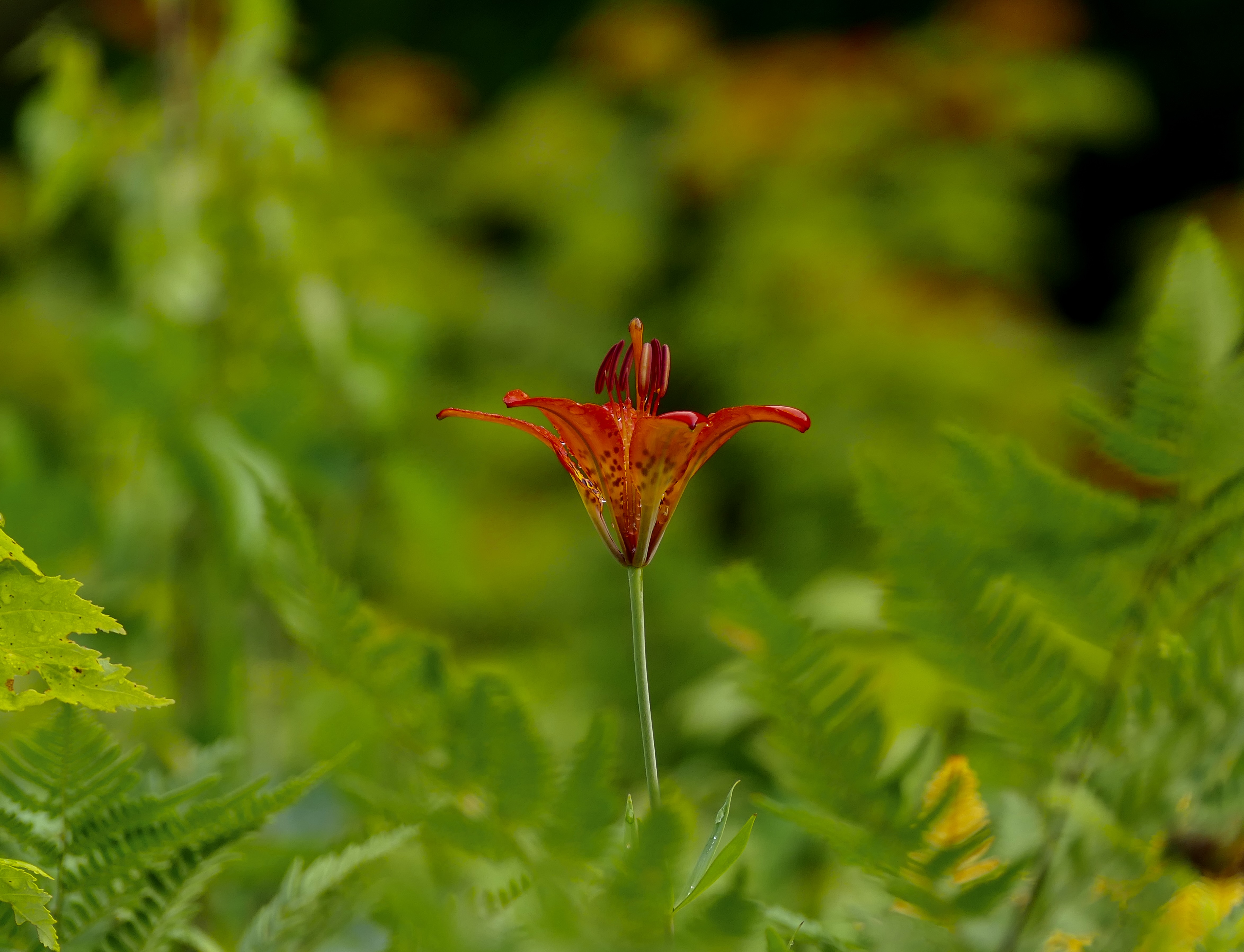
An abundance of red lilies in an upland dry meadow….low from one to two feet high–up-right flowered––more or less dark shade of red-freckled & sometimes wrinkle edged––must have been some days. 

This has come with the intense summer heats– a torrid July heat like a red sunset threatening torrid heat. (Do we not always have a dry time just before the huckleberries turn?-) I think this meadow was burnt over about a year ago. Did that make the red lily grow? The spring now seems far behind–I do not remember the interval.

July 1, 1852

in Thoreau’s Journal:

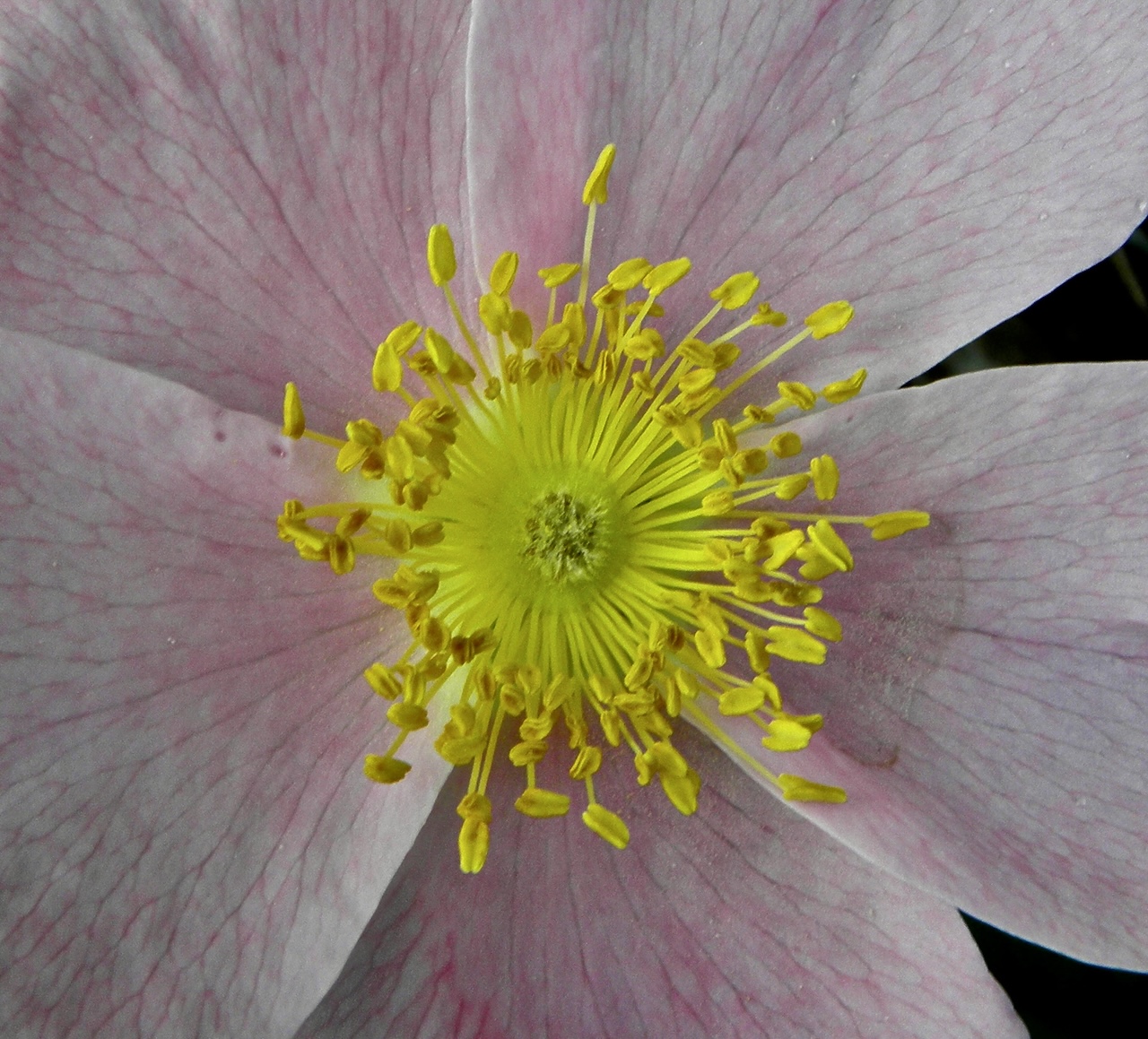
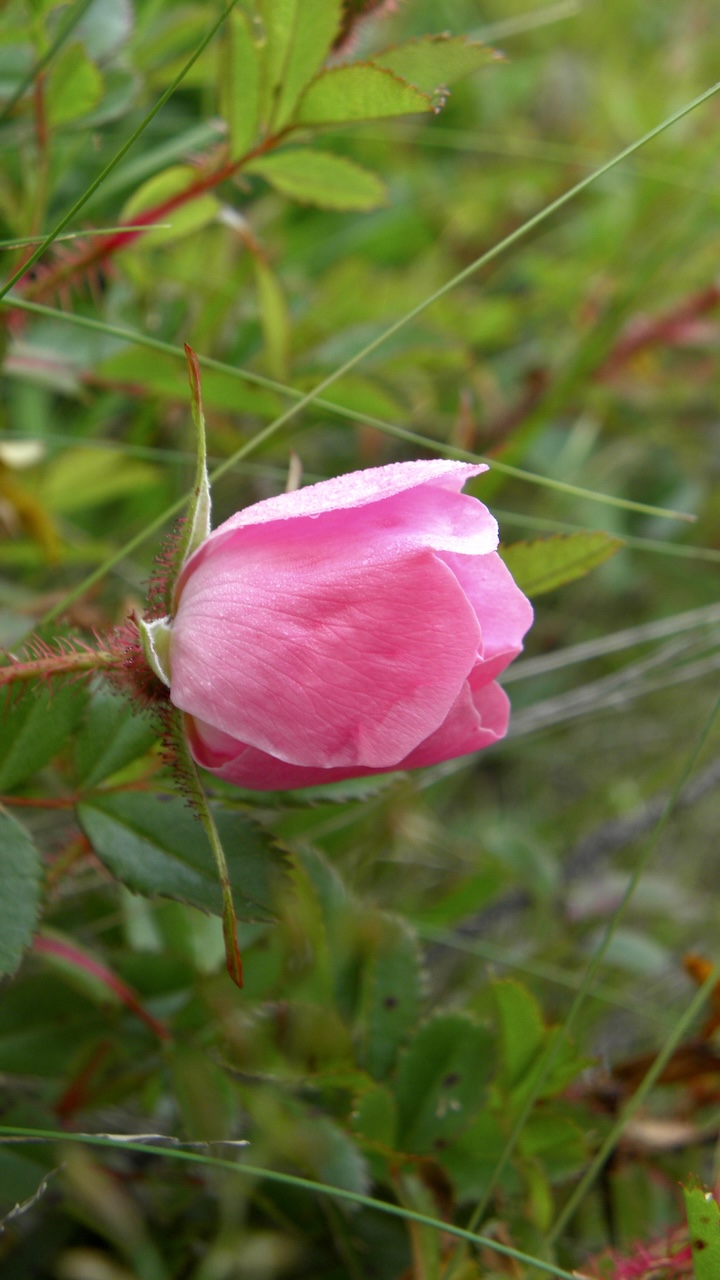
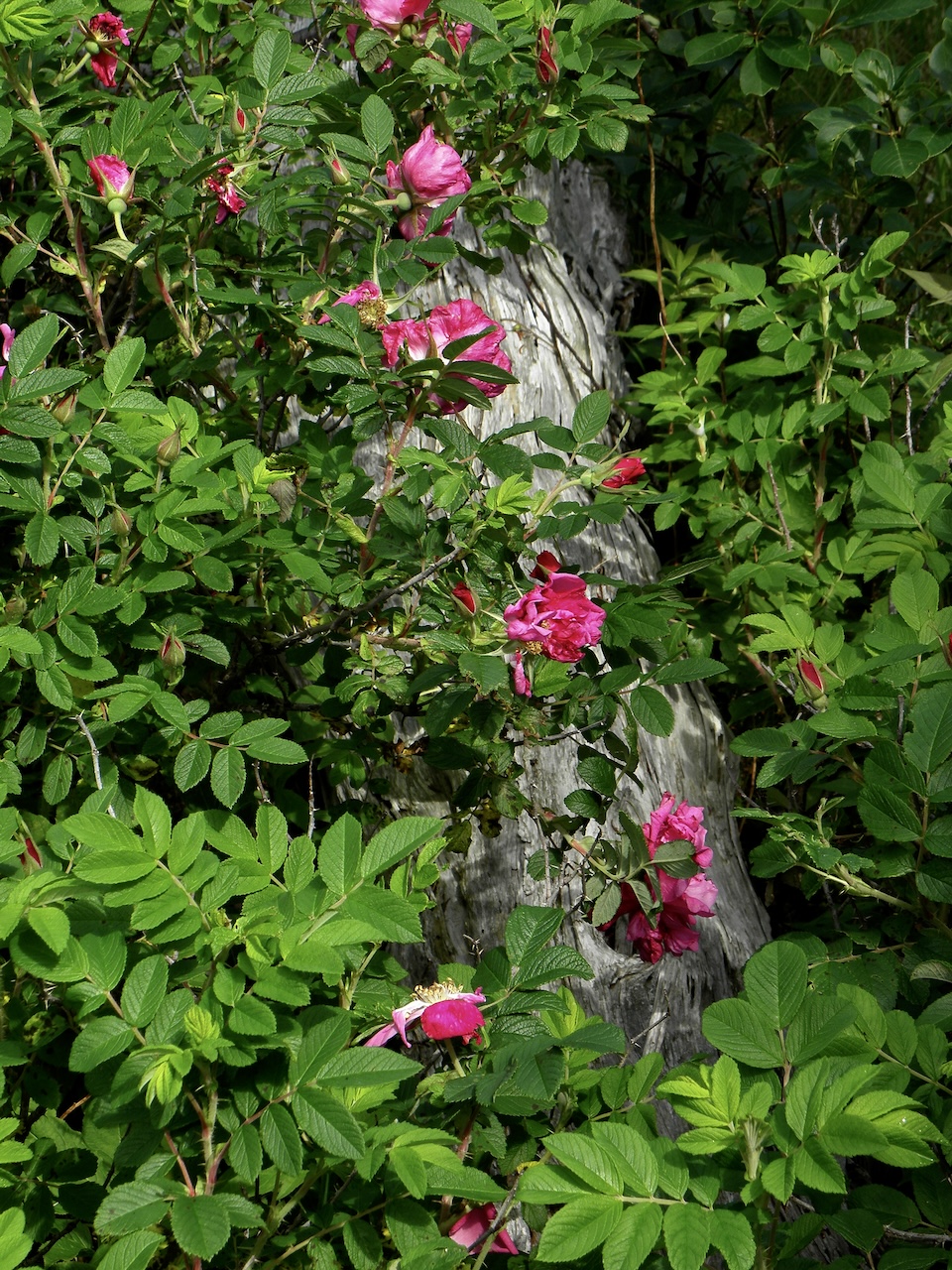
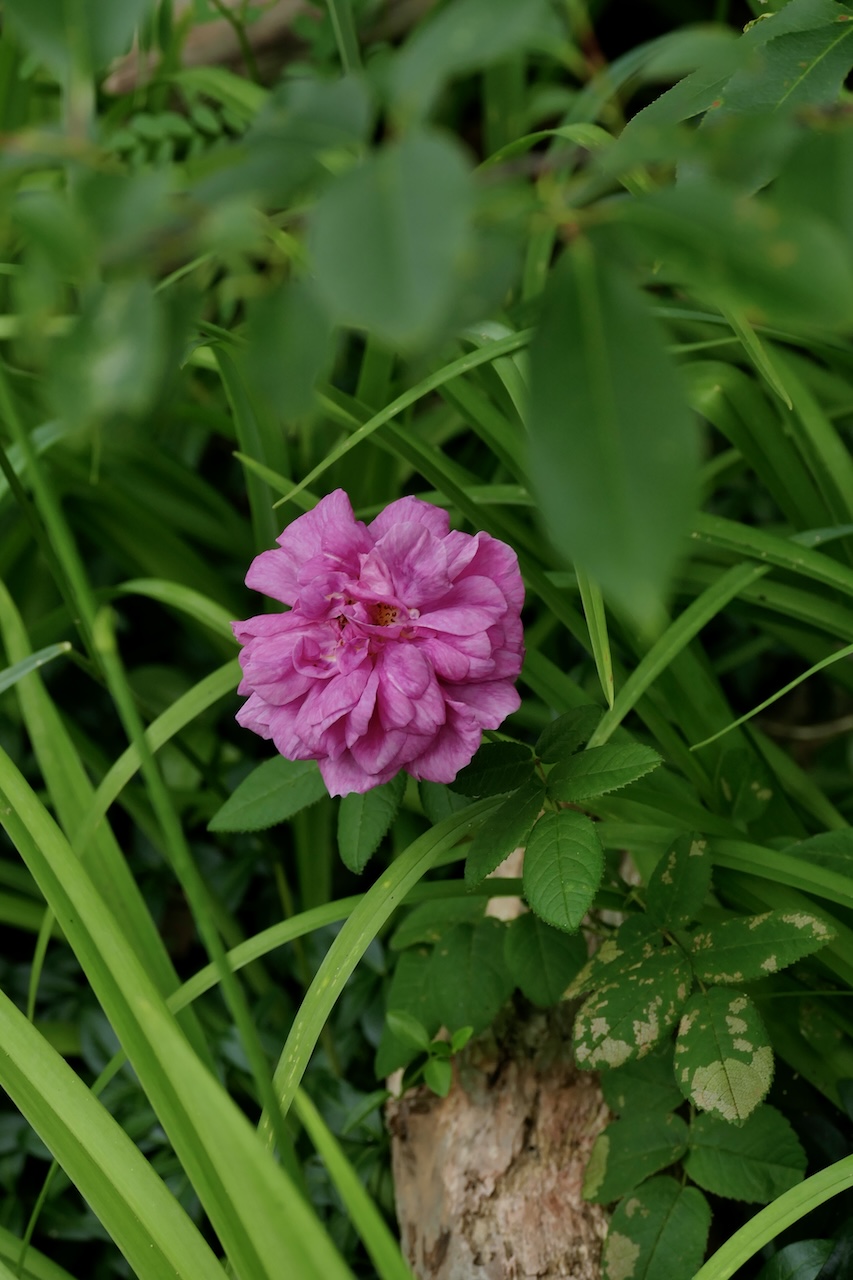
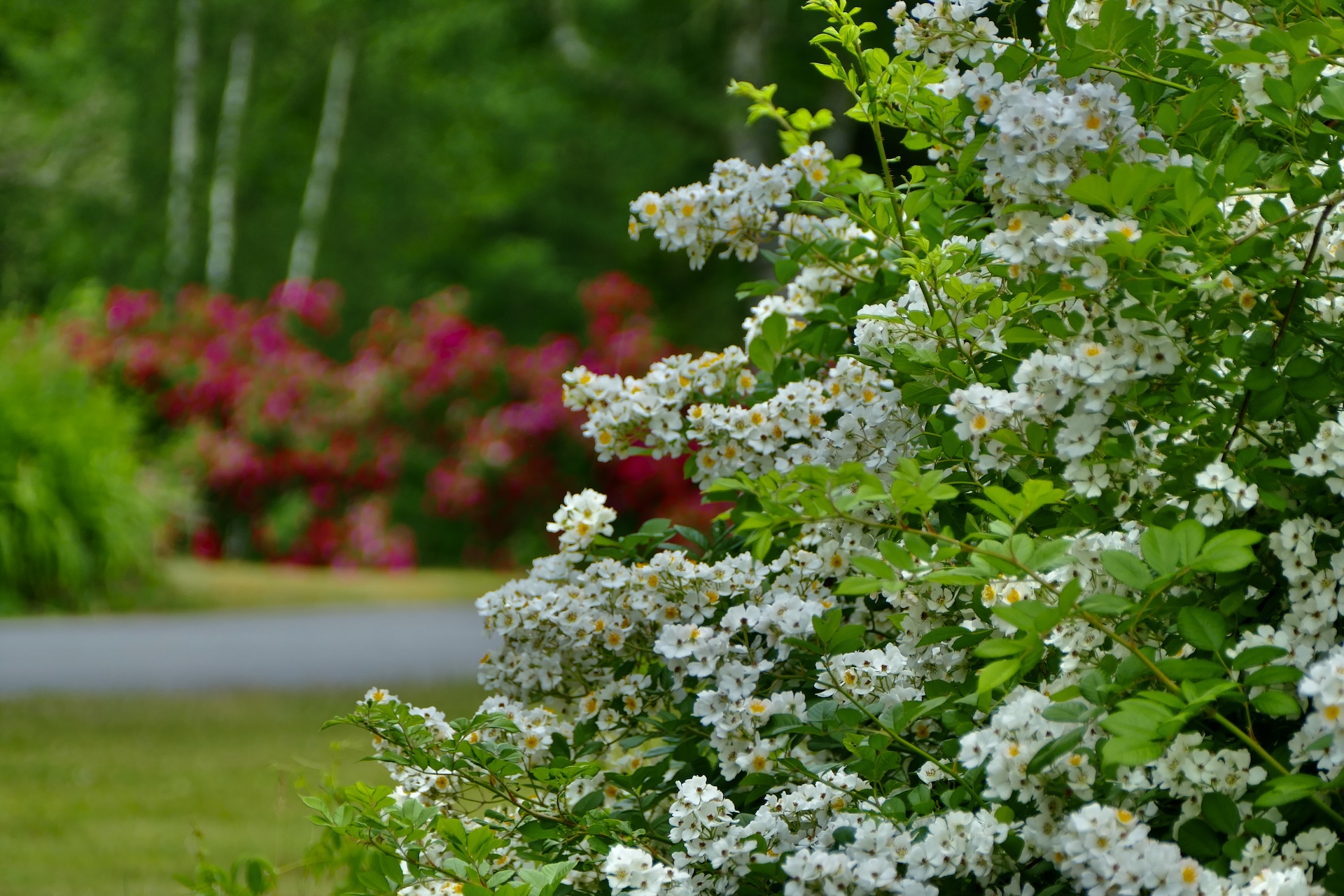
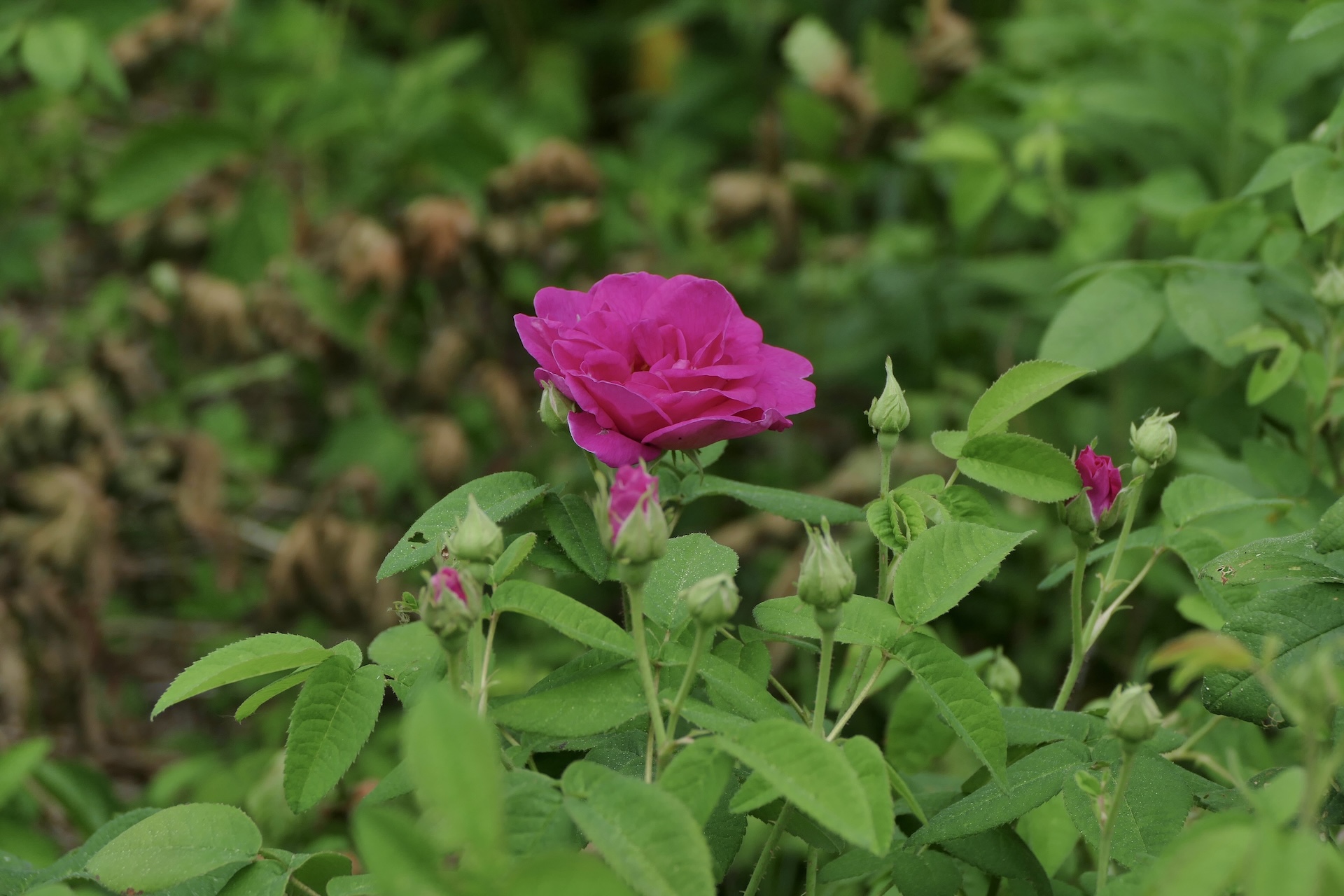
Roses are in their prime now, growing amid huckleberry bushes, ferns, and sweet ferns, especially about some dry pond hole, some paler, some more red….

June 30, 1851

in Thoreau’s Journal:

The blue flag (Iris versicolor) enlivens the meadow. The lark sings at sundown off in the meadow. It is a note which belongs to a New England summer evening. Though so late, I hear the summer hum of a bee in the grass, as I am on my way to the river behind Hubbard’s to bathe. After hoeing in a dusty garden all this warm afternoon, —so warm that the baker says he never knew the like and expects to find his horses dead in the stable when he gets home, —it is very grateful to wend one’s way at evening to some pure and cool stream and bathe therein.

June 29, 1851

in Thoreau’s Journal:

How different is day from day! Yesterday the air was filled with a thick fog-like haze, so that the sun did not once shine with ardor, but everything was so tempered under this thin veil that it was a luxury merely to be outdoors, —you were less out for it. The shadows of the apple trees even early in the afternoon were remarkably distinct. The landscape wore a classical smoothness. Every object was as in [a] picture with a glass over it. I saw some hills on this side the river, looking from Conantum, on which, the grass being of a yellow tinge, though the sun did not shine out on them, they had the appearance of being shone upon peculiarly. It was merely an unusual yellow tint of the grass.

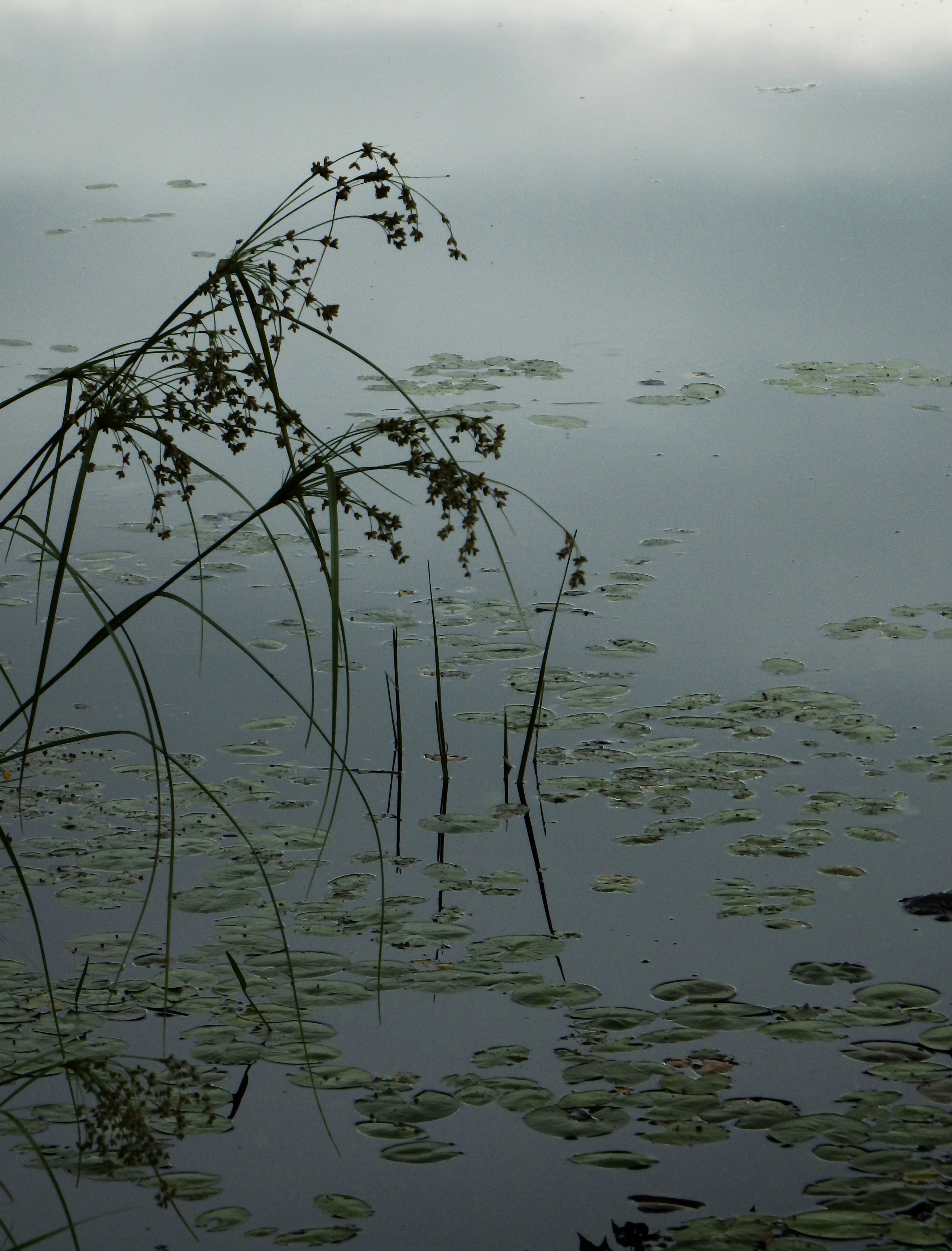
The mere surface of water was an object for the eye to linger on.

June 26, 1852

in Thoreau’s Journal:

Just so much beauty and virtue as there is in the world, and just so much ugliness and vice, you see expressed in flowers. 

Each human being has his flower which expresses his character.  In them nothing is concealed, but everything published. 

June 24, 1852

in Thoreau’s Journal:

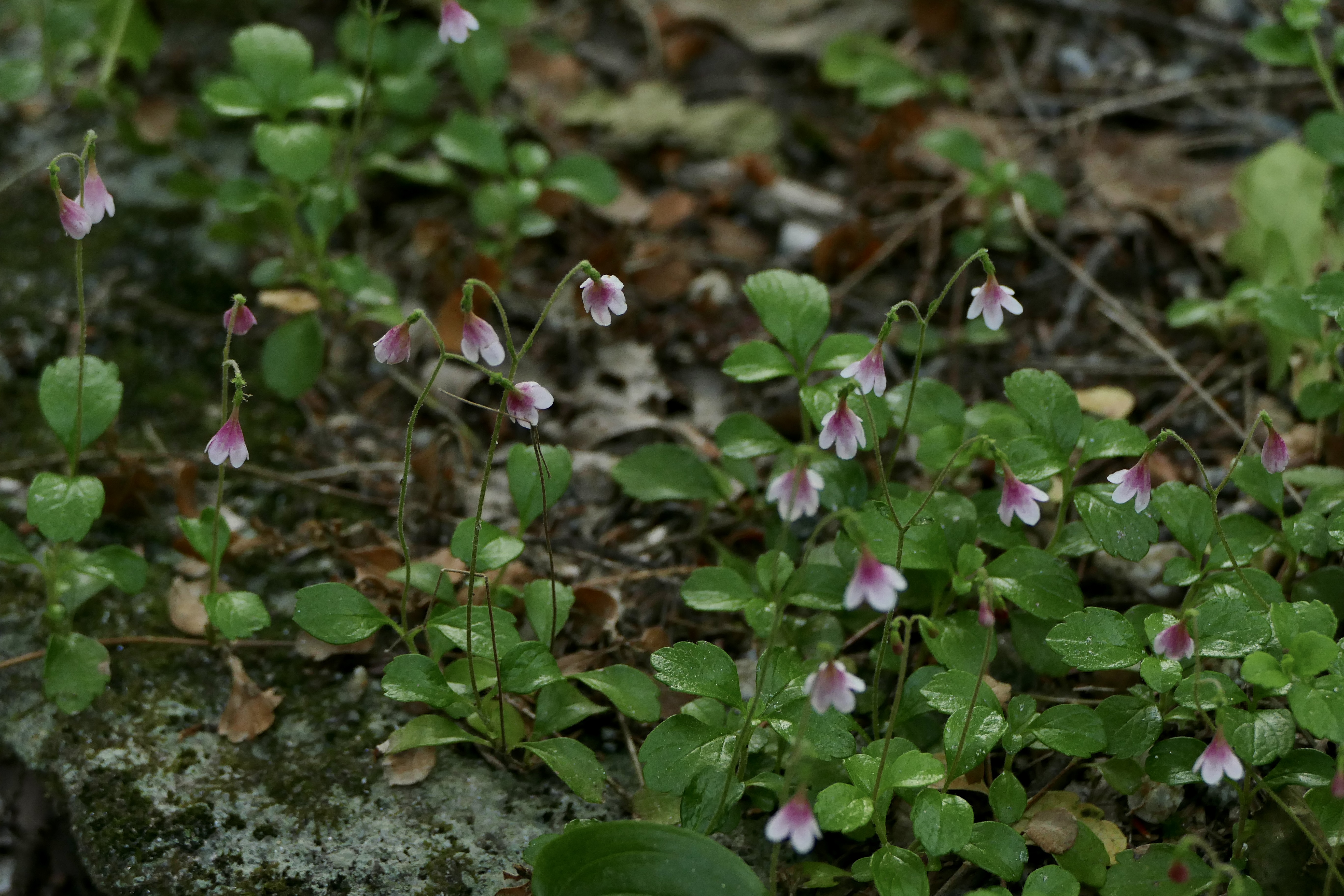
The Linnaea borealis [twin-flower] just going out of bloom.  I should have found it long ago. Its leaves densely cover the ground.

June 23, 1852

in Thoreau’s Journal:

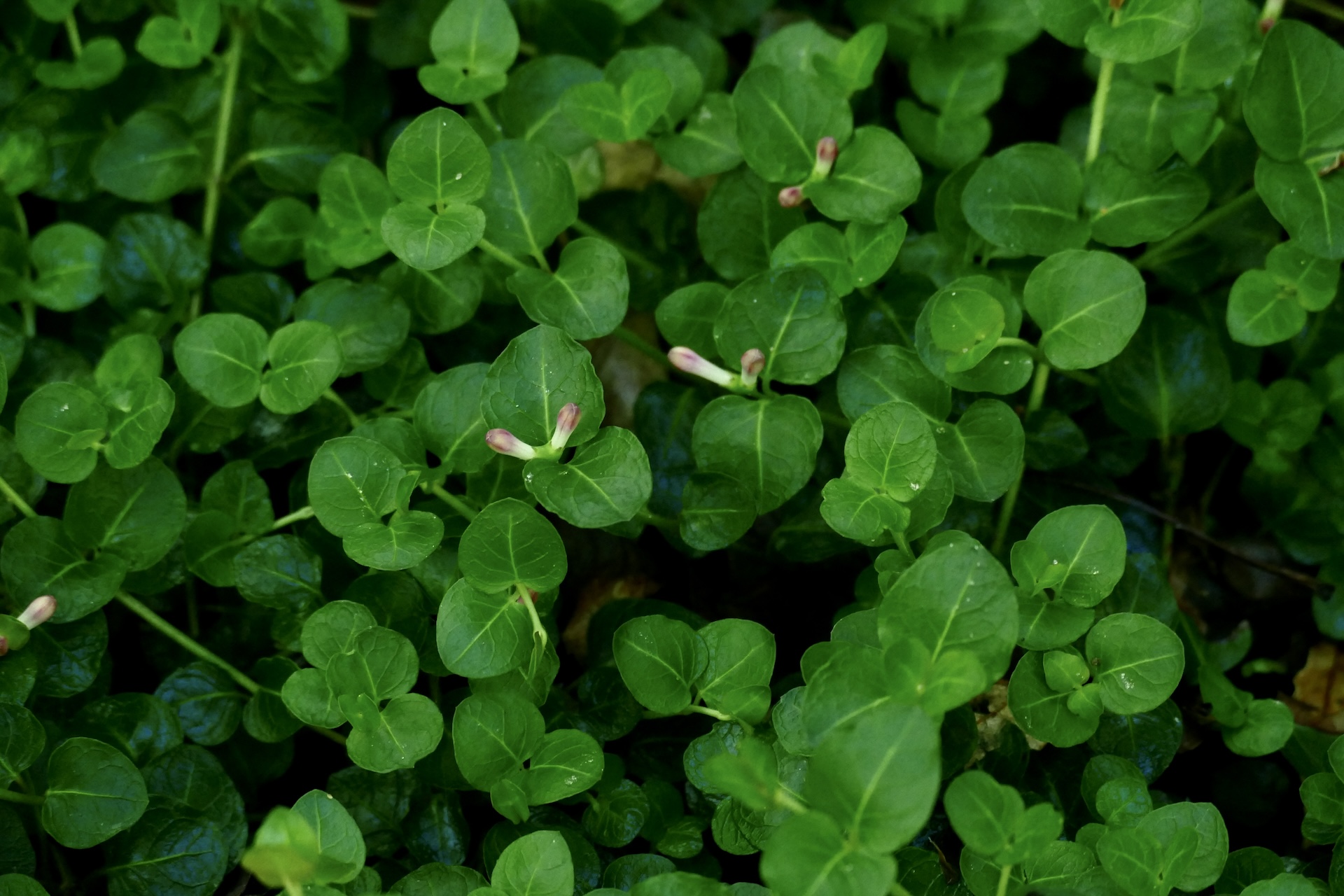
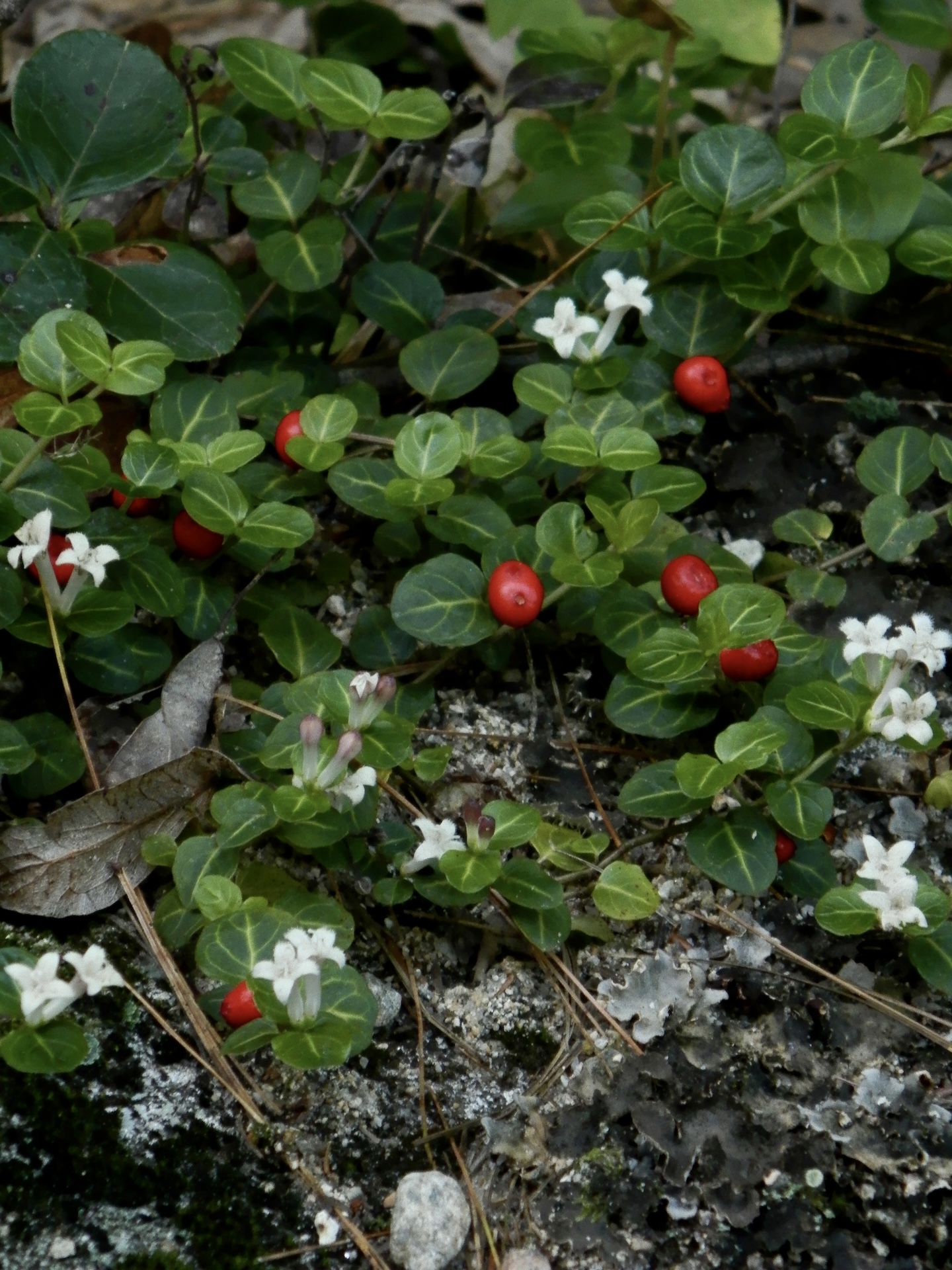
The pretty little Mitchella repens with its twin flowers spots the ground under the pines with its downy petalled cross shaped flowers & its purplish buds.

OLYMPUS DIGITAL CAMERA

June 21, 1857

in Thoreau’s Journal:

That solitude was sweet to me as a flower.

I sat down on the boundless level and enjoyed the solitude, drank it in, the medicine for which I had pined… 

June 19, 1852

in Thoreau’s Journal:

What subtle differences between one season and another! The warmest weather has, perchance, arrived and the longest days, but not the driest.

When I remember gathering ripe blackberries on sandy fields or stones by the roadside, the very berries warmed by the sun, I am convinced of this. The seasons admit of infinite degrees in their revolutions.  Found one of the purple orchises in an open meadow.

June 18, 1860

in Thoreau’s Journal:

I see in the southerly bays of Walden the pine pollen now washed up thickly; only at the bottom of the bays, especially the deep long bay, where it is a couple of rods long by six to twenty-four inches wide and one inch deep; pure sulphur-yellow, and now has no smell. It has come quite across the pond from where the pines stand, full half a mile, probably washed across most of the way.