in Thoreau’s Journal:
What a new beauty the blue of the river acquires, seen at a distance in the midst of the various-tinted woods, great masses of red and yellow, etc. !
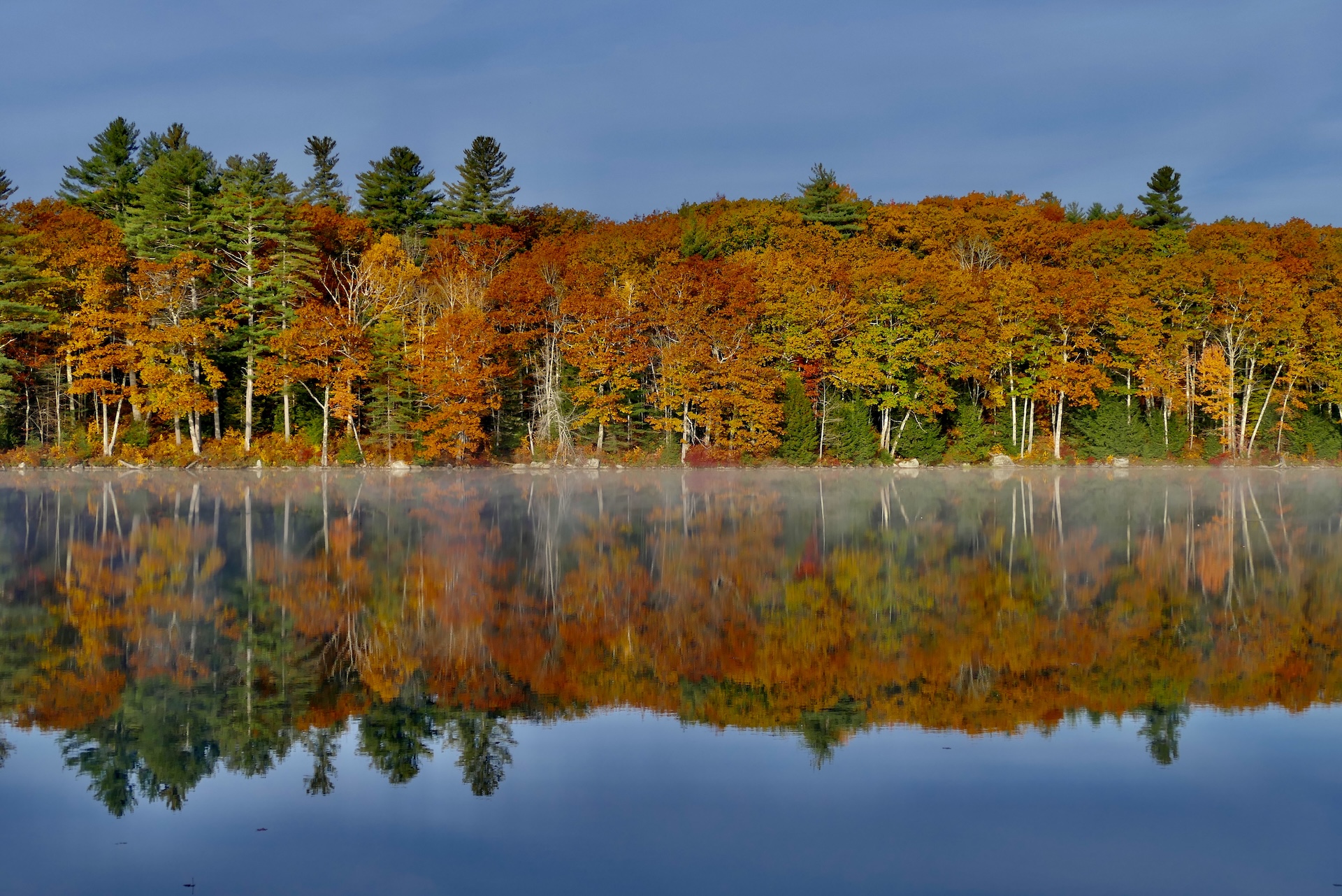
It appears as color, which ordinarily it does not, —elysian.
in Thoreau’s Journal:
What a new beauty the blue of the river acquires, seen at a distance in the midst of the various-tinted woods, great masses of red and yellow, etc. !
It appears as color, which ordinarily it does not, —elysian.
in Thoreau’s Journal:
This clear, cold, Novemberish light is inspiriting. Some twigs which are bare, and weeds, begin to glitter with the hoary light. The very edge or outline of a tawny or russet hill has this hoary light on it. Your thoughts sparkle like the water surface and the downy twigs. From the shore you look back on the silver-plated river.

The weeds are dressed in their frost jackets, naked down to their close-fitting downy or flannel shirts. Like athletes they challenge the winter, these bare twigs. This cold refines and condenses us. Our spirits are strong, like that pint of cider in the middle of a frozen barrel.
in Thoreau’s Journal:
To White Pond. Another, the tenth or eleventh of these memorable days. I am glad to reach the shade of Hubbard’s Grove. The coolness is refreshing. It is indeed a golden autumn….
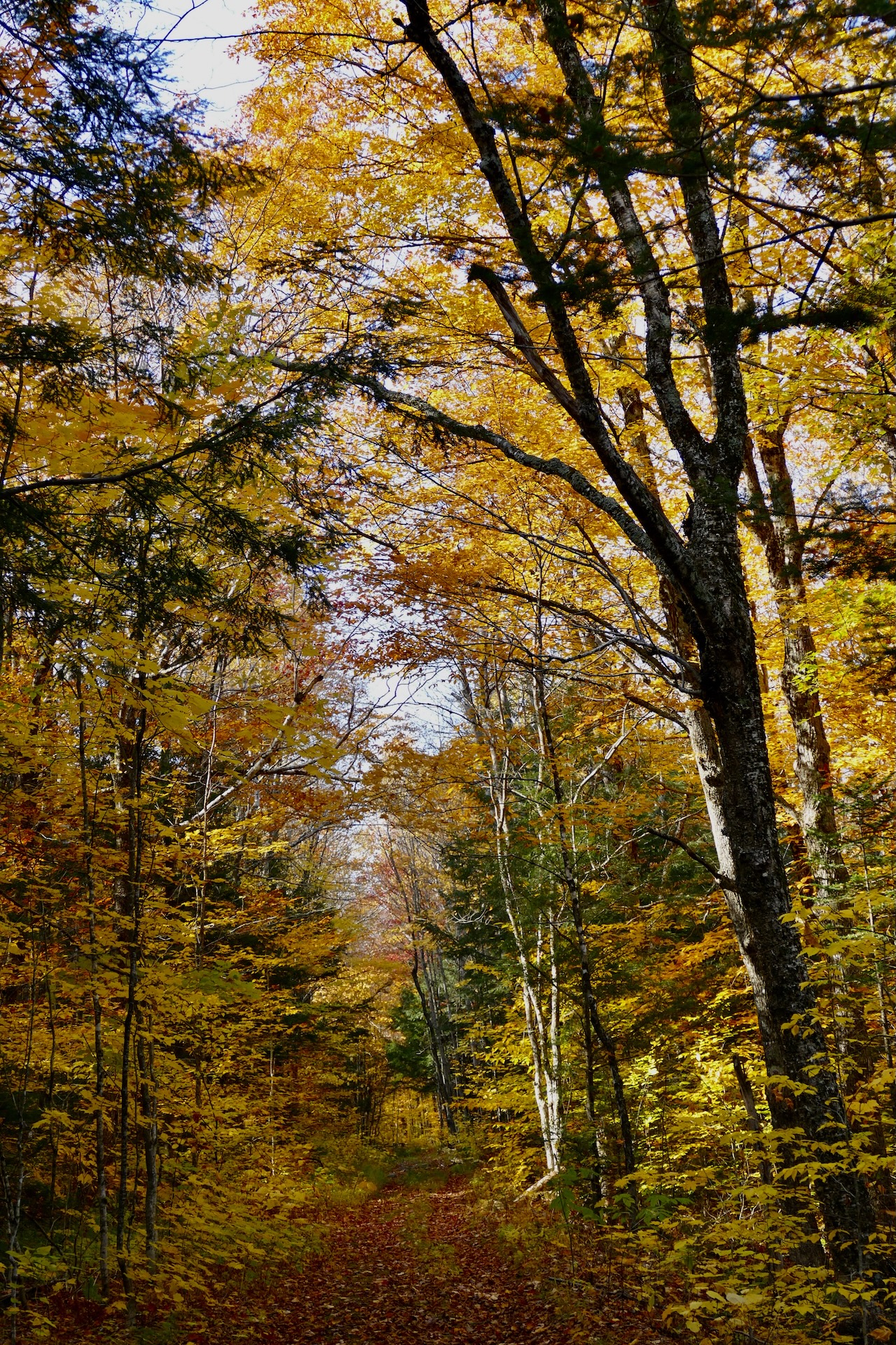
Let your capital be simplicity and contentment…..I take all these walks to every point of the compass, and it is always harvest-time with me. I am always gathering my crop from these woods and fields and waters, and no man is in my way or interferes with me. My crop is not their crop. To-day I see them gathering in their beans and corn, and they are a spectacle to me, but are soon out of my sight. I am not gathering beans and corn. Do they think there are no fruits but such as these? I am a reaper; I am not a gleaner. I go reaping, cutting as broad a swath as I can, and bundling and stacking up and carrying it off from field to field, and no man knows nor cares. My crop is not sorghum nor Davis seedlings. There are other crops than these, whose seed is not distributed by the Patent Office. I go abroad over the land each day to get the best I can find, and that is never carted off even to the last day of November, and I do not go as a gleaner.
in Thoreau’s Journal:

The Pond is now most beautifully framed with the autumn tinted woods & hills….
How peaceful great nature—there is no disturbing sound…
in Thoreau’s Journal:
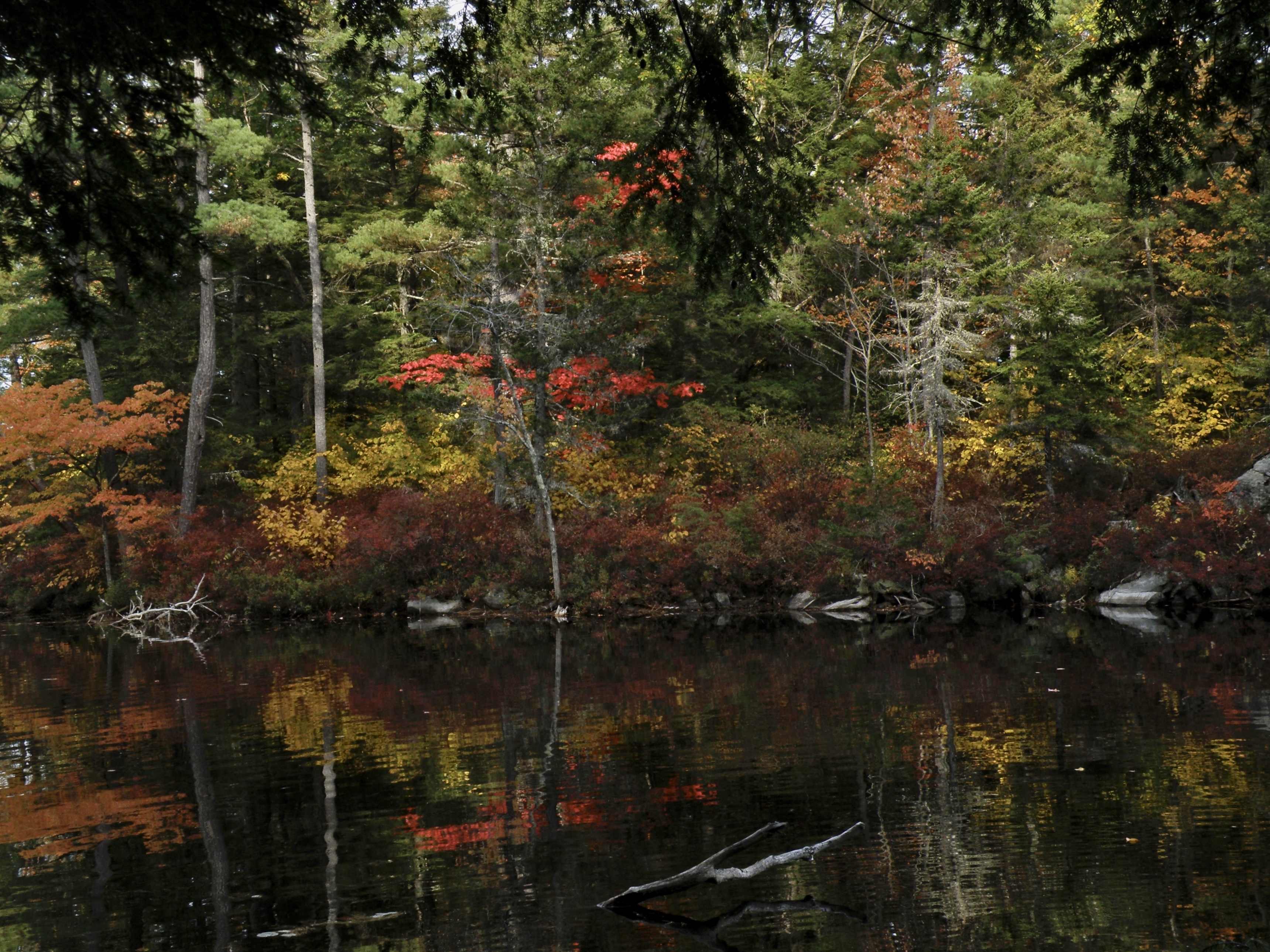
I seem to be more constantly merged in nature; my intellectual life is more obedient to nature than formerly, but perchance less obedient to spirit. I have less memorable seasons.
in Thoreau’s Journal:
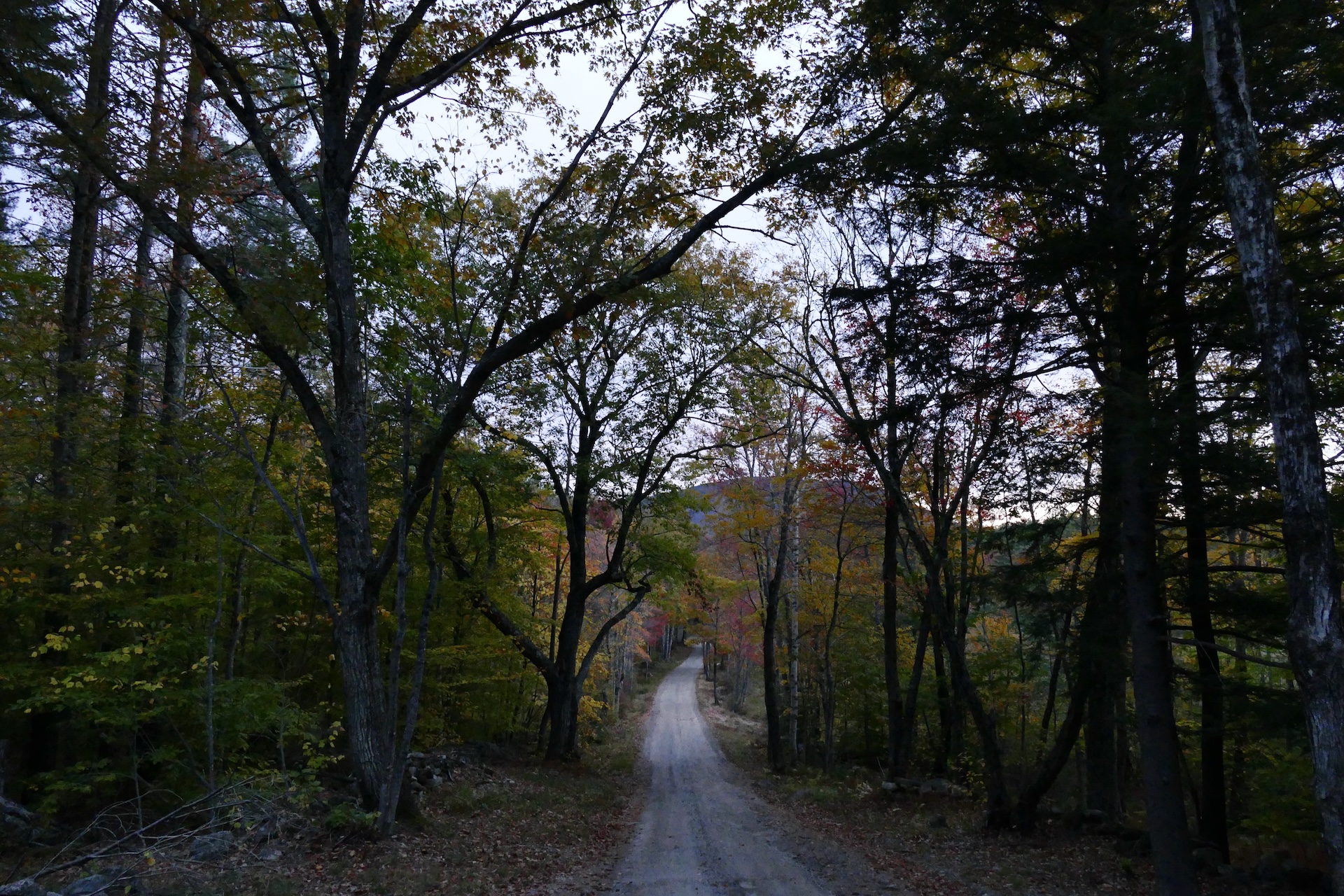
Most leaves are already somewhat faded and withered. Their tints are not so bright. The chestnut leaves already rustle with a great noise as you walk through the woods, as they lie light, firm, and crisp. Now the chestnuts are rattling out. The burs are gaping and showing the plump nuts. They fill the ruts in the road, and are abundant amid the fallen leaves in the midst of the wood. The jays scream, and the red squirrels scold, while you are clubbing and shaking the trees. Now it is true autumn—all things are crisp & ripe.
in Thoreau’s Journal:
How agreeable to the eye at this season the color of new fallen leaves….sere & crisp. When freshly fallen with their forms & their veins still distinct they have a certain life in them still….You make a great noise now walking in the woods on account of the dry leaves—especially chestnut & oak—& maples that cover the ground….
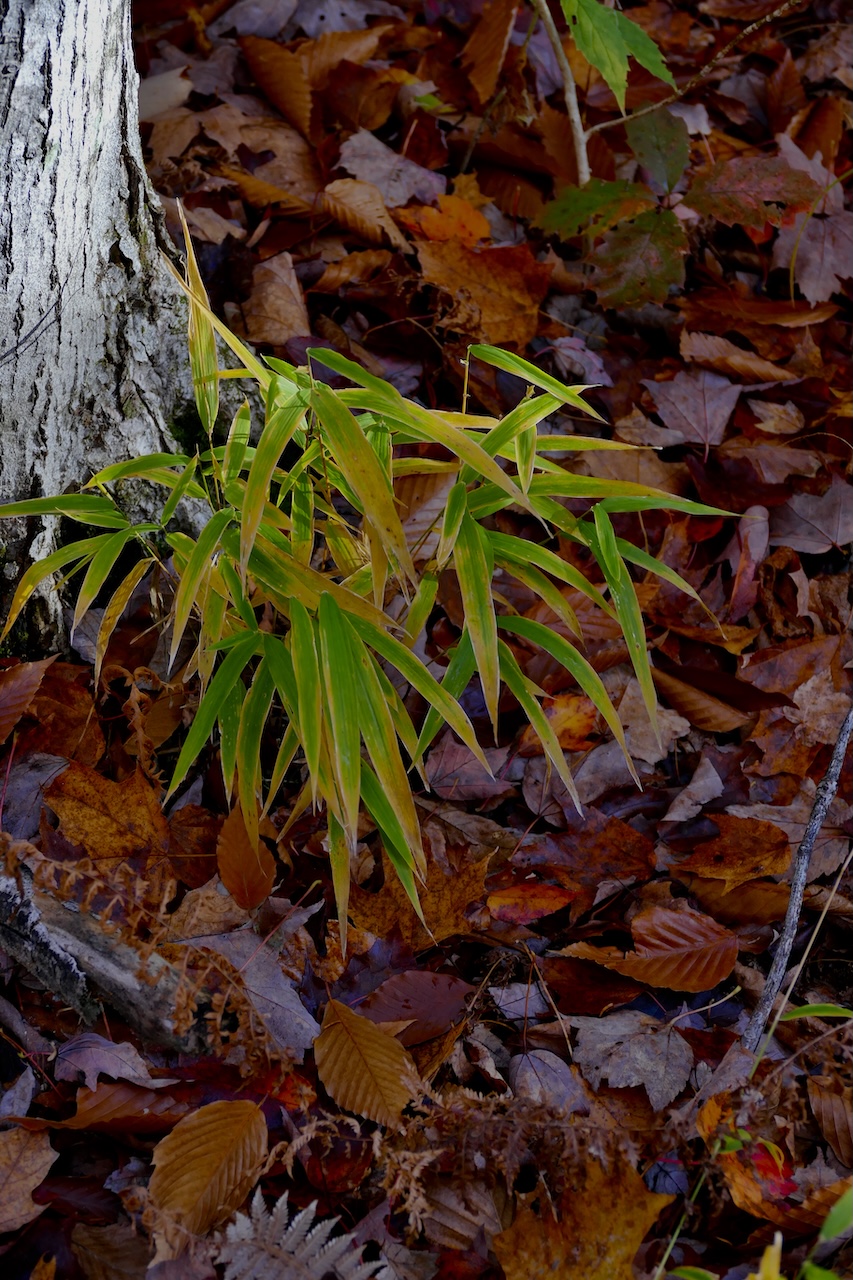
in Thoreau’s Journal:
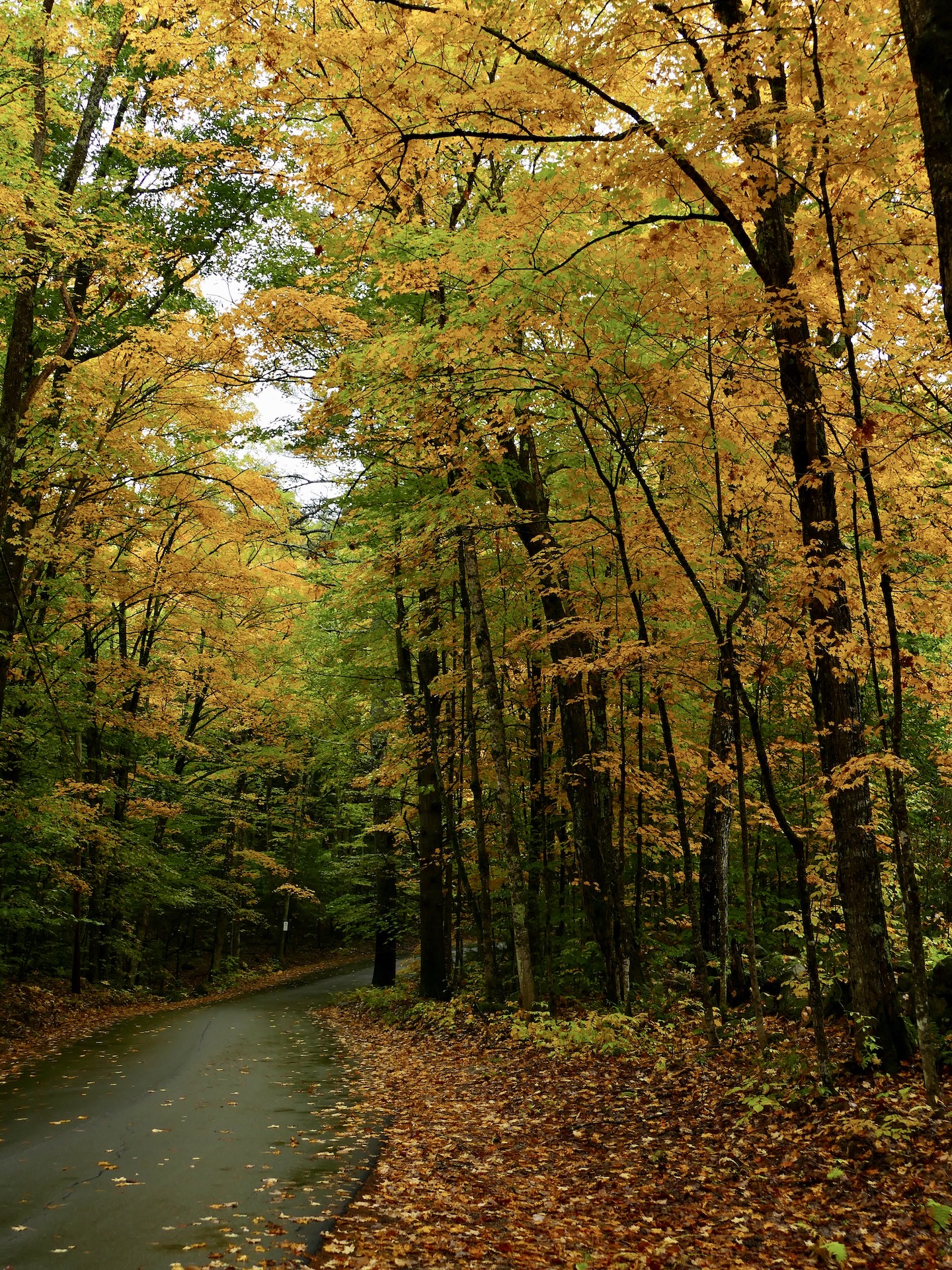
The leaves are falling…
in Thoreau’s Journal:
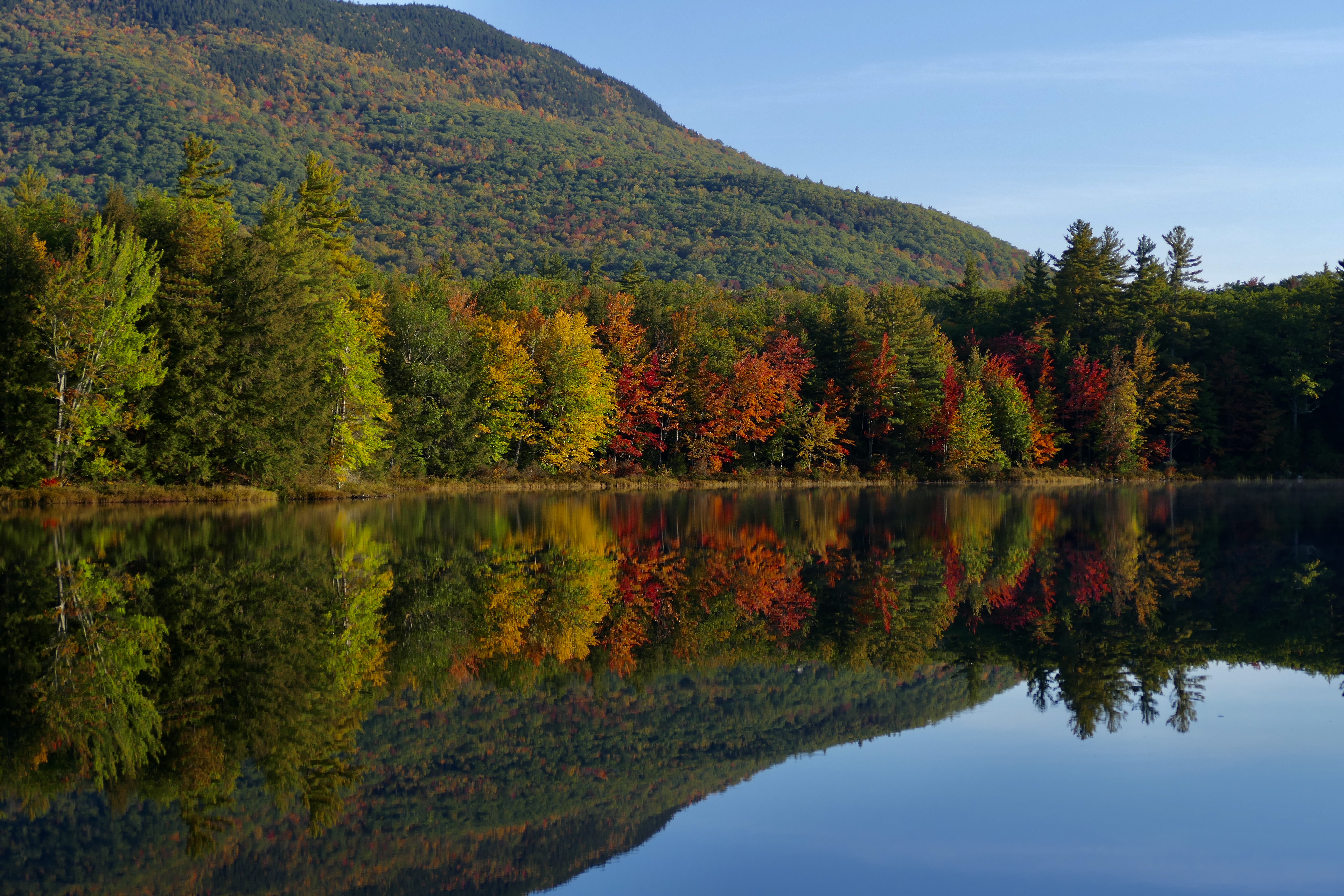
This warm day is a godsend to the wasps. I see them buzzing about the broken windows of deserted buildings, as Jenny Dugan’s, —the yellow-knotted. I smell the dry leaves like hay from the woods. Some elms are already bare. The basswood here is quite sere. The pines are still shedding their leaves. This brook by Jenny’s is always a pleasant sight and sound to me. In the spring I saw the sucker here. It is remarkable through what narrow and shallow brooks a sucker will be seen to dart, and a trout. I perceive that some white oaks are quitered. The black oaks are yellowish. I know not surely whether the brighter red and more divided leaf is that of the red or the scarlet oak.
in Thoreau’s Journal:

There is a great difference between this season and a month ago — warm as this happens to be — as between one period of your life and another. A little frost is at the bottom of it.
in Thoreau’s Journal:
I observe too that the ferns of a rich brown (being sere),about swamps, etc., are an important feature.

A broad belt of rich brown (and crisp) ferns stands about many a bright maple swamp.
in Thoreau’s Journal:
There is not now that profusion, and consequent confusion, of events which belongs to a summer walk.

There are few flowers, birds, insects, or fruits now, and hence what does occur affects us as more simple and significant, as the cawing of a crow or the scream of a jay.

The latter seems to scream more fitly and with more freedom through the vacancies occasioned by fallen maple leaves.
in Thoreau’s Journal:
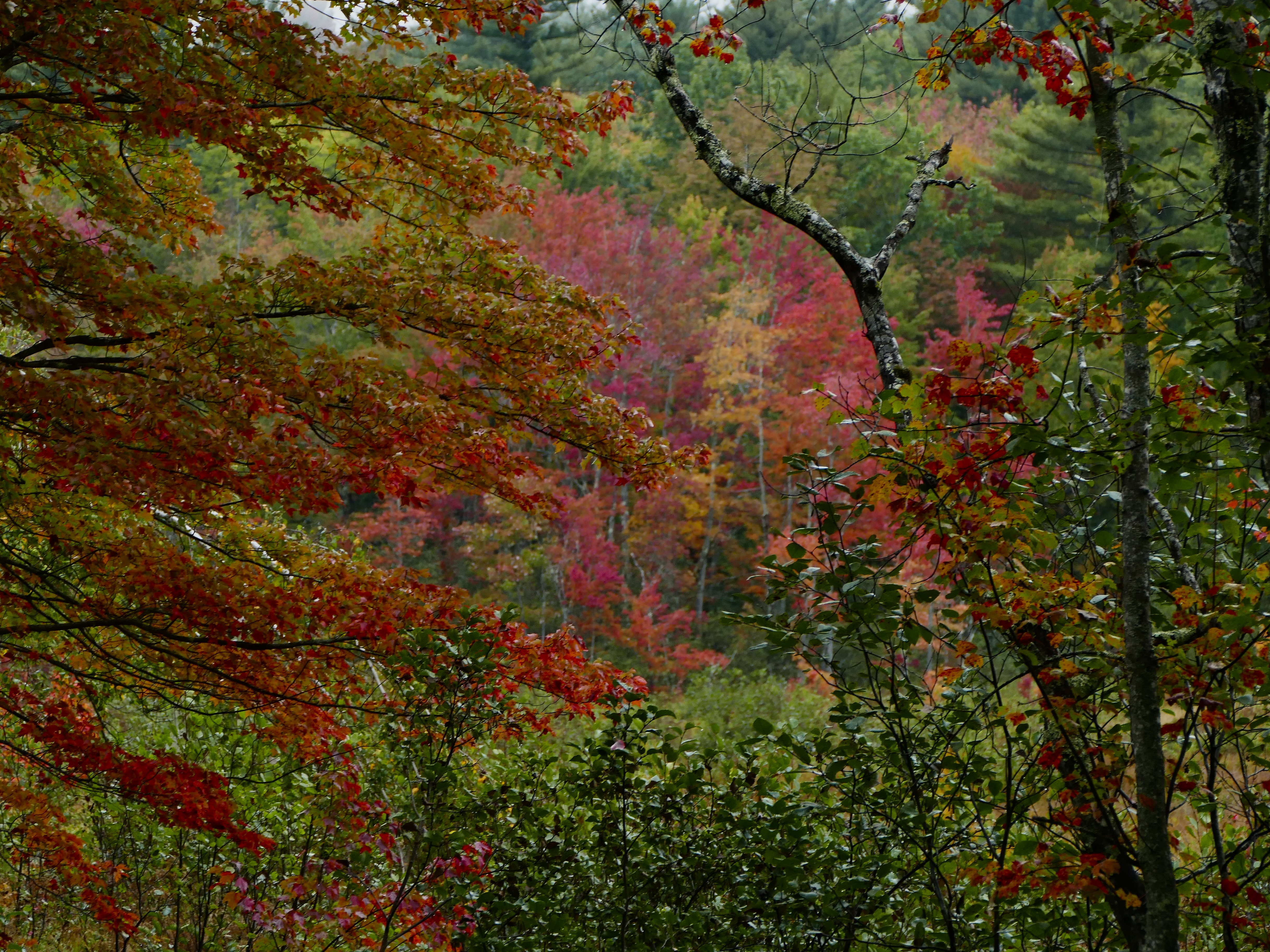
Now the year itself begins to be ripe….
in Thoreau’s Journal:
It is somewhat cooler and more autumnal. A great many leaves have fallen and the trees begin to look thin. You incline to sit in a sunny and sheltered place.
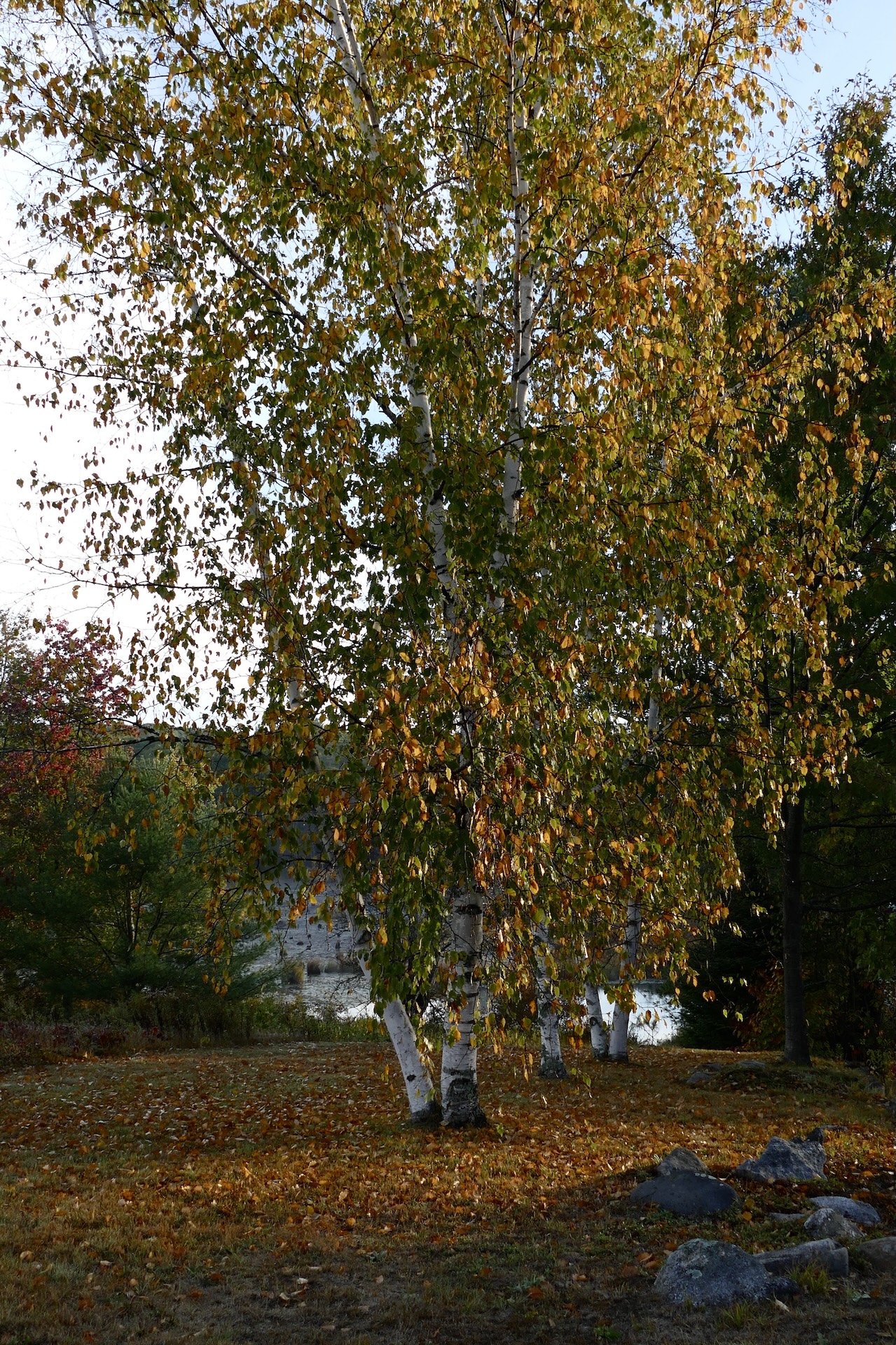
This season, the fall, which we have now entered on, commenced, I may say, as long ago as when the first frost was seen and felt in low ground in August. From that time, even, the year has been gradually winding up its accounts. Cold, methinks, has been the great agent which has checked the growth of plants, condensed their energies, and caused their fruits to ripen, in September especially.

Perchance man never ripens within the tropics.
in Thoreau’s Journal:
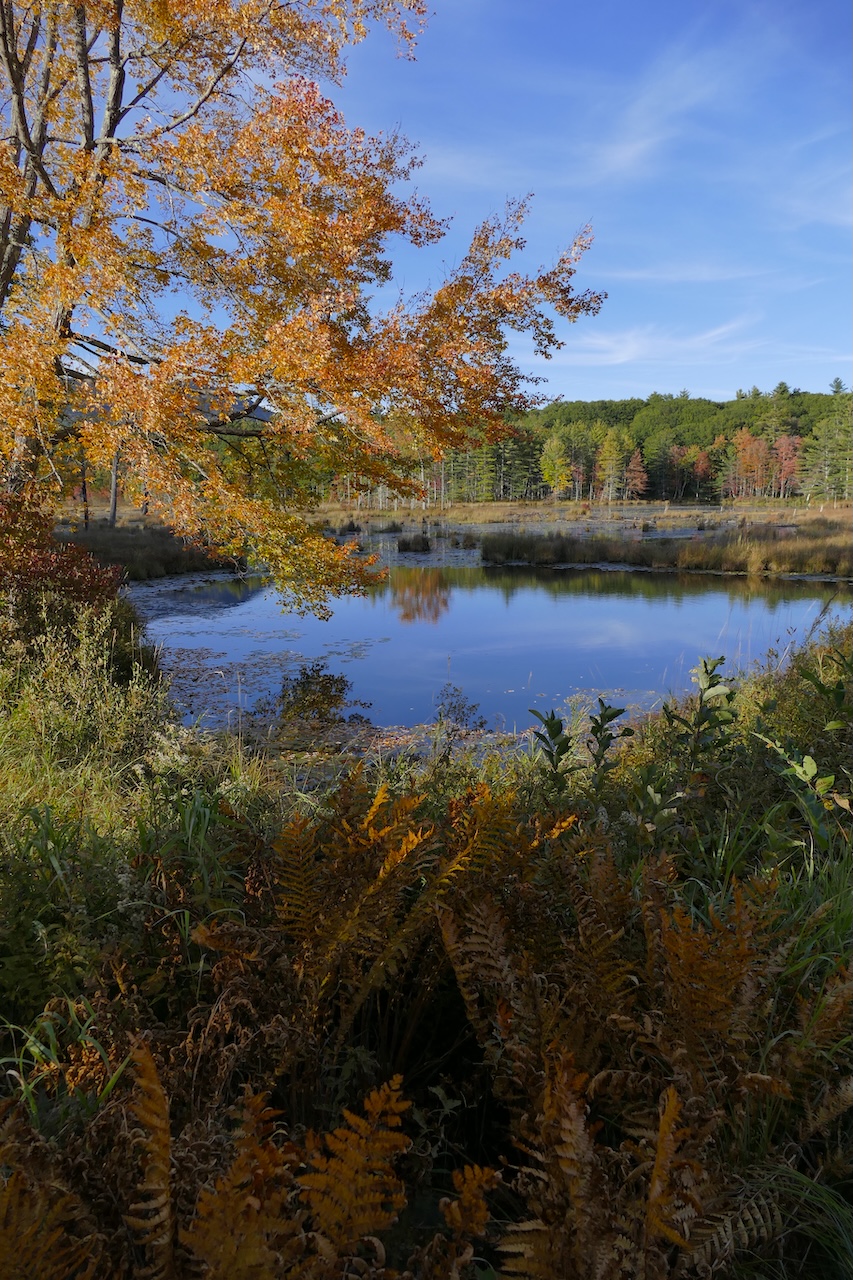
How much more beautiful the lakes now like Fair Haven surrounded by the autumn tinted woods & hills.— as in an ornamented frame. Some maples in sprout lands are of a delicate pure clear unspotted red inclining to crimson—surpassing most flowers— I would fain grasp at the whole tree & carry it home for a nose-gay.
in Thoreau’s Journal:

Examined an Asclepias Cornuti pod, already opening. As they dry, the pods crack open by the seam along their convex or outer side, revealing the seeds with their silky parachutes, closely packed in an imbricated manner, already right side up, to the number in one instance of 134, as I counted, and again 270. As they lie, they resemble somewhat a round plump fish, with the silk ends exposed at the tail. Children call them fishes. The silk is divided once or twice by the raised partition of the spongy core around which they are arranged. At the top of some more open and drier, is already a little clump of loosened seeds and down two or three inches in diameter, held by the converging tips of the down, like meridians, and just ready to float away when the wind rises.

in Thoreau’s Journal:
The rambler in the most remote woods and pastures little thinks that the bees which are humming so industriously on the rare wild flowers he is plucking for his herbarium, in some out-of-the-way nook, are, like himself, ramblers from the village, perhaps from his own yard, come to get their honey for his hives. All the honey-bees we saw were on the blue-stemmed goldenrod (Solidago caesia), which is late, lasts long, which emitted a sweet agreeable fragrance, not on the asters. I felt the richer for this experience. It taught me that even the insects in my path are not loafers, but have their special errands. Not merely and vaguely in this world, but in this hour, each is about its business….

It is not in vain that the flowers bloom, and bloom late too, in favored spots. To us they are a culture and a luxury, but to bees meat and drink. The tiny bee which we thought lived far away there in a flower-bell in that remote vale, he is a great voyager, and anon he rises over the top of the wood and sets sail with his sweet cargo straight for his distant haven. How well they know the woods and fields and haunt of every flower! The flowers, perchance, are widely dispersed, because the sweet which they collect from the atmosphere is rare but also widely dispersed, and the bees are enabled to travel far to find it. A precious burthen, like their color and fragrance, a crop which the heavens bear and deposit on the earth.
in Thoreau’s Journal:
All fair action in man is the product of enthusiasm –– There is enthusiasm in the sunset. The shell on the shore takes new layers and new tints from year to year with such rapture as the bard writes his poem. There is a thrill in the spring, when it buds and blossoms––there is happiness in the summer––a contentedness in the autumn––a patient repose in the winter.
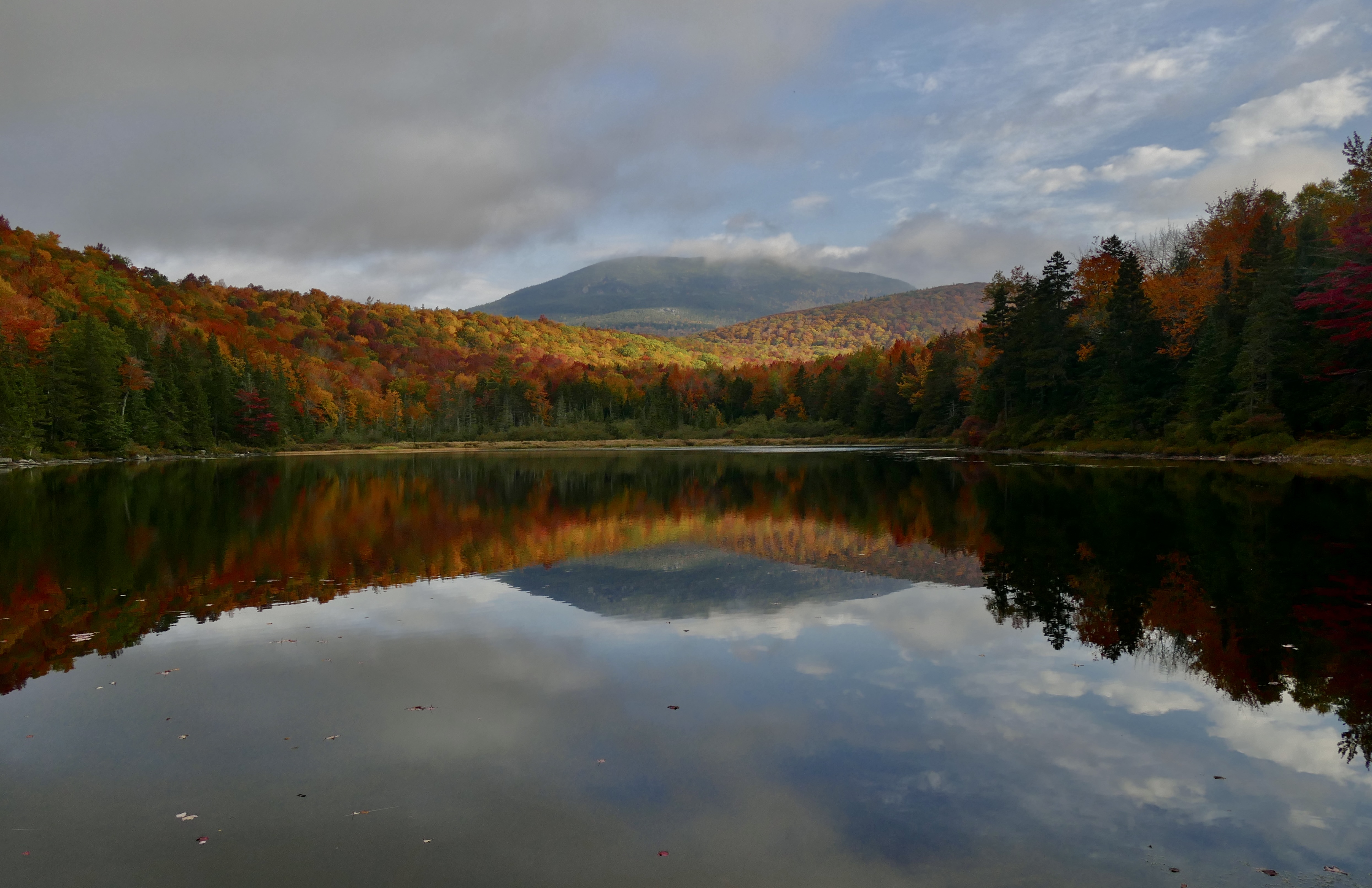
Nature does nothing in the prose mood, though sometimes grimly with poetic fury, as in earthquakes &c and at other times humorously.
in Thoreau’s Journal:
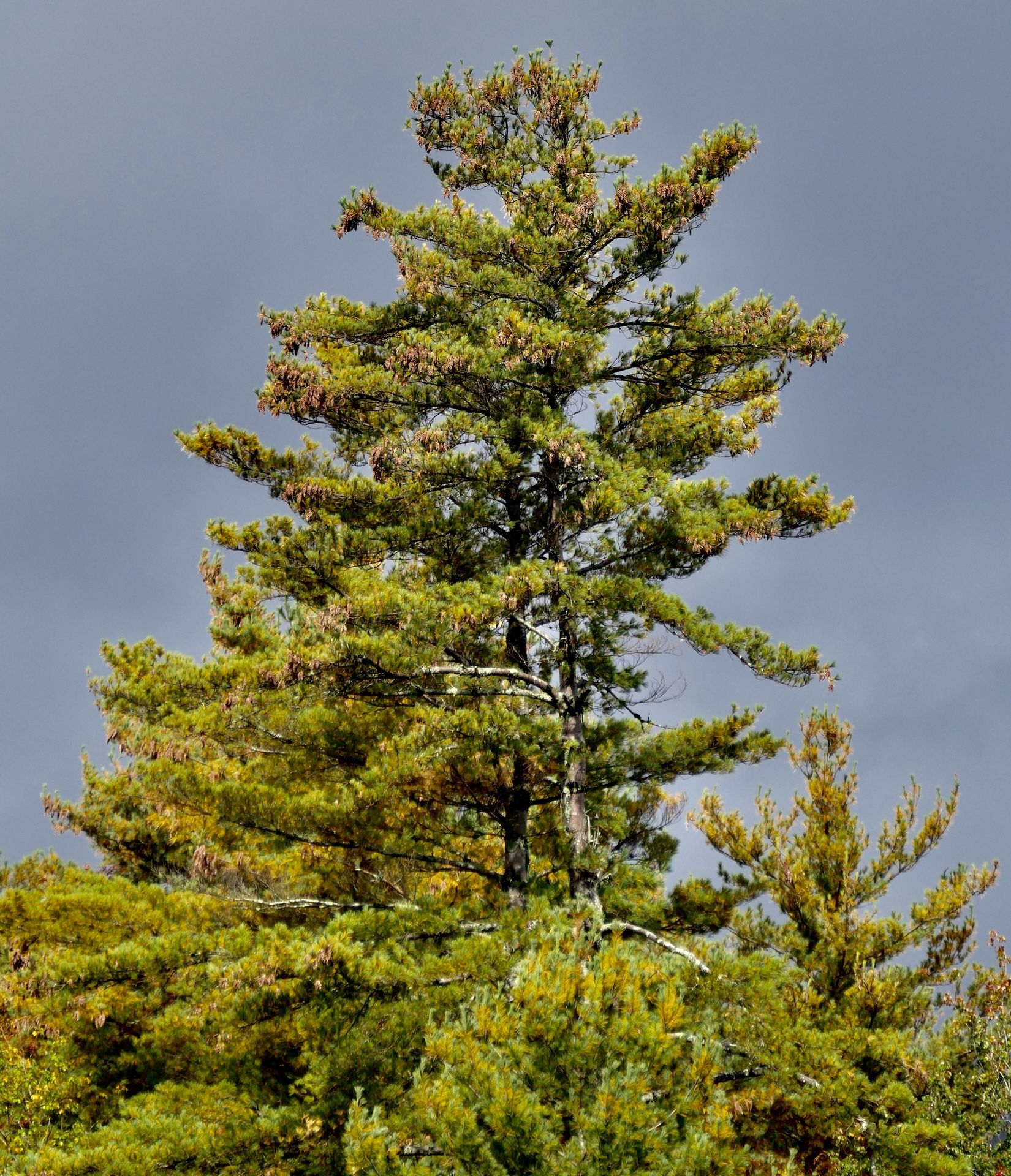
R. W. E.’s pines are parti-colored, preparing to fall, some of them.

The sassafras trees on the hill are now wholly a bright orange scarlet as seen from my window, and the small ones elsewhere are also changed. Sweet-briar hips ripe.
in Thoreau’s Journal:
A small red maple has grown, perchance, far away on some moist hillside, a mile from any road, unobserved. It has faithfully discharged the duties of a maple there, all winter and summer, neglected none of its economies, added to its stature in the virtue which belongs to a maple, by a steady growth all summer, and is nearer heaven than it was in the spring, never having gone gadding abroad; and now, in this month of September, when men are turned travellers, hastening to the seaside, or the mountains, or the lakes — in this month of travelling — this modest maple, having ripened its seeds, still without budging an inch, travels on its reputation, runs up its scarlet flag on that hillside, to show that it has finished its summer’s work before all other trees, and withdraws from the contest.
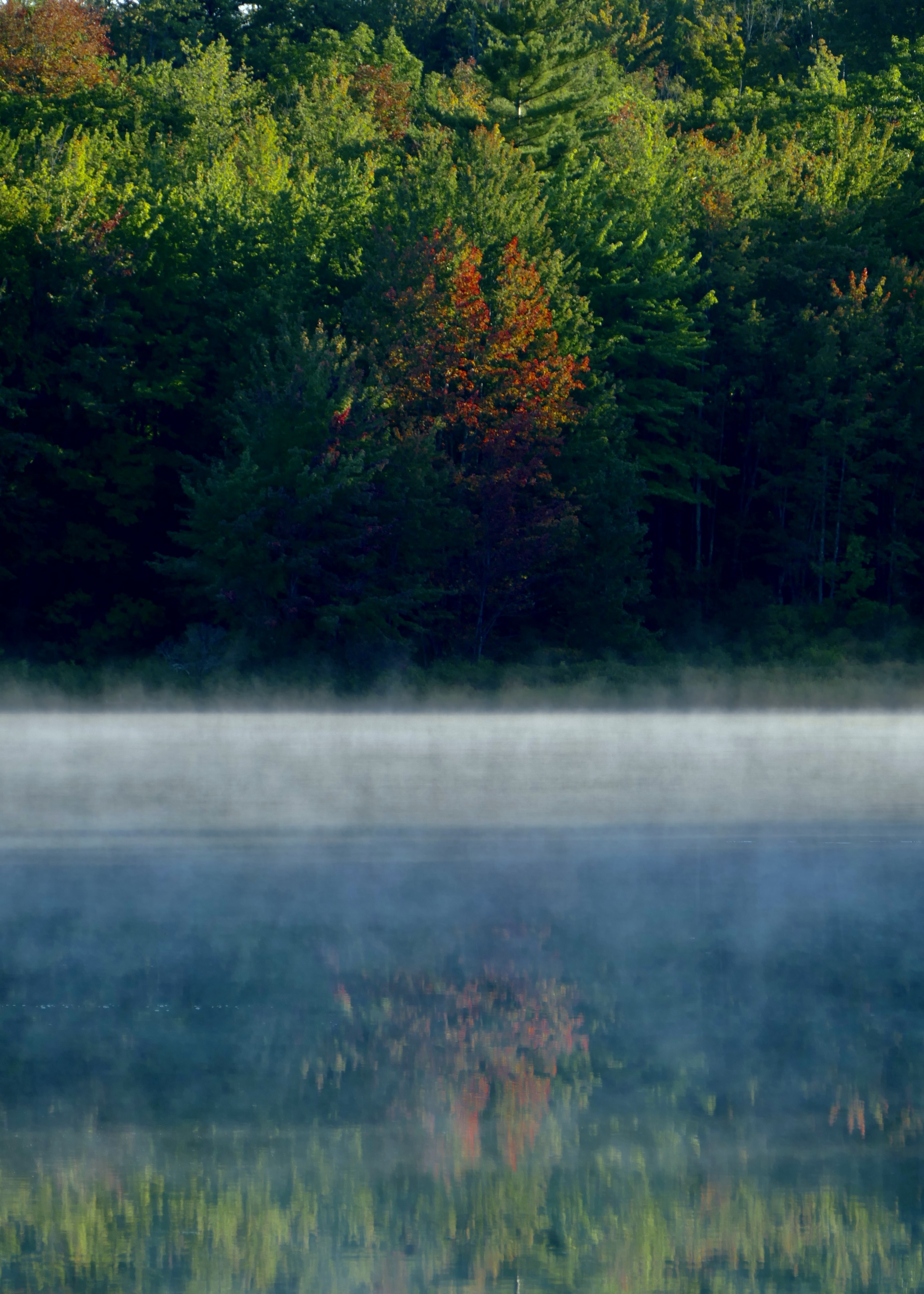
Thus that modest worth which no scrutiny could have detected when it was most industrious, is, by the very tint of its maturity, by its very blushes, revealed at last to the careless and distant observer. It rejoices in its existence; its reflections are unalloyed. It is the day of thanksgiving with it. At last, its labors for the year being fully consummated and every leaf ripened to its full, it flashes out conspicuous to the eye of the most casual observer, with all the virtue and beauty of a maple — Acer rubrum. In its hue is no regret nor pining. Its leaves have been asking their parent from time to time in a whisper, “When shall we redden?” It has faithfully husbanded its sap, and builded without babbling nearer and nearer to heaven. Long since it committed its seeds to the winds and has the satisfaction of knowing perhaps that a thousand little well-behaved maples are already established in business somewhere. It deserves well of Mapledom. It has afforded a shelter to the wandering bird. Its autumnal tint shows how it has spent its summer; it is the hue of its virtue.


You must be logged in to post a comment.