in Thoreau’s Journal:

Night shade berries begin to ripen. to be red.
in Thoreau’s Journal:
Night shade berries begin to ripen. to be red.
in Thoreau’s Journal:
The grandeur of these stupendous masses of clouds, tossed into such irregular greatness across the sky, seems thrown away on the meanness of my employment.
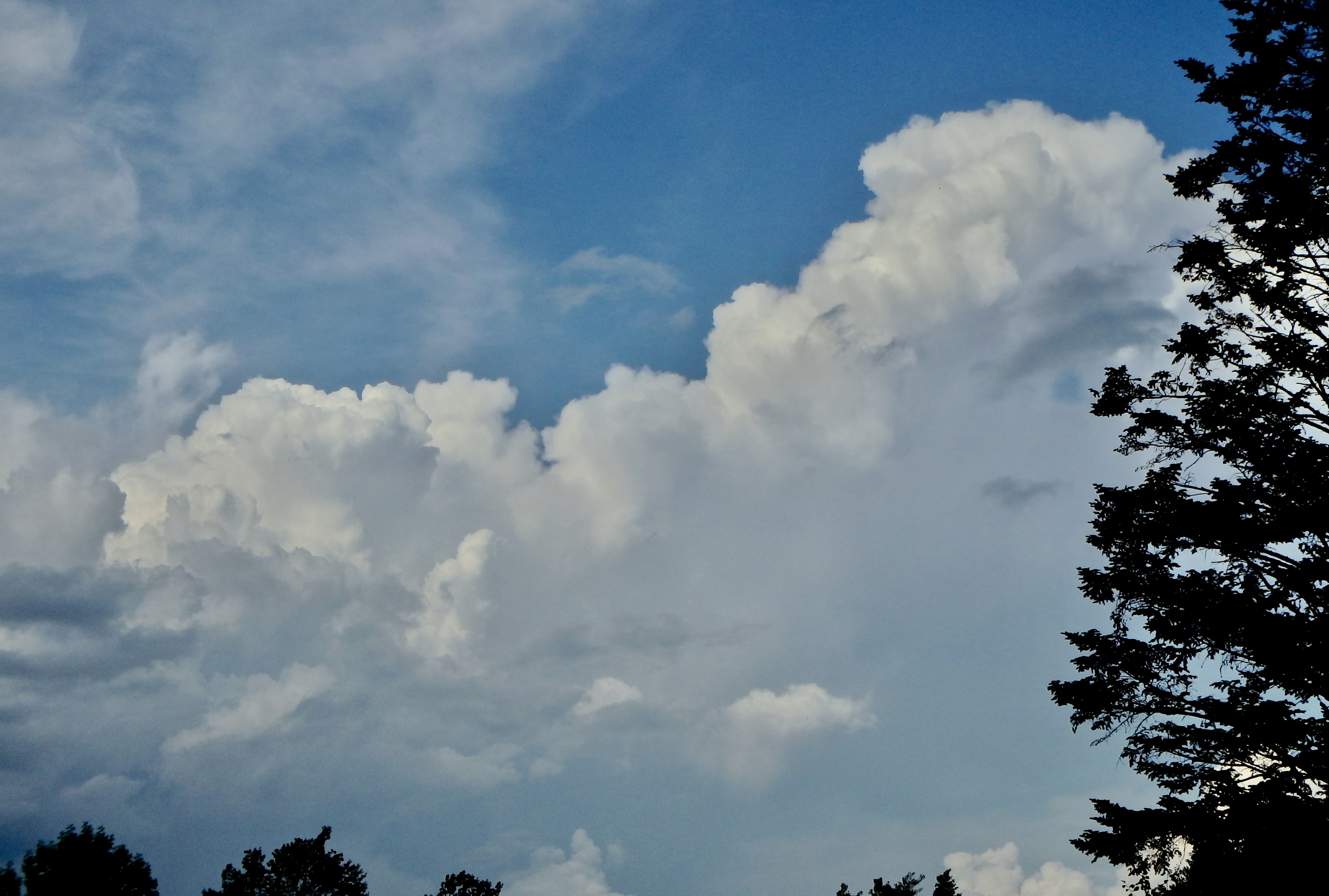
The drapery seems altogether too rich for such poor acting.
in Thoreau’s Journal:
By my intimacy with nature I find myself withdrawn from man.
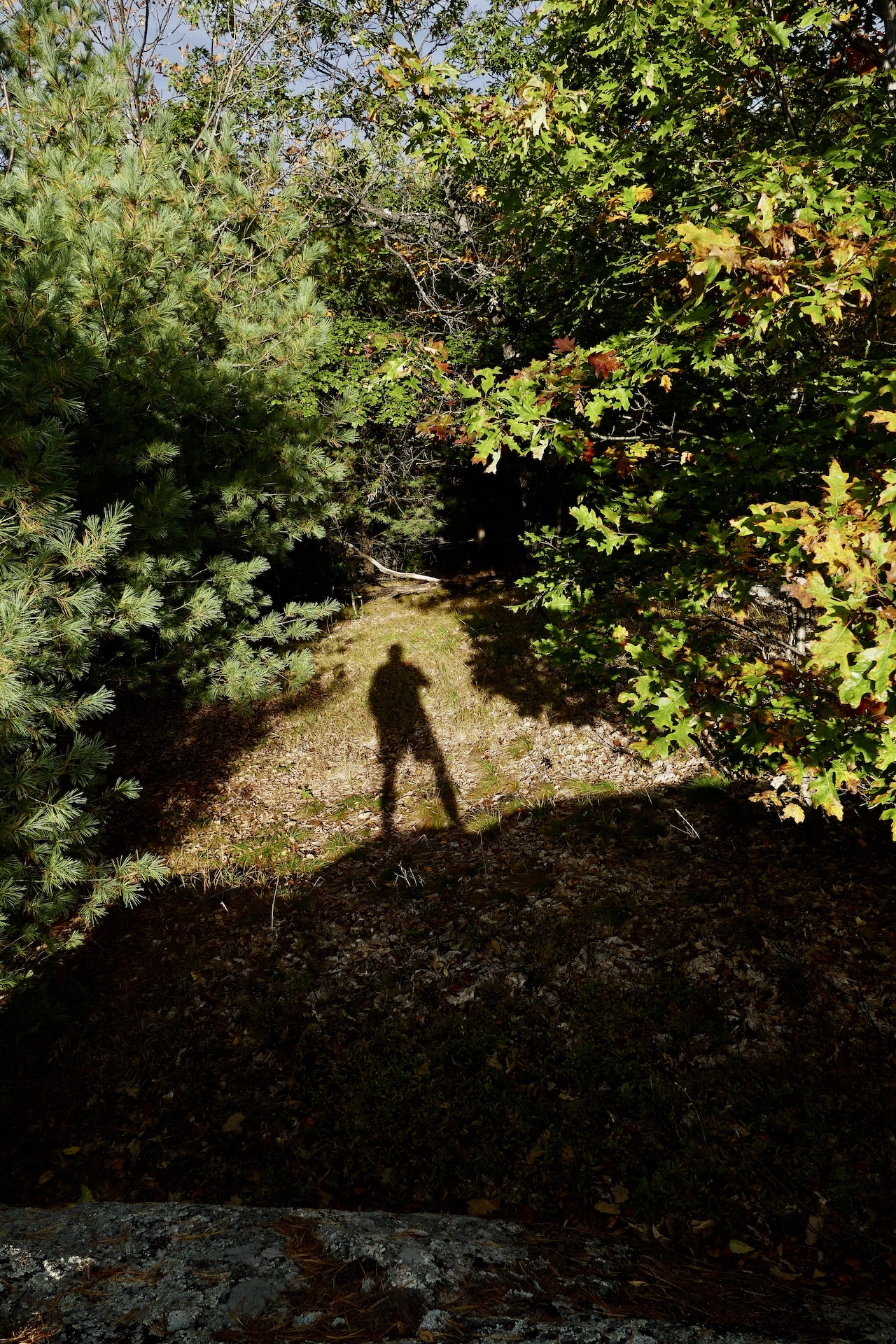
My interest in the sun and the moon, in the morning and the evening, compels me to solitude.
in Thoreau’s Journal:
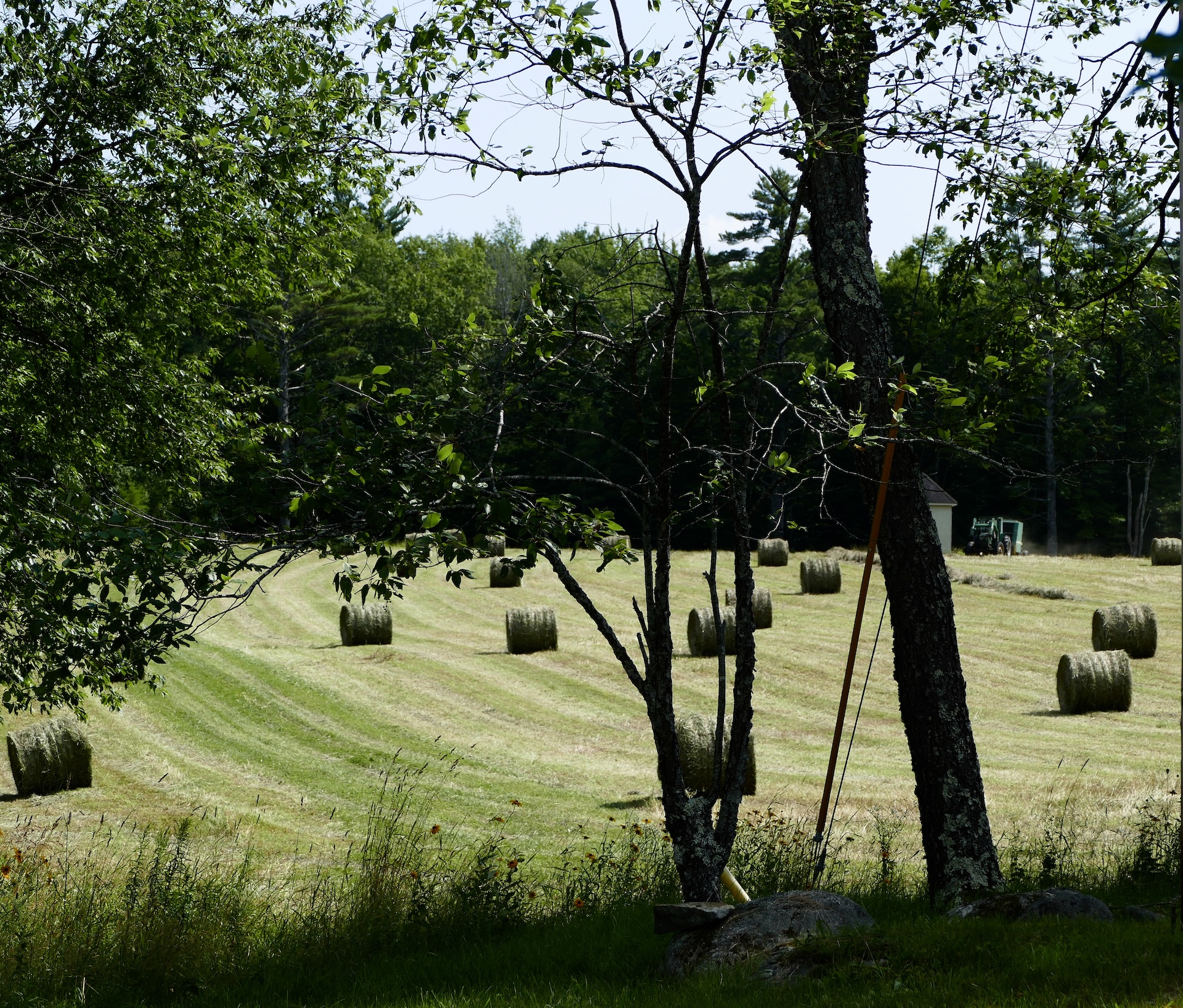
The haymakers getting in the hay from Hubbard’s meadow tell me the cock says we are going to have a long spell of dry weather or else very wet. ” Well, there ‘s some difference between them,” I answer; “how do you know it?” “I just heard a cock crow at noon, and that ‘s a sure sign it will either be very dry or very wet.”
in Thoreau’s Journal:
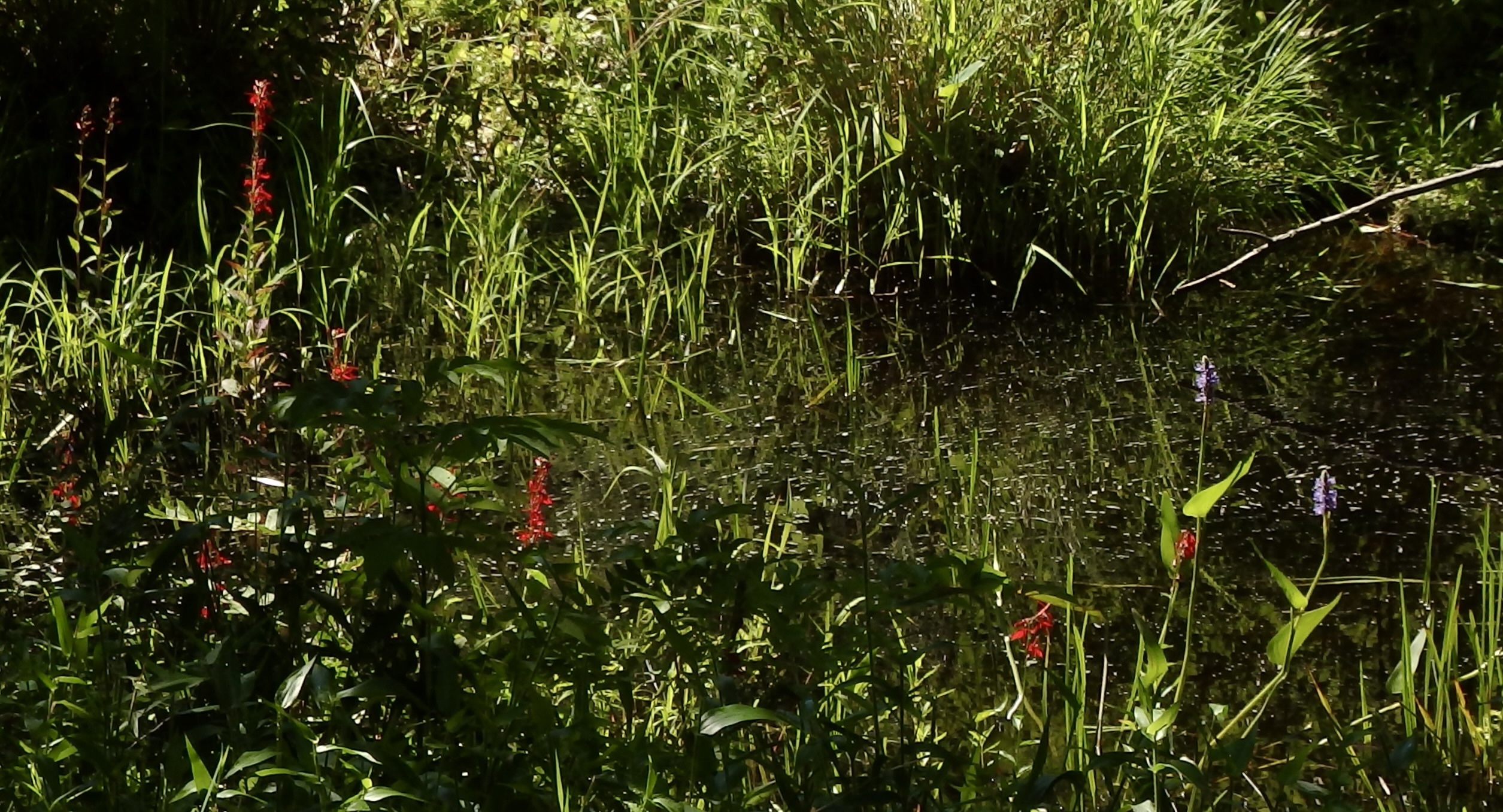
The Cardinal flower probably open today. The quails are heard whistling this morning near the village.
in Thoreau’s Journal:
The mind is subject to moods, as the shadows of the clouds that pass over the earth. Pay not too much heed to them. Let not the traveller stop for them. They consist with the fairest weather. By the mood of my mind, I suddenly felt dissuaded from continuing my walk, but I observed at the same instant that the shadow of a cloud was passing over [the] spot on which I stood, though it was of small extent, which, if it had no connection with my mood, at any rate suggested how transient and little to be regarded that mood was. I kept on, and in a moment the sun shone on my walk within and without.
in Thoreau’s Journal:

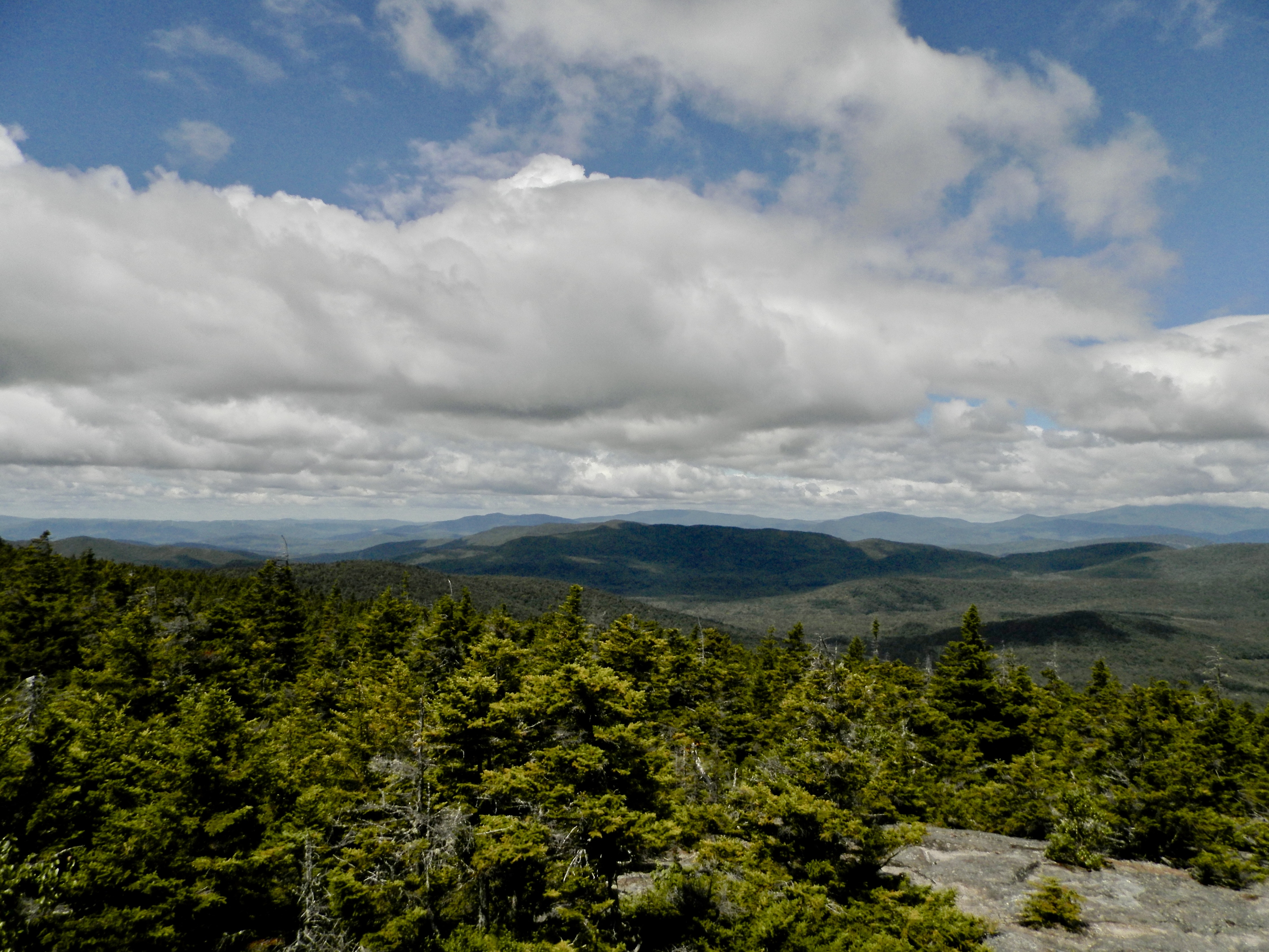
….and now reddish fruit of the trillium….
in Thoreau’s Journal:
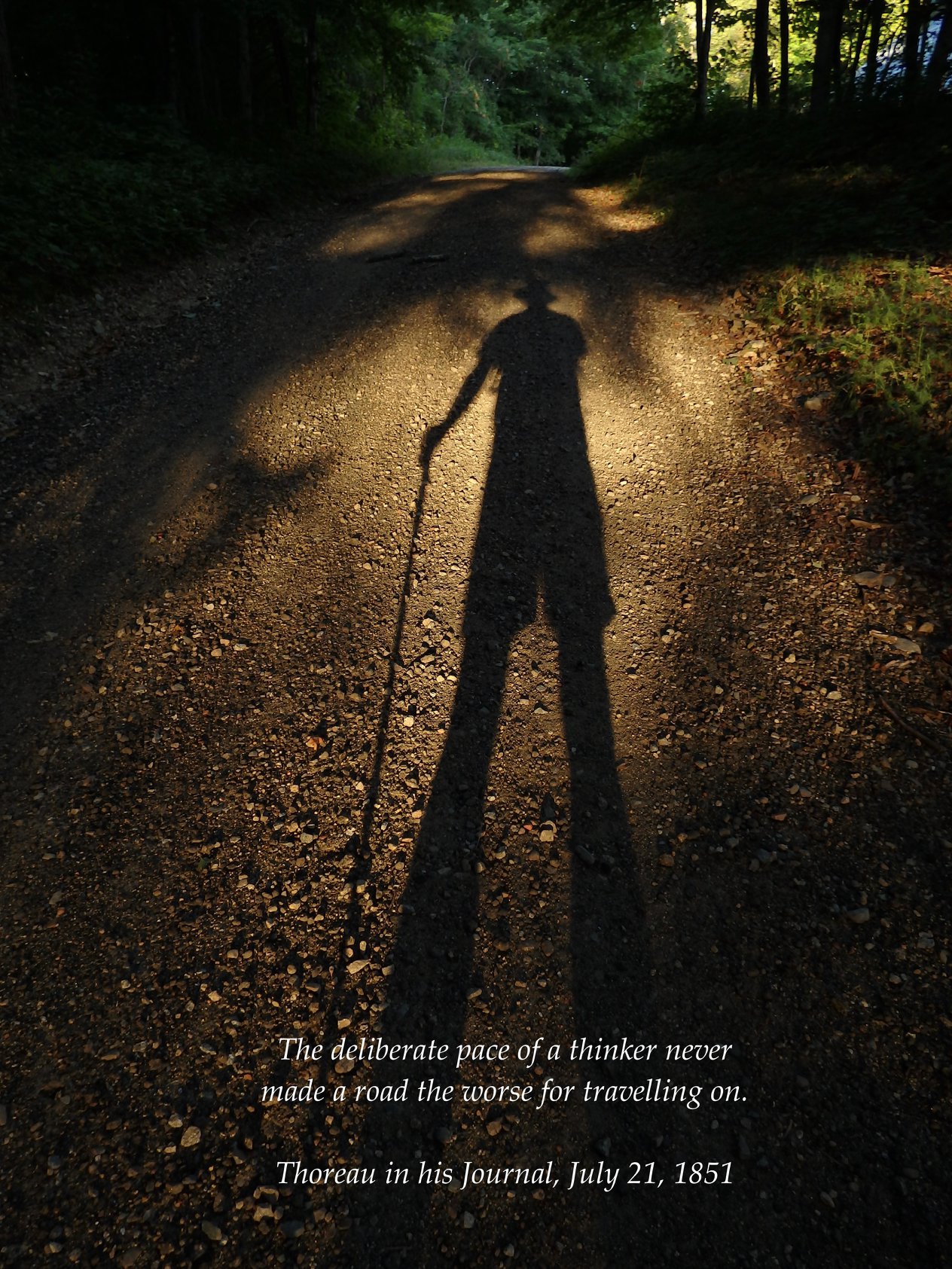
There I have freedom in my thought, and in my soul am free.
in Thoreau’s Journal:
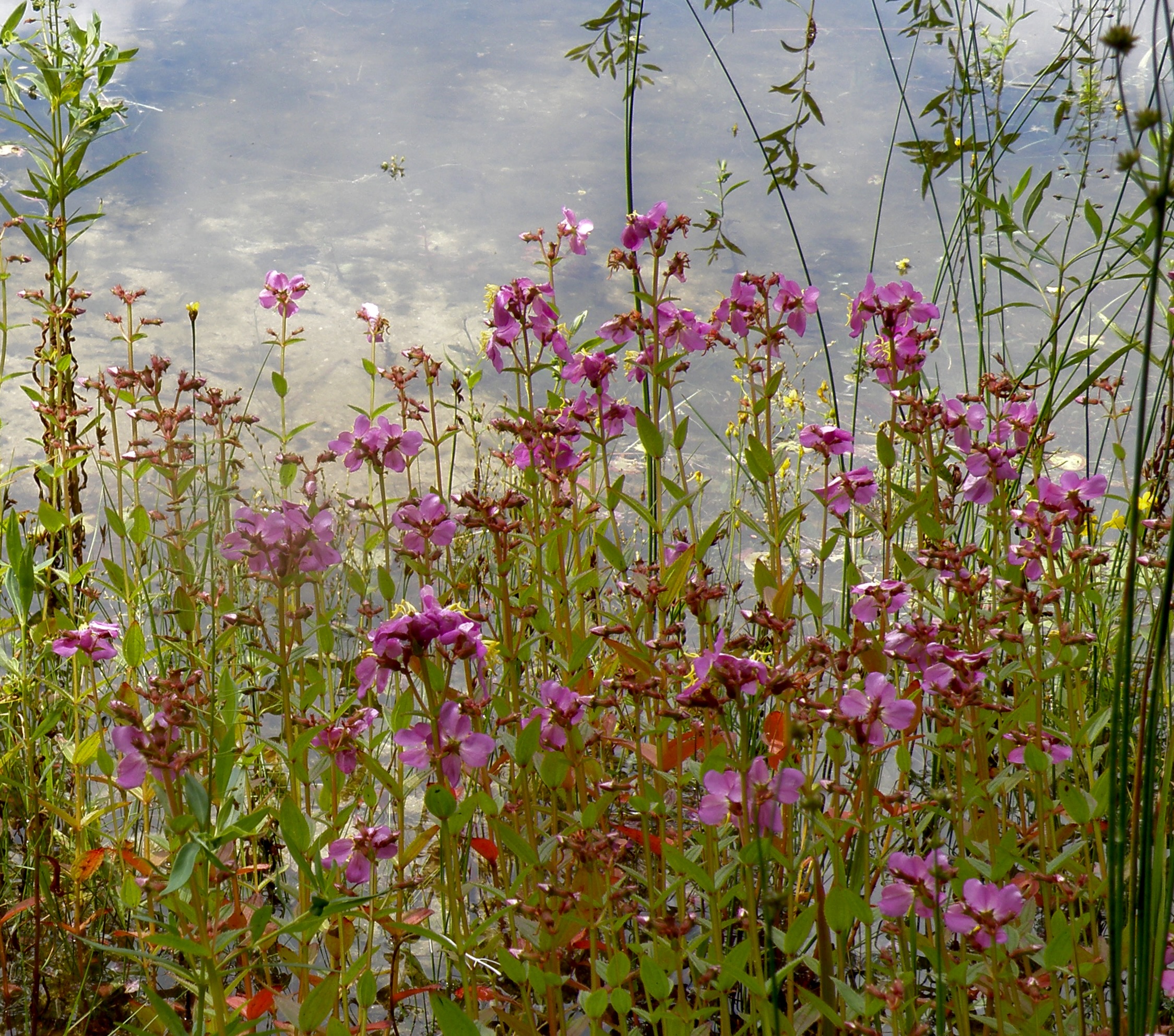
The Rhexia Virginia is in bloom.
in Thoreau’s Journal:
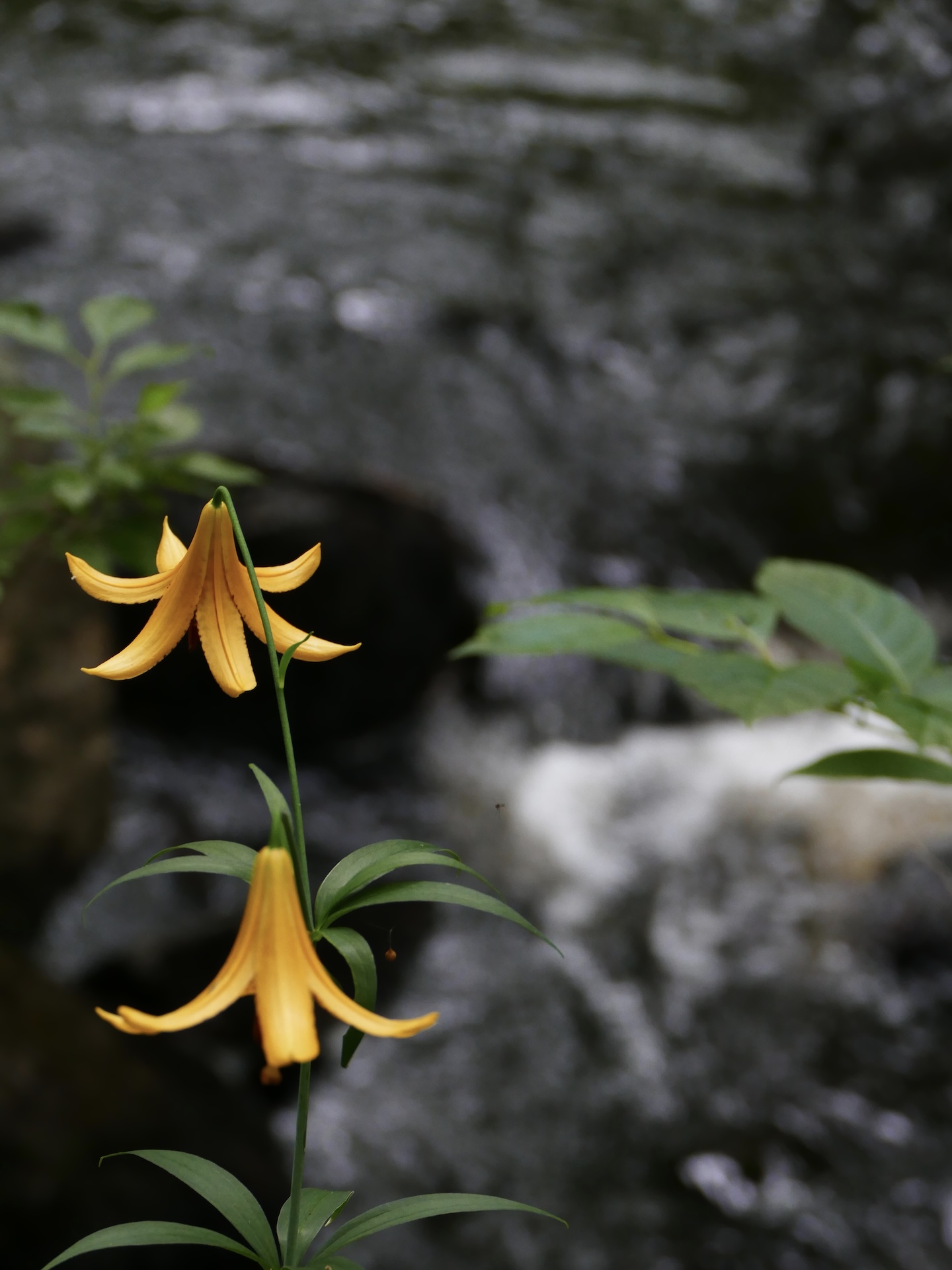
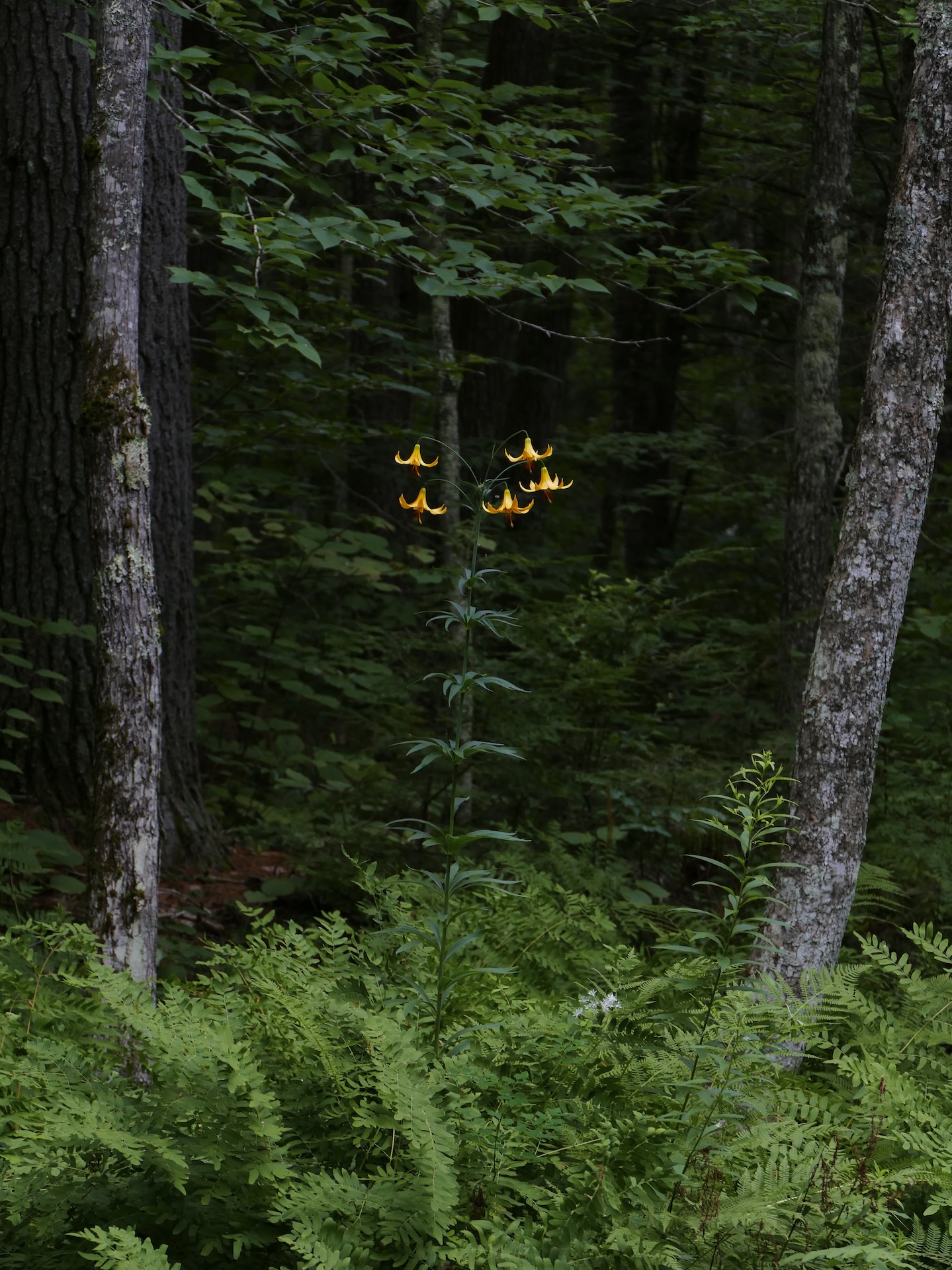
Heavily hangs the Common Yellow lily Lilium Canadense in the meadows–– In the thick alder copses by the causeway side I find the Lysimachia hybrida. Here is the Lactuca Sanguinea with its runcinate leaves-tall-stem & pale crimson ray. And that green stemmed one higher than my head resembled the last in its leaves––is perchance the tall lettuce or Fire weed. Can that fine white flowered meadow plant with the leaf be a Thalictrum?
in Thoreau’s Journal:

Methinks the asters and goldenrods begin, like the early ripening leaves, with midsummer heats. Now look out for these children of the sun, when already the fall of some of the very earliest spring flowers has commenced.

in Thoreau’s Journal:
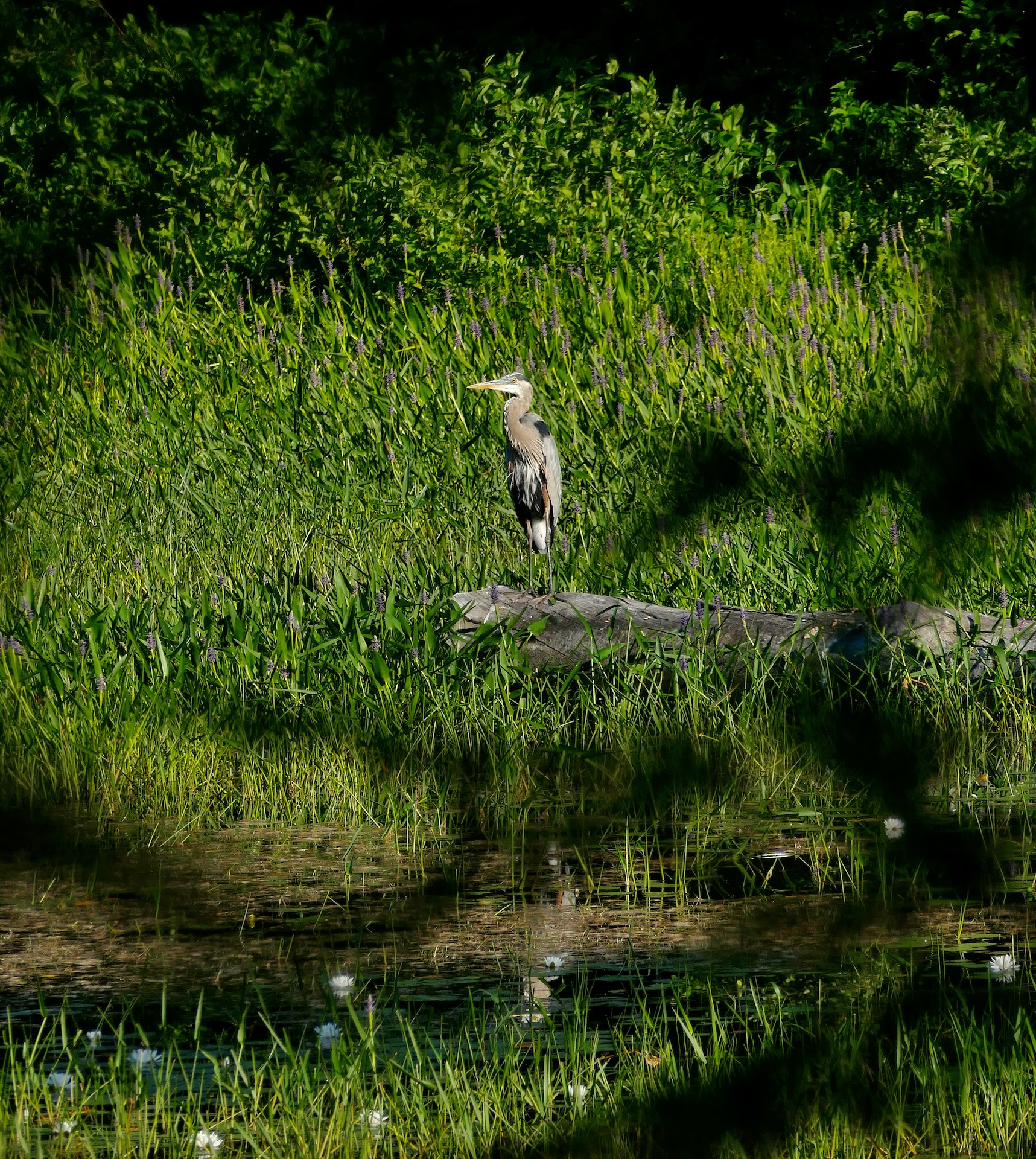
I go to observe the lilies….The pontederia is in its prime alive with butterflies yellow & others––I see its tall blue spikes reflected beneath the edge of the pads on each side––pointing down to a heaven beneath as well as above–
in Thoreau’s Journal:
The milkweeds, or silkweeds, are rich flowers, now in blossom.
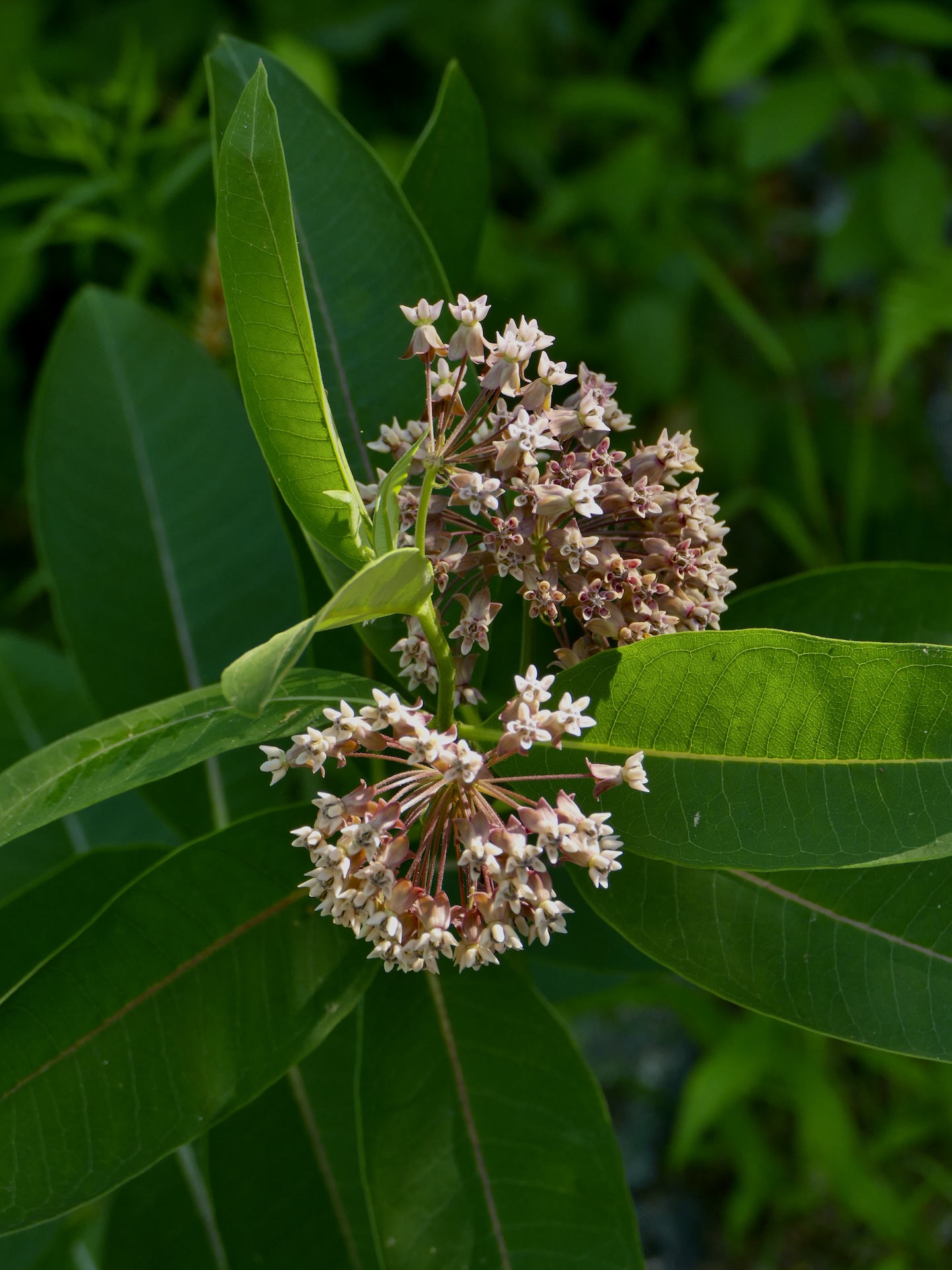
The Asclepias syriaca, or common milkweed; its buds fly open at a touch. But handsomer much is Asclepias pulchra, or water wilkweed. The thin green bark of this last, and indeed of the other, is so strong that a man cannot break a small strip of it by pulling. It contains a mass of fine silken fibres, arranged side by side like the strings of a fiddle-bow, and may be bent short without weakening it.
in Thoreau’s Journal:
Again I am attracted by the Clam shell reach of the river running E & W—as seen from Hubbard’s fields—now beginning to be smoothed as in the fall—
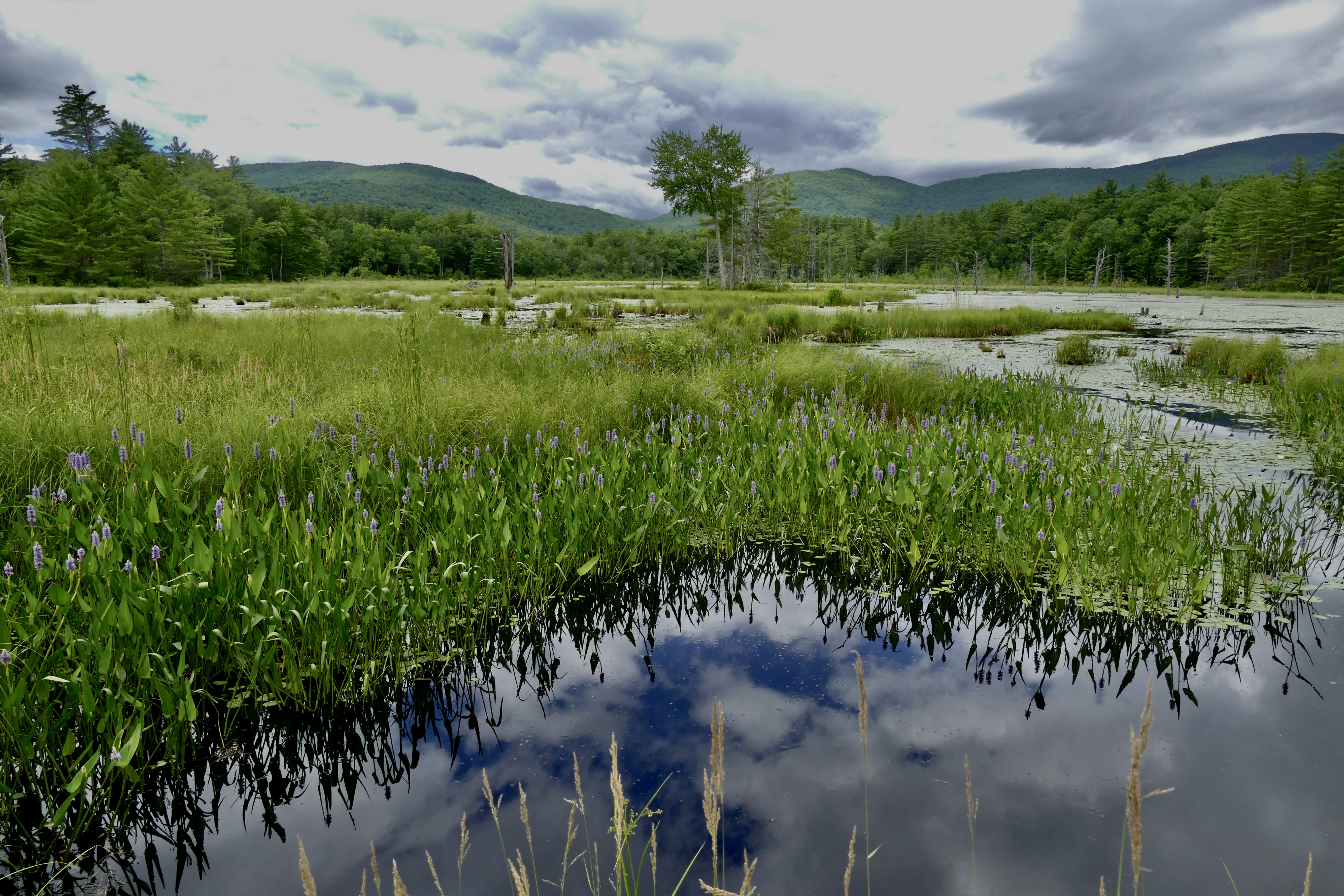
First next the meadows is the broad dark green rank of pickerel weeds &c &c (Polygonum &c) then the light reflecting edging of pads—& then the smooth still cloud reflecting water. My thoughts are driven inward—even as clouds and trees are reflected in the still smooth water— There is an inwardness even in the mosquitoes hum—while I am picking blueberries in the dank wood.
in Thoreau’s Journal:
Awake to a day of gentle rain––very much needed—none to speak of for nearly a month methinks. The cooler & stiller day has a valuable effect on my spirits….

It holds up from time & then a fine misty rain falls. It lies on the fine reddish tops of some grasses thick & whitish like morning cobwebs. The stillness is very soothing. This is a summer rain. The earth is being bedewed. There is no storm or violence to it. Health is a sound relation to nature.
in Thoreau’s Journal:
One who walks the woods and hills daily, expecting to see the first berry that turns, will be surprised at last to find them ripe and thick before he is aware of it, ripened, he cannot tell how long before, in some more favorable situation.
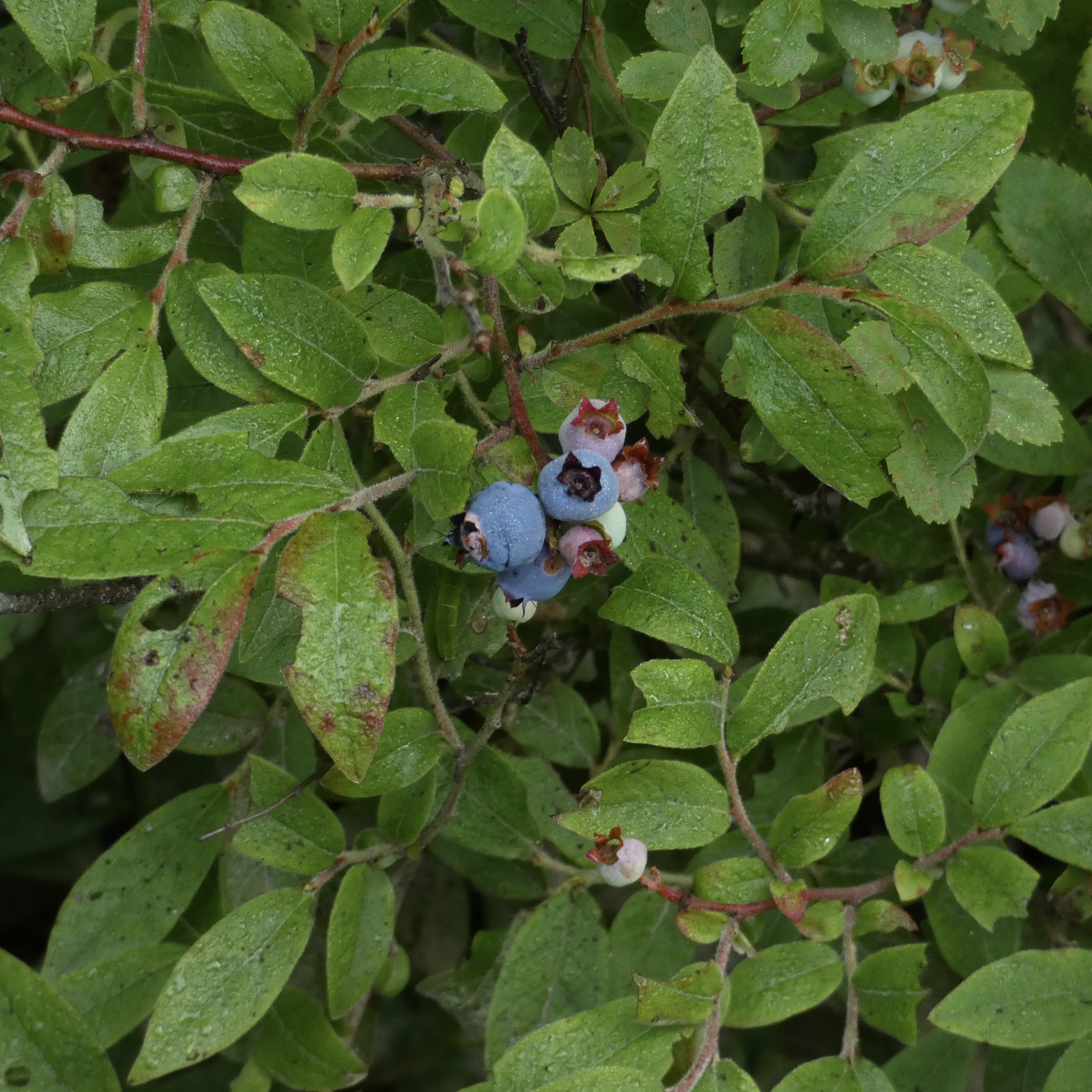
It is impossible to say what day—almost what week––the huckleberries begin to be ripe, unless you are acquainted with, and daily visit, every huckleberry bush in the town, at least every place where they grow.
in Thoreau’s Journal:
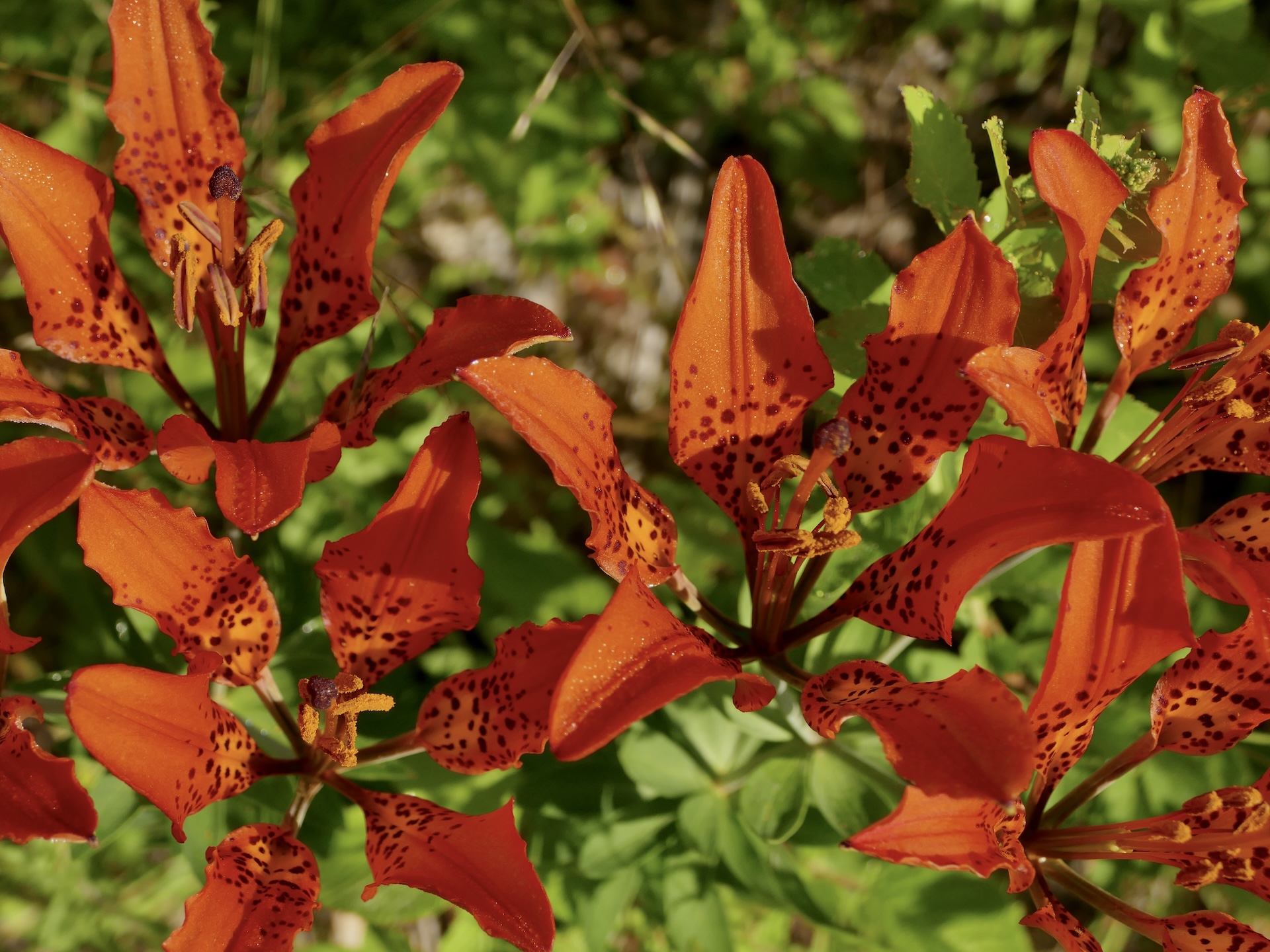
Red lilies in prime, single upright fiery flowers, their throats how splendidly and variously spotted, hardly two of quite the same hue and not two spotted alike––leopard-spotted––averaging a foot or more in height amide the huckleberry and lamb kill, etc, in the moist, meadowy pasture.
in Thoreau’s Journal:
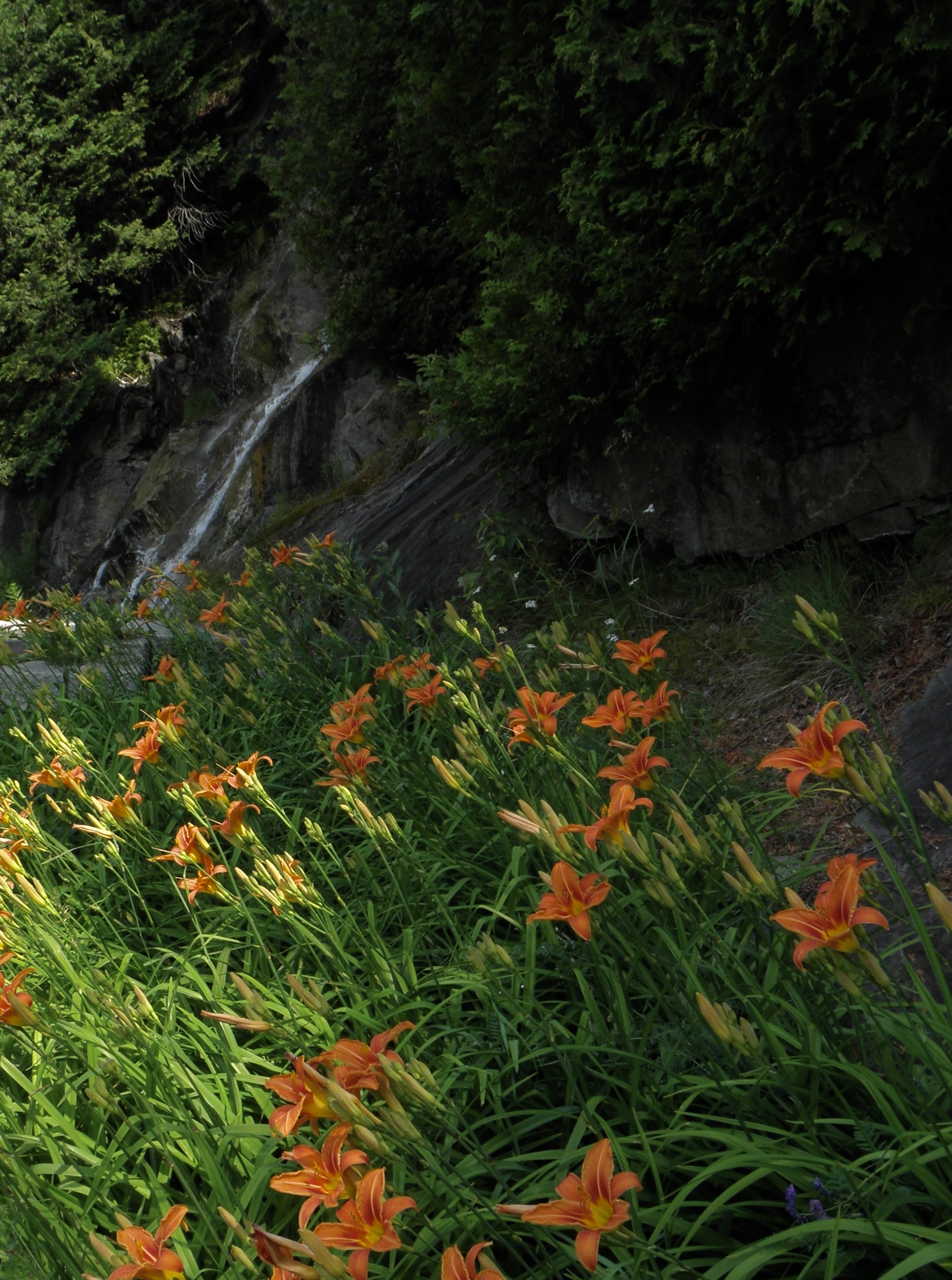
The large orange lily with sword-shaped leaves, strayed from cultivation, by the roadside beyond the stone bridge.
in Thoreau’s Journal:

We turn aside near the old Lee place— The rye-fields are now quite yellow & ready for the sickle. Already there are many flavous colors in the landscape—much maturity of small seeds. The nodding heads of the rye make an agreeable maze to the eye.
in Thoreau’s Journal:
Coming out of town, —willingly as usual, —when I saw that reach of Charles River just above the depot, the fair, still water this cloudy evening suggesting the way to eternal peace and beauty, whence it flows, the placid, lake-like fresh water, so unlike the salt brine, affected me not a little. I was reminded of the way in which Wordsworth so coldly speaks of some natural visions or scenes “giving himpleasure.” This is perhaps the first vision of elysium on this route from Boston.
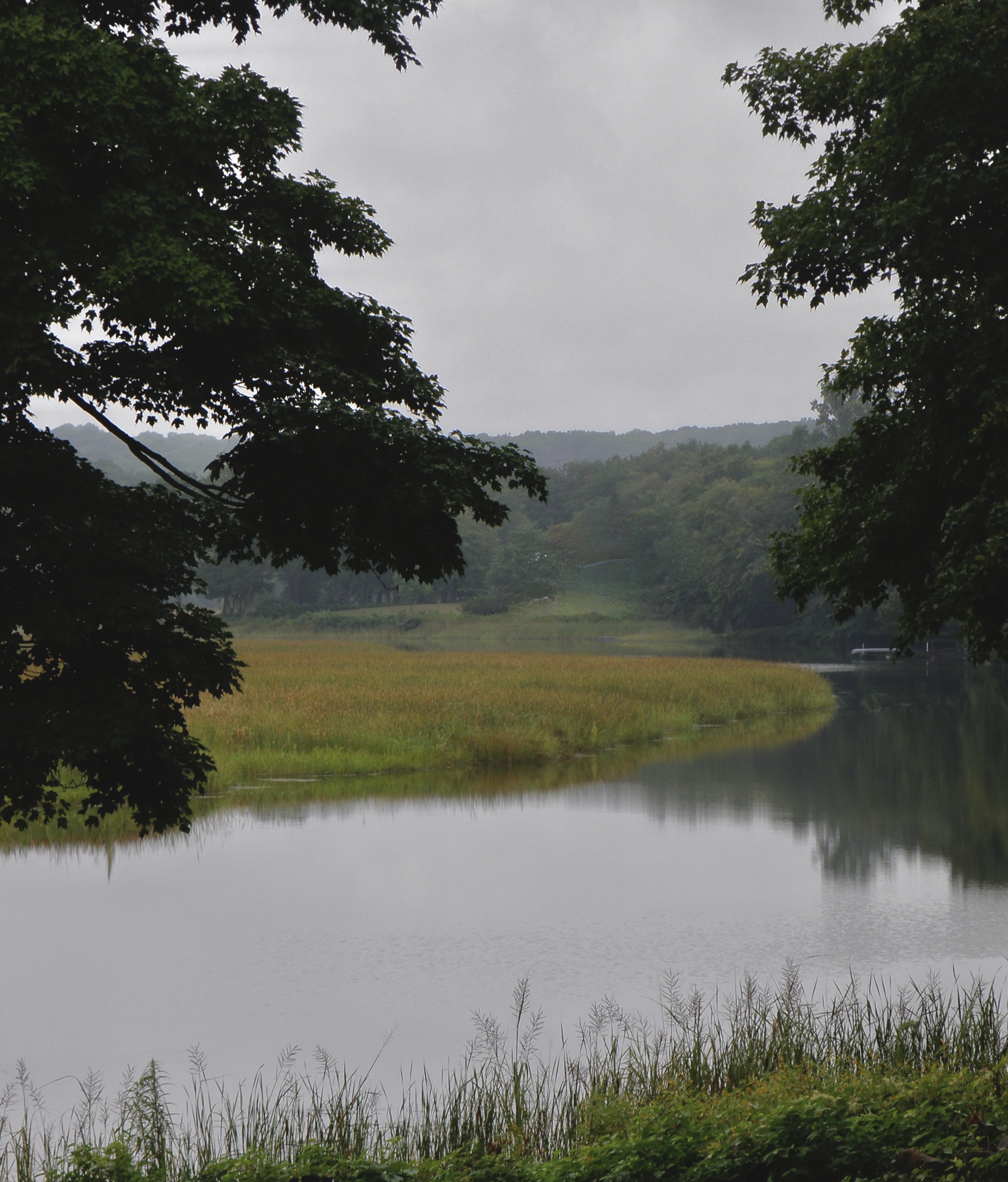
And just then I saw an encampment of Penobscots, their wigwams appearing above the railroad fence, they, too, looking up the river as they sat on the ground, and enjoying the scene. What can be more impressive than to look up a noble river just at evening, —one, perchance, which you have never explored, —and behold its placid waters, reflecting the woods and sky, lapsing inaudibly toward the ocean: to behold as a lake, but know it as a river, tempting the beholder to explore it and his own destiny at once? Haunt of waterfowl. This was above the factories, —all that I saw. That water could never have flowed under a factory. How then could it have reflected the sky?


You must be logged in to post a comment.