
in Thoreau’s Journal:
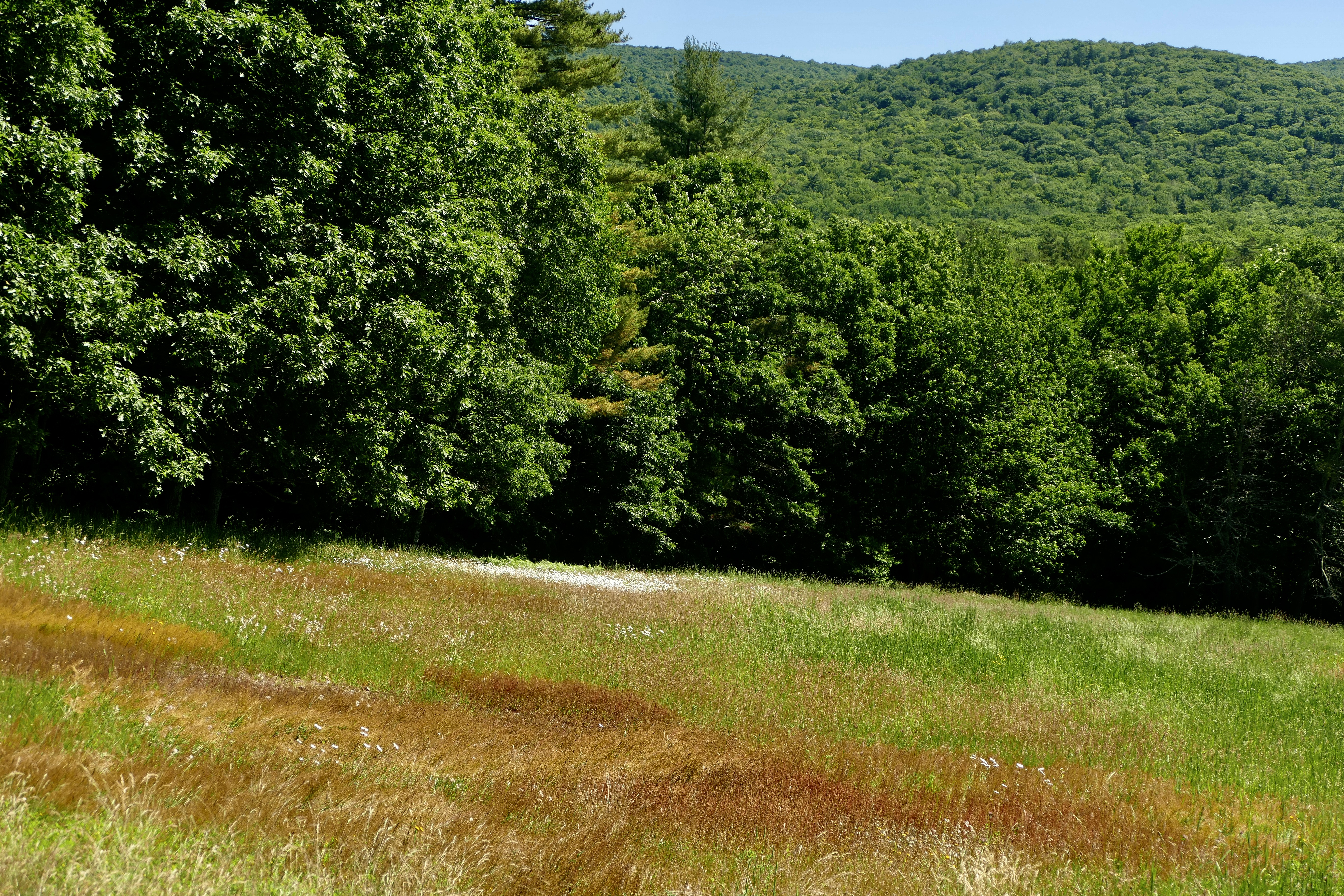
Here are some rich rye-fields waving over all the land, their heads nodding in the evening breeze with an apparently alternating motion; i. e. they do not all bend at once by ranks, but separately, and hence this agreeable alternation. How rich a sight this cereal fruit, now yellow for the cradle, — flavus? It is an impenetrable phalanx. I walk for half a mile beside these Macedonians, looking in vain for an opening. There is no Arnold Winkelried to gather these spear-heads upon his breast and make an opening for me. This is food for man. The earth labors not in vain ; it is bearing its burden. The yellow, waving, rustling rye extends far up and over the hills on either side, a kind of pinafore to nature, leaving only a narrow and dark passage at the bottom of a deep ravine. How rankly it has grown! How it hastes to maturity ! I discover that there is such a goddess as Ceres.
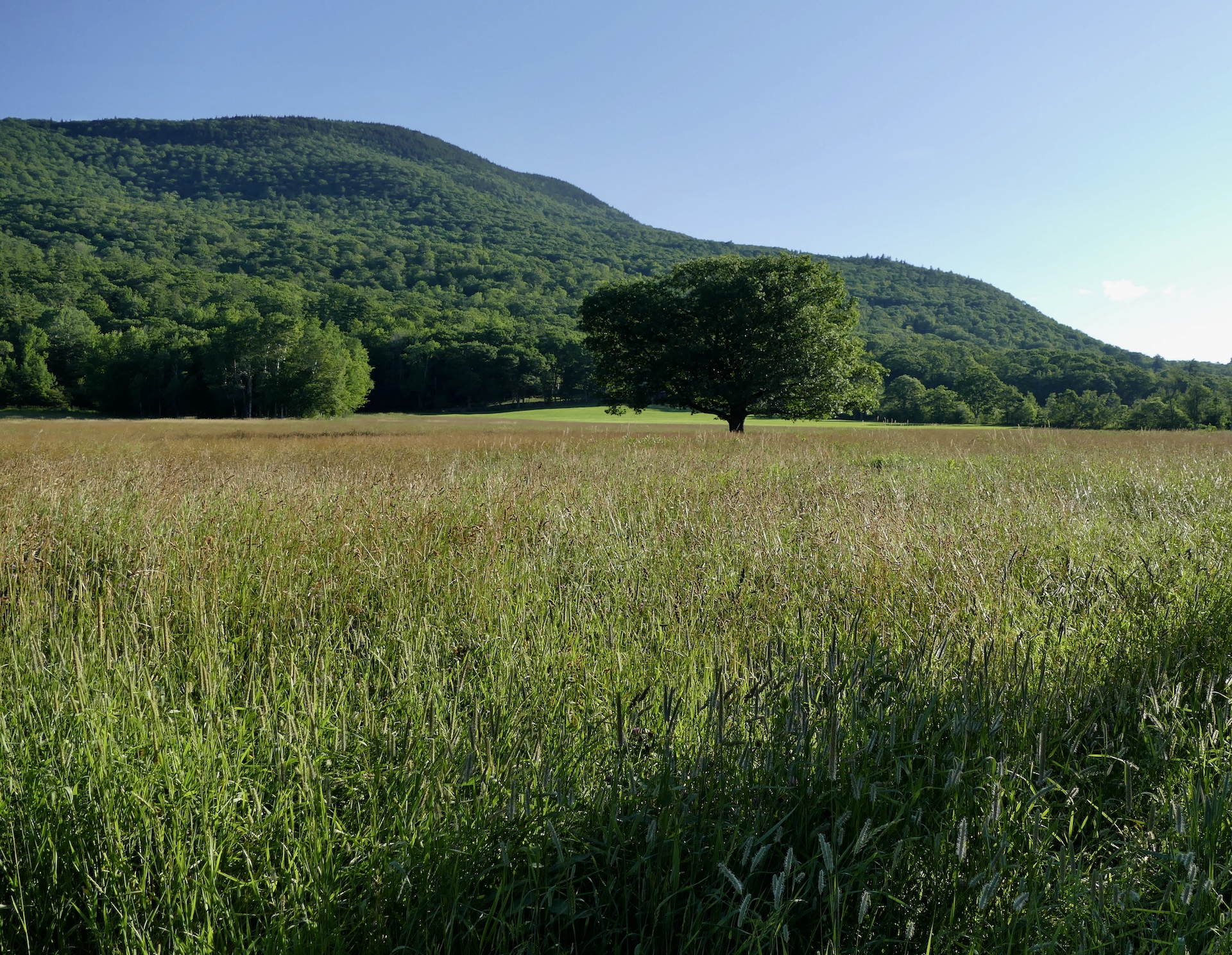
These long grain-fields which you must respect,—must go round,—- occupying the ground like an army. The small trees and shrubs seen dimly in its midst are overwhelmed by the grain as by an inundation. They are seen only as indistinct forms of bushes and green leaves mixed with the yellow stalks. There are certain crops which give me the idea of bounty, of the Alma Natura. They are the grains. Potatoes do not so fill the lap of earth. This rye excludes everything else and takes possession of the soil. The farmer says, “Next year I will raise a crop of rye” and he proceeds to clear away the brush, and either plows it, or, if it is too uneven or stony, burns and harrows it only, and scatters the seed with faith. And all winter the earth keeps his secret. — unless it did leak out somewhat in the fall, — and in the spring this early green on the hillsides betrays him. When I see this luxuriant crop spreading far and wide in spite of rock and bushes and unevenness of ground. I cannot help thinking that it must have been unexpected by the farmer himself, and regarded by him as a lucky accident for which to thank fortune. This, to reward a transient faith, the gods had given. As if he must have forgotten that he did it. until he saw the waving grain inviting his sickle.










You must be logged in to post a comment.