in Thoreau’s Journal:
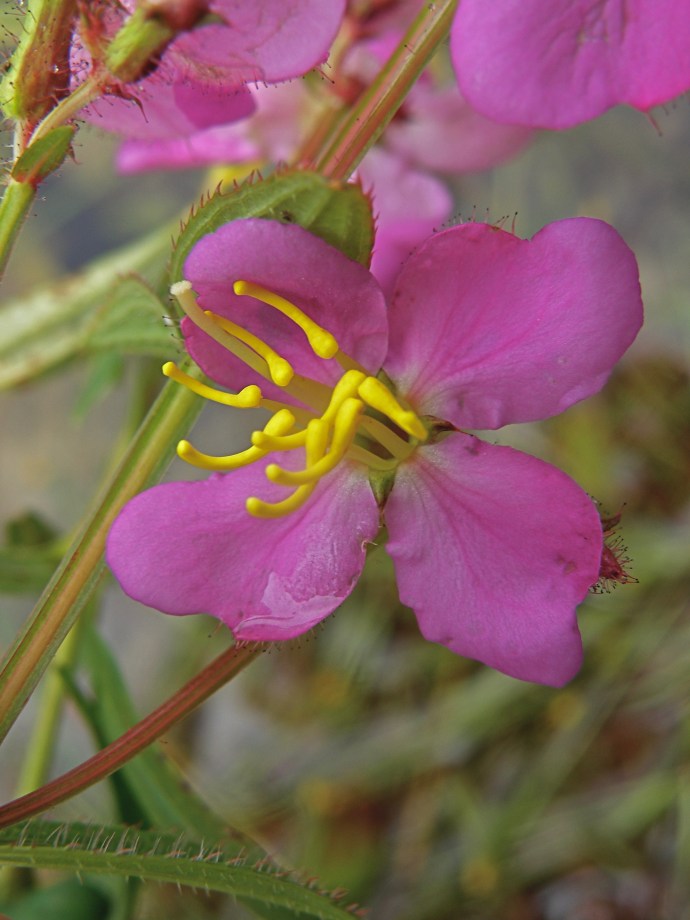
I cannot sufficiently admire the Rhexia one of the highest colored purple flowers—
but difficult to bring home in its perfection—with its fugacious petals.
in Thoreau’s Journal:
I cannot sufficiently admire the Rhexia one of the highest colored purple flowers—
but difficult to bring home in its perfection—with its fugacious petals.
in Thoreau’s Journal:
A pleasant time to behold a small lake in the woods is in the interval of a gentle rainstorm at this season—when the air & water are perfectly still but the sky still overcast.

1st because the lake is very smooth at such a time—2nd as the atmosphere is so shallow & contracted—being low roofed with clouds—the lake as a lower heaven is much larger in proportion to it— With its glassy reflecting surface it is somewhat more heavenly & more full of light—than the regions of the air above it.
in Thoreau’s Journal:

At the E window. A temperate noon. I hear a cricket creak in the shade also the sound of a distant piano. The music reminds me of imagined heroic ages—it suggests such ideas of human life and the field which the earth affords as the few noblest passages of poetry— Those few interrupted strains which reach me through the trees suggest the same thoughts & aspirations that all melody—by whatever sense appreciated has ever done— I am affected.
in Thoreau’s Journal:
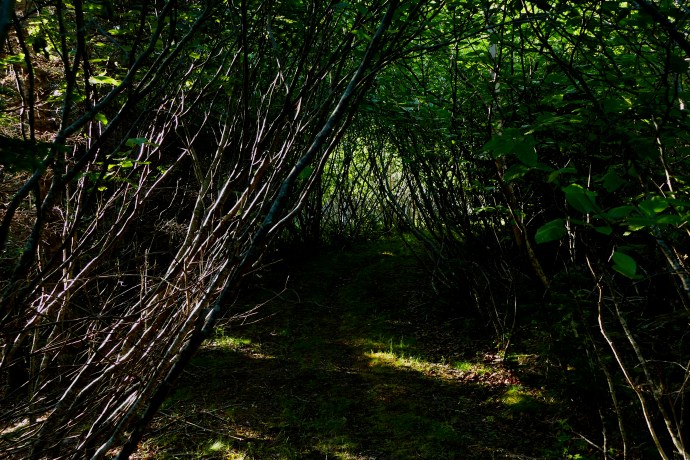
….I walked through a long alder copse where the leafy tops of the alders spread like umbrellas over my head…

in Thoreau’s Journal:
There is more shadow under the edges of woods & copses now—

The foliage appears to have increased so that the shadows are heavier & perhaps it is this that makes it cooler especially morning and evening though it may be as warm as ever at noon.
in Thoreau’s Journal:
The fore part of this month was the warmest weather we have had; the last part sloping toward autumn has reflected some of its coolness, for we are very forward to anticipate the fall.


Perhaps I may say the spring culminated with the commencement of haying—& the summer side of the year in mid July.
in Thoreau’s Journal:

I see a bluet still in damp ground.

in Thoreau’s Journal:

It is pleasing to behold at this season contrasted shade and sunshine on the side of neighboring hills. They are not so attractive to the eye when all in the shadow of a cloud or wholly open to the sunshine. Each must enhance the other.
in Thoreau’s Journal:

The slight distraction of picking berries is favorable to a wild abstracted poetic mood.— to sequestered or transcendental thinking. I return ever more fresh to my mood from such slight interruptions.
in Thoreau’s Journal:

It is a rare music the earliest bee’s hum amid the flowers—revisiting the flower bells just after sunrise.
in Thoreau’s Journal:

The Cardinal flower probably open today.
in Thoreau’s Journal:


Now is the haying season. How active must these men be, all the country over, that they may get through their work in season!
1851 in Thoreau’s Journal:

The season of morning fogs has arrived.
1853 in Thoreau’s Journal:


On one account at least I enjoy walking in the fields less at this season than any other—there are so many men in the fields haying now.
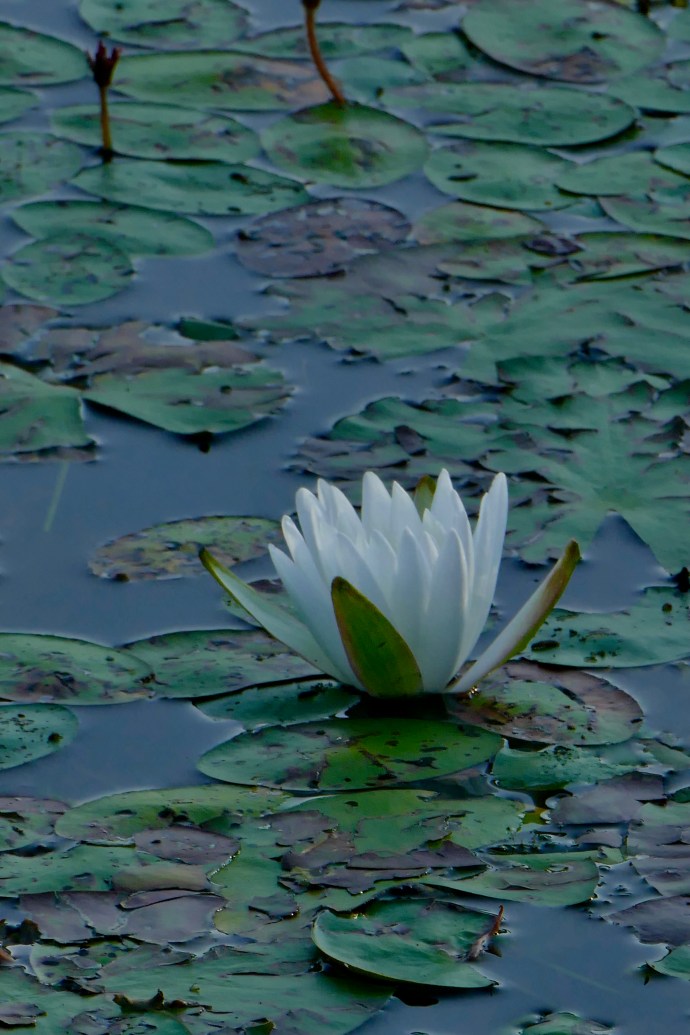
The white lily has opened how could it stand these heats….
in Thoreau’s Journal:
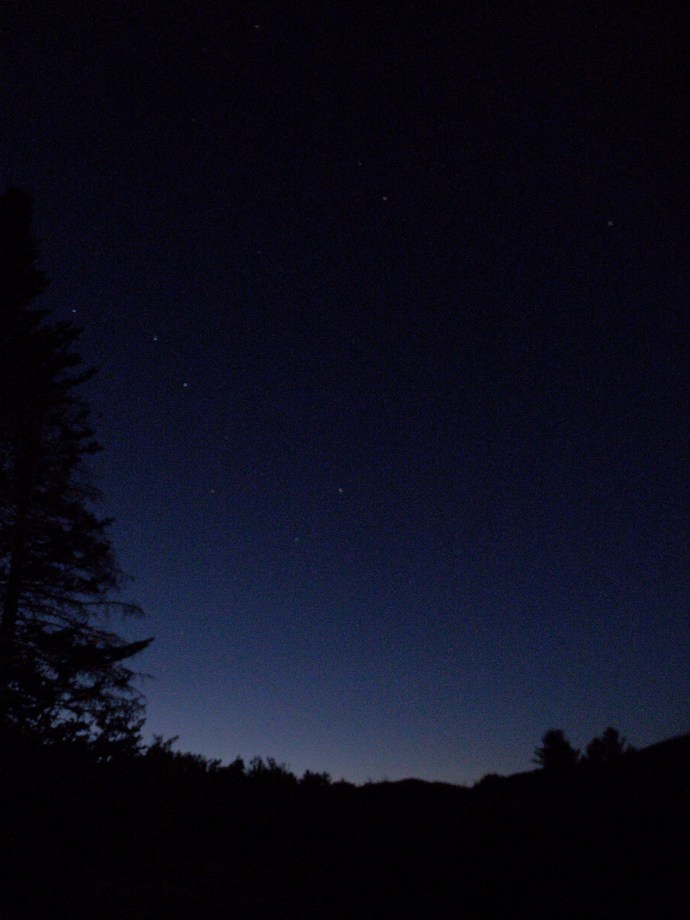
It is star light—you see the first star in the SW & know not how much earlier you might have seen it had you looked.
in Thoreau’s Journal:

The white cotton-grass now & how long?
in Thoreau’s Journal:

It is a test question affecting the youth of a person, ––Have you knowledge of the morning? Do you sympathize with that season of nature?
in Thoreau’s Journal:
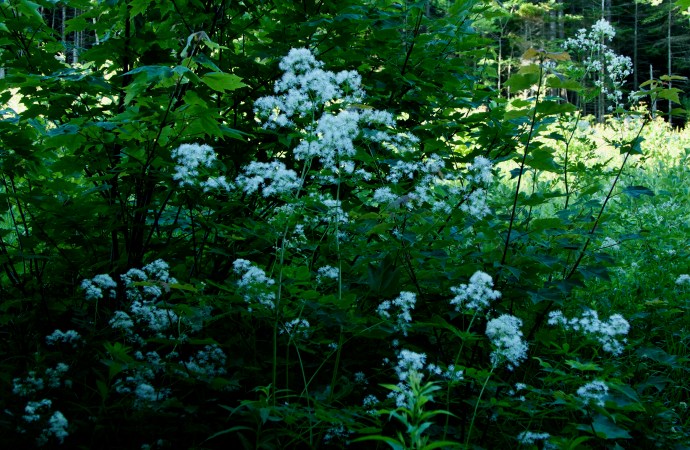
The meadows on the Turnpike are white with the meadow rue now more than ever. They are filled with it many feet high.


You must be logged in to post a comment.