in Thoreau’s Journal:

A thick fog began last night & lasts till late this morning. First of the kind methinks

in Thoreau’s Journal:
A thick fog began last night & lasts till late this morning. First of the kind methinks
in Thoreau’s Journal:
This cooler—still cloudy weather after the rain is very autumnal & restorative to our spirits— The robin sings—still—but the goldfinch twitters over oftener—& I hear the link link of the bobolink (one perfect strain!) and the crickets creak more as in the fall— All these sounds dispose our minds to serenity….
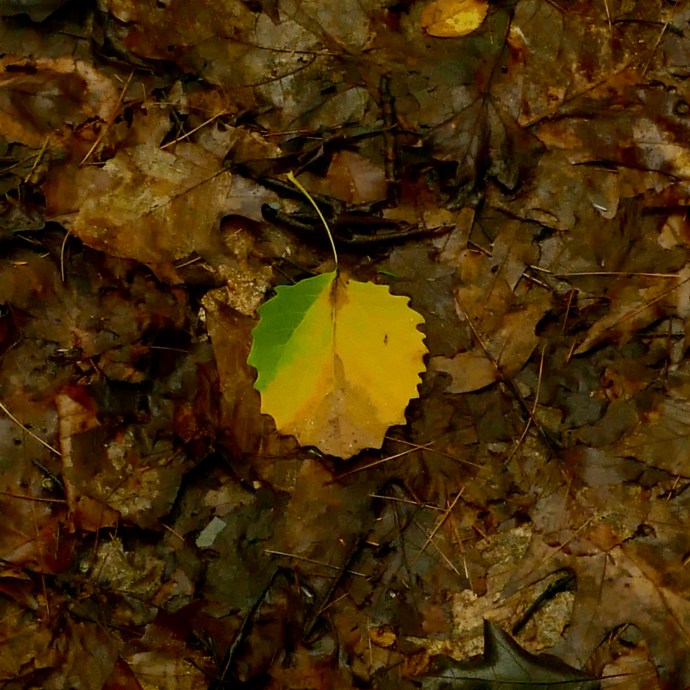
We seem to be passing or to have passed a dividing line between spring & autumn—& begin to descend the long slope toward winter.
in Thoreau’s Journal:
How deep or perhaps slaty sky-blue are those blueberries that grow in the shade—
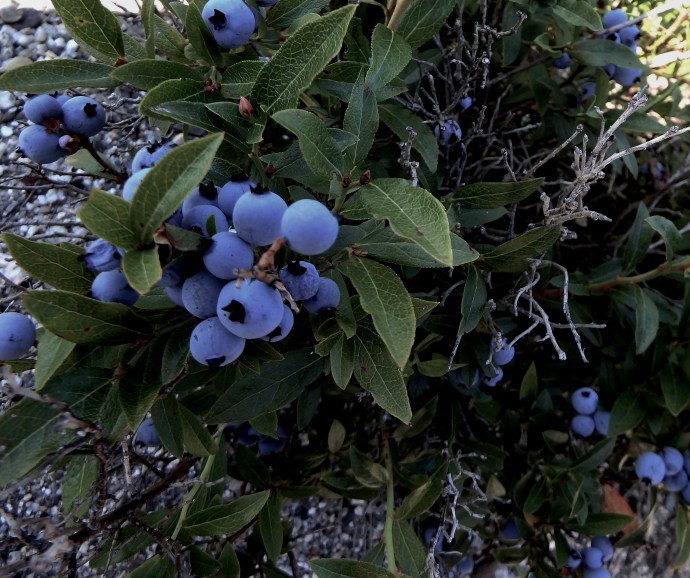
It is an unexpected & thrilling discovery to find such etherial fruits in dense drooping clusters under the fresh green of oak & hickory sprouts. Those that grow in the sun—appear to be the same species only to have lost their bloom & freshness—and hence are darker.
in Thoreau’s Journal:
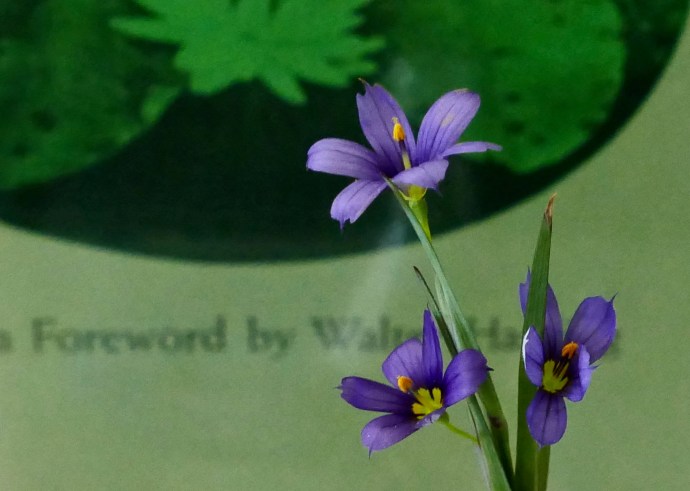
A Journal.— a book that shall contain a record of all your joy—your extacy.
in Thoreau’s Journal:

The king bird is active over the causeway notwithstanding the heat.
in Thoreau’s Journal:
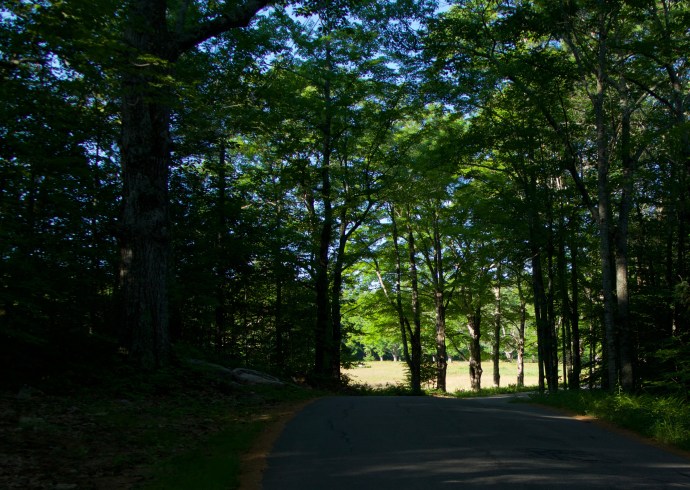
How valuable & significant is shade now— Trees appear valuable for shade mainly—& we observe their shadows as much as their form & foliage. The waving of the meadow grass near Fair Haven Isle—is very agreeable & refreshing to one looking down from an elevation. It appears not merely like a waving—or undulation but a progress—a creeping as of an invisible army over it—its flat curly head. The grass appears tufted—watered. On the river the ripple is continued into the pads—where it is smoother—a longer undulation. Pines or evergreens do not attract so much attention now. They have retired on the laurels of the winter.
What is called genius is the abundance of life or health so that whatever addresses the senses—as the flavor of these berries—or the lowing of that cow—which sounds as if it echoed along a cool mt side just before night—where odoriferous dews perfume the air and there is everlasting vigor serenity—& expectation of perpetual untarnished morning—each sight & sound & scent & flavor—intoxicates with a healthy intoxication— The shrunken stream of life overflows its banks makes & fertilizes broad intervals from which generations derive their sustenances. This is the true overflowing of the Nile. So exquisitely sensitive are we— It makes us embrace our fates & instead of suffering or indifference, we enjoy & bless.
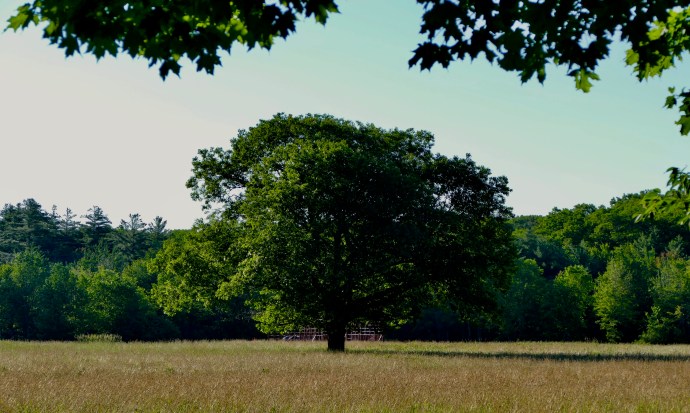
The rye-fields are now quite yellow & ready for the sickle. Already there are many flavous colors in the landscape—much maturity of small seeds. The nodding heads of the rye make an agreeable maze to the eye.
in Thoreau’s Journal:
Morton, in his Crania Americana says—referring to Wilkinson as his authority—that “Vessels of porcelain of Chinese manufacture, have of late been repeatedly found in the catacombs of Thebes, in Egypt” some as old as the Pharaonic period. And the inscriptions on them “have been read with ease by Chinese scholars, and in three instances record the following legend:—
The flower opens, and lo! another year.”
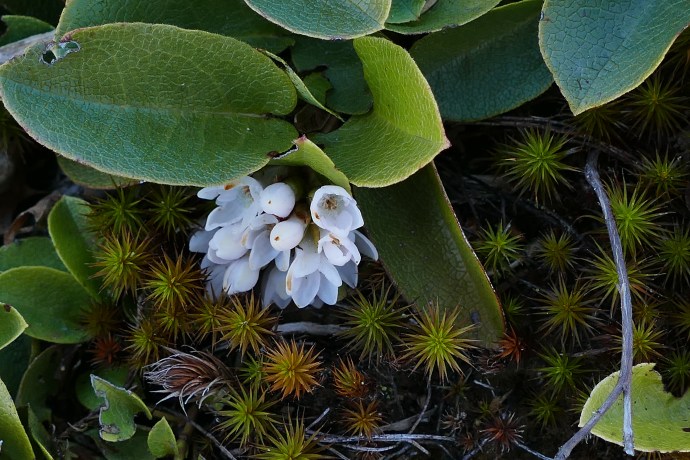
There is something sublime in the fact that some of the oldest written sentences should thus celebrate the coming in of Spring. How many times have the flowers opened and new year begun! Hardly a more cheering sentence could have come down to us. How old is spring—a phenomenon still so fresh! Do we perceive any decay in Nature? How much evidence is contained in this short and simple sentence respecting the form inhabitants of this globe! It is a sentence to be inscribed on vessels of porcelain. Suggesting that so many years had gone before. An observation as fit then as now.
in Thoreau’s Journal:
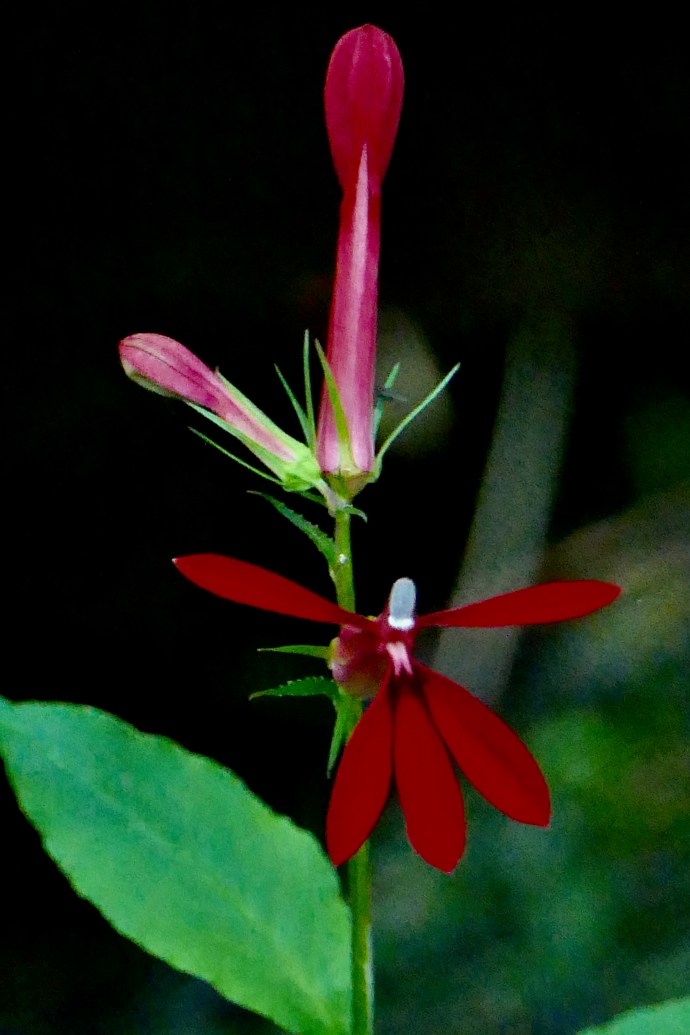
The cardinal flower shows red.
in Thoreau’s Journal:
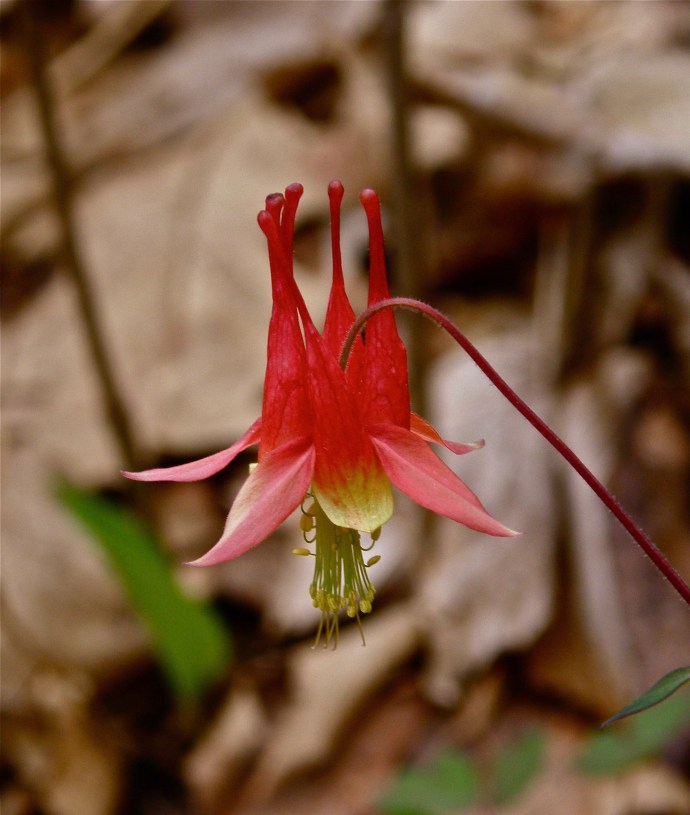
Columbines still—
in Thoreau’s Journal:
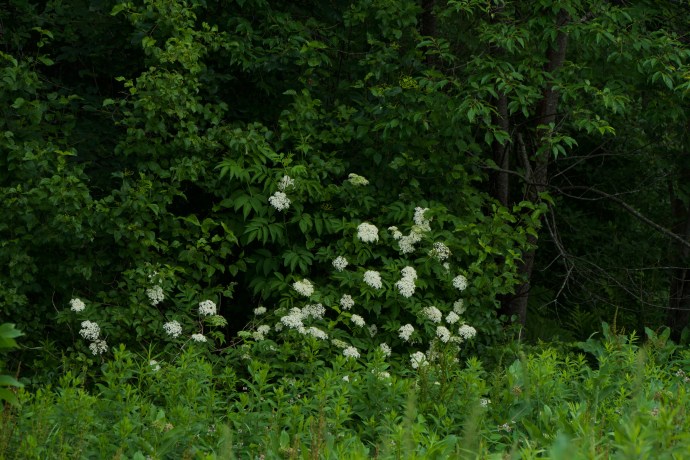
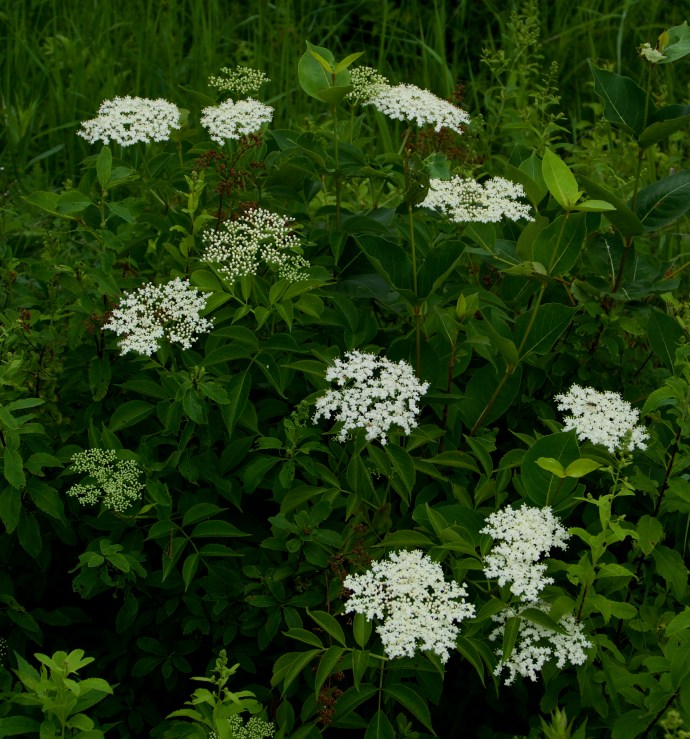
The pure white cymes (?) of the elder are very conspicuous now along the edges of meadows contrasting with the green above and around—
in Thoreau’s Journal:
How fitting to have every day in a vase of water on your table the wild flowers of the season–which are just blossoming–can any house said to be furnished without them?….
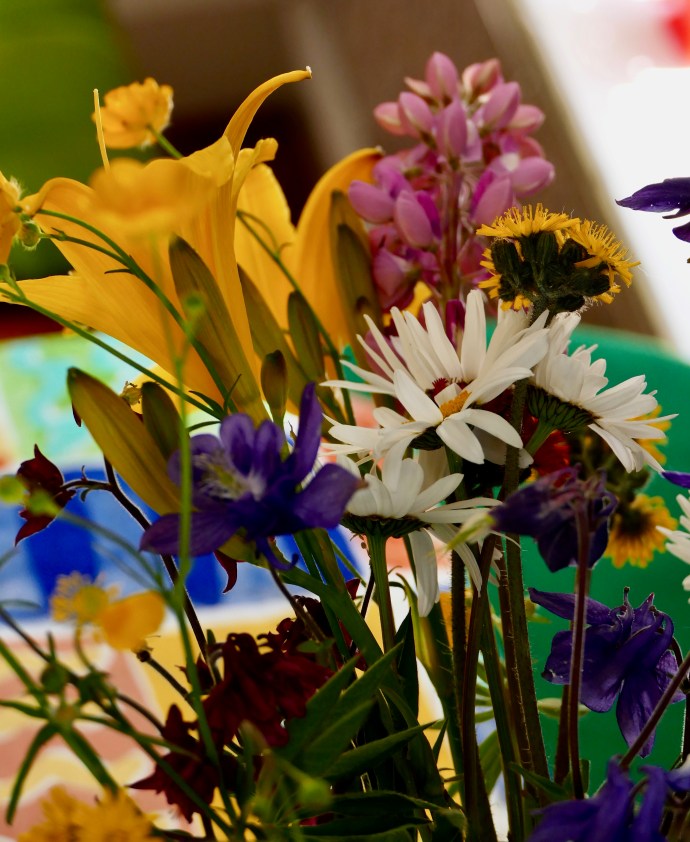
So may the season suggest the fine thoughts it is fitted to suggest.
in Thoreau’s Journal:

It is far more independent to travel on foot….
in Thoreau’s Journal:
The chimaphila umbellata winter-green must have been in blossom some time….
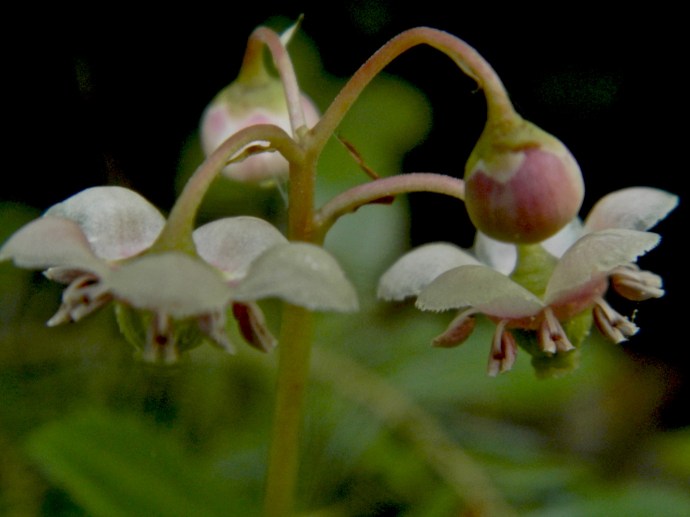
It is a very pretty little chandelier of a flower fit to adorn the forest floor. Its buds are nearly as handsome (They appear long in unfolding).
1851 in Thoreau’s Journal:
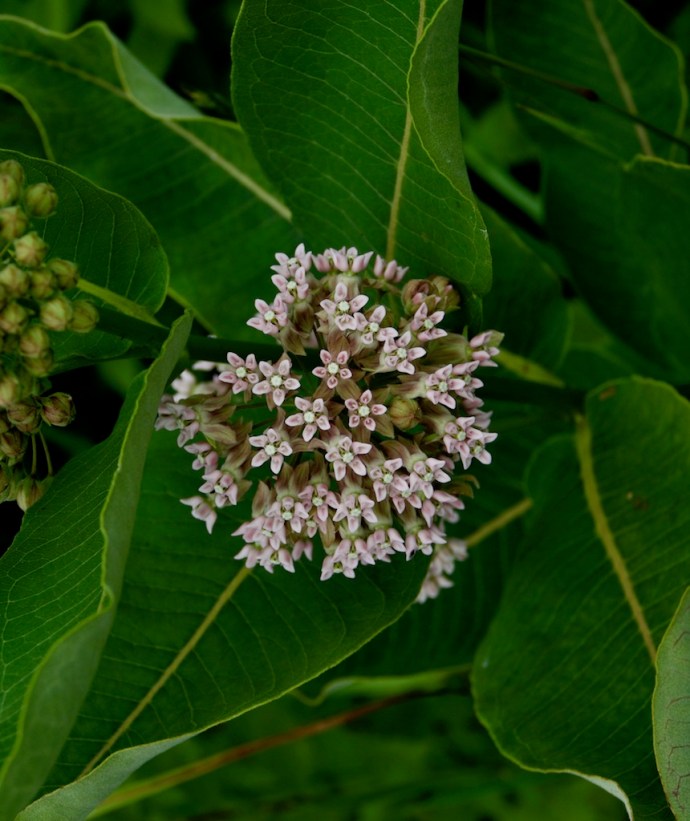
To-day the milk-weed is blossoming.
1852 in Thoreau’s Journal:
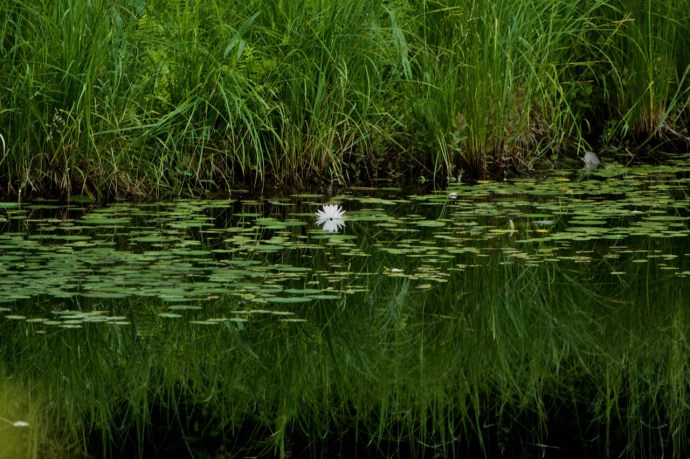
Men will travel to the Nile to see the lotus flower, who have never seen in their glory the lotuses of their native streams.
1858 in Thoreau’s Journal:
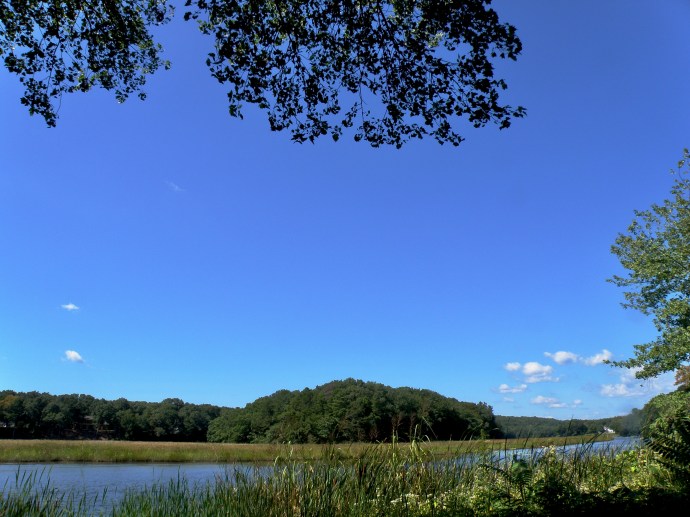
What a relief and expansion of my thoughts when I come out from that inland position by the grave yard to this broad river’s shore!….It is equal to a different season and country and creates a different mood.
in Thoreau’s Journal:
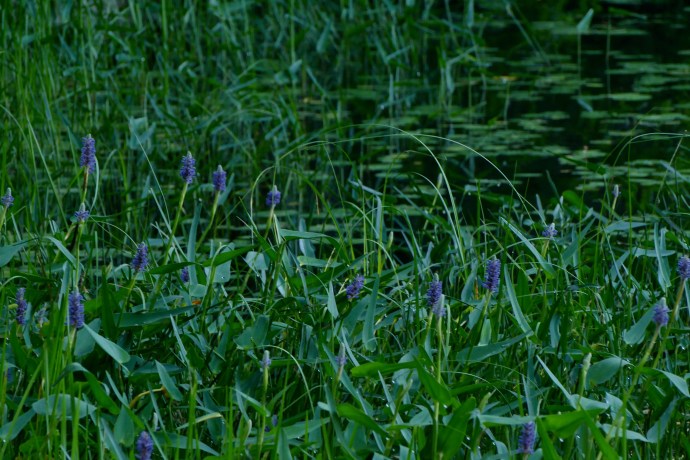
The rich violet purple of the pontederias was the more striking as the blossoms were still rare. Nature will soon be very lavish of this blue along the river sides.
in Thoreau’s Journal:

Now that season begins when you see the river to be so regularly divided longitudinally into pads, smooth water, and sparkling ripples between, in a clear day.
in Thoreau’s Journal:

There is a great deal of white clover this year….As this is the season for the swarming of bees, and this clover is very attractive to them, it is probably the more difficult to secure them; at any rate it is more important, now that they can make honey so fast. It is an interesting inquiry why this year is so favorable to the growth of clover.
in Thoreau’s Journal:
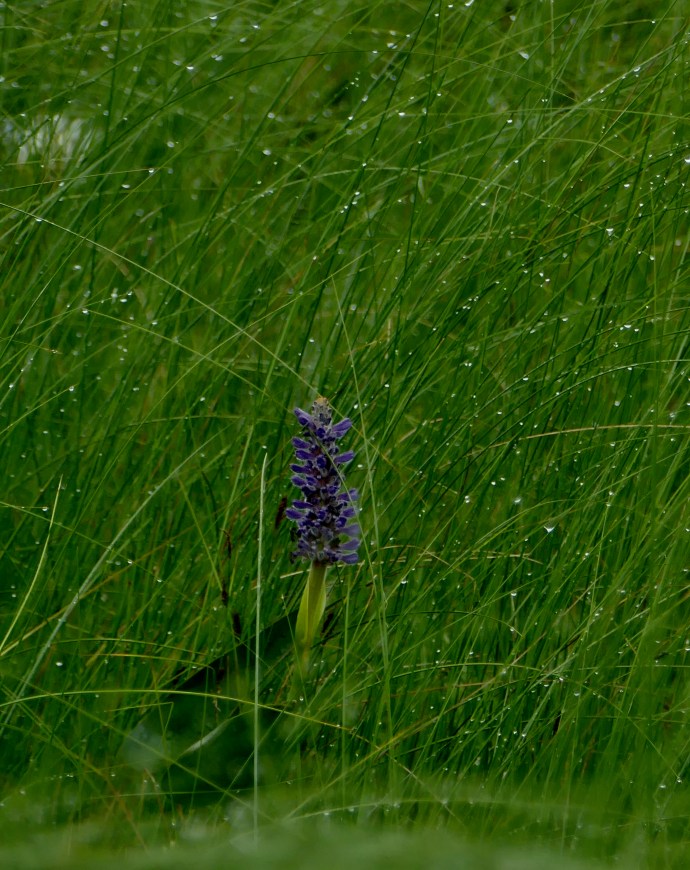
Pontederia to-morrow.
in Thoreau’s Journal:
I still perceive that ambrosial sweetness from the meadows in some places. Give me the strong, rank scent of ferns in the spring for vigor, just blossoming late in the spring.
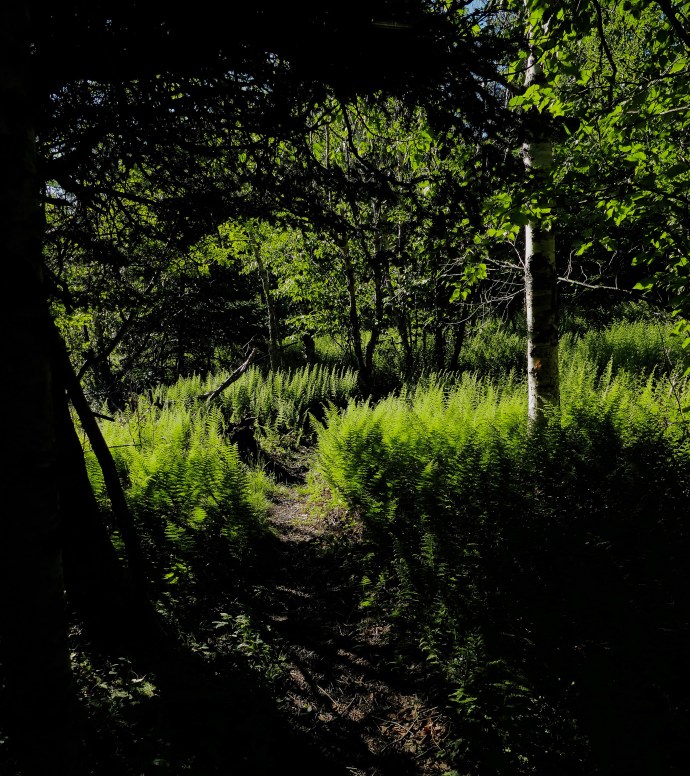
A healthy and refined nature would always derive pleasure from the landscape. As long as the bodily vigor lasts, man sympathizes with Nature.


You must be logged in to post a comment.