in Thoreau’s Journal:

Would it not be a fine office to preserve the vert of this forest in which I ramble?

in Thoreau’s Journal:
Would it not be a fine office to preserve the vert of this forest in which I ramble?
in Thoreau’s Journal:
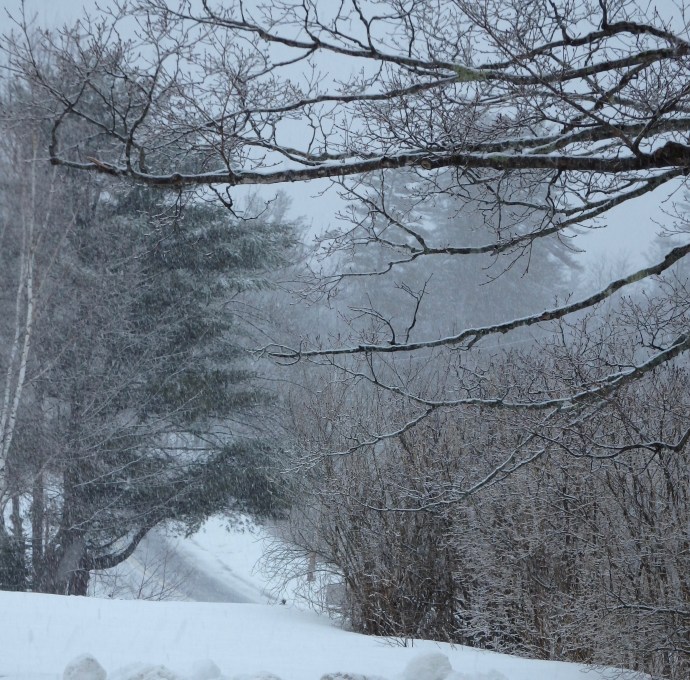
At this season of the year, we are continually expecting warmer weather than we have.
in Thoreau’s Journal:
A driving snow storm in the night & still raging—5 or 6 inches deep on a level at 7 AM.

All birds are turned into snow birds. Trees and houses have put on the aspect of winter. The travelers carriage wheels, the farmer’s wagon are converted into white disks of snow through which the spokes hardly appear. But it is good now to stay in the house & read & write. We do not now go wandering all abroad & dissipated—but the imprisoning storm condenses our thoughts— I can hear the clock tick as not in pleasant weather— My life is enriched— I love to hear the wind howl. I have a fancy sitting with my book or paper—in some mean & apparently unfavorable place—in the kitchen for instance where the work is going on—rather a little cold than comfortable— — My thoughts are of more worth in such places than they would be in a well-furnished studio.
in Thoreau’s Journal:
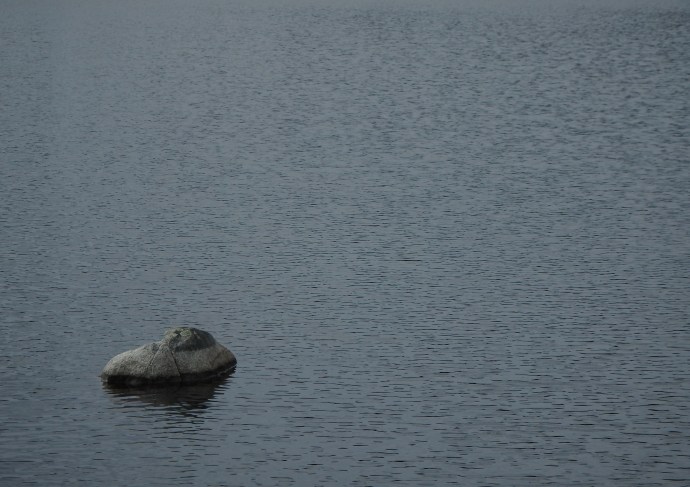
There is this afternoon & evening a rather cool April rain—pleasant to hear its steady dripping.
in Thoreau’s Journal:
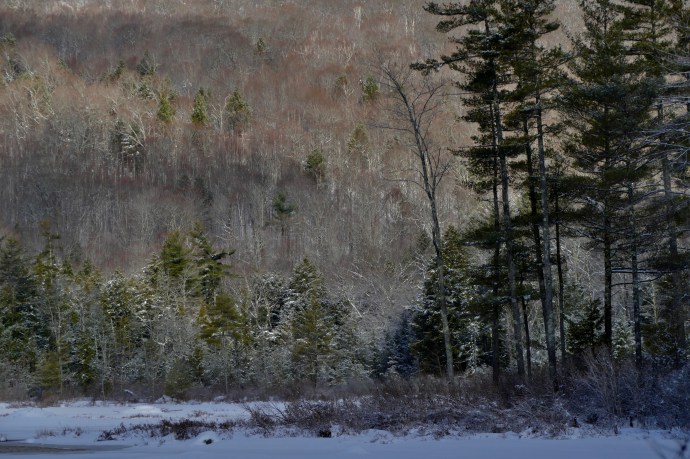
Why are some maples now in blossom so much redder than others.
in Thoreau’s Journal:
We go seeking the south sides of hills and woods, or deep hollows to walk in, this cold and blustering day. We sit by the side of little Goose Pond to watch the ripples on it. Now it is merely smooth, and then there drops down upon it, deep as it lies amid the hills, a sharp and narrow blast of the icy north wind careering above, striking it perhaps by a point or an edge, and swiftly speeding along it, making a dark blue ripple…
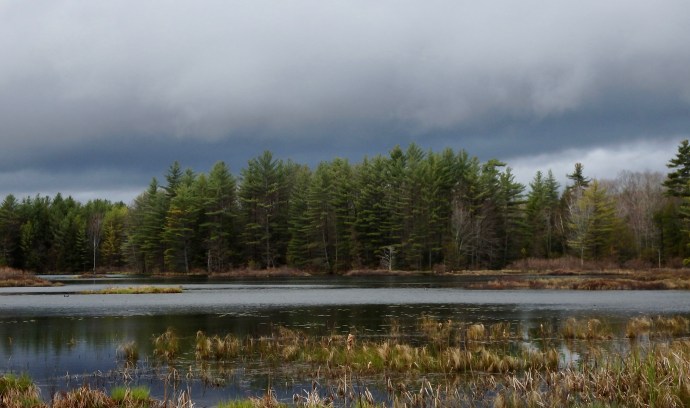
You could sit there and watch these blue shadows playing over the surface like light and shade on changeable silk, for hours…Watching the ripples fall and dark across the surface of low-lying and small woodland lakes is one of the amusements of these windy March and April days.
in Thoreau’s Journal:
The epigea is not quite out.

The earliest peculiarly woodland herbaceous flowers are epigea, anemone, thalictrum and (by the first of May) Viola pedata. These grow quite in the woods amid dry leaves, nor do they depend so much on water as the very earliest flowers.
in Thoreau’s Journal:
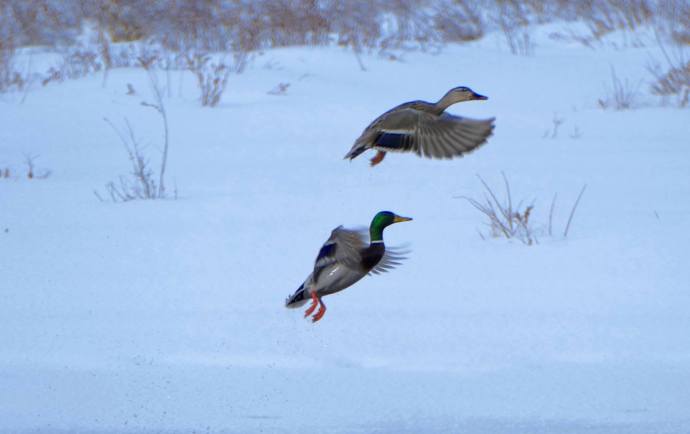
We were but just able to get under the stone arches by lying flat and pressing our boat down, after breaking up a large cake of ice which had lodged against the upper side. Before we get to Clamshell, see Melvin ahead scare up two black ducks, which make a wide circuit to avoid both him and us. Sheldrakes pass also, with their heavy bodies.
in Thoreau’s Journal:
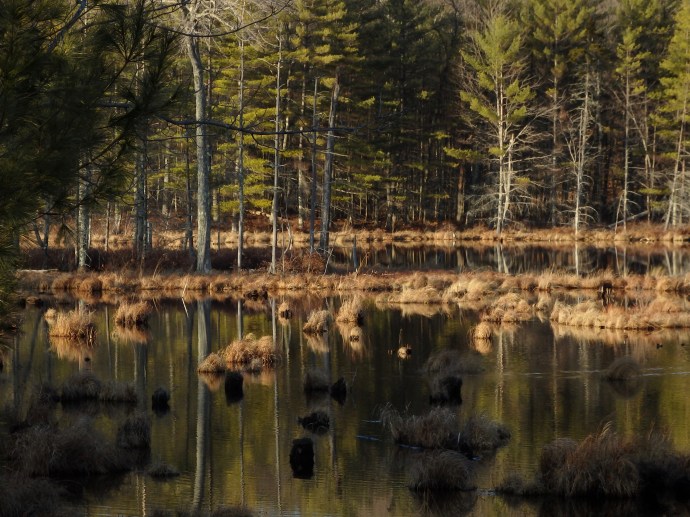
The aspect of April waters, smooth and commonly high, before many flowers (none yet) or any leafing while the landscape is still russet, and frogs are just awakening, is peculiar.
in Thoreau’s Journal:
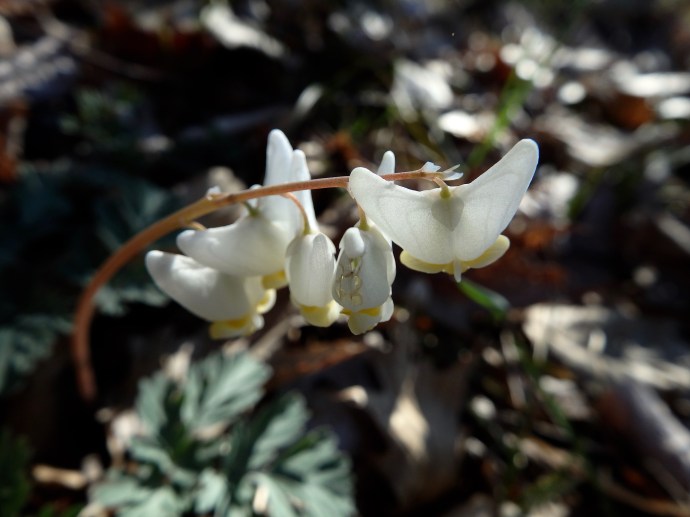
One thing I may depend on, there has been no idling with the flowers.
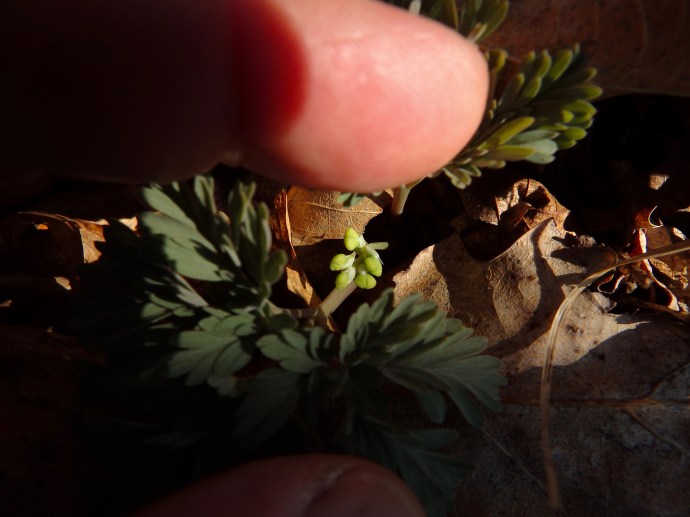
Nature loses not a moment, takes no vacation. They advance as steadily as a clock.
in Thoreau’s Journal:
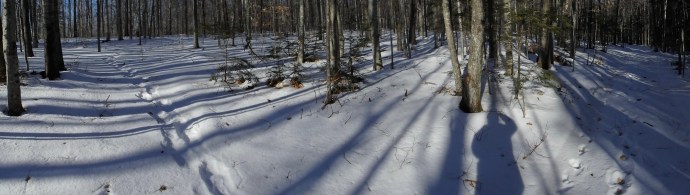
The atmosphere of morning gives a healthy hue to our prospects.
in Thoreau’s Journal:
When I have been out thus the whole day, and spend the whole afternoon returning, it seems to me pitiful and ineffectual to be out, as usual, only in the afternoon, —as if you had come late to a feast, after your betters had done. The afternoon seems at best a long twilight after the fresh and bright forenoon.
in Thoreau’s Journal:
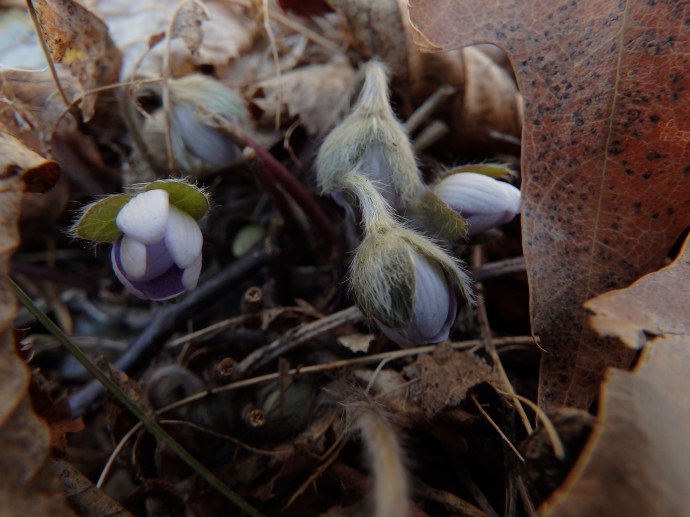
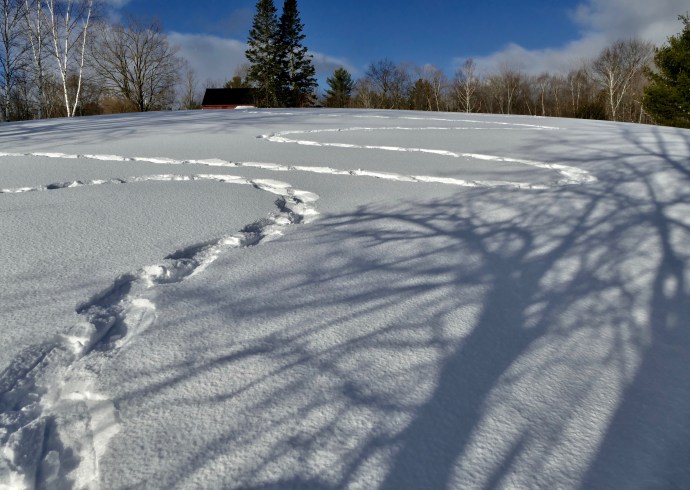
It is evident that it depends on the character of the season whether this flower or that is the most forward, whether there is more or less snow, or cold, or rain, etc.
in Thoreau’s Journal:
Walden is all white ice, but little melted about the shore.
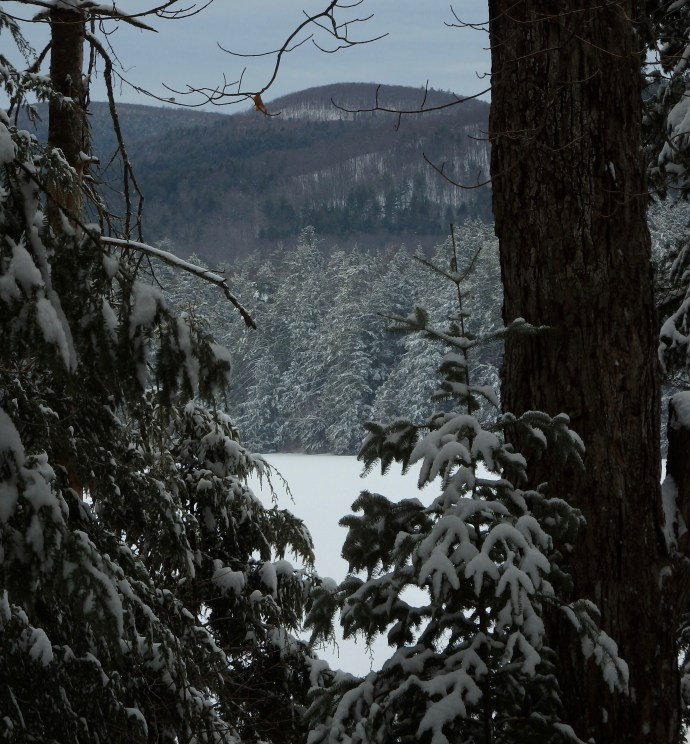
The very sight of it when I get so far on the causeway, though I hear the spring note of the chickadee from over the ice, carries my thoughts back at once some weeks toward winter, and a chill comes over them.
March 31, 1852 in Thoreau’s Journal:
Intended to get up early this morning and commence a series of spring walks, but clouds and drowsiness prevented.
March 31, 1855 in Thoreau’s Journal:
It is suddenly warm, and this amelioration of the weather is incomparably the most important fact in this vicinity. It is incredible what a revolution in our feelings and in the aspect of nature this warmer air alone has produced. Yesterday the earth was simple to barrenness, bound out. Out of doors there was nothing but the wind and the withered grass, and the cold though sparkling water, and you were driven in upon yourself. Now, you would think there was a sudden awakening in the very crust of the earth, as if flowers were expanding and leaves putting forth; but not so. I listen in vain to hear a frog or a new bird as yet. Only the frozen ground is melting a little deeper, and the water is trickling from the hills in some places.
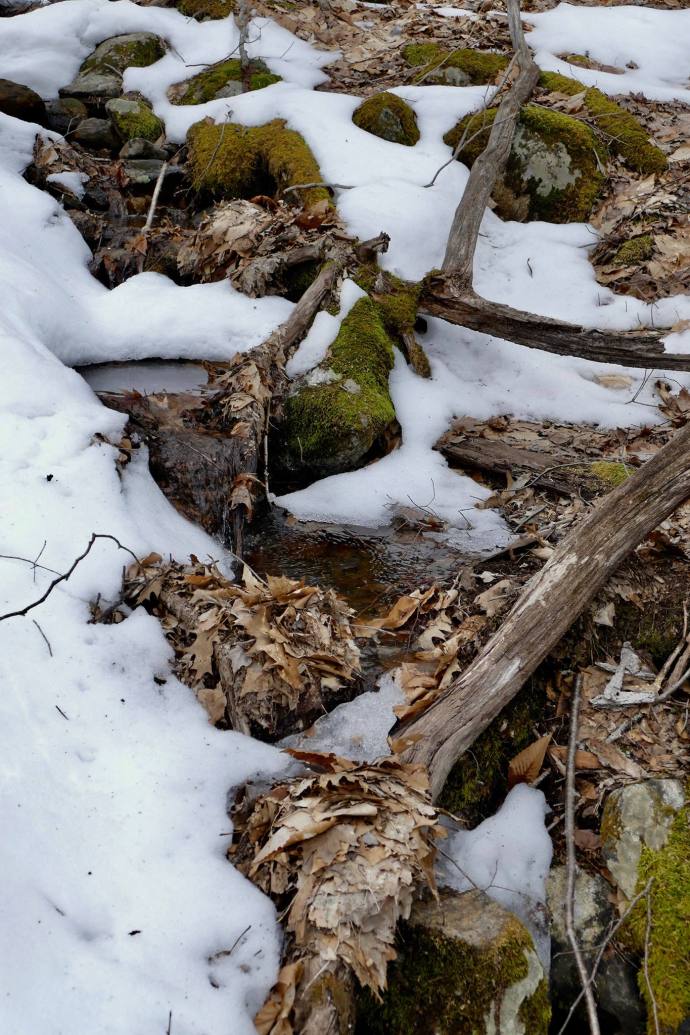
No, the change is mainly in us. We feel as if we had obtained a new lease of life.
in Thoreau’s Journal:
Still cold and blustering…..The spring advances in spite of snow and ice and cold even….How silent are the footsteps of spring! ….In warm recesses in meadows and clefts, in rocks in the midst of ice and snow, nay, even under the snow, vegetation commences and steadily advances.

in Thoreau’s Journal:
This, which is a chilling wind to my fellow, is decidedly refreshing to me….

I feel an impulse also already to jump into the half-melted pond.
in Thoreau’s Journal:
How charming the contrast of land and water, especially where there is a temporary island in the flood with its new and tender shores of waving outline, so withdrawn, yet habitable; above all, if it rises into a hill high above the water, so contrasting with it the more, and if that hill is wooded, suggesting wildness.

Our vernal lakes have a beauty to my mind which they would not possess if they were more permanent. Everything is in rapid flux here, suggesting that nature is alive to her extremities and superficies.
in Thoreau’s Journal, 1842
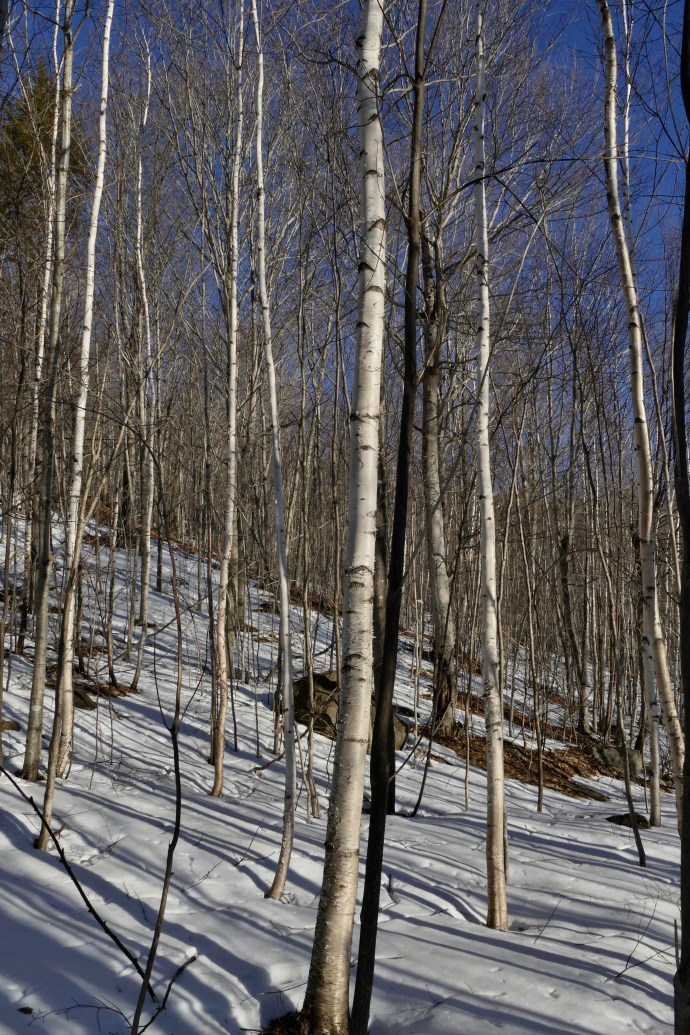
The eye must be firmly anchored to this earth which beholds birches and pines waving in the breeze in a certain light, a serene, rippling light.
in Thoreau’s Journal, 1858
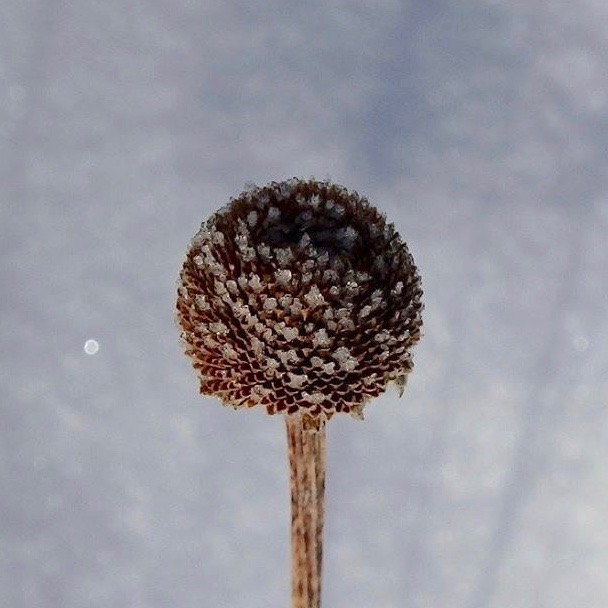
How fitly and exactly any season of the year may be described by indicating the condition of some flower!


You must be logged in to post a comment.