in Thoreau’s Journal:
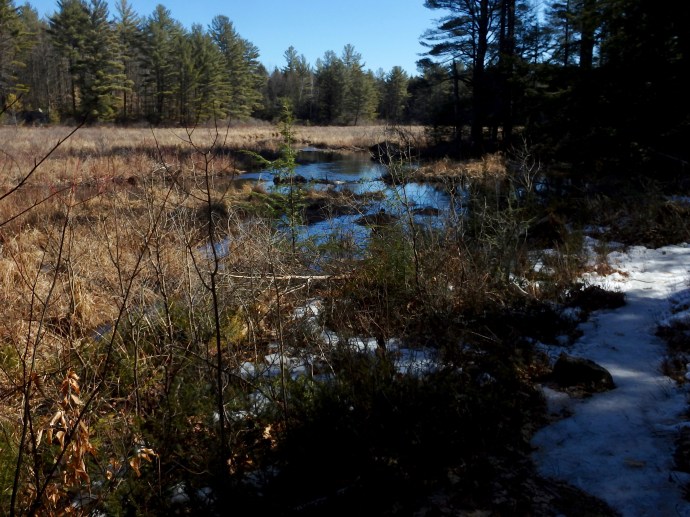
You take your walk some pretty cold and windy, but sunny, March day through rustling woods, perhaps glad to take shelter in the hollows or on the south side of hills or woods.

in Thoreau’s Journal:
You take your walk some pretty cold and windy, but sunny, March day through rustling woods, perhaps glad to take shelter in the hollows or on the south side of hills or woods.
March 25, 1852 in Thoreau’s Journal:
The night of the 24th quite a deep snow covered the ground.
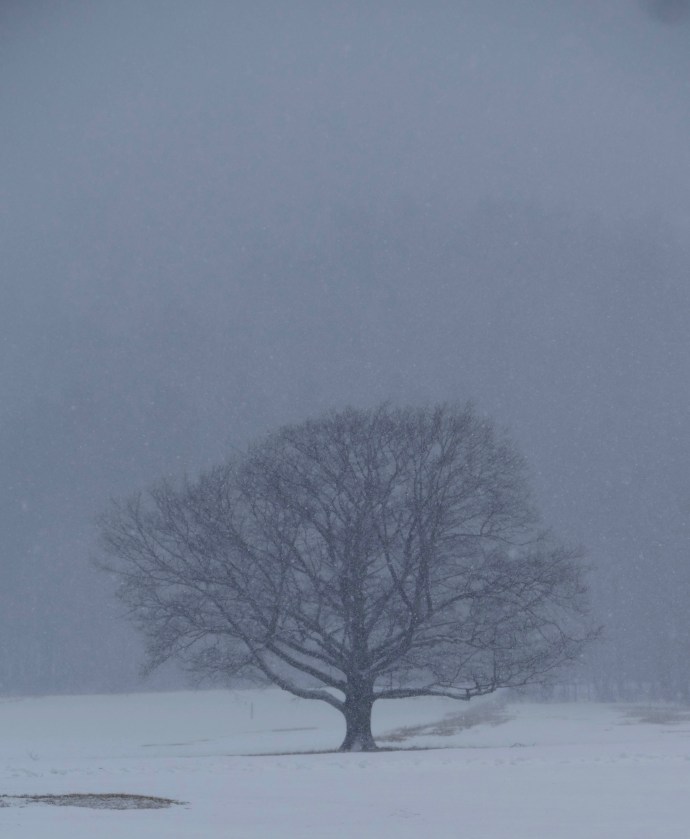
March 24, 2017
in Thoreau’s Journal:

It is too cold to think of those signs of spring which I find recorded under this date last year.
in Thoreau’s Journal:
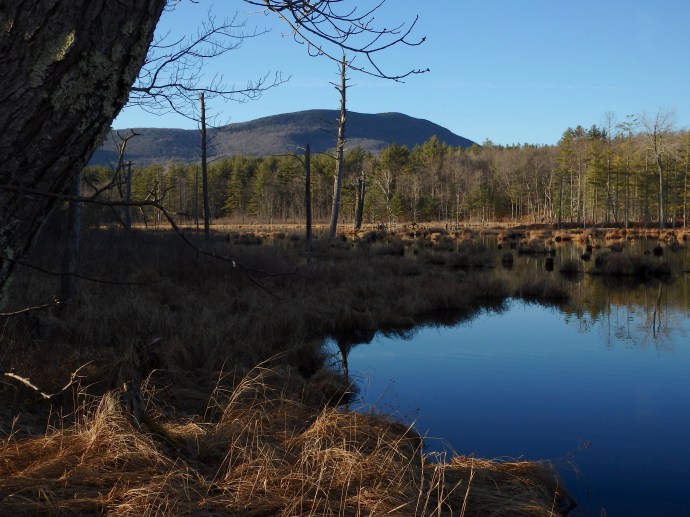
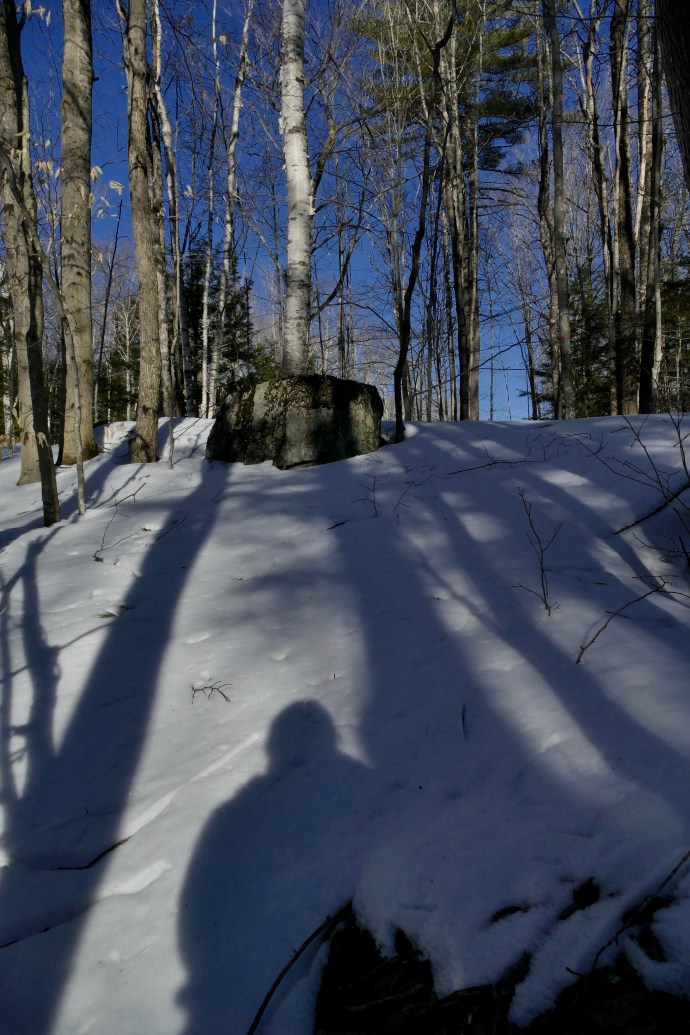
I think I may say that the snow has not been less than a foot deep on a level in open land until to-day, since January 6th, about eleven weeks. I am reassured and reminded that I am the heir of eternal inheritances which are inalienable, when I feel the warmth reflected from this sunny bank, and see the yellow sand and reddish sub soil, and hear some dried leaves rustle and the trickling of some melting snow in some sluiceway.
The eternity which I detect in nature I predicate of myself also. How many springs I have had this same experience! I am encouraged, for I recognize this steady persistency and recovery of nature as a quality of myself.
March 23, 1852
As I cannot go upon a Northwest Passage, then I will find a passage round the actual world where I am. Connect the Behring Straits and Lancaster Sounds of thought; winter on Melville Island, and make a chart of Banks Land; explore the northward-trending Wellington Inlet, where there is said to be a perpetual open sea, cutting my way through floes of ice.
in Thoreau’s Journal:
As soon as those spring mornings arrive in which the birds sing,
 I am sure to be an early riser….
in Thoreau’s Journal:
It is a genial and reassuring day; the mere warmth of the west wind amounts almost to balminess. The softness of the air mollifies our own dry and congealed substance. I sit down by a wall to see if I can muse again.
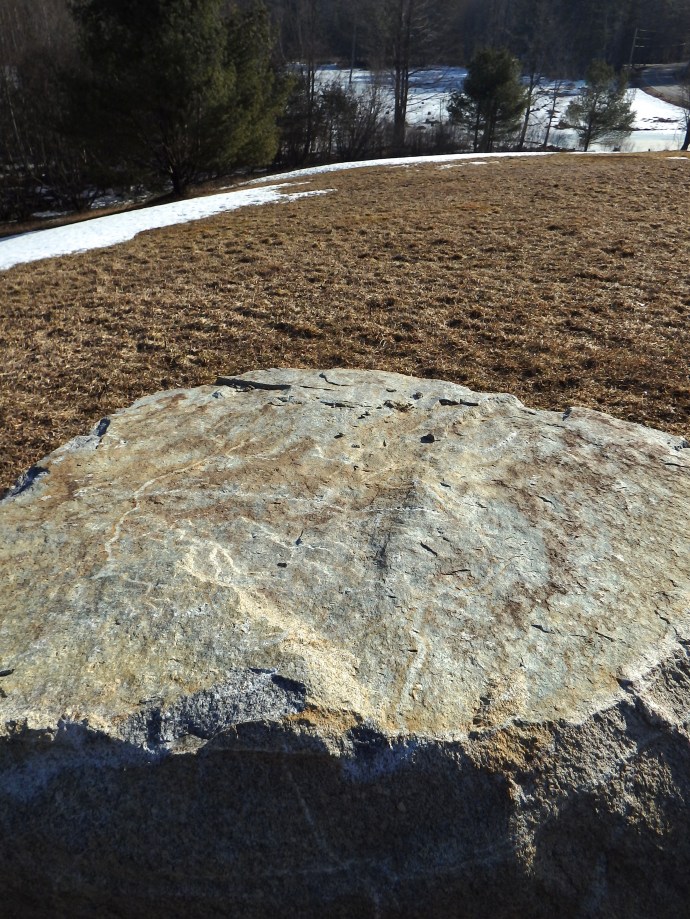
We become, as it were, pliant and ductile again to strange but memorable influences; we are led a little way by our genius. We are affected like the earth, and yield to the elemental tenderness. Winter breaks up within us. The frost is coming out of me, and I am heaved like the road. Accumulated masses of ice and snow dissolve, and thoughts like a freshet, pour down unwonted channels.
in Thoreau’s Journal:
It is remarkable by what a gradation of days which we call pleasant and warm, beginning in the last of February, we come at last to real summer warmth. At first a sunny, calm, serene winter day is pronounced spring, or reminds us of it.

And even the first pleasant spring day, perhaps, we walk with our great-coat buttoned up, and gloves on.
in Thoreau’s Journal:
These spring impressions (as of the apparent waking up of the meadow) are not repeated the same year, at least not with the same force, for the next day the same phenomenon does not surprise us, our appetite has lost its edge. The other day the face of the meadow wore a peculiar appearance, as if it were beginning to wake up under the influence of the southwest wind and warm sun, but it cannot again this year present precisely that appearance to me.

I have taken a step forward to a new position and must see something else. We perceive and are affected by changes too subtle to be described.
in Thoreau’s Journal:
When I get two thirds up the hill, I look round, and am for the hundredth time surprised by the landscape of the river valley and the horizon with its distant blue-scalloped rim…The wind blows strong but warm from west by north (so that I have to hold my paper tight while I write this), making the copses creak and roar, but the sharp tinkle of a song-sparrow is heard through it all.

But, ah! the needles of the pine, how they shine…Every third tree is lit with the most subdued but clear, ethereal light, as if it were the most delicate frost-work in a winter morning, reflecting no heat, but only light. And as they rock and wave in the strong wind, even a mile off, the light courses up and down them as over a field of grain…At sight of this my spirit is like a lit tree.
in Thoreau’s Journal:
No mortal is alert enough to be present at the first dawn of the spring, but he will presently discover some evidence that vegetation had awaked some days at least before.

in Thoreau’s Journal:
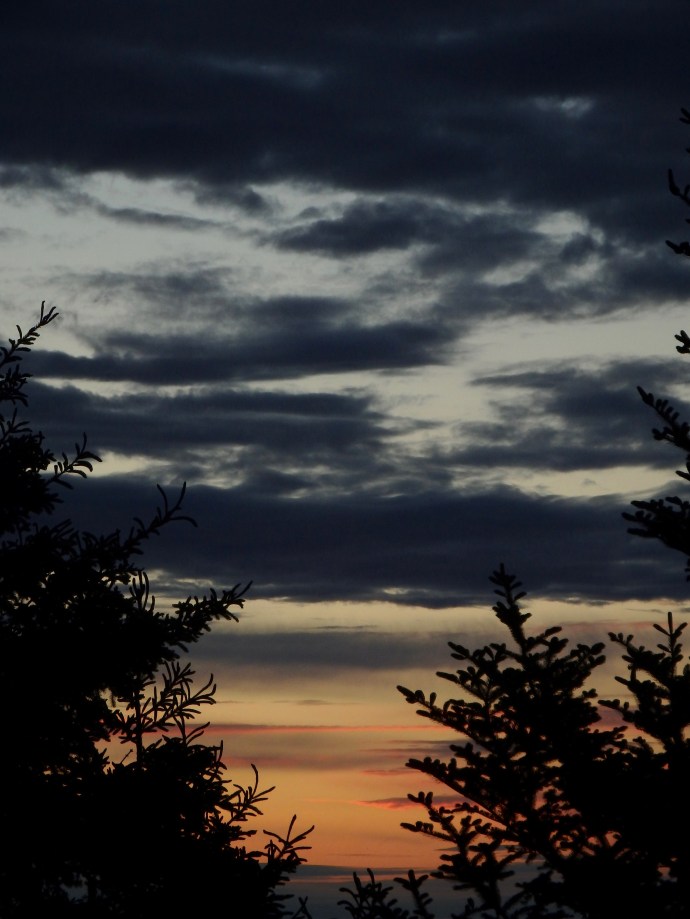
Before sunrise.
With what infinite and unwearied expectation and proclamation the cocks usher in every dawn, as if there had never been one before…
in Thoreau’s Journal:
Nature is constantly original and inventing new patterns, like a mechanic in his shop.

Photo March 15, 2017
in Thoreau’s Journal:
There seems, however, to be little seed left in them. This, then, is reason enough why these withered stems still stand, that they may raise these granaries above the snow for the use of the snowbirds.

in Thoreau’s Journal:

The various hues of brown were most beautifully blended, so that the earth appeared covered with the softest and most harmoniously spotted and tinted fur coat…
in Thoreau’s Journal:
Now is the season to look for Indian relics—the sandy fields being just bared— I stand on the high lichen covered & colored (greenish) hill beyond Abner Buttrick’s— I go further east & look across the meadow to Bedford—& see that peculiar scenery of March—in which I have taken so many rambles—The earth just bare & beginning to be dry—the snow lying on the N sides of hills—the gray deciduous trees & the green pines soughing in the March wind—they look now as if deserted by a companion—(the snow) When you walk over bare lichen-clad hills—just beginning to be dry—& look afar over the blue water on the meadows—You are beginning to break up your winter quarters—& plan adventures for the new year— The scenery is like—yet unlike November— You have the wind—a peculiarly soft moist air or else a raw wind

Now is the reign of water….It is astonishing how soon the ice has gone out of the river. But it still lies on the bottom of the meadow.
in Thoreau’s Journal:
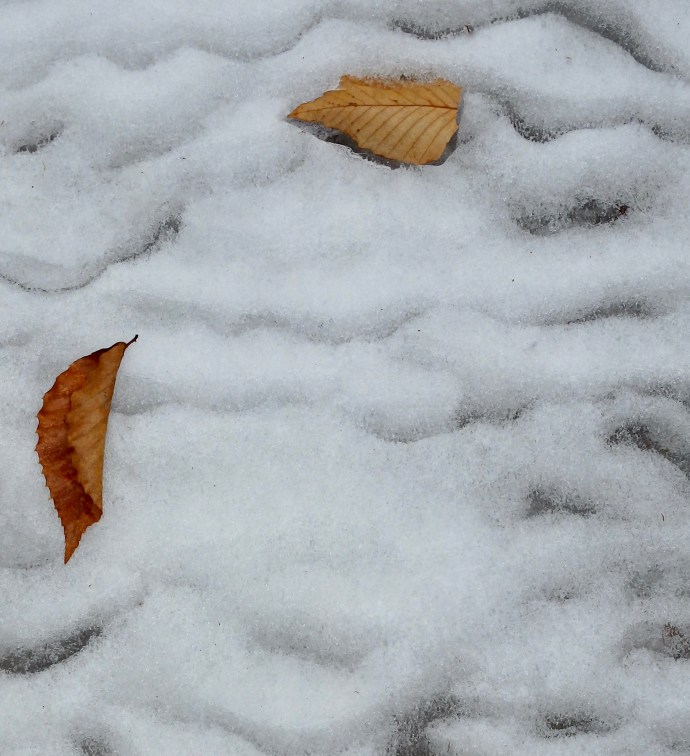
That man is the richest whose pleasures are the cheapest.
in Thoreau’s Journal:
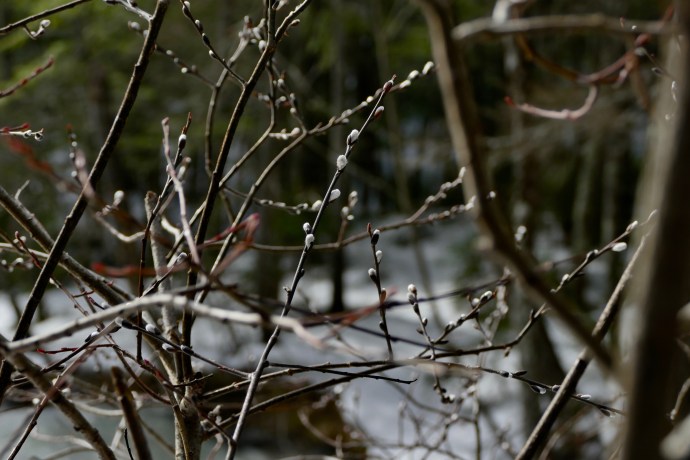
I am not aware of growth of any plant yet, unless it be the peeping out of the willow catkins. They have crept out further from under the scales, and looking closely I detect a little redness along the twigs even now.
You are always surprised by the sight of the first spring bird or insect. They seem premature, and there is no such evidence of spring as themselves, so that they literally fetch the year about.
in Thoreau’s Journal:
Boiled a handful of rock tripe (Umbilicaria Muhlenbergii) (which Tuckerman says “was the favorite rock tripe in Franklin’s journey”) for more than an hour.
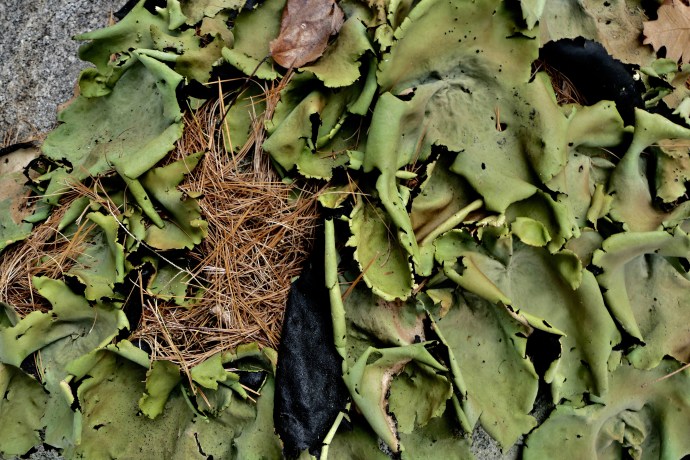
It produced a black puff, looking somewhat like boiled tea-leaves, and was insipid, like rice or starch. The dark water in which it was boiled had a bitter taste, and was slightly gelatinous. The puff was not positively disagreeable to the palate.
in Thoreau’s Journal:
At the end of winter there is a season in which we are daily expecting spring,
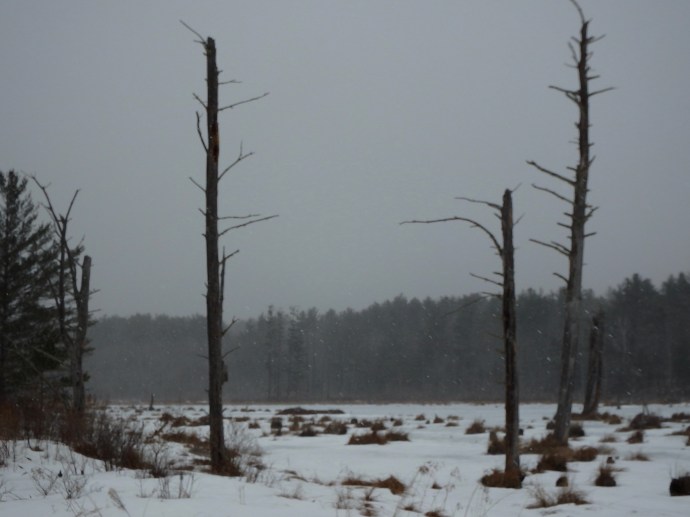
and finally a day when it arrives.
in Thoreau’s Journal:
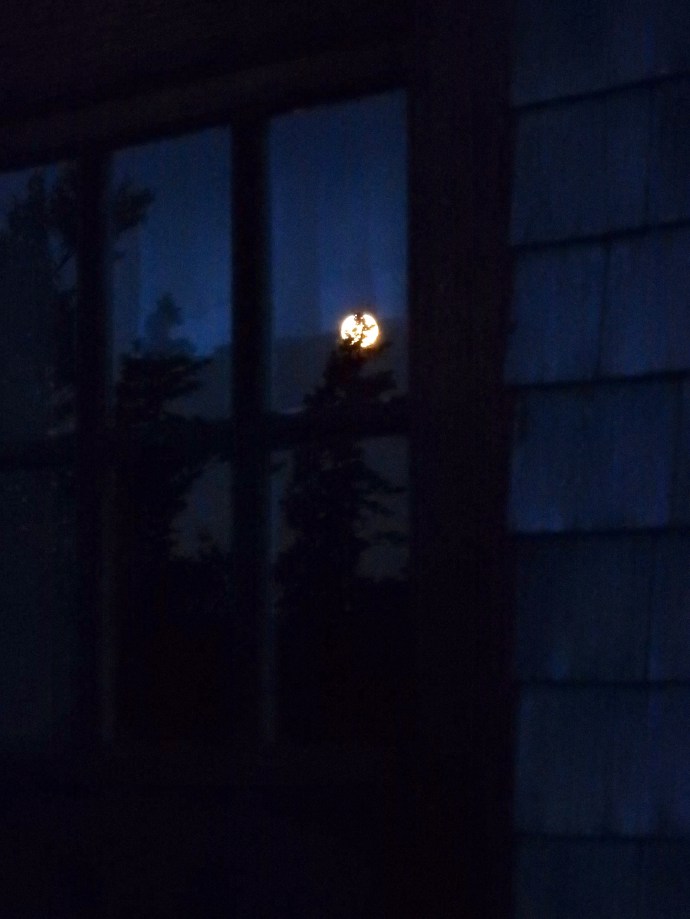
For what a man does abroad by night requires and implies more deliberate energy than what he is encouraged to do in the sunshine….The stillness is more impressive than any sound. The moon, the stars, the trees, the snow, the sand when bare, a monumental stillness whose voice must be supplied by thought…
How much a silent mankind might suggest!


You must be logged in to post a comment.