in Thoreau’s Journal:
In the woods near the top the Vib. lantanoides Hobble bush-Am. in fruit—mostly large & red but the ripe dark blue. or black like the V. nudum— what I have formerly falsely called Moose-berry.

September 5, 2016: Photo
in Thoreau’s Journal:
In the woods near the top the Vib. lantanoides Hobble bush-Am. in fruit—mostly large & red but the ripe dark blue. or black like the V. nudum— what I have formerly falsely called Moose-berry.
September 5, 2016: Photo
in Thoreau’s Journal:

Some galls on the oak an inch in diameter like cast steel-soap balls–quite handsome. Some smaller and redder….
in Thoreau’s Journal:
Would it not be worth the while to devote one day each year to collecting with pains the different kinds of asters perhaps about this time—and another to the golden rods.
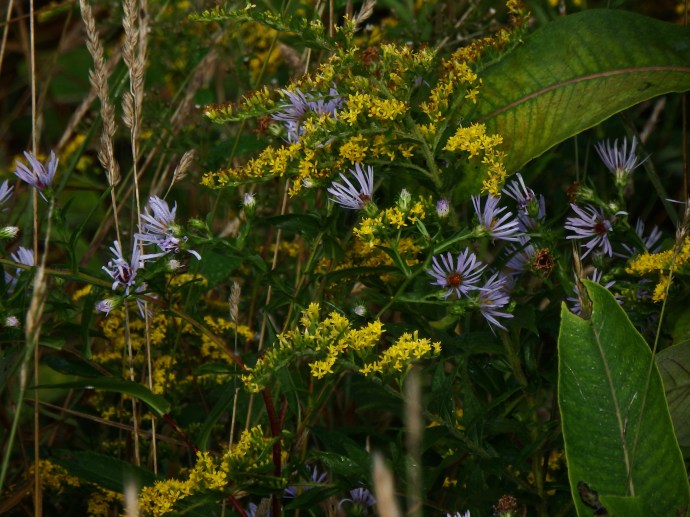
September 2, 2016: Photo
in Thoreau’s Journal:
The Soapwort gentian out abundantly in Flints-Bridge Lane—ap. for a week—a surprisingly deep faintly purplish blue….it has the flowering of the sky.
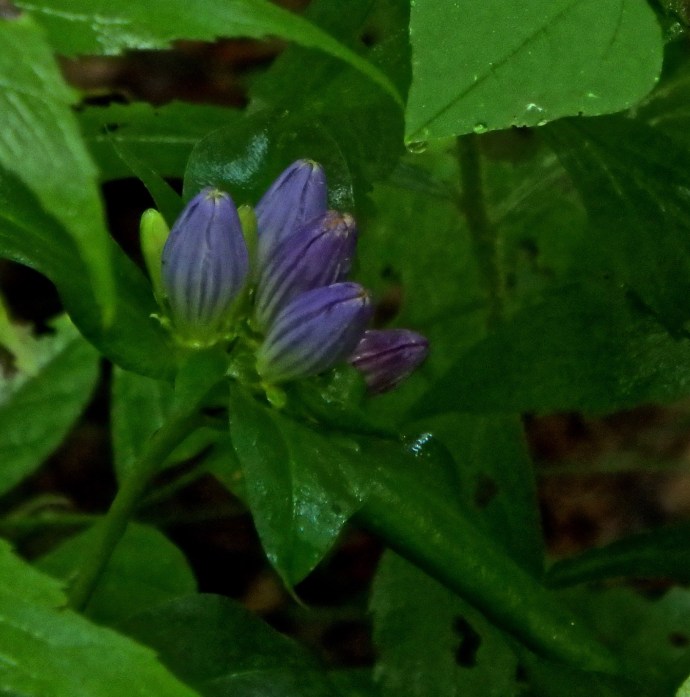
The sky has descended & kissed the earth….Why come these blue flowers thus late in the year.
in Thoreau’s Journal:
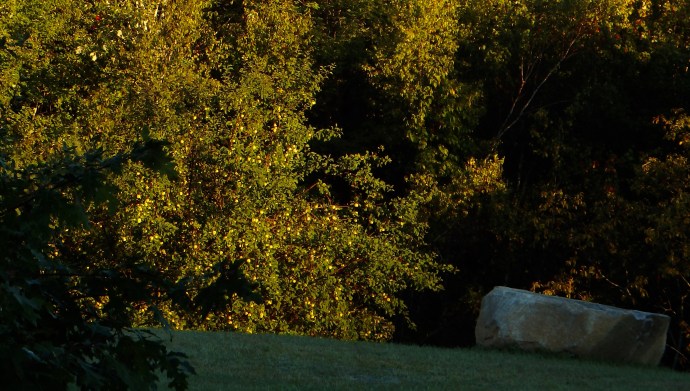
I now begin to pluck wild apples—
in Thoreau’s Journal:
They cannot fatally injure Walden with an axe, for they have done their worst & failed. We see things in the reflection which we do not see in the substance.

In the reflected woods of Pine Hill there is a vista through which I see the sky—but I am indebted to the water for this advantage—for from this point the actual wood affords no such vista.
in Thoreau’s Journal:
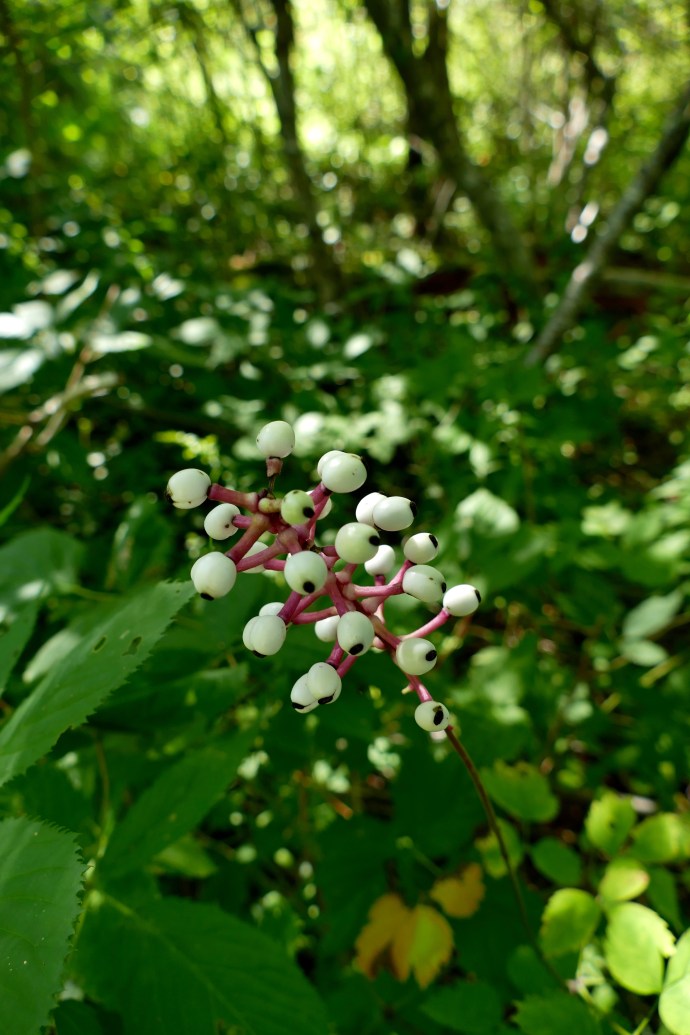
Cohush—now in fruit—ivory white berries lipped now with black on stout red pedicels…
in Thoreau’s Journal:
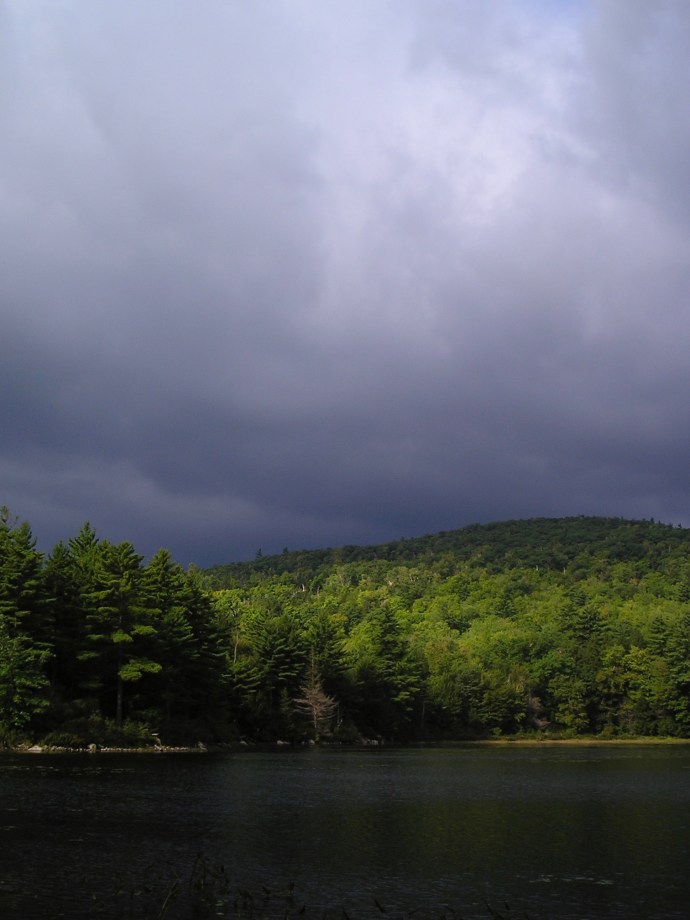
The clearness of the air which began with the cool morning of the 28th ult— makes it delicious to gaze in any direction….Coolness & clarity go together.

Upper Hall Pond, Sandwich, NH
in Thoreau’s Journal:
It is time that we had uncommon schools….
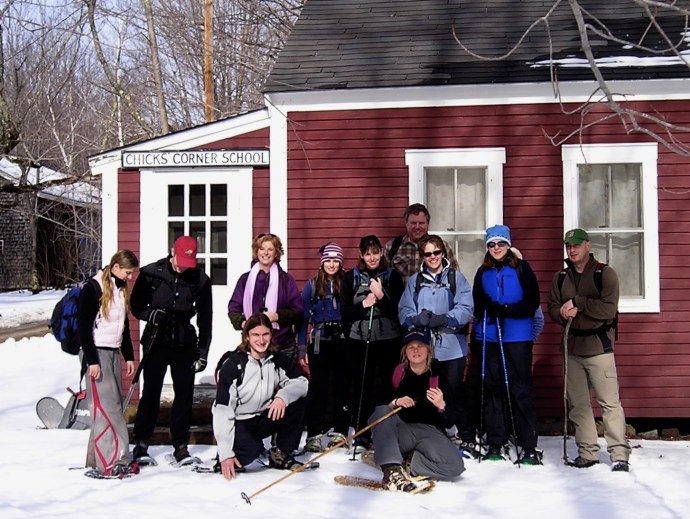
Photo: ED 5010 Philosophy, Ethics and Education, February 4, 2006
in Thoreau’s Journal:
An old poet comes at last to watch his moods as narrowly as a cat does a mouse….I omit the unusual—the hurricanes & earthquakes & describe the common. This has the greatest charm—and is the true theme of poetry. You may have the extraordinary, if you will let me have the ordinary.

in Thoreau’s Journal:
Would it not be well to describe some of those rough—all day walks across lots….
—-Picking our way over quaking meadows & swamps —& occassionally slipping into the muddy batter midleg deep—-jumping or fording ditches & brooks—forcing our way through dense blueberry swamps—-where there is water beneath & bushes above—then brushing through extensive birch forests all covered with green lice—which cover our clothes & face—then under larger wood relieved, more open beneath—-steering for some more conspicuous trunk Now along a rocky hill side where the sweet fern grows for a mile—then over a recent cutting—finding our uncertain footing on the cracking tops & trimmings of trees left by the choppers— Now taking a step or 2 of smooth walking across a high way— Now through a dense pine wood descending—into a rank dry swamp where the cinnamon fern rises above your head—with isles of poison dog wood— Now up a scraggy hill—covered with shrub oak—stooping & winding ones way—for half a mile—tearing ones clothes in many places & putting out ones eyes—& find at last that it has no bare brow but another slope of the same character— Now through a corn field diagonally with the rows—now coming upon the hidden melon patch seeing the back-side of familiar hills & not knowing them. The nearest house to home which you do not know—seeming further off—than the farthest which you do know— In the spring defiled with the froth on various bushes, &c &c &c— Now reaching on higher land some open—pigeon place—a breathing place for us.

in Thoreau’s Journal:
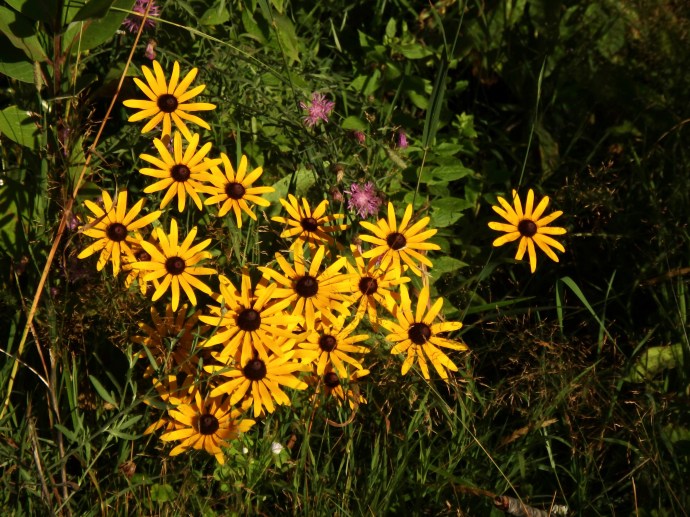
Rudbeckia—the small one—still fresh—
August 26, 1858
Each humblest plant, or weed, as we call it, stands there to express some thought or mood of ours, and yet how long it stands in vain! I have walked these Great Fields so many Augusts and never yet distinctly recognized the purple companions that I have there. I have brushed against them and trampled them down, forsooth, and now at last they have, as it were, risen up and blessed me. Beauty and true wealth are always cheap and despised. Heaven, or paradise, might be defined as the place which men avoid.
in Thoreau’s Journal:
At length before sun down it begins to rain—you can hardly say when it began…dripping & pattering…is quite cheering. It is long since I heard it. One of those serious & normal storms—Not a shower which you can see through— Something regular—a fall (?) rain—coincident with a different mood or season of the mind not a transient cloud that drops rain.

Methinks the truly weather-wise will know themselves—& find the signs of rain in their own moods—the aspect of their own skies or thoughts & questions about the weather without thinking. Does a mind in sympathy with nature need a hygrometer?
in Thoreau’s Journal:
Of cornels have not seen the dwarf nor the dog wood berries. The alternate leaved with red cymes & round dull (?) blue berries appeared first—then the red osier began to turn bright glass beady amethystine (?) blue mixed with white and is still for the most part green—then the white berried—
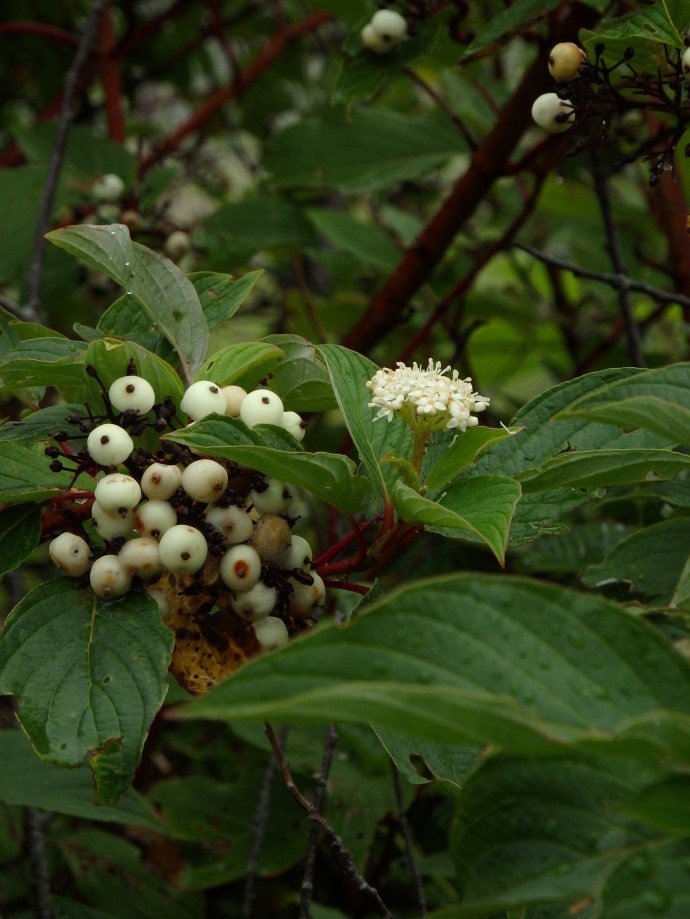
OLYMPUS DIGITAL CAMERA

OLYMPUS DIGITAL CAMERA

OLYMPUS DIGITAL CAMERA
The year is but a succession of days, and I see that I could assign some office to each day which, summed up, would be the history of the year. Everything is done in season, and there is no time to spare. The bird gets its brood hatched in season and is off.
in Thoreau’s Journal:
What a list of bright colored—sometimes venomous looking berries spot the swamps & copses amid changing leaves! For colors they will surpass the flowers methinks—


There is something rare—precious—& gem like about them. Now is their time & I must attend to them—
in Thoreau’s Journal:
The elder bushes are weighed down with fruit partially turned, and are still in bloom at the extremities of their twigs….
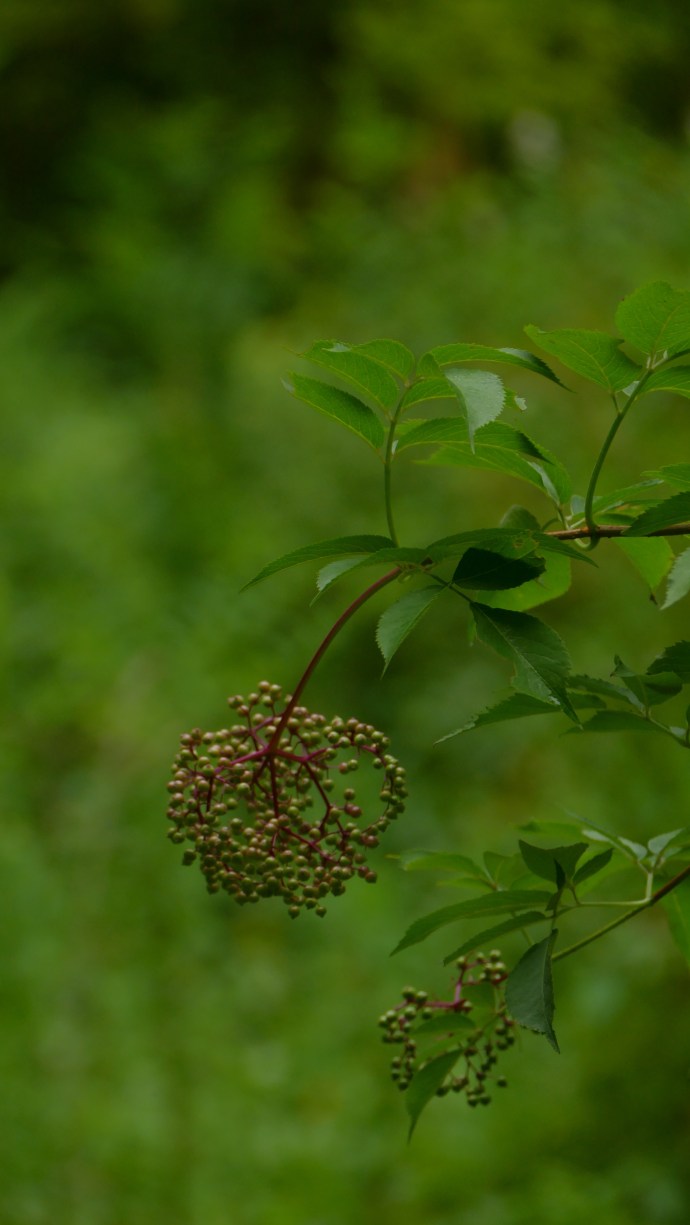
Perhaps fruits are colored like the trillium berry & the scarlet thorn to attract birds to them.

in Thoreau’s Journal:

The bees wasps &c are on the golden rods impatient to be interrupted improving their time before the sun of the year sets.
in Thoreau’s Journal:
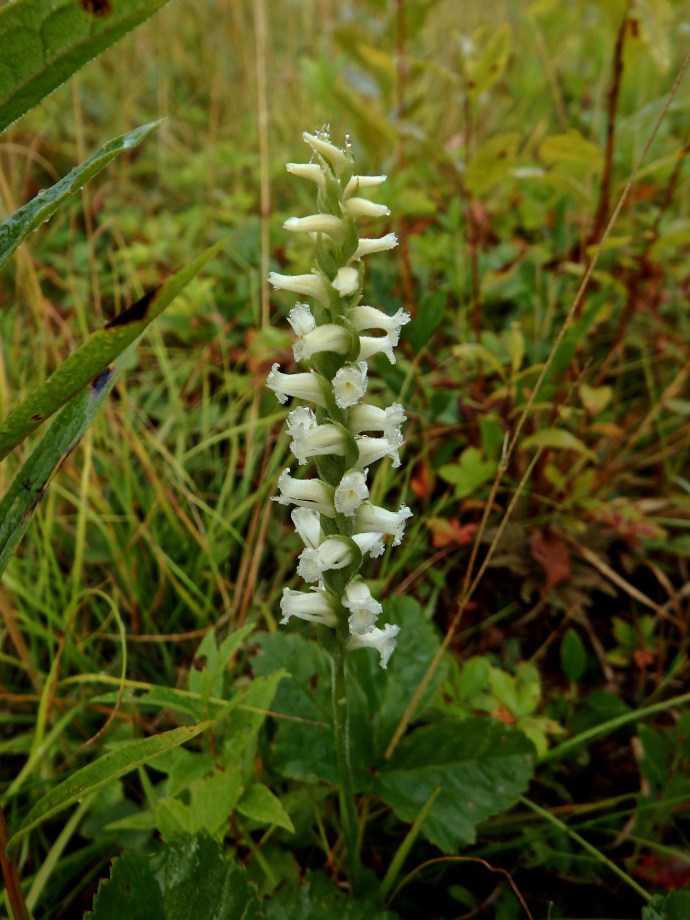
The neottia or ladies tresses behind Garfields house.
in Thoreau’s Journal:
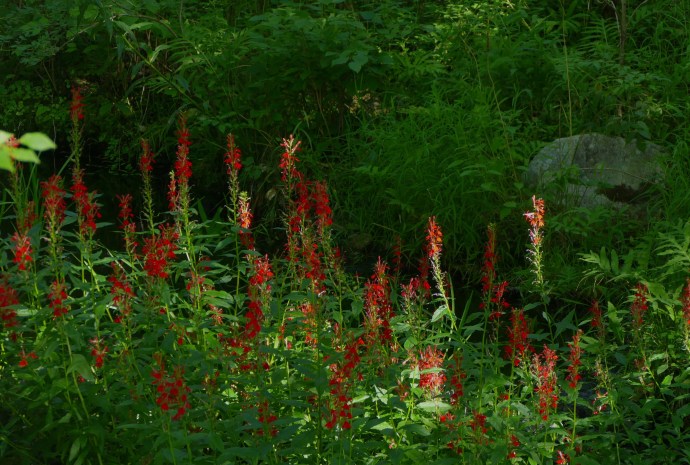
I name the shore under Fair Haven Hill the Cardinal Shore from the abundance of cardinal flowers there.
in Thoreau’s Journal:
August 18, 1854
….my collection of leaves….


Photos: August 17, 2016
August 18, 1852
Elizabeth Hoar shows me the following plants which she brought from the Wht Mts the 16th ult. Chiogenes hispidula creeping snow-berry also called Gaultheria & also vaccinium hispidula–in fruit. –– with a partridge berry scent & taste.


You must be logged in to post a comment.