in Thoreau’s Journal:
20 ms’ before 5 Am to Cliffs & Walden. Dawn….
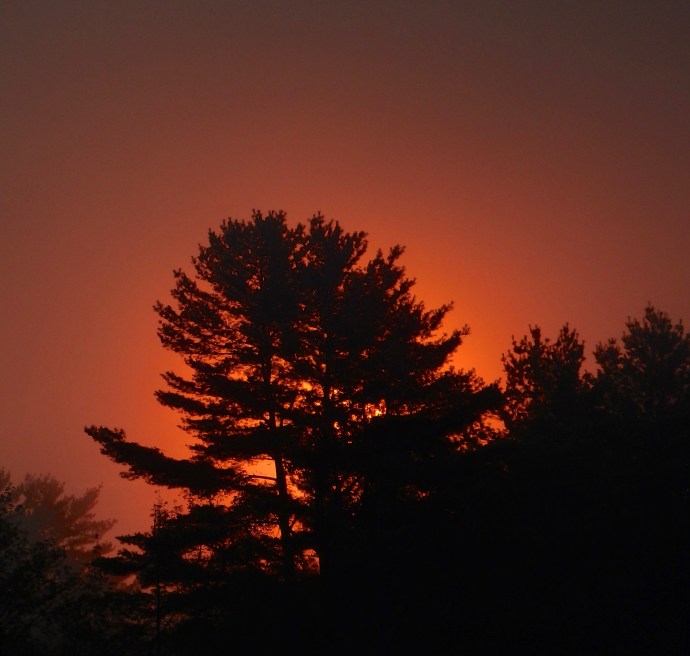
This mornings red, there being a misty cloud there, is equal to an evening red.
in Thoreau’s Journal:
20 ms’ before 5 Am to Cliffs & Walden. Dawn….
This mornings red, there being a misty cloud there, is equal to an evening red.
in Thoreau’s Journal:
These are locust days. I hear them on the elms in the street—but cannot tell where they are—loud is their song—drowning many others—but men appear not to distinguish it—though it pervade their ears as the dust their eyes.

The river was exceedingly fair this afternoon—and there are few handsomer reaches than that by the leaning oak—the deep place, where the willows make a perfect shore…
I must look for the Rudbeckia which Bradford says he found yesterday behind Joe Clarks.
in Thoreau’s Journal:
Some birds after they have ceased to sing by day continue to sing faintly in morning now as in spring — I hear now a warbling vireo—a robin half strain—a golden-robin whistles— —blue birds warble—Pig[eon] woodpecker not to mention the tapping of a woodpecker— the notes of birds which are heard through the day….

in Thoreau’s Journal:

I perceive the scent of the earliest ripe apples in my walk— How it surpasses all their flavors…
in Thoreau’s Journal:
Rhexia very common on those bare places on the river meadows from which the soil has been moved by the ice….

I hear that the coralhoriza odontorhiza (coral root) is out.

in Thoreau’s Journal:
See the blue-herons opposite Fair H. hill as if they had bred there.

This & the last day or 2 very hot….There is very little air over the water & when I dip my head in it for coolness—I do not feel any coolness. The Eupatorium sessilifolium has been out a day or two on the side hill grove at Bittern Cliff….Chelone Glabra also.
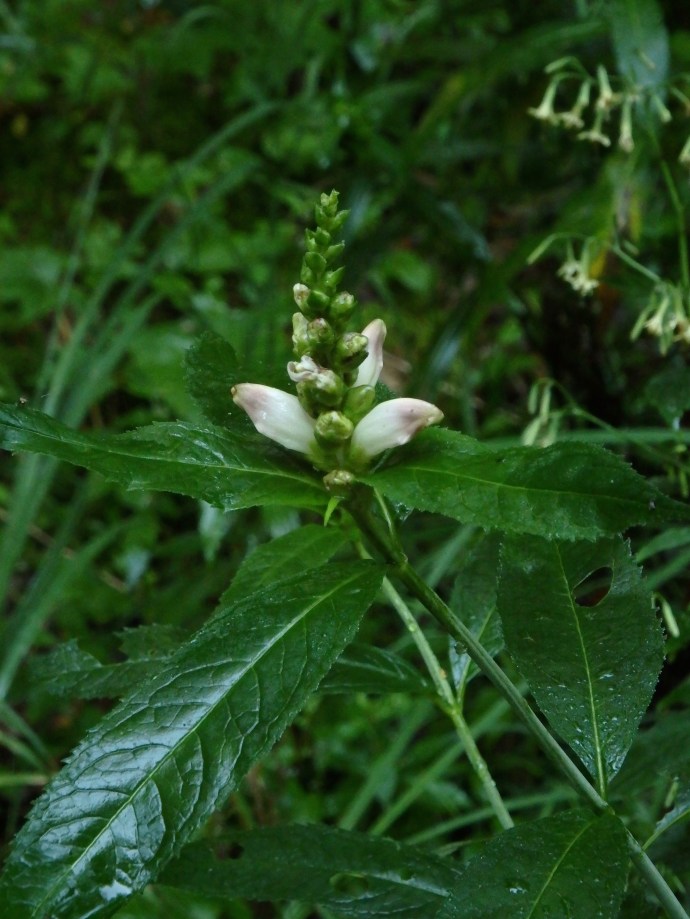
Chelone glabra (white turtlehead) August 11, 2016
in Thoreau’s Journal:
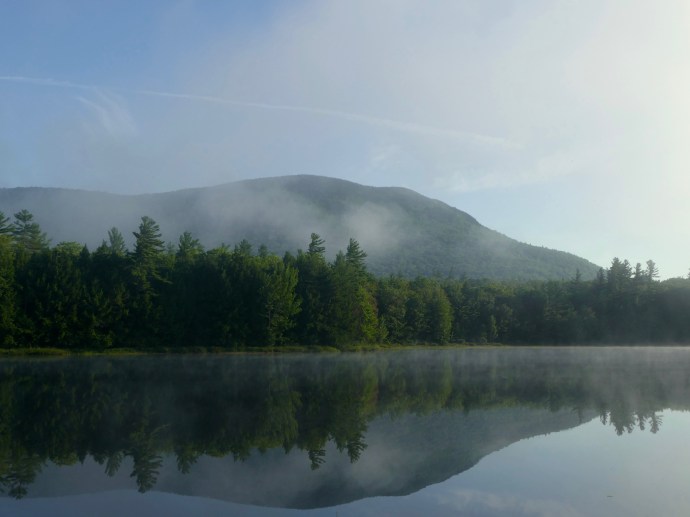
Some fiat has gone forth & stilled the ripples of the lake—each sound & sight has acquired ineffable beauty.
in Thoreau’s Journal:
4 1/2 Am to Cliffs— A high fog— As I go along the RR—I observe the darker green of early mown fields— A cool wind at this hour over the wet foliage—as from over mt tops & uninhabited earth. The large primrose conspicuously in bloom. does it shut by day?
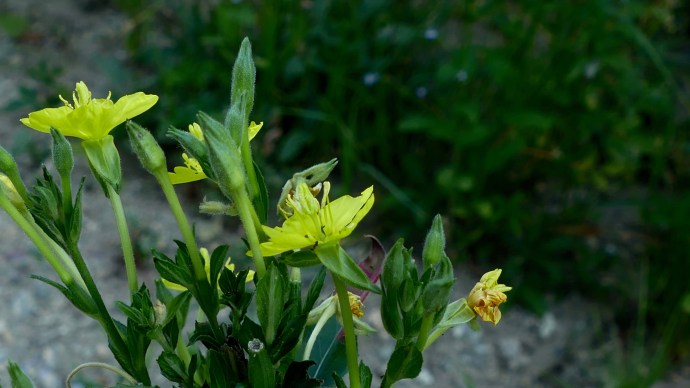
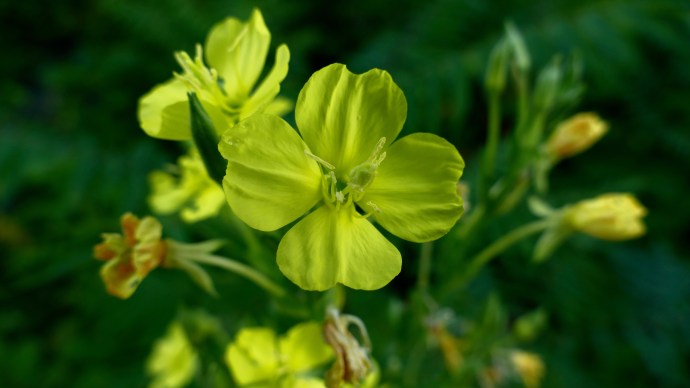
in Thoreau’s Journal:
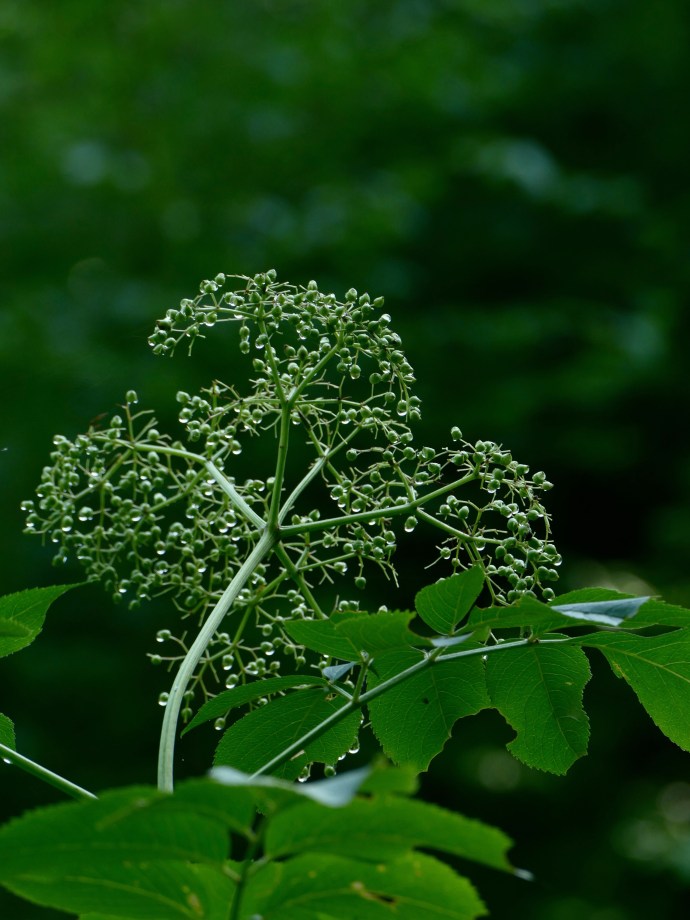
Walden Published. Elder berries XXX.
in Thoreau’s Journal:
Men have perchance detected every kind of flower that grows in this township—have pursued it with children’s eyes into the thickest & darkest woods & swamps where the faintest color has betrayed it.
Have they with the like thoroughness plucked every flower of thought which it is possible for a man to entertain—proved every sentiment which it is possible for a man to experience—here? Men have circumnavigated this globe of land and water but how few have sailed out of sight of land over the ocean of knowledge!
in Thoreau’s Journal:
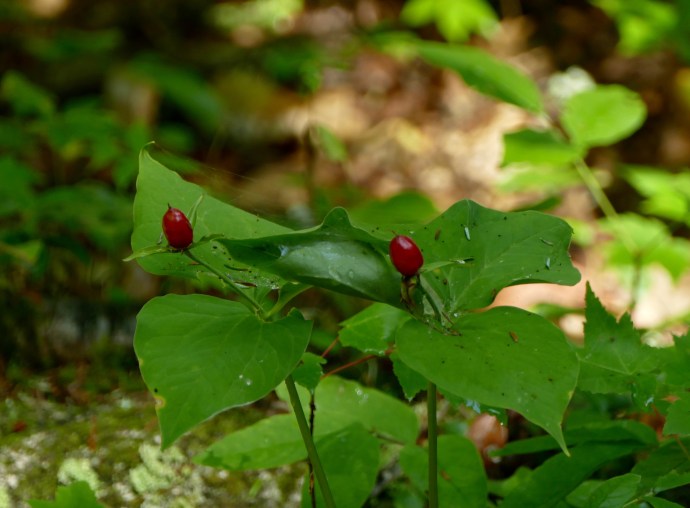
Trillium berry
in Thoreau’s Journal:
I do not hear this morning the breathing of chip birds—nor the song of robins. Are the mornings now thus ushered in—are they as spring-like? Has not the year grown old. Methinks we do ourselves at any rate some what tire of the season–& observe less attentively and with less interest the opening of new flowers—and the song of the birds– It is the signs of the fall that affect us most. It is hard to live in the summer content with it.

in Thoreau’s Journal
Now then the river’s brim is in perfection after the mikania is in bloom & before the Pontederia & pads & the willows are too much imbrowned….
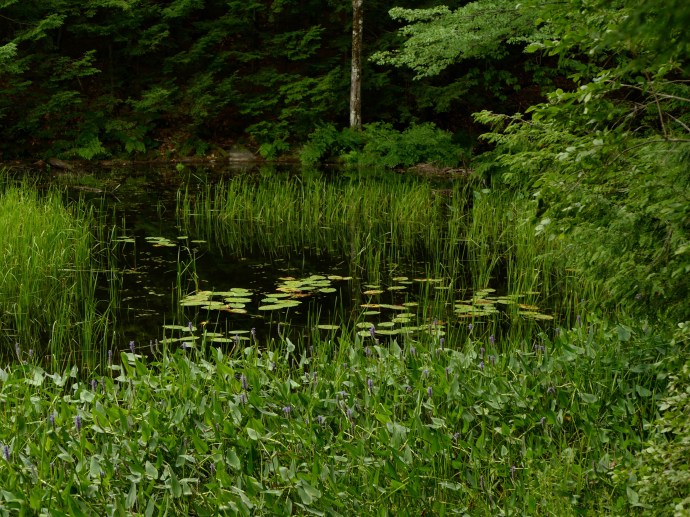
It is one long acclivity from winter to midsummer—& another long declivity from midsummer to winter….
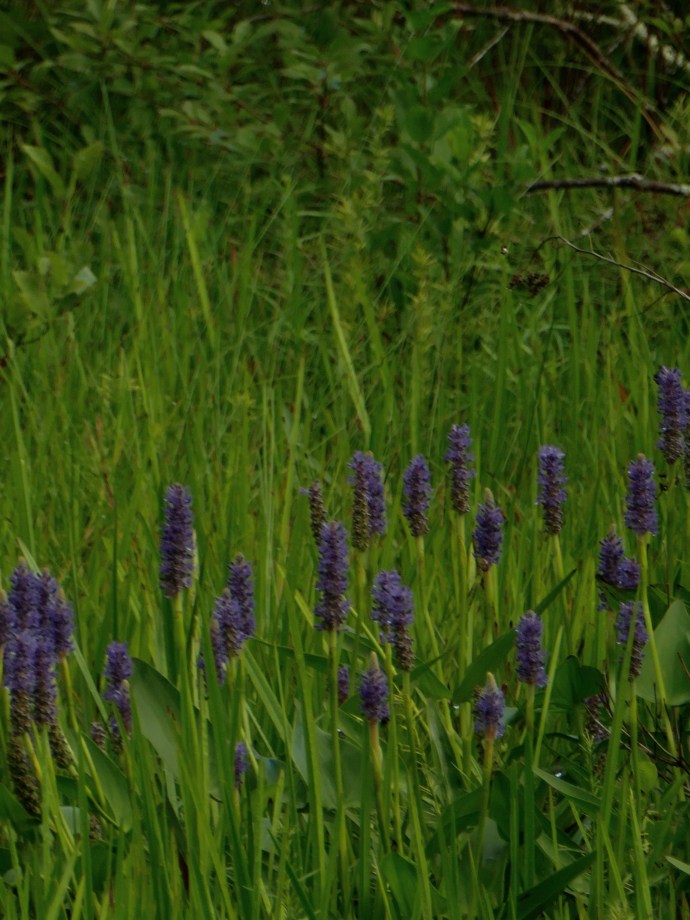
The Pontederia leaves have but a short life the spring so late & fall so early.
in Thoreau’s Journal
The swamp blackberry on high land ripe a day or 2.
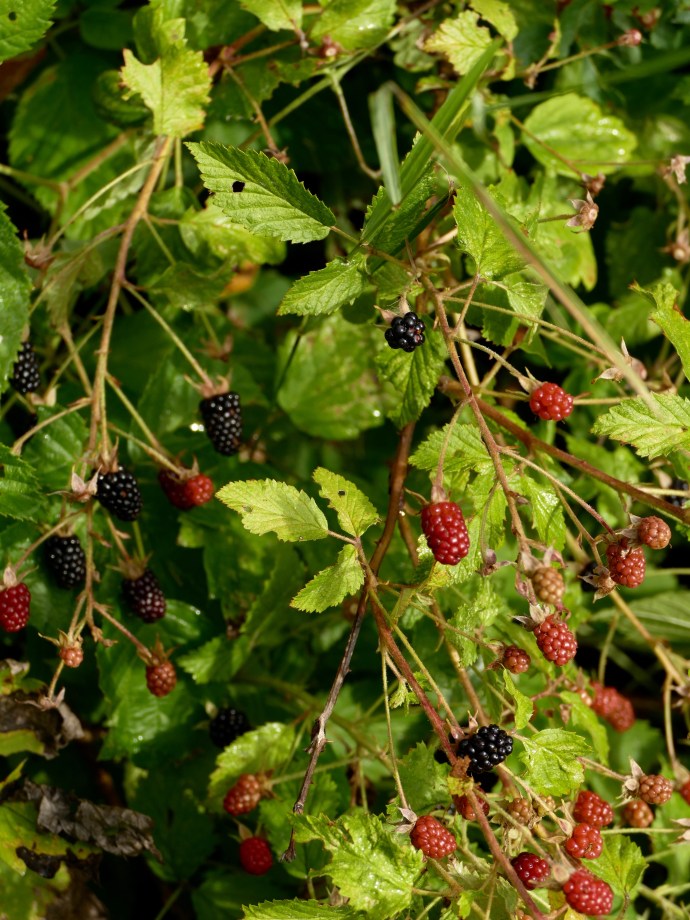
August 3, 2016 Photo
in Thoreau’s Journal
A splendid entire rainbow after a slight shower….outermost broad red—passing through yellow to green then narrow red—then blue or indigo (not plain what) then faint red again.
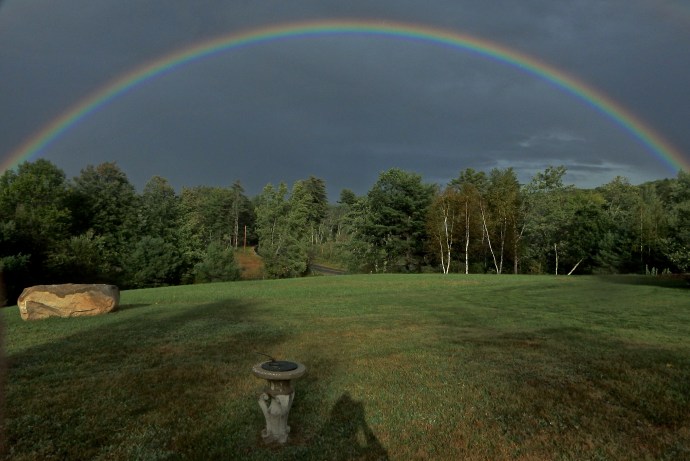
It is too remarkable to be remarked on.
in Thoreau’s Journal
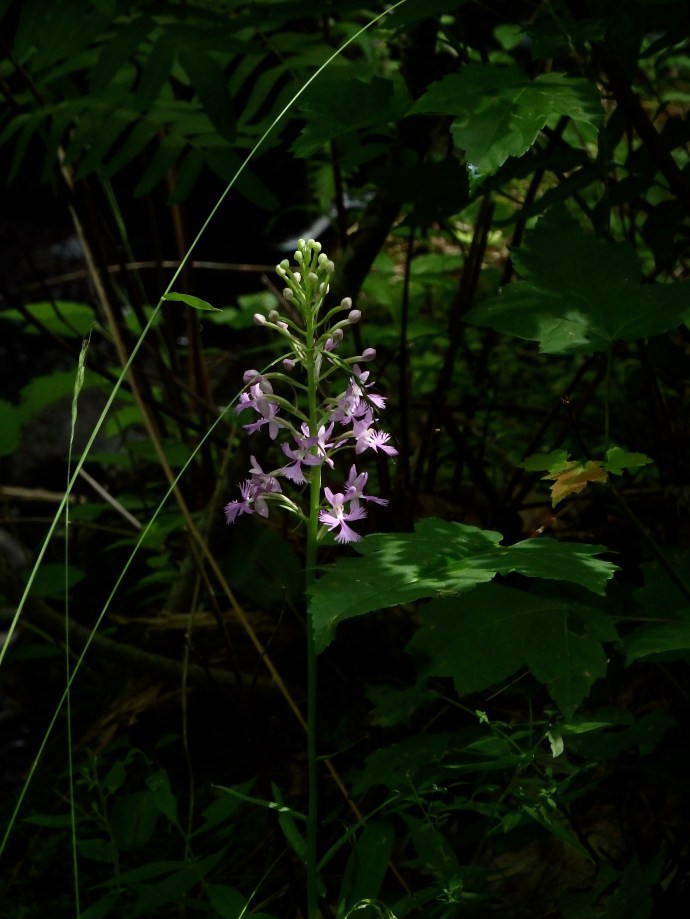
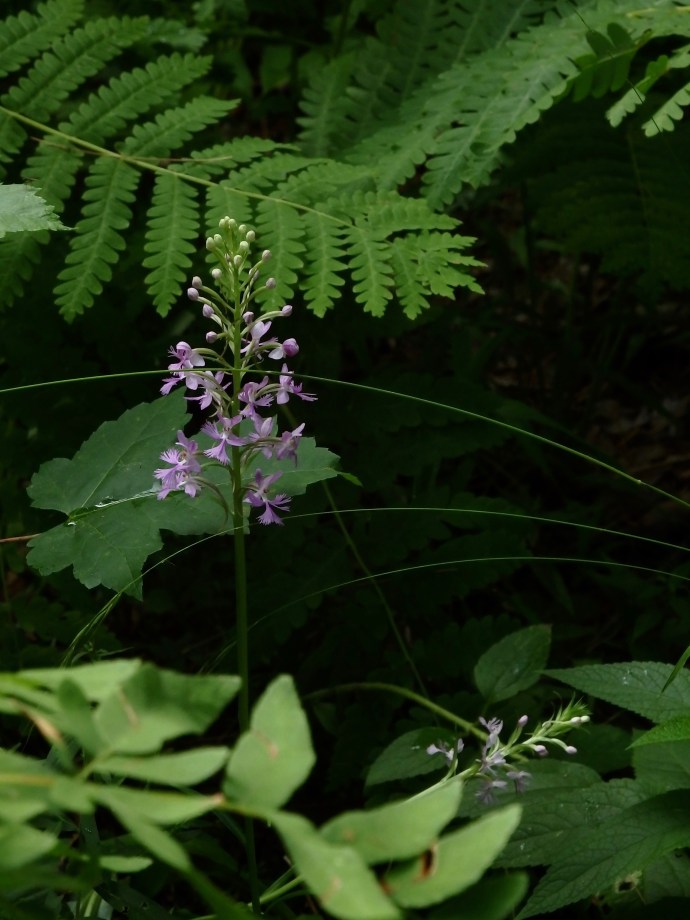
It is a new era with the flowers when the small purple fringed orchis as now is found in shady swamps standing along the brooks. (It appears to be alone of its class— Not to be overlooked it has so much flower though not so high colored as the Arethusa).
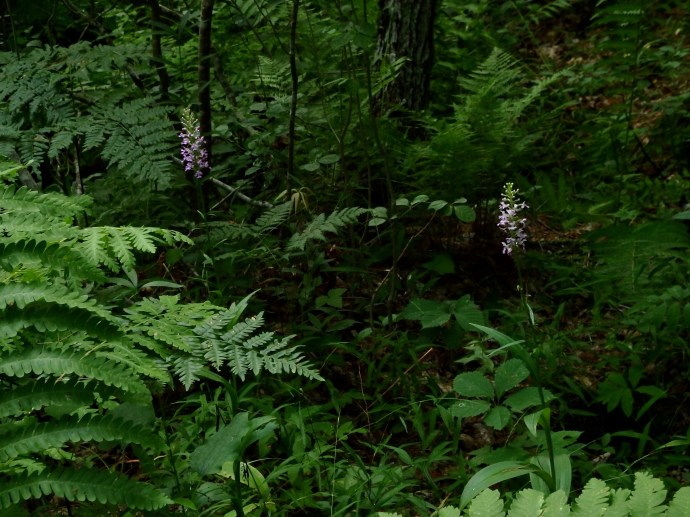
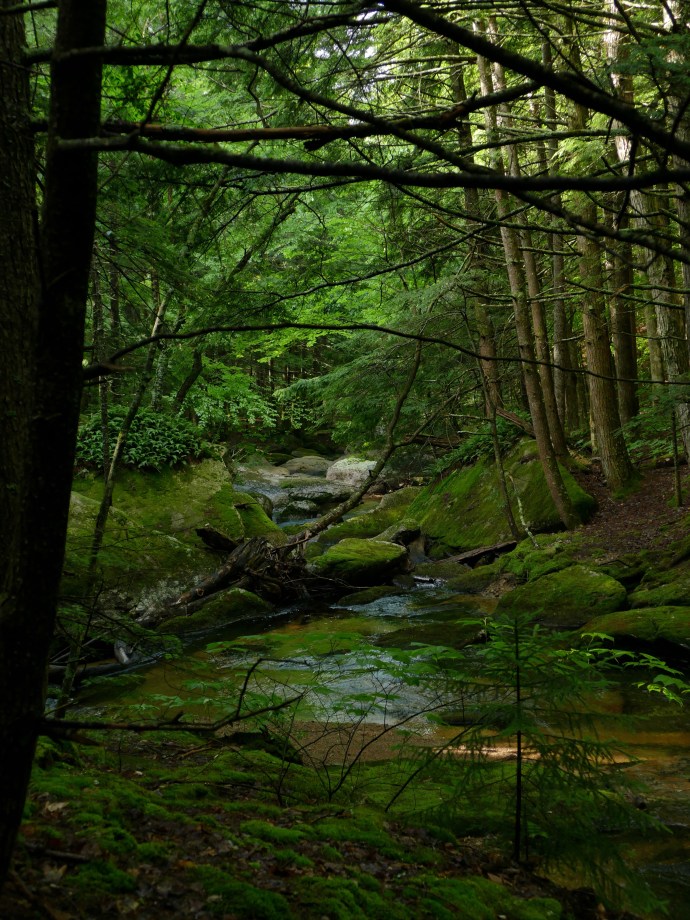
July 30, 2016: Photo along the Red Hill River, Sandwich, NH, USA
August 1, 1852 in Thoreau’s Journal
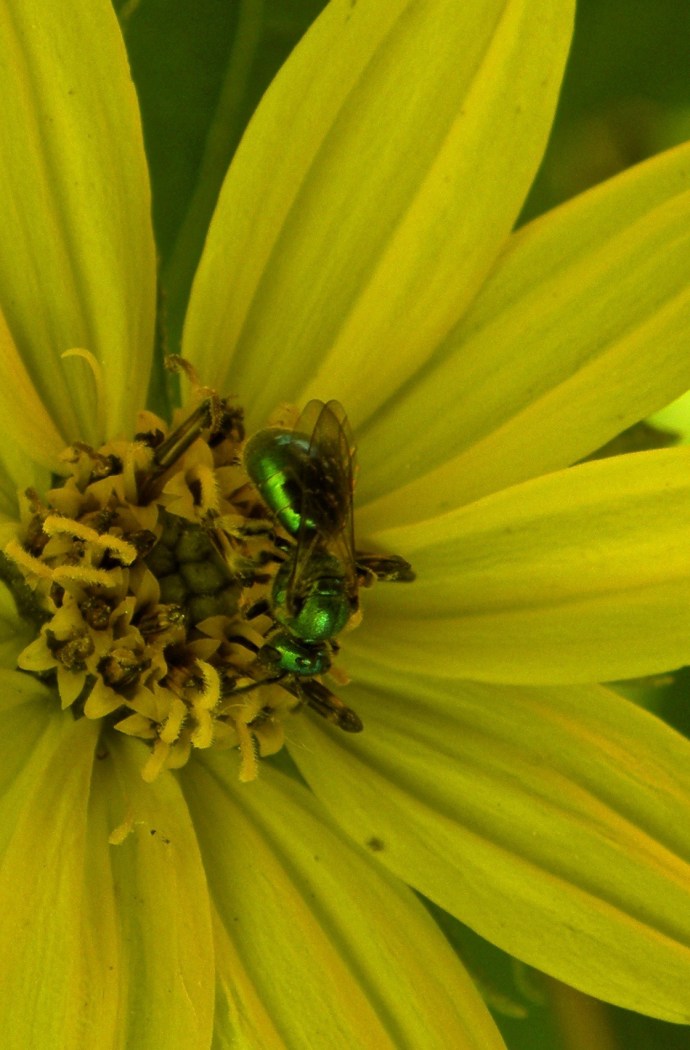
The small rough sun flower helianthus divaricatus tells of August heats….
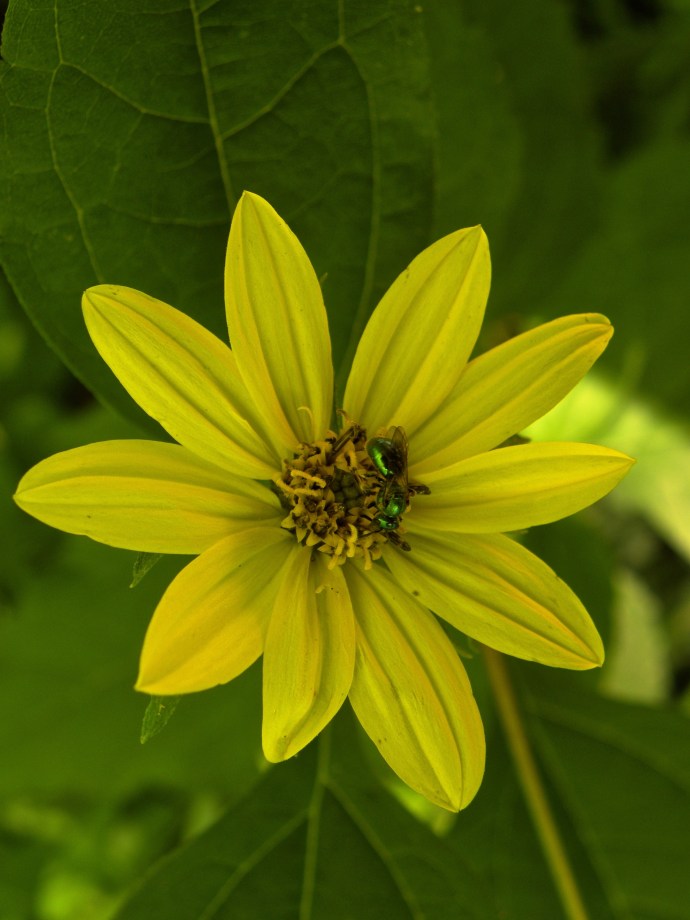
May it not stand for the character of August?
Found a long dense spike of the Orchis psycodes— Much later this than the great orchis—the same only smaller & denser—not high colored enough
———————————
August 1, 1860 in Thoreau’s Journal
How much of beauty–of color as well as form–on which our eyes daily rest goes unperceived by us! No one but a botanist is likely to perceive nicely the different shades of green which the open surface of the earth is clothed–not even a landscape painter if he does not know the species of sedges and grasses which paint it.
in Thoreau’s Journal
Saw but one Lysimachia stricta left in the meadows—the mead. sweet meadows.

in Thoreau’s Journal

Photos: July 30, 2016
A small purple orchis Platanthera psyches––quite small––so that I perceive what I call by this name before must have been the fimbriata.

in Thoreau’s Journal
At Veronia meadow I notice the beds of horse-mint now in flower—bluish whorls of flowers now in its prime. Now is the time to gather thoroughwort. Cardinals are in their prime.

July 28, 2016: Cardinal Flower
The Hibiscus is barely budded but already the mead hay mowers have sheared close to it. Most fields are so completely shorn now that the walls & fence sides where plants are protected appear unusually rich. I know not what aspect the flowers would present if our fields & meadows were untouched for a year….How large a proportion of flowers for instance are repressed to & found by hedges walls & fences.


You must be logged in to post a comment.