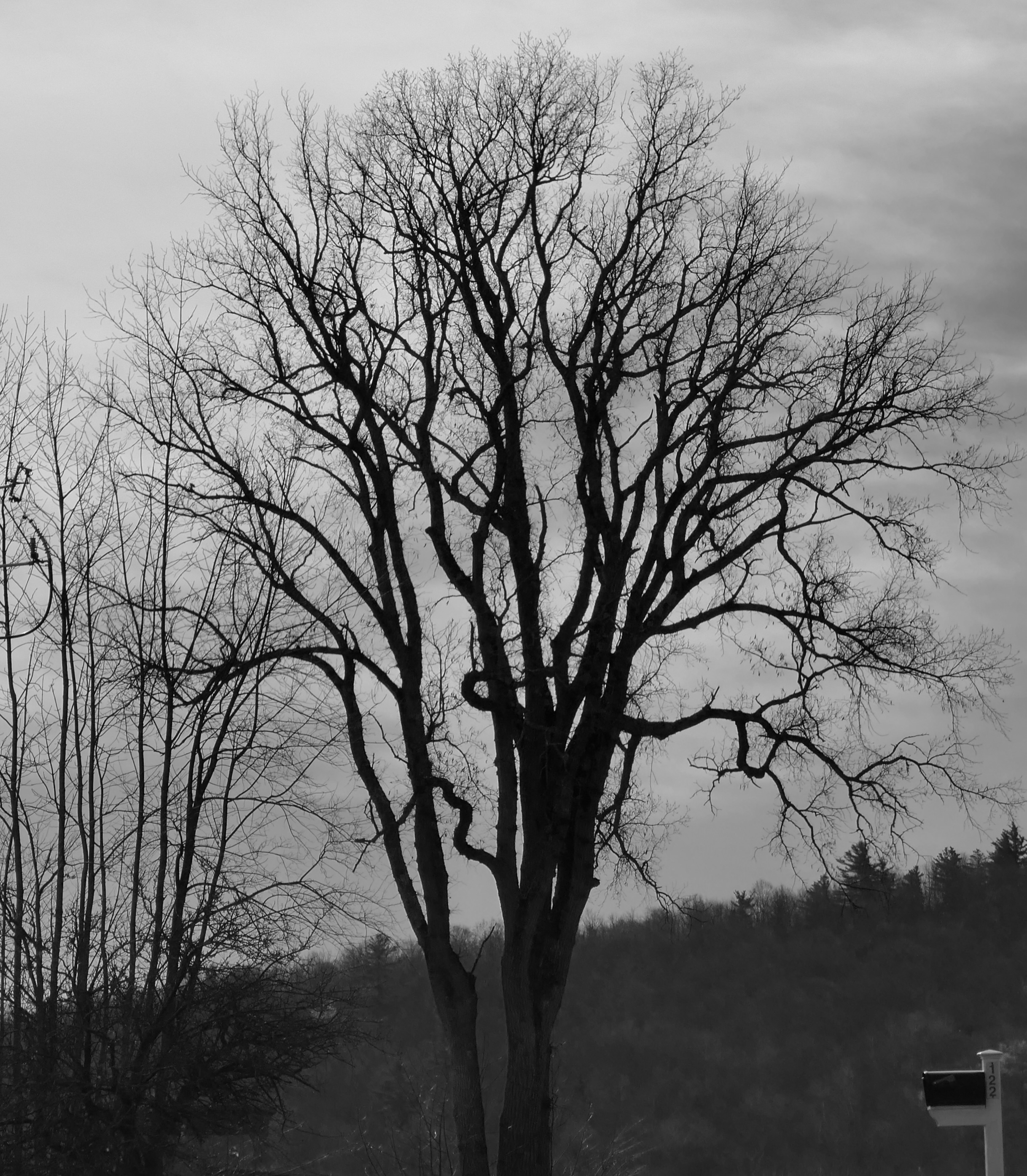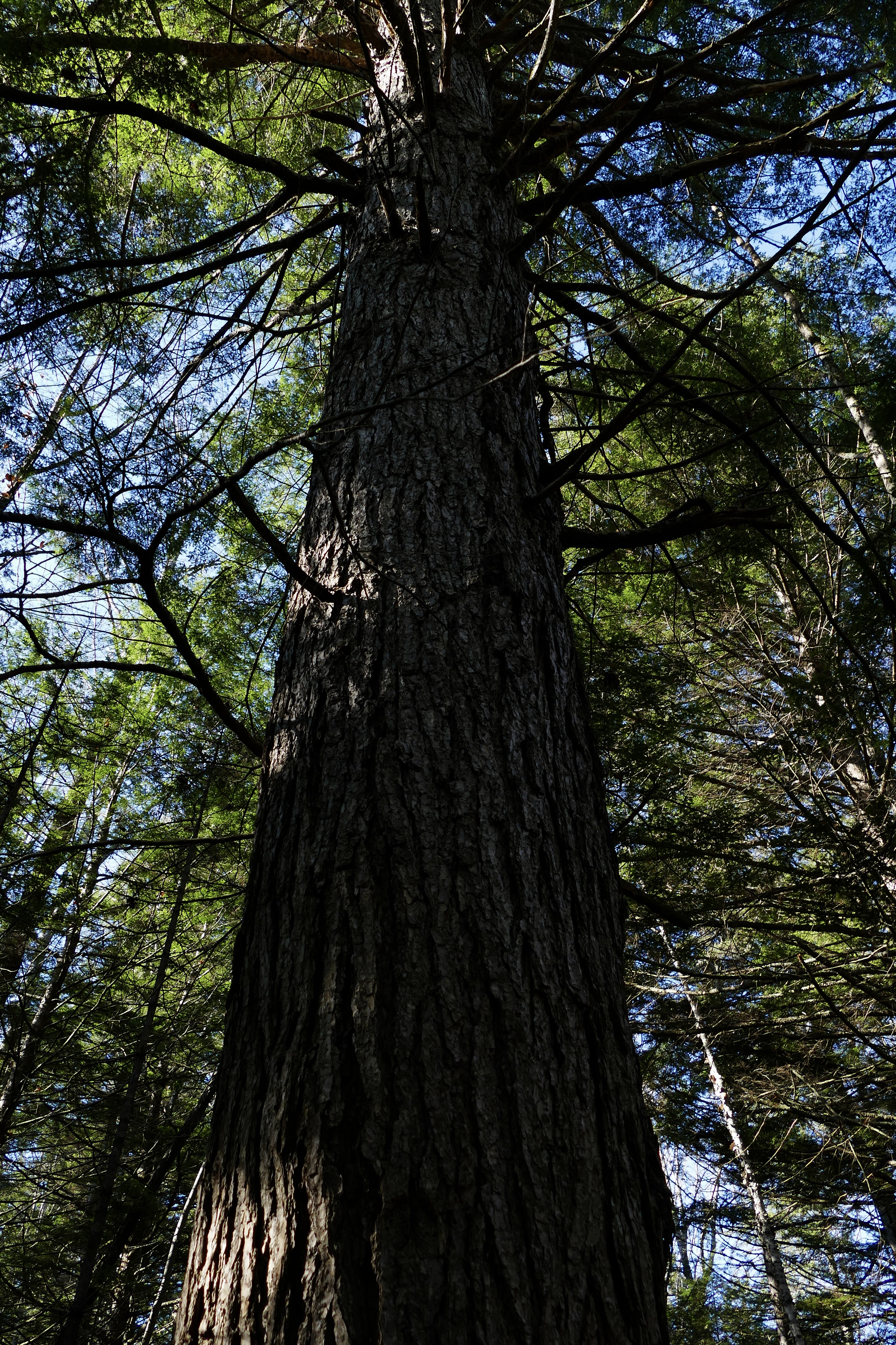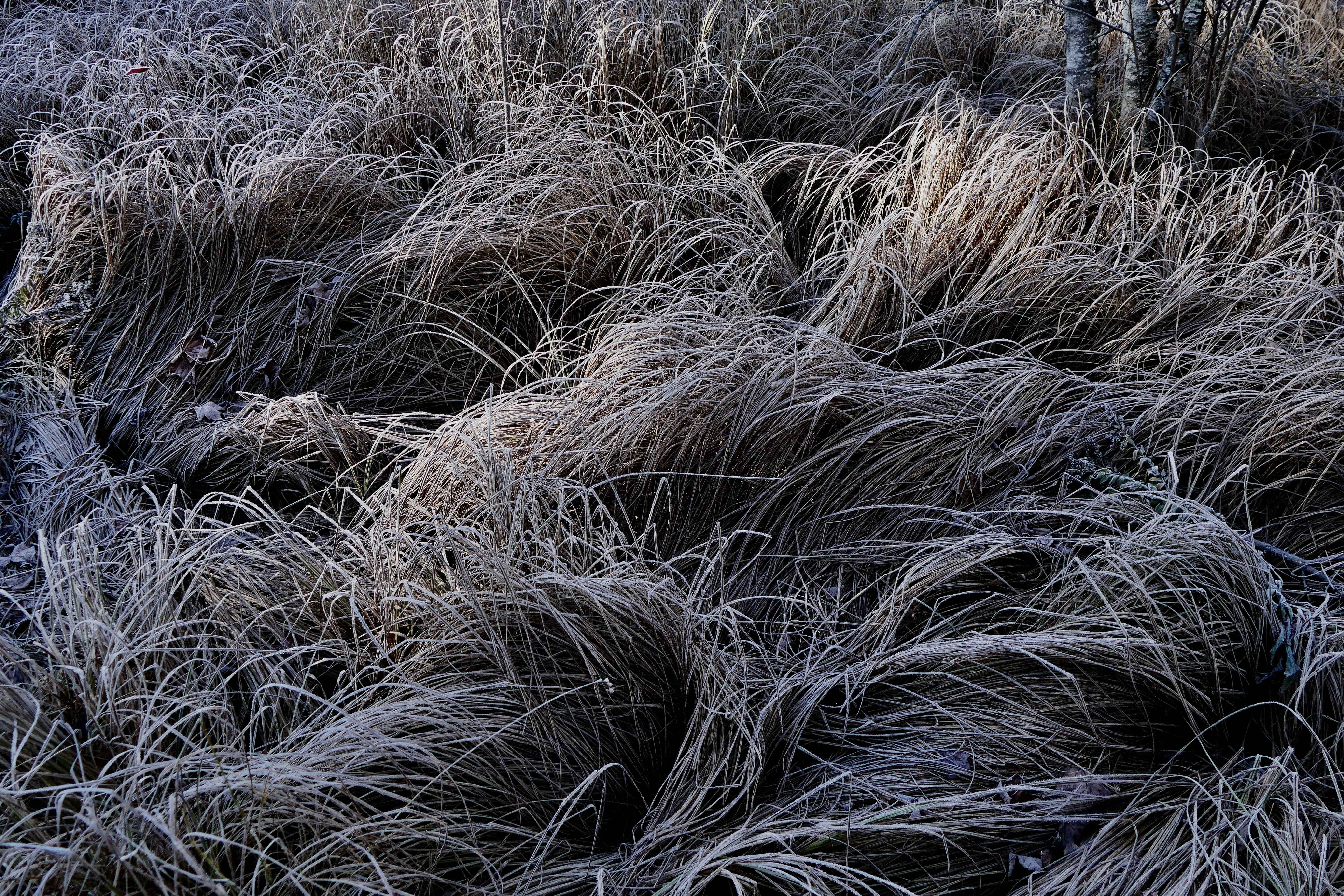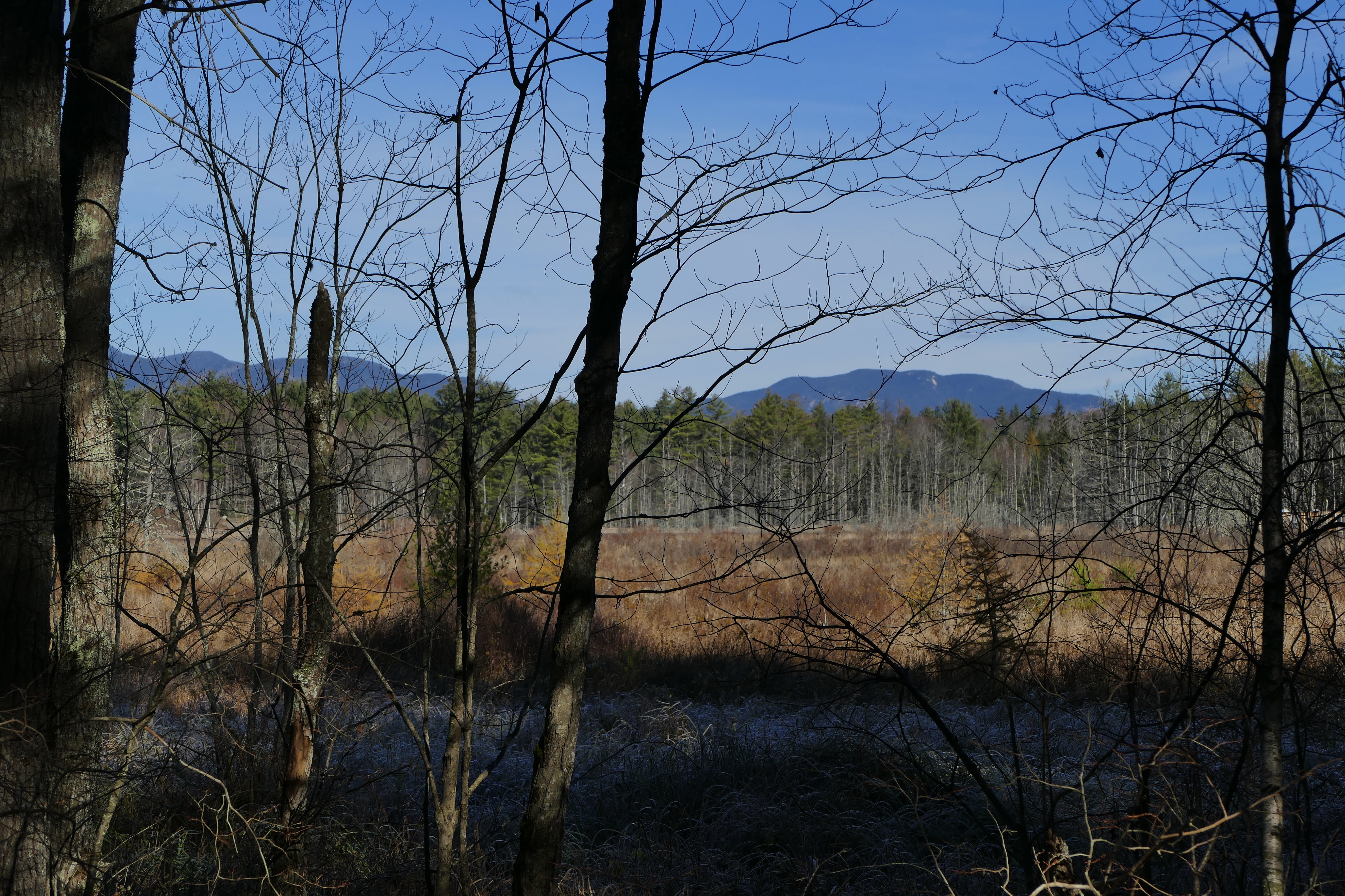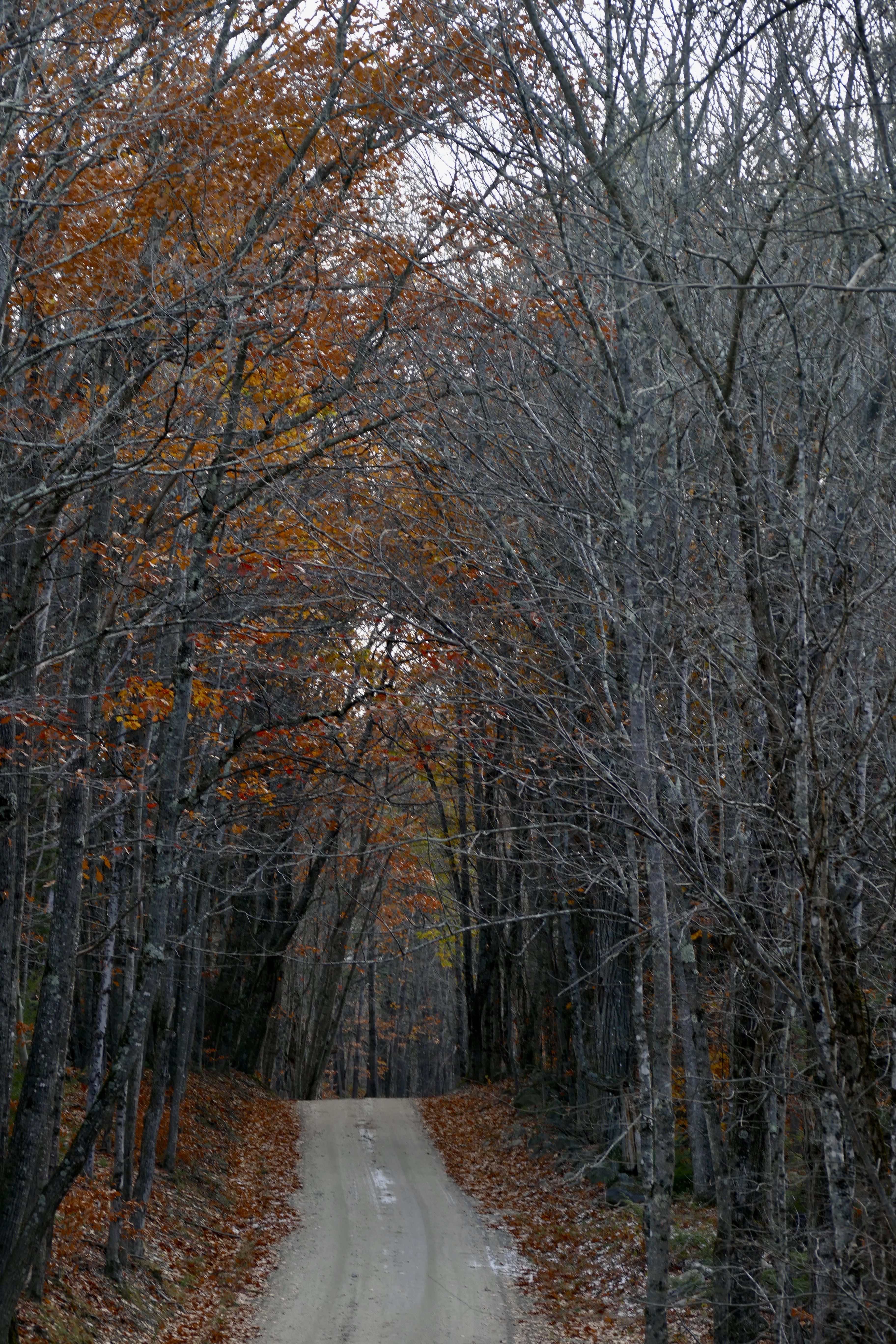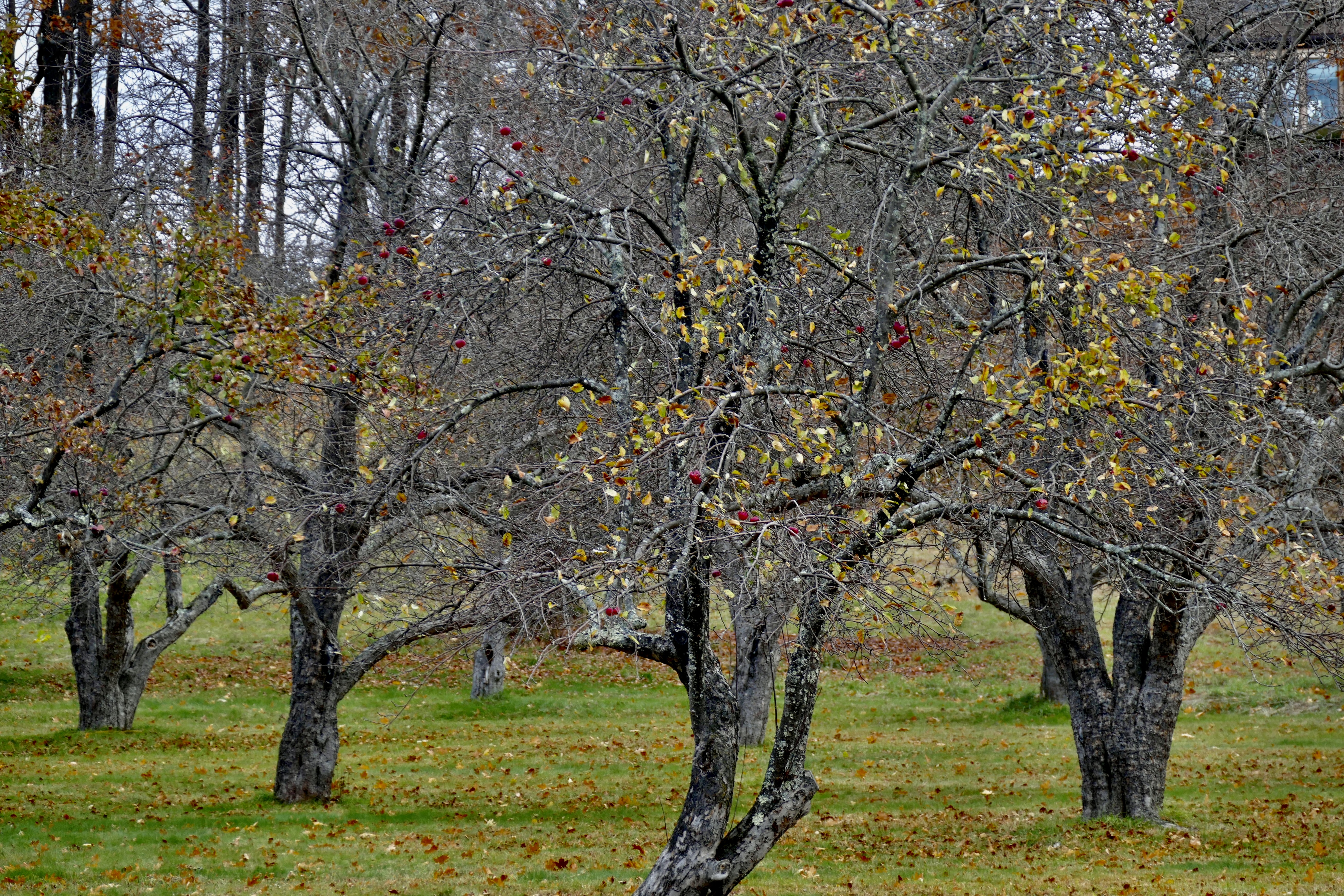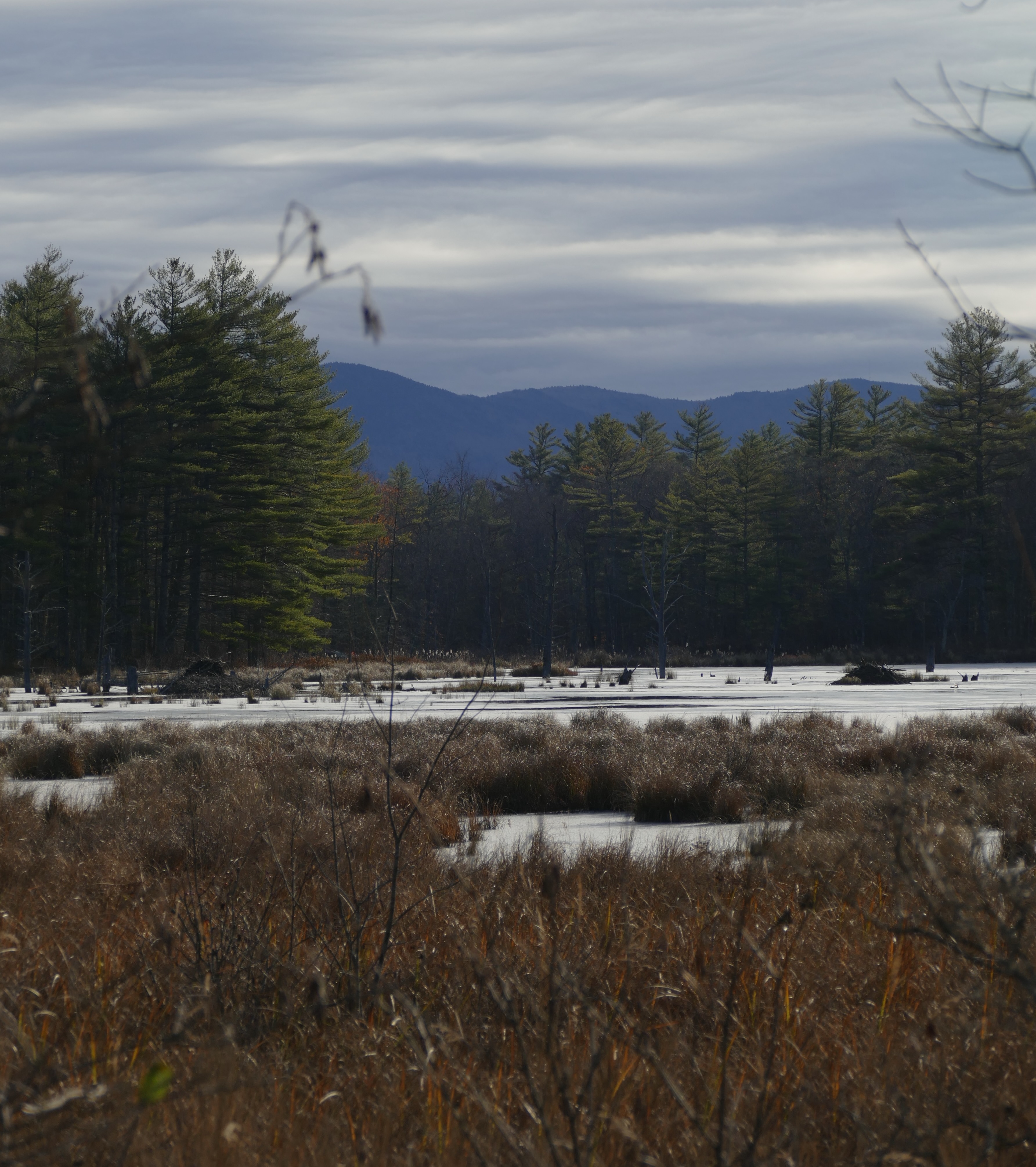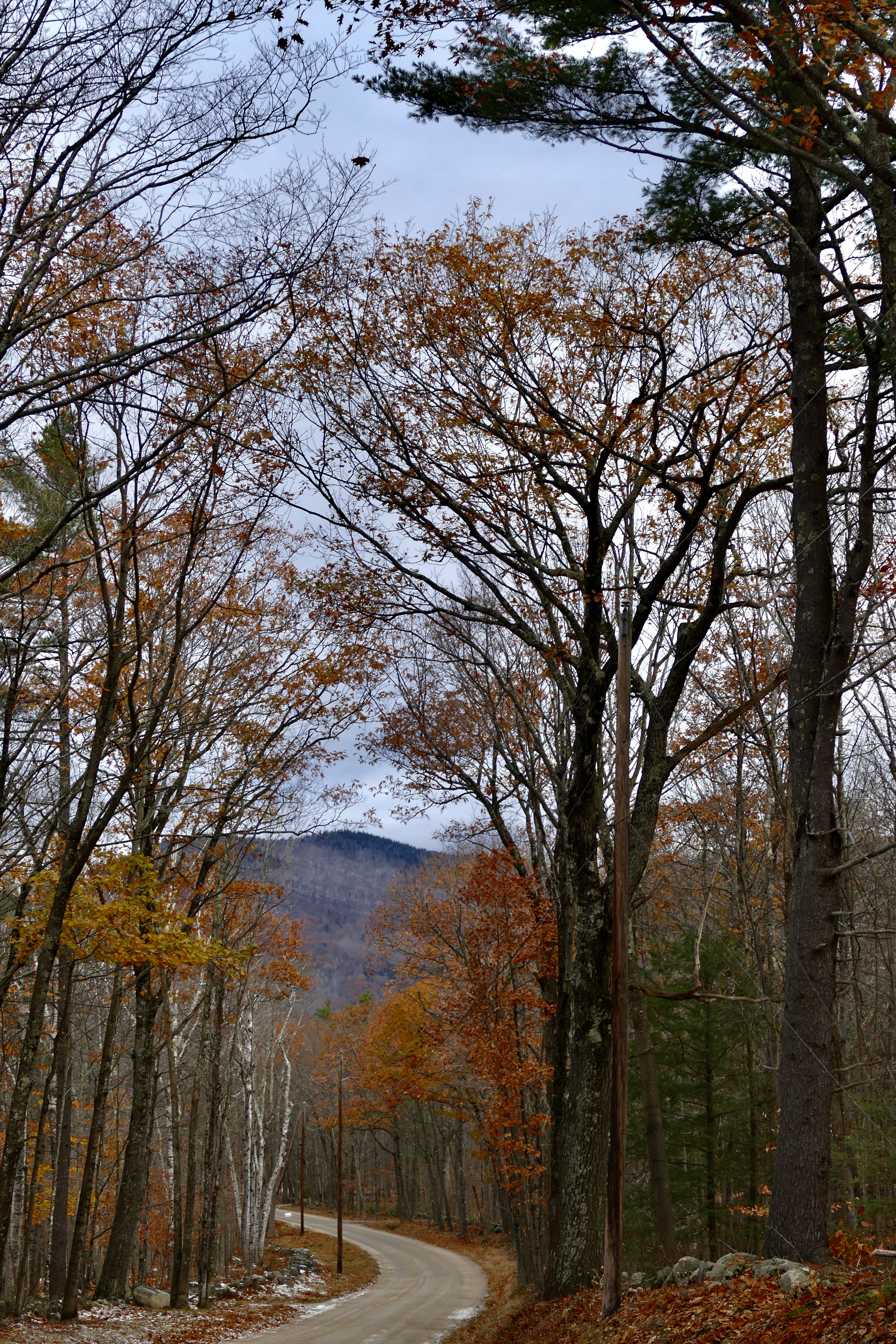
November 19, 1850

in Thoreau’s Journal:

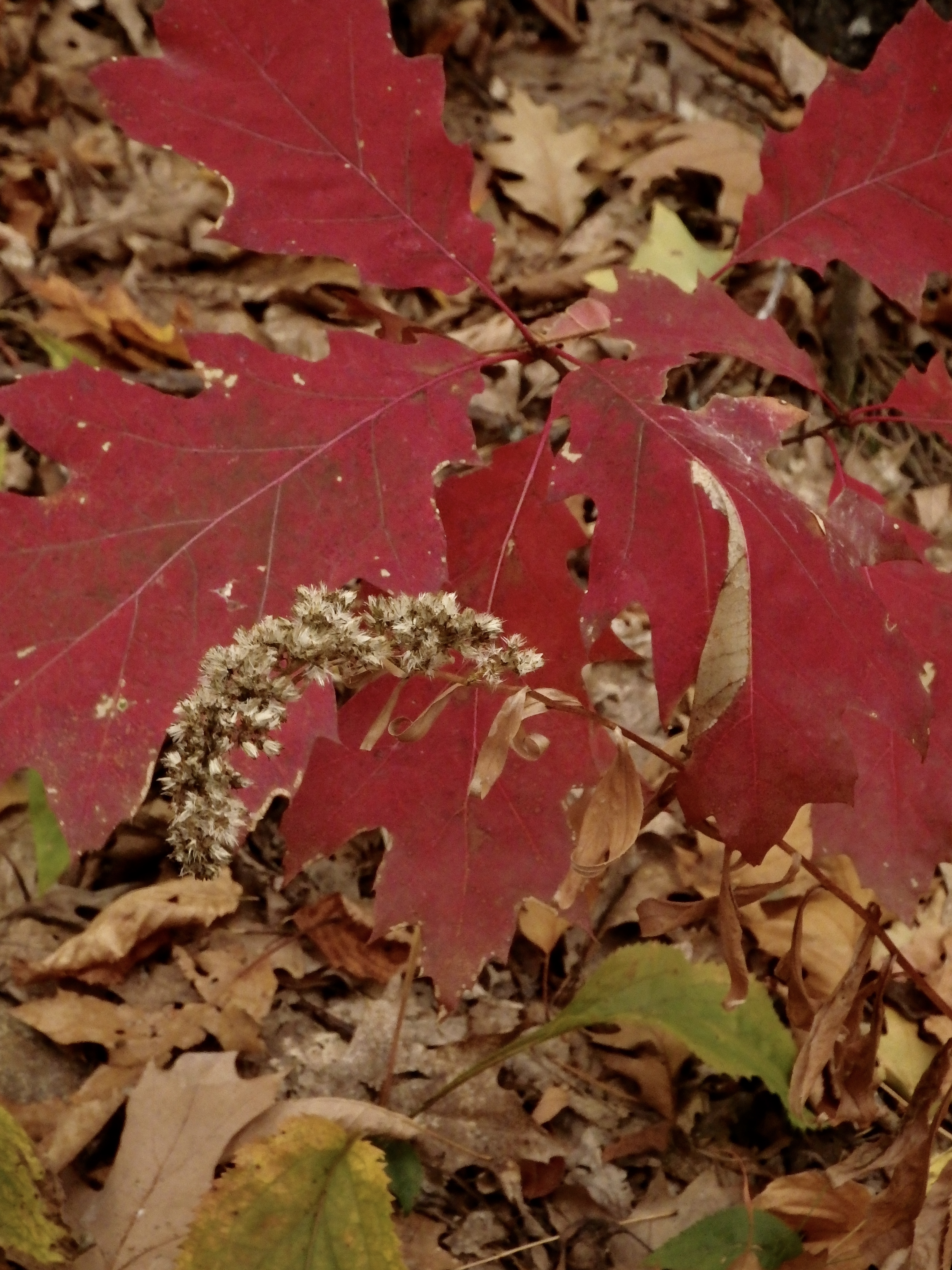
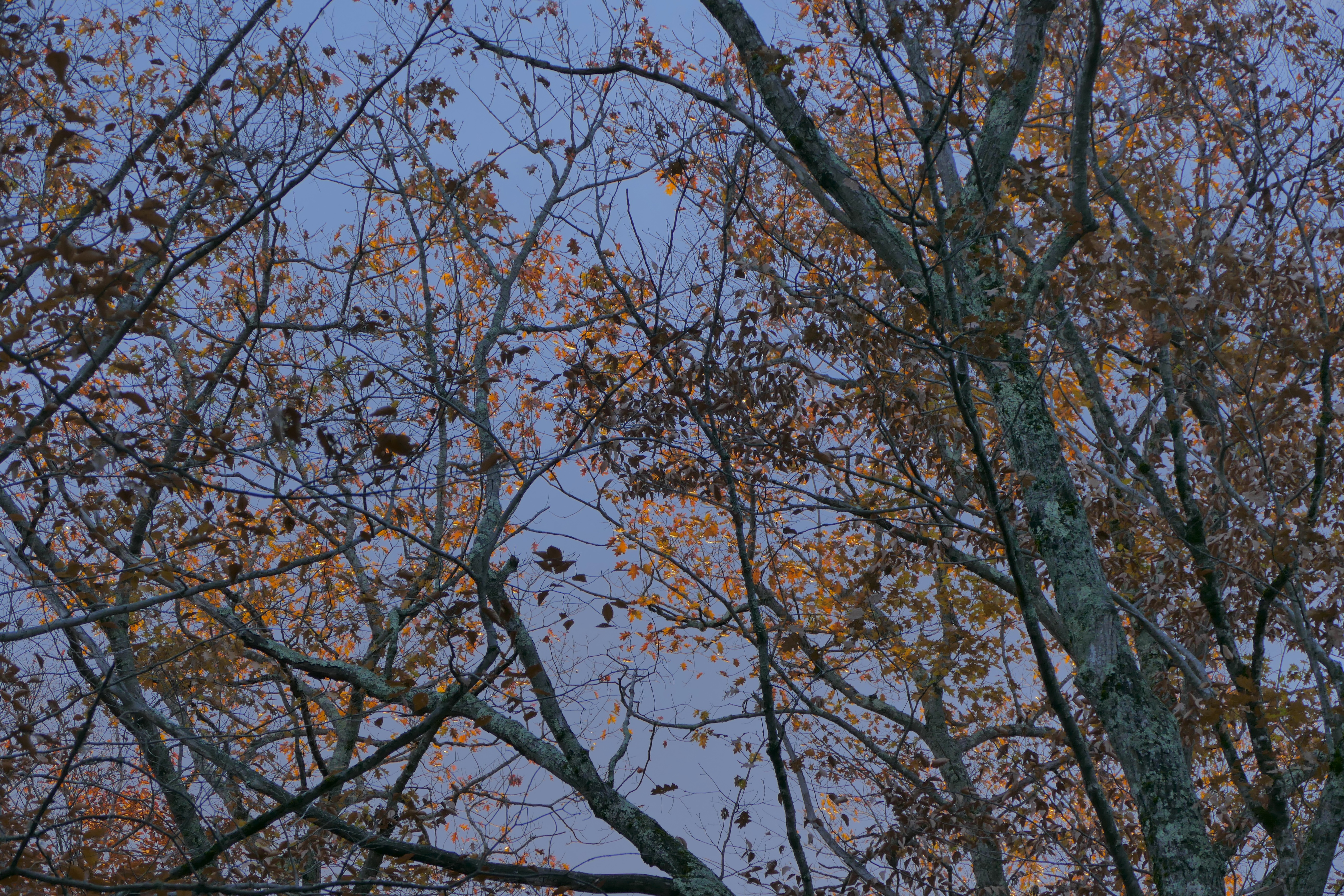
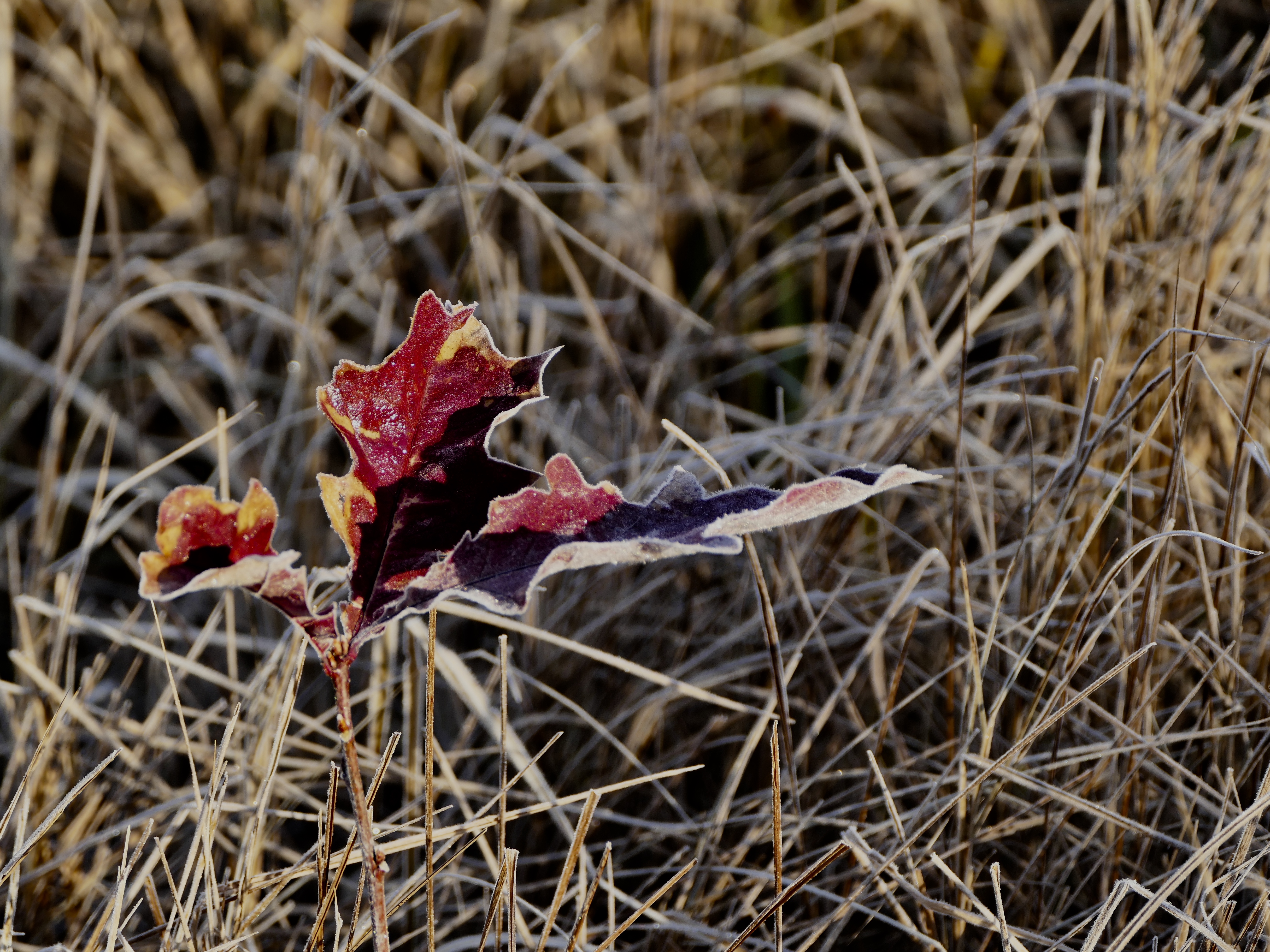
The first really cold day. I find, on breaking off a shrub oak leaf, a little life at the foot of the leafstalk, so that a part of the green comes off. It has not died quite down to the point of separation, as it will do, I suppose, before spring. Most of the oaks have lost their leaves except on the lower branches, as if they were less exposed and less mature there, and felt the changes of the seasons less. The leaves have either fallen or withered long since, yet I found this afternoon, cold as it is, – and there has been snow in the neighborhood, – some sprouts which had come up this year from the stump of a young black-looking oak, covered still with handsome fresh red and green leaves, very large and unwithered and unwilted. It was on the south side of Fair Haven in a warm angle, where the wood was cut last winter and the exposed edge of the still standing wood running north and south met the cliff at right angles and served for a fence to keep off the wind. There were one or two stumps here whose sprouts had fresh leaves which transported me back to October. Yet the surrounding shrub oak leaves were as dry and dead as usual.
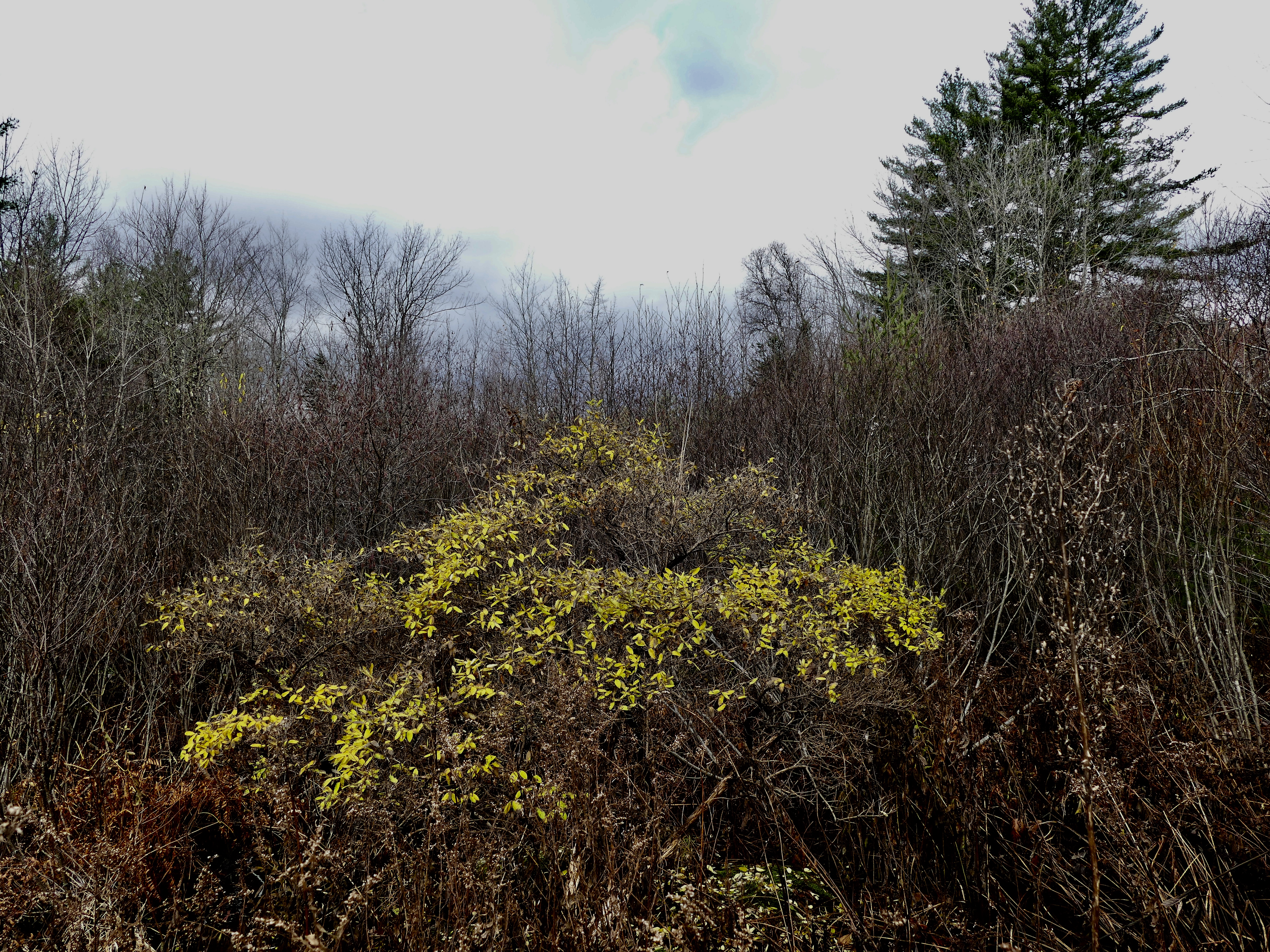
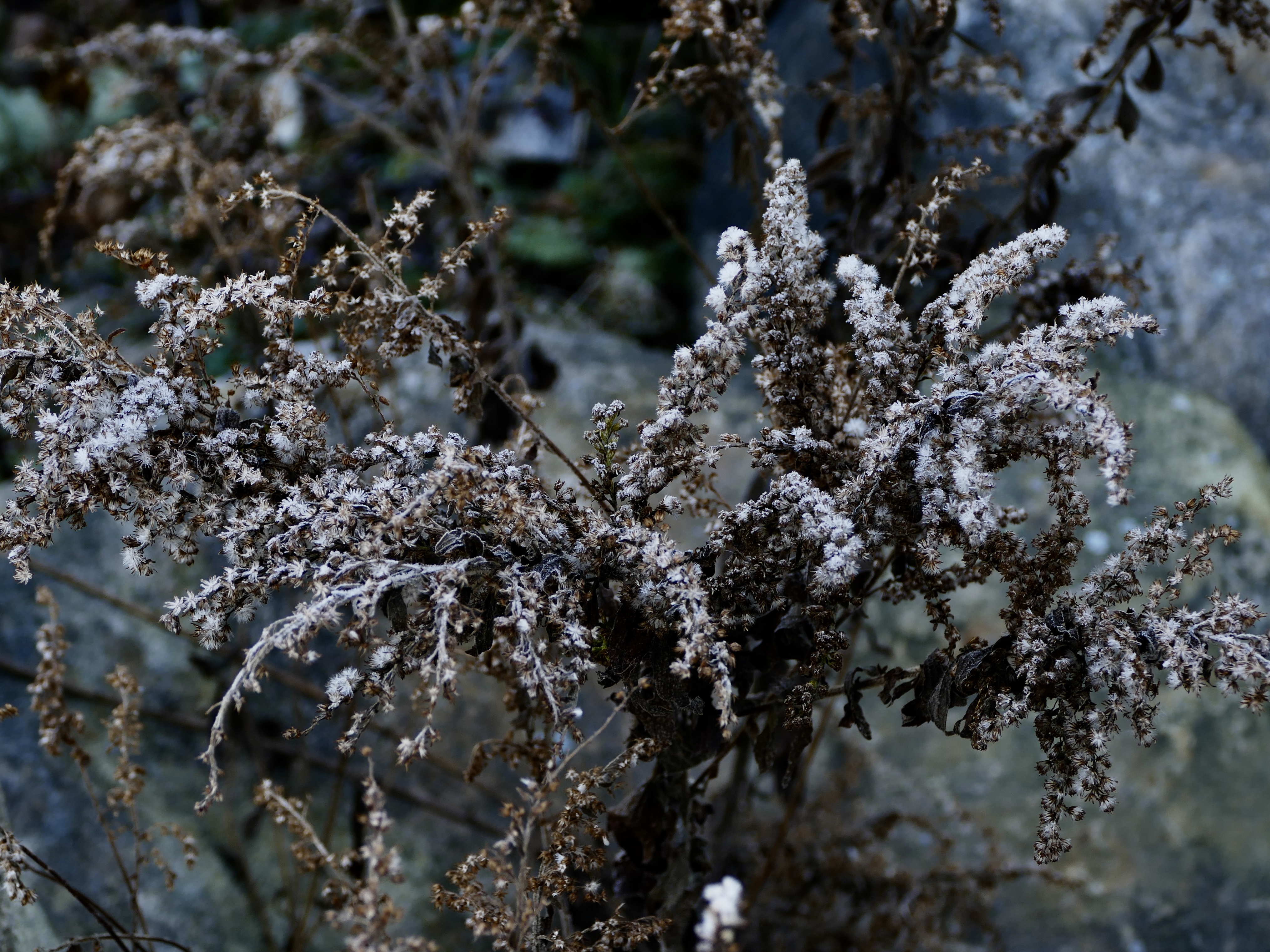
There were also some minute birches only a year old, their leaves still freshly yellow, and some young wild apple trees apparently still growing, their leaves as green and tender as in summer. The goldenrods, one or more species of the white and some yellow ones, were many of them still quite fresh, though elsewhere they are all whitish and dry. I saw one whose top rose above the edge of a rock, and so much of it was turned white and dry; but the lower part of its raceme was still yellow. Some of the white species seemed to have started again as if for another spring. They had sprung up freshly a foot or more, and were budded to blossom, fresh and green. And sometimes on the same stem were old and dry and white downy flowers, and fresh green blossom-buds, not yet expanded. I saw there some pale blue asters still bright, and the mullein leaves still large and green, one green to its top. And I discovered that when I put my hand on the mullein leaves they felt decidedly warm, but the radical leaves of the goldenrods felt cold and clammy.
November 18, 1857

in Thoreau’s Journal:

The sunlight is peculiarly thin & yellow falling on the pale brown bleaching herbage of the fields at this season. There is no redness in it— This is November sunlight.

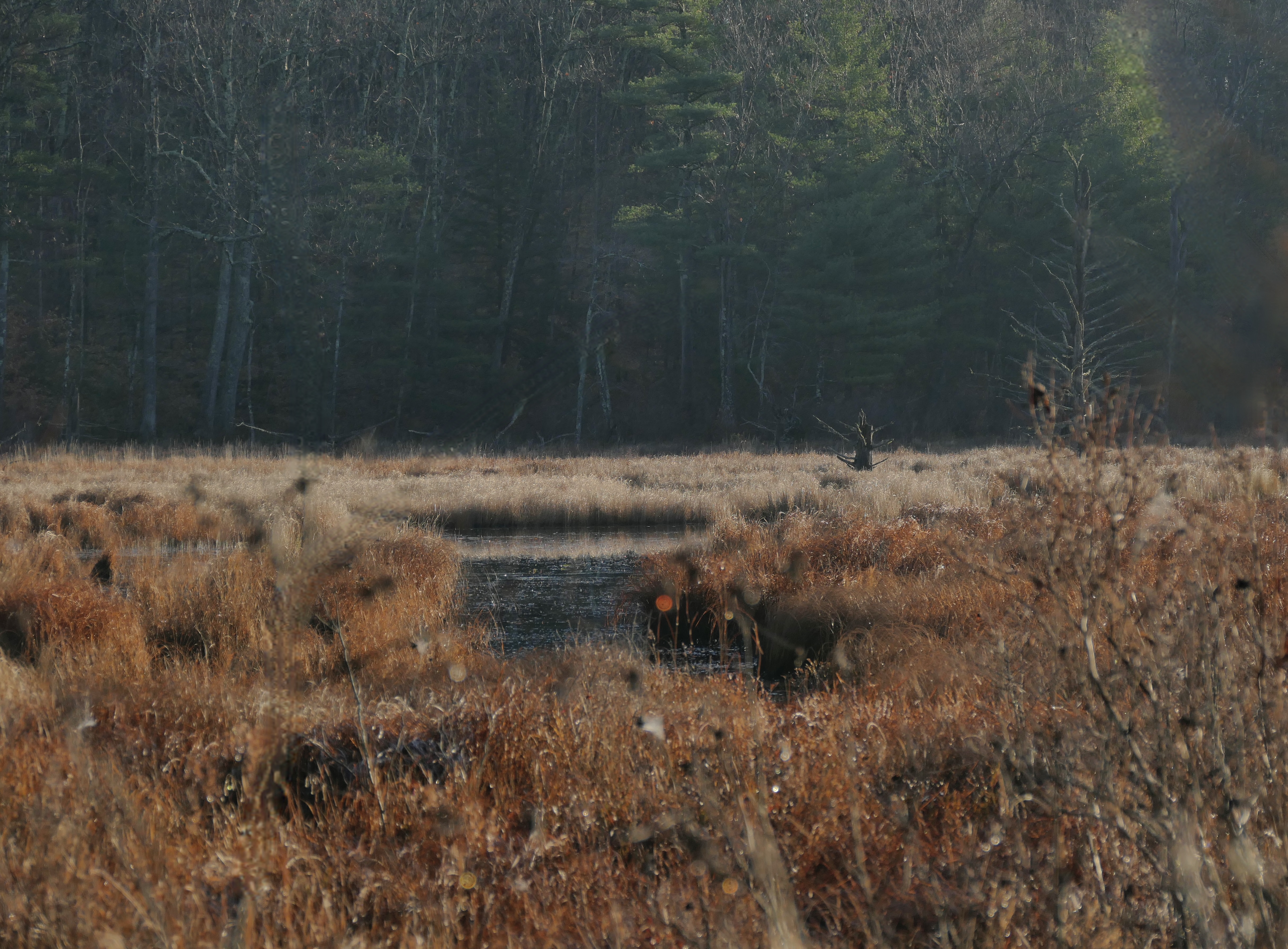
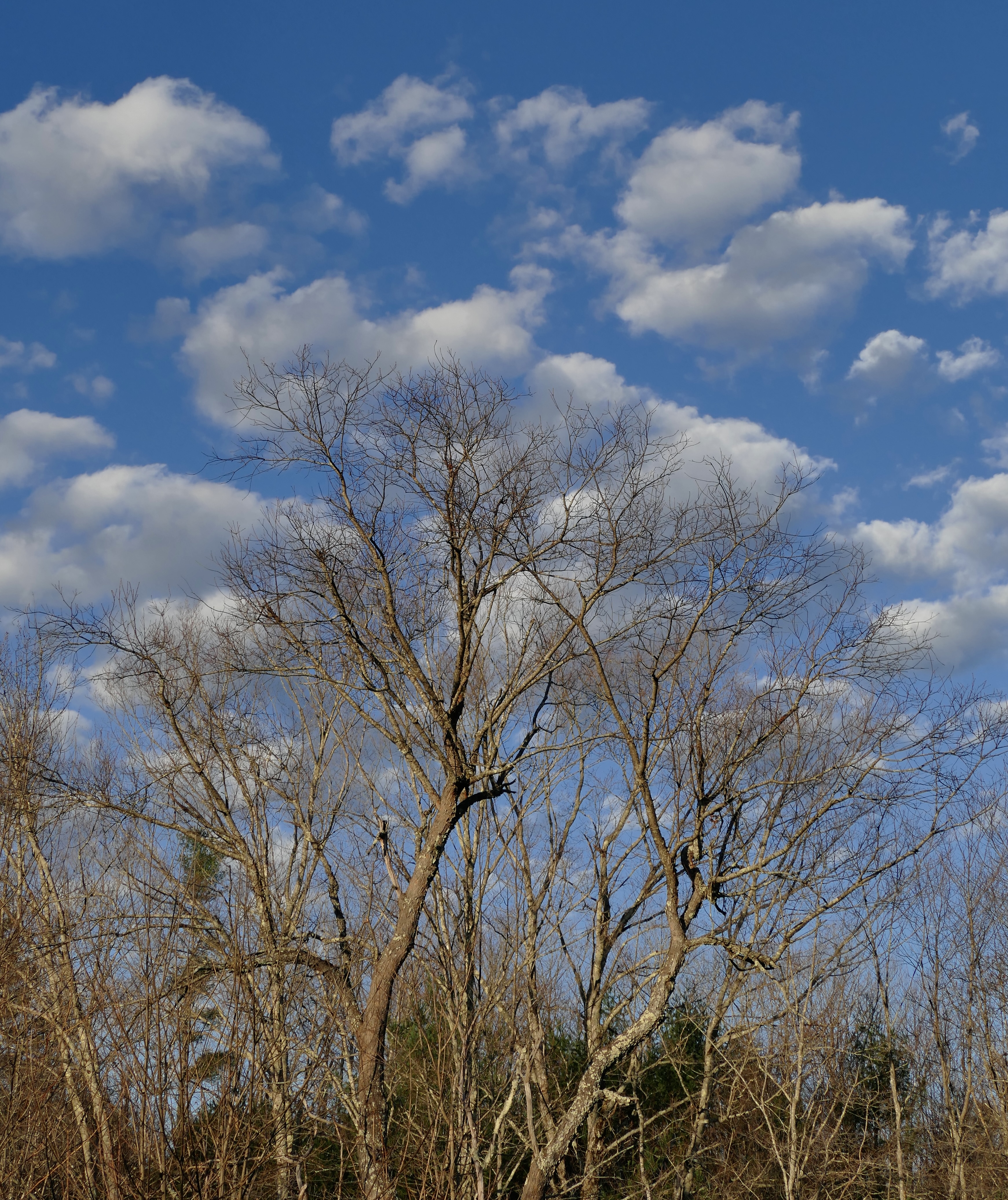
Much cold slate-colored cloud—bare twigs seen gleaming toward the light like gossamer—pure green of pines whose old leaves have fallen—reddish or yellowish brown oak leaves rustling on the hillsides—very pale brown bleaching—almost hoary fine grass or hay in the fields—akin to the frost which has killed it—& flakes of clear yellow sunlight falling on it here and there—such is November. 

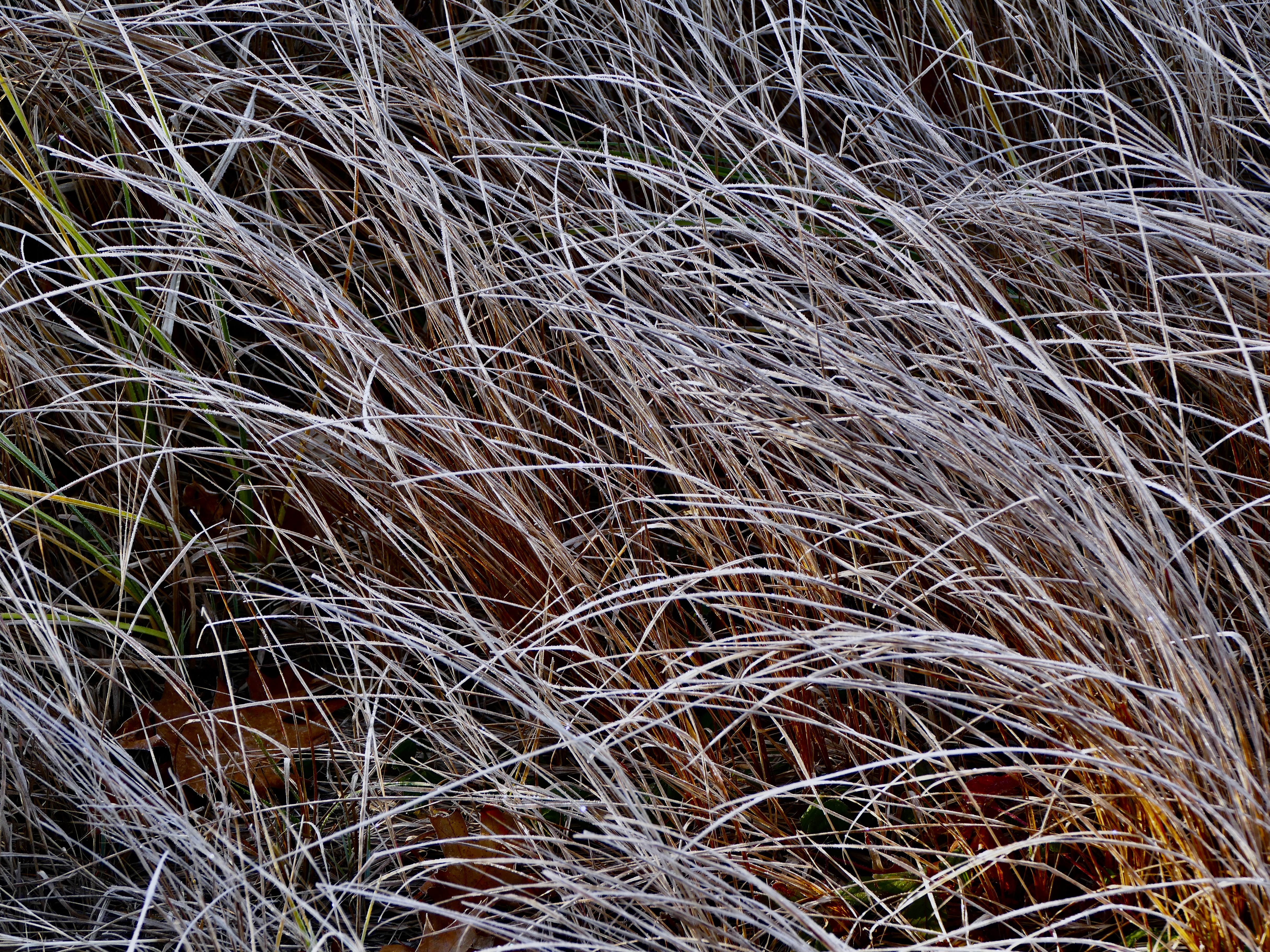
The fine grass killed by this frost & bleached till it is almost silvery has clothed the fields for a long time. 

Now as in the Spring, we rejoice in sheltered and sunny places. Some corn is left out still even—

November 17, 1858

in Thoreau’s Journal:

Nature is moderate, and loves degrees. Winter is not all white and sere. Some trees are evergreen to cheer us, and on the forest floor our eyes do not fall on sere brown leaves alone, but some evergreen shrubs are placed there to relieve the eye. Mountain laurel, lamb kill, checkerberry, interfere, etc., keep up the semblance of summer still.

November 16, 1850

in Thoreau’s Journal:

My Journal should be the record of my love. I would write in it only of the things I love, my affection for any aspect of the world, what I love to think of. I have no more distinctness or pointedness in my yearnings than an expanding bud, which does indeed point to flower and fruit, to summer and autumn, but is aware of the warm sun and spring influence only. 
November 14, 1858

in Thoreau’s Journal:

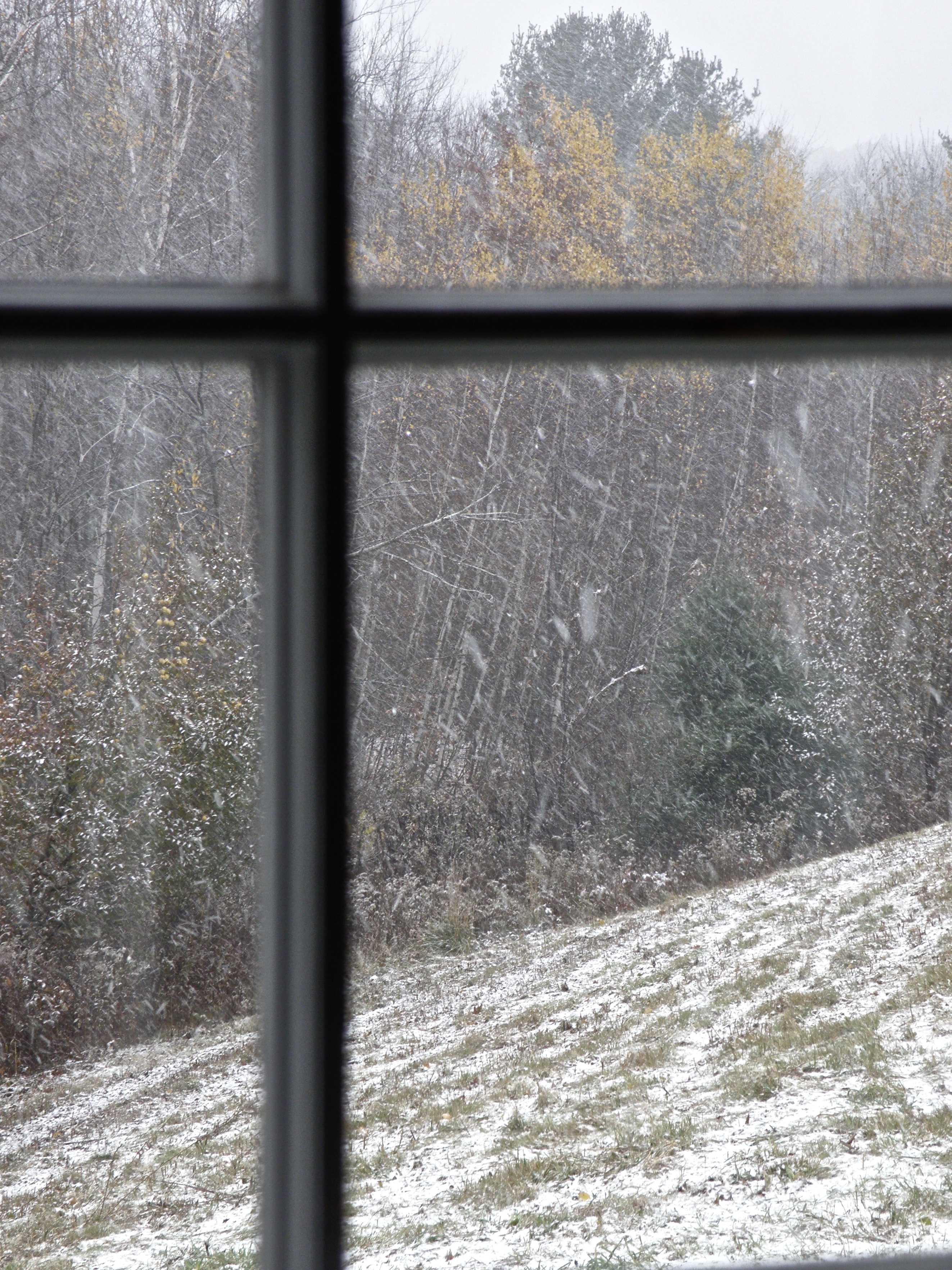
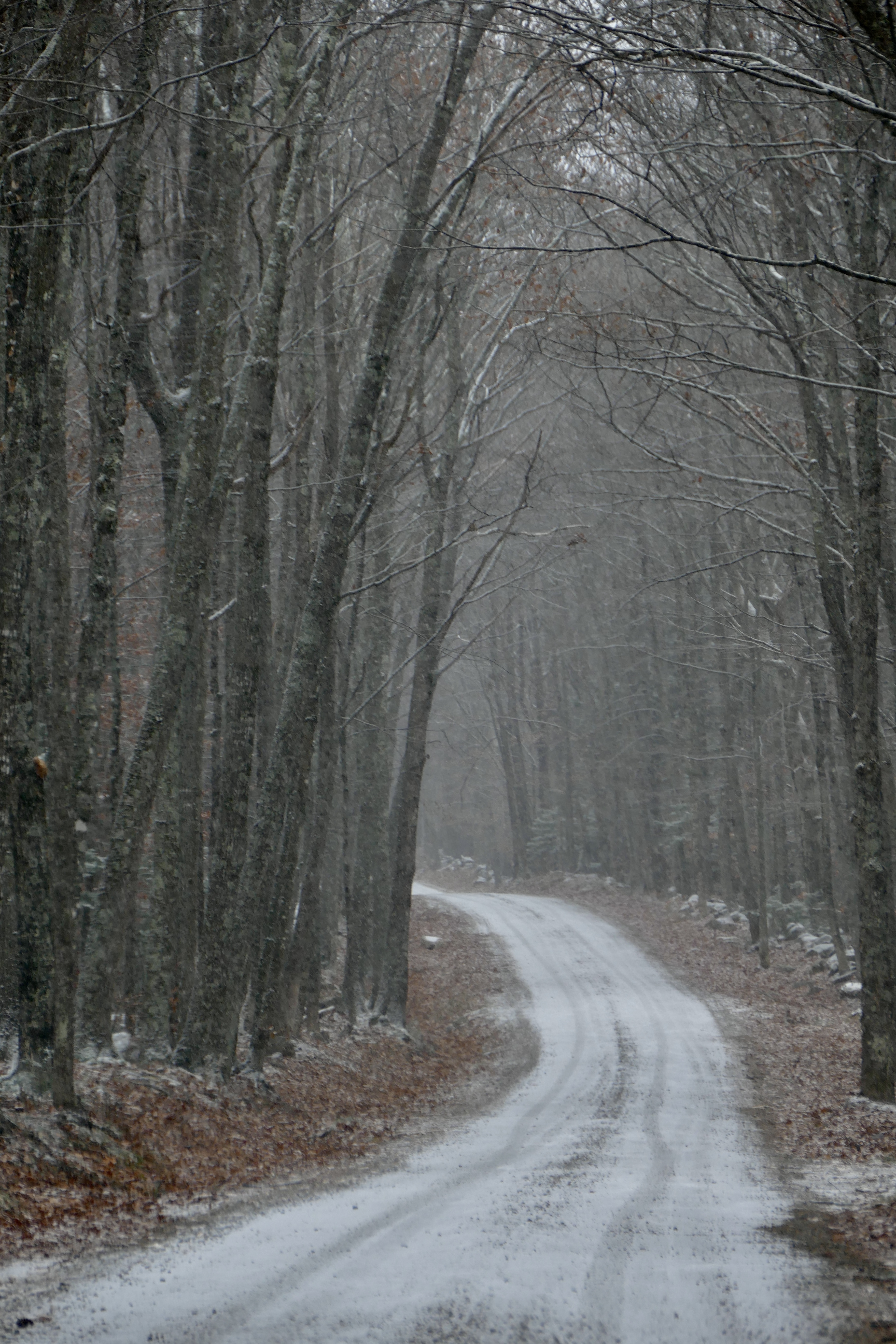
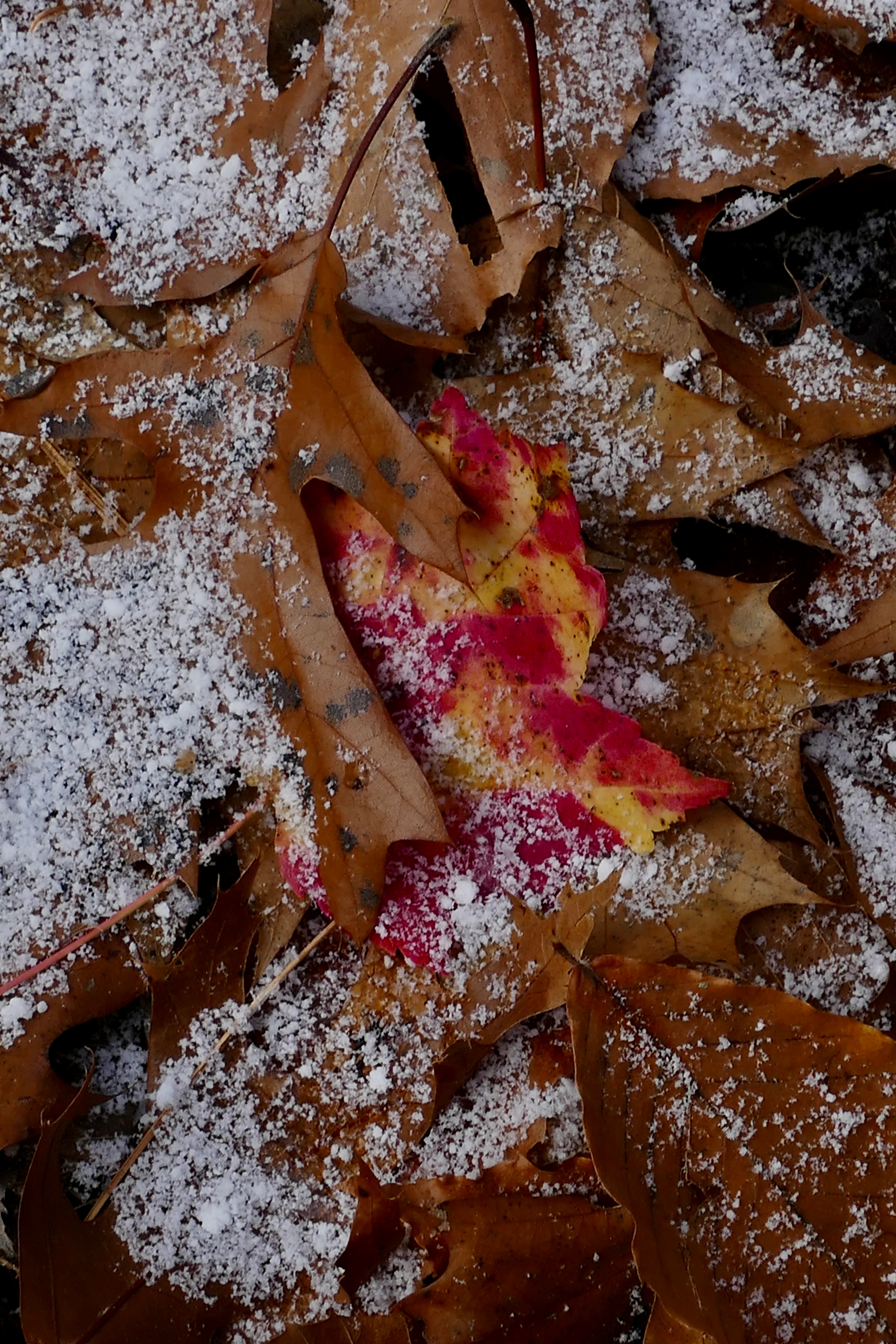
It is very cold and windy— Thermometer 26+.  I walk to Walden & andromeda ponds— It is all at once perfect winter. I walk on frozen ground 2/3 covered with a sugaring of dry snow—& this strong & cutting NW wind makes the oak leaves rustle drily enough to set your heart on edge—
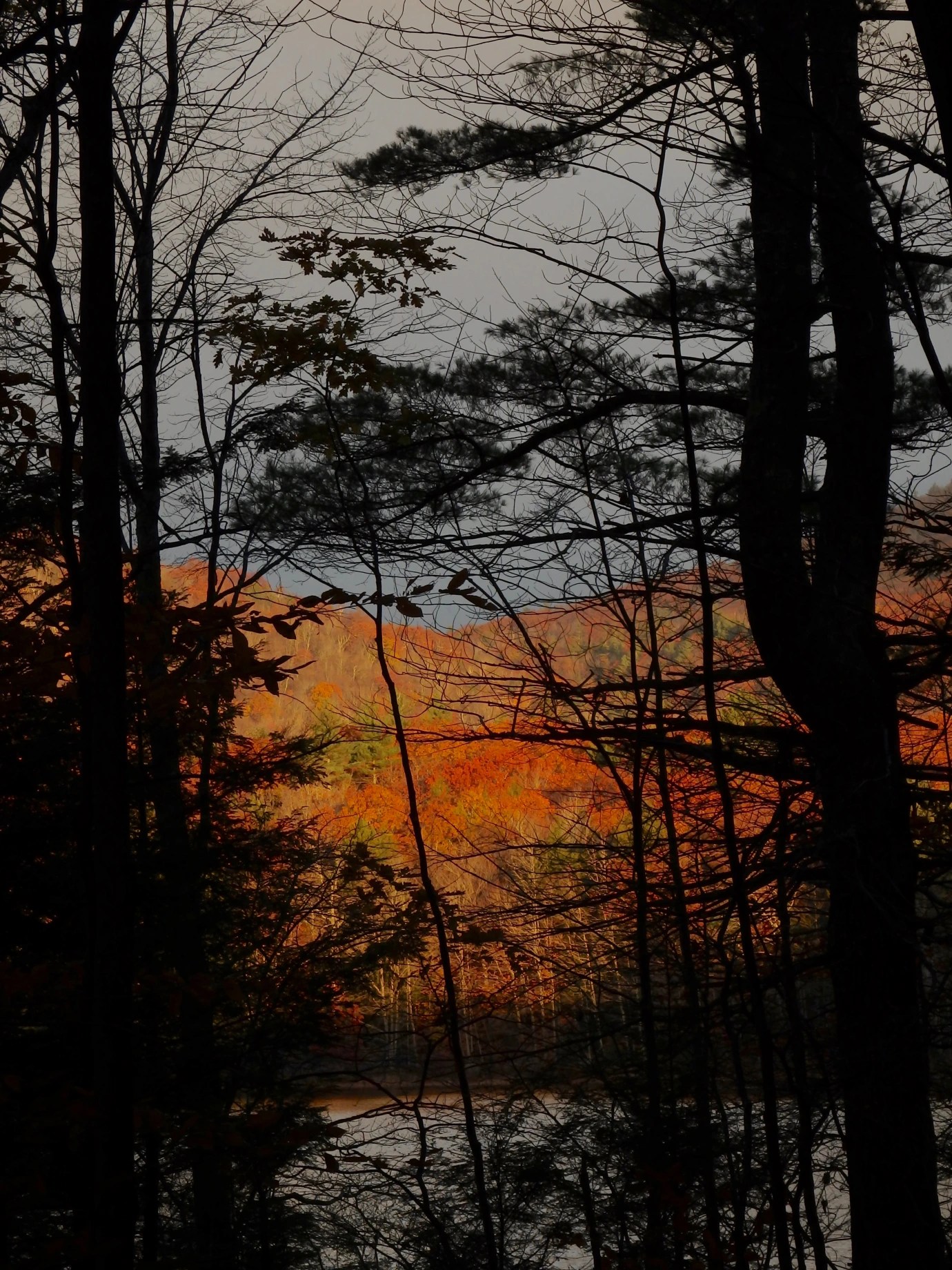
A great many  have fallen ever since the snow last evening.  Take a citizen into an oak sprout land out when there is a sugaring of dry snow—& a cold cutting N.W. wind rustles the leaves. A sympathetic shiver will seize him. He will know of no fire to warm his wits by. He has no pleasing pursuit to follow thro’ these difficulties—no trap to inspect—no chopping to do— Every resounding step on the frozen earth is a vain knocking at the door of what was lately genial Nature—his bountiful mother—now turned step mother— He is left out side to starve— The rustling leaves sound like the fierce breathing of an endless pack of wolves half famished from the north––impelled by hunger to seize him.

November 12, 1858

in Thoreau’s Journal:

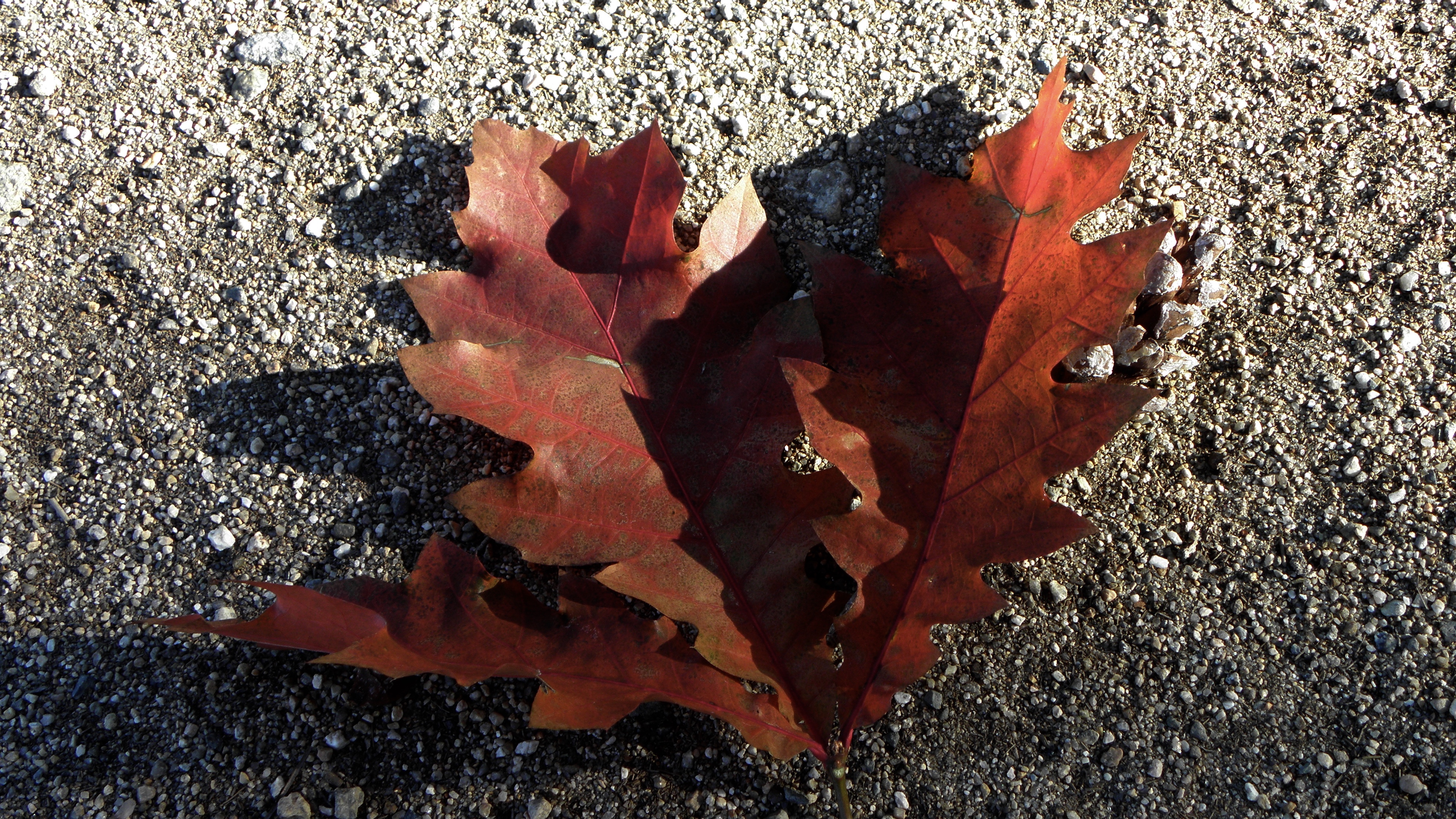
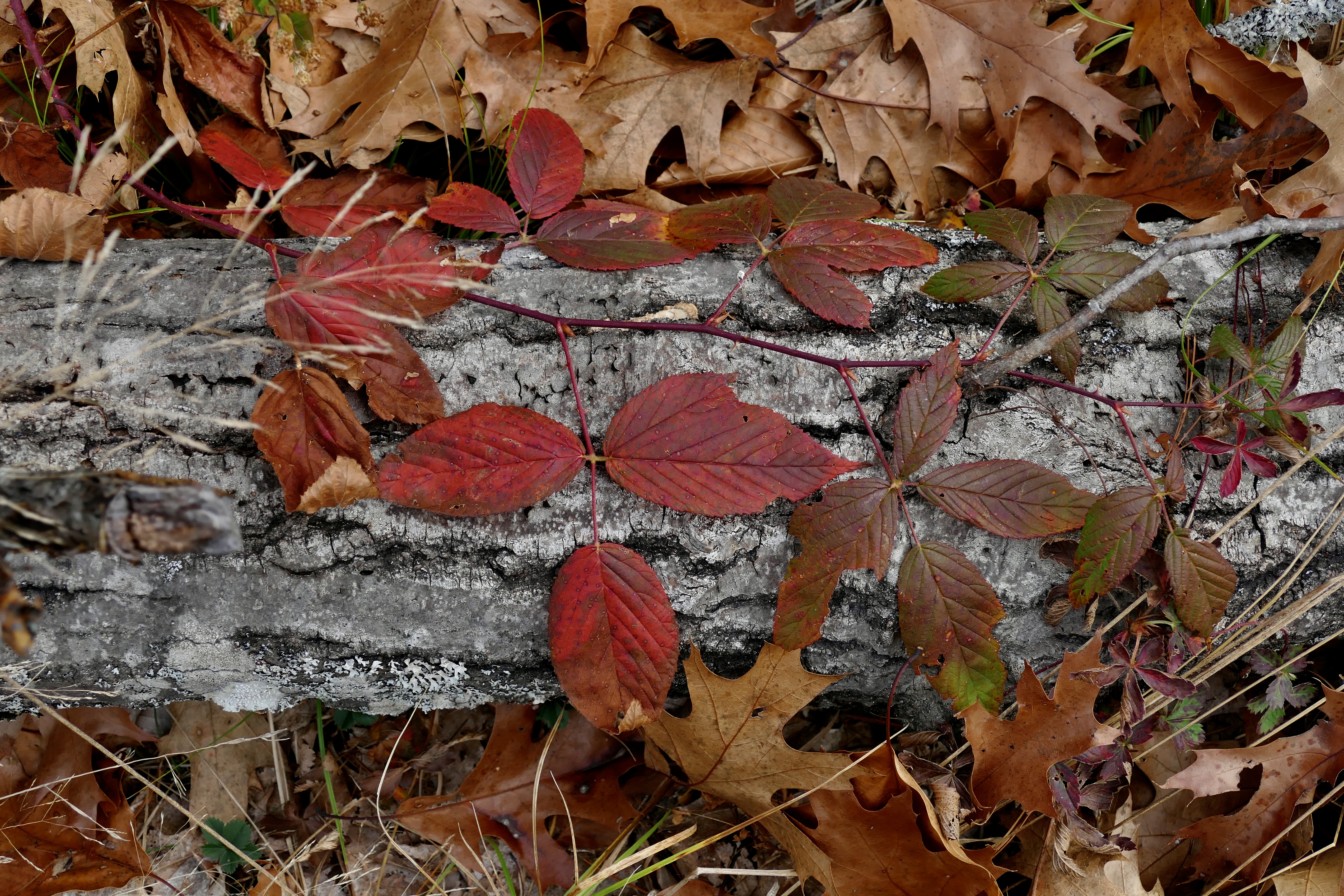
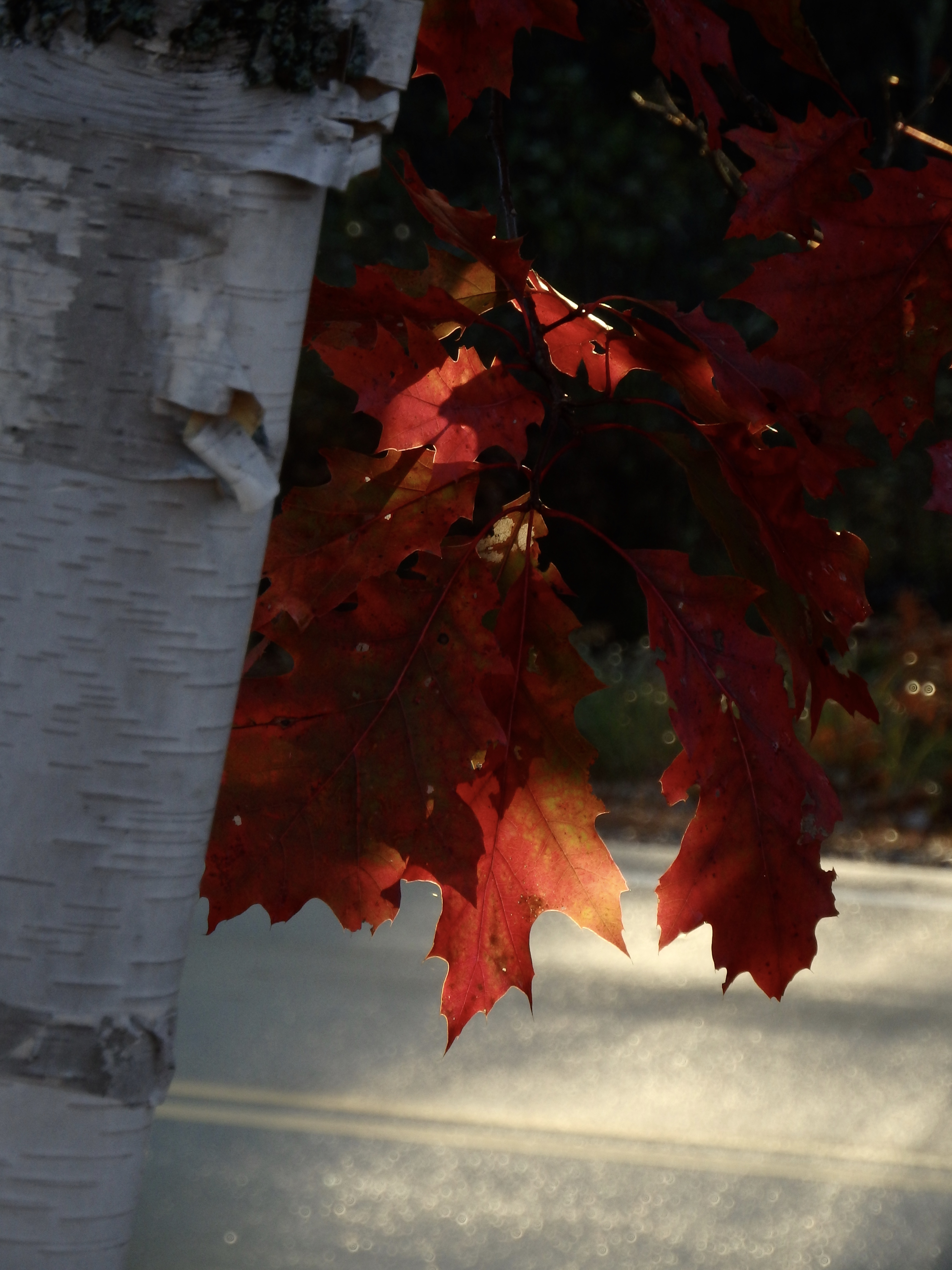
I think that the change to some higher color in a leaf is an evidence that it has arrived at a perfect and final maturity, answering to the maturity of fruits, and not to that of green leaves, etc., etc., which merely serve a purpose. The word “ripe” is thought by some to be derived from the verb “to reap,” according to which that is ripe which is ready to be reaped. The fall of the leaf is preceded by a ripe old age.

November 13, 1851

in Thoreau’s Journal:

Truly a hard day—hard Times these.  Not a mosquito left. Not an insect to hum. Crickets gone into winter quarters— Friends long since gone there—& you left to walk on frozen ground—with your hands in your pockets.  Ah but is not this a glorious time for your deep inward fires?— & will not your green hickory & white oak burn clean—in this frosty air?  

….All fields lie fallow —  Shall not your mind?  True the freezing ground is being prepared for immeasurable snows.— but there are brave thoughts within you that shall remain to rustle the winter through like white oak leaves upon your bough—or like scrub oaks that remind the traveller of a fire upon the hill sides—or evergreen thoughts cold even in mid summer by their nature shall contrast more fairly with the snow.

November 11, 1853

in Thoreau’s Journal:

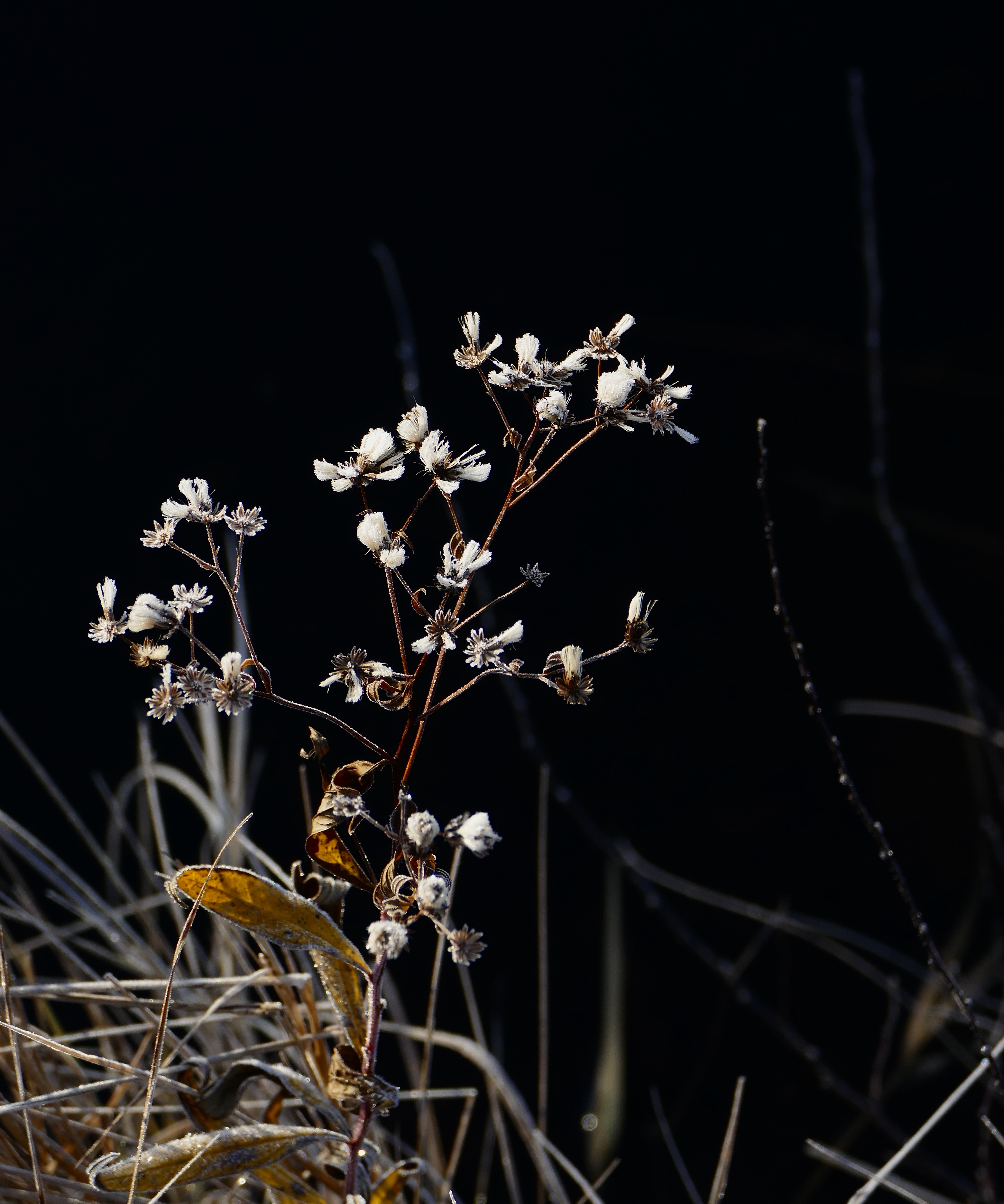
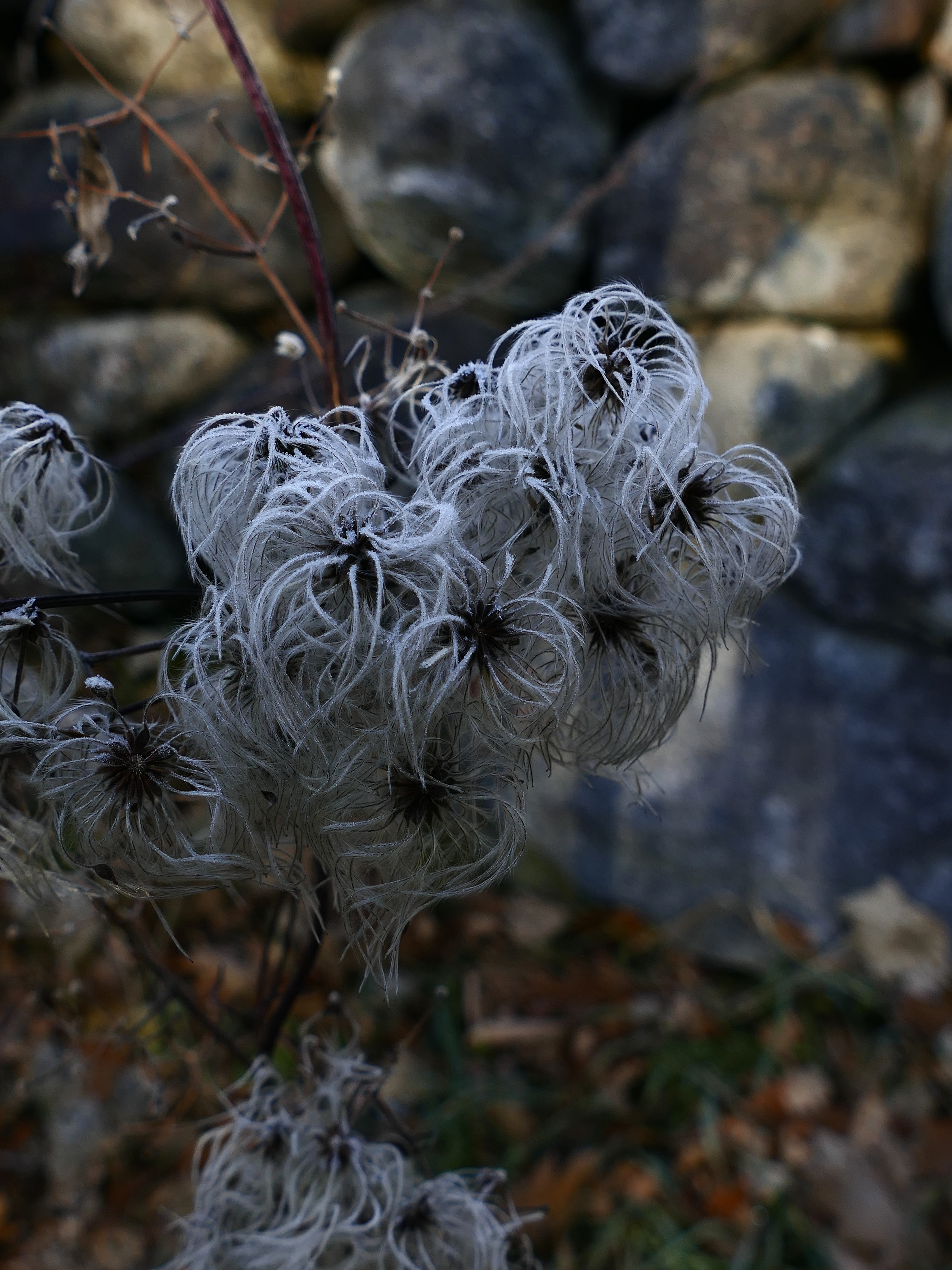
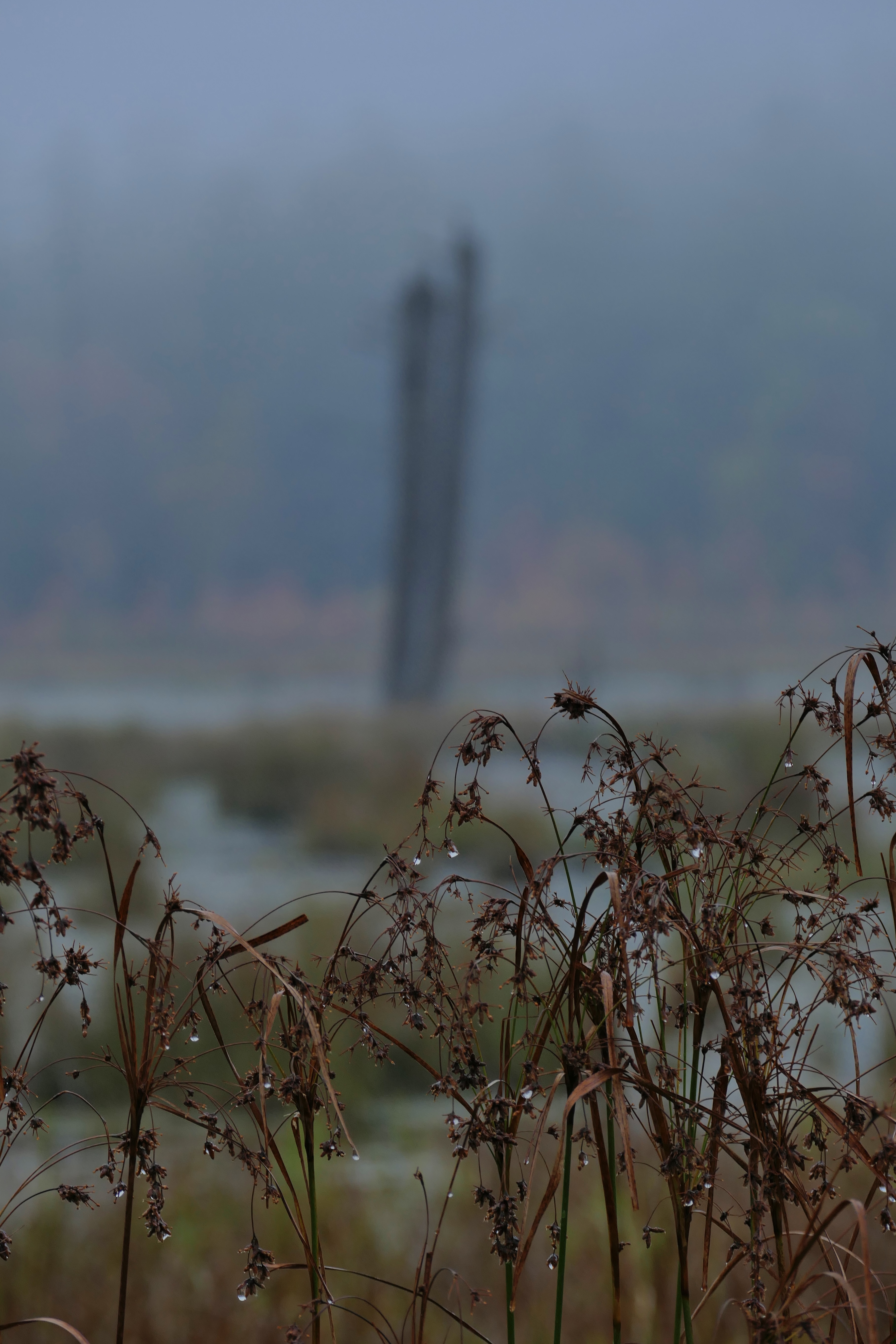
That delicate, waving, feathery dry grass which I saw yesterday is to be remembered with the autumn. The dry grasses are not dead for me. A beautiful form has as much life at one season as at another.

November 10, 1851

in Thoreau’s Journal:

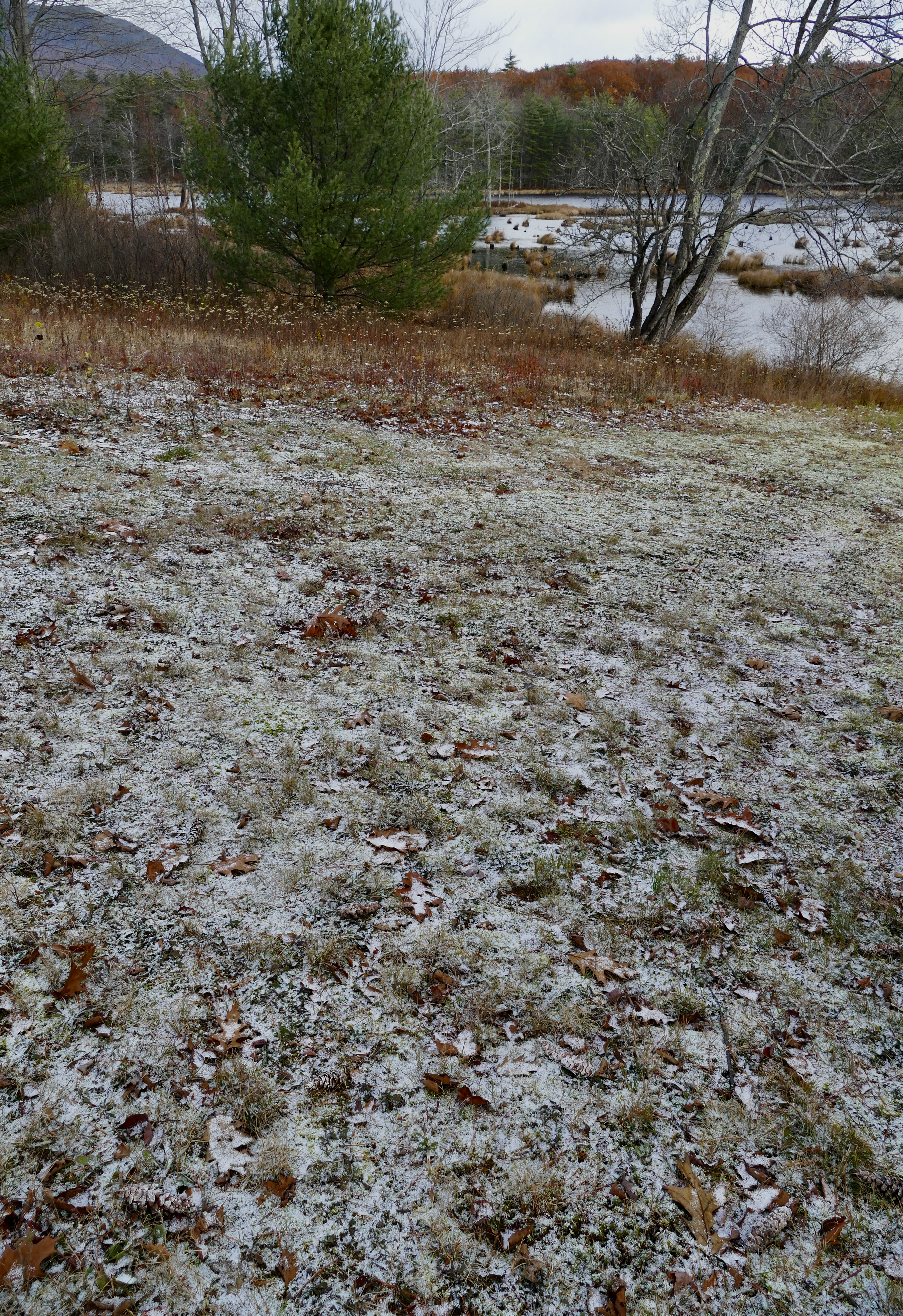
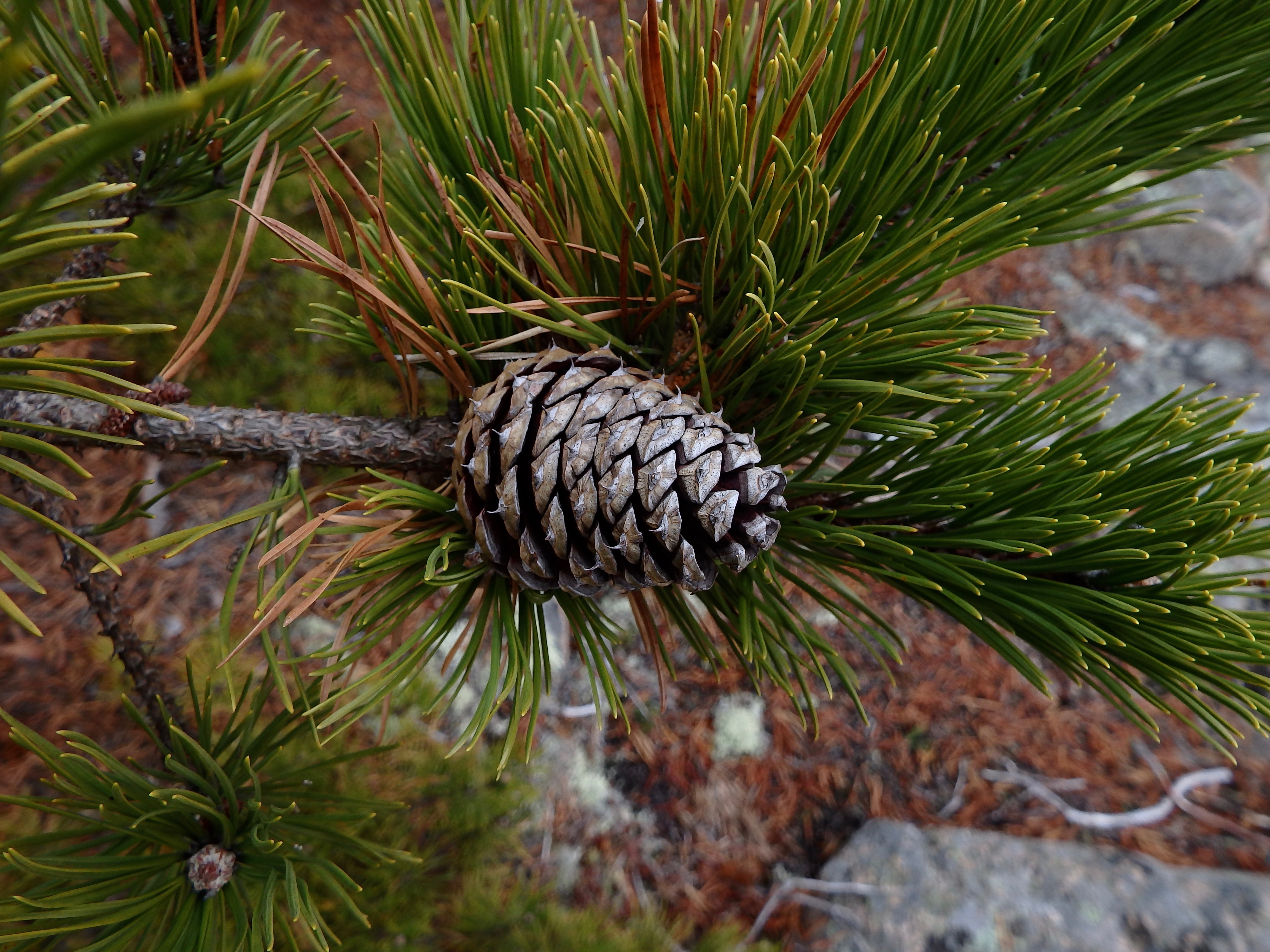
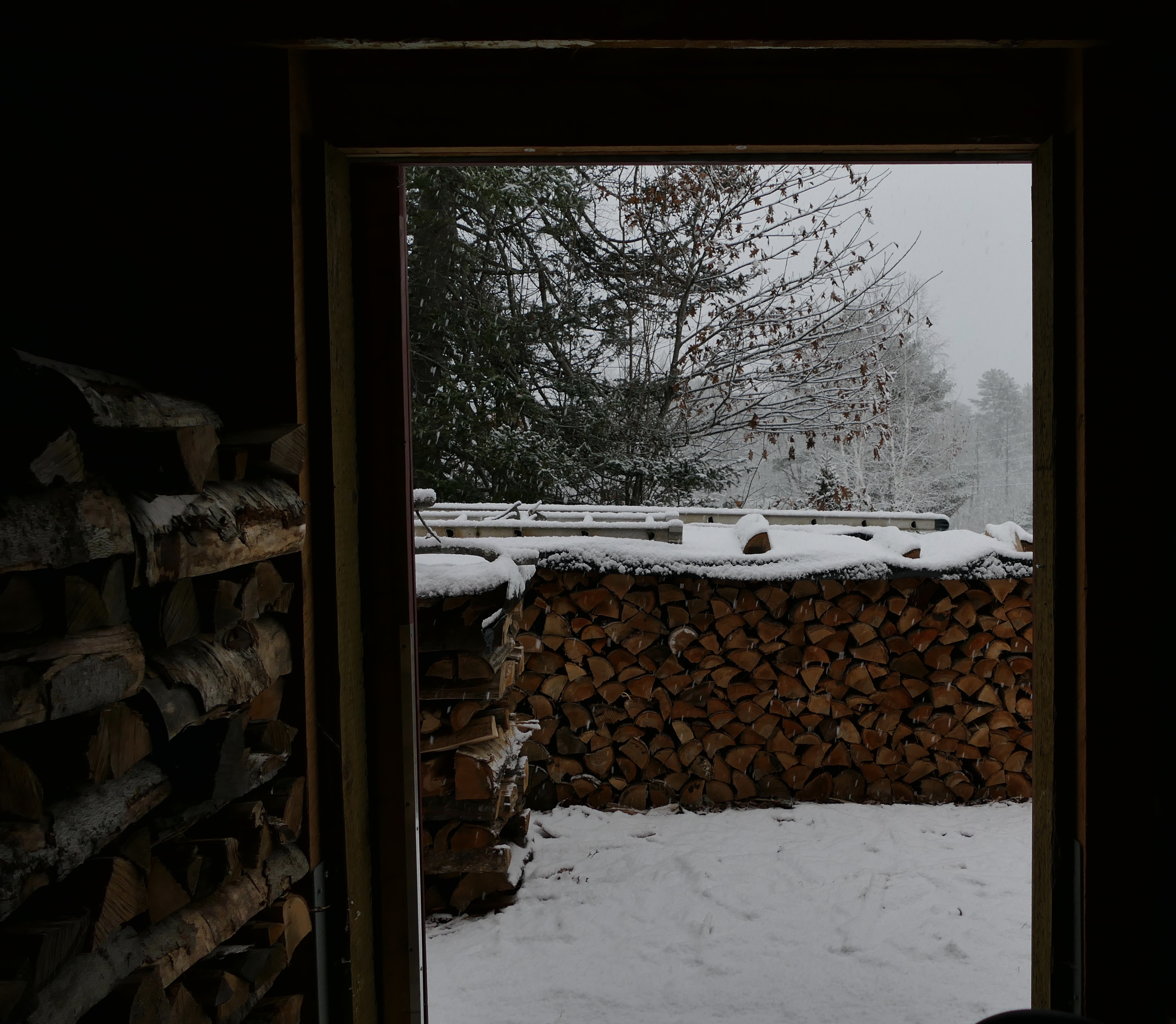
This morning the ground is once more whitened with snow—but it will apparently be gone in an hour or two. I live where the pinus rigida grows—with its firm cones almost as hard as iron—armed with recurved spines….

We are greatly indebted to these transition seasons or states of the atmosphere, which show us thus phenomena which belong not to the summer or the winter of any climate. 

November 9, 1858

in Thoreau’s Journal:

Thus steadily but unobserved the winter steals down from the north–till from our highest hills we can discern its vanguard….Little did we think how near the winter was. 

It is as if a scout had brought in word that an enemy was approaching in force only a day’s march distant….We had not thought seriously of winter–we dwelt in fancied security yet.

November 8, 1850

in Thoreau’s Journal:

The stillness of the woods and fields is remarkable at this season of the year. There is not even the creak of a cricket to be heard. Of myriads of dry shrub oak leaves, not one rustles. Your own breath can rustle them, yet the breath of heaven does not suffice to.—  The trees have the aspect of waiting for winter. The autumnal leaves have lost their color—they are now truly sere, dead—and the woods wear a sombre color. Summer and harvest are over…

This is a peculiar season—peculiar for its stillness—the crickets have ceased their song. The few birds are well-nigh silent. The tinted and gay leaves are now sere and dead and the woods wear a sombre aspect.  A carpet of snow under the pines & shrub-oaks will make it look more cheerful—Very few plants have now their spring.  But thoughts still spring in man’s brain….

November 7, 1855

in Thoreau’s Journal:

I find it good to be out this still dark mizzling afternoon– My walk or voyage is more suggestive & profitable than in bright weather. The view is contracted by the misty rain–the water is perfectly smooth & the stillness is favorable to reflection. I am more open to impressions more sensitive–(not callused or indurated by sun & wind) as if in a chamber still. My thoughts are concentrated– I am all compact–  The solitude is real too for the weather keeps other men at home. This mist is like a roof & walls over & around & I walk with a domestic feeling– The sound of a wagon going over an unseen bridge is louder than ever–& so of other sounds.  I am compelled to look at near objects–  All things have a soothing effect–the very clouds & mists brood over me. My power of observation & contemplation is much increased. My attention does not wander. The world & my life are simplified.  – What now of Europe & Asia?

November 6, 1853

in Thoreau’s Journal:

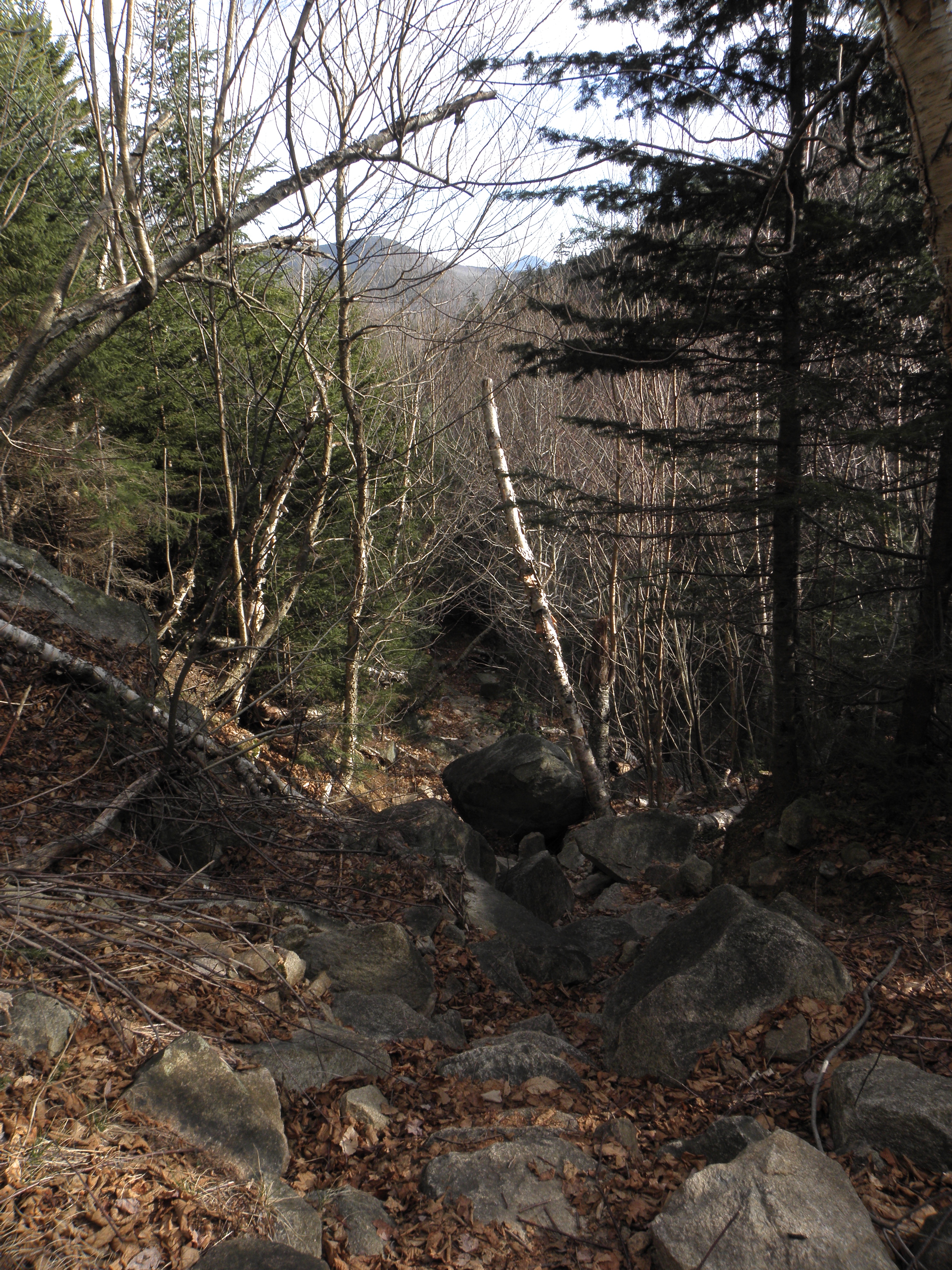
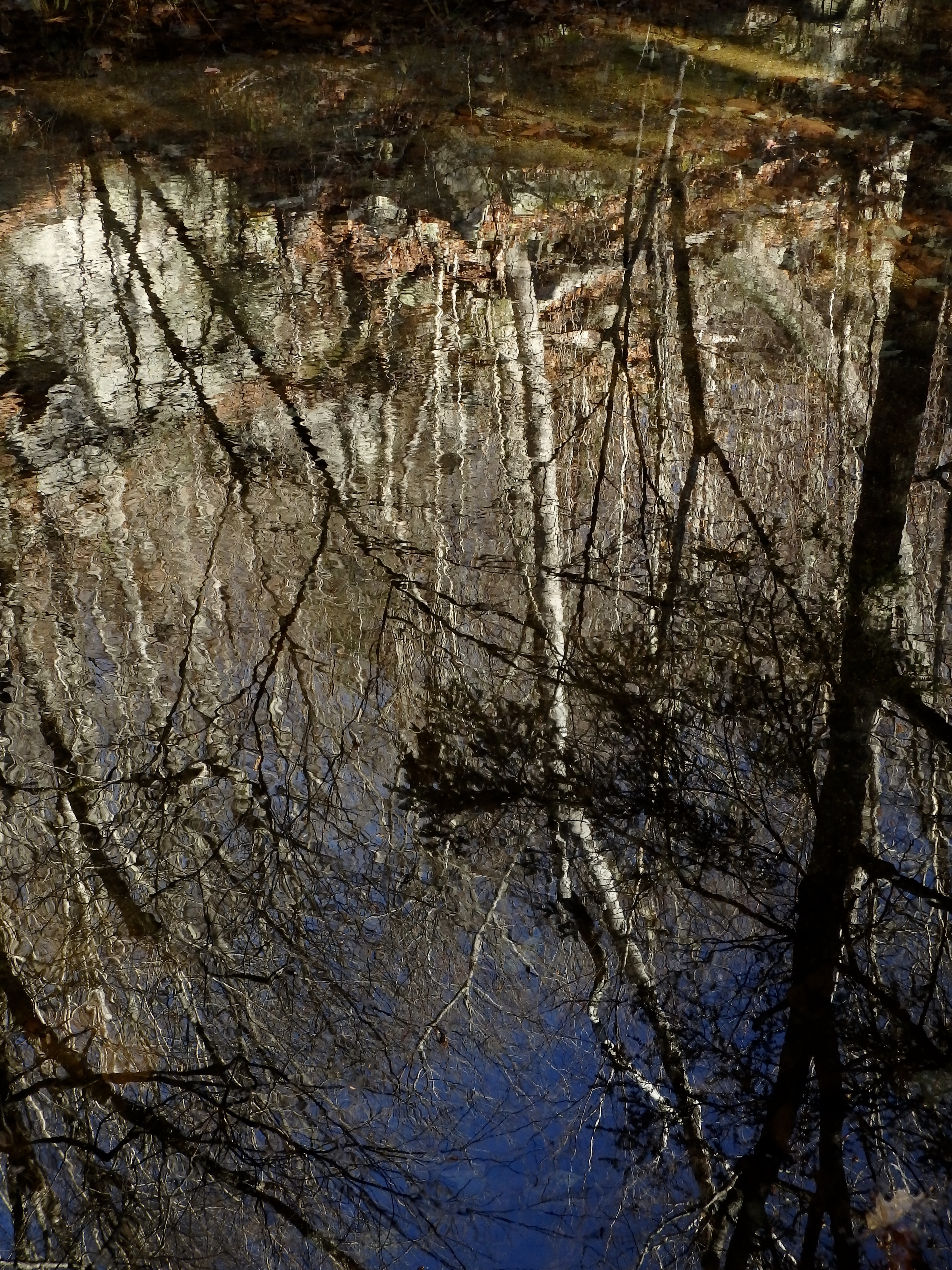
Climbed the wooded hill by Holden’s spruce swamp—& got a novel View of the river & Fair Haven Bay—through the almost leafless woods. How much handsomer a river or lake such as ours seems thus through a foreground of scattered or else partially leafless trees though at a considerable distance this side of it—especially if the water is open without wooded shore or isles—

It is the most perfect & beautiful of all frames which yet the sketcher is commonly careful to brush aside. I mean a foreground—a view of the distant water through the near forest—through a thousand little vistas—as we are rushing toward the former—that intimate mingling of wood & water which excites an expectation which the near & open view rarely realizes. We prefer that some part be concealed—which our imagination may navigate.

November 5, 1860

in Thoreau’s Journal:

I am struck by the fact that the more slowly trees grow at first, the sounder they are at the core, and I think the same is true of human beings. We do not wish to see children precocious, making great strides in their early years like sprouts, producing a soft and perishable timber, but better if they expand slowly at first, as if contending with difficulties, and so are solidified and perfected.

November 4, 1852

in Thoreau’s Journal:

Must be out-of-doors enough to get experience of wholesome reality—as a ballast to thought and sentiment. Health requires this relaxation, this aimless life. This life in the present. Let a man have thought what he will of Nature in the house—she will still be novel outdoors. I keep out of doors for the sake of the mineral, vegetable, and animal in me….My thought is a part of the meaning of the world, and hence I use a part of the world as a symbol to express my thought.

November 3, 1853

in Thoreau’s Journal:

There are very few phenomena which can be described indifferently as occurring at different seasons of the year, for they will occur with some essential difference. 

November 1, 1851

in Thoreau’s Journal:  

 It is a bright, clear, warm November day. I feel blessed. I love my life. I warm toward all nature. The woods are now much more open than when I last observed them; the leaves have fallen, and they let in light, and I see the sky through them as through a crow’s wing in every direction. 

October 31, 1858

in Thoreau’s Journal:

It costs me nothing for a gardener— The falling leaves all over the forest are protecting the roots of my plants. Only look at what is to be seen & you will have garden enough—without deepening the soil of your yard.

We have only to elevate our view a little to see the whole forest as a garden—