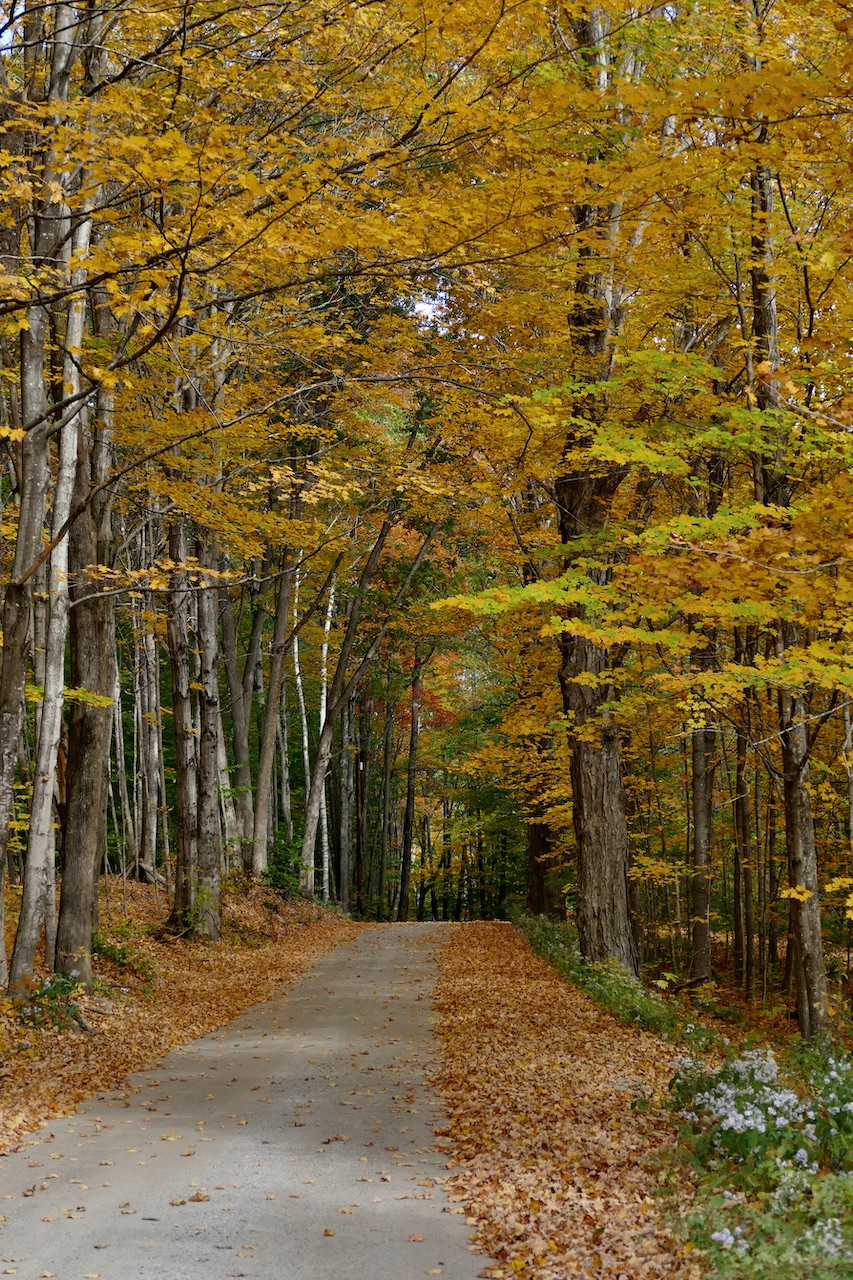
Most leaves are already somewhat faded and withered. Their tints are not so bright. The chestnut leaves already rustle with a great noise as you walk through the woods, as they lie light, firm, and crisp. Now the chestnuts are rattling out. The burs are gaping and showing the plump nuts. They fill the ruts in the road, and are abundant amid the fallen leaves in the midst of the wood. The jays scream, and the red squirrels scold, while you are clubbing and shaking the trees. Now it is true autumn—all things are crisp & ripe.
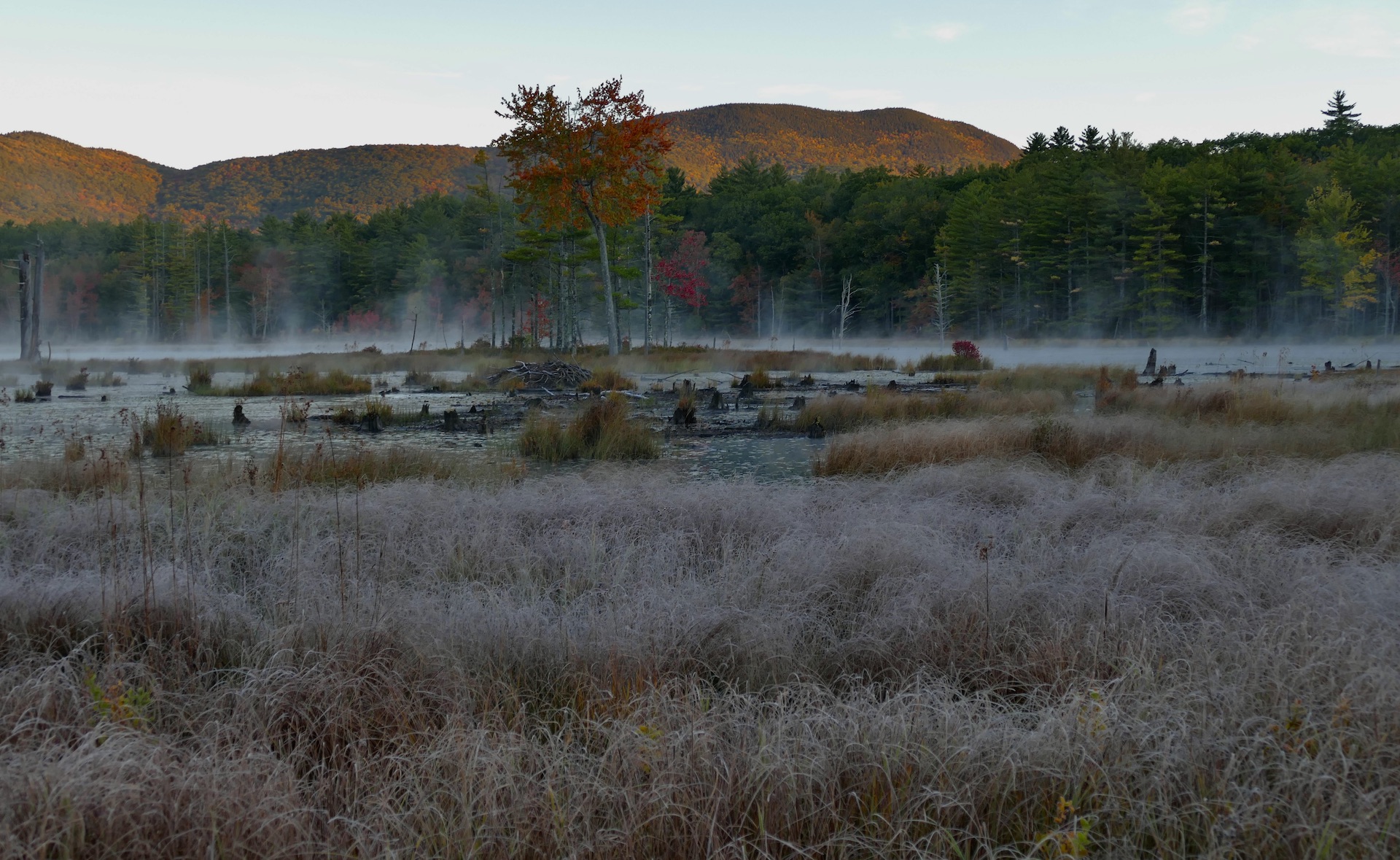
This is the end of the sixth day of glorious weather, which I am tempted to call the finest of the year, so bright and serene the air and such a sheen from the earth, so brilliant the foliage, so pleasantly warm (except, perhaps, this day, which is cooler), too warm for a thick coat — yet not sultry nor oppressive — so ripe the season and our thoughts. Certainly these are the most brilliant days in the year, ushered in, perhaps, by a frosty morning, as this. As a dewy morning in the summer compared with a parched and sultry, languid one, so a frosty morning at this season compared with a merely dry or foggy one. These days you may say the year is ripened like a fruit by frost, and puts on brilliant tints of maturity but not yet of decay. It is not sere and withered as in November. See the heaps of apples in the fields and at the cider-mill, of pumpkins in the fields, and the stacks of cornstalks and the standing corn. Such is the season.
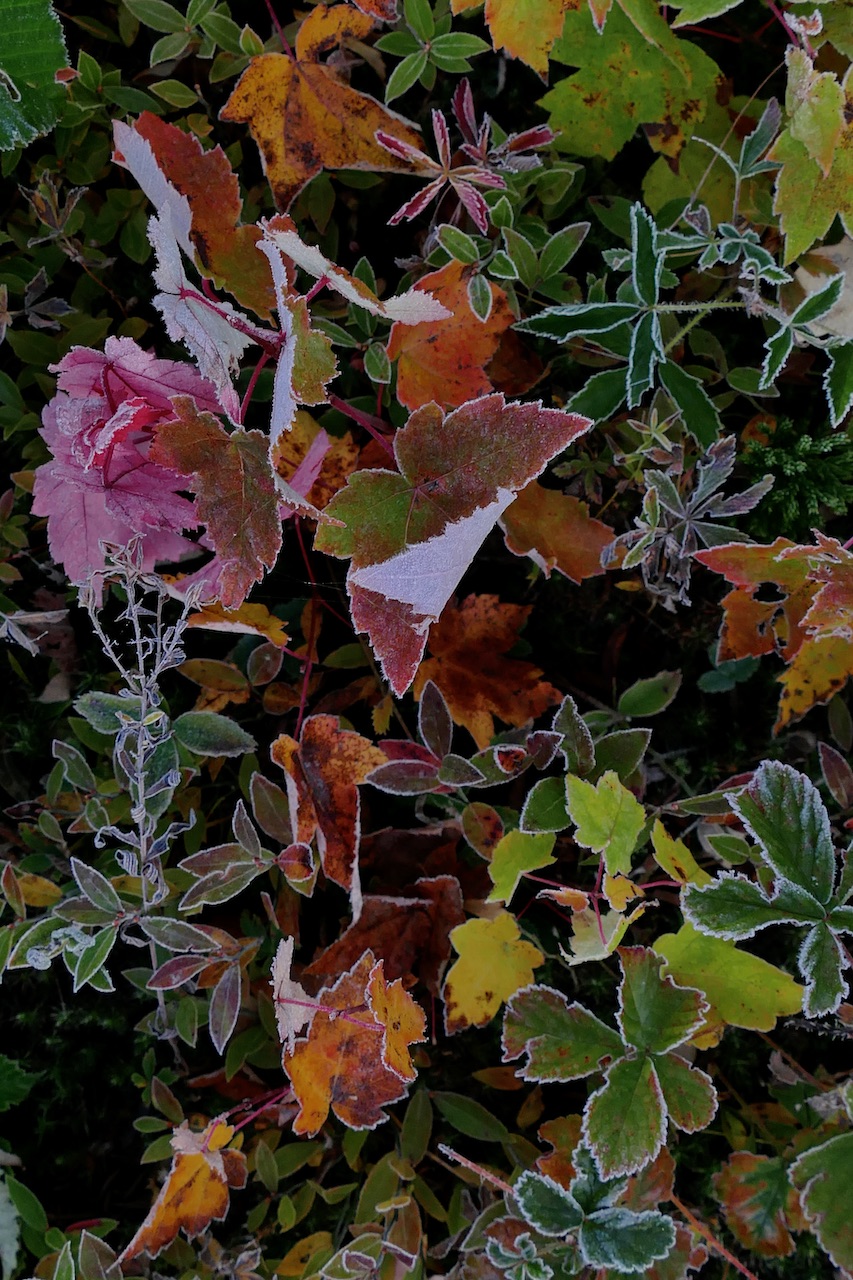
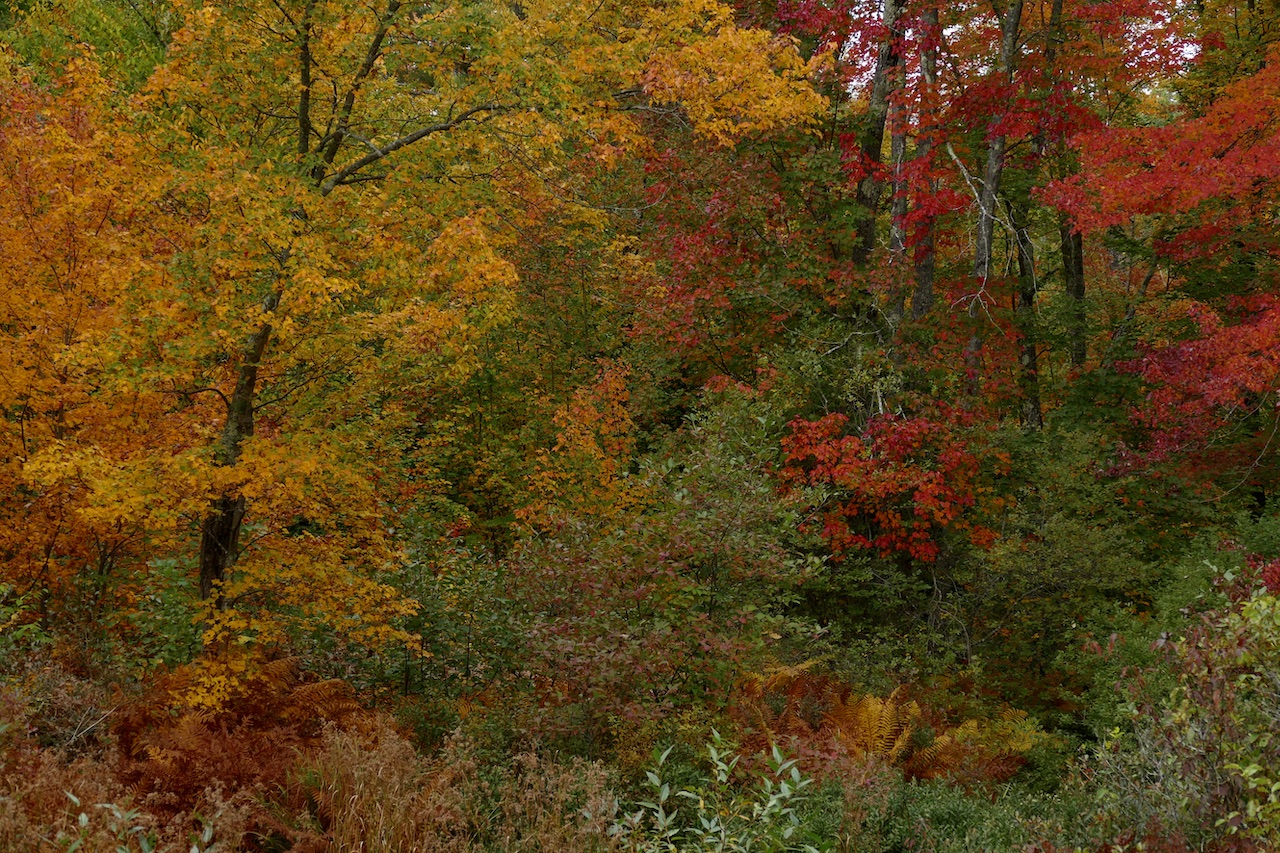
The red maples are now red & also yellow & reddening. The white maples are green & silvery also yellowing and blushing— The birch is yellow —the black willow brown. The elms sere brown & thin —the bass bare—the button bush which was so late is already mostly bare except the lower part protected — The swamp wht oak is green with a brownish tinge. The Wht ash turned mulberry The white maples toward Ball’s hill have a burnt white appearance— The white oak a salmon color & also red— Is that scarlet oak rosed?— Huckleberries & blackberries are red.
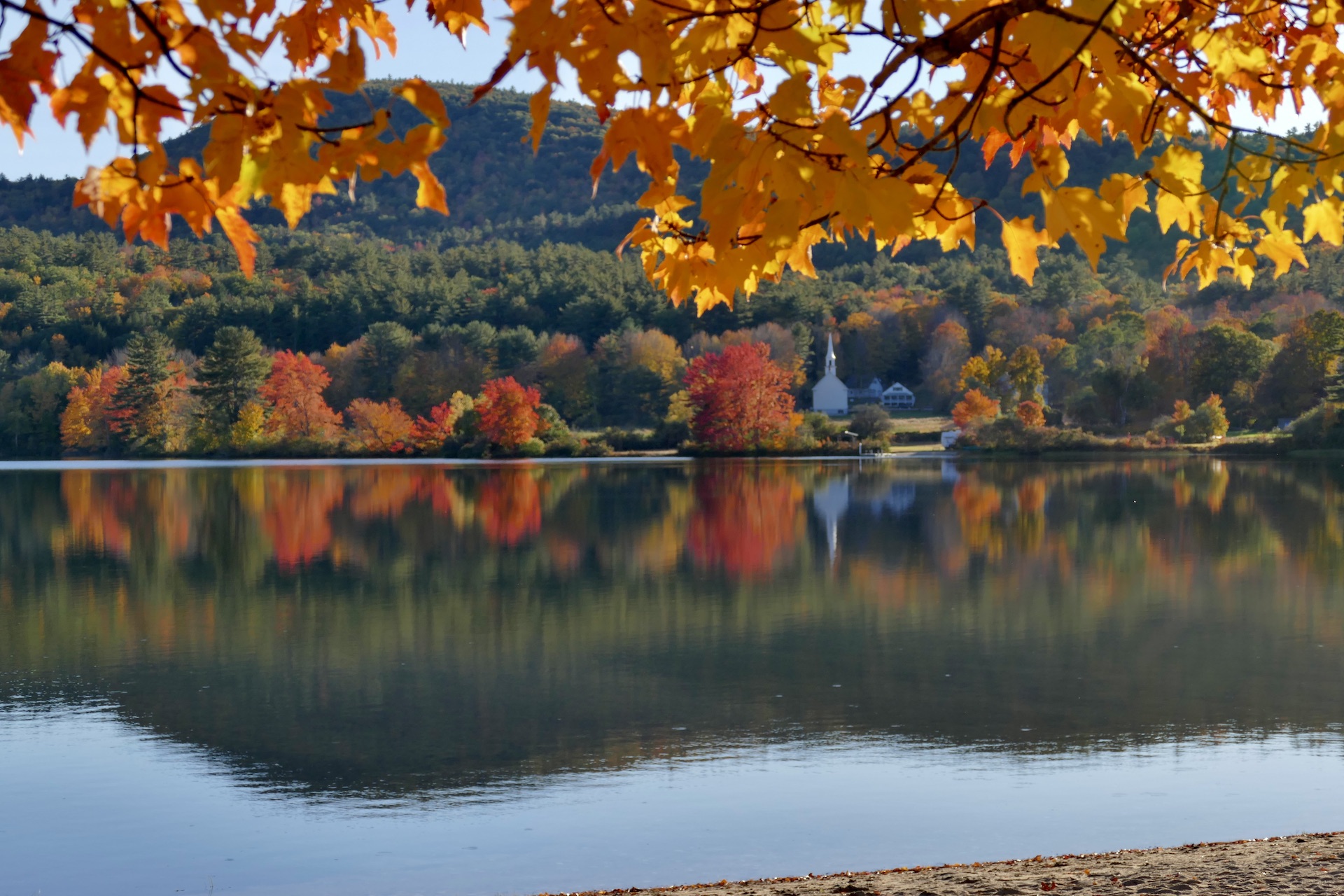
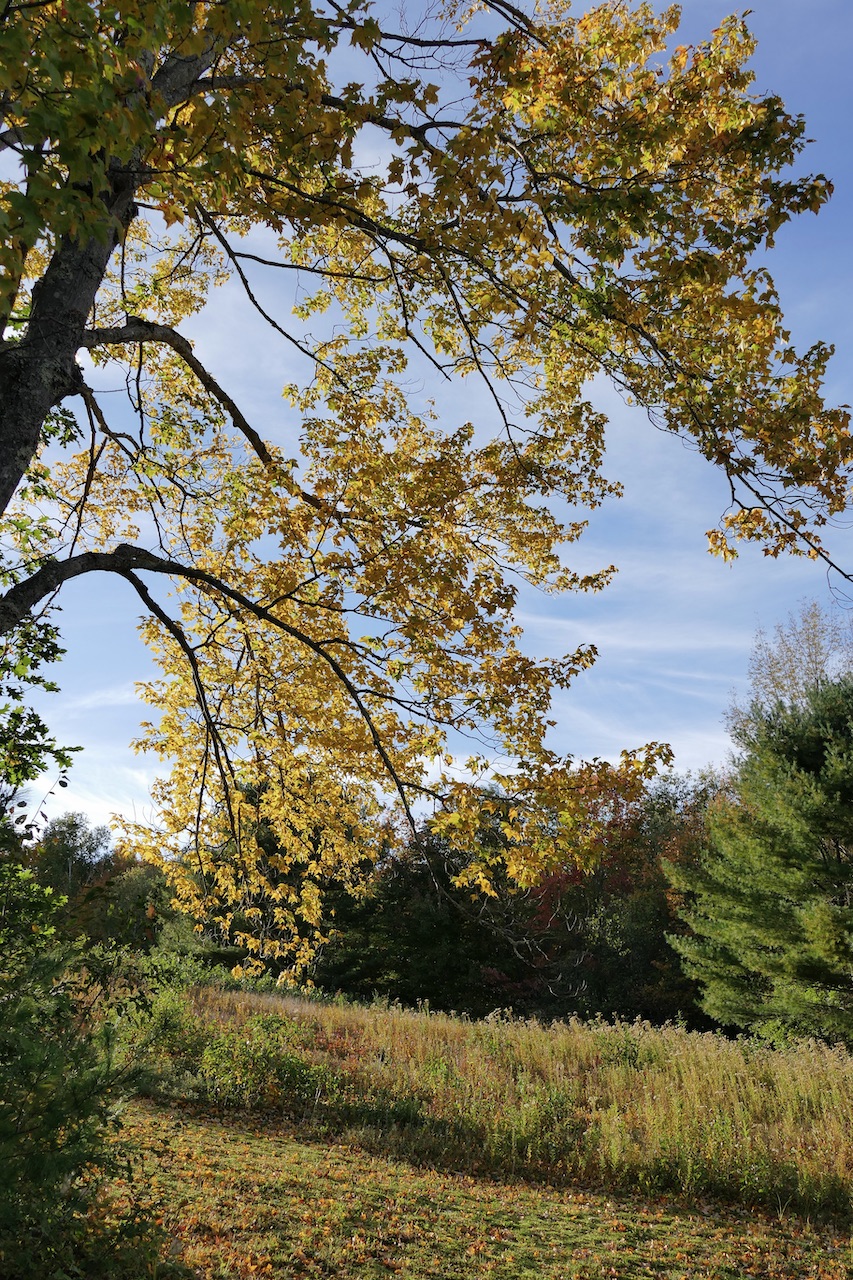
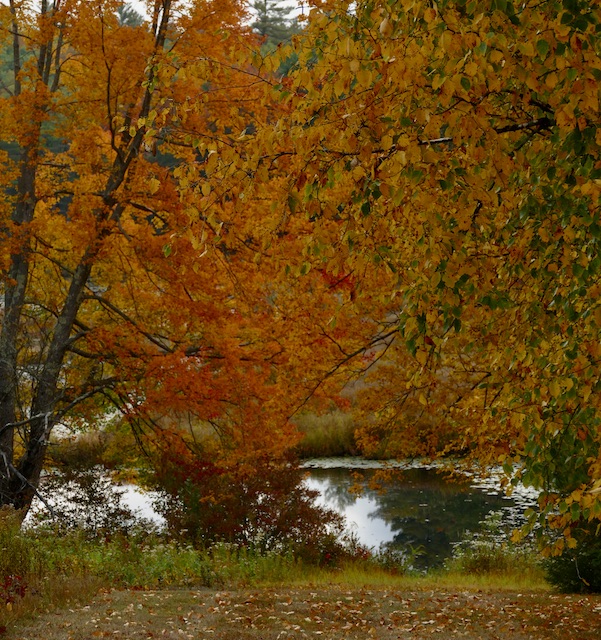
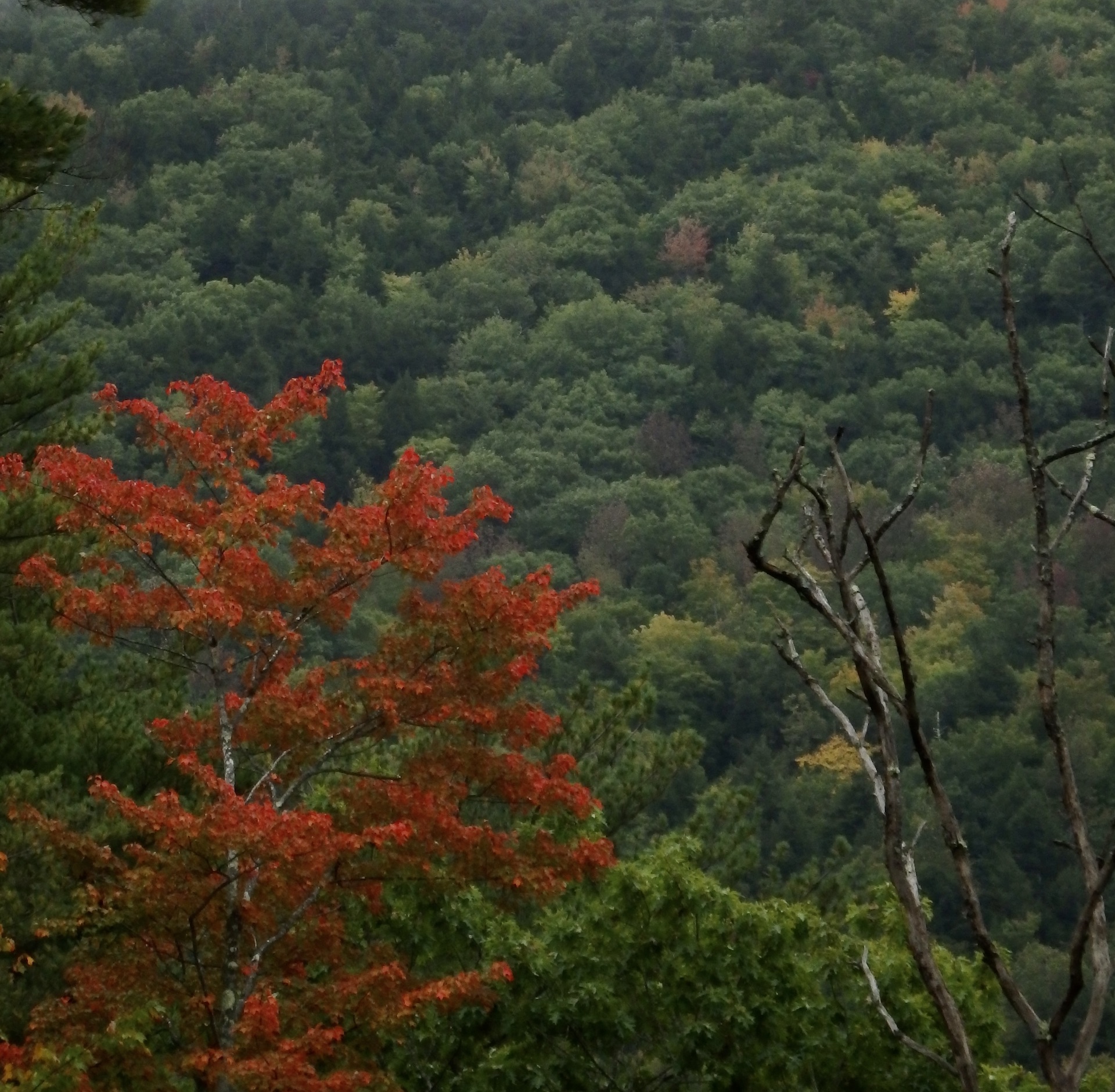
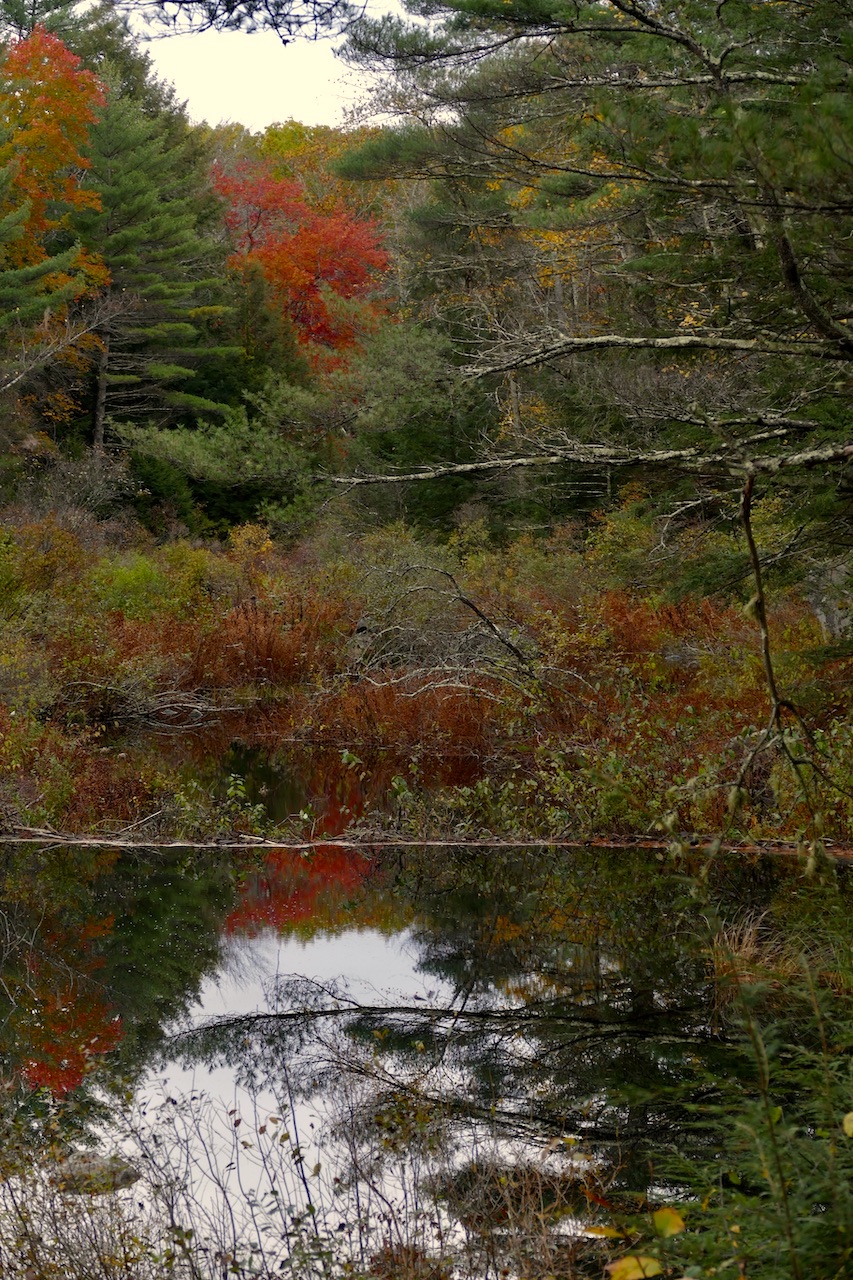
The autumnal tints about the pond are now perfect—nothing can exceed the brilliancy of some of the maples which stand by the shore & extend their red banners over the water—why should so many be yellow? I see the browner yellow of the chestnuts on Pine Hill— The maples & hickories are a clearer yellow. Some white oaks are red— The shrub oaks are bloody enough for a ground— The red & black oaks are yet green.
The autumnal tints about the pond are now perfect—nothing can exceed the brilliancy of some of the maples which stand by the shore & extend their red banners over the water—why should so many be yellow? I see the browner yellow of the chestnuts on Pine Hill— The maples & hickories are a clearer yellow. Some white oaks are red— The shrub oaks are bloody enough for a ground— The red & black oaks are yet green.
There is a great difference between this season and a month ago — warm as this happens to be — as between one period of your life and another. A little frost is at the bottom of it.
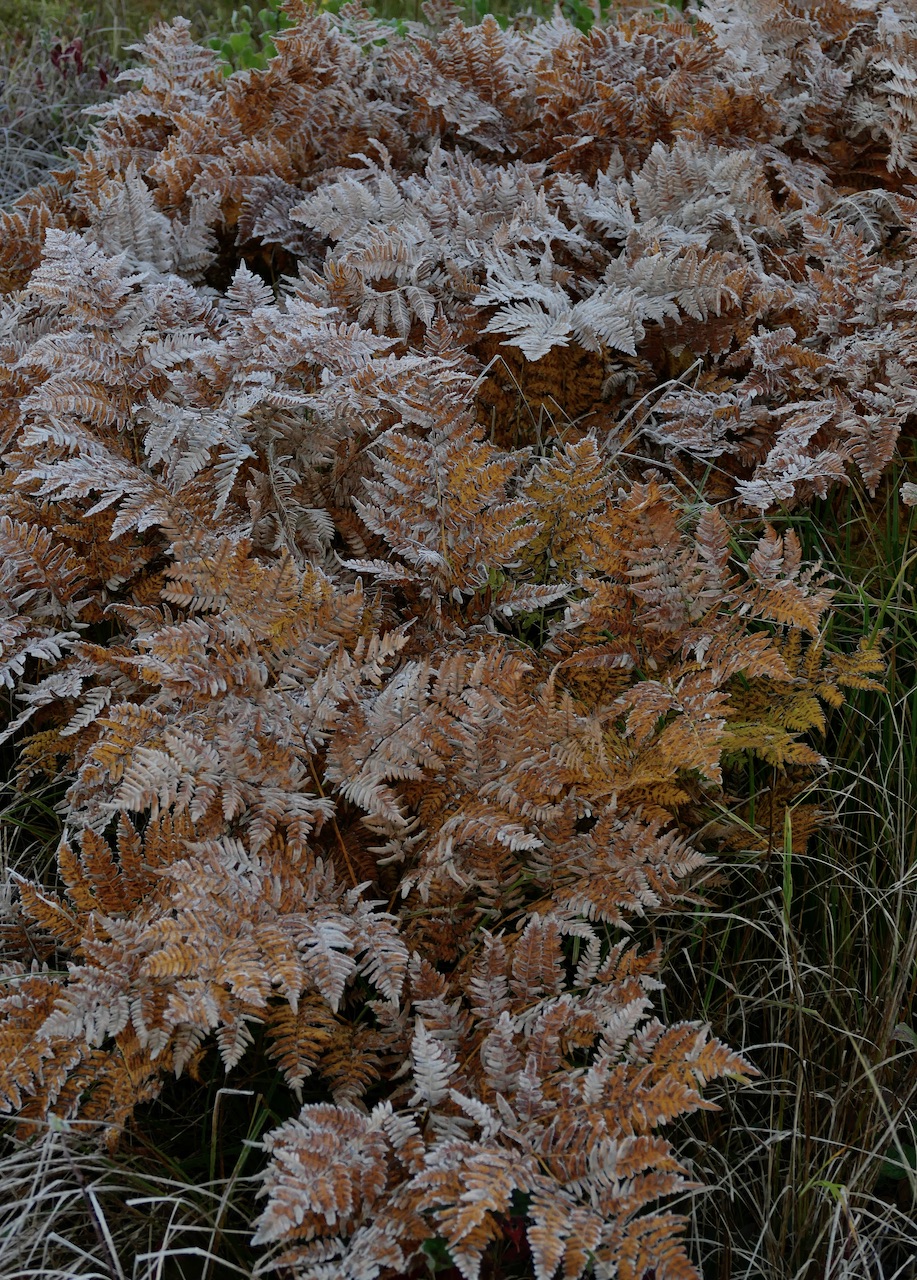
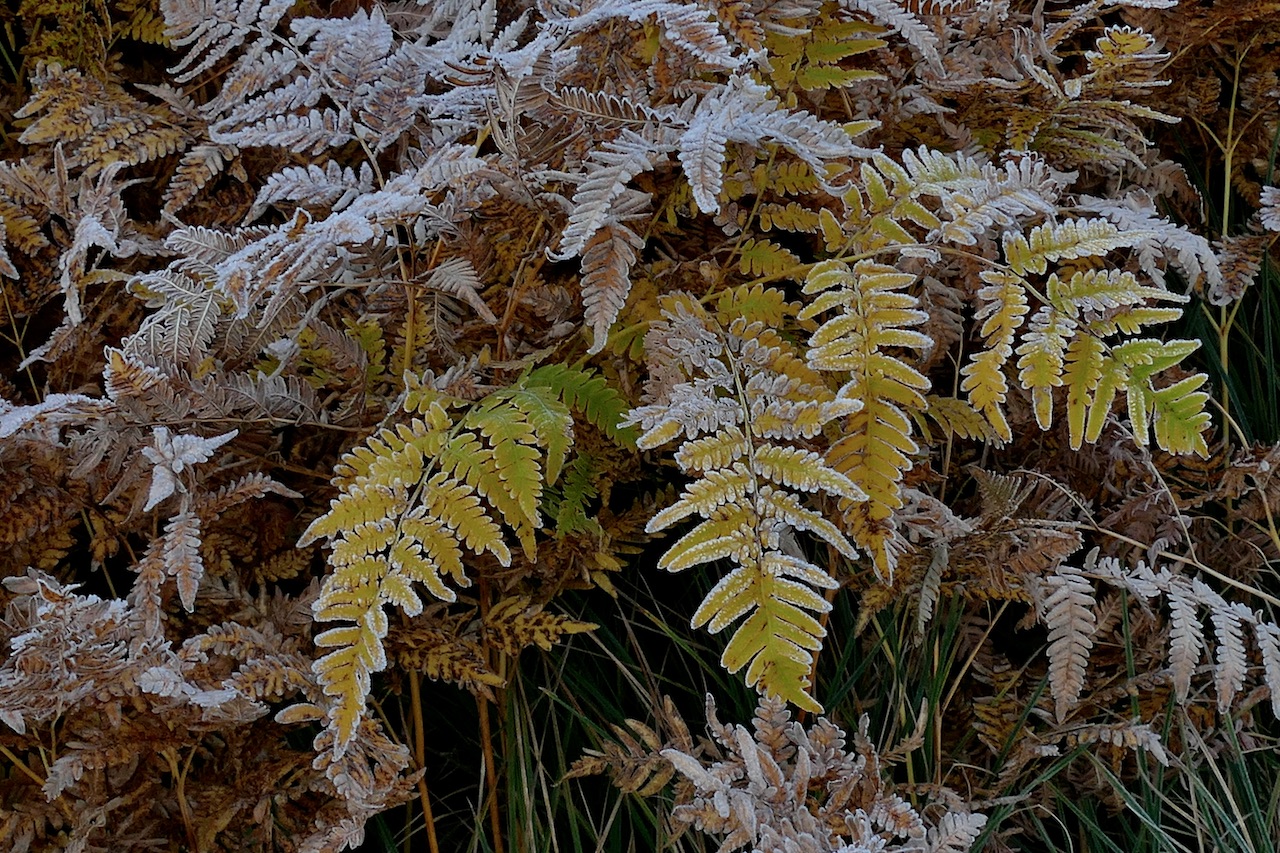
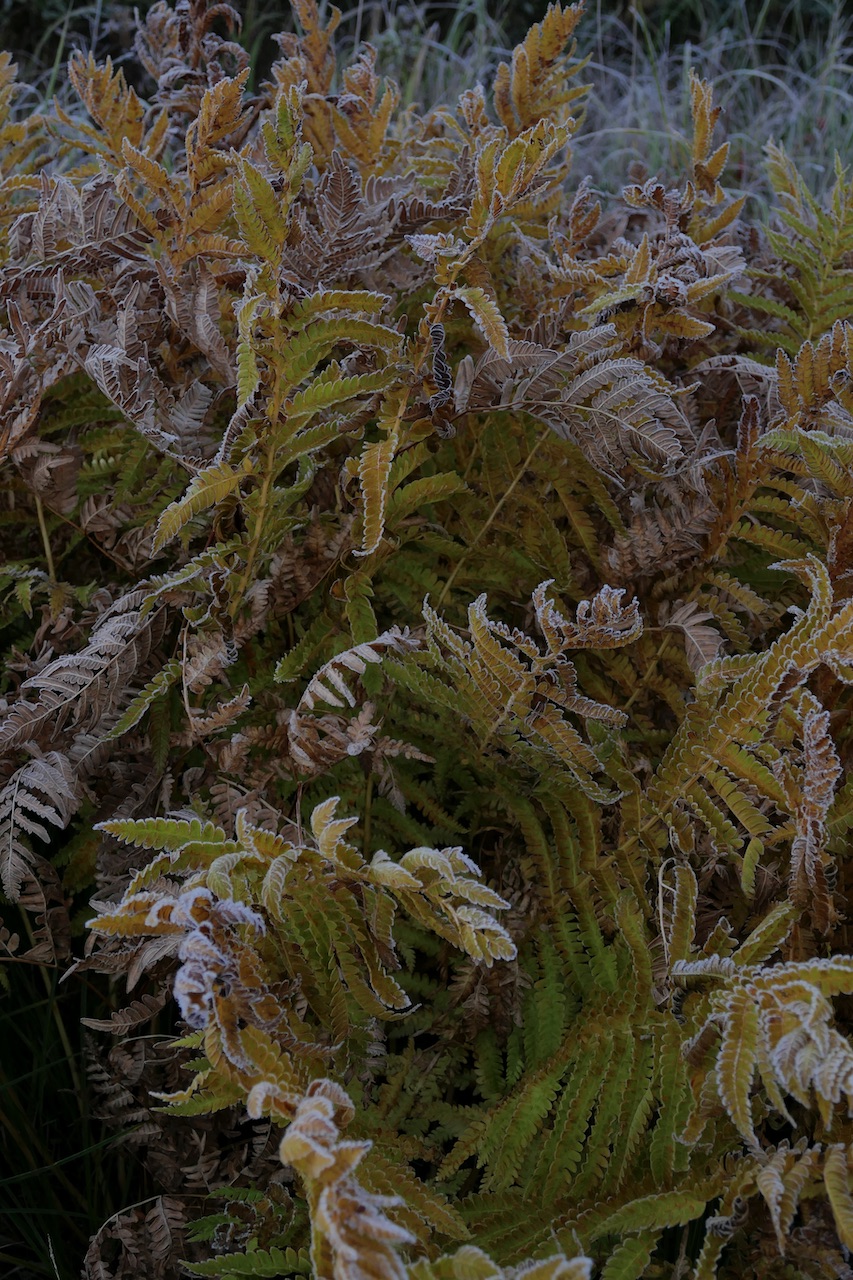
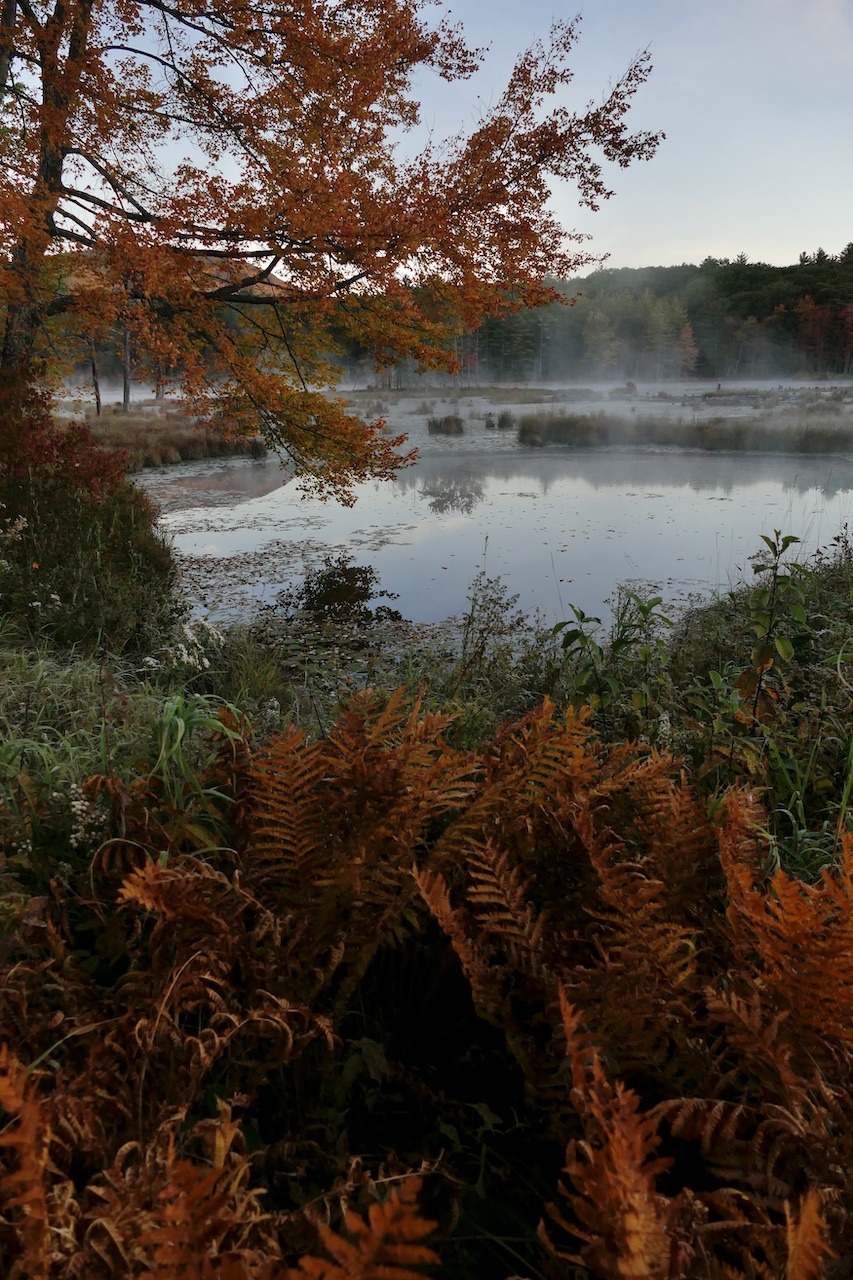
I observe too that the ferns of a rich brown (being sere),about swamps, etc., are an important feature. A broad belt of rich brown (and crisp) ferns stands about many a bright maple swamp.
It is well to find your employment and amusement in simple and homely things. These wear best and yield most. I think I would rather watch the motions of these cows in their pasture for a day, which I now see all headed one way and slowly advancing, – watch them and project their course carefully on a chart, and report all their behavior faithfully, – than wander to Europe or Asia and watch other motions there; for it is only ourselves that we report in either case, and perchance we shall report a more restless and worthless self in the latter case than in the first.
Why need I travel to seek a site, and consult the points of the compass? My eyes are south windows, and out of these I command a southern prospect. The eye does the least drudgery of any of the senses. It oftenest escapes to a higher employment. The rest serve and escort and defend it. I attach some superiority, even priority, to this sense. It is the oldest servant in the soul’s household; it images what it imagines, it ideates what it idealizes. Through it idolatry crept in which is a kind of religion. If any joy or grief is to be expressed, the eye is the swift runner that carries the news. In circumspection, double, in fidelity, single, it serves truth always, and carries no false news….
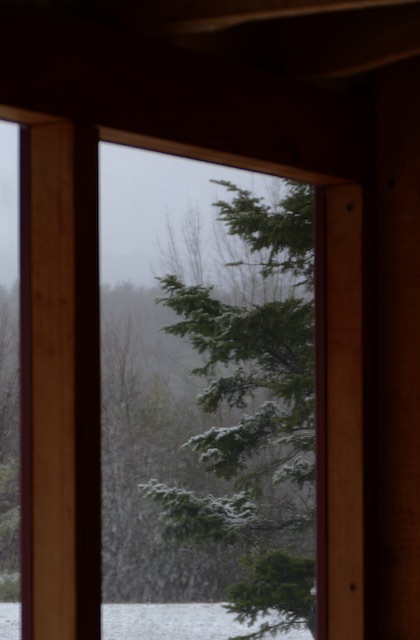
How man serves this sense more than any other! When he builds a house, he does not forget to put a window in the wall. We see truth. We are children of light. Our destiny is dark. No other sense has so much to do with the future. The body of science will not be complete till every sense has thus ruled our thought and language and action in its turn.
The leaves of some trees merely wither, turn brown, and drop off at this season, without any conspicuous flush of beauty, while others now first attain to the climax of their beauty.
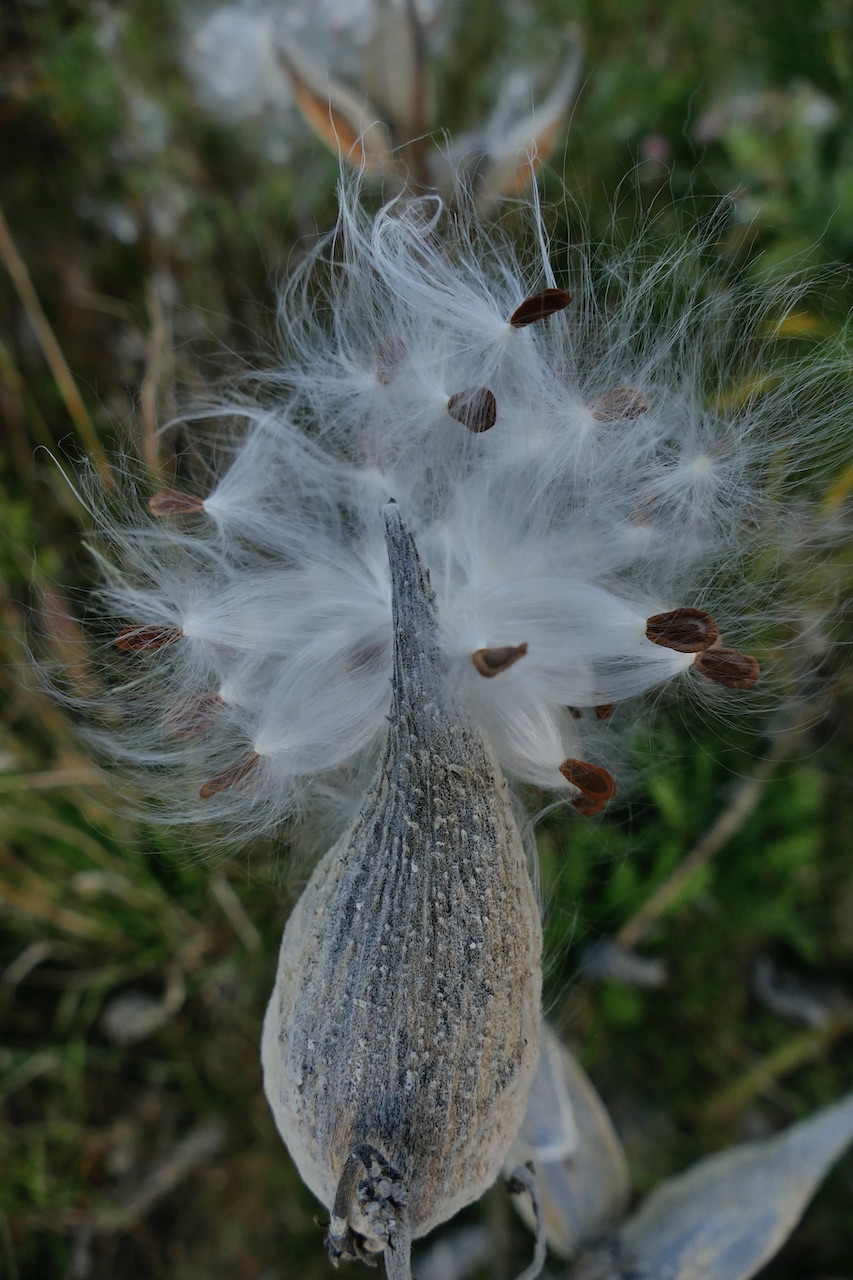
Examined an Asclepias Cornuti pod, already opening. As they dry, the pods crack open by the seam along their convex or outer side, revealing the seeds with their silky parachutes, closely packed in an imbricated manner, already right side up, to the number in one instance of 134, as I counted, and again 270. As they lie, they resemble somewhat a round plump fish, with the silk ends exposed at the tail. Children call them fishes. The silk is divided once or twice by the raised partition of the spongy core around which they are arranged. At the top of some more open and drier, is already a little clump of loosened seeds and down two or three inches in diameter, held by the converging tips of the down, like meridians, and just ready to float away when the wind rises.
All fair action in man is the product of enthusiasm –– There is enthusiasm in the sunset. The shell on the shore takes new layers and new tints from year to year with such rapture as the bard writes his poem. There is a thrill in the spring, when it buds and blossoms––there is happiness in the summer––a contentedness in the autumn––a patient repose in the winter.
Nature does nothing in the prose mood, though sometimes grimly with poetic fury, as in earthquakes &c and at other times humorously.
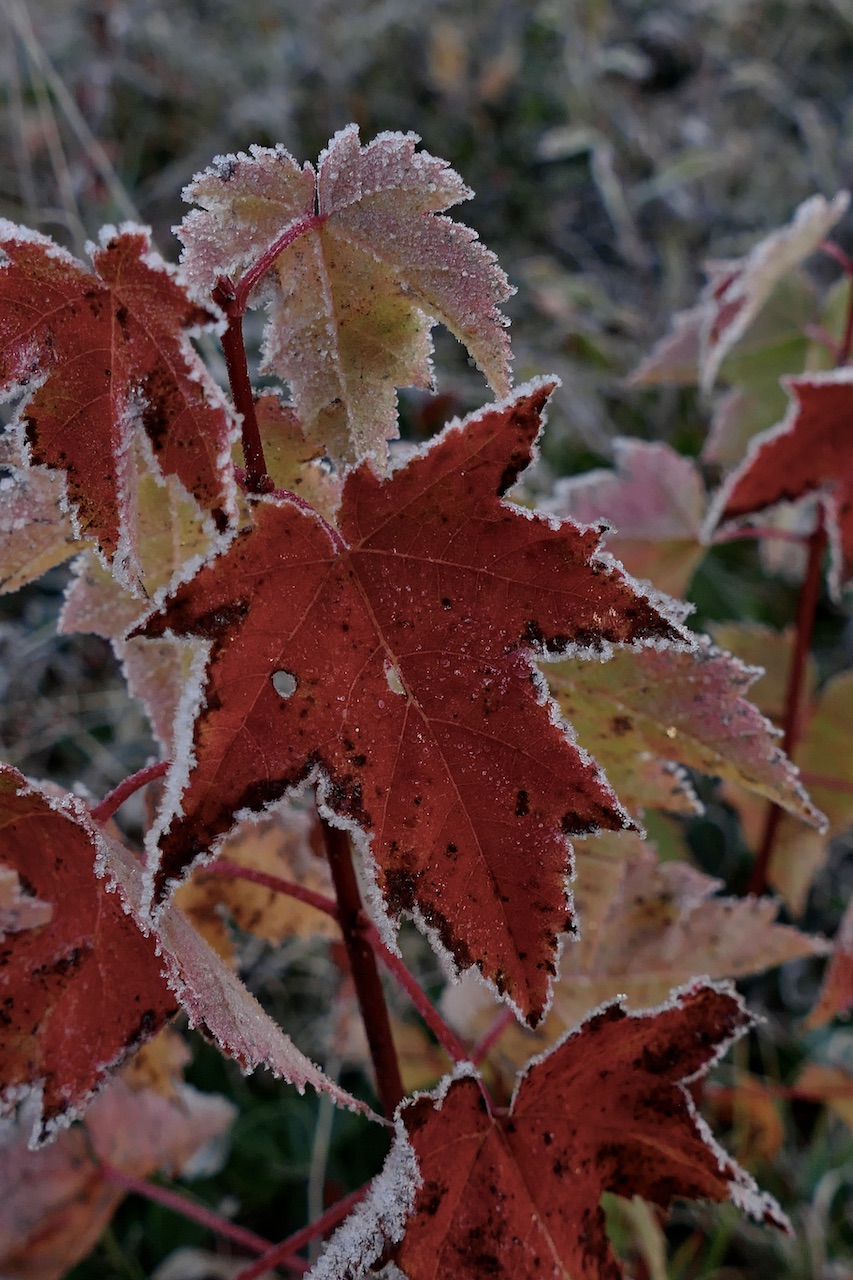
A small red maple has grown, perchance, far away on some moist hillside, a mile from any road, unobserved. It has faithfully discharged the duties of a maple there, all winter and summer, neglected none of its economies, added to its stature in the virtue which belongs to a maple, by a steady growth all summer, and is nearer heaven than it was in the spring, never having gone gadding abroad; and now, in this month of September, when men are turned travellers, hastening to the seaside, or the mountains, or the lakes — in this month of travelling — this modest maple, having ripened its seeds, still without budging an inch, travels on its reputation, runs up its scarlet flag on that hillside, to show that it has finished its summer’s work before all other trees, and withdraws from the contest. Thus that modest worth which no scrutiny could have detected when it was most industrious, is, by the very tint of its maturity, by its very blushes, revealed at last to the careless and distant observer. It rejoices in its existence; its reflections are unalloyed. It is the day of thanksgiving with it. At last, its labors for the year being fully consummated and every leaf ripened to its full, it flashes out conspicuous to the eye of the most casual observer, with all the virtue and beauty of a maple — Acer rubrum. In its hue is no regret nor pining. Its leaves have been asking their parent from time to time in a whisper, “When shall we redden?” It has faithfully husbanded its sap, and builded without babbling nearer and nearer to heaven. Long since it committed its seeds to the winds and has the satisfaction of knowing perhaps that a thousand little well-behaved maples are already established in business somewhere. It deserves well of Mapledom. It has afforded a shelter to the wandering bird. Its autumnal tint shows how it has spent its summer; it is the hue of its virtue.
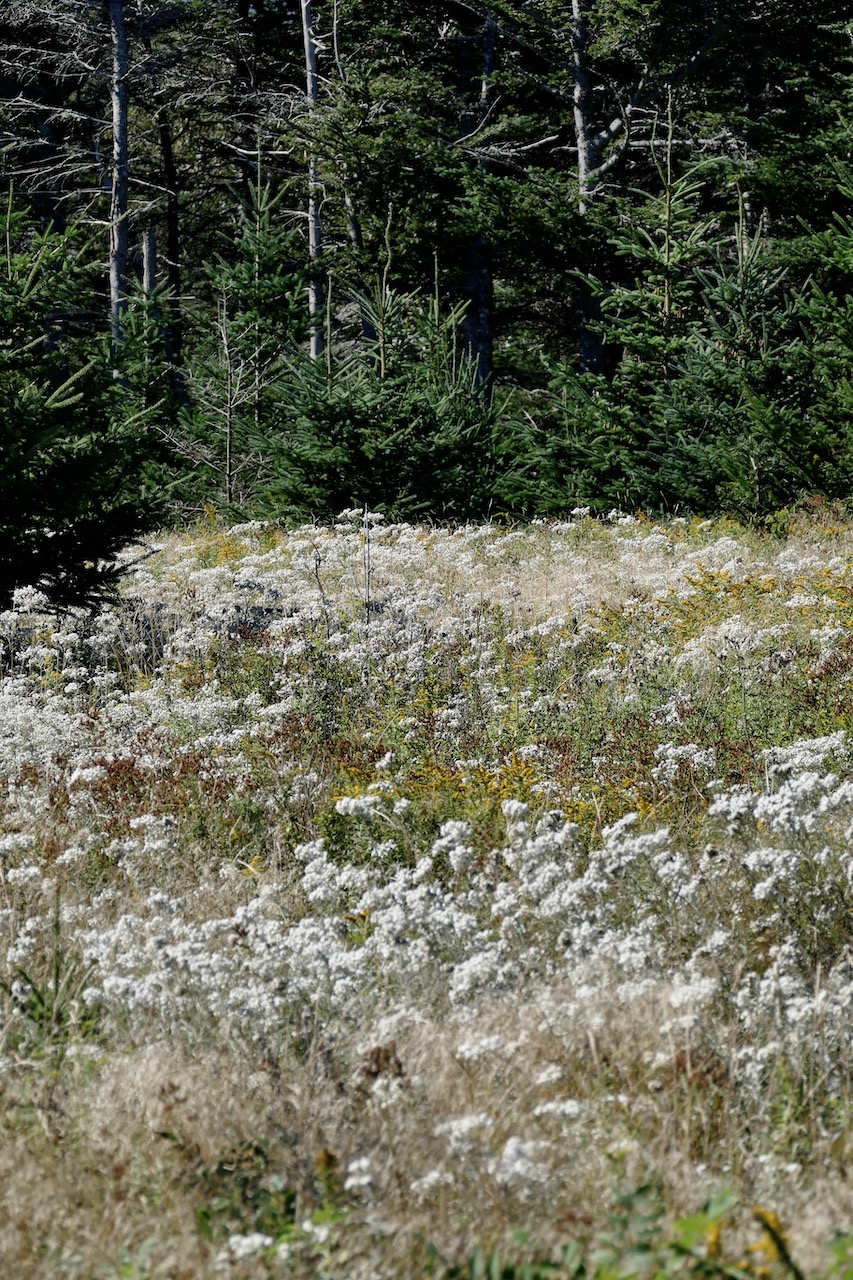
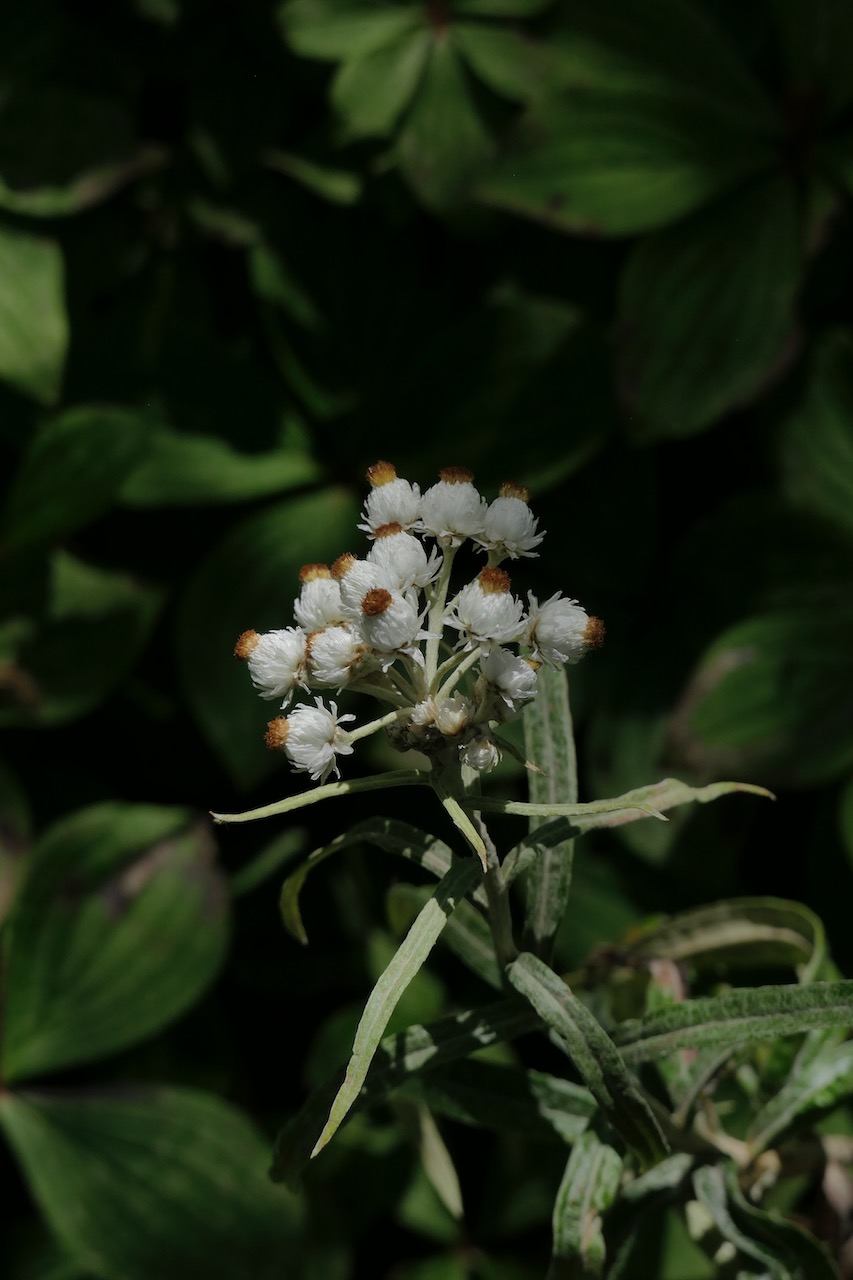
The small cottony leaves of the fragrant everlasting in the fields for some time. Protected as it were by a little web of cotton against frost & snow— A little dense web of cotton spun over it-(entangled in it) as if to restrain it from rising higher.
The red maple has fairly begun to blush in some places by the river. I see one, by the canal behind Barrett’s mill, all aglow against the sun. These first trees that change are the most interesting, since they are seen against others still freshly green — such brilliant red on green. I go half a mile out of my way to examine such a red banner. A single tree becomes the crowning beauty of some meadowy vale and attracts the attention of the traveller from afar.
At the eleventh hour of the year, some tree which has stood mute and inglorious in some distant vale thus proclaims its character as effectually as if it stood by the highway-side, and it leads our thoughts away from the dusty road into those brave solitudes which it inhabits. The whole tree, thus ripening in advance of its fellows, attains a singular preeminence. I am thrilled at the sight of it, bearing aloft its scarlet standard for its regiment of green-clad foresters around. The forest is the more spirited.
A man must attend to nature closely for many years to know when, as well as where, to look for his objects, since he must always anticipate her a little….I would know when in the year to expect certain thoughts and moods….









 allandibiase.com
You must be logged in to post a comment.