September 10, 1860

in Thoreau’s Journal:

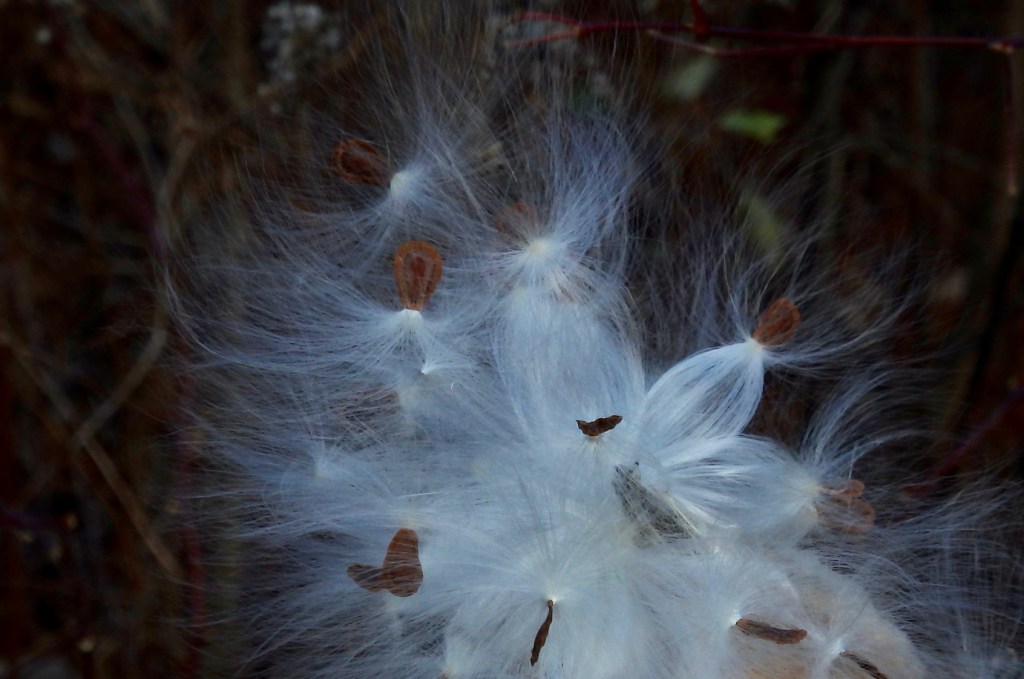
If you sit at an open attic window almost anywhere, about the 20th of September, you will see many a milkweed down go sailing by on a level with you, — though commonly it has lost its freight, —notwithstanding that you may not know of any of these plants growing in your neighborhood.
September 9, 1851

in Thoreau’s Journal:

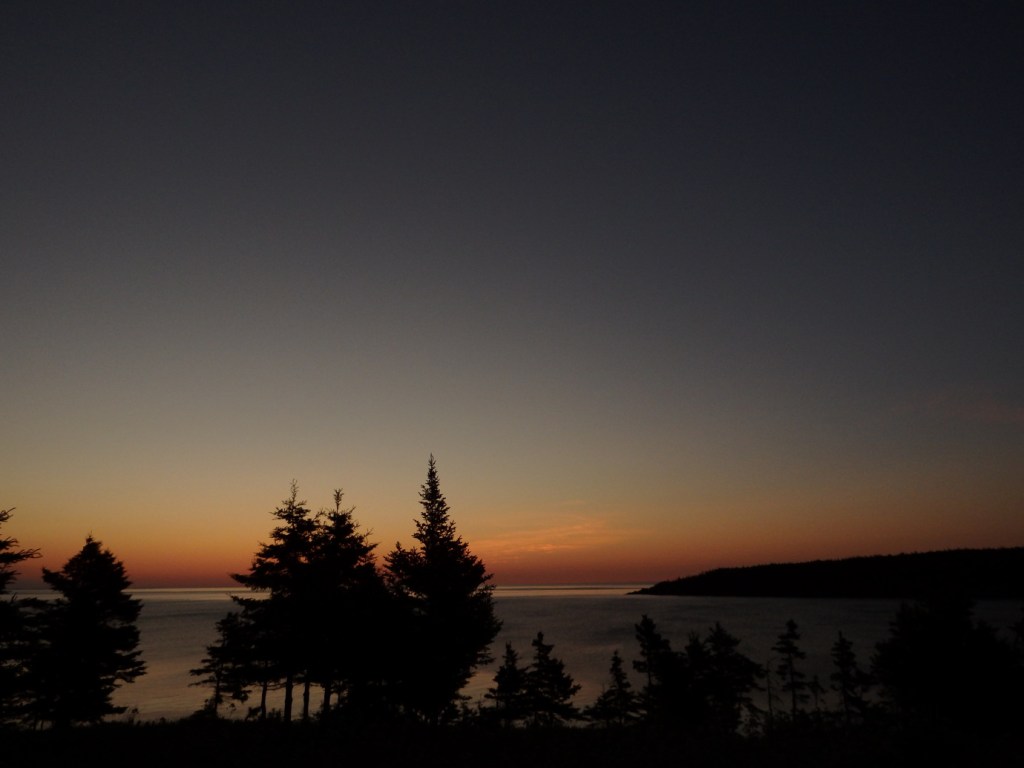
And next the redness became a sort of yellowish or fawn colored light & the sun now set fire to the edges of the broken cloud which had hung over the horizon—& they glowed like burning turf.

September 8, 1851

in Thoreau’s Journal:

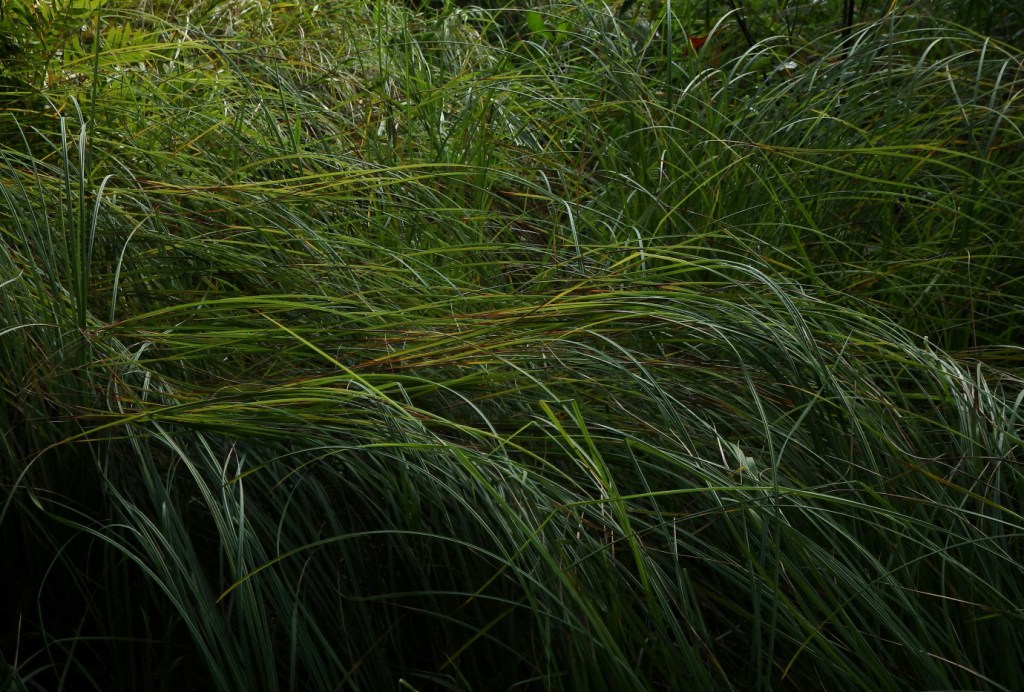
While the grass is fresh the earth is in its vigor. The greenness of the grass is the best symptom or evidence of the earth’s youth or health. Perhaps it will be found that when the grass ceases to be fresh & green or after June—the birds have ceased to sing—& the fireflies too no longer in myriads sparkle in the meadows—

September 7, 1851

in Thoreau’s Journal:

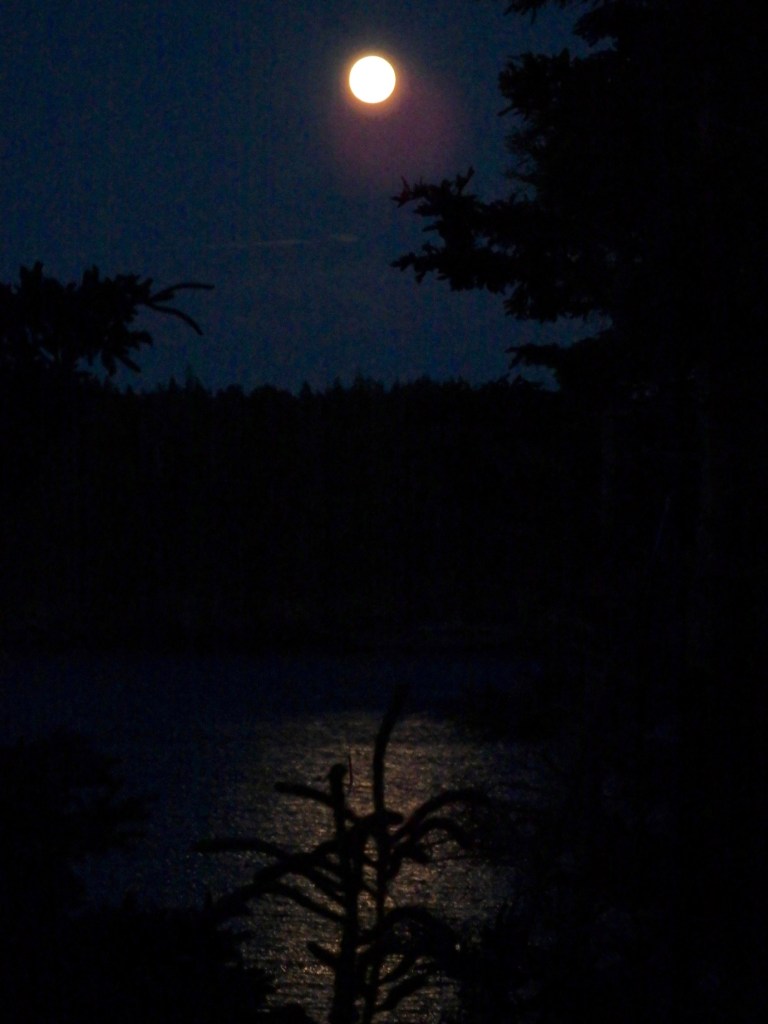
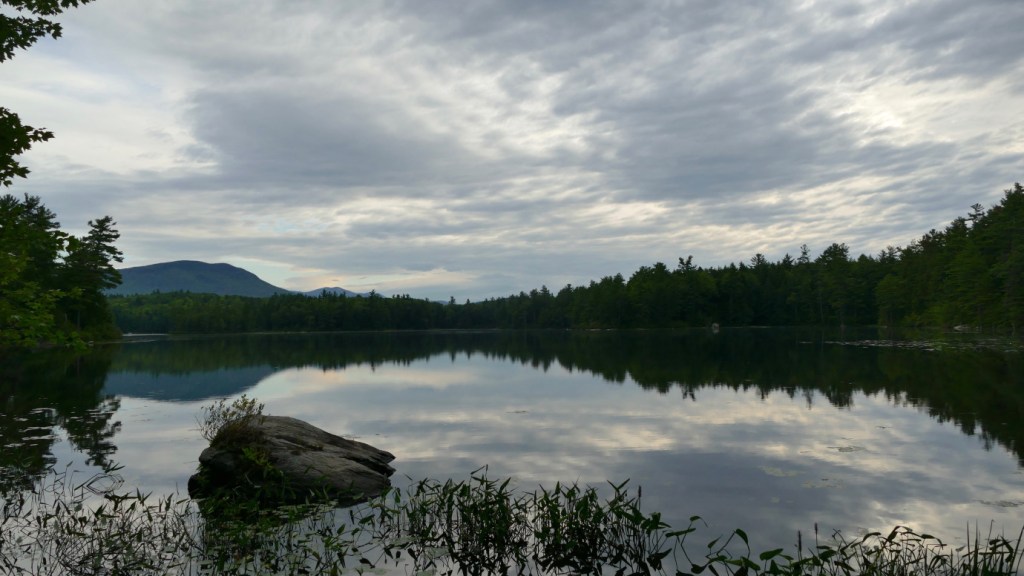
A certain refinement & civilization in nature which increases with the wildness. The civilization that consists with wildness. The light that is in night. A smile as in a dream on the face of the sleeping lake.  There is light enough to show what we see—what night has to exhibit—any more would obscure these objects.

September 6, 1852

in Thoreau’s Journal:

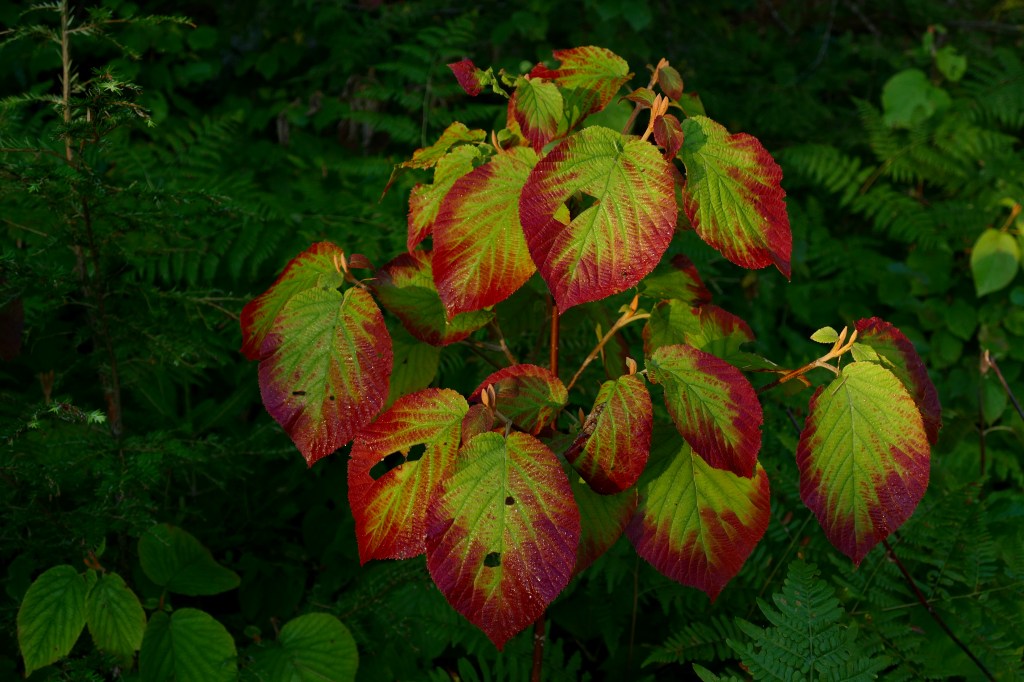
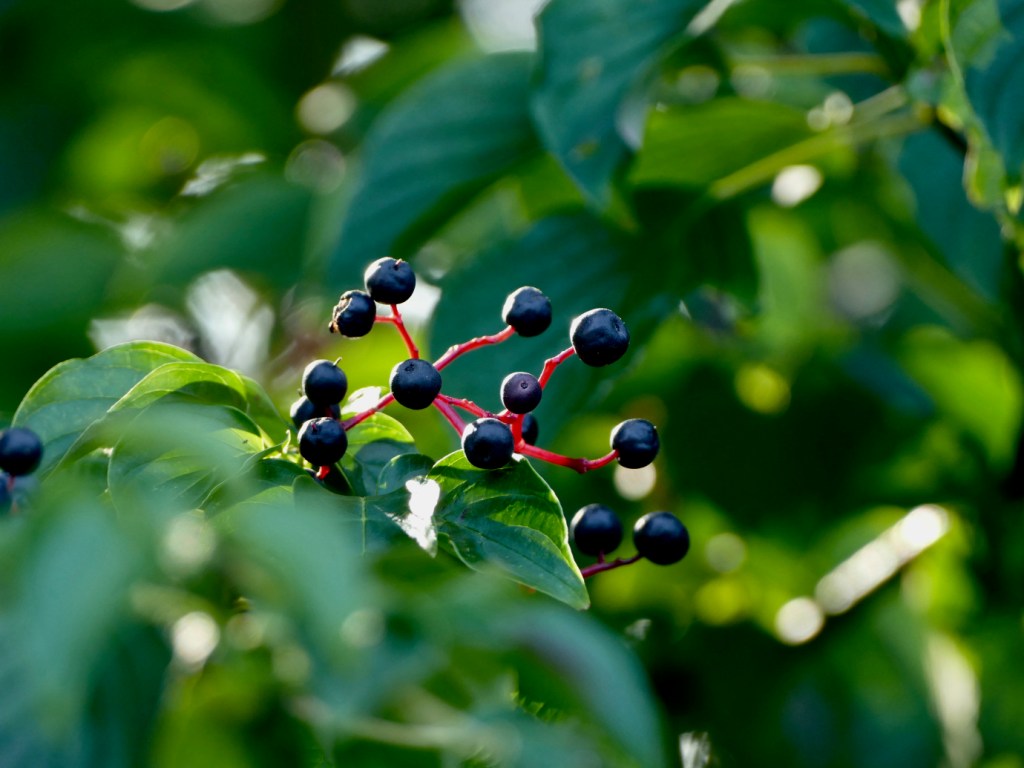
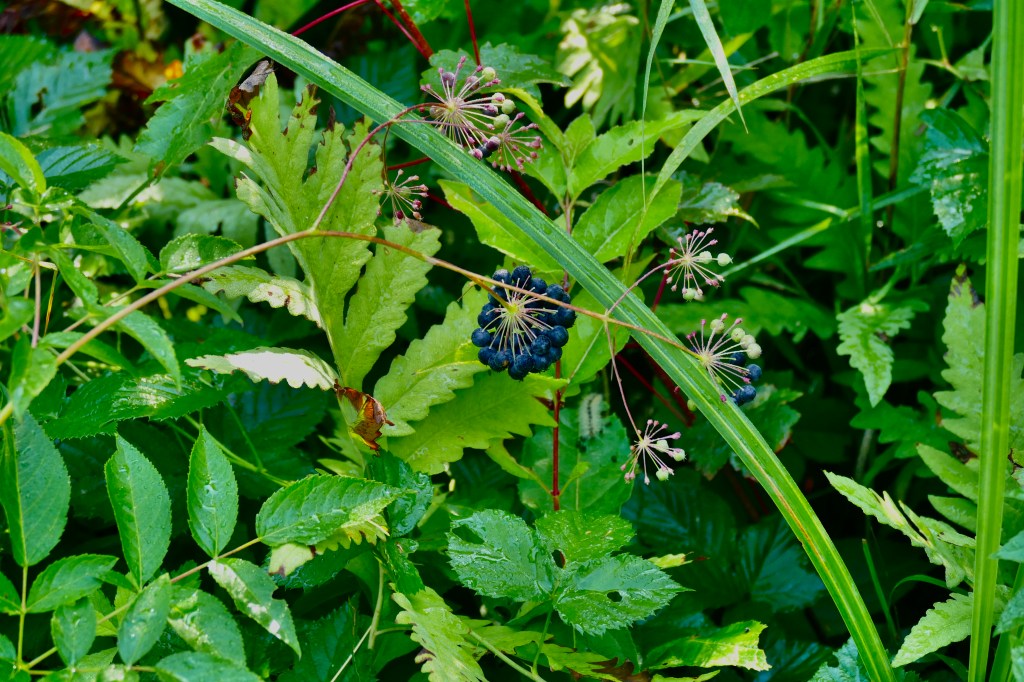
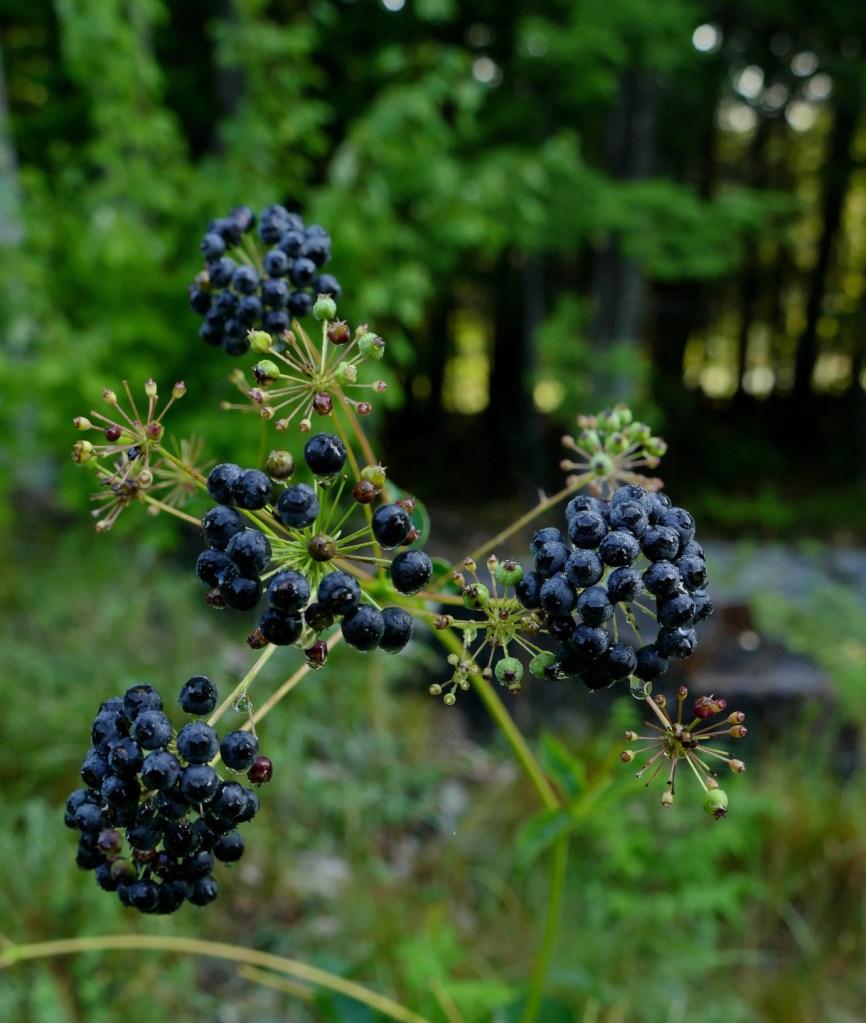
In the woods near the top the Vib. lantanoides Hobble bush-Am. in fruit—mostly large & red but the ripe dark blue. or black like the V. nudum— what I have formerly falsely called Moose-berry.

September 4, 1853

in Thoreau’s Journal:

See one or 2 lilies yet.

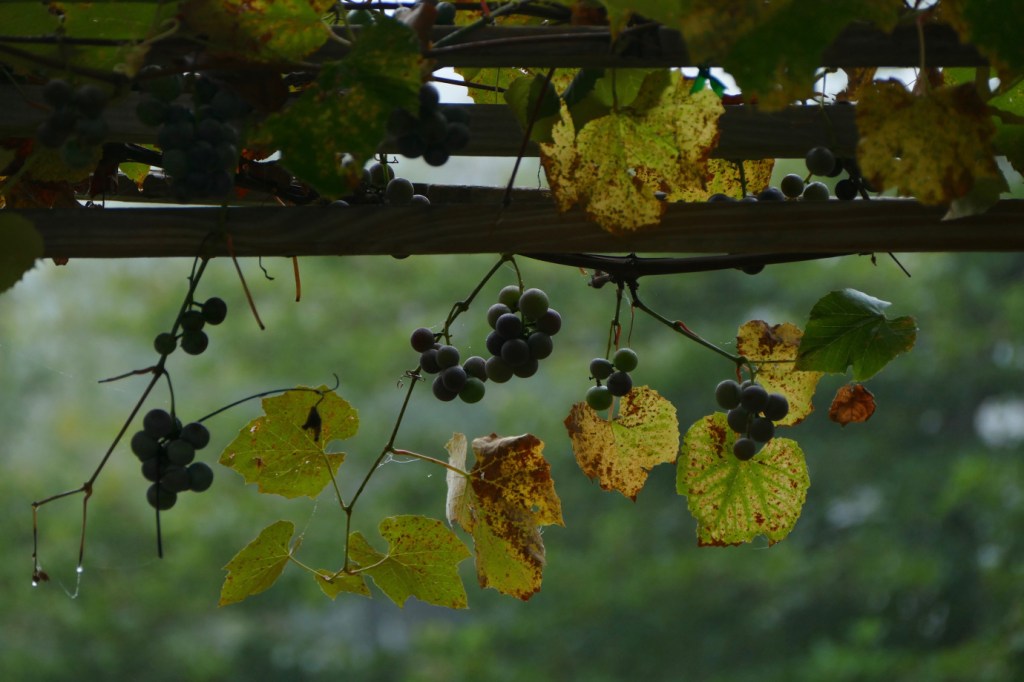
The fragrance of a grape-vine branch, with ripe grapes on it, which I have brought home, fills the whole house. This fragrance is exceedingly rich, surpassing the flavor of any grape….

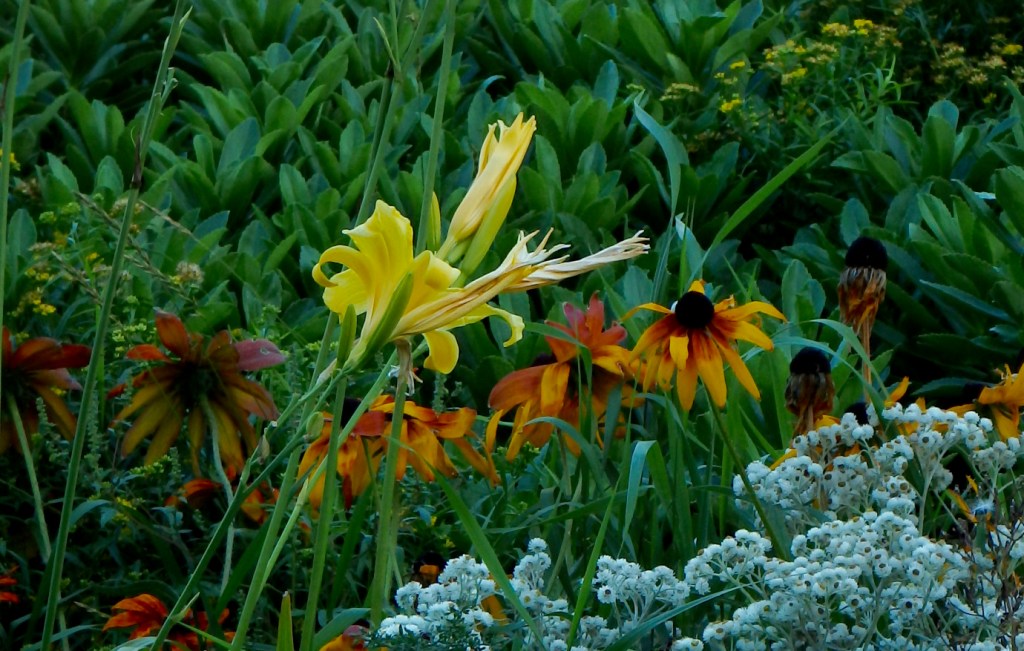
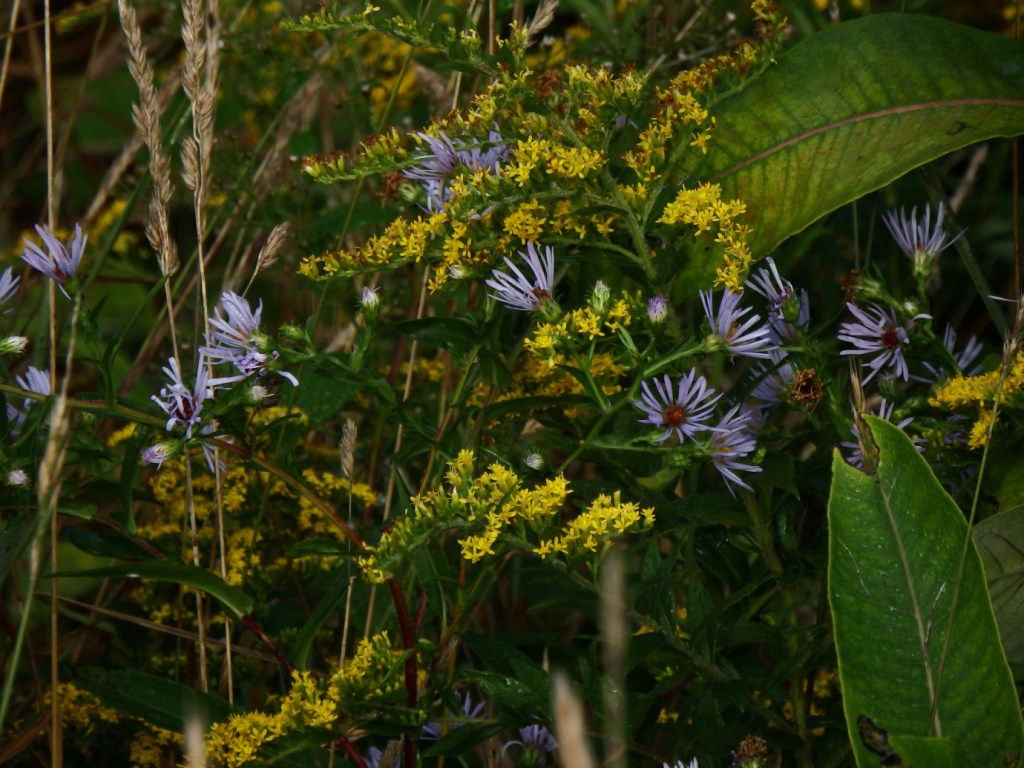
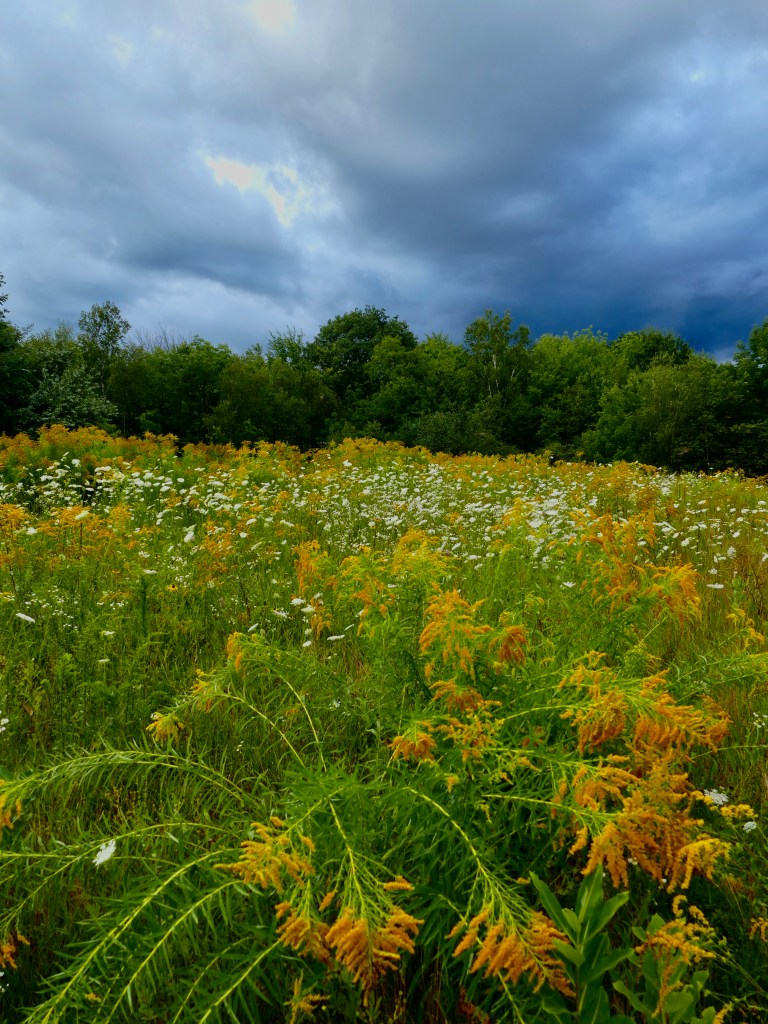
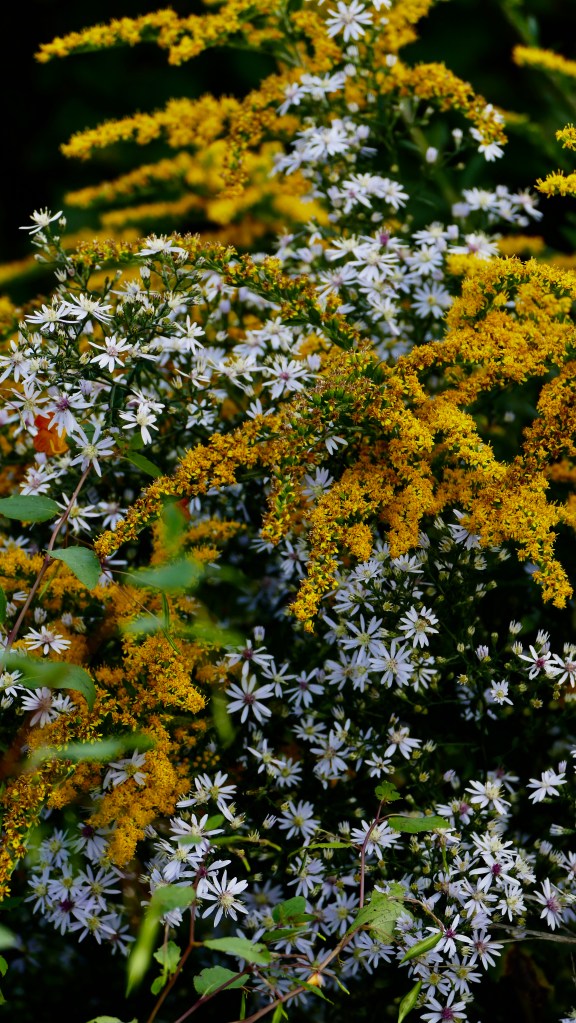
Would it not be worth the while to devote one day each year to collecting with pains the different kinds of asters––perhaps about this time––and another to the goldenrods?

September 3, 1853

in Thoreau’s Journal:

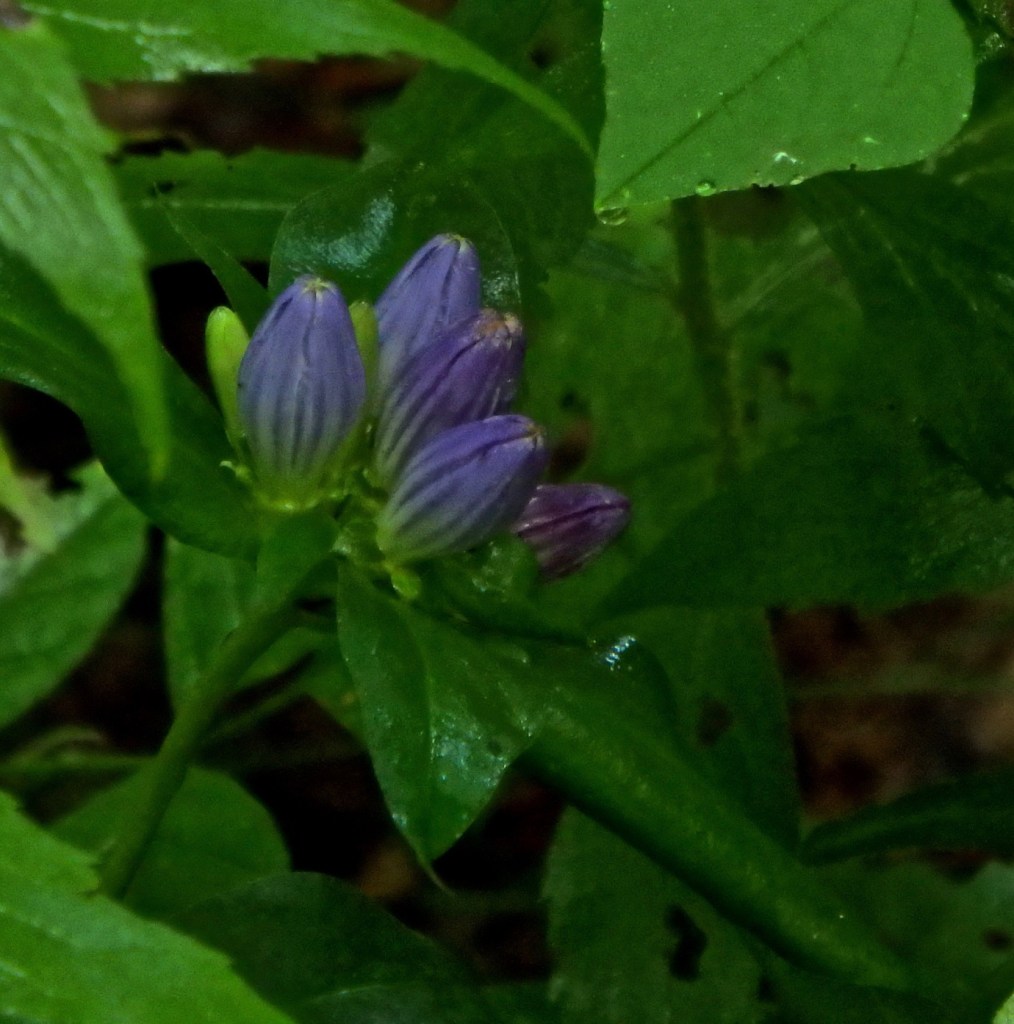
The Soapwort gentian out abundantly in Flints-Bridge Lane—ap. for a week—a surprisingly deep faintly purplish blue….it has the flowering of the sky.  The sky has descended & kissed the earth….Why come these blue flowers thus late in the year.

September 2, 1851

in Thoreau’s Journal:

It is always essential that we love to do what we are doing, do it with a heart. The maturity of the mind, however, may perchance consist with a certain dryness.

August 30, 1854

in Thoreau’s Journal:

The clearness of the air which began with the cool morning of the 28th ult— makes it delicious to gaze in any direction….Coolness & clarity go together.

August 29, 1854

in Thoreau’s Journal:

All these high colors in the stems and leaves and other portions of plants answer to some maturity in us. I presume if I am the wiser for having lived this season through, such plants will emblazon the truth of my experience over the face of nature, and I shall be aware of a beauty and sweetness there.

August 27, 1855

in Thoreau’s Journal:

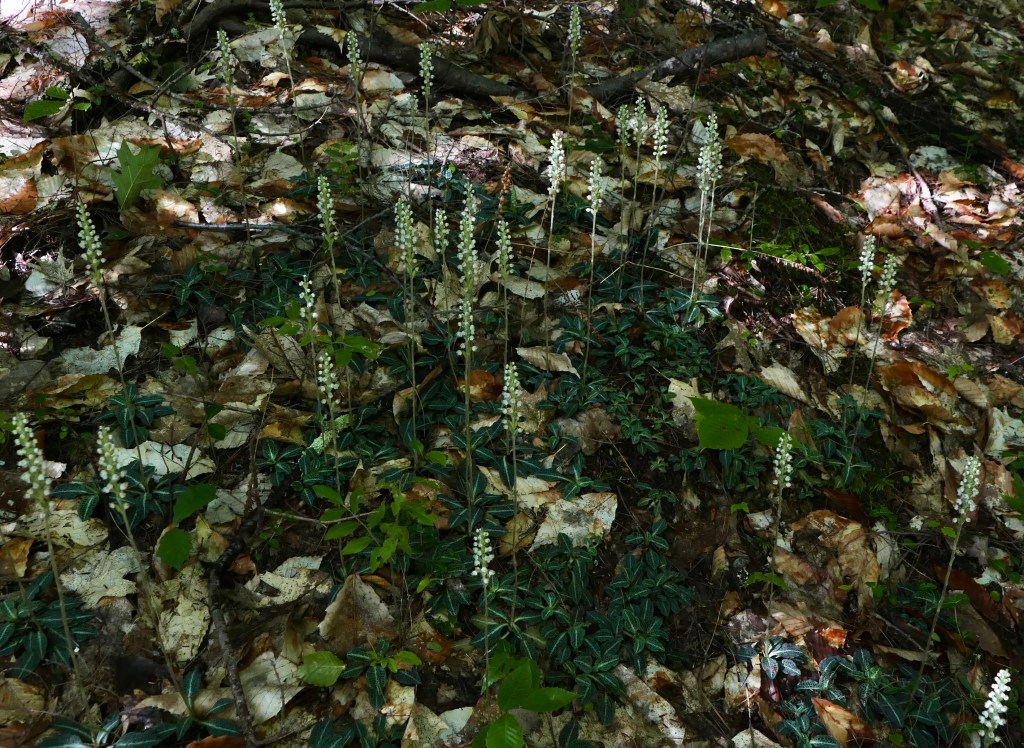
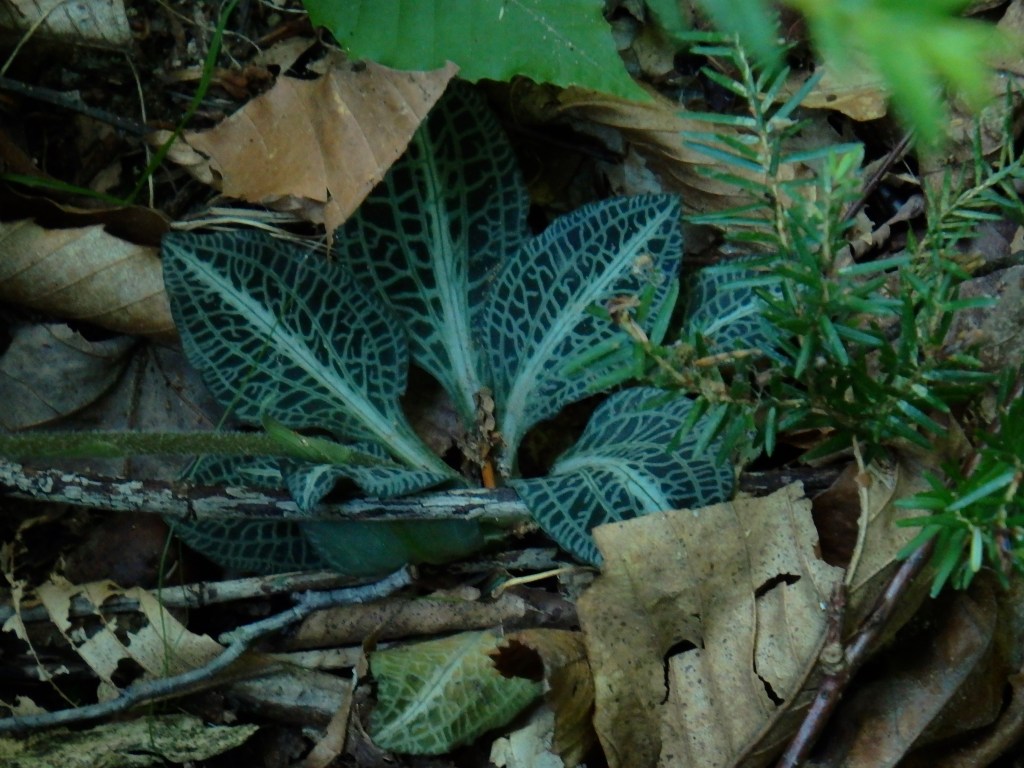
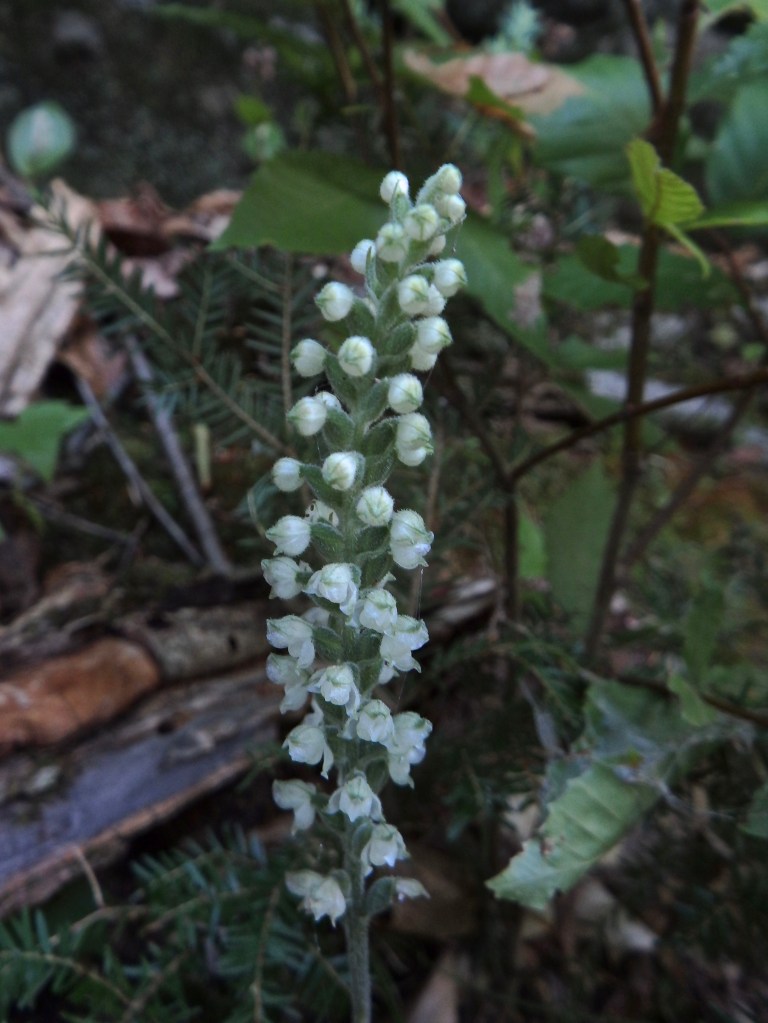
Goodyera Pubescens–Rattle-snake Plantain is ap. a little past its prime– It is very abundant on Clintonia swamp hill-side quite erect with its white spike 8 to 10 inches high on the sloping hillside the lower half or more turning brown–but the beautifully reticulated leaves which pave the moist shady hill-side about its base are the chief attraction. These oval leaves perfectly smooth like velvet to the touch about 1 1/2 inches long–have a broad longitudinal white white mid-rib & 4 to 6 white parallel veins very prettily & thickly connected by other conspicuous white veins transversely—& irregularly—all on a dark rich green ground.  

Is it not the prettiest leaf that paves the forest floor? As a cultivated exotic it would attract great attention for its leaf– Many of the leaves are eaten. Is it by Partridges? It is a leaf of firm texture partially not apt to be eaten by insects or decayed– & does not soon wilt. So unsoiled and undecayed– It might be imitated on carpets & rugs–some old withered stems of last year still stand.

August 26, 1855

in Thoreau’s Journal:

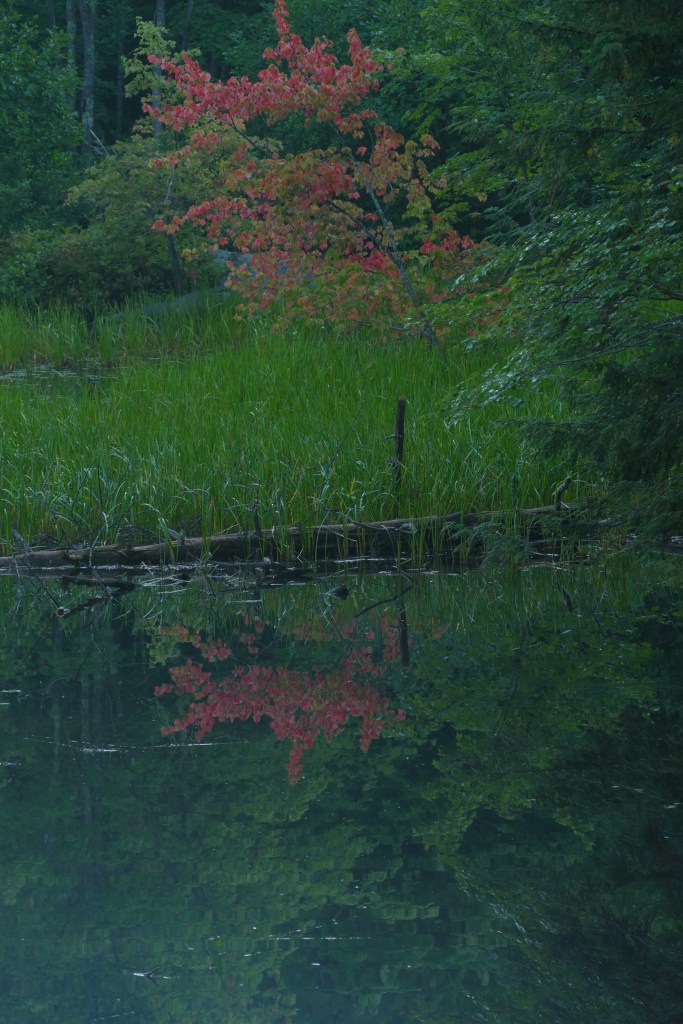
More wind & quite cold this morning but very bright & sparkling autumn-like air–-reminding of frosts to be apprehended–-but hear a rumor tempting abroad-–to adventure….The red maples of Potter’s swamp show a dull purple blush-–& sometimes a low scarlet bough-–the effect evidently of the rain ripening them….

August 25, 1852

in Thoreau’s Journal:

Yesterday was a hot day, but oh, this dull, cloudy, breezy, thoughtful weather in which the creak of the cricket sounds louder, preparatory to a cheerful storm!

How grateful to our feelings is the approach of autumn! We have had no serious storm since spring. What a salad to my spirits is this cooler, darker day!

August 24, 1852

in Thoreau’s Journal:

The year is but a succession of days, and I see that I could assign some office to each day which, summed up, would be the history of the year.

Everything is done in season, and there is no time to spare.

The bird gets its brood hatched in season and is off.

August 22, 1852

in Thoreau’s Journal:

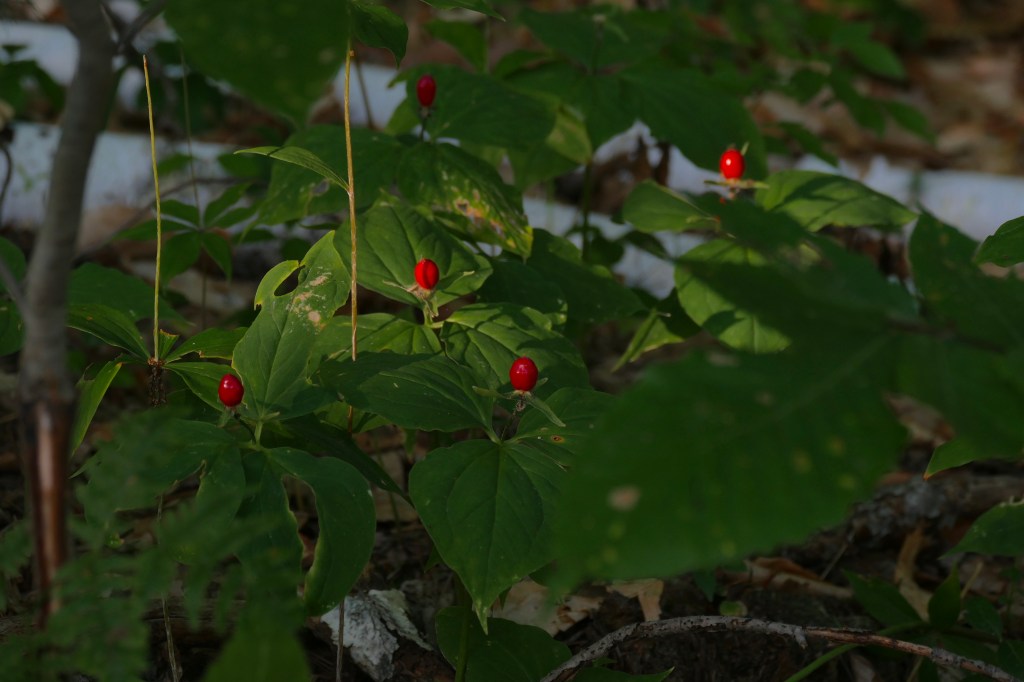
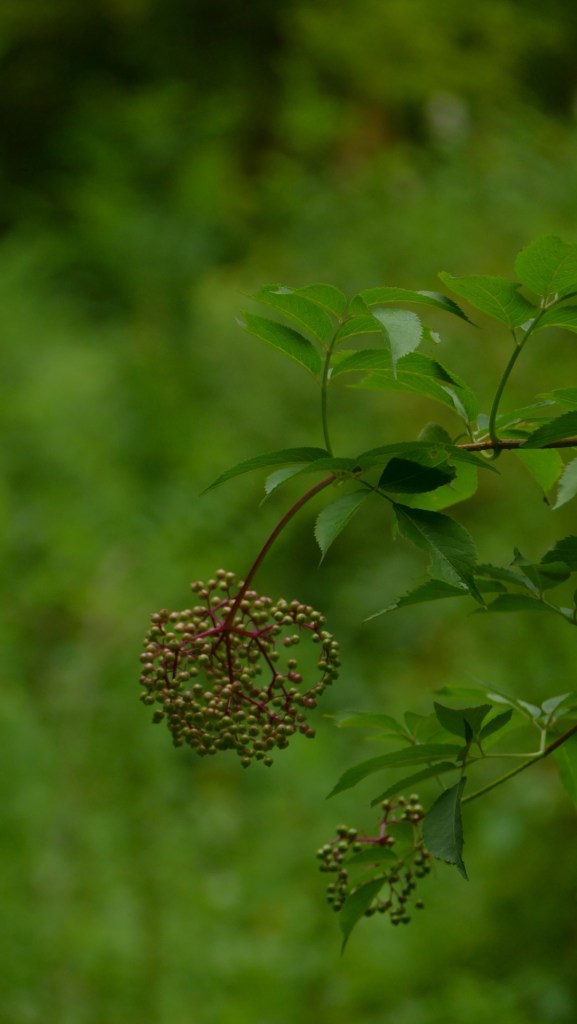
The elder bushes are weighed down with fruit partially turned, and are still in bloom at the extremities of their twigs….Perhaps fruits are colored like the trillium berry & the scarlet thorn to attract birds to them.