January 6, 1858

in Thoreau’s Journal: 

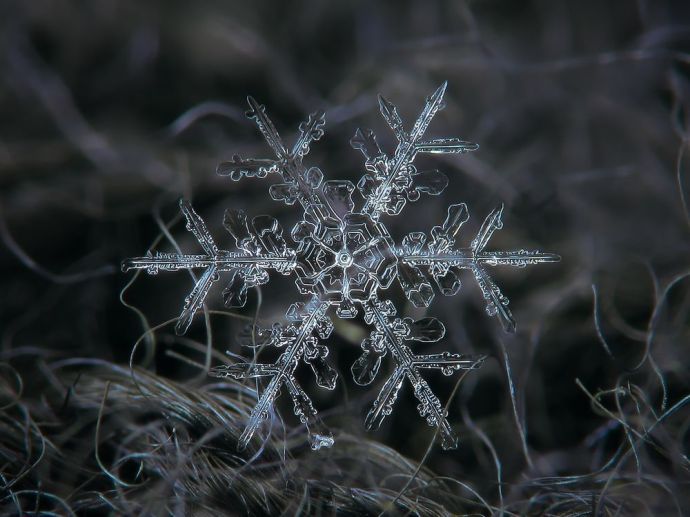
….my attention was caught by a snow-flake on my coat sleeve. It was one of those perfect, crystalline, star-shaped ones, six rayed, like a flat sheet with six spokes, only the spokes were perfect little pine trees in shape, arranged around a central spangle. This little object which, with many of its fellows, rested unmelting on my coat, so perfect and beautiful, reminded me that virtue had not lost her pristine vigor yet, and why should man lose heart? Sometimes the pines were worn, and had lost their branches and again it appeared as if several stars had impinged on one another at various angles, making a somewhat spherical mass….There were mingled with these starry flakes small downy pellets also… We are rained and snowed on with gems. I confess that I was a little encouraged, for I was beginning to believe that Nature was poor and mean, and I was now convinced that she turned off as good work as ever.  What a world we live in !  Where are the jewelers’ shops? There is nothing handsomer than a snow-flake and a dew-drop.
4-snowflake-dendrite.jpg

I may say that the maker of the world exhausts his skill with each snow-flake and dew-drop that he sends down. We think that the one mechanically coheres, and that the other simply flows together and falls, but in truth they are the product of enthusiasm, the children of an ecstasy, finished with the artist’s utmost skill.

January 5, 1856

in Thoreau’s Journal: 

IMG_0402.jpeg

What a world we live in, where myriads of these little disks, so beautiful to the most prying eye, are whirled down on every traveler’s coat––the observant and the unobservant––on the restless squirrel’s fur, on the far-stretching fields and forests, the wooded dells and the mountain tops. Far, far away from the haunts of men, they roll down some little slope, fall over and come to their bearings, and melt or lose their beauty in the mass, ready anon to swell some little rill with their contribution, and so, at last the universal ocean from which they came.

January 4, 1853

 in Thoreau’s Journal: 

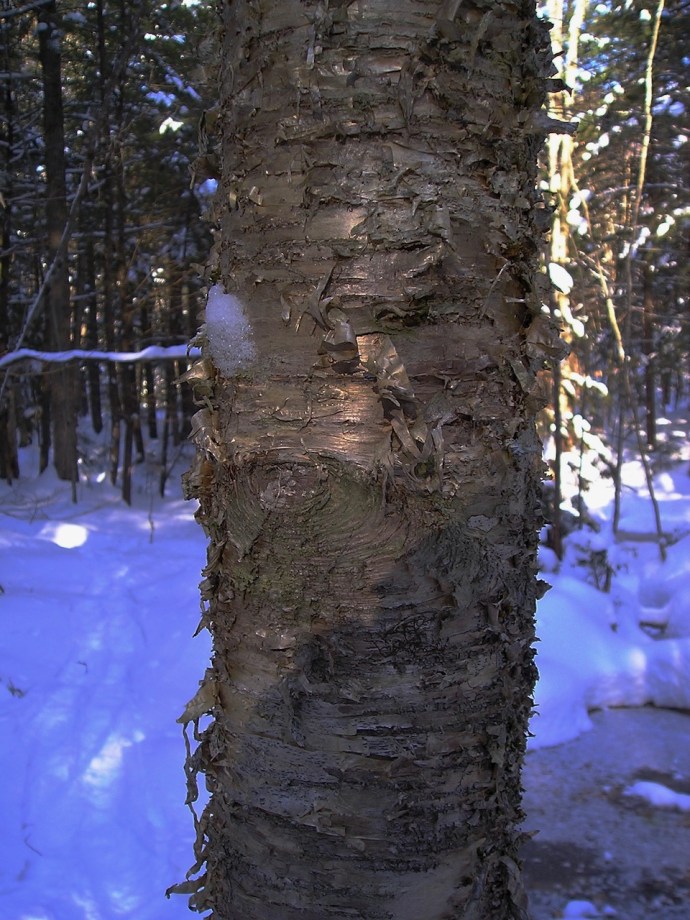
….I went through the swamp, and the yellow birches sent forth a yellow gleam which each time made my heart beat faster. Occasionally you come to a dead and leaning white birch, beset with large fungi like ears or little shelves, with rounded edge above. 

P1040669.jpeg

I walked with the yellow birch.

January 3, 1861

in Thoreau’s Journal: 

P8240079_2.jpeg

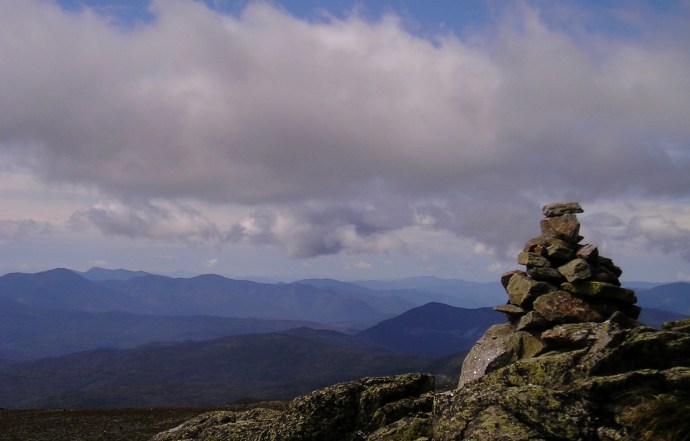
New Hampshire courts have lately been deciding––as if it were for them to decide––whether the top of Mt. Washington belonged to A. or to B.  ––and it being decided in favor of B., as I hear–– he went up one winter with the proper officers and took formal possession. But I think that the top of Mt. Washington should not be private property; it should be but an opportunity for modesty and reverence, or if only to suggest that earth has higher uses than we commonly put her to…

January 2, 1853

 in Thoreau’s Journal: 

P1130673.jpeg

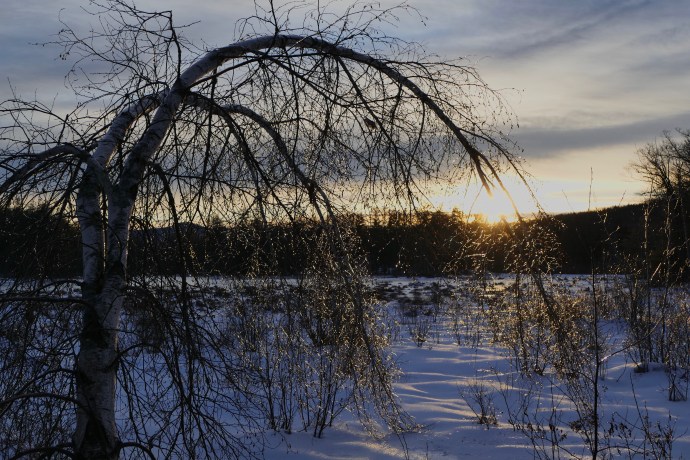
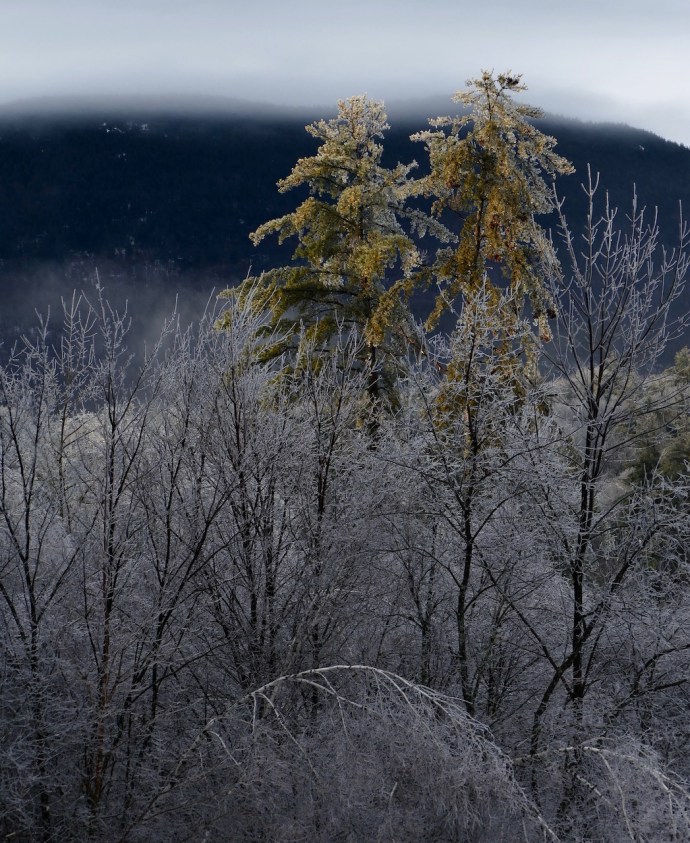
In this clear air and bright sunlight, the ice covered trees have a new beauty, especially the birches along under the edge of Warren’s wood….bent quite to the ground in every kind of curve….The birch is remarkable, perhaps, from the feathery form of the tree, whose numerous small branches sustain so great a weight, bending it to the ground; and, moreover, because, from the color of the bark, the core is less observable….The birches droop over in all directions, like ostrich feathers.

January 1, 1854

 in Thoreau’s Journal: 

0101.jpeg

….As the hunters are forward to take the field as soon as the first snow has fallen, so he who would make the most of his life for discipline must be abroad early and late, in spite of cold and wet, in pursuit of nobler game, whose traces there are most distinct, —a life which we seek not to destroy, but to make our own.

December 31, 1854

in Thoreau’s Journal: 

1231.jpeg

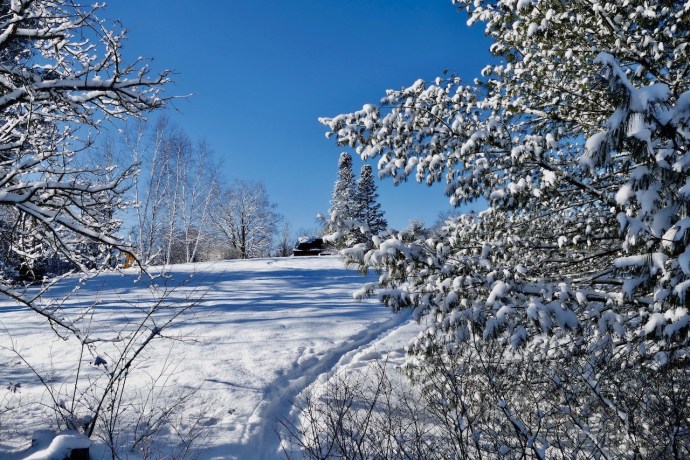
A beautiful, clear, not very cold day. The shadows on the snow are indigo blue. The pines look very dark. The white-oak leaves are a cinnamon color, the black and red (?) oak leaves a reddish-brown or leather color…A partridge rises from the alders and skims across the river at its widest part, just before me; a fine sight…How glorious the perfect stillness and peace of the winter landscape.

December 30, 1841

in Thoreau’s Journal: 

1230.jpeg

When the snow is falling thick and fast, the flakes nearest you seem to be driving straight to the ground, while the more distant seem to float in the air in a quivering bank, like feathers, or like birds at play, and not as if sent on any errand. So, at a little distance, all the works of nature proceed with sport and frolic. They are more in the eye, and less in the deed.

December 26, 1853

in Thoreau’s Journal: 

1226.jpeg

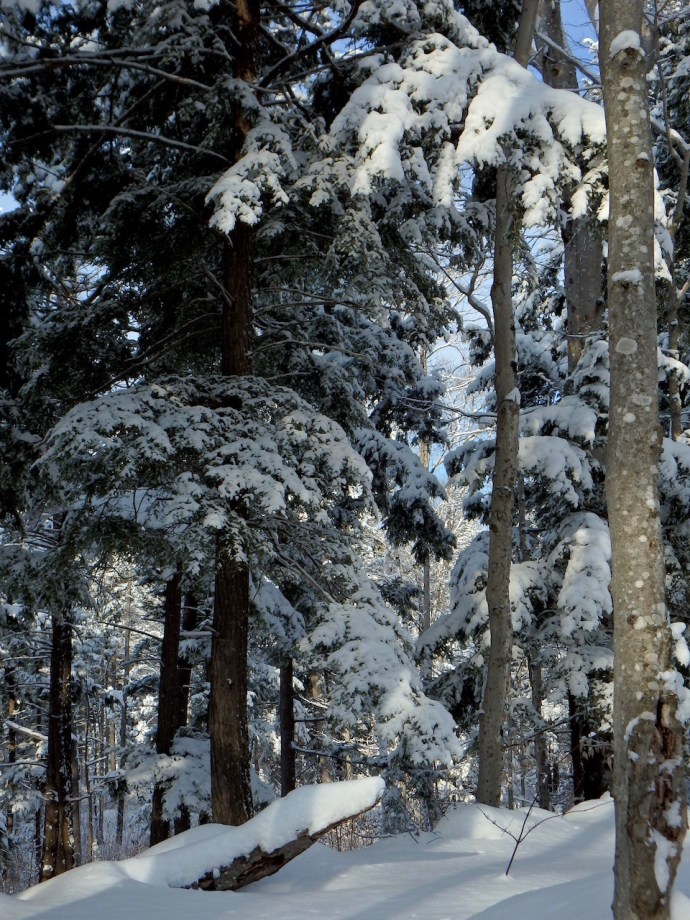
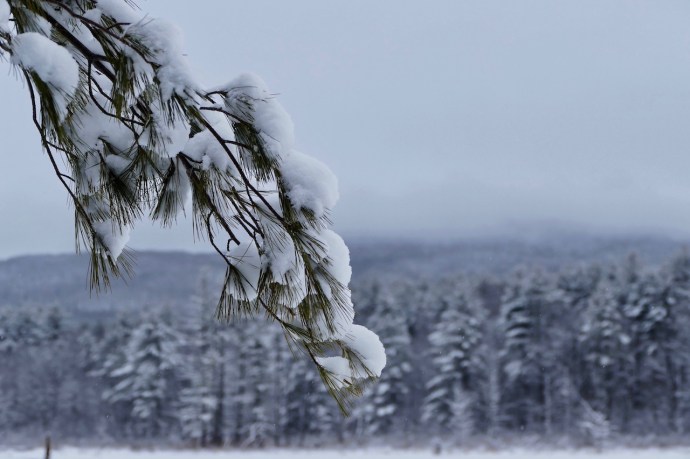
The snow has fallen so gently that if forms an upright wall on the slenderest twig. The agreeable maze which the  branches make is more obvious than ever, and every twig thus laden is as still as the hillside itself.

December 25, 1856

in Thoreau’s Journal: 

Take long walks in stormy weather, or through deep snows in the fields and woods, if you would keep your spirits up.  Deal with brute nature. Be cold and hungry and weary.

1225.jpeg

December 24, 1841

 in Thoreau’s Journal: 

I want to go soon and live away by the pond where I shall hear only the wind whispering among the reeds –

1224.jpeg

It will be success if I shall have left myself behind. But my friends ask what I will do when I get there?  Will it not be employment enough to watch the progress of the seasons?

December 22, 1859

in Thoreau’s Journal:

How nicely is nature adjusted. The least disturbance of her equilibrium is betrayed and corrects itself. As I looked down on the surface of the brook, I was surprised to see a leaf floating, as I thought, up stream, but I was mistaken.

P1210053.jpeg

The motion of a particle of dust on the surface of any brook far inland shows which way the earth declines toward the sea, which way lies the constantly descending route, and the only one.

December 21, 1853

in Thoreau’s Journal:

We are tempted to call these the finest days of the year.

P1140319.jpeg

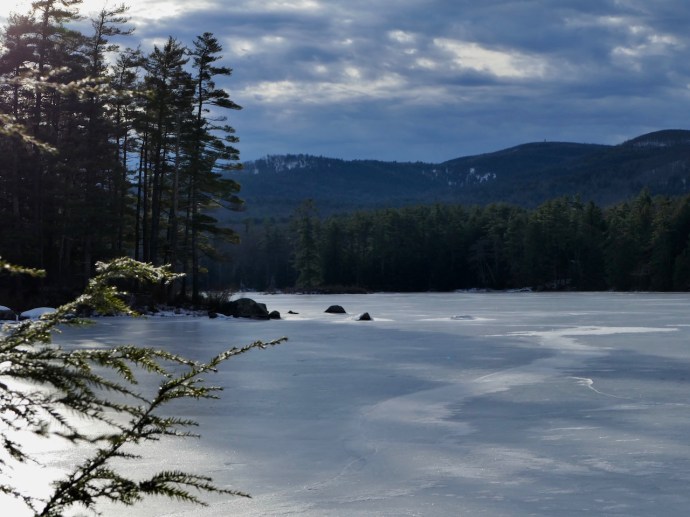
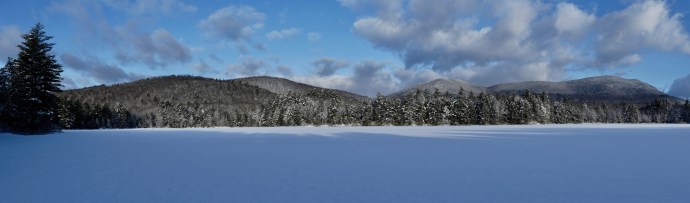
Take Fair Haven Pond, for instance, a perfectly level plain of snow, untrodden as yet by any fisherman, surrounded by snow-clad hills, dark evergreen woods, and reddish oak leaves, so pure and still.

December 20, 1851

in Thoreau’s Journal:

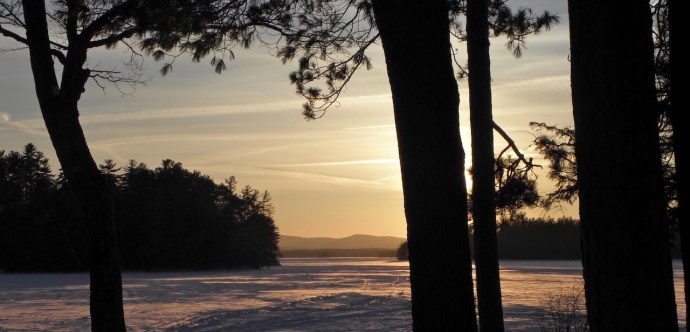
A clump of white pines seen far westward over the shrub-oak plain which is now lit up by the setting sun, a soft feathery grove, with their gray stems indistinctly seen, like human beings come to their cabin door, standing expectant on the edge of the plain, inspires me with a mild humanity. The trees indeed have hearts. The sun seems to send its farewell ray far and level over the copes to them, and they silently receive it with gratitude, like a group of settlers with their children.

P1010011_6 (1).jpeg

The pines impress me as human. A slight vaporous cloud floats high over them, while in the west the sun goes down apace behind glowing pines and golden clouds which like mountains skirt the horizon. Nothing stands up more free from blame in this world than a pine-tree.

December 18, 1859

in Thoreau’s Journal:

pc060077.jpg

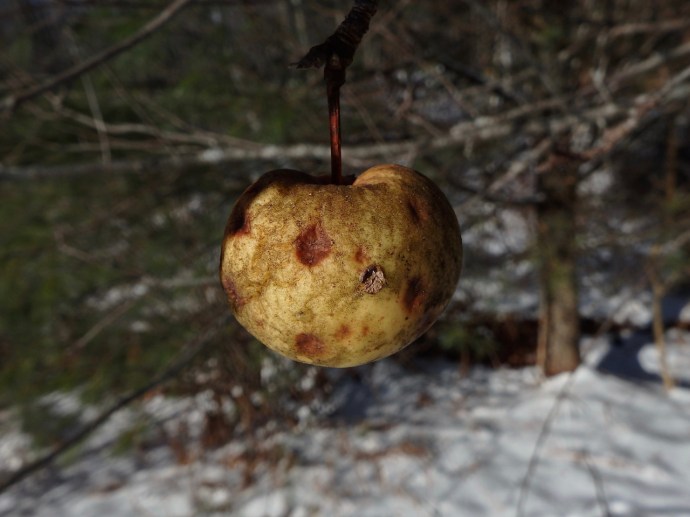
Apples are thawed now, and are very good. Their juice is the best kind of bottled cider that I know.  They are all good in this state, and your jaws are the cider press.

PC205424.jpeg