November 13, 1851

in Thoreau’s Journal:

P1210218.jpeg

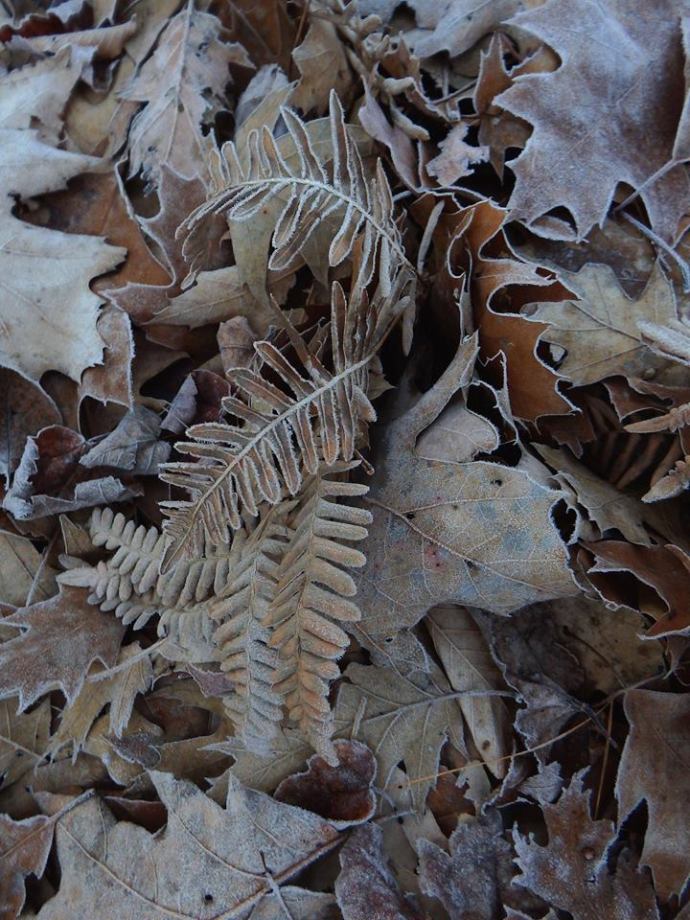
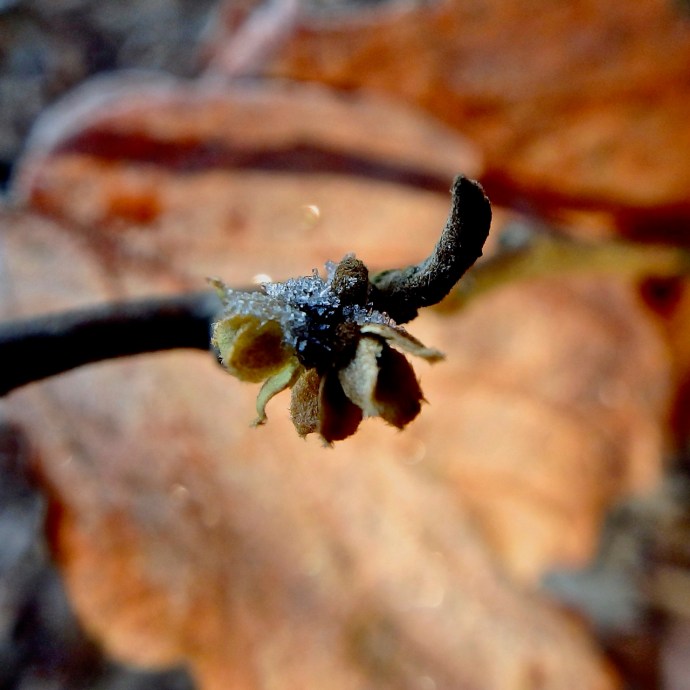
Truly a hard day—hard Times these.  Not a mosquito left. Not an insect to hum. Crickets gone into winter quarters— Friends long since gone there—& you left to walk on frozen ground—with your hands in your pockets.  Ah but is not this a glorious time for your deep inward fires?— & will not your green hickory & white oak burn clean—in this frosty air?  

P1210220.jpeg

….All fields lie fallow —  Shall not your mind?  True the freezing ground is being prepared for immeasurable snows.— but there are brave thoughts within you that shall remain to rustle the winter through like white oak leaves upon your boughs—or like scrub oaks that remind the traveller of a fire upon the hill sides—or evergreen thoughts cold even in mid summer by their nature shall contrast more fairly with the snow.

P1210213.jpeg

November 12, 1852

 in Thoreau’s Journal:

PC010140.jpeg

4 PM to Cliffs. It clears up. A very bright rain-bow.  3 reds 2 greens.

P1020985.jpeg

I see its foot within 1/2 mile in the SE heightening the green of the pines. 

November 11, 1853

 in Thoreau’s Journal:

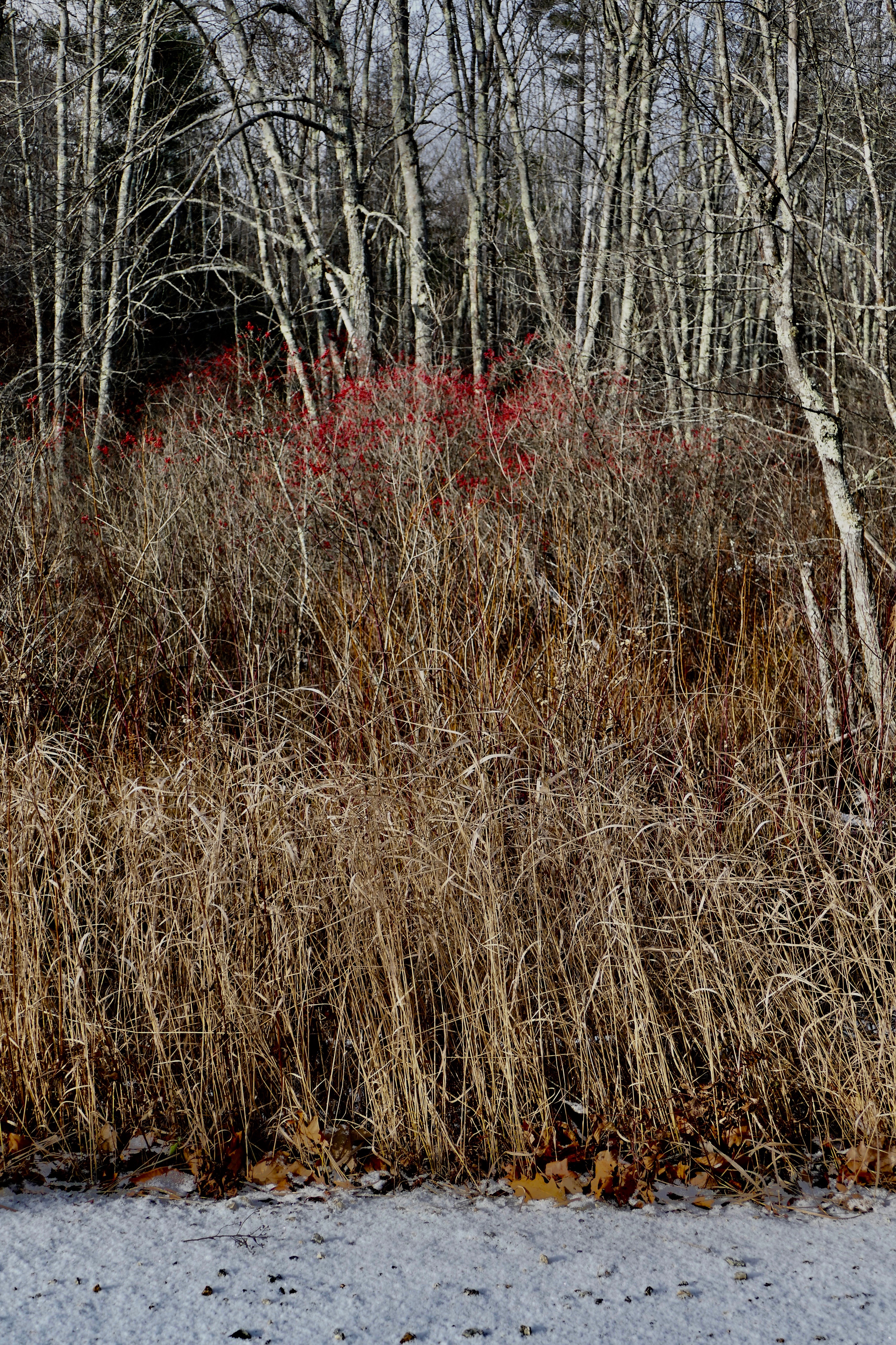
That delicate, waving, feathery dry grass which I saw yesterday is to be remembered with the autumn.

P1110784.jpeg

The dry grasses are not dead for me.

P1110800.jpeg

A beautiful form has as much life at one season as at another.

November 10, 1851

 in Thoreau’s Journal:

P1210212.jpeg

Photo, November 10, 2018

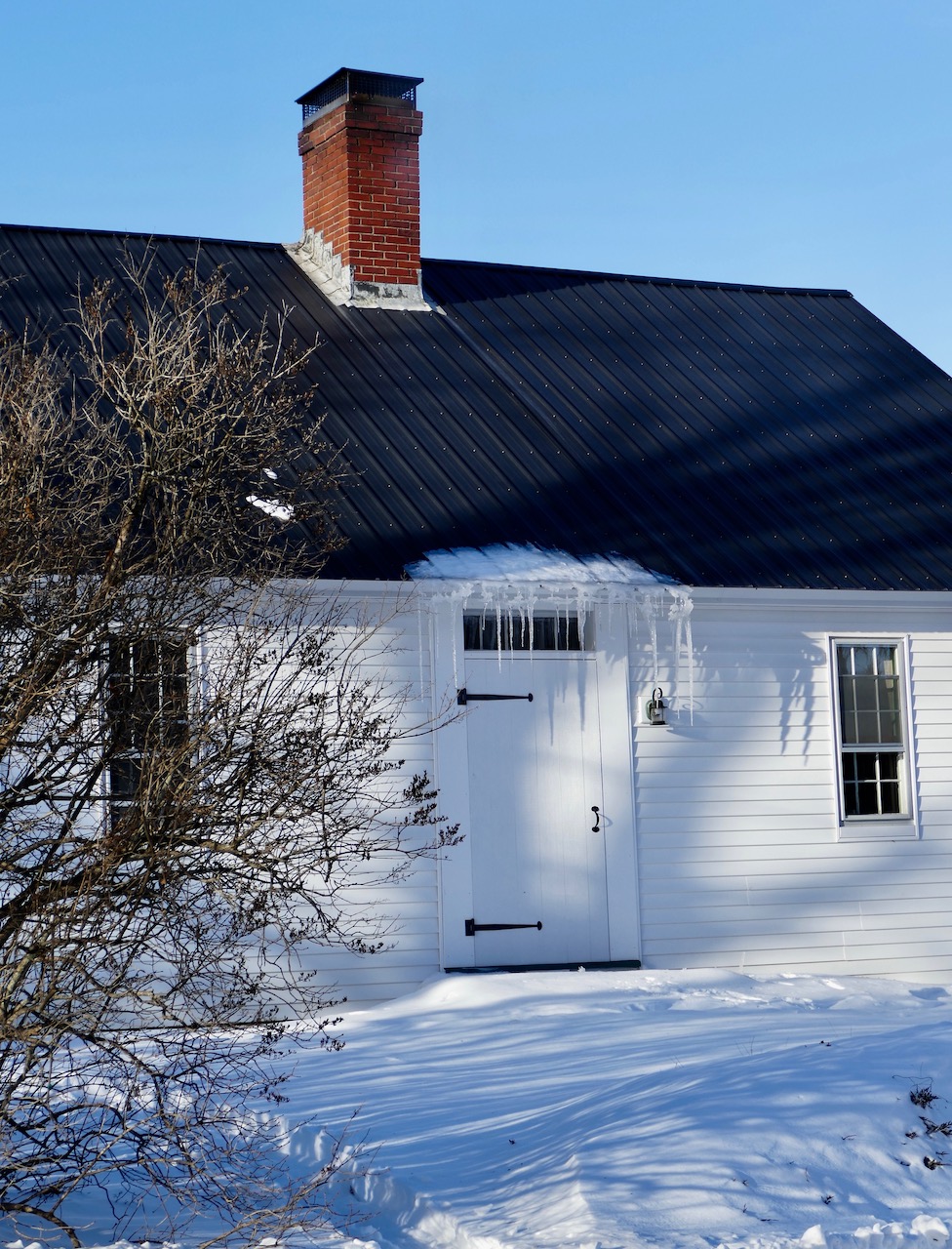
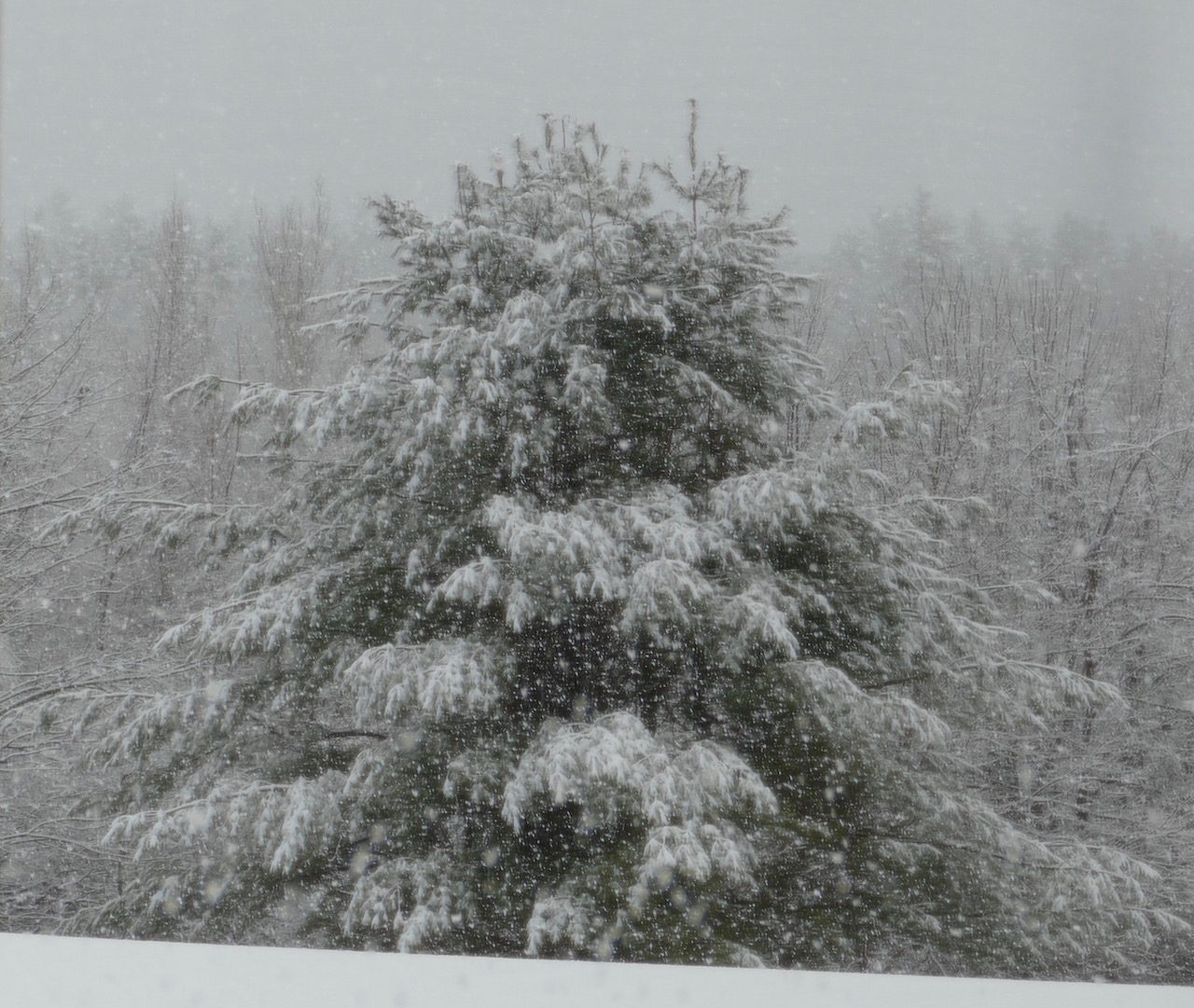
This morning the ground is once more whitened with snow—but it will apparently be gone in an hour or two.

PB250148.jpeg

I live where the pinus rigida grows—with its firm cones almost as hard as iron—armed with recurved spines.

November 9, 1851

 in Thoreau’s Journal:

P1110200.jpg

Pitch pine cones very beautiful—not only the fresh leather colored ones but especially the dead grey ones—covered with lichens— The scales so regular & close—like an impenetrable coat of mail. These are very handsome to my eye— Also those which have long since opened regularly & shed their seeds

P1210089.jpeg

An abundance of the rattlesnake Plantain in the woods by Brown’s Pond….

November 8, 1851

in Thoreau’s Journal:

Ah those sun sparkles on Dudley P.

081112detail.jpeg

In this november air what a heaven to live in!  Intensely brilliant as no artificial light I have seen—like a dance of diamonds. Course mazes of a diamond dance seen through the trees.  All objects shine today—even the sportsmen seen at a distance—

P1110014.jpeg

as if a cavern were unroofed and its crystals gave entertainment to the sun.  This great see-saw of brilliants.—

PB125055.jpeg

November 7, 1853“`

in Thoreau’s Journal:

The sun now rises far southward.  I see westward the earliest sunlight on the reddish oak leave & the pines—the former appear to get more than their share—  How soon the sun gets above the hills—as if he would accomplish his whole diurnal journey in a few hours at this rate—but it is a long way around & these are nothing to the hill of heaven.

P1200910.jpeg

Whether we are idle or industrious the sun is constantly traveling through the sky—consuming arc after arc of this great circle at this same rapid pace.

November 6, 1853

in Thoreau’s Journal:

Climbed the wooded hill by Holden’s spruce swamp—& got a novel View of the river & Fair Haven Bay—through the almost leafless woods. How much handsomer a river or lake such as ours seems thus through a foreground of scattered or else partially leafless trees though at a considerable distance this side of it—especially if the water is open without wooded shore or isles— It is the most perfect & beautiful of all frames which yet the sketcher is commonly careful to brush aside.

PA310187.jpeg

I mean a foreground—a view of the distant water through the near forest—through a thousand little vistas—as we are rushing toward the former—that intimate mingling of wood & water which excites an expectation which the near & open view rarely realizes. We prefer that some part be concealed—which our imagination may navigate.

November 5, 1852

 in Thoreau’s Journal:

At this season polypody is in the air.

P1210074.jpeg

It is worth the while to walk in swamps now, to bathe your eyes with greenness. The terminal shield fern is the handsomest and glossiest green.

November 4, 1852

 in Thoreau’s Journal:

Autumnal Dandelion—& yarrow—  Must be out of doors enough to get experience of wholesome reality—as a ballast to thought & sentiment.  Health requires this relaxation this aimless life. This life in the present….

P1020643.jpeg

My thought is a part of the meaning of the world—& hence I use a part of the world as a symbol to express my thought.

120424Thoreau.jpeg

November 3, 1852

in Thoreau’s Journal:

The landscape from Fair Haven Hill looks Novemberry—bare gray limbs & twigs in the swamps & where many young (or shrub) oaks have lost their leaves—You hear the rustling of oak & walnut leaves in the air. There is a ripple on the river from the cool northerly wind—the plants are sere. It is the month of withered oak leaves.

PB130017.jpeg

November 1, 1852

in Thoreau’s Journal:

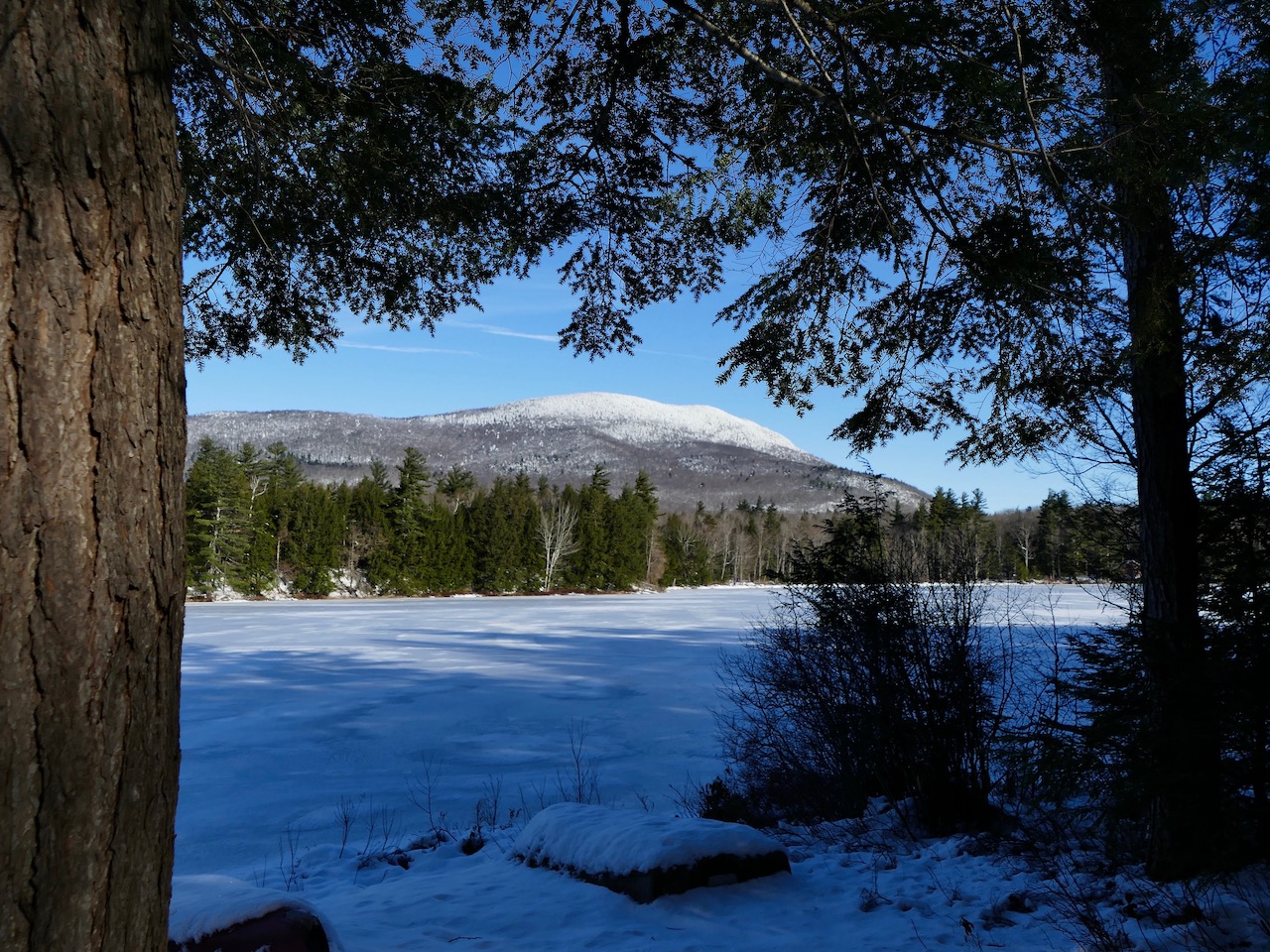
I saw there between the converging boughs of two white pines a rod or two from me on the edge of the rock, and I thought that there was no frame to a landscape equal to this—

PB127055.jpeg

to see between two near pine boughs whose lichens are distinct, a distant forest & lake—the one frame the other picture.

October 30, 1853

in Thoreau’s Journal:

What with the rains & frosts & winds the leaves have fairly fallen now— You may say the fall has ended. Those which still hang on the trees are withered & dry —  I am surprised at the change since last Sunday — Looking at the distant woods I perceive that there is no yellow nor scarlet there now— They are (except the evergreens) a mere dull dry red— The autumnal tints are gone.   What life remains is merely at the foot of the leafstalk.  The woods have for the most part acquired their winter aspect— And coarse rustling light colored withered grasses skirt the river & the woodside— This is November— The landscape prepared for winter without snow— When the forest & fields put on their sober winter hue. We begin to look more to the sunset for color & variety.

PB040027.jpeg

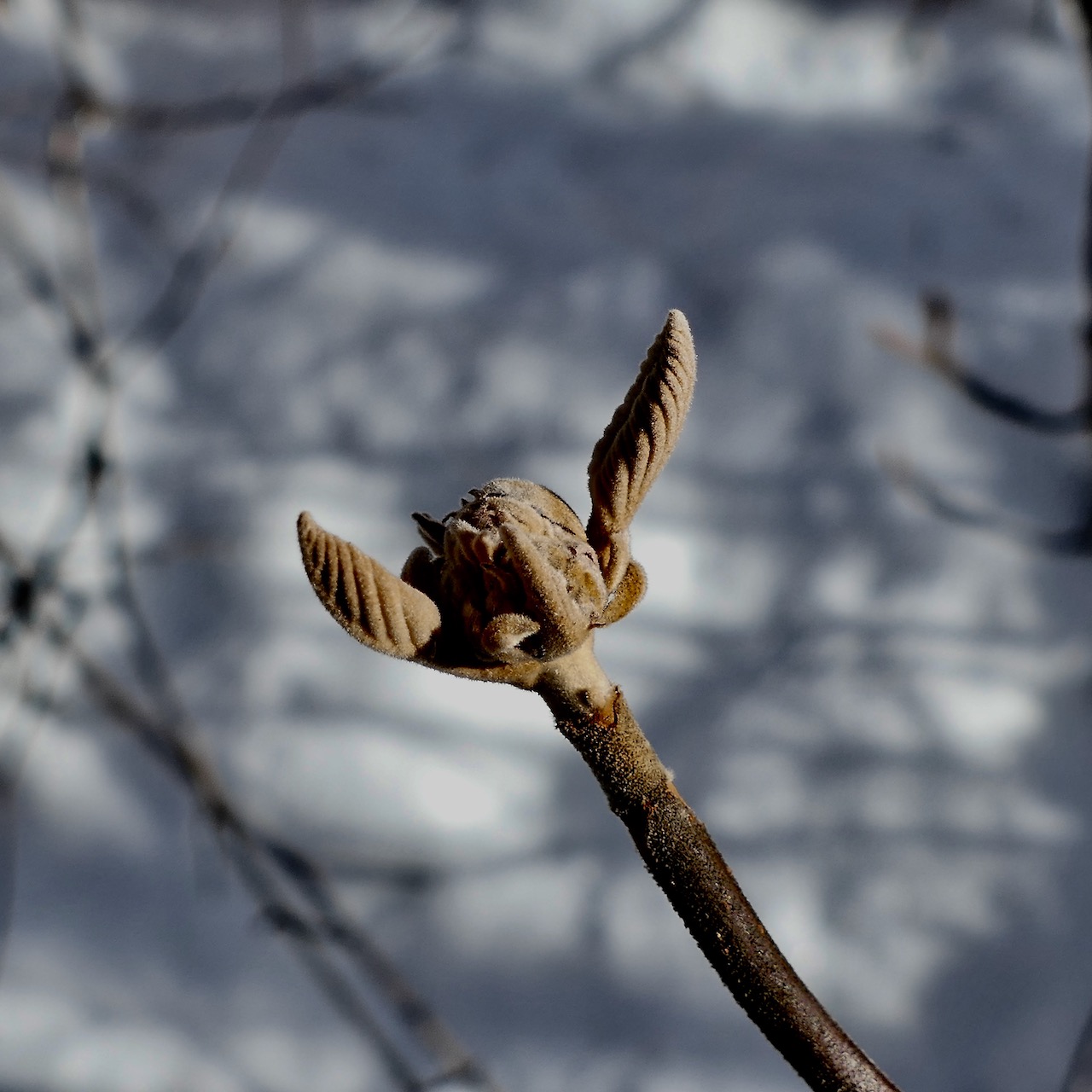
Now now is the time to look at the buds the swamp pink—some yellowish, some mixed with thin oblong seed-vessels red—&c.  The larger red maple buds have now 2 sets of scales—3 in each. The water Andromeda is still green— Along the Depot Brook the great heads of A. Puniceus stand dry & fuzzy & singularly white (—like the golden rods & other asters—) but some quite low are still green & in flower

The prevalence of this light dry Color perhaps characterizes November—that of whitening withered grass—of the fuzzy gray goldenrods—harmonizing with the cold sunlight—and that of the leaves which still hang on deciduous trees.

October 29, 1857

in Thoreau’s Journal:

I know of no such amusement, –– so wholesome and in every sense profitable, ––for instance, as to spend an hour or two in a day picking some berries or other fruits which will be food for the winter, or collecting driftwood from the river for fuel, or cultivating the few beans or potatoes which I want.

P1100598.jpeg

Theatres and operas, which intoxicate for a season, are as nothing compared to these pursuits. 

October 28, 1857

in Thoreau’s Journal:  

Tell me precisely the value and significance of these transient gleams which come sometimes at the end of the day, before the close of the storm, final dispersion of the clouds, too late to be of any service to the works of man for the day, and notwithstanding the whole night after may be overcast!

P1020699.jpeg

Is not this a language to be heard and understood? There is, in the brown and gray earth and rocks, and the withered leaves and bare twigs at this season, a purity more correspondent to the light itself than summer offers. 

October 27, 1858

in Thoreau’s Journal:  

PB210026.jpeg

The colors of the fields make haste to harmonize with the snowy mantle which is soon to invest them and with the cool, white twilights of that season which is itself the twilight of the year. 

October 26, 1860

 in Thoreau’s Journal:

This is the season of the fall when the leaves are whirled through the air like flocks of birds, the season of birch spangles,

P1200337.jpeg

when you see afar a few clear-yellow leaves left on the tops of the birches.

October 25, 1852

in Thoreau’s Journal:

P1110656.jpeg

The autumnal tints grow gradually darker & duller— They are doing to a crisp.  But not less rich to my eye    And now a hill side near the river exhibits the darkest crispy reds and browns of every hue all agreeably blended—  At the foot next the meadow stands a front rank of smoke like maples bare of leaves—intermixed with yellow birches. Higher up red oaks of various shades of dull red—with yellowish perhaps black oaks intermixed—and walnuts now brown—& near the hill top or rising above the rest perhaps a still yellowed oak—& here and there amid the rest or in the fore ground on the meadow—dull ashy salmon-colored white oaks large & small—all these contrasting with the clear liquid sempiternal green of pines.