in Thoreau’s Journal:

You cannot go out so early but you will find the track of some wild creature.
in Thoreau’s Journal:
You cannot go out so early but you will find the track of some wild creature.
in Thoreau’s Journal:
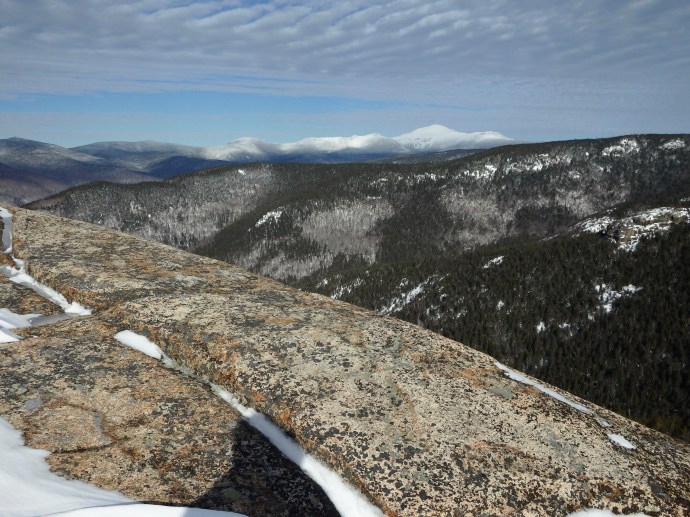
We are tempted to call these the finest days of the year.
in Thoreau’s Journal:
My home is as much of nature as my heart embraces. If I only warm my house, then is that only my home. But if I sympathize with the heats and colds, the sounds and silence of nature, and share the respose and equanimity that reign around me in the fields,

then are they my house, as much as if the kettle sang and fagots crackled, and the clock ticked on the wall.
in Thoreau’s Journal:

This plain sheet of snow which covers the ice of the pond is not such a blankness as is unwritten, but such as is unread.
in Thoreau’s Journal:
Apples are thawed now, and are very good. Their juice is the best kind of bottled cider that I know.

They are all good in this state, and your jaws are the cider press.
in Thoreau’s Journal:
The winter morning is the time to see in perfection the woods and shrubs wearing their snowy and frosty dress….The trees wear their morning burden but coarsely after midday and it no longer expresses the character of the tree…..

You wander zigzag through the aisles of the wood, where stillness and twilight reign.
in Thoreau’s Journal:
How indispensable to a correct study of Nature is a perception of her true meaning. The fact will one day flower out into a truth. The season will mature and fructify what the understanding had cultivated.

in Thoreau’s Journal:
I still recall that characteristic winter evening of December 9th: The cold, dry, and wholesome diet my mind and senses necessarily fed on,
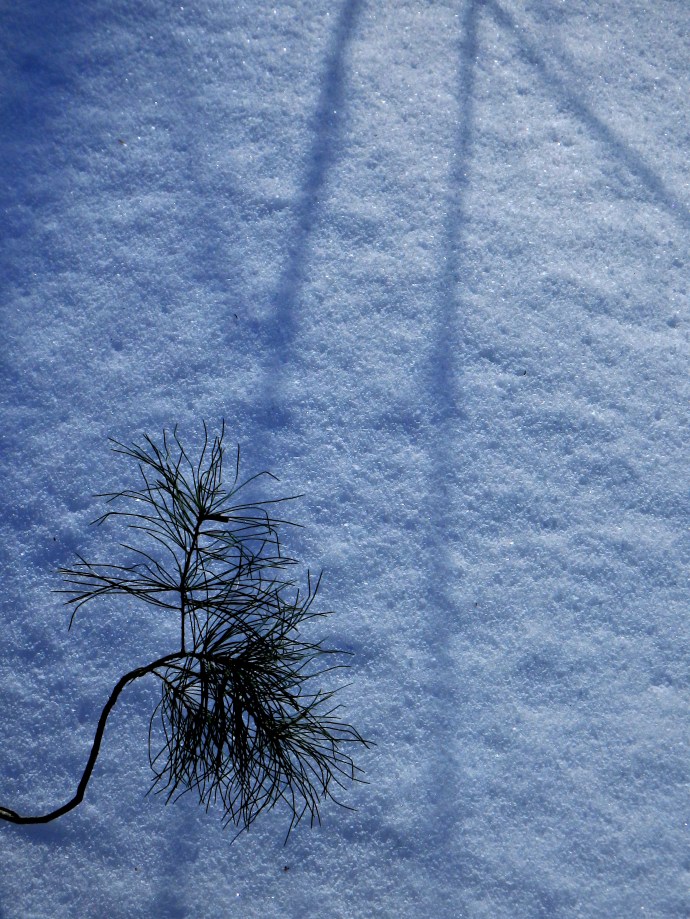
—oak leaves, bleached and withered weeds that rose above the snow, the now dark green of pines, and perchance the faint metallic chip of a single tree sparrow; the hushed stillness of the wood at sundown, aye, all the winter day, the short boreal twilight, the smooth serenity and the reflections of the pond, still free from ice; the melodious hooting of the owl….
in Thoreau’s Journal:

Ah, who can tell the serenity and clarity of a New England winter sunset?
These could not be till the cold and snow came.
in Thoreau’s Journal:
….the melon-rind arrangement of the clouds, really parallel columns of fine mackerel sky reaching quite across the heavens from west to east, with clear intervals of blue sky; and a fine-grained vapor like spun glass extending in the same direction beneath the former….But how long can a man be in a mood to watch the heavens?
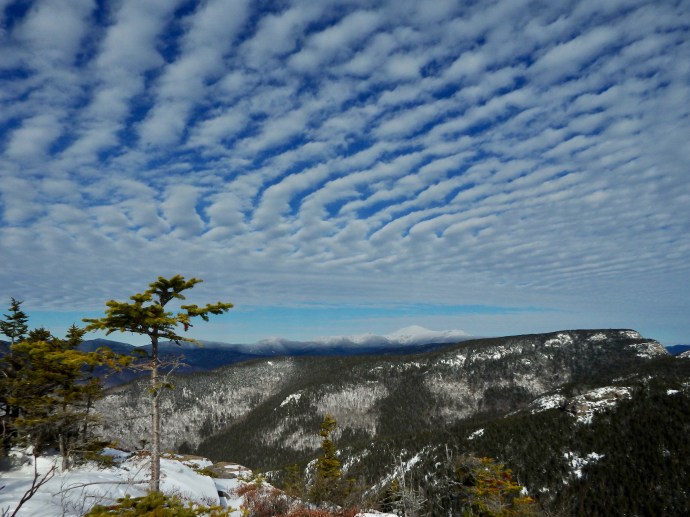
….What a spectacle the subtle vapors that have their habitation in the sky present these winter days! You have not only unvarying forms of a given type of cloud, but various types at different heights or hours. It is a scene, for variety, for beauty and grandeur, out of all proportion to the attention it gets. Who watched the forms of the clouds over this part of the earth a thousand years ago? who watches them to-day?
in Thoreau’s Journal:

If in the winter there are fewer men in the fields and woods, — as in the country generally, — you see the tracks of those who had preceded you, and so are more reminded of them than in summer.
in Thoreau’s Journal:
To perceive freshly, with fresh senses is to be inspired. Great winter itself looked like a precious gem reflecting rainbow colors from one angle. My body is all sentient. As I go here or there, I am tickled by this or that I come into contact with, as if I touched the wires of a battery. I can generally recall, have fresh in my mind, several scratches last received. These I continually recall to mind, reimpress and harp upon.
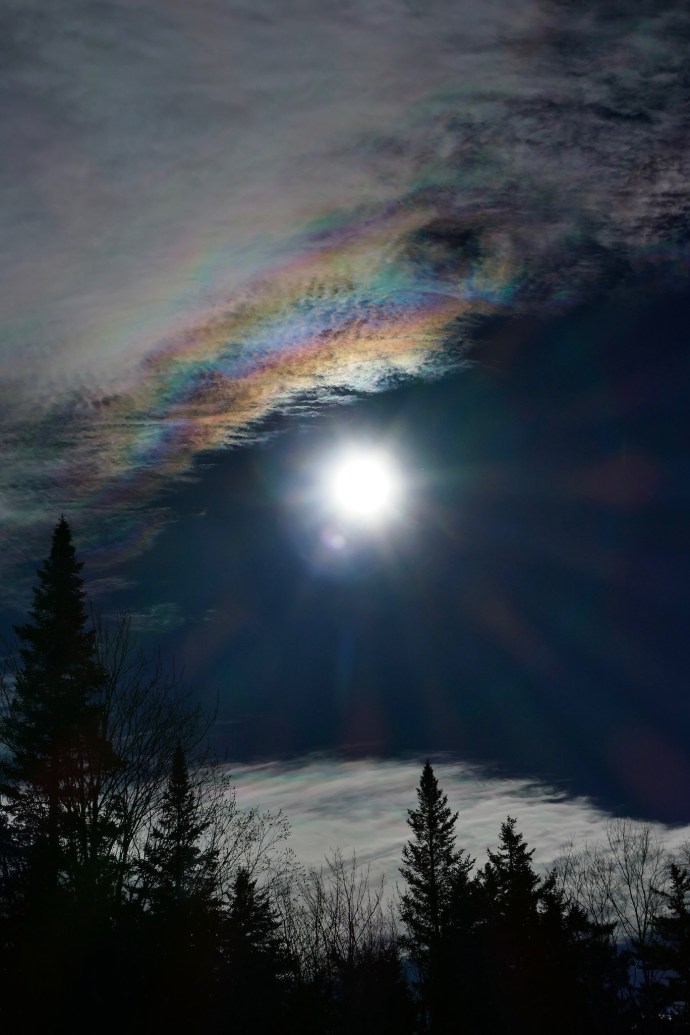
The ago of miracles is each moment thus returned; now it is wild apples, now river reflections, now a flock of red-polls. In winter too, resides immortal youth and perennial summer.

in Thoreau’s Journal:
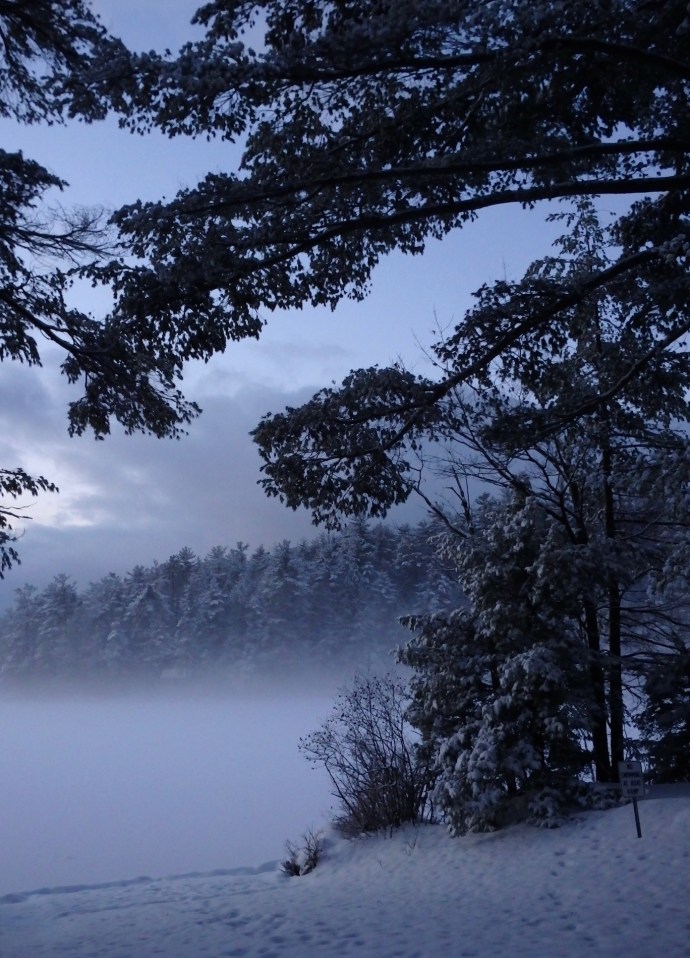
A bewitching stillness reigns through all the woodland, and over all the snow-clad landscape. Indeed, the winter day in the woods or fields has commonly the stillness of twilight. The pond is perfectly smooth and full of light.
in Thoreau’s Journal:
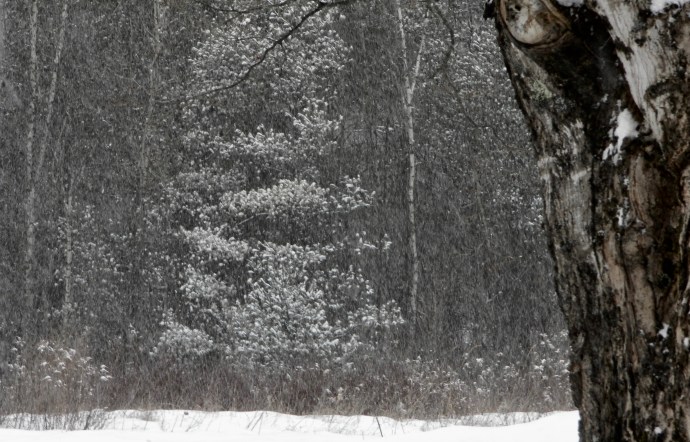
…the ground is now covered; our first snow, two inches deep….I am struck by this sudden solitude and remoteness which these places have acquired.
in Thoreau’s Journal:
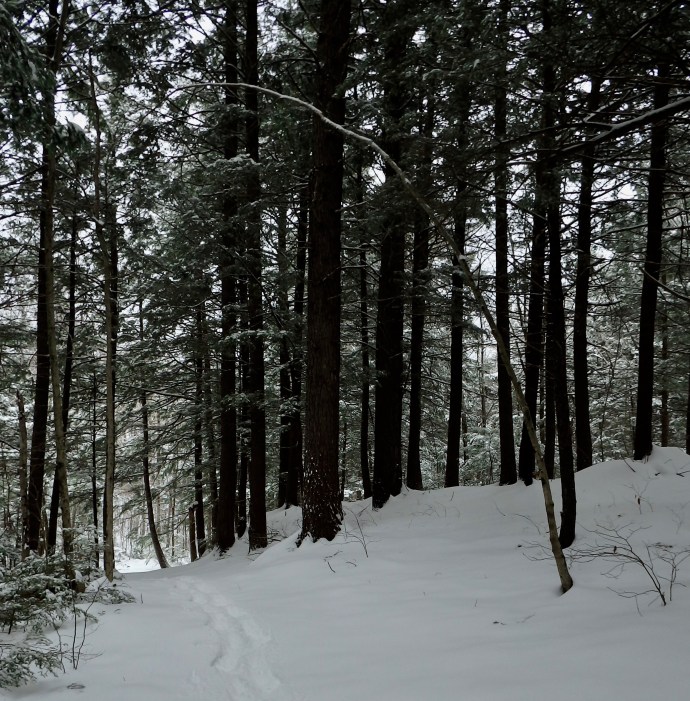
That grand old poem called Winter is round again without any connivance of mine….It was summer, and now again it is winter.

Nature loves this rhyme so well that she never tires of repeating it.
in Thoreau’s Journal:
On all sides, in swamps and about their edges and in the woods, the bare shrubs are sprinkled with buds, more or less noticeable and pretty, their little gemmæ or gems, their most vital and attractive parts now, almost all the greenness and color left, greens and salads for the birds and rabbits. Our eyes go searching along the stems for what is most vivacious and characteristic, the concentrated summer gone into winter quarters.
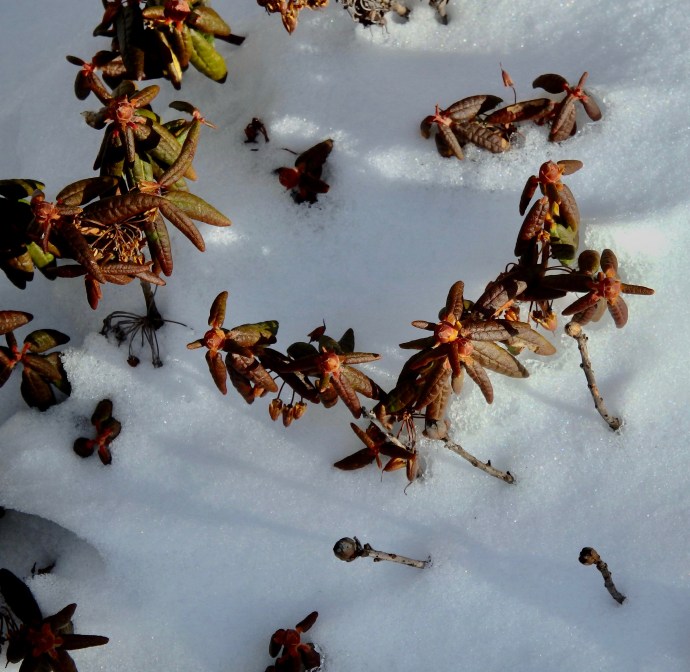
For we are hunters pursuing the summer on snow-shoes and skates, all winter long. There is really but one season in our hearts.
in Thoreau’s Journal:
December 5, 1852
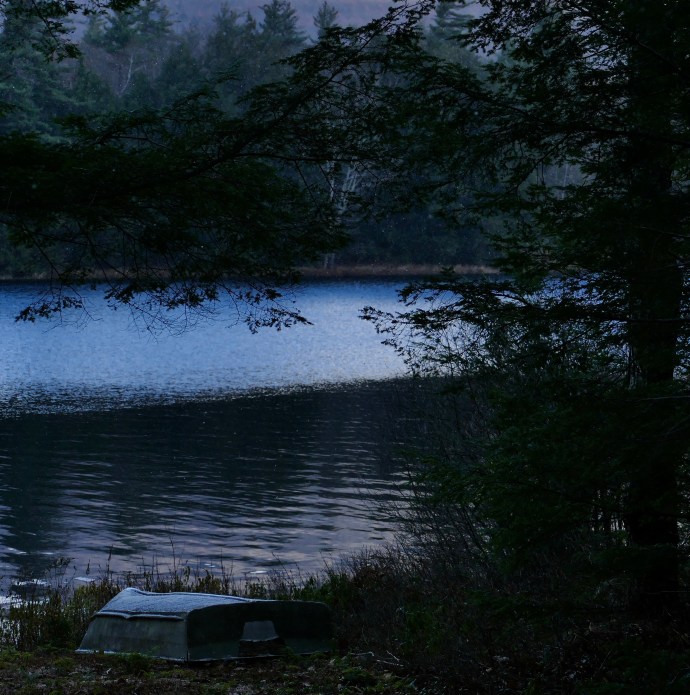
Rowed over Walden! A dark, but warm, misty day, completely overcast.
December 5, 1856
I love best to have each thing in its season only, and enjoy doing without it at all other times. It is the greatest of all advantages to enjoy no advantage at all.
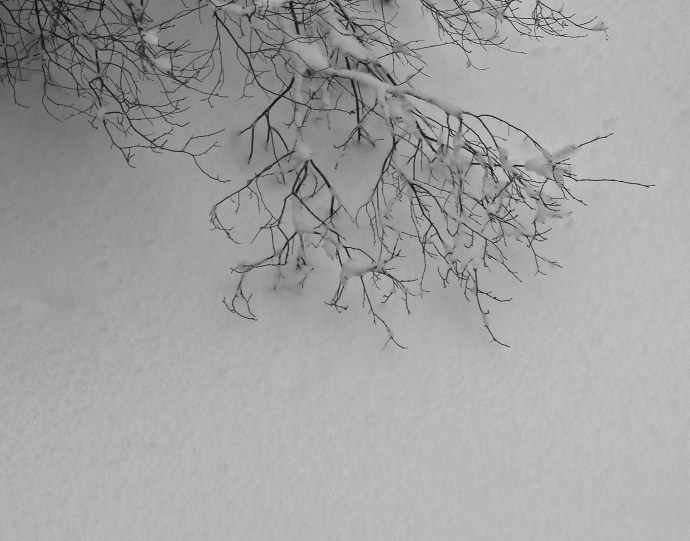
I find it invariably true, the poorer I am, the richer I am.
in Thoreau’s Journal:
1856: I love the few homely color of nature at this season, her strong, wholesome browns, her sober and primeval grays, her celestial blue, her vivacious green, her pure cold snowy white.

1859: Awake to winter, and snow two or three inches deep, the first snow of any consequence.
in Thoreau’s Journal:
Six weeks ago I noticed the advent of chickadees and their winter habits. As you walk along a woodside, a restless little flock of them, whose notes you hear at a distance, will seem to say, “Oh, there he goes, let’s pay our respects to him!”
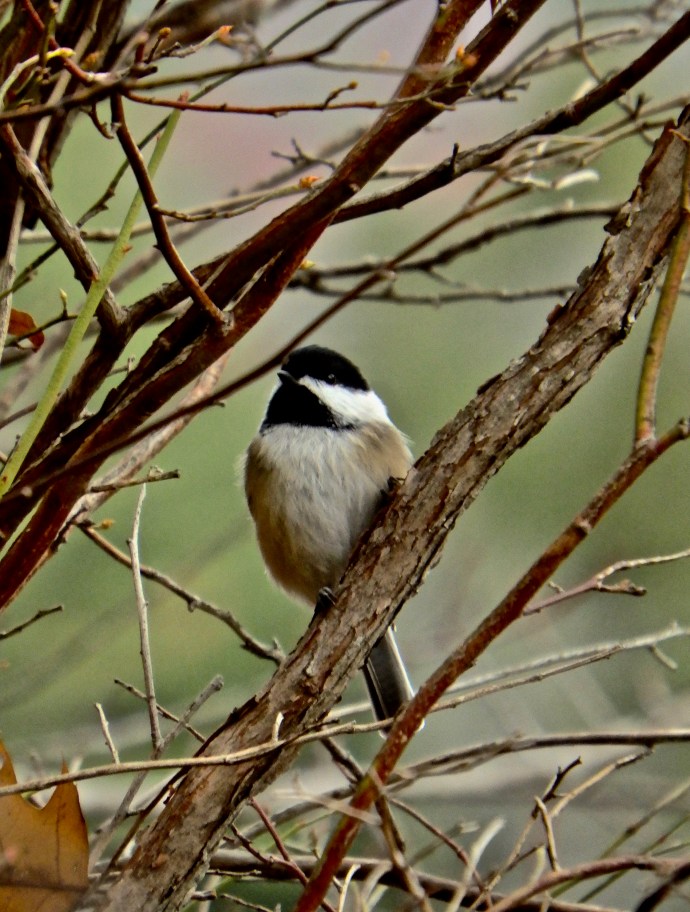
and they will flit after and close to you and naively peck at the nearest twig to you, as if they were minding their own business all the while, without any reference to you.


You must be logged in to post a comment.