November 3, 1853

in Thoreau’s Journal:
P8060047.jpg

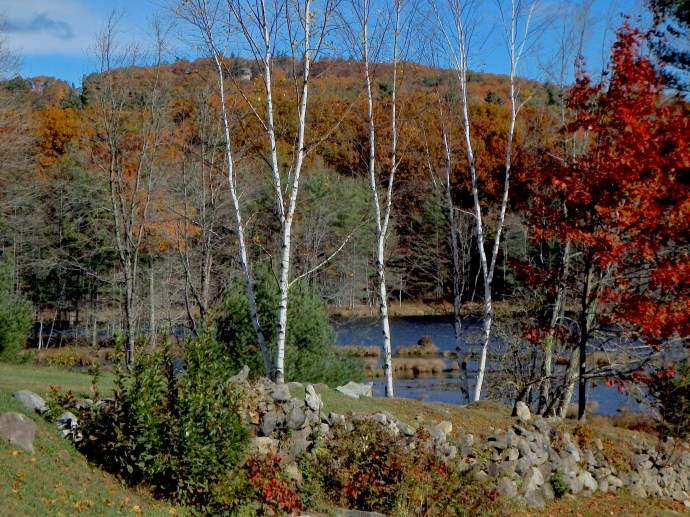
I make it my business to extract from Nature whatever nutriment she can furnish me, though at the risk of endless iteration. I milk the sky and the earth…Our woods and fields are the perfection of parks and groves, and gardens and grottoes, and arbors, and paths and parterres, and vistas and landscapes. They are the natural consequence of what art and refinement we as a people have. They are the common which each village possesses, the true paradise, in comparison with which all elaborately and willfully wealth-constructed parks and gardens are paltry imitations.

November 2, 1857

 in Thoreau’s Journal:

P1220037.jpg

The mere greenness, which was not remarkable in the summer, is positively interesting now. My thoughts are with the polypody a long time after my body has passed….The bare outline of the polypody thrills me strangely.

November 1, 1858

 in Thoreau’s Journal:

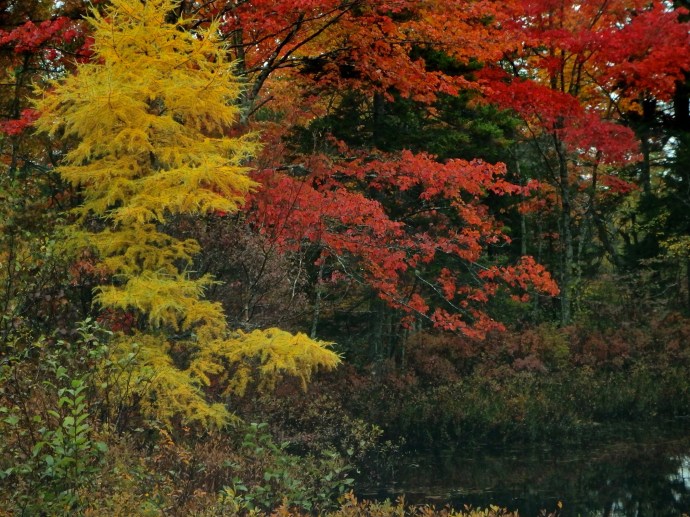
Now you easily can detect where larches grow….They are far more distinct than at any other season….Unlike the pines there is no green left to alternate with their yellow, but they are a uniform yellow….

PA130204.jpg

These trees now cannot easily be mistaken for any other, because they are the only conspicuously yellow trees now left in the woods….

October 31, 1858

in Thoreau’s Journal:

These are my China asters, my late garden flowers.

PB050037.jpg

It costs me nothing for a gardener. The falling leaves, all over the forest, are protecting the roots of my plants. Only look at what is to be seen, and you will have garden enough, without deepening the soil of your yard. We have only to elevate our view a little to see the whole forest as a garden.

October 28, 1852

 in Thoreau’s Journal:

4 months of the green leaf make all our summer, if I reckon from June 1st to Oct 1st—the growing season & methinks there are about 4 months when the ground is white with snow That would leave two months for Spring & 2 for autumn. October the month of ripe or painted leaves—Nov. perchance the month of withered leaves.

PB080103.jpg

October 26, 1853

in Thoreau’s Journal:

Everything beautiful impresses us as sufficient to itself.

26A.jpg

It is surprising how any reminiscence of a different season of the year affects us. When I meet with any such in my Journal, it affects me as poetry, and I appreciate that other season and that particular phenomenon more than at the time. The world so seen is all one spring, and full of beauty. You only need to make a faithful record of an average summer day’s experience and summer mood, and read it in the winter, and it will carry you back to more than that summer day alone could show.

26B.jpg

Only the rarest flower, the purest melody, of the season thus comes down to us.


October 23, 1852

in Thoreau’s Journal:

23A.jpg

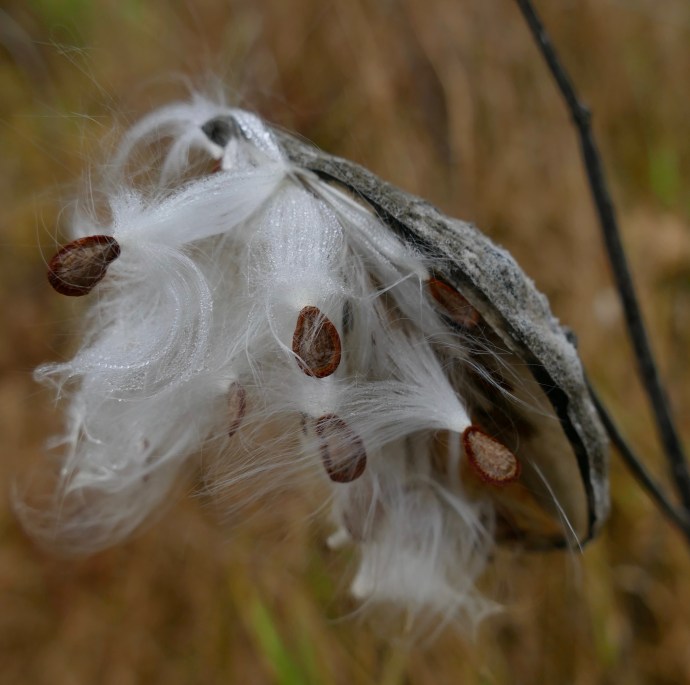
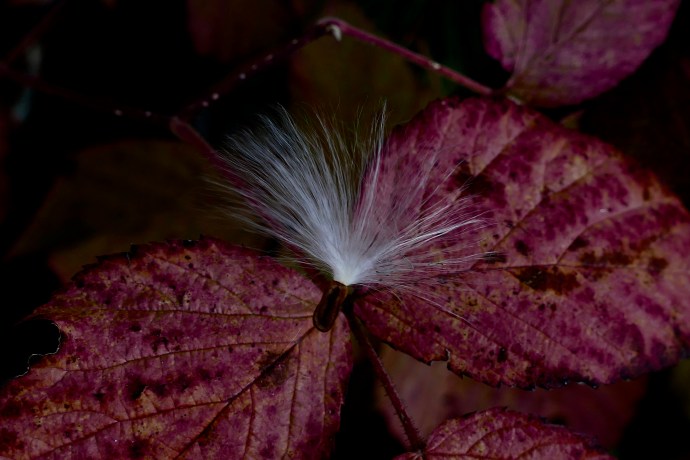
The milkweed now rapidly discounting. The lanceolate pods having opened, the seeds spring out on the least jar, or when dried by the sun and form a little fluctuating white silky mass or tuft, each held by a fine thread until a stronger puff of wind sets them free.

P1100958.jpg

It is pleasant to see the plant thus dispersing its seeds.

October 22, 1857

in Thoreau’s Journal:

PB090035.jpg

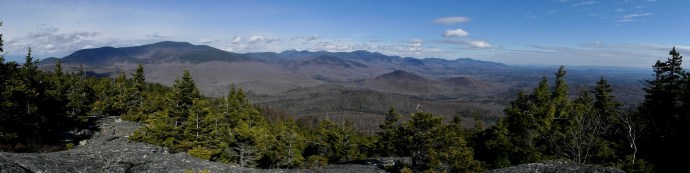
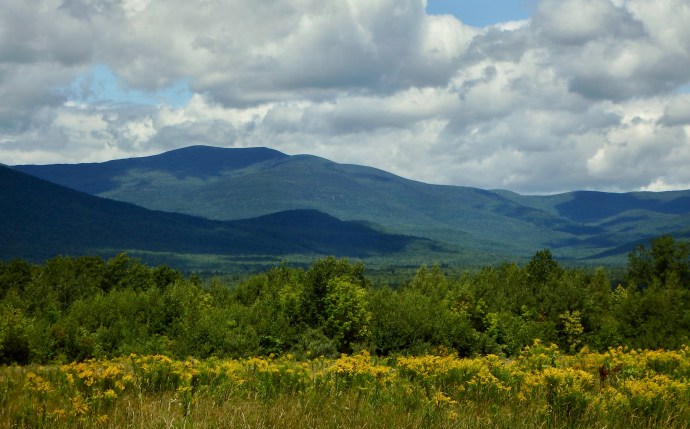
I look up northwest to my mountains, as a farmer to his hill-lot or rocky pasture from his door…. My eyes it is alone that wander to these blue pastures which no drought affects. I am content to dwell here and see the sun go down behind my mountain fence.

October 20, 1852

 in Thoreau’s Journal:

The clouds have lifted in the northwest, and I see the mountains in sunshine (all the more attractive from the cold I feel here), with a tinge of purple on them, —a cold, but memorable and glorious outline. This is an advantage of mountains in the horizon; they show you fair weather from the midst of foul.

P1100886.jpg

October 19, 2017

October 17, 1858

 in Thoreau’s Journal:

P1100618.jpg

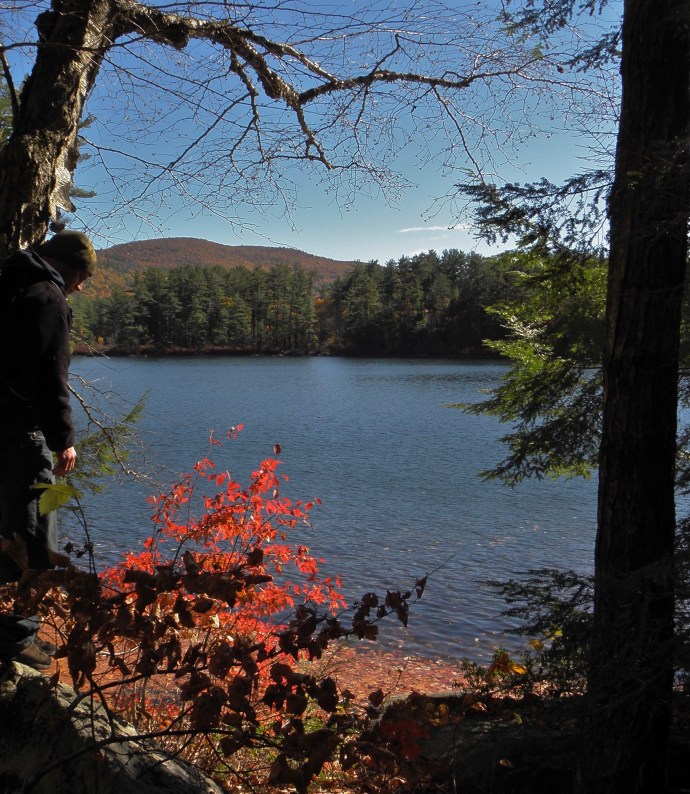
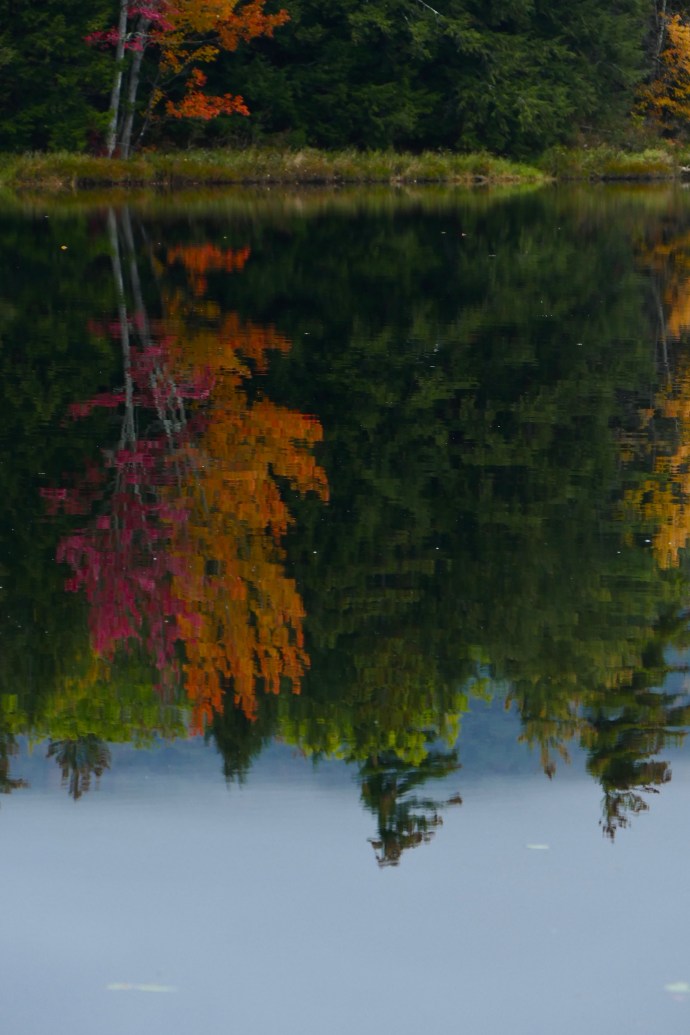
I think the reflections are never purer and more distinct than now at the season of the fall of the leaf, just before the cool twilight has come, when the air has a finer grain, just as our mental reflections are more distinct at this season of the year when the evenings grow cool and lengthen, and our winter evenings with their brighter fires may be said to begin.

October 16, 1859

in Thoreau’s Journal:

This clear, cold, Novemberish light is inspiriting. Some twigs which are bare, and weeds, begin to glitter with hoary light.

PA190115.jpg

The very edge or outline of a tawny or russet hill has this hoary light on it. Your thoughts sparkle like the water surface and the downy twigs. From the shore you look back on the silver-plated river.